Garage Laundry Ideas
Converting a portion of your garage into a superb, attractive, and useful laundry area demands a well-considered strategy for utilizing the available space and incorporating essential utilities. Considering garages are frequently without the complete finish found in the main dwelling areas, the key to success lies in establishing clear boundaries and investing in durable surfaces for enduring quality and effortless tidiness.
Prioritizing durability and cleanliness, the recommendation is to look at installing a floor of sealed concrete or epoxy, these options being perfectly suited to repel water damage and tolerate the inevitable abrasion inherent to work areas. An absolutely vital initial action is to thoroughly evaluate the current structural setup; confirming adequate plumbing access for the washer and a potential utility sink, as well as robust electrical wiring to support the appliance demands, is paramount for a successful conversion.
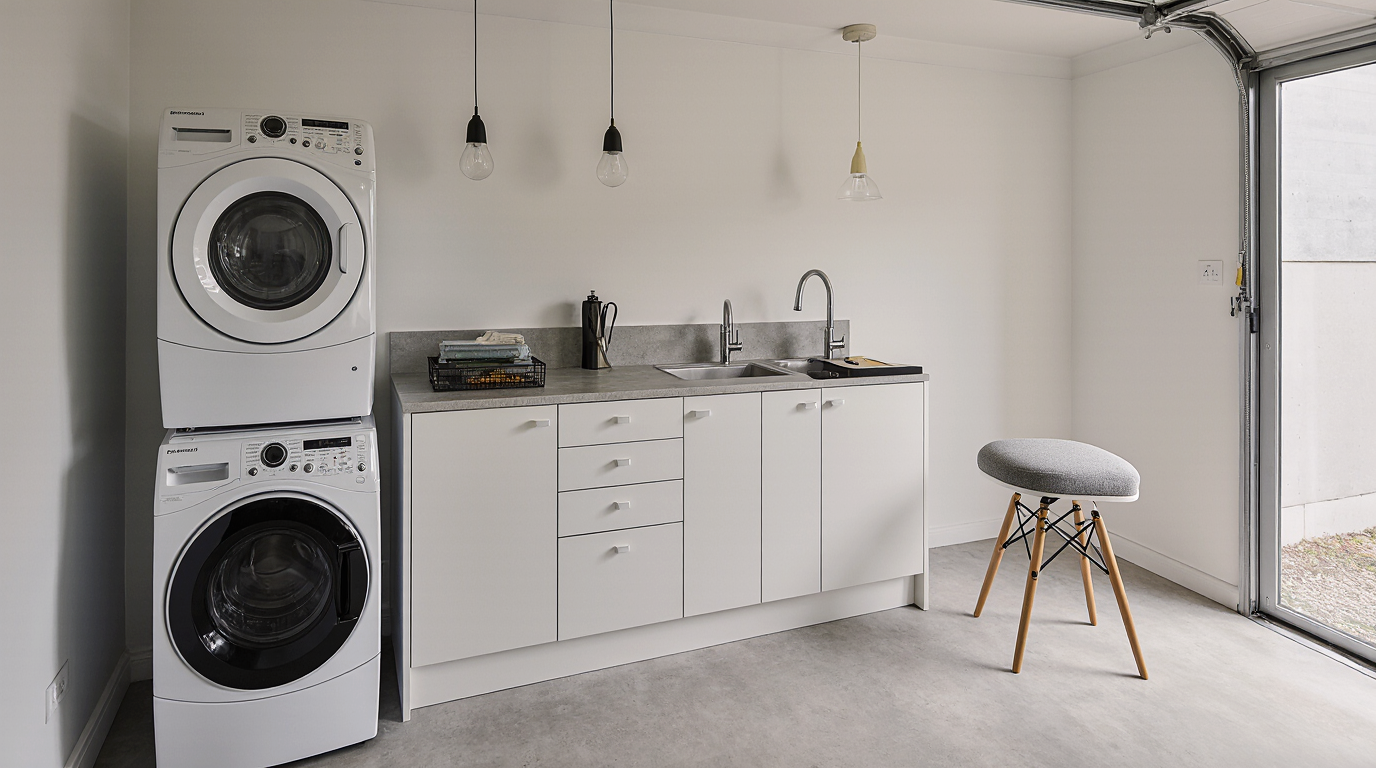
When aiming for peak efficiency in what could be a constrained space, designing vertically becomes your primary strategic goal. Opting for a stacked washer and dryer configuration instantly frees up valuable floor space, allowing room for critical secondary functions. Above these units, installing built-in cabinetry is essential for achieving that streamlined aesthetic, concealing detergents, cleaning agents, and linens, thereby reducing visual clutter. Provided the configuration accommodates it, fitting a continuous counter over the units or along the nearest wall gives you an essential platform for managing and folding your laundry, thus elevating the whole area from a simple laundry spot to a true functional hub. Look at durable materials such as quartz or sealed hardwood for these counters to achieve a good blend of inviting warmth and necessary water resilience.
Outside of the necessary major appliances, integrating thoughtful features truly upgrades the way the laundry process flows. Having a generously sized slop sink serves as an invaluable tool for any washing or soaking needs, helping to contain potential spills and clutter away from the interior of the dwelling. To handle the air-drying of fine fabrics, a folding or slide-out rack installed on the wall provides an ingenious method for utilizing minimal space. Since lighting can be an issue in many garages, an essential requirement is the implementation of tiered lighting design. Using light, simple colors on the walls, perhaps a clear white or pale silver, aids in light distribution, though it is necessary to enhance this with targeted LED lights fitted beneath the upper cabinets over your workspace to achieve maximum visibility for spot cleaning and separating laundry. Developing a unified aesthetic, possibly through the consistent use of cabinet handles or the addition of a unique decorative panel behind the sink or counter, serves to clearly separate this space visually from the rest of the garage, thus creating a genuinely distinct and pleasant laundry haven.
Garage Laundry AreaConverting a portion of your garage into a functional laundry area can be a great idea for homes where living area is scarce. This approach leverages often underutilized square footage, relocating the clamor and dampness associated with washing and drying outside the main living areas. Detailed forethought is necessary, focusing on proper ventilation to manage humidity and heat generated by the machines. Examine the current flooring and check it supports the load and any possible spills, perhaps by incorporating a subtle slope toward a floor drain if possible, or by placing the units on elevated, sturdy platforms.
The main hurdle in a garage setup is dealing with the less-than-ideal environmental conditions, such as varying heat levels and airborne particles. To overcome this problem, purchasing secured cupboards or premium, tough-to-the-elements containers is advisable. It safeguards your soaps and fabrics but also offers a cleaner, more finished aesthetic, changing a practical zone. In addition, because garages are often shared with vehicles, you must verify sufficient, safe power lines are put in place specifically for the high-power demands of modern washers and dryers, complying rigidly with area structural laws.
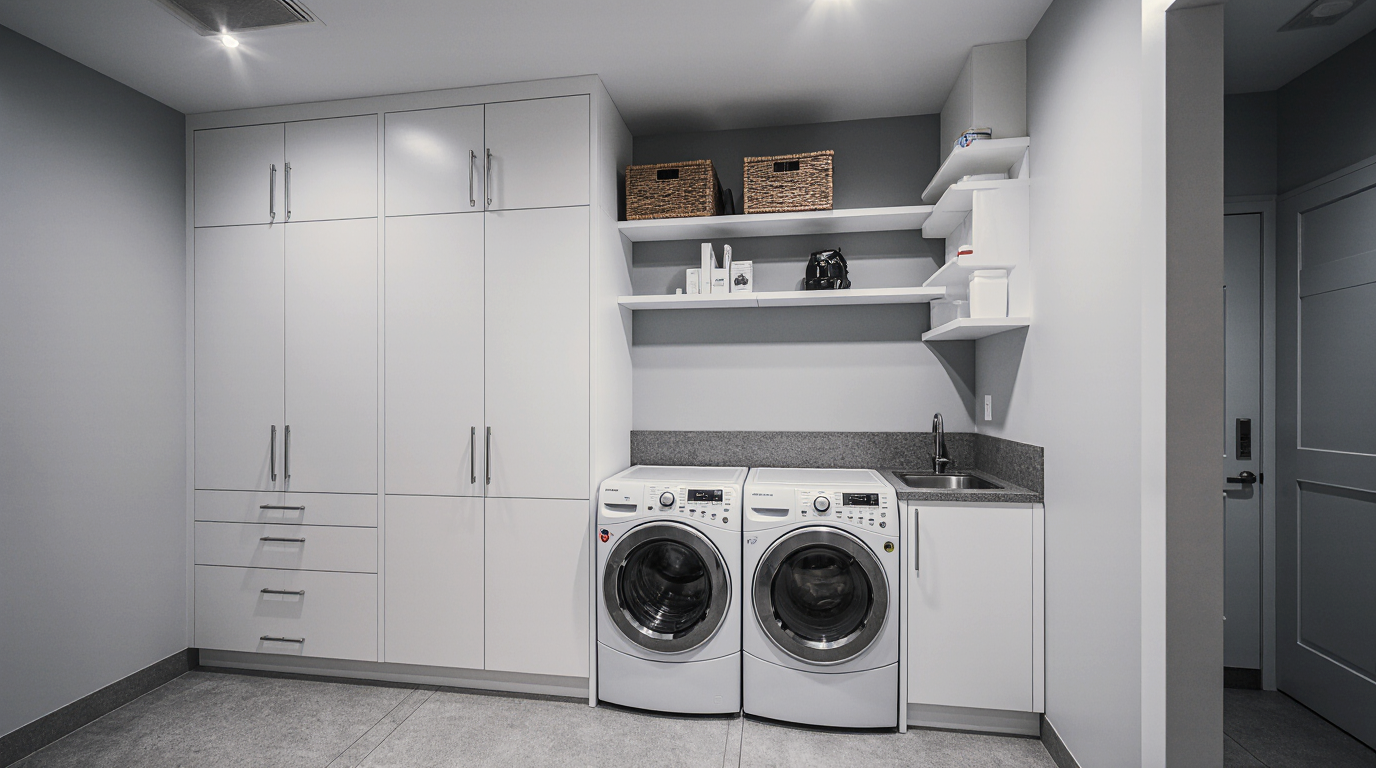
When setting up the configuration, think vertically. Wall-mounted shelving units above the appliances maximize storage for supplies without occupying precious footing. If space allows, a long countertop over the machines can offer an essential area for folding, boosting the effectiveness of the chore. Good lighting is non-negotiable; standard garage lighting is often insufficient for close work such as removing stains or separating items. Put in luminous, focused LED lamps directly over the work zones.
To summarize, a thoughtfully completed laundry corner in the garage significantly increases the functionality of your home. It hides soiled garments, keeps grime or detergent from tracking inside, and releases important storage or service room indoors. It's an intelligent utilization of existing space, turning a drab corner of the garage into a hardworking extension of your home's essential services, provided the initial infrastructure setup is robust and compliant.
Laundry Room GarageCreating a separate laundry zone inside the garage building offers distinct advantages for function and tidiness that an interior room might not offer. Different from just placing the laundry appliances in the garage, creating a true "room" implies some level of separation, perhaps employing separating panels, drapes, or careful locating in a corner furthest from the main entrance. The partitioning assists in limiting volume and holds the cleaning chores apart from where cars are parked or where storage for tools resides.
One of the primary considerations for this type of conversion is waterproofing and drainage. Since garages typically have concrete slab floors, verifying the washer's location is secure against flooding is crucial. A shallow, custom-built base or pan beneath the machines can serve as a backup shield from spills, catching any accidental spillage before it spreads across the garage floor. Pipes and fittings should be durable, often demanding service doors for repairs that won't obstruct the remaining garage utility.
Aesthetically, this space should nonetheless match the practical nature of the garage while providing a pleasant workspace. Durable, easy-to-clean wall surfaces, such as semi-gloss paint or beadboard paneling, are smart selections as they can resist water droplets and are simple to wipe down. Avoid materials that trap moisture or dust, which are more prevalent in garage environments compared to interior rooms.
The flexibility of the garage setting allows for novel methods for natural drying. Instead of just relying on the dryer, you might fit a robust, overhead hanging system that can be pulled down when needed and completely stowed away afterward. This flexibility is key to fully utilizing the varied uses of the garage area while improving the efficiency of your laundry routine.
Garage Laundry MakeoverA garage laundry makeover is more about repurposing an existing area and more about transforming an existing, often neglected, area into a highly efficient zone. The objective centers on upgrading from a raw concrete corner to a designated, organized hub for garment care. This usually begins with addressing the floor—cleaning, sealing, or perhaps applying an epoxy coating can drastically improve durability and visual appeal, simplifying future maintenance.
Next, the next step involves concealing unattractive features. Exposed plumbing, utility boxes, and less-than-attractive storage containers can be hidden by well-designed built-ins or decorative wooden screens. The idea is to create a seamless look that complements the structure of the garage rather than fighting against its utilitarian nature. A fresh coat of light, premium paint can instantly lift the mood of the space, making the chore feel less like a burden.
Improving how the space works is key to a good transformation. If you are relying on mobile baskets, integrating a permanent sorting unit with clear categories elevates the process from chaotic to systematic. Look into an ironing surface that tucks away beneath a work surface or clever storage solutions for laundry detergents that keep them out of reach of children or pets but readily accessible to the user.
The lighting upgrade is frequently forgotten yet delivers the greatest visual and functional difference. Replace dim overhead bulbs with linear fluorescent or LED fixtures that provide bright, even illumination across the work surface. This improves security and permits a closer look at clothes when treating stains or folding. A successful makeover turns a forgotten space into a point of pride and superior utility.
Garage Laundry Room IdeasInvestigating fresh concepts for turning the garage into a laundry area often revolves around maximizing vertical space and integrating the appliances into a cohesive design. One noteworthy concept involves utilizing vertical appliance stacking units, which are essential if you need to fit both a washer and dryer into a narrow footprint. It is crucial to fasten the stacked units firmly, given the vibrations during the spin cycle.
For those who process large volumes of washing, the concept of a "wet zone" countertop is highly effective. This work surface, usually constructed from granite or another solid, non-absorbent material, should extend over both the washer and dryer, providing ample room for sorting and folding right where the clothes emerge. Place a large, deep utility tub next to the appliances to handle pre-soaking or delicate hand-washes, thus finalizing the dedicated wet area.
Storage ideas should heavily lean towards maximizing wall space. Think about installing pegboard systems alongside traditional shelving. A pegboard allows for flexible organization of small tools, stain remover bottles, lint rollers, and other miscellaneous laundry accessories using movable hooks and containers that you can easily reposition based on evolving requirements.
Another modern idea is the integration of smart ventilation. Since the air quality in a garage environment can often be problematic, putting in a vent fan regulated by moisture levels instead of a basic switch ensures that the moisture generated by the dryer is actively managed and vented outside, stopping water buildup and the risk of mold development inside the building's framework.
Garage Laundry Area IdeasWhen designing a new garage laundry area, the preliminary concepts ought to prioritize on practical constraints like accessibility, power, and drainage tailored for the garage setting. A strong starting point is defining the boundaries of the area clearly, even if it's not a fully enclosed room. This is possible by using a contrasting floor finish, such as applying an epoxy design to the slab, or by installing a decorative, yet functional, partition wall using reclaimed items.
Consider the workflow. A linear setup is usually superior for a narrow space: shelving for supplies, then the washing machine, then the dryer, and ending at a designated area for folding. If you frequently deal with muddy sports gear or gardening clothes, placing a utility sink before the washing machine in this sequence can be a game-changer, allowing for preliminary cleaning where the dirtiest items are handled first.
For a low-cost, high-utility idea, install heavy-duty rolling carts instead of built-in cabinets. These can store supplies and be rolled out when needed, and then stored against a back wall or beneath a counter when the space is needed for other garage activities, offering unparalleled flexibility.
Think about the specific machines you own. If you use a ventless dryer, your ventilation needs are significantly reduced, allowing for more diverse placement choices. If you have a front-loader, incorporating a small, sturdy bench adjacent to it can serve as a brief resting place for hampers, bypassing a full counter build. This incremental approach to design can build a fantastic area over time.
Ideas for Laundry Room in GarageTransforming a section of your garage into a functional laundry space can be a fantastic solution, especially if indoor space is limited. The key is to optimize the environment for durability and efficiency. Look at the ground covering; concrete is standard, but sealing it or applying an epoxy coating can prevent moisture absorption and staining, which are common concerns in a garage setting. Ventilation is crucial here; make certain you possess sufficient air movement to manage humidity from the washer and dryer, potentially integrating an exhaust fan that vents properly outdoors.
Lighting should be a priority since garages are frequently dark. Installing bright, energy-efficient LED strip lighting will make sorting, folding, and handling laundry much easier on the eyes. The subsequent consideration involves plumbing needs. You'll need access to a hot and cold water supply and a proper drain. If a dedicated utility sink is within the budget, it adds immense value for pre-treating stains or soaking items right where they are being washed.
When it comes to appliance placement, consider stacking your washer and dryer to save valuable floor space. If you opt for a side-by-side configuration, ensure there is enough room to comfortably open the doors fully for loading and unloading. Look for durable utility shelving that can withstand the weight of detergents, fabric softeners, and other supplies. These shelves should be mounted securely to wall studs to prevent tipping hazards.
A splash of color or a slightly nicer finish can help this utility space feel less like an afterthought. Painting the walls a light, bright color can make the area feel cleaner and more open. Even using attractive, sealed containers for items like clothespins or lint can elevate the aesthetic significantly. Keep in mind that this area frequently manages dirt, so choosing materials that are easy to wipe down is a practical advantage.
Develop a strategy for drying clothes. If you don't have a dedicated drying rack, installing a sturdy wall-mounted accordion rack that folds flat when not in use is an excellent space-saving strategy. Integrating a hanging rod for delicate items or freshly ironed shirts provides a valuable staging area before clothes are moved into the house or vehicle. A well-planned garage laundry area is about functionality meeting resilience.
Garage Laundry Room MakeoverA garage laundry room makeover is an exciting project that merges utility with a surprising level of style, transforming a neglected corner into a high-functioning zone. You should begin any successful renovation with a complete cleaning and prepping phase. Take out all existing contents, thoroughly wash the floor, repair any damage in the wallboard, and take care of potential pest concerns typical for a garage. Beginning with a bare area ensures a smoother project.
Next, focus on defining the zone visually. If you have exposed studs or unfinished walls, installing drywall or attractive, moisture-resistant wall panels will make the biggest aesthetic impact. Painting the walls in a light, clean color will reflect light better and makes the space feel instantly like a proper room, not just a storage spot. Consider a durable, semi-gloss or satin finish that can handle the occasional splatter.
The washer and dryer are usually the focal point of the redesign. Budgeting for new, energy-saving appliances may be wise if your current units are outdated. If you are keeping them, look at how to frame them or place them next to built-in cabinetry to give a cohesive, finished appearance. Custom-made units surrounding the washer and dryer can cover unsightly plumbing and create an essential flat surface for laundry tasks.
Storage solutions should move beyond simple metal shelving. Use cabinets with doors for chemicals and items you don't want on display, minimizing mess. Open shelving can be used for attractive baskets or bins that contain smaller items like dryer balls or stain sticks. Having a dedicated surface, even if small, is extremely useful for folding laundry right away.
Adding the last touches seals the change. Replace any basic light bulb with bright, modern LED ceiling lights. If possible, install a proper utility sink; otherwise, simply update the tap on an existing tub with a stylish, practical model. A small area rug, perhaps a washable runner made of synthetic fibers, can add warmth and cushion underfoot.
Garage Laundry Storage IdeasEffective storage is the bedrock of a successful garage laundry room, allowing the room to stay usable despite the typical garage conditions. Because garages can be dusty and have fluctuating temperatures, use closed cabinets rather than open shelves for your detergents and fabric items. Choose units constructed from moisture- and rust-resistant materials, like treated wood or sturdy plastic.
Don't forget to use vertical space if you're short on room. Heavy-duty wall units are essential in a garage laundry area. Think about putting up sturdy wire racks or flexible track-based systems that you can adapt over time. These systems are excellent for holding bulk purchases of laundry supplies, keeping them off the floor and away from potential water damage.
Dedicate specific storage for various laundry needs. Put up specific hooks or racks for items that need to air dry or shirts straight from the iron. A well-placed pegboard allows you to hang and easily grab smaller accessories like stain sticks and clothes pins near where you fold.
The space directly over the washing and drying machines is valuable and shouldn't be wasted. For a top-loader, a slim open shelf placed just above is great for keeping essentials like fabric softener or measuring scoops within easy reach. For front-loading units, a strong, custom countertop over both machines creates a much-needed folding area and a spot to set laundry baskets.
Small Garage Laundry Room IdeasDesigning a laundry area in a small garage section requires sharp organization and clever stacking to maximize every inch. The absolute first decision should be vertical appliance stacking. A washer and dryer stacked one atop the other is the single greatest space-saver, immediately giving you more floor room for sorting, folding, or storing items. Should your units be too bulky to stack, position them next to each other against the most expansive wall space to keep them from intruding into the garage floor.
For a limited area, multi-functional furniture and fixtures are your greatest aids. Instead of a permanent folding counter, consider a sturdy, fold-down wall-mounted table or a wooden block surface that is placed right atop the units and can be stored flush against the wall when not in use. This offers a critical area for work without using up floor area all the time.
Storage in a tight space must be entirely wall-based. Install slim yet deep cabinets or shelving that reaches up close to the roof. Supplies used only occasionally, like non-regular cleaning products or spare towels and sheets, can be stored on the uppermost tiers, requiring a stool to reach. Shelves open to the air next to the washer/dryer can hold neat, standardized baskets for keeping things organized.
The utility sink situation needs careful consideration in a small footprint. Should a large basin be out of the question, a subtle, deep wash basin beneath a countertop can handle nearly all required tasks for pre-treating or washing by hand without using up precious space across the wall. Make sure the tap is functional and perhaps even has a pull-down sprayer for washing the sink out effortlessly.
Garage Laundry IdeasWhen thinking about placing a laundry setup in the garage, the main focus should be on durability and smart utility integration. Since the garage is often exposed to greater dirt levels and wider temperature swings than the main house, any built-in elements should be sealed or made of materials that are easy to clean and won't degrade quickly, such as industrial metal racks or tough laminated storage.
One smart approach is to set aside an area specifically for the loading and unloading. If you have a oversized clothes bin, plan for a designated spot to load. This could be a raised platform or a sturdy bench just wide enough for a basket, preventing you from having to bend down as much when loading the washer, which adds a lot to the ease of use in a functional area.
Consider the logistics of supplies. Instead of keeping every bottle and box scattered, use big, airtight bins with clear labels for larger quantities like powdered detergent or dryer balls. Placing these on high, easily accessible shelving keeps them safe from moisture or pests and results in less visual clutter. Decanting supplies also reduces the visual clutter of mismatched commercial packaging.
Look at more than just the washing cycle. What happens after the clothes are done? A fixed drying rack secured to the wall that pulls out accordion-style offers adaptable room for clothes to air-dry without needing a permanent structure. Likewise, setting aside an area to iron—perhaps a special, compact ironing surface stored flat inside a cabinet door—keeps this chore contained within the zone.
Plan for the dirty stage. Instead of carrying soiled garments directly indoors, establish a pre-sorting area. This might involve a straightforward hanging rack holding labeled cloth bags. This system isolates items covered in garage dirt until they are scheduled for cleaning, making the transition of laundry into the main living area much cleaner and more efficient.
Laundry in the Garage IdeasConverting part of your garage to a practical laundry setup requires careful planning to maximize utility and minimize disruption to its primary purpose. One excellent starting point is to assess the available wall space. You should contemplate putting in stacked laundry machines to conserve vital square meters, opening up capacity for vehicle storage or other items. If you choose a horizontal arrangement, verify sufficient room exists to swing doors open and reach the rear of the units for servicing.
Maximizing vertical storage is key in a garage setting where space is often at a premium. Incorporate open shelving above the appliances for storing detergents, fabric softeners, and other supplies. For a **more tidy appearance, closed cupboards can conceal unsightly objects and offer defense against dirt. It's worth considering a countertop situated over the machines for folding. This can be a lift-up design to clear the space when not in use, or a fixed shelf if space allows.
Air exchange and connection points are vital factors for all laundry installations. You must confirm sufficient dryer airflow, with an exterior exhaust being the best choice, to avoid humidity increase within the garage area. Also, make arrangements for simple reach to plumbing connections and the drain. Certain owners elect to separate the laundry zone with tough fabric dividers or stylish panels instead of solid walls, giving flexibility if the location must change back to its primary garage function later on.
A tough, simple-to-maintain floor covering is essential in any garage space used for washing. You can treat the concrete floor with a seal or epoxy application to achieve a more polished, water-safe base. Adequate lighting is also essential; typical garage lighting might be too dim, so installing bright, overhead LED fixtures will make sorting and folding much easier and safer.
Garage Sink IdeasInstalling a sink in your garage laundry or utility area can significantly increase the functionality of the space, moving messy tasks out of the main house. The main choice centers on the specific sink model you select. Utility sinks, often made of durable plastic, fiberglass, or stainless steel, are common because they can handle heavy-duty cleaning tasks, like rinsing paint brushes or washing muddy gardening tools, without concern for scratching or staining.
If you have room, a sizeable, deep sink is strongly suggested. This deepness proves very helpful for submerging marked garments, cleaning larger objects, or keeping soiled items briefly. Consider the height of the sink installation; it should be comfortable for standing tasks, much like a kitchen or bathroom sink, to avoid excessive bending.
The what kind of spigot you pick has a big effect on ease of use. A tall, curved tap equipped with a detachable spray nozzle provides superb adaptability for aiming the water stream within the bowl or filling high containers set next to it. For environments prone to frost, observe external pipe routes and think about fitting freeze-proof hose bibs if the water line is located near an exterior barrier.
More than just function, you have the option to improve this spot with storage built in under the sink. Easy-to-reach open shelving suits fast grabbing of cleaning products, while enclosed units ensure chemicals are secured and out of view. Integrating the sink area with your laundry setup, perhaps near the washer, creates an efficient "wet zone" for pre-treating stains or hand-washing delicates.
Garage Laundry Area MakeoverA garage laundry area makeover focuses on merging utility with visual appeal, often requiring solutions that can handle the usual demands of a garage setting. Begin the transformation by concentrating on the floor surface. A professionally sealed or epoxied floor not only looks much cleaner but also prevents staining from common garage spills, making maintenance easy.
Next, focus on defining the space. Even if you aren't building full walls, paint offers a strong visual impact. Paint the laundry zone in a lighter color to enhance the illumination, creating a contrast against potentially darker garage surfaces. Consider putting up wainscoting on the laundry wall to provide a more finished, less industrial look while offering a surface that is simple to clean.
Storage optimization is crucial for a successful makeover. Instead of relying solely on open shelves, combine open shelving with enclosed units. Closed cabinets hide clutter, which instantly elevates the look. For maximum efficiency, mount a clothes bar beneath the overhead storage for air-drying delicate things or temporarily holding just-dried laundry.
Garage Laundry DesignGood garage laundry design centers around function and resilience within a usually functional area. Start by deciding where the machines will go. If space permits, setting both appliances along one continuous wall simplifies the installation of pipes and vents. If you are dealing with tight quarters, vertical stacking maximizes floor area, allowing room for a work surface or vertical storage module next to the machines.
A significant element of good design is the countertop or folding surface. This surface should extend across the full width of the machines or beyond, providing ample space for folding clothes directly after drying. Materials should be hard-wearing and able to repel water; treated wood or a composite surface are good choices. Include a dedicated laundry basket setup below the work surface, perhaps using slide-out containers for separating laundry types.
Examine methods for segmenting the laundry zone. While a full wall might not be feasible, using a distinctive paint color for the laundry zone, or installing an charming, moveable door, can visually section off the area when the door is closed. This separation helps maintain a tidy appearance for the main garage area.
Organization should be highly accessible. Create tailored storage solutions ensuring that common supplies are within immediate proximity. Identify targeted storage needs, such as designated spots for stain removers, sewing kits, and pet-related cleaning supplies. A carefully considered plan blends all required components without interruption, making the chore of laundry more streamlined and less of a hassle in the garage setting.
Laundry Room Ideas for GarageDesigning laundry room ideas specifically for a garage setting means embracing solutions that manage heat and cold changes and potential dust superior to standard interior finishes. A primary functional concept is creating a dedicated utility zone that incorporates the laundry machines alongside a deep utility sink. This consolidates all water-related and messy tasks in a tight footprint.
Sturdiness governs many choices here. Instead of standard drywall, it's wise to select moisture-resistant wall panels or concrete wainscoting below the countertop level. For the floor, investigate interlocking rubber or vinyl garage tiles; these offer better comfort underfoot than bare concrete, are a breeze to wipe down, and can be removed if necessary.
If room is limited, wall-mounted solutions are your best friend. Fix fold-down ironing boards directly onto the wall. Employ pegboards or slatwall systems near the laundry area for hanging brooms, dustpans, or organizing small cleaning caddies. This ensures an unobstructed ground area and makes tools readily at hand.
Be sure to consider the aesthetic integration. Even in a garage, a nice-looking space improves the experience. Incorporate a substantial suspended shelf above the machines for decorative storage—perhaps housing neatly folded towels or attractive bins that hide less appealing supplies. Good design turns a challenging space into a highly practical and enjoyable place for handling household chores.
Washer and Dryer in Garage IdeasPlacing a washer and dryer into a garage space requires careful planning to get the most use while keeping things secure and tidy. The most important element is proper ventilation; gas dryers require their own outdoor exhaust, and even electric dryers benefit significantly from venting moisture outside to prevent humidity issues within the garage environment. Beyond venting, addressing the flooring is crucial. A concrete slab can be chilly and rough, so using heavy-duty rugs, rubber flooring, or even building a slightly raised platform can protect your machines and provide a cleaner workspace.
Making the most of the area is another key area where creativity shines. If the garage is shared with a vehicle, consider installing a stacked washer and dryer unit to drastically reduce the footprint. On the other hand, if you have enough width, placing the units side-by-side allows for countertop installation above them, providing useful room for sorting and keeping items. For an improved sense of order, look into custom cabinetry that can house the units when they are not in use, or provide closed storage for detergents and supplies, keeping the area looking neat.
Hooking up the lines must be confirmed early in the planning stage. Water supply, drainage, and proper electricity access (often requiring a dedicated $240\textV$ circuit for the dryer) are non-negotiable. If running new lines is complex, explore using a self-contained portable washer/dryer that requires fewer built-in water connections, although these often have smaller capacities. Careful placement near existing utility access points can lower the price of putting it in.
A garage laundry area can avoid a harsh, factory feel. Incorporating features like adequate task lighting, durable wall storage solutions such as pegboards or slatted wall systems, and perhaps even a utility sink can completely change the area. These additions make the area practical for not only laundry but also for different home maintenance jobs, increasing the overall utility of the often-overlooked garage footprint. This multi-purpose approach ensures the investment in the conversion pays dividends.
Washer Dryer in Garage IdeasFor creating a laundry setup within a garage, stacking units is often the most effective strategy for keeping essential parking or storage space. Stacking units gets the most capacity without needing extra room, which is key for smaller or shared garage spaces. When stacking doesn't work due to ceiling height or structural concerns, explore sliding or roll-out platforms that let you pull the machines out for maintenance or loading, and then tucked away neatly against the wall when in use.
Protection from the elements is paramount for any appliance housed in a garage location. Different from indoor laundry spaces, garages are subject to wider temperature changes, pests, and potential moisture infiltration. Investing in sturdy appliance mats or building a small, sealed platform will keep the wiring safe from ground dampness. Also, consider constructing a simple enclosure or using strong, custom covers when the units will be unused for extended periods, particularly in cold or very damp climates.
Noise mitigation should also factor into your plans, as garage walls are often thinner than interior walls. Placing the units against a solid, shared wall with the house might transfer vibrations. Utilizing rubber isolation pads beneath the washer can significantly dampen movement and noise transmission. Should you spend a lot of time near the laundry, adding sound-dampening insulation or heavy drywall to the garage wall facing the main house can establish a better sound barrier.
The how the work flows are extremely important. Make room for areas for sorting and folding clothes right next to the machines. This could be achieved through wall-mounted folding tables that fold away when not in use, or basic, strong shelves above the appliances. Having designated spots for sorting hampers and hanging freshly dried items prevents clutter from spilling over onto workbenches or vehicles.
Laundry Modern DesignA modern aesthetic focuses on straight lines, a stripped-down look, and seamless, practical merging into the home's overall architectural design. This look typically avoids fancy touches in favor of flat-panel cabinetry, sleek hardware, and a limited range of colors, often featuring whites, grays, or deep navy blues paired with natural wood accents for warmth. The goal is to make a functional room into a natural part of the contemporary living area.
Tech is very important in modern laundry aesthetics. Think about getting efficient front-loaders, often stacked or placed beneath a continuous countertop, which helps create the clean look. Smart appliances that integrate with home automation systems add a layer of modern convenience, letting you check and change cycles from afar, all while maintaining a visually uncluttered environment.
How you light the space matters for achieving that sharp, contemporary atmosphere. Don't settle for one ceiling light. Utilize recessed LED lighting for general illumination, coupled with linear strip lighting installed under upper cabinets to light up the countertops well. This layered lighting approach is both energy-efficient and crucial for making the space feel open, clean, and highly functional for tasks like stain treatment.
Storage solutions in modern laundry rooms are mostly hidden. Custom, floor-to-ceiling cabinetry is where you keep detergents, irons, and cleaning gear, ensuring that only beautiful, finished surfaces are visible. Including hidden pull-out hampers or recycling bins in the cabinets keeps things you need tucked away, helping the room look perfect and mess-free even during heavy use.
Laundry Room Decor ModernCreating a contemporary look in a laundry room means finding the right equilibrium between practical use and upscale design. A primary factor is the selection of finishes. Choose resilient, easy-to-clean surfaces like quartz or solid-surface countertops that create an unbroken visual line, which look great against sleek, handle-free cabinets. Using a consistent, light color scheme on the walls helps boost the sense of openness and illumination, core principles of contemporary style.
Instead of traditional tiles, explore big porcelain pieces for the flooring or backsplash. Large tiles mean fewer grout lines, which provides a smoother, less interrupted look—a signature trait of current design. When selecting a protective wall layer, pick a softly-colored, angular motif or choose one large piece that is identical to the counter for maximum consistency and a striking effect.
The hardware and fixtures selected for a modern laundry room ought to act as style focal points. Faucets should feature crisp lines and sleek chrome or deep black surfaces. Think about a sizable, inset wash basin rather than a traditional top-mount basin. Exposed racks, where present, need to be substantial and made of premium timber or clear panes, maintained to be simple to display only selected, pleasing elements like scented candles or neatly folded, white linens.
Accessorizing should be done with thoughtfulness. Substitute ordinary plastic laundry holders with uniform glass or stoneware vessels featuring minimalist, contemporary tags. A thoughtfully-chosen storage bin, perhaps made of braided natural fiber or smooth aluminum, should be chosen to match the overall shades rather than clash with the design. Every item should feel intentional, adding to the space’s serene, well-structured vibe.
Modern Laundry Room Decor IdeasThe core of modern laundry room decor is focused on simplifying operation and underscoring architectural purity. To start, think about where your appliances sit. Fitting them seamlessly beneath one long surface at once enhances the area, turning the surface into a prime folding station. This built-in look is far more polished than freestanding appliances.
For wall treatments, classic white rectangular tile set out conventionally is acceptable, but for a distinctly sleek outcome, try out linear or upright layouts for the tiling, or select a striking, oversized section in a single color like charcoal gray or pure white. This choice reduces distraction from the tile joints, contributing to the sought-after smooth look.
Color is used with intent in contemporary washroom aesthetics. While white and gray form the base, introduce pops of deep, saturated color—such as a navy blue feature wall or dark wood cabinetry—to provide richness and refinement while maintaining the modern vibe. These darker tones go perfectly with polished metal or flat black fixtures.
View the light fixtures as an aesthetic component. Get rid of functional strip lighting with modern track lighting or simple hanging lamps placed down close over the utility sink or folding area. High-quality, focused, mixed light sources not only makes the room functional but also draws attention to the tidy finishes and structural details you have incorporated.
Reimagining a portion of your garage into a efficient utility hub is an incredibly smart maneuver in residential space optimization. Many homeowners encounter the perplexing issue of having an underutilized garage area that could significantly improve from absorbing the laundry function, thereby reclaiming precious square footage inside the main living area. The main factor to success in this conversion lies in adopting a versatile spatial plan that addresses temperature management, durability, and smooth blending with the home's aesthetic. This endeavor is much more than about setting down a washer and dryer; it's about developing a durable utility hub.
One of the most immediate design considerations for a garage laundry room is the inherent setting. Garages are generally prone to temperature fluctuations, dampness, and potential pest intrusion. To counter these challenges, proper insulation and climate control are essential necessities. Plan for the expense in vapor barrier installation prior to framing or installing any drywall to significantly reduce moisture migration from the concrete slab. If the budget allows for the expenditure, integrating a small, dedicated HVAC mini-split system can ensure a comfortable temperature year-round, turning the space from a unpleasant workspace into a pleasant and inviting work area. For those looking for budget-friendly climate solutions, ensuring that the existing garage door seals and any connecting doors to the house are professionally insulated to the strictest guidelines prevents the unwanted movement of extreme temperatures.
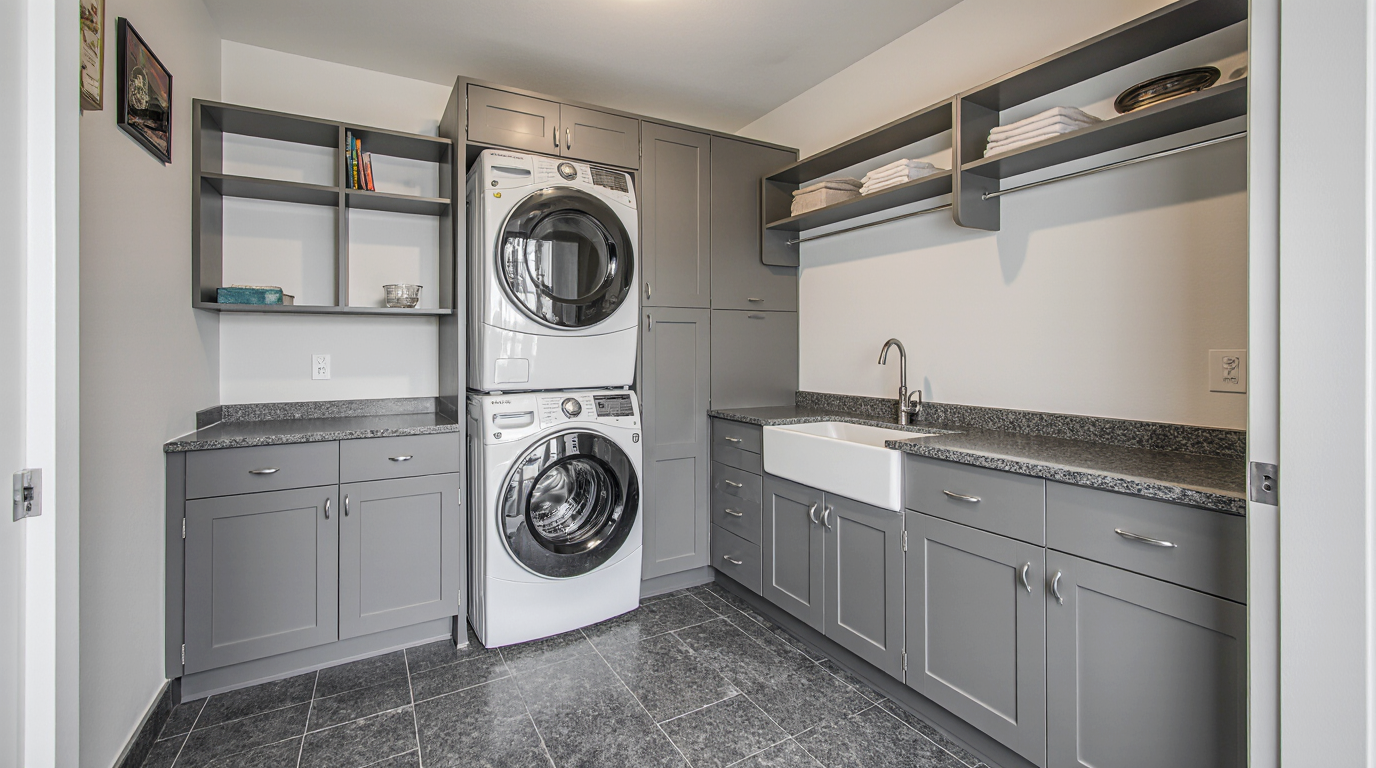
When it comes to the machinery selection, space efficiency strongly influences the layout. The stacked arrangement for the washer and dryer is often the foundation of compact garage laundry design. This configuration clears up substantial floor area that can then be purposefully dedicated to essential secondary functions like staging and supply management. Installed over the stacked units, look into putting in custom cabinetry for storing towels, large containers, or even utilizing an integrated pull-down rod system for gently line-drying fragile clothes—a feature that professional space planners often recommend for optimizing upward space.
The underfoot material requires careful consideration in a garage setting. Traditional concrete, while very robust, can feel unpleasantly cold and is inherently porous. A noteworthy improvement involves applying an high-quality resin finish or installing snap-together modular flooring. These solutions provide a tough, sealed base that is remarkably easy to clean from detergent spills or tracked-in grime, and they markedly improve the visual appeal, helping the laundry zone feel less like a mere corner and more like an thought-out domestic space. The ability to stencil designs or integrate unique patterns into the epoxy finish adds a sophisticated layer of personalization that fits well within contemporary interior design trends.
Organization systems must be both robust and meticulously organized, reflecting the hard-wearing character of a garage while preserving visual continuity with the home's interior. Opting against flimsy racks, strongly recommend selecting heavy-duty, wall-mounted cabinets with sealed wood fronts. Integrating a dedicated sorting station is another key indicator of superior planning. This can be achieved through a built-in system utilizing deep, smooth sliding drawers labeled for different loads (Light, Dark, Gentle Loads) or heavy-duty, mobile bins tucked neatly beneath a counter. The use of clear, airtight containers for visible items like powdered detergent or dryer sheets lends an element of professional organization, effectively keeping pests away and maintaining a uncluttered visual field.
A purposeful soaking tub is absolutely non-negotiable in a completely equipped garage laundry setup. This fixture should be sized well and equipped with a tall, curved spout capable of filling buckets or handling initial stain treatments. Surround the sink area with waterproof surfacing, such as tile or beadboard, to effectively protect the studs from splashes and water damage. It is also vital to include task lighting. Dependence only upon ambient garage lighting is not good enough; install under-cabinet LED strip lighting directly above the folding counter and perhaps a focused dome light near the sink to guarantee precise execution of detailed work.
For clothes that cannot be machine-dried, dedicated drying space is critical. Moving beyond basic hanging systems, look into built-in or sleek options. A fold-away drying system mounted to a wall stud is an superior option, as it folds completely flat when not in use, preserving the open feel of the workspace. A bespoke covering or frame can perfectly hide a horizontal rod when the laundry is drying, successfully maintaining a neat appearance.
Think through the process flow. The best layouts in the business always predicts user action. If it is logistically possible, locate the folding counter close to the exit back into the main house. Make sure there is a primary flat area that is at an ergonomic height—typically at standard counter height—which reduces physical stress. This surface should preferably use a high-quality, hard material like quartz or granite remnant, providing better wear resistance over standard laminate. By viewing the garage as an integral part of the house's utility network, rather than an afterthought or afterthought detail, the resulting laundry room will be a powerful testament to intelligent residential design, expertly marrying industrial practicality with simplified user experience. This thorough strategy ensures longevity and satisfaction with your investment in this newly optimized functional zone.