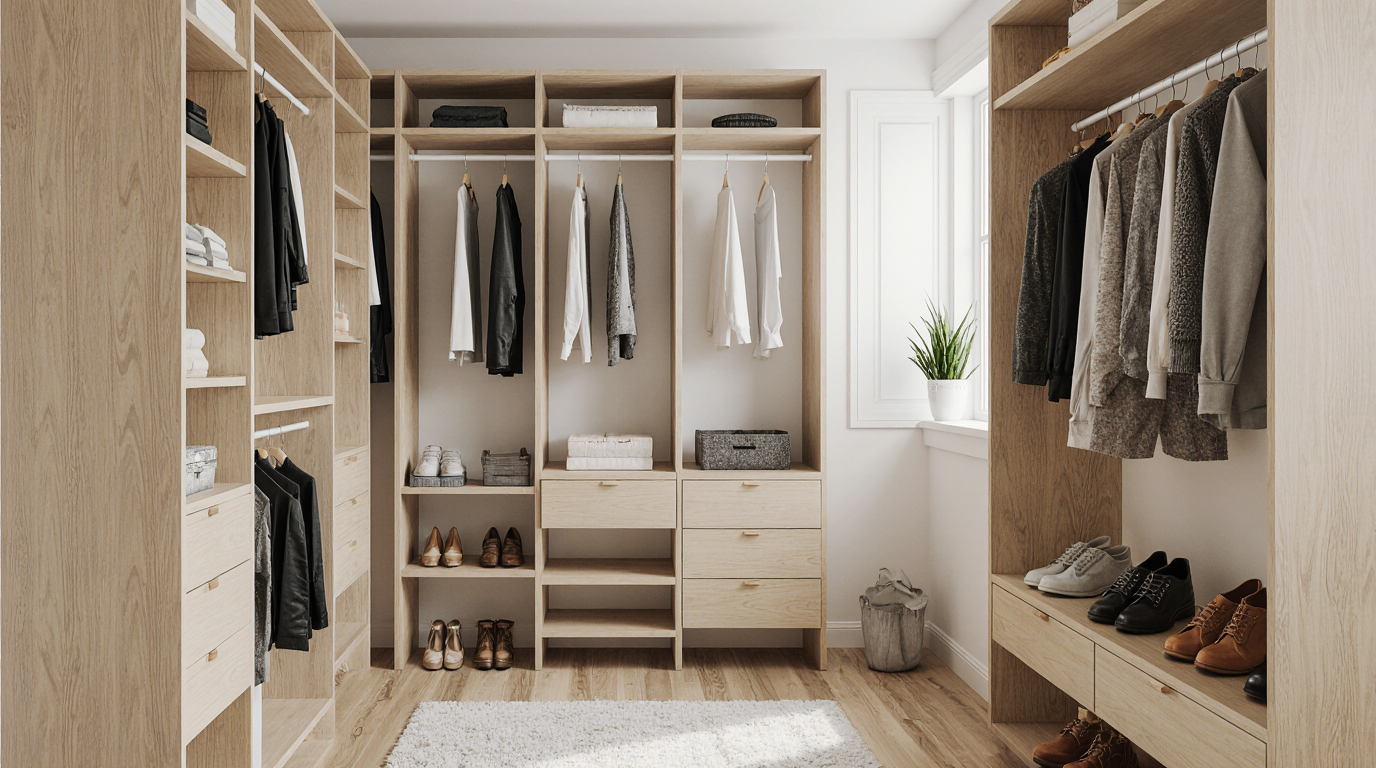
Custom Closet Shelving
In my years engineering high-end cabinetry here in Sarasota County, I’ve consistently seen the same structural failure in closets: shelves made from standard materials begin to sag and delaminate wit…

The pursuit of an organized, functional, and aesthetically pleasing home environment often leads to a deep appreciation
The pursuit of an organized, functional, and aesthetically pleasing home environment often leads to a deep appreciation for the custom closet. It’s considerably more than mere containment; a personalized closet design functions as an elegant, highly customized daily sanctuary, perfectly tailored to align with your specific organizational requirements, the dimensions of your room, and your unique aesthetic preferences.
This bespoke approach is the zenith of domestic efficiency, masterfully converting disarray into tranquility and ensuring a polished, effortless beginning to your morning routine. The journey toward a perfect custom space fundamentally starts with an in-depth consultation, where seasoned experts meticulously analyze not just the size and composition of your belongings—encompassing footwear, personal adornments, business attire, and relaxed garments—but also the structural specificities of the given area. This bespoke process ensures that every shelf, drawer, rod, and compartment serves a deliberate purpose, maximizing every square inch, especially in challenging spaces like sloped ceilings or small bedrooms.
Committing resources to a perfectly tailored storage solution is, fundamentally, a strategic move that enhances enduring functionality and boosts the overall worth of your residence. In stark contrast to prefabricated, mass-produced cabinets, bespoke closet installations are constructed using high-grade, resilient materials designed for longevity and completed with unparalleled attention to detail, allowing them to merge flawlessly with the established interior design of your home. The available customization choices span a wide spectrum, including rich, opulent timber textures, sophisticated translucent doors, cutting-edge mechanical fittings, and subtly incorporated lighting arrays designed to artfully showcase your collection. Picture the convenience of a designated, soft-to-the-touch compartment specifically for delicate accessories, concealed, easy-access baskets for managing soiled linens, or a handy pull-down bar for assembling tomorrow’s ensemble ahead of time. The incorporation of these well-judged components signifies an acute awareness of personal habits, elevating the simple act of accessing one's wardrobe into a surprisingly luxurious, highly efficient encounter. The final product is a uniquely tailored private haven that not only preserves your items impeccably but also stands as a shining example of exceptional artisanal skill and intelligent use of volume. Choosing a custom solution means choosing a tailored system that evolves with you, ensuring your closet remains a source of order and beauty for years to come.
Closet Design Installation Sarasota FL{A custom closet is a wardrobe management system; it’s a personalized system designed to enhance your daily routine and protect your wardrobe investment. The process of closet design installation involves a meticulous journey from initial concept to the final, finished product. It begins with a deep dive into your specific needs—assessing the amount of your garments, the types of accessories you own, and your preferred way of accessing them. This crucial planning stage ensures the final product is ideally suited to your habits, maximizing every inch of available space, whether in a spacious dressing area or a smaller built-in unit.
The design phase moves beyond simple shelving to incorporate specialized elements. This includes varied hanging spaces for long dresses and suits, adjustable shelving for flexibility, and organized pull-out compartments for smaller items. Modern custom designs often integrate features like slide-out holders for accessories, temporary hanging bars for planning ensembles, and even integrated lighting to highlight your items and improve visibility. The best designs anticipate future changes in your wardrobe, ensuring the system stays flexible and practical for years to come.
Once the design is finalized, the fitting process commences. This is where skilled craftsmanship is essential. Installers must work exactly following the finalized blueprints, often dealing with the specific structural challenges of your space, such as uneven walls or sloped ceilings. High-quality installation is paramount not only for the aesthetics of the finished closet but also for its stability and lasting strength. Using premium hardware and secure mounting techniques ensures that the system can handle the weight of a full wardrobe without fail.
Choosing the ideal company for your closet design and installation is a key decision. Look for companies that offer a comprehensive service—from 3D renderings to showcase the design before building, to an swift and tidy fitting. The ultimate goal is to transform a plain space into an organized sanctuary that simplifies your mornings and makes storing your clothes an enjoyable experience. The investment in professional design and installation provides ongoing returns in saved time and reduced clutter.
Closet Room Design Sarasota FLConverting a whole space into a dedicated closet, or "closet room," is the ultimate luxury in home organization, moving beyond a standard storage area to create a stylish and highly functional dressing space. A great closet room design must carefully merge style with utility, treating the space as an essential living area. This process requires consideration of the room's flow, ensuring that changing, dressing, and selecting outfits is a seamless, enjoyable experience rather than a chore.
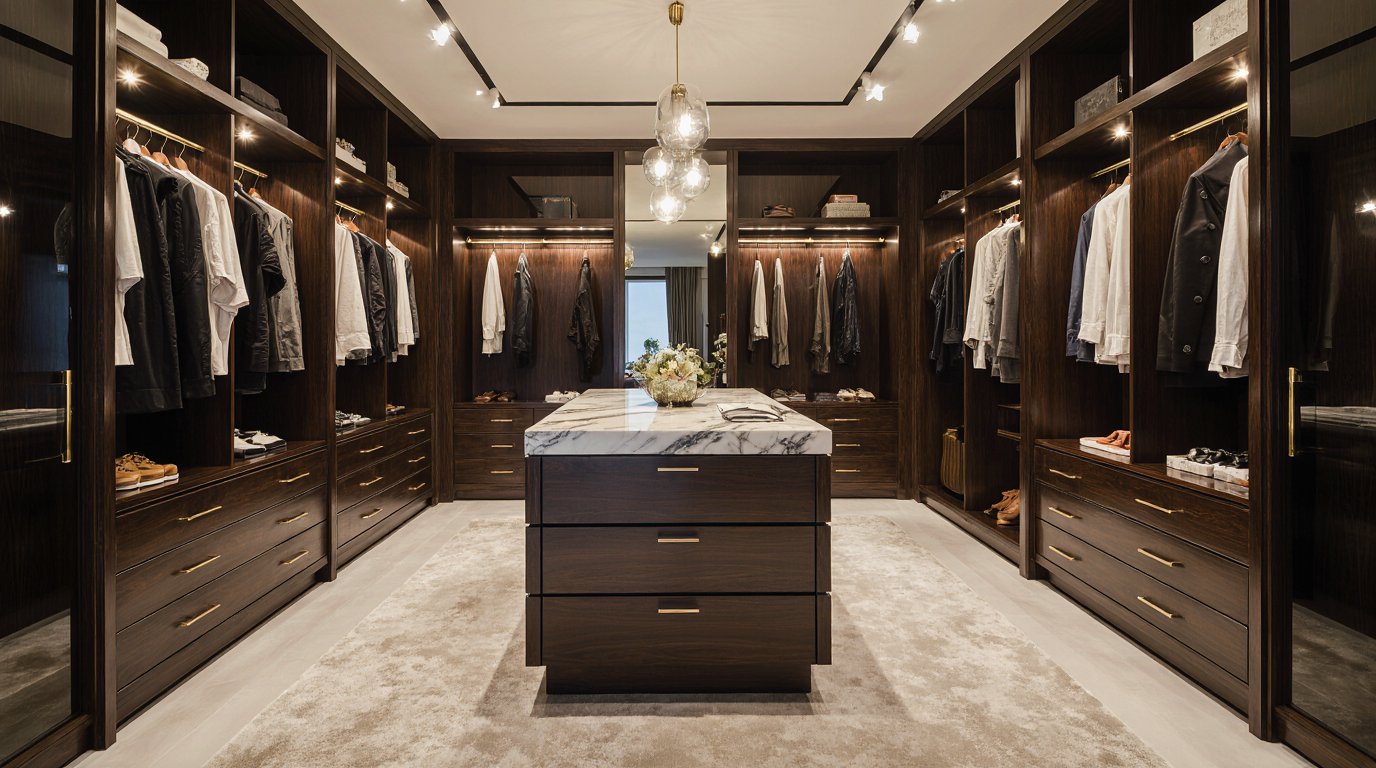
The layout is the backbone of the design. Unlike small closets, a closet room allows for specific sections—areas for shoes, accessories, casual wear, and formal attire. A common addition is a center island, providing both extra compartment space and a flat surface for folding or displaying jewelry. Seating, such as a bench or ottoman, should be incorporated not just for comfort but also to define a clear dressing area. Furthermore, the design should utilize vertical space effectively, often employing double-hanging rods and floor-to-ceiling storage units.
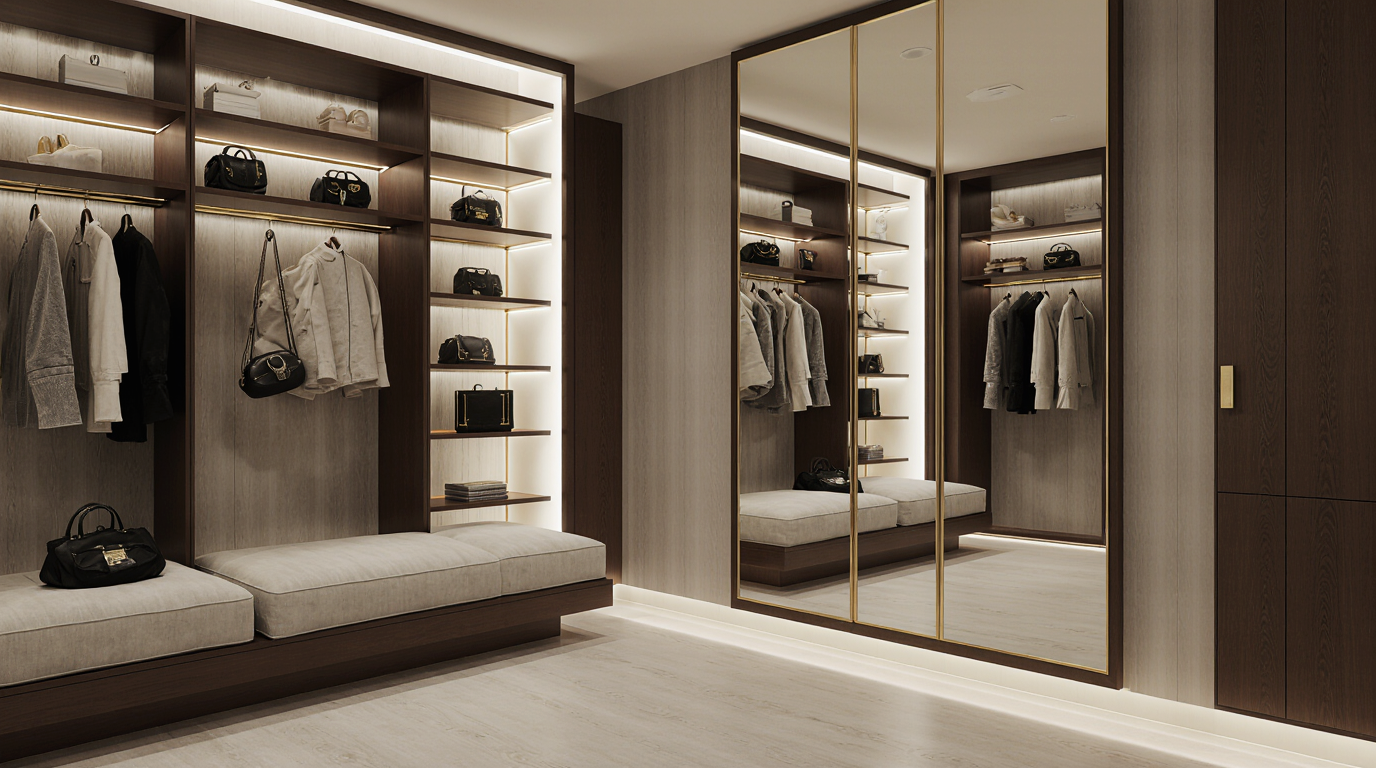
Lighting plays a vital, often underestimated, part in a closet room. General illumination ensures the entire room is well-lit, while task lighting, such as LED strips inside cabinets and drawers, helps to accurately see hues and materials. Natural light is ideal, but where it's limited, good supplemental light is necessary to prevent colors from being distorted. The strategic positioning of reflective surfaces—full-length and sometimes three-way—is also a must-have component, enhancing both the utility of the room and its sense of spaciousness.
Beyond the structural elements, the aesthetic details are what transform the space into a private shop. Choosing materials like high-quality wood finishes, glass doors, and elegant hardware will reflect your personal style. Accessories like velvet-lined drawers, secure storage for precious items, and charging stations integrated into the island should all be considered. A well-designed closet room is a personal retreat that not only stores your belongings but also celebrates your sense of style, making it a valuable addition to any home.
Professional Closet Installation Sarasota FLHiring a service for professional closet installation is the key factor that converts a great design on paper and a perfectly executed, long-lasting setup in your home. Although attempting a self-installation is appealing, the complexity and precision required for custom storage systems demands the skill of specialists. Professionals bring specialized tools, deep experience in structural planning, and an understanding of the specific demands of closet hardware and materials that promise a permanent fixture.
The core value of professional installation lies in exactness. Custom closets are tailored to match a one-of-a-kind location, meaning that measurements need to be precise down to a millimeter. Installers are adept at managing typical home issues, such as dealing with walls that aren't perfectly plumb, integrating with electric points, and making sure all sliders and storage units operate flawlessly and are perfectly balanced. This attention to detail eliminates typical malfunctions like misaligned storage, doors misalignment, or units wobbling over time.
A major plus is the speed and tidiness of the process. Professional teams are experts at quick completion, minimizing hassle. They stick to a defined timeline, manage all debris and waste, and leave the area clean and ready for immediate use. Furthermore, a professional service typically provides a guarantee on both the product and the installation labor, offering security and safeguarding your expenditure.
When choosing your fitters, check their track record concerning the exact components and design you picked. A top-tier service will do more than just the assembly but will also go through a detailed inspection alongside you. This ensures every pull-out, door, and light fixture is working exactly as intended, assuring that the completed work adheres to the high quality metrics of the installer and the client. Hiring professionals for the setup guarantees the durability and optimal operation of your new custom system.
Closet Organizer Installers Near Me Sarasota FLLooking up trustworthy custom closet fitters nearby is the logical next step after you've completed the system blueprint. Proximity matters when it comes to installation services, as local providers frequently deliver quicker service, tailored attention, and a better understanding of local building codes and home styles. Finding a trustworthy local team ensures that the transition from a conceptual design to a completed, functioning closet is handled smoothly and efficiently.
When evaluating prospective contractors, it’s critical to consider more than just the price estimate. Pay attention to the firm's history and client feedback, particularly those that mention the quality of the installation itself—not just the design. Look for evidence that they respect the client's home, clean up thoroughly, and meet the set deadline. A strong local installer will often possess a collection of finished jobs in your locality, giving you confidence in their ability to handle spaces similar to yours.
The expertise of the installer is directly related to the longevity of your closet system. An experienced technician will be proficient in reliably installing substantial shelves and fitting intricate elements, like rotating corner racks or specialized jewelry drawers, ensuring they function flawlessly. They are familiar with the specifics of the chosen components, be it premium timber finishes or hard-wearing synthetic panels, and utilize the proper procedures to safeguard against injury during the process.
A quality neighborhood fitter will usually take charge of the operational aspects, such as coordinating the material shipment, inventory checks, and debris removal. Before committing, ask about the warranty provided on their installation work, as this is a clear sign of their belief in their workmanship. Selecting a well-reviewed area expert is the ideal method to guarantee your bespoke system is durable and appears as faultless in reality as in the plan.
Affordable Closet Design Sarasota FLCreating an efficient, well-organized closet doesn't require a huge expense; budget-friendly closet solutions are achievable through careful planning and strategic decisions. The key to cost-effective design is focusing on functionality over luxury rather than costly, bespoke details. This involves maximizing existing space and opting for material solutions that offer high durability without the high cost of custom millwork.
The best approach for minimizing expenses is to choose systems that are modular or pre-designed. These systems use uniform elements including rods, shelving, and drawers that can be combined and configured to suit your specific area. Laminates and melamine are excellent, cost-effective alternatives to solid wood, offering an easy-to-maintain, resilient finish across many aesthetic options. By using these materials, you can allocate more of your budget to crucial functional accessories, like high-grade slides for drawers and versatile shelving supports.
A further cost-saving measure is to allocate any custom budget only to the components that offer the greatest everyday utility. For instance, rather than custom drawers for the entire system, you might install a limited number of custom drawers and utilize basic shelving and containers for the rest. Make vertical organization a key priority, utilizing easy but highly functional double rods to maximize the area for clothing, which is a very cost-efficient way to increase capacity.
Finally, look at the benefit in the long run. A well-designed, affordable closet system will reduce clutter and save you time, justifying the investment daily. Choose a designer who clearly communicates material pricing and is ready to work with you on a design that meets your budget constraints without sacrificing core functionality. The goal of budget-friendly closet solutions is to deliver an organized area that is durable, practical, and easy on the wallet.
Closet Installation Cost Sarasota FLThe addition of a new closet can completely change a messy area into a tidy, highly practical space. However, grasping the monetary investment involved is the essential initial step for a successful outcome. The cost of a closet installation is not a set price; it is a flexible number determined mainly by the project's size, the selected materials, and if you choose a custom or pre-made system. Generally, costs can range significantly, with simple wire racks representing the lowest cost option, while complex custom woodwork and integrated elements require a substantially larger financial outlay.
The main factor influencing the ultimate cost is how much customization is involved. A simple reach-in closet renovation using modular systems might involve basic materials like melamine or laminated particleboard, which helps to keep both material and labor expenses down. On the other hand, a large walk-in closet designed with luxury features such as solid wood drawers, integrated lighting, glass doors, and specialized accessories will inherently increase the complexity and cost. Furthermore, labor costs vary widely based on your geographic location and the installer's expertise, so getting several comprehensive estimates is vital for creating a precise budget.
To plan your finances properly, you should consider the main triumvirate of costs: labor, materials, and accessories. Materials are usually responsible for the greatest share of the overall budget, with luxury choices like steel suitable for professionals or cherry lumber costing far more than common laminate. Labor costs cover design consultation, demolition of the old closet, and the actual installation, which can take anywhere from a single day for simple systems to a week for complex custom jobs. Lastly, don't overlook the impact of specialized accessories like tie racks, shoe carousels, or built-in hampers, which can increase the total cost rapidly but dramatically improve the utility of your new system.
Ultimately, the best approach is to define your needs and priorities before soliciting bids. Determine whether you require maximum storage on a strict budget or if you are seeking a high-end architectural feature that complements your home's luxury aesthetic. By articulating your goals and recognizing the cost-increasing variables, you can work efficiently with installers and designers to create a beautiful, functional closet that stays within your budget.
Custom Home Closets Sarasota FLBespoke closet systems represent the pinnacle of personalized organization, moving beyond simple storage to become integral elements of a home’s interior design. As opposed to typical prefabricated cabinets, a tailored system is meticulously designed to maximize every inch of available space, taking into account the exact size of the space and the personal preferences of the resident. This attention to detail results in superior practical use but also a harmonious look consistent with the home's style, transforming a previously overlooked area into a tailored and highly efficient space.
The creation of a bespoke system kicks off with a detailed meeting, where experts evaluate your current clothing collection, storage requirements, and everyday habits. This initial assessment is vital, figuring out the ideal balance of suspension areas, flat surfaces, pull-out units, and specialty storage. For instance, a resident with many suits and dresses will demand greater tall storage capacity, while an enthusiast for extras may need tailored compartments for jewelry and specific racks for footwear. This bespoke approach guarantees that the final installation is not just attractive, but ideally matched to your way of life.
The selection of finishes is another strong point for tailored closets. While ready-made units restrict you to a small range of common surfaces, tailored systems enable the use of numerous superior-grade elements, including solid hardwoods like mahogany or maple, unique laminates, and superior thermofoil with special finishes and patterns. Furthermore, you can integrate sophisticated features such as discreet electronic charging points, LED lighting that turns on automatically, or fitted reflective panels and resting spots. These style selections lead to a premium, integrated look that significantly elevates the perceived value of your home.
Investing in a custom closet system is a long-term decision that pays dividends in daily convenience and home value. By addressing clutter at its source and providing an accessible, logical place for every item, a tailored system minimizes everyday anxiety and cuts down on search time. Moreover, in the competitive real estate market, a custom-made, high-quality closet system is a powerful feature, indicating meticulous care and superior craftsmanship that appeals to prospective buyers looking for move-in-ready luxury.
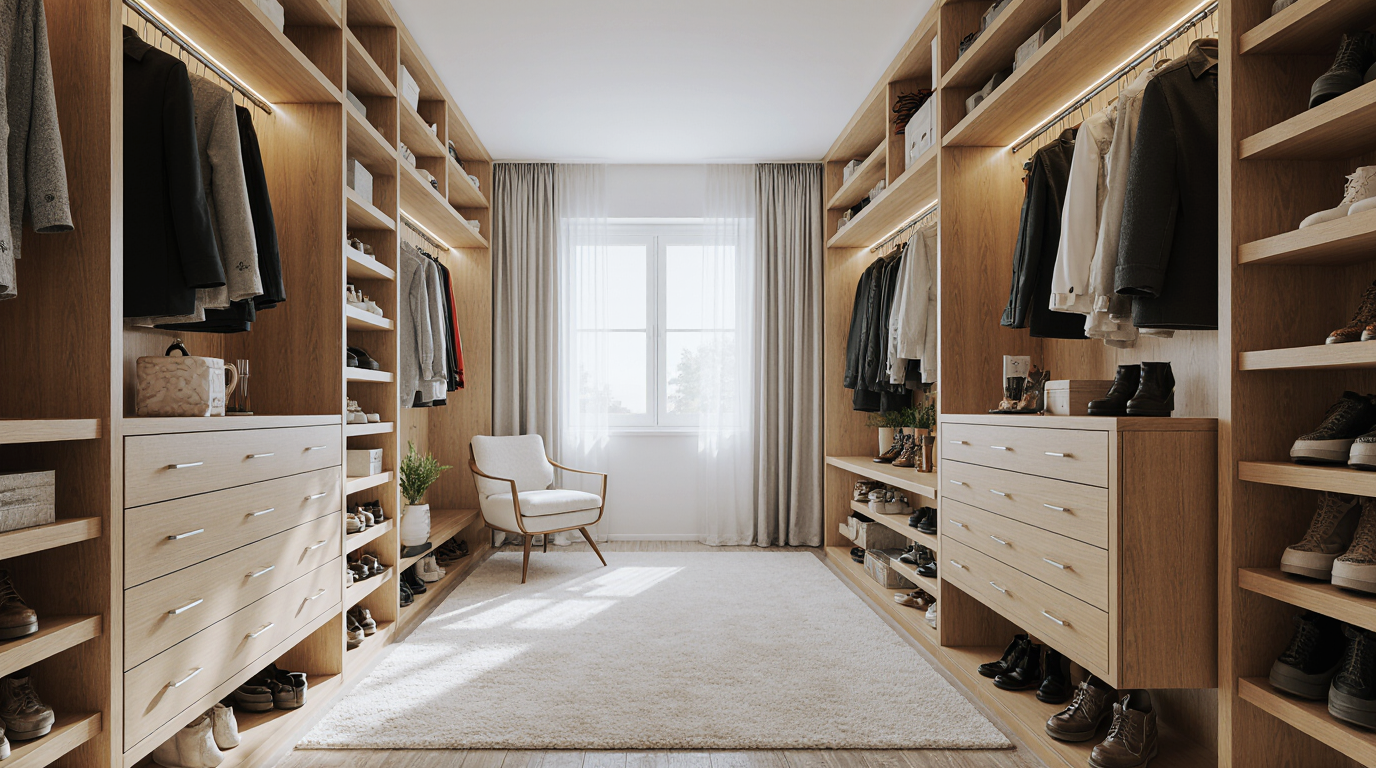
Ideas Walk In Closet Sarasota FLA walk-in closet is often seen as a sanctuary of order and style, and today's possibilities for planning are extensive, allowing for a space that is as unique as your wardrobe. Beyond simply maximizing space, up-to-date large closet plans concentrate on building a feeling, blending the functionality of storage with the feel of a personal boutique. A key principle is the deliberate employment of height, integrating full-height racks and multiple tiers of hanging space to take advantage of the closet's height, significantly increasing storage potential.
A vital element of the design is illumination, which has a huge effect on both the look and functionality of the area. Rather than using only one ceiling lamp, modern concepts employ multiple tiers of illumination: using functional lighting under shelving and in pull-outs to show contents, accent lighting to highlight special items like handbags or shoes, and ambient lighting to create a warm and inviting atmosphere. Good illumination doesn't just simplify locating things but also guarantees accurate color perception, which is essential when coordinating outfits.
For individuals seeking to combine elegance and ease, certain cutting-edge elements are highly recommended. An excellent option is a middle island with a robust countertop, which offers a specific space for organizing clothes, preparing ensembles, or displaying valuables beneath a transparent top. Drawers with custom inserts for ties, scarves, or watches keep smaller items meticulously organized. A further sought-after concept involves adding a specific grooming zone, featuring a tall looking glass, a plush seat, and potentially even a built-in makeup station, making the wardrobe zone feel like a proper change room.
In the end, optimal large closet concepts prioritize customization and enhancing movement. Incorporating clear or patterned glass fronts on units gives a gallery feel while guarding clothes from dirt. Incorporating a varied mix of open shelving, closed drawers, and hanging space is crucial to accommodate diverse wardrobes. By emphasizing intelligent arrangement solutions and deliberate style components, it's possible to transform your large closet from a mere need into a wellspring of everyday motivation and tranquility.
Luxury Walk In Closet Sarasota FLA luxury walk-in closet goes beyond simple storage; it is a meticulously crafted, sophisticated space that serves as a private dressing room and a showcase for a premium wardrobe. The hallmark of a luxury closet lies in the details—the materials used, the quality of the build, and the integration of sophisticated technology. These spaces often feature rare or natural woods, such as walnut, finished with elegant laminates and hardware that is solid and refined. The goal is to create an environment that feels less like a storage area and more like a personalized, refined continuation of the home’s most refined living spaces.
The design of a luxury walk-in closet places a major priority on presentation and utility. Features commonly include lighted, customizable racks for showcasing premium shoes and accessories, soft-touch compartments for safeguarding delicate items, and multi-tiered jewelry organizers that keep precious items secure and visible. Instead of typical hangers, one might find brass or chrome hanging fixtures, often integrated with a gentle pulley system or soft-close mechanisms on all drawers and doors, providing an smooth and premium feel.
Technology plays a significant role in modern luxury closet design. Integrated LED lighting systems are paramount, with options for customizable color temperatures to mimic various environments, ensuring outfits look perfect whether worn under office lights or evening lamps. Furthermore, many high-end closets incorporate features like biometric security drawers for precious items, or climate management technology specifically designed to protect delicate or valuable fabrics, such as silk or rare textiles, ensuring their durability.
The key distinguishing factor of a luxury walk-in closet is the perfect integration of comfort and functionality. This often includes laying down soft flooring or a stylish area rug, a elegant central unit with marble or quartz countertop, and a comfortable seating arrangement. By prioritizing both an luxurious look and a streamlined, practical design, a luxury walk-in closet becomes an personal sanctuary—a customized area where getting ready for any occasion is a moment of enjoyment.
Walk In Closet Designers Near Me Sarasota FLFinding the right walk-in closet designers is the most critical step in converting an idea of organization and style into a real, usable area. The search for "walk-in closet designers near me" should not merely focus on location but on identifying professionals who combine aesthetic skill with technical expertise and regional knowledge. A qualified designer acts as a project manager and consultant, capable of evaluating structural constraints, determining your exact needs, and guiding you through the vast array of finish and fixture possibilities.
A professional local designer brings an deep knowledge of local styles and the typical home styles in your area, which can influence material choices and final look. They are often backed by a reputable local company, providing access to an established portfolio of past projects that showcase their expertise in different sizes and challenges, from compact reach-in closets to expansive luxury dressing rooms. When vetting potential designers, look for clear evidence of their ability to integrate custom solutions, such as unique compartments, custom lighting, and distinctive surfaces, into their designs.
The first meeting is a crucial time to evaluate the designer’s approach. A skilled expert will focus on listening to your needs rather than selling standard kits. They should inquire about your typical wardrobe, the things you want to keep (not just clothes but luggage, sports gear, etc.), and your budget constraints. They should then be able to present a clear, detailed rendering or 3D model of the suggested layout, allowing you to see the final result and make informed decisions on components and arrangement before the work begins.
Ultimately, selecting the right walk-in closet designer means choosing a partner who can deliver both superior aesthetics and construction. Ensure the proposal includes a breakdown of materials, work charges, and a clear timeline. By choosing a local professional with a strong track record, you not only ensure tailored attention and dialogue throughout the project but also gain a valuable asset who is easily accessible for any future adjustments or maintenance, assuring happiness with your custom space for a long time.
Fancy Walk In Closet Sarasota FLA walk-in closet is a dedicated sanctuary; it's a dedicated sanctuary that sets the tone for your day and should showcase your unique aesthetic. Moving from a standard closet to a fancy walk-in often involves a transformation from simple function to opulent style. This upgrade is defined by high-end materials, sophisticated lighting, and a meticulous design designed to enhance your morning ritual. Think beyond simple shelves and hooks—a truly fancy walk-in incorporates elements like a statement island with counter space, tailored storage units, and even comfortable seating.
The key to achieving a truly "fancy" aesthetic lies in the details and finishes. Instead of basic manufactured wood, a luxury closet features high-quality construction, glass-fronted cabinets, or even mirrored doors. Hardware should be distinctive, perhaps brushed gold or polished chrome, adding a touch of elegance to the drawers and doors. Excellent lighting is crucial, moving beyond a single overhead bulb to include recessed ceiling lights, LED strips under shelving for accent, and even a glamorous light feature to create an opulent ambiance. These layers of light not only make the space feel grand but also ensure that every item is visible, minimizing clutter and maximizing efficiency.
Designing a fancy walk-in closet also requires meticulous planning of the interior architecture. It’s not enough to simply have space; the layout must be tailored to your unique collection. For a collector of designer shoes, specialized footwear storage might be paramount. For someone with many long garments, tall hanging areas and storage bags are essential. The most impressive closets artfully combine function and presentation, creating a personal showroom right in your home. This intentional design ensures that the space operates flawlessly while maintaining its luxurious aesthetic.
Ultimately, a fancy walk-in closet is an investment in both home value and quality of life. It’s a space where organization is elegant, making the process of getting ready a pleasurable, effortless experience. By focusing on the finest components, meticulous execution, and a layout designed just for you, homeowners can transform a simple storage area into a luxurious, highly-organized, and personal retreat.
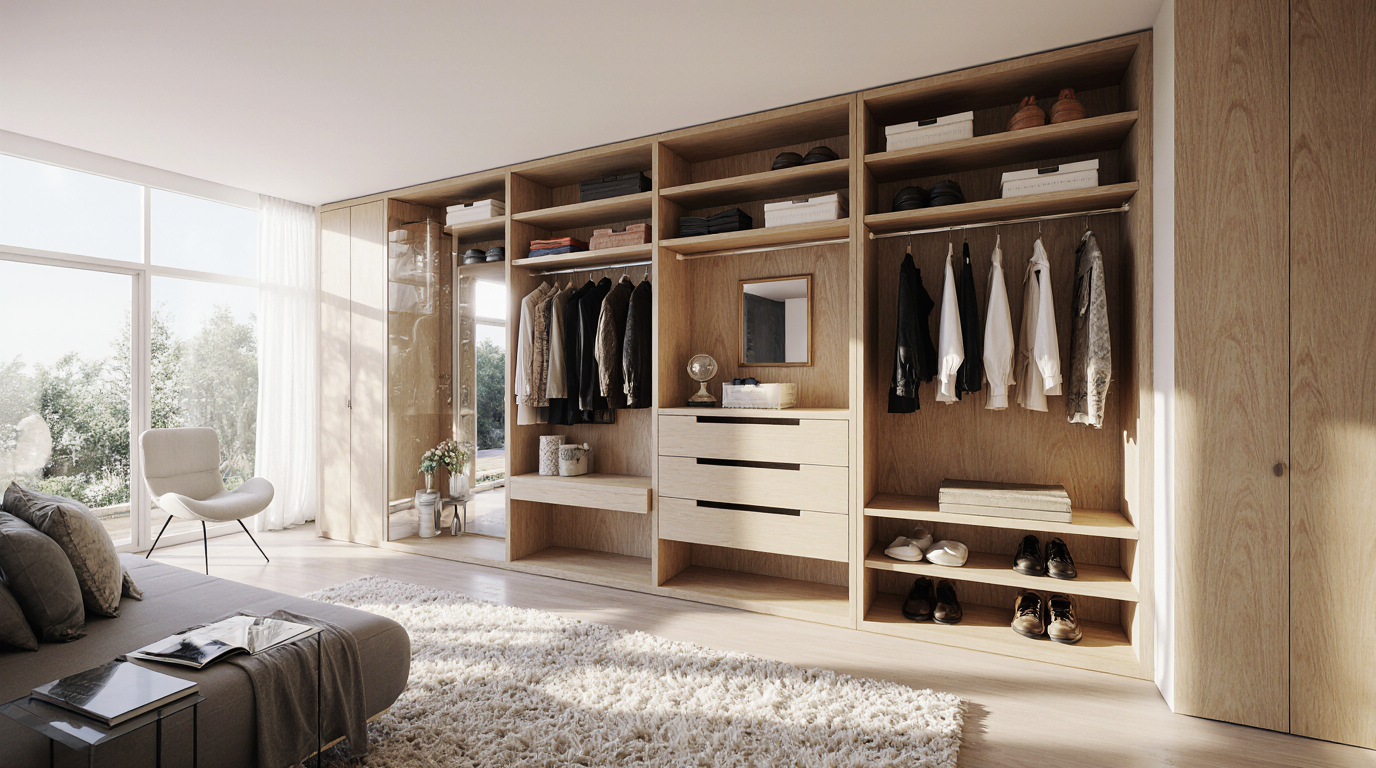
Custom Walk In Closet Shelving Sarasota FLCustom walk-in closet shelving is the key component that transforms a standard closet space into a high-functioning, personalized dressing area. Unlike off-the-shelf kits, custom shelving is designed to perfectly accommodate the specific dimensions of a space and the specific size and nature of your clothing collection. This level of tailored design eliminates inefficient areas, such as awkward corners or unreachable heights, ensuring that the space is used to its fullest potential.
The primary advantage of customized shelving lies in its flexibility. A designer can incorporate a variety of storage components beyond standard shelves, such as tilted shoe displays, divided drawers for jewelry and accessories, and multi-level hanging rods for different garment lengths. For instance, a specific section can be designed with flexible shelf heights perfect for folded items yet fully accessible, while another area can feature pull-out hampers or tie racks. This thoughtful integration of specialized units ensures that your belongings are stored smartly.
Furthermore, custom shelving allows for a choice of materials and finishes that elevate the closet's aesthetic. Homeowners can select from rich wood veneers, tough, stylish finishes, or sleek glass, coordinating the style with the adjacent rooms. The finish on the edges and the quality of the supporting hardware—often overlooked in standard kits—become defining features in a custom build, adding a polished, permanent feel. This attention to material quality significantly enhances the durability and long-term appearance of the shelving system.
When considering a custom solution, it is essential to work with a professional to map out your current inventory and future needs. A good designer will conduct a detailed inventory of items (e.g., number of long dresses, pairs of shoes, folded items) to create a blueprint that prioritizes the most-used items for easy access. Investing in custom shelving ensures that the resulting walk-in closet is not only beautiful but also a highly practical and stress-reducing component of your daily routine.
Cost Closet Organizer Sarasota FLThe cost of a closet organizer system can vary dramatically, depending mainly on which specific organizer solution is picked, the material used, and the installation method (expert vs. self-assembly).
Starting at the lowest price range, simple wire shelving or modular plastic units can be acquired for as little as $\$fifty$ to $\$two hundred$, offering a functional but basic solution for increasing hanging and stacking space in a reach-in closet. They are often simple enough for a homeowner to set up and serve as a quick fix for organization issues.
Going up in price, organizers built from widely-used particleboard or laminate, often semi-customizable, fall into the moderate price bracket. These usually fall between $\$500$ and $\$two thousand five hundred$ for an average-sized closet that you can walk into. At this level, you get a wider selection of features—such as pull-out drawers, storage bins, and specific racks for footwear—and often includes professional design consultation and installation. The cost is greatly influenced by the number of features and drawers included, as advanced features mean a much higher final cost.
If you want a top-tier, custom-designed organization unit, the investment can range anywhere from $\$three thousand$ to well over $\$fifteen thousand$. This high cost is a result of using superior construction materials such as real hardwood or fine wood laminates, unique mounting components, pre-installed lights, and fancy additions like a vanity island, mirrored fronts, and transparent shelving. The price here includes an end-to-end service, from detailed blueprints and space-specific construction to flawless setup by specialists, resulting in a piece of fine furniture rather than just a utility storage system.
In the end, the expenditure on a closet system is best seen as a boost to functionality and property worth. Even if the initial outlay for a bespoke, durable setup is quite large, its longevity, perfect usability, and visual charm typically justify the expense in the long run. It's essential for consumers to set their budget and list their key requirements—whether that's fine materials or fitting the most items possible—to choose the organizer that provides the best long-term value for their specific needs.
Cost of Custom Wardrobe Sarasota FLThe cost of a custom wardrobe is a highly variable investment, with its price being shaped by dimensions, inner configuration, selected finishes, and any added bespoke elements. Unlike a standard, off-the-shelf unit, the bespoke closet is a permanent installation that perfectly matches the space and the owner's needs, which signifies that its price covers a high degree of individualized planning and craftsmanship. Initial estimates for a professionally designed and installed custom wardrobe can typically start from around $\$2,000$ to $\$four thousand$ when built as a compact, simpler model.
The total cost increases significantly as the internal features become more complex. Elements like built-in illumination, slide-out pant hangers, felt-lined drawers for accessories, and detailed compartment systems significantly raise the expense. The quantity and type of doors (sliding or swinging), their functioning hardware, and the external look are also major price factors. Opting for high-end materials like solid hardwoods, bespoke finishes, or mirrored/glass doors can push the final cost of a medium-to-large unit into the range of $\$five thousand$ to $\$10,000$ and potentially higher.
The charges for professional design work and setup add a lot to the final bill. Precision measuring and professional setup are critical for a custom closet to look perfectly built-in and make the most of the space. This professional service guarantees the highest quality of fit and finish, a detail that greatly justifies the higher cost compared to pre-assembled furniture. The design process itself involves multiple consultations to fine-tune the layout, which is essential for creating a truly optimized storage solution.
In essence, a custom wardrobe is a long-term fixture that enhances both the functionality and aesthetic appeal of a bedroom. Despite the cost being greater than that of standard options, the investment provides a product that is tailor-made, highly durable, and contributes substantial value and style to the home. It is important for those considering a purchase to request comprehensive breakdowns of the expenses for materials, work, and components to decide wisely based on their requirements and finances.
Closet Shelving Solutions Sarasota FLCloset shelving solutions are the backbone of a well-organized closet, providing the essential structure for maximizing vertical space and keeping items neatly categorized. The many choices on the market typically fall into three primary types: wire, laminate/melamine, and solid wood systems, with varying pros concerning strength, aesthetic, and expense. Selecting the appropriate system is highly dependent on the closet style (e.g., reach-in or walk-in), the weight of the items being stored, and the homeowner's desired aesthetic.
Wire shelving is the most economical and easiest to install, often commonly used in service areas or leased homes thanks to its cheap price and good ventilation. While practical, it occasionally leaves imprints on garments and doesn't offer the visual appeal of other materials. Laminate or melamine shelving falls into the popular mid-price range, offering a solid, furniture-like appearance with good durability and a vast selection of colors and finishes. It's a frequent selection for tailored and partially-custom closet designs because it perfectly balances expense, look, and practical use.
The premium choice is solid wood shelving, which provides unmatched strength, a luxurious look, and the highest long-term durability. Solid wood can be colored or lacquered to suit all decorating schemes and permits the inclusion of complex features, such as crown molding or custom edge profiles. Furthermore, many modern shelving solutions are highly adjustable, utilizing rail-and-bracket systems that let closet owners simply adjust the position and height of shelves, bins, and hanging components as their organization needs develop.
Irrespective of the system used, the most effective shelving solution is one that is specifically designed to align with the inventory and habits of the user. Effective design often involves using tailored storage features like tilted shelves for shoes, compartmentalized sections for bags, or drawers for folded items. By thoughtfully selecting and configuring the shelving within a closet, one can transform a chaotic space into a highly efficient and visually appealing storage system.
Walk-In Closet Shelving Sarasota FLA well-designed walk-in closet is beyond a basic clothes repository; it is a dedicated space that can significantly streamline your morning routine and bring a sense of luxury to your daily life. Central to this transformation is the shelving system. Effective shelving is the foundation of all well-structured walk-in closets, maximizing vertical space and providing a clear, accessible home for every item, from folded sweaters to your collection of handbags. Choosing the right material and configuration is key to both functionality and aesthetic appeal.
When considering walk-in closet shelving, homeowners often face a choice between custom-built wood systems and more flexible wire or modular alternatives. Wood shelving provides a classic, integrated aesthetic with greater strength and a luxurious impression, often including elements such as spacious pull-outs and designated compartments. Wire shelving, while maybe not as visually appealing, provides excellent ventilation and adjustability at a more budget-friendly price point. The best choice depends heavily on your budget, the size of your space, and your long-term organizational goals.
Modern shelving design emphasizes flexibility and accessibility. Adjustable shelves are crucial for storing possessions with diverse dimensions, such as stacks of linen or seasonal boots. Integrating a mix of open shelving, which allows for quick visual inventory, with closed storage like drawers or cabinets keeps the space looking neat. Consider incorporating dedicated shelving for accessories, such as shallow pull-out trays for jewelry or slanted shelves for displaying shoes, making certain each category of item has a suitable home.
The overall goal of your shelving choice should be to establish an ideal balance between appearance and utility. Good shelving transforms your wardrobe from a simple repository into a private shop, making the act of getting dressed a pleasant experience. By carefully planning the depth, height, and material of your walk-in closet shelving, you invest in an organized space that reflects your personal style and enhances the overall value of your home.
Semi Custom Closet Cabinets Sarasota FLSemi-bespoke closet storage offer a perfect middle ground between the expense and lead time of fully bespoke units and the restrictions of ready-made, ready-to-assemble options. These systems provide a high degree of personalization, allowing you to choose door fronts, finishes, and internal components like shelves and hanging rails, while utilizing pre-set unit frameworks. This approach ensures a tailored fit that maximizes space efficiency without the high investment associated with fully-custom millwork.
The benefit of this flexible option stems chiefly from their design flexibility. You're able to select from a broad spectrum of colors and materials, from traditional timber looks to contemporary laminate surfaces, helping you to align your closet cabinetry with the decor of your bedroom or master suite. Importantly, the standardized modular components are designed to be mixed and matched, allowing you to build a high-end setup that accommodates specific storage needs, whether for a large rail area, multiple bins for folded garments, or unique sections.
Furthermore, the installation process for semi-custom cabinets is usually simpler than for a fully custom build. Since the units are manufactured to common dimensions, they come pre-assembled and prepped, significantly reducing the complexity and time involved in the project. This is why they are preferred for enthusiastic DIYers or those looking to complete a top-tier remodeling job on a quicker timeline.
Opting for semi-custom wardrobes, you gain a superior degree of organization and finish that surpasses basic storage kits. The result is a durable, attractive, and highly functional closet space that looks fully bespoke. It is an wise choice for anyone seeking sophisticated storage solutions that combine high-end construction, personalized design, and competitive value.
Wardrobe Cabinet for Garage Sarasota FLThe garage, frequently viewed as just a functional area, can become a neatly structured overflow zone of your home with the smart placement of a durable wardrobe cabinet. These units are purpose-built to withstand the tougher environment of a garage—temperature fluctuations, dust, and moisture—providing a critical, enclosed space for items that need to be shielded or a permanent home away from the main living areas.
Unlike typical indoor wardrobes, garage wardrobe cabinets are built with heavy-duty integrity in mind, often featuring metal or heavy-duty plastic materials that resist wear and tear. Their primary purpose is to provide safe, dust-free storage for a wide range of goods. This can range from out-of-season attire, such as winter jackets or bulky outfits, to work uniforms, DIY essentials, or even bulky household overflow items that you rarely access but still need a dedicated spot.
The configuration of these cabinets often includes a mixture of shelving and hanging space, providing the ultimate flexibility. The rail is critical for keeping specialty items wrinkle-free, such as work overalls or formal clothing, while adjustable shelves allow for the vertical stacking of totes or gear. Cabinets with locking mechanisms are a highly beneficial element in the garage, ensuring hazardous materials, valuable tools, or sensitive documents are kept securely locked away.
A well-designed storage locker doesn't just contain mess but also enhances the overall appearance of the space. By enclosing disorganized items behind solid doors, the cabinet instantly creates a cleaner, more streamlined look, changing the space from a messy storage area into a functional and aesthetically pleasing workspace. This simple addition is key to unlocking the full organizational potential of your garage.
Custom Shoe Storage Sarasota FLFor serious shoe enthusiasts or people with an extensive and diverse array of shoes, custom shoe storage is the premier option to organize and elegantly showcase to a closet or dressing area. Off-the-shelf shoe organizers are often inadequate, not managing to safeguard valuable shoes or handle a variety of styles, from fragile heels and tall boots to bulky athletic shoes. A custom solution addresses these precise needs, ensuring every pair is properly supported, easily visible, and protected from damage.
Creating bespoke shoe organizers involves planning the precise dimensions and features necessary for your specific collection. This might include adjustable or slanted shelving to showcase footwear effectively, separate compartments to maintain the shape of delicate items, or specialized racks designed for boots, preventing creasing. The use of transparent or glazed panels, alongside integrated LED lighting, can turn a simple storage area into a boutique-style display, treating your shoes like a museum exhibit.
The material and finish are also crucial to the custom experience. High-quality wood, laminate, or metal components can be customized to fit the aesthetic of your closet or room. More than just looks, proper design considers airflow and ease of access. Pull-out trays or rotating units can maximize storage in cramped or difficult areas, while ensuring that the less frequently worn pairs are not lost deep inside the unit.
Putting money into a bespoke setup is a sensible method to extend the longevity of your shoes and improve your daily routine. By creating a dedicated, perfectly fitted space for each pair, you stop the stressful hunt for a pair and ensure that your shoes remain in pristine condition. Custom shoe storage is a testament to meticulous organization and a commitment to protecting your valuable investment.
Small Shoe Storage Cabinet Sarasota FLIn apartments, entryways, or compact bedrooms where space is at a premium, a small shoe storage cabinet provides a necessary, discreet way to organize. These cabinets are expertly designed to maximize storage density in a narrow footprint, stopping shoe messes from piling up by the entrance or on the closet floor. They prove that even limited square footage can accommodate effective, stylish storage.
The effectiveness of a small shoe cabinet often hinges on smart design features. A lot of common designs use drop-down compartments, which cleverly store shoes vertically, lining them up toe-to-heel to minimize the cabinet's depth. This design is especially good for tight corridors or utility rooms where a deep, traditional cabinet would block the walkway. Other styles feature small shelves or boxes, often hidden behind neat, plain panels for a uncluttered look.
Besides keeping things neat, a major advantage of these smaller units is their ability to suit any style. Offered in many different colors and textures, from crisp white and natural wood tones to deep, contemporary colors, they can seamlessly integrate with existing furniture and decor. The top surface of many small shoe cabinets often doubles as a functional entryway table, providing a convenient drop zone for your keys, post, or an ornament, making the cabinet more useful.
In the end, a compact shoe unit is a great way to keep your home neat and inviting. It tackles one of the most common sources of domestic clutter—the pile of everyday shoes—with a compact and elegant solution. By neatly containing shoes and hiding them from view, it ensures that your hallway or compact room stays organized and works perfectly.
Simple Closet Solutions Sarasota FLA well-organized closet doesn't require a complete overhaul or a huge amount of money. Usually, the most effective answers are the easiest ones that make the most of your existing area. Begin with a clear-out, taking out clothes you haven't used in 12 months or that are now the wrong size. This initial action instantly makes the area look bigger and simplifies the process of getting organized. You can then focus on implementing easy, affordable tools to keep things neat.
A highly useful and straightforward strategy is utilizing height. If you have a single hanging rod, consider adding a closet doubler or opting for cascading hangers to maximize the area for shirts, skirts, and folded trousers. For items like shoes or accessories, cheap, modular shelves or hanging racks can be placed below garments or on the inside of the door, utilizing every available inch from floor to ceiling.
In addition, uniformly using thin, identical hangers can greatly improve the situation. Replacing bulky plastic or wire hangers with velvet-flocked, space-saving ones instantly frees up several inches of rod space, allowing you to fit more garments without crushing them. This minor adjustment also makes the closet look cohesive and neat, improving its entire look.
Finally, remember the power of proper lighting and clear containers. Installing a battery-operated LED light strip can illuminate dark corners, helping you see what you own. Use clear bins or baskets on high shelves for off-season clothes or seldom-worn items. Labeling these containers ensures that you know exactly what’s inside without having to pull everything down. These simple adjustments transform a chaotic space into a functional and peaceful one.
Closet in the Garage Sarasota FLUtilizing the garage as a secondary storage spot is common, but with proper planning, it can turn into a great secondary closet. A "closet in the garage" is ideal for belongings that are not suited for interior spaces due to bulk, when they are used, or material, such as outdoor gear, tools, specialized attire, or athletic gear. The key is to protect the contents from the harsh garage setting, which can fluctuate in temperature and humidity.
To start, you should pick the correct system. Unlike closets inside the house, garage closets must be built from sturdy materials. Fully enclosed cabinets—preferably made of steel or waterproof laminate wood—are the most recommended route. These cabinets protect your items from dust, insects and rodents, and the humidity that often permeates a garage, making sure things like specialized gear or out-of-season clothing remain in good condition.
The practicality of a garage closet is achieved through tailoring to fit diverse needs. Instead of just a single rod, include different storage features like deep shelves for bulky boxes, pegboards mounted inside the cabinet doors for little pieces of hardware, and customizable bars for clothing that needs to be suspended. For athletic equipment like helmets and balls, opt for mesh containers that allow air circulation and stop mold and mustiness, ensuring everything is clean and easy to grab.
To conclude, placement and clear labels are most important. Position your storage unit far from where the garage door opens and closes to reduce how much grime and car fumes hit it. Ensure every bin, shelf, or drawer within the garage closet is clearly and boldly labeled. Since the things you store in the garage are usually not accessed daily, explicit labeling prevents frustrating searches and maintains the system's order over time.
Garage Closets Sarasota FLThe days are gone when garage closets were just simple, practical spots for dirty equipment; instead, they are smart organizational systems built to meet a household's most rigorous needs. Today's garage storage units, frequently installed as complete units, are critical for property owners who want to free up the floor in their garage and transform the area into a functional extension of their living quarters, such as a workshop, a place for creative pursuits, or simply a neat place to park the car.
The strength of a good garage closet system lies in its durability and construction. These systems usually incorporate commercial-quality components, such as heavy-gauge steel or sturdy, layered lumber that resists warping and damage from impacts, chemicals, and temperature swings. The use of a powder-coat on the surface protect against rust and ensure that cleaning up tough messes is simple, ensuring the longevity of your investment.
When designing a garage closet setup, it’s vital to look past standard racks. Include custom elements that are perfect for the specific things kept in the garage. Slatwall panels mounted on the outside or inside of the cabinets are great places to suspend equipment like tools, garden implements, and steps. At the same time, integrated workbenches with locking drawers offer a fixed area for do-it-yourself tasks while keeping hazardous tools securely tucked away from children and pets.
Ultimately, the top garage closet setup is one that is wall-mounted and off the floor. Elevating the entire system stops moisture from leaks or bad weather from causing harm and makes tidying and washing the garage floor much easier. This off-the-floor design gives the space a cleaner, more organized look and is a hallmark of a high-quality, professional garage organization system.
Closets and Garages Sarasota FLThe tie between closets and garages in a home is a clear indicator of the home's level of order. While traditional closets handle clothes and items used inside the house, the garage is the frontier for large, time-of-year, and useful things. Applying the organization rules from one area to the other is the secret to a fully decluttered home, where everything has a dedicated place, regardless of its function.
A fundamental connection is the focus on using space that goes up. Just as wardrobe closets use high shelves and double rods, the garage should utilize ceiling-mounted shelving and floor-to-ceiling storage units. This strategy leverages often-wasted vertical space, clearing the floor in both the bedroom and the garage. By thinking vertically, a small closet or a single-car garage can yield surprising amounts of usable storage.
Furthermore, a seasonal rotation system can connect the closet and garage seamlessly. Items used only once or twice a year—like holiday decorations, camping gear, or thick cold-weather jackets—should migrate between a garage closet and the main indoor closets. Implementing identical, clearly marked containers for this swap provides a smooth process, making certain that your indoor storage is only for everyday essentials while the garage acts as a neat, protective holding area for off-season belongings.
Finally, the principles of categorization and labeling are universal. In both a walk-in closet and a garage cabinet, grouping similar items together—whether it's professional attire or power tools—streamlines the process of finding and putting things away. Easy-to-read, long-lasting tags on drawers and containers prevent 'storage amnesia' and guarantee that the organizational integrity of both your personal and utility spaces is maintained long-term.
In my years engineering high-end cabinetry here in Sarasota County, I’ve consistently seen the same structural failure in closets: shelves made from standard materials begin to sag and delaminate wit…
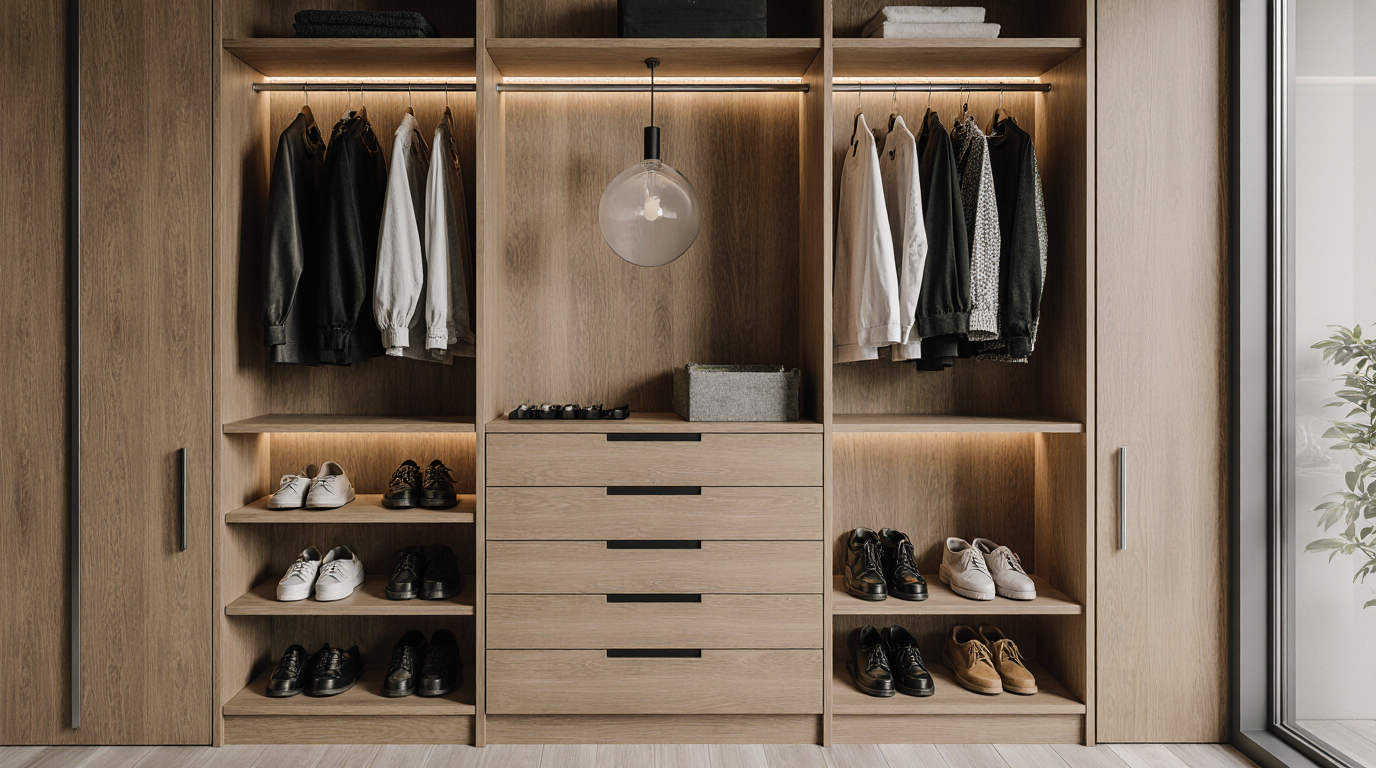
Working on luxury properties from Lakewood Ranch to Siesta Key, I've seen countless high-end closet systems fail prematurely. The issue isn't poor craftsmanship, but a fundamental misunderstanding of…
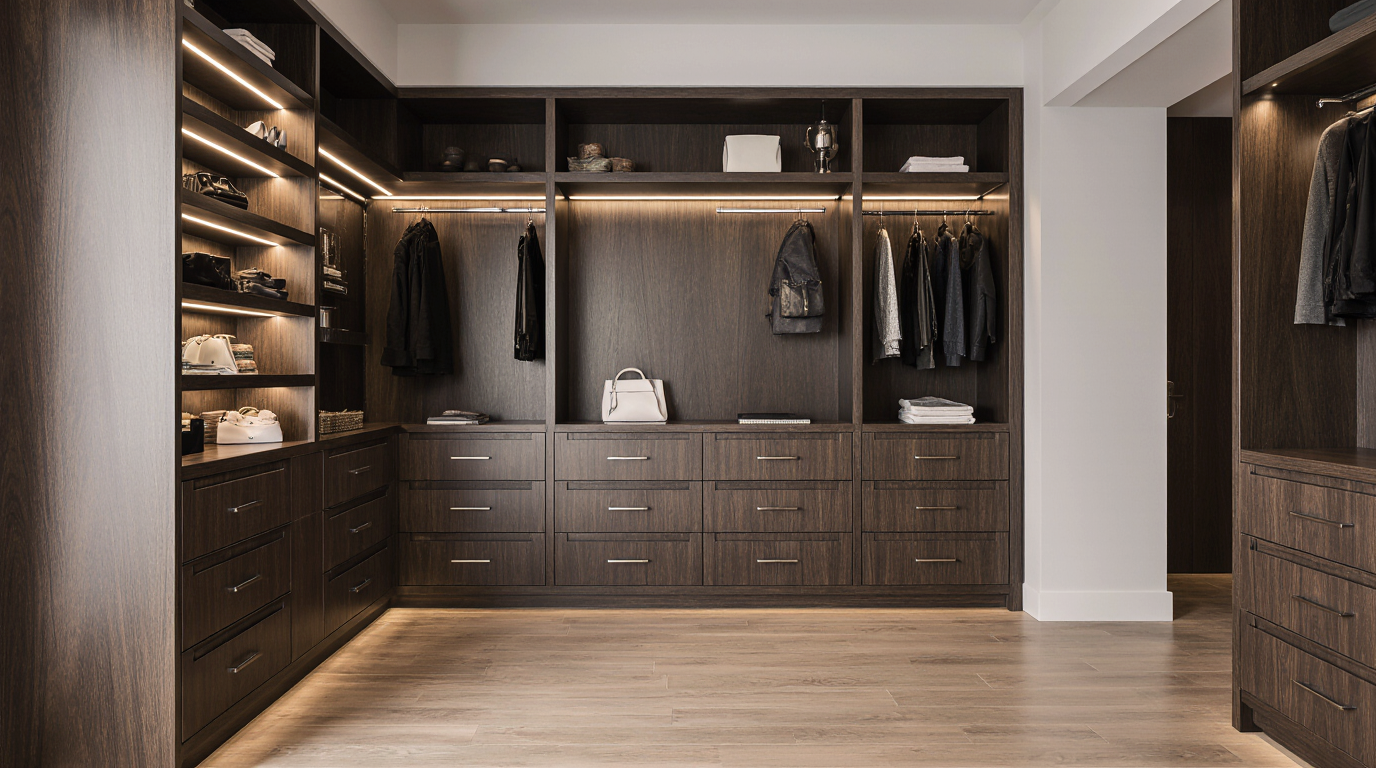
I’ve seen the same structural failure in dozens of high-end closets from Siesta Key to Longboat Key: within three to five years, standard MDF or particleboard begins to swell from Sarasota’s pervasiv…
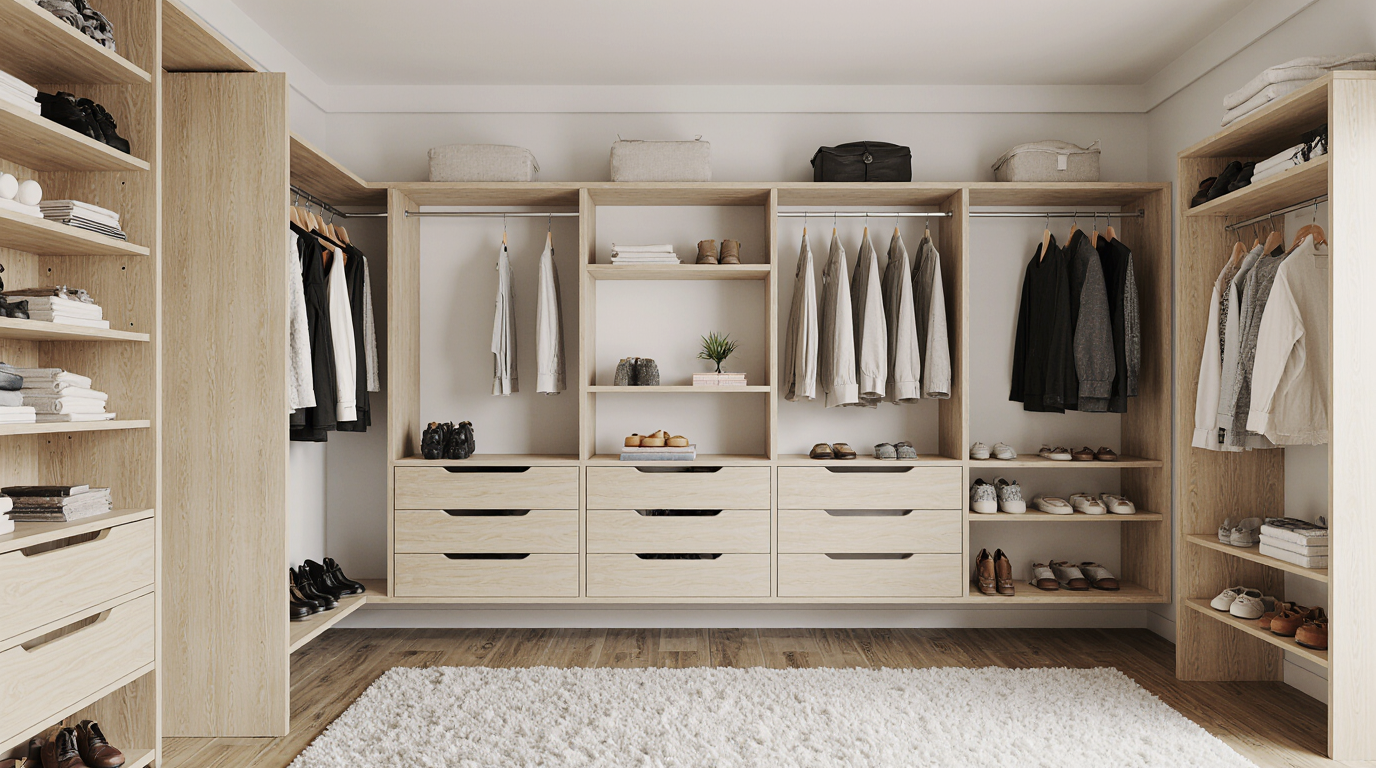
Over my years designing and building custom closets in Sarasota County, I've seen a consistent failure point in high-end homes: cabinetry that simply isn't engineered for our coastal environment. Sta…
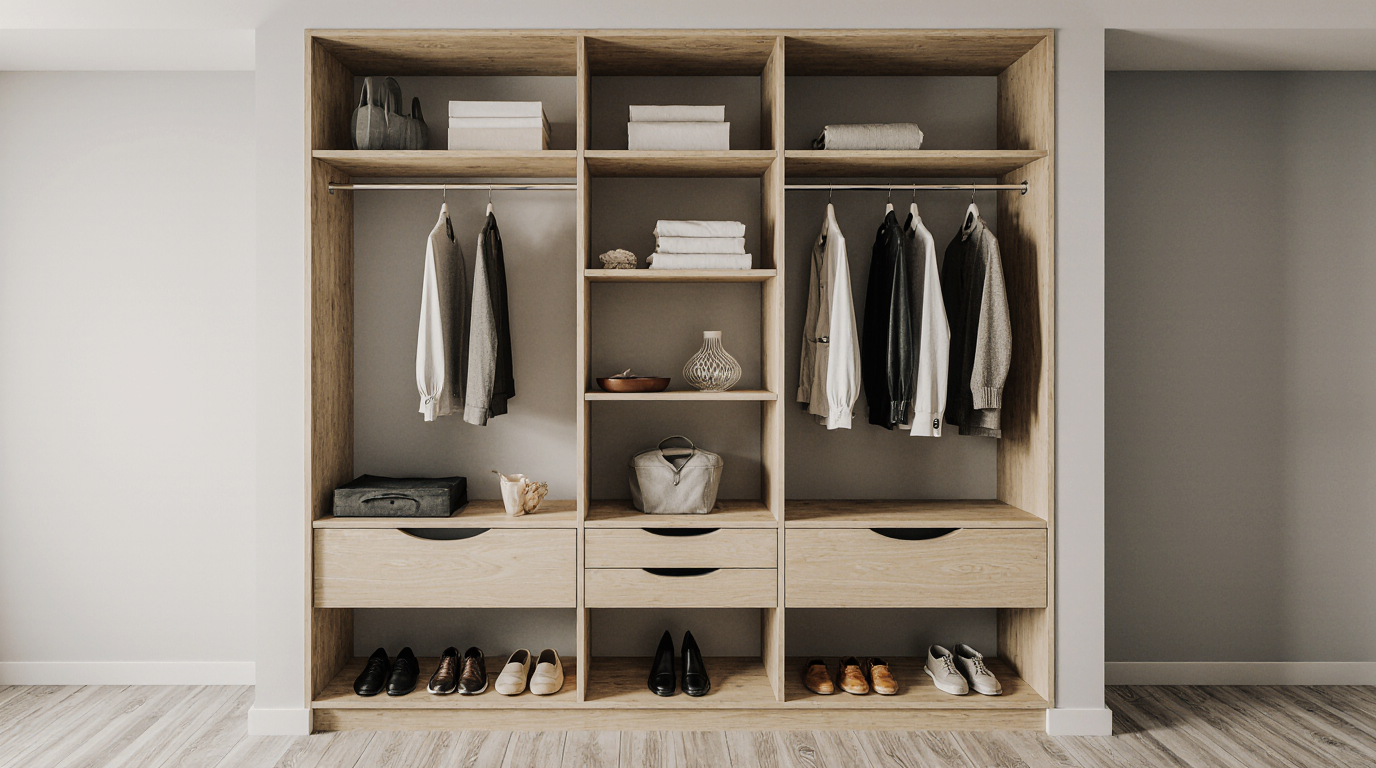
Over years of designing and building custom closets in Sarasota County, I've identified a recurring, costly failure point: delamination and hardware corrosion. I've seen it in waterfront estates on S…
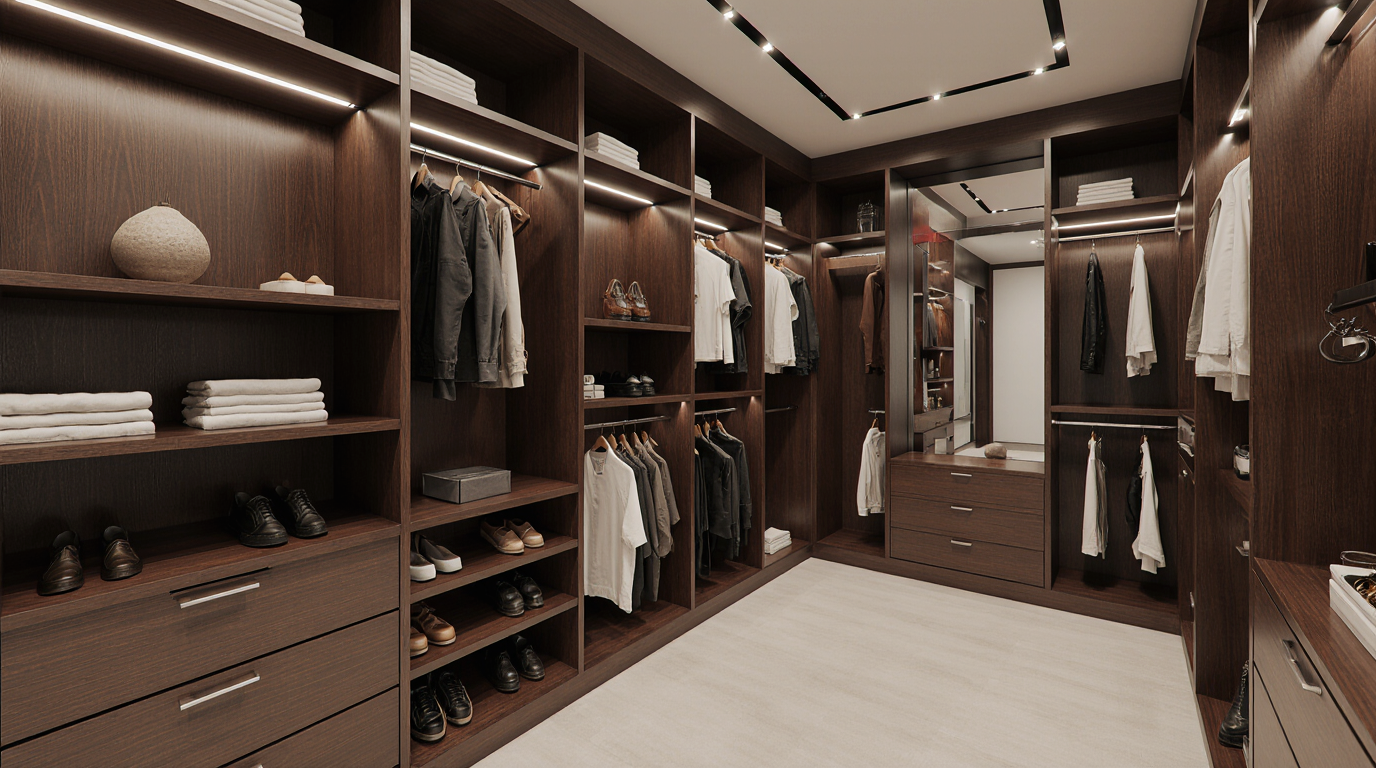
In my years designing and building custom closets here in Sarasota County, the single most common failure I see is material degradation due to ambient humidity. Standard melamine or MDF closets, espe…
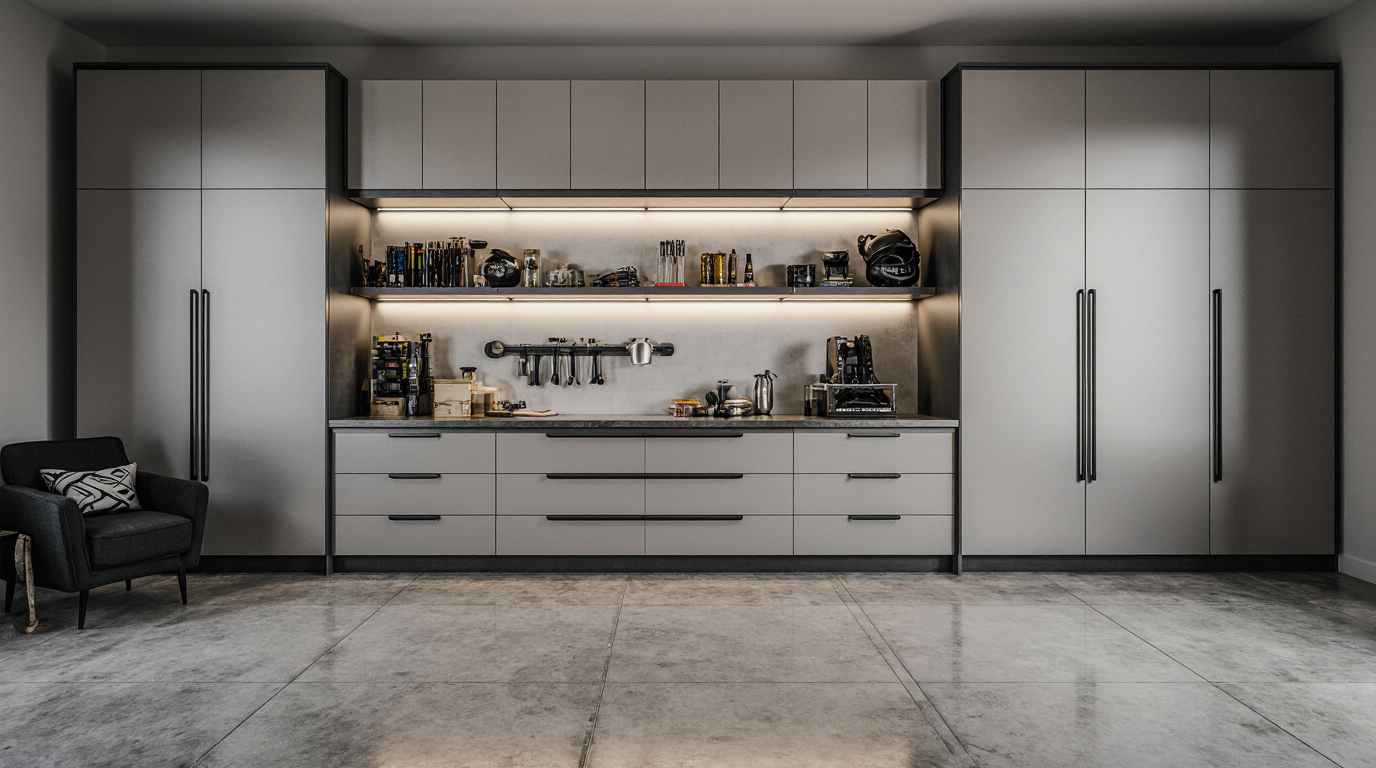
In my years designing and building custom cabinetry here in Sarasota County, I’ve seen the same critical failure in garage storage systems time and again: catastrophic material swelling. Homeowners i…
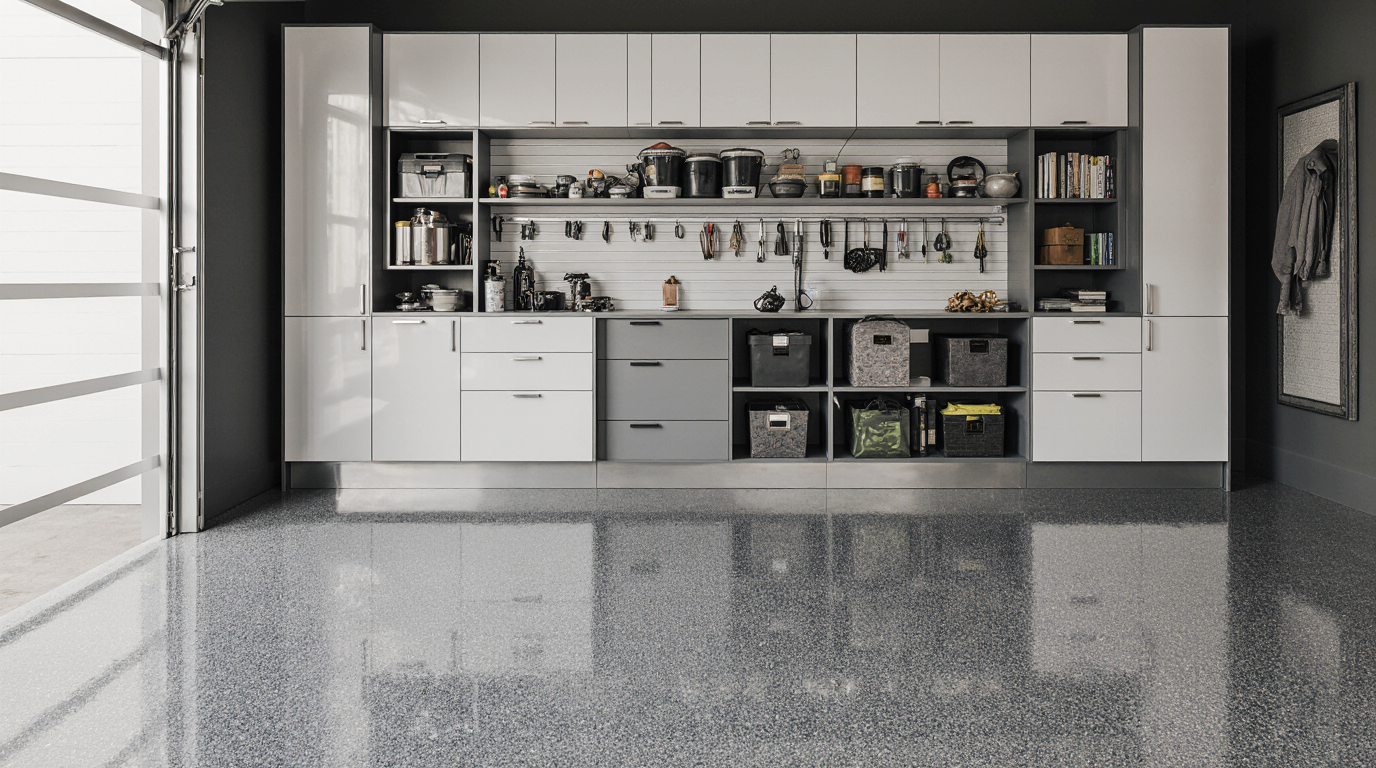
In my experience designing custom cabinetry for homes across Sarasota County, the single most common failure I encounter is in the garage. Standard melamine or particleboard cabinets, often installed…
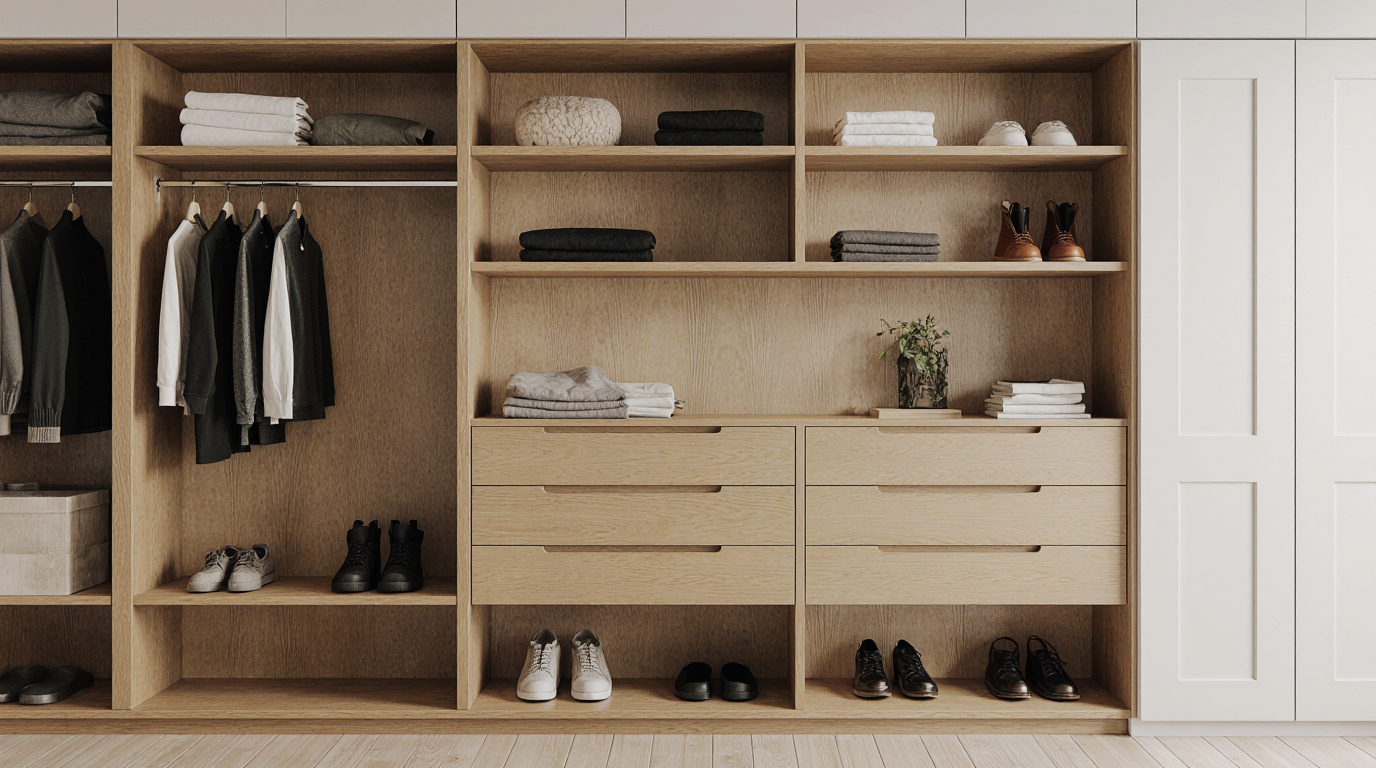
In my experience fabricating and installing high-end closets across Sarasota County, the most common point of failure isn't poor design, but material specification that ignores our coastal reality. I…
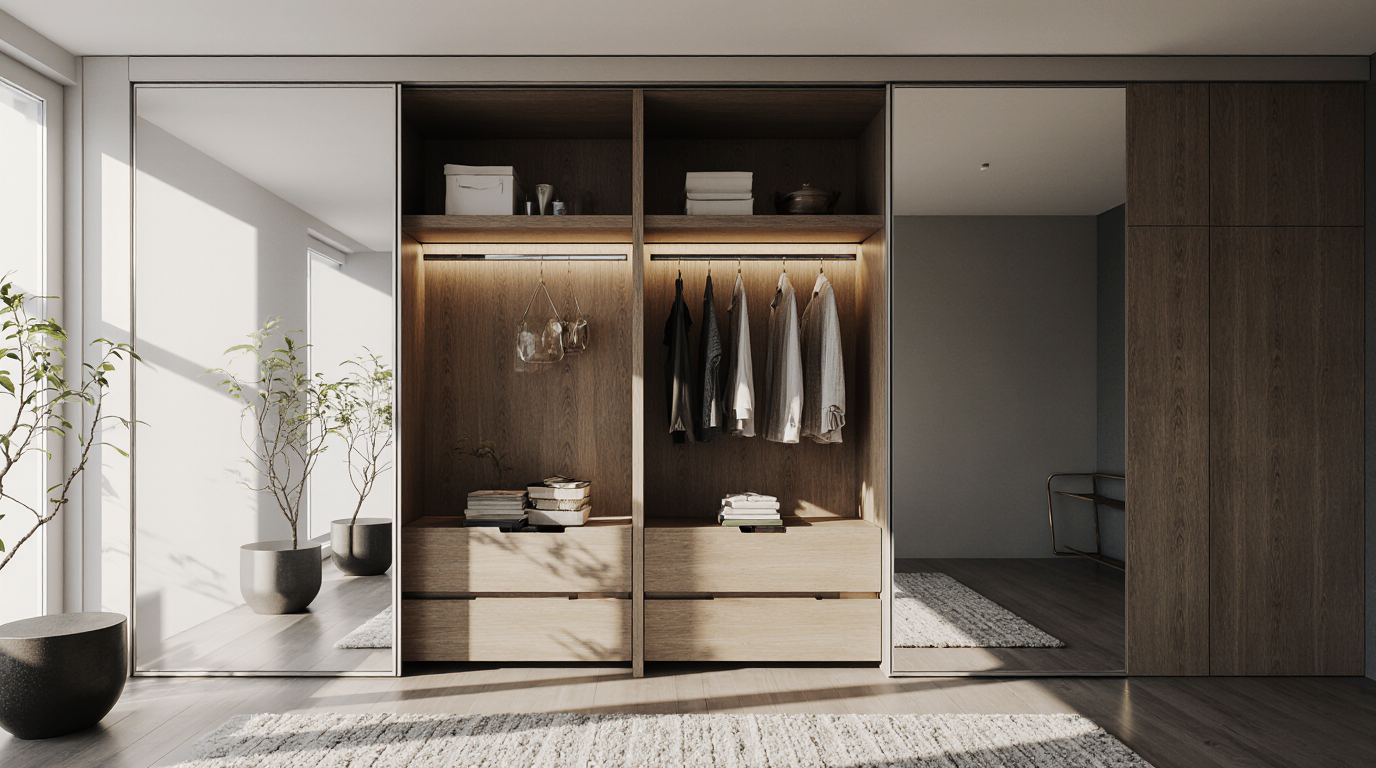
In my years designing and building custom wardrobes for homes from Siesta Key to Lakewood Ranch, I've seen the same structural failure point repeatedly: hardware corrosion and panel swelling caused b…
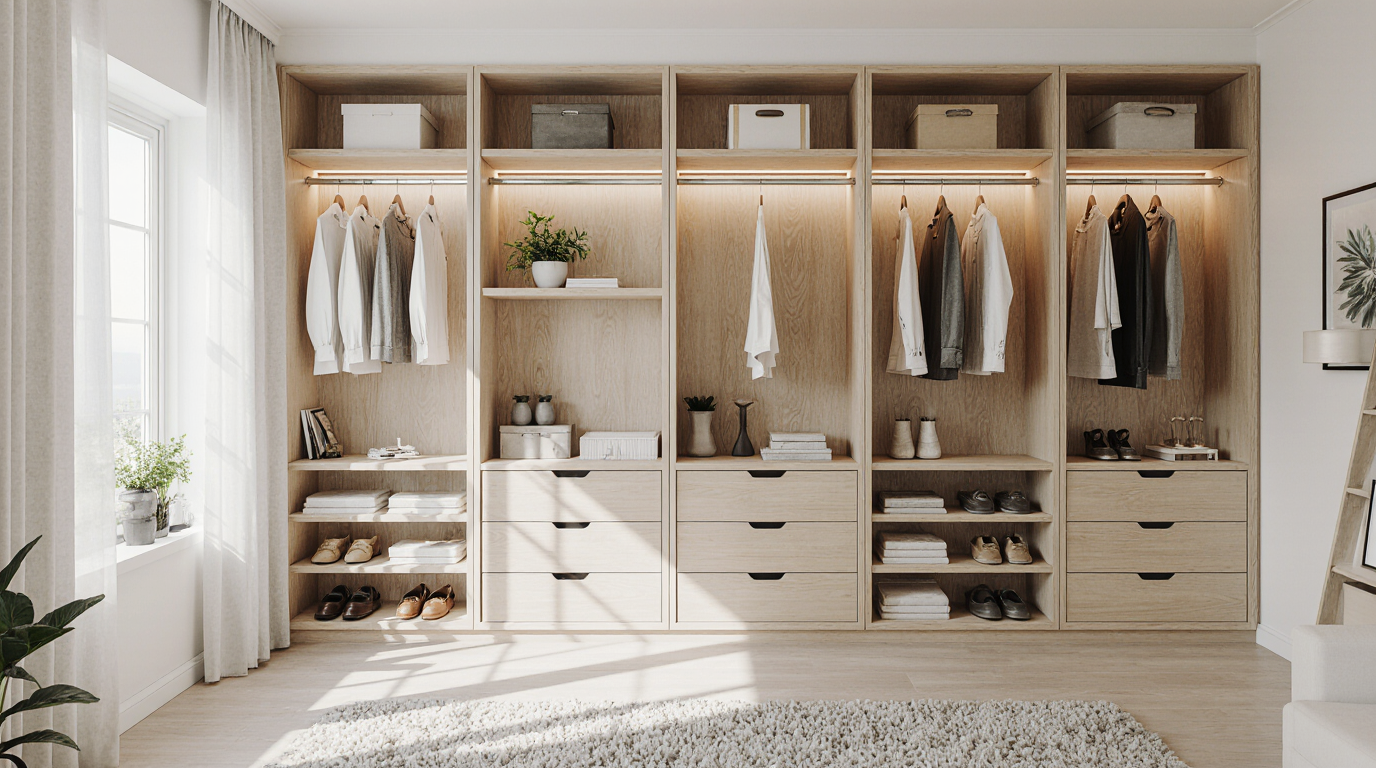
Working on luxury properties across Sarasota County, I've had to replace countless high-end closet systems that failed in under five years. The primary culprit is almost always the same: material sel…
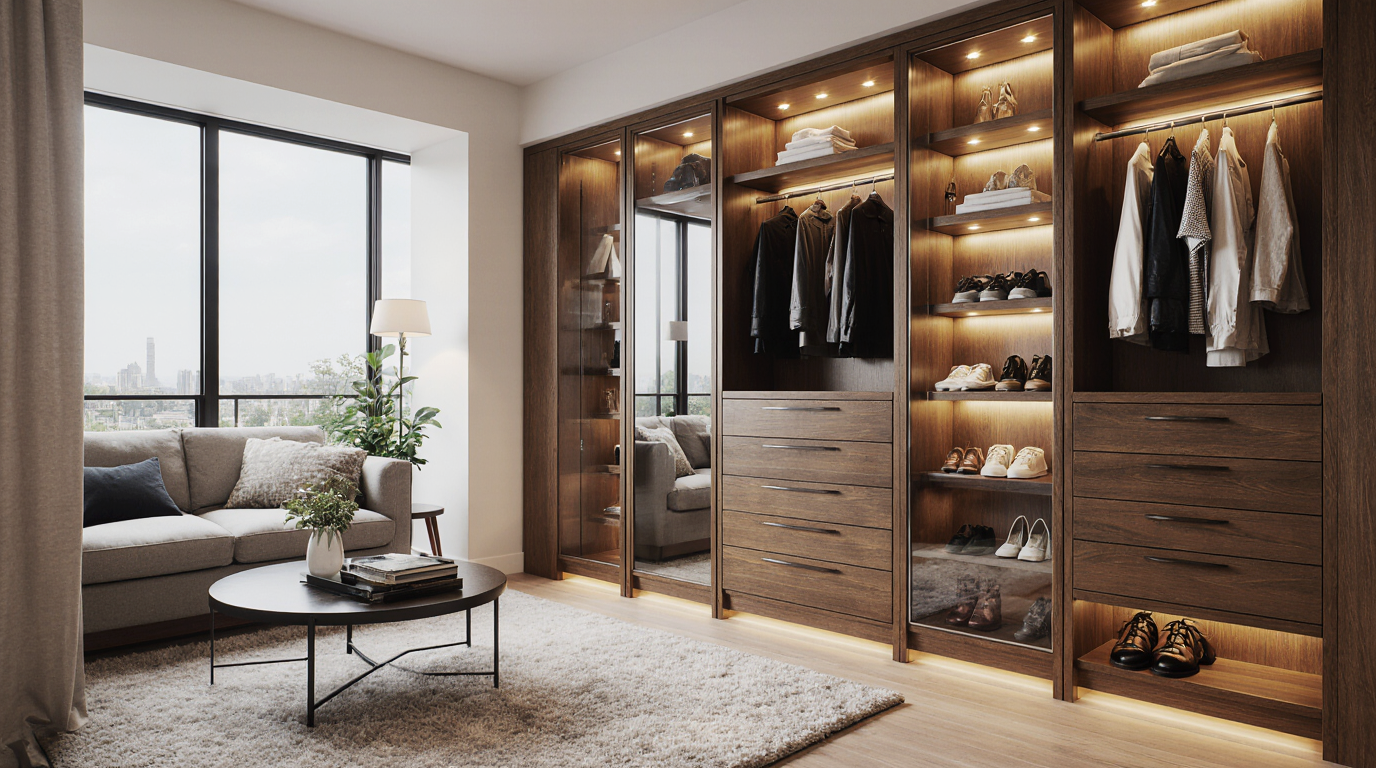
Designing a walk-in closet in Sarasota County presents a unique engineering challenge that standard cabinetry often fails. I've personally seen dozens of installations in Gulf-front properties, from…
Over years of working on custom cabinetry projects in Sarasota County, I’ve seen a recurring, costly failure in luxury walk-in closets: delamination and hardware corrosion. This issue is particularly…
In my years designing and building cabinetry for luxury homes across Sarasota County, I consistently address one critical failure in walk-in closets: premature material degradation. High humidity and…
During my years designing and installing custom closets in Sarasota County, I've seen the same structural failure repeatedly, especially in properties along the Gulf. Standard cabinetry materials sim…
In my experience designing and building walk-in closets across Sarasota County, I've identified a recurring point of failure: the devastating effect of coastal humidity on standard materials. I've se…
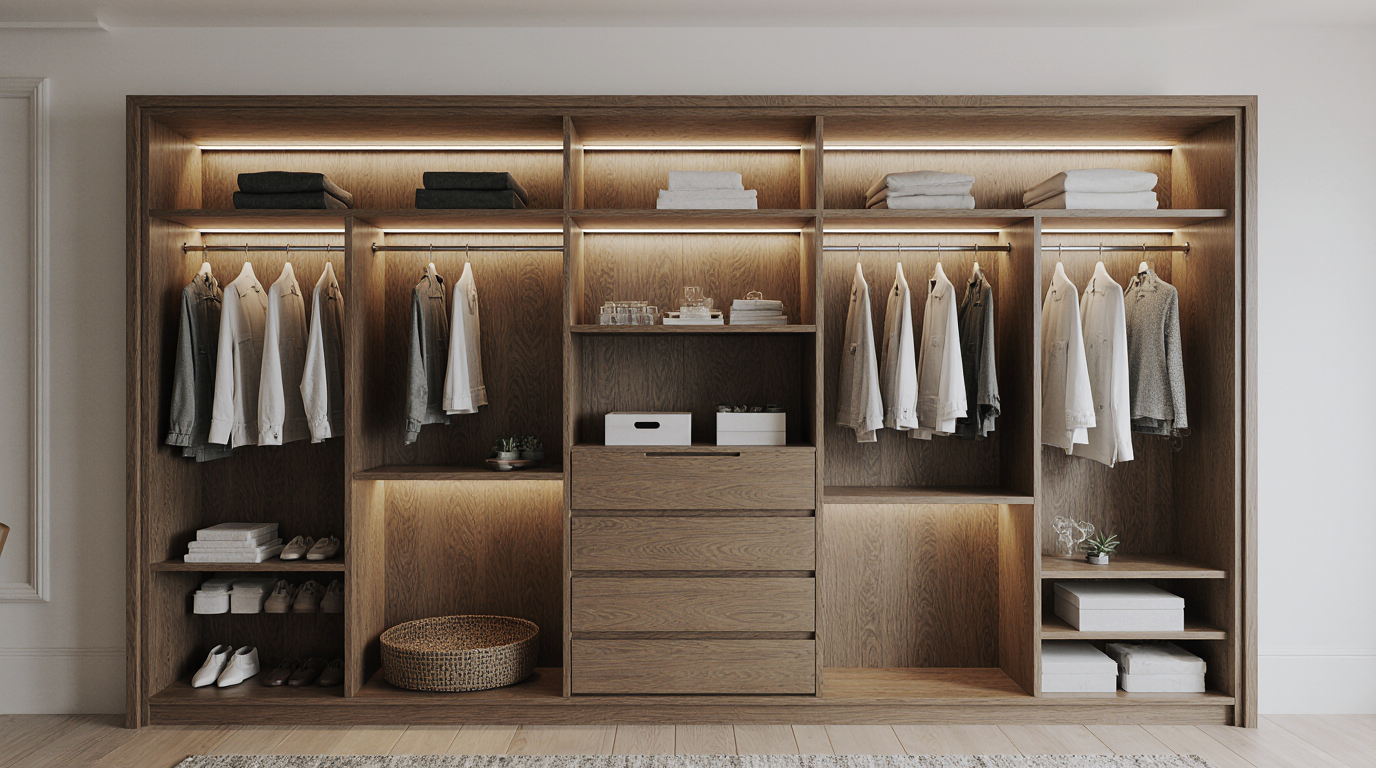
In my years designing and building closets for high-end residences along Sarasota's coastline, I've consistently seen the same point of failure: delamination and hardware corrosion. Standard cabinetr…
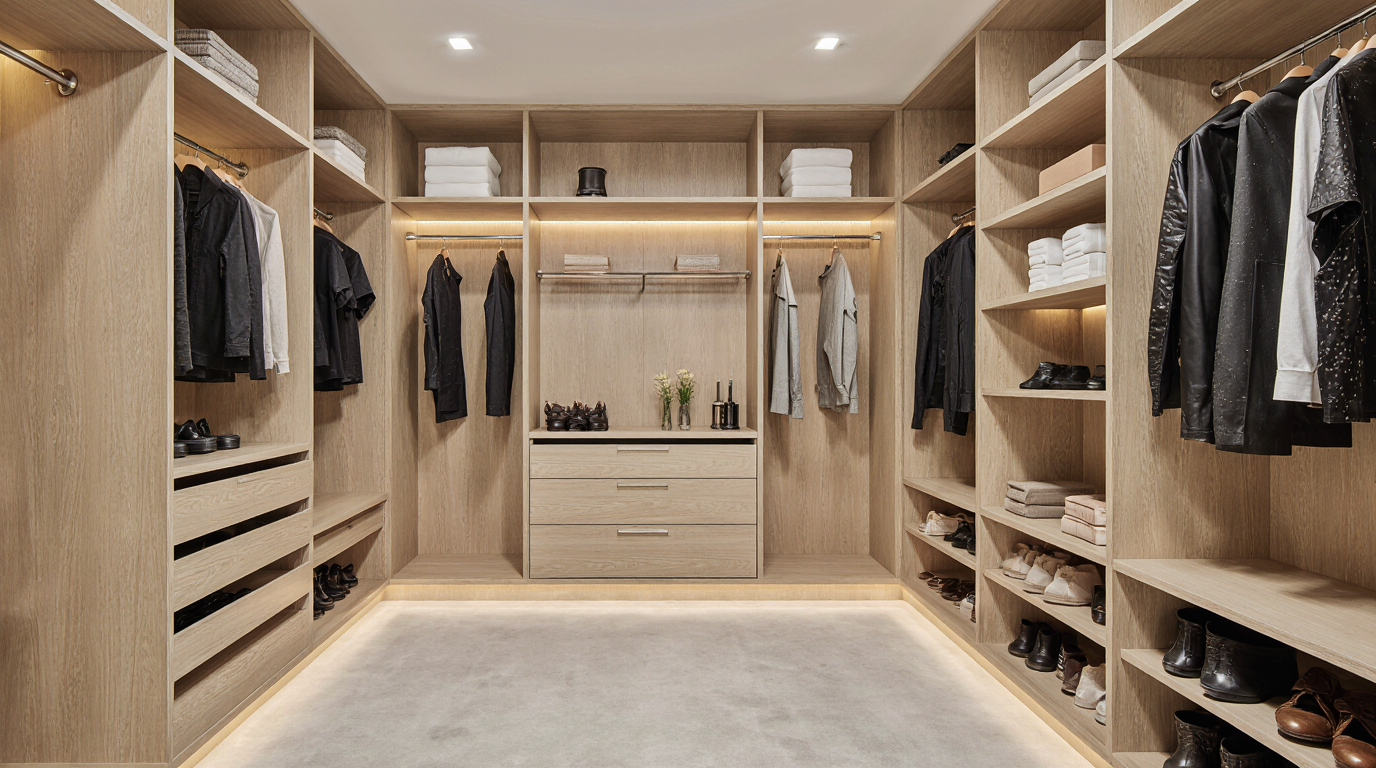
In my years designing and building custom closets across Sarasota County, I’ve seen the same structural failure repeatedly, especially in properties along the Gulf: moisture-induced delamination. Sta…
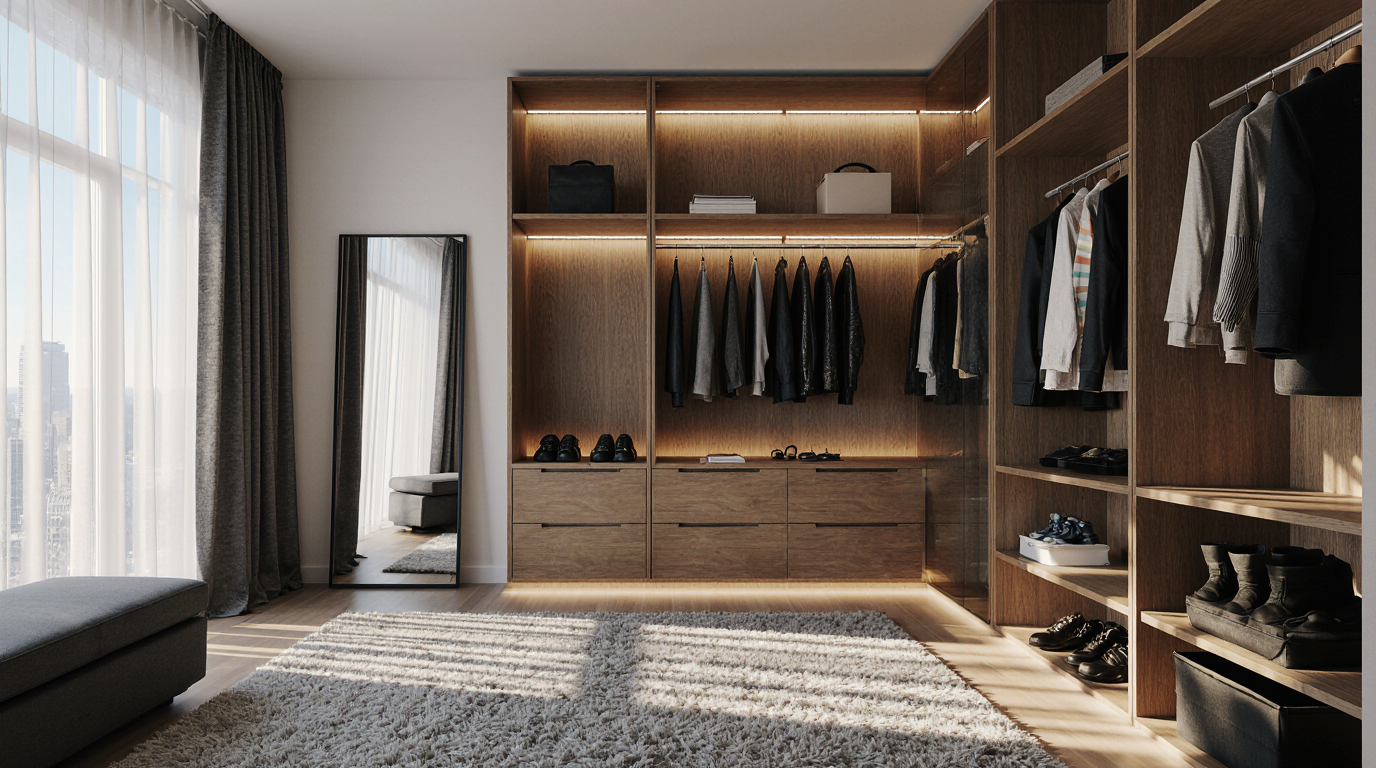
Over my years designing and building custom closets in Sarasota County, I've seen the same structural failure repeatedly, especially in properties along the Gulf: delamination and swelling caused by…
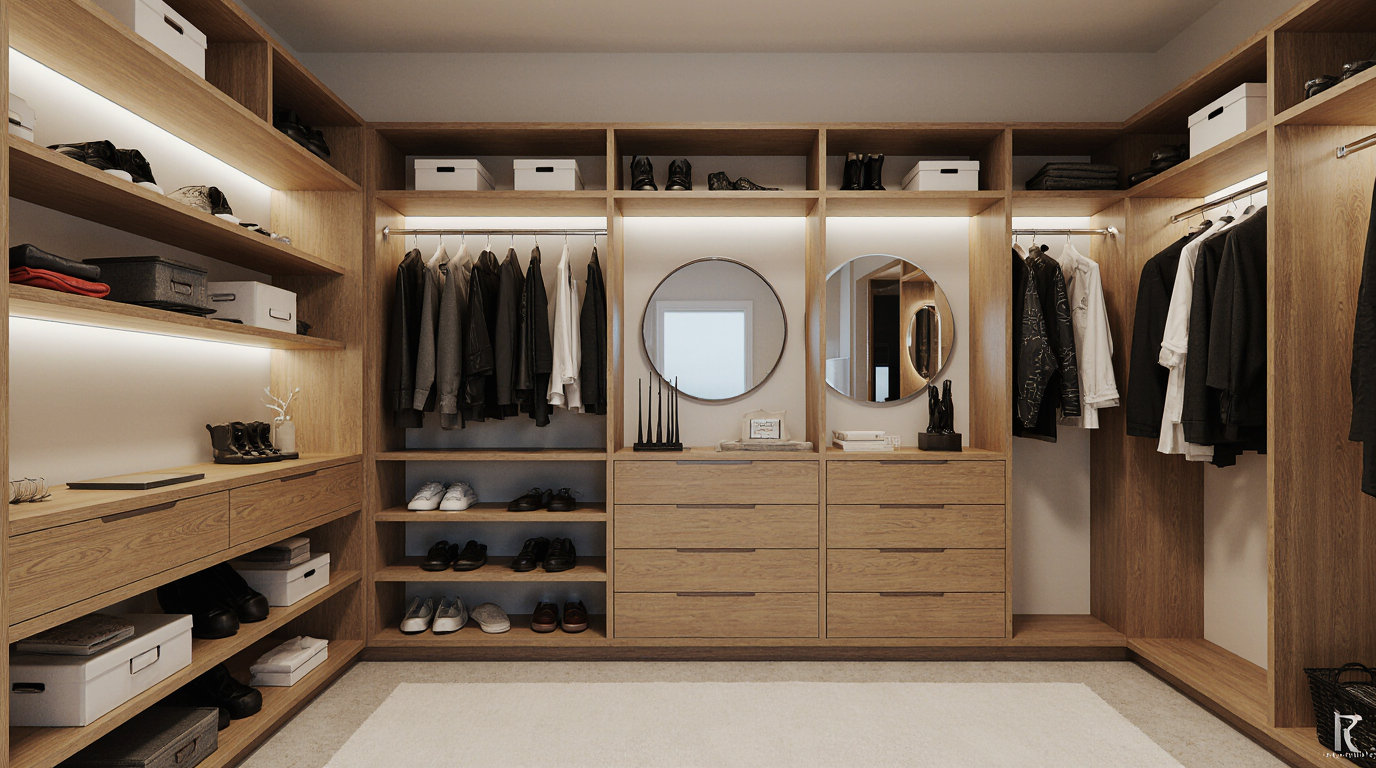
Over my years designing and building custom closets in Sarasota County, I've seen a consistent failure point in high-end homes, particularly those along the Gulf: moisture-induced material fatigue. S…
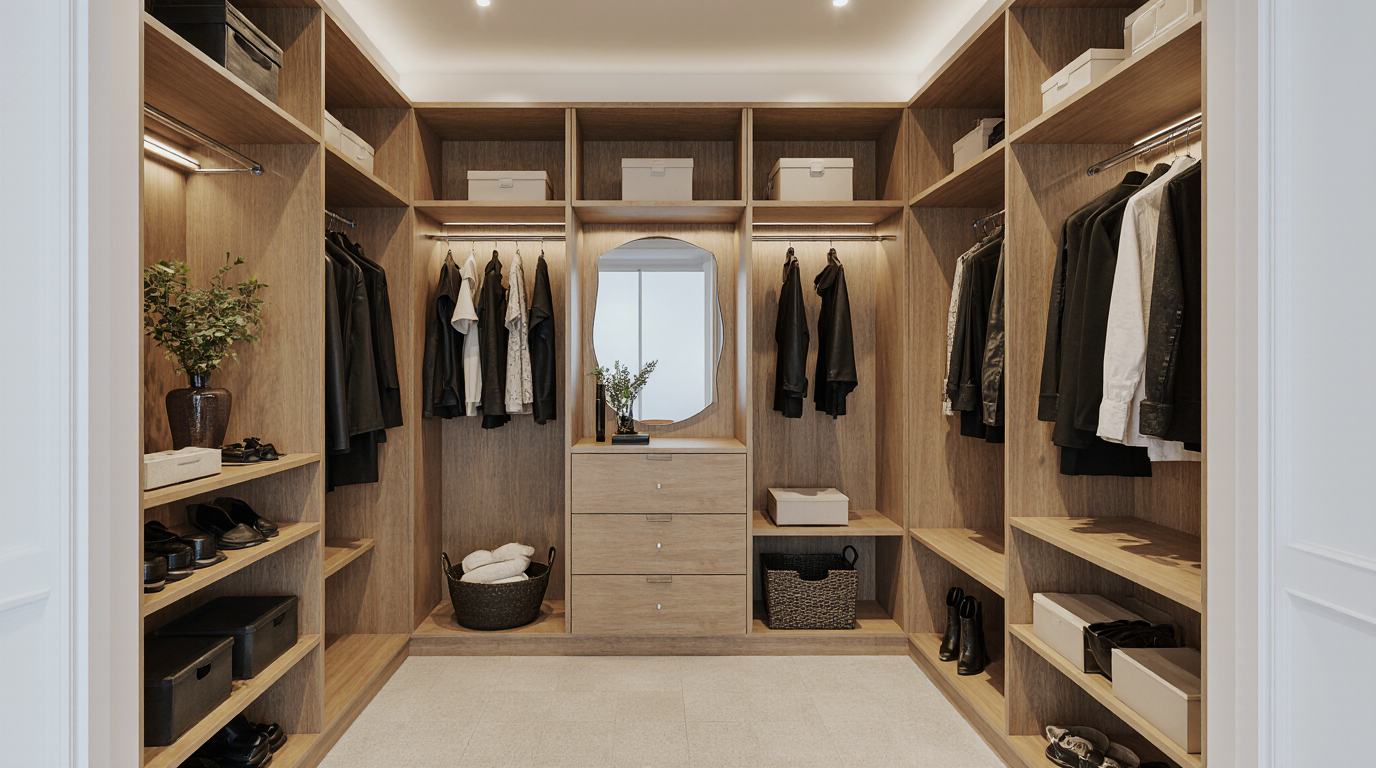
In my years designing and installing high-end closets throughout Sarasota County, I’ve seen the same critical failure point time and again: delamination and hardware corrosion. Standard materials sim…
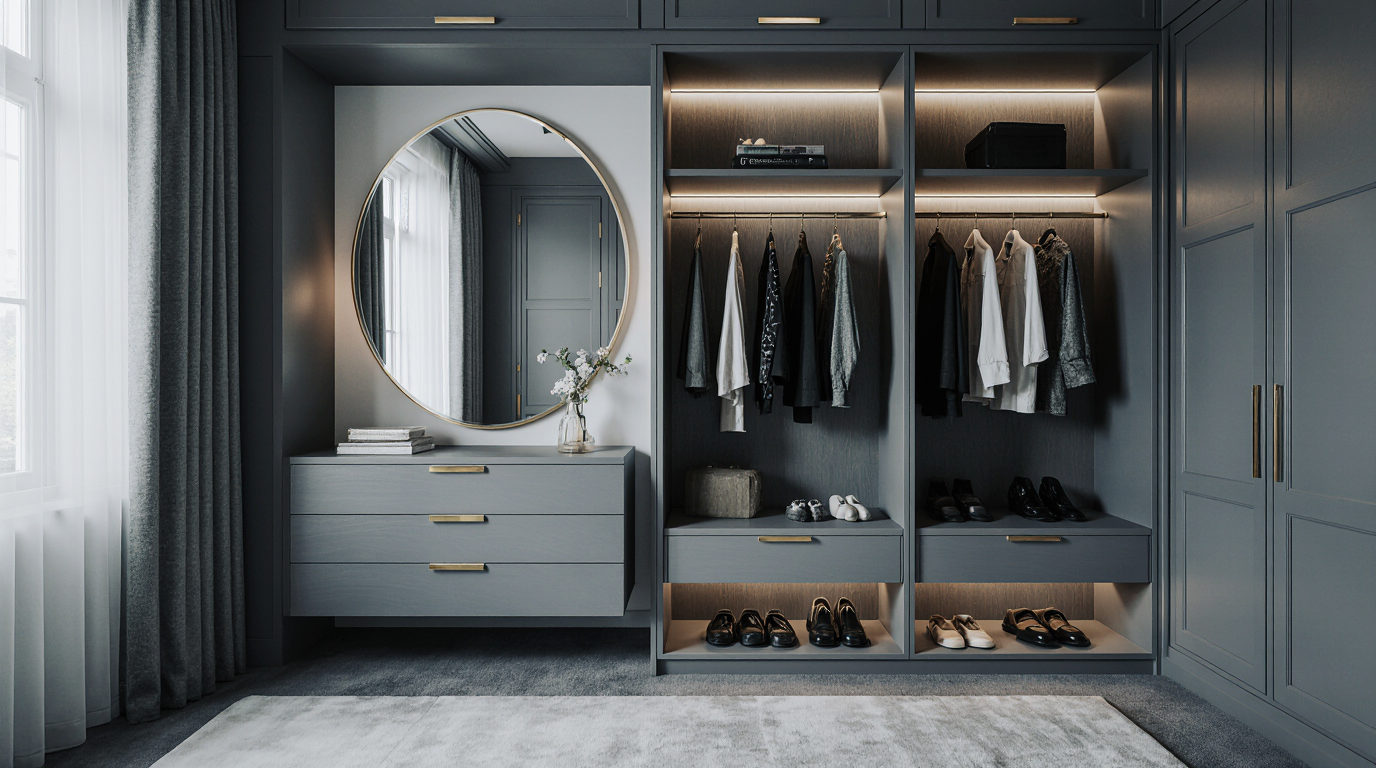
Over my years designing and building closets in Sarasota County, I’ve seen the same structural failure repeatedly: delamination and warping caused by our persistent coastal humidity. Standard cabinet…
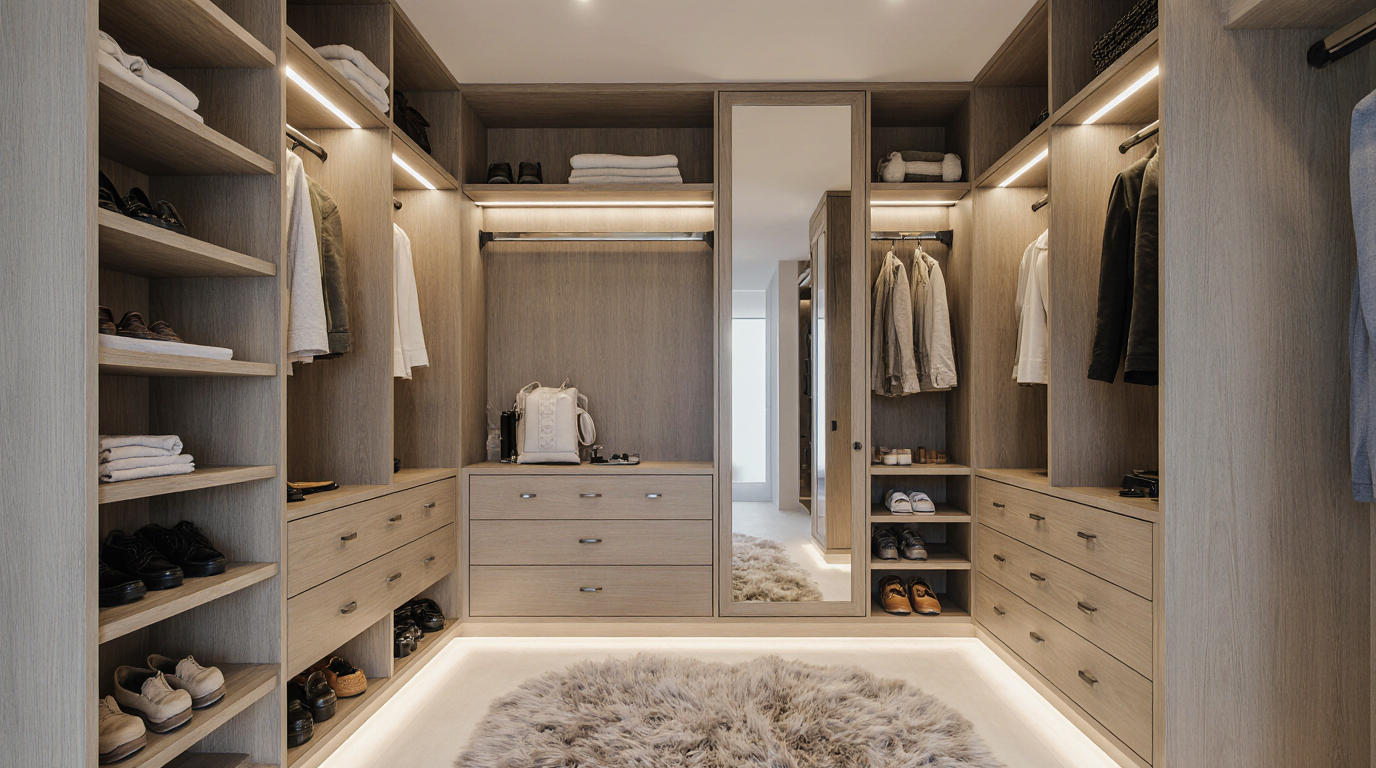
Working on luxury properties from Siesta Key to Lakewood Ranch, I’ve consistently seen modern closets fail not from design, but from material ignorance. The high humidity and salinity in Sarasota Cou…