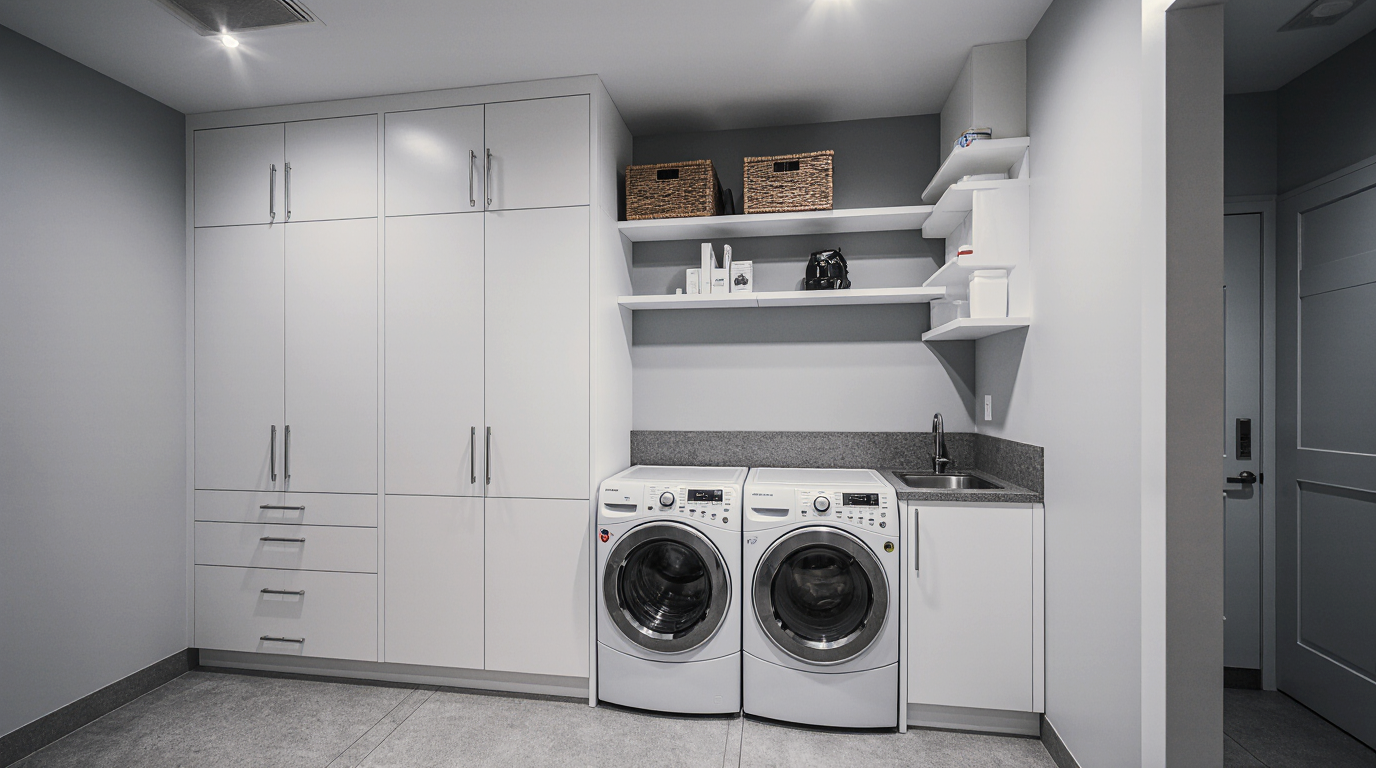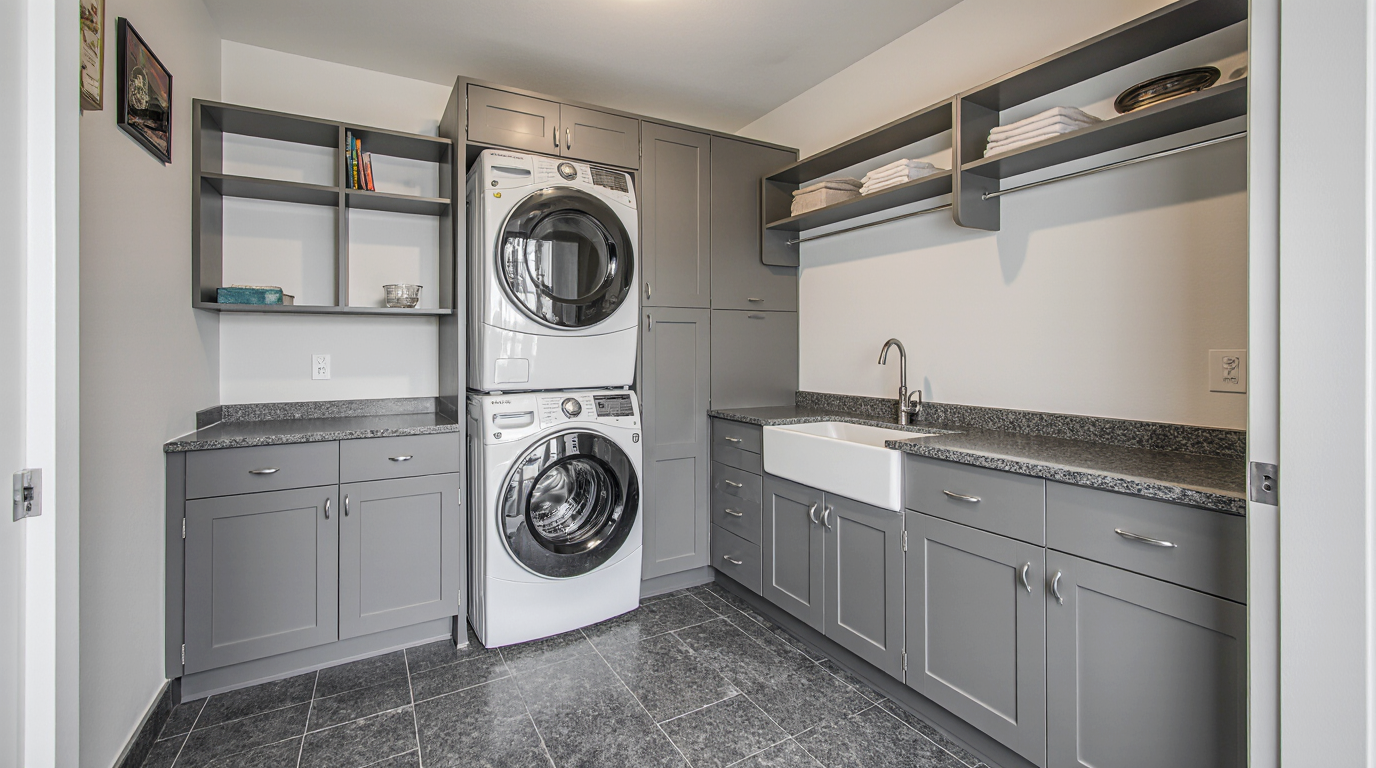
The repurposing of a section of the garage footprint into a modern laundry area represents one of the most impactful home improvement upgrades a homeowner can complete in their residence. Far from being a mere secondary concern, this transformation requires a considered approach to space planning, seamless utility integration, and aesthetic cohesion. It’s about taking a cavernous, often dusty domain and redefining it as a visually pleasing utility room. The key opportunity for expert design, and where a thoughtful approach truly shines, lies in counteracting the natural issues of a garage environment—namely temperature fluctuation, potential humidity concerns, and an industrial backdrop—while fully leveraging the spacious dimensions usually available.
A critical first step in any utility space conversion is establishing zoning. A successful multi-functional garage needs clear demarcation. Where the washer and dryer reside should be treated as a distinct work zone, fully separate from potential storage or automotive functions. This separation often begins with a clear structural boundary, even in an open-plan garage. Consider installing a demising wall or, more creatively, using robust, high-span curtain rods to suspend visually pleasing, machine-washable curtains. These serve as an immediate visual barrier, quickly transforming the space from utilitarian to a purposeful nook, effectively creating a temporary room within a room. This flexible approach is preferable to fixed construction because it maintains the flexibility of the garage for oversized storage requirements, aligning perfectly with flexible space utilization principles.
The choice and positioning of the washing and drying units dictate much of the subsequent design. Given the more generous square footage afforded in a garage footprint compared to an interior closet, there is an opportunity to move beyond basic stacking. While stackable washer and dryer units are excellent for maximizing vertical real estate in tight spots, strongly consider installing them side-by-side beneath a continuous, durable countertop. This countertop becomes the primary functional component of the design—your essential folding and sorting station. Material choice here is paramount. Forget standard laminate; opt instead for materials known for their moisture resistance and durability, such as quartz, solid surface materials like Corian, or even expertly sealed butcher block for a warmer, more inviting aesthetic. Sealing the wood, if chosen, is non-negotiable to guard against humidity, inevitable water exposure, and cleaning product spills, ensuring the work surface’s long-term durability in a potentially volatile environment.
The integration of plumbing and electrical services demands the attention of licensed professionals. A garage environment can be more challenging to manage than interior walls, and proper insulation and vapor barriers are crucial to protect against condensation and temperature swings which may compromise the efficiency of your units. Beyond the standard appliance hookups, incorporating a deep, durable utility sink is a non-negotiable feature for any high-performance laundry center. Look for large basin sinks constructed from robust polymers or fireclay, paired with a high-arc, commercial-grade faucet capable of handling pre-soaking and heavy rinsing tasks efficiently and cleanly. This dedicated water source is invaluable for dealing with heavily soiled items outside the main washing machine drum.
When addressing storage, the ceiling height of a garage offers a distinct advantage. Designing floor-to-ceiling cabinetry or robust shelving systems provides ample concealed storage, which is crucial for hiding detergents and seasonal items that often end up cluttering the laundry area. Utilize pull-out drawers and deep lower cabinets for heavy items, while upper cabinets can feature adjustable shelving to accommodate varying container heights and bottles. For items frequently accessed, such as dryer sheets or stain removers, incorporate wall-mounted storage solutions—think industrial-style pegboards or sleek, custom-built shelving units that reinforce a sense of organized productivity. Integrating a wall-mounted hanging rod, perhaps a pulley-operated system or a simple, robust metal bar, allows for air-drying delicates or the immediate hanging of wrinkle-prone items, keeping them off the folding surface and preventing additional ironing time.
The ground plane requires specific attention. Standard, untreated garage floors are concrete, which can feel harsh, industrial, and thermally inefficient. To introduce thermal comfort and visual warmth, a high-quality floor coating is essential. Options range from durable epoxy floor coatings—which provide a seamless, easy-to-clean, and chemical-resistant surface—to interlocking rubber or vinyl floor tiles. These tiles offer superior grip, can absorb minor impact, and often allow for easier access to in-floor utilities if necessary, representing a design choice rooted in practical ergonomics. Color selection can dramatically alter the mood; lighter tones help reflect what little natural light a garage might offer.
Lighting moves beyond mere functionality in this context. Relying solely on a single, harsh overhead utility bulb will not foster a pleasant user experience. Employ a layered lighting scheme. Start with bright, high-CRI (Color Rendering Index) task lighting directly over the folding station and sink—LED strip lighting recessed under the upper cabinets works perfectly here. Supplement this with ambient lighting—perhaps attractive, moisture-rated semi-flush mount fixtures—to raise the overall brightness and eliminate dark corners. If the space allows, incorporating a decorative, yet practical, pendant light fixture over a central island or sorting area adds a crucial touch of interior design sophistication, signaling that this space is treated with the same design consideration as the rest of the home.
The psychological aspect of a laundry chore demands a design solution that promotes well-being. This means introducing elements of biophilic design. If the garage wall structure permits, installing a narrow, high shelf for easy-to-care-for greenery—think snake plants or ZZ plants—can inject life and color. Additionally, a cohesive color palette must be established. Moving away from the typical industrial gray and white, choosing a two-tone scheme—perhaps a calming deep navy or sage green on the lower cabinetry paired with crisp white uppers—creates an intentional, calming visual anchor. Even small details, like selecting designer hardware for the cabinetry (brushed brass or matte black pulls) or adding a small, machine-washable area rug near the machines, signal a complete, bespoke transformation rather than a mere appliance installation. This comprehensive approach ensures the garage laundry room is not just functional, but a highly valued, efficient, and visually satisfying extension of the home.