The present-day laundry room is much more than its purely utilitarian roots; it is evolving into a crucial functional hub within the modern home, requiring careful consideration in its layout and material selection. Moving beyond simply fitting a washer and dryer into a small closet, true laundry room design aims at creating an area that encourages efficiency, reduces physical strain, and, ideally, offers a degree of aesthetic pleasure. The success of any laundry space, regardless of its dimensions, depends on intelligent spatial planning and the integration of ergonomic principles. This detailed approach transforms a mere service area into a streamlined part of the home, truly enhancing the domestic workflow and overall living experience by focusing on the user's comfort and ease of movement during necessary household tasks.
For spaces constrained by the original architectural footprint, optimizing verticality is critical. A compact laundry solution often necessitates stacking the washer and dryer units. While this conserves valuable floor area, it must be balanced against ergonomics. Lifting the appliances, perhaps by placing them atop storage pedestals, is a key design move. This small elevation can greatly reduce the constant bending and stooping required for loading and unloading, effectively mitigating strain on the lower back—a significant factor in work-related musculoskeletal disorders. Furthermore, when front-loading machines are used, the countertop height above the appliances should be precisely calculated. Standard bench heights may not be adequate; designers increasingly suggest slightly taller work surfaces, perhaps around 36 inches, to better fit the average modern adult's stature, promoting better posture during the often-underrated task of folding. This careful attention to height ensures that the most frequent physical tasks in the room are performed with minimal unnecessary physical exertion.
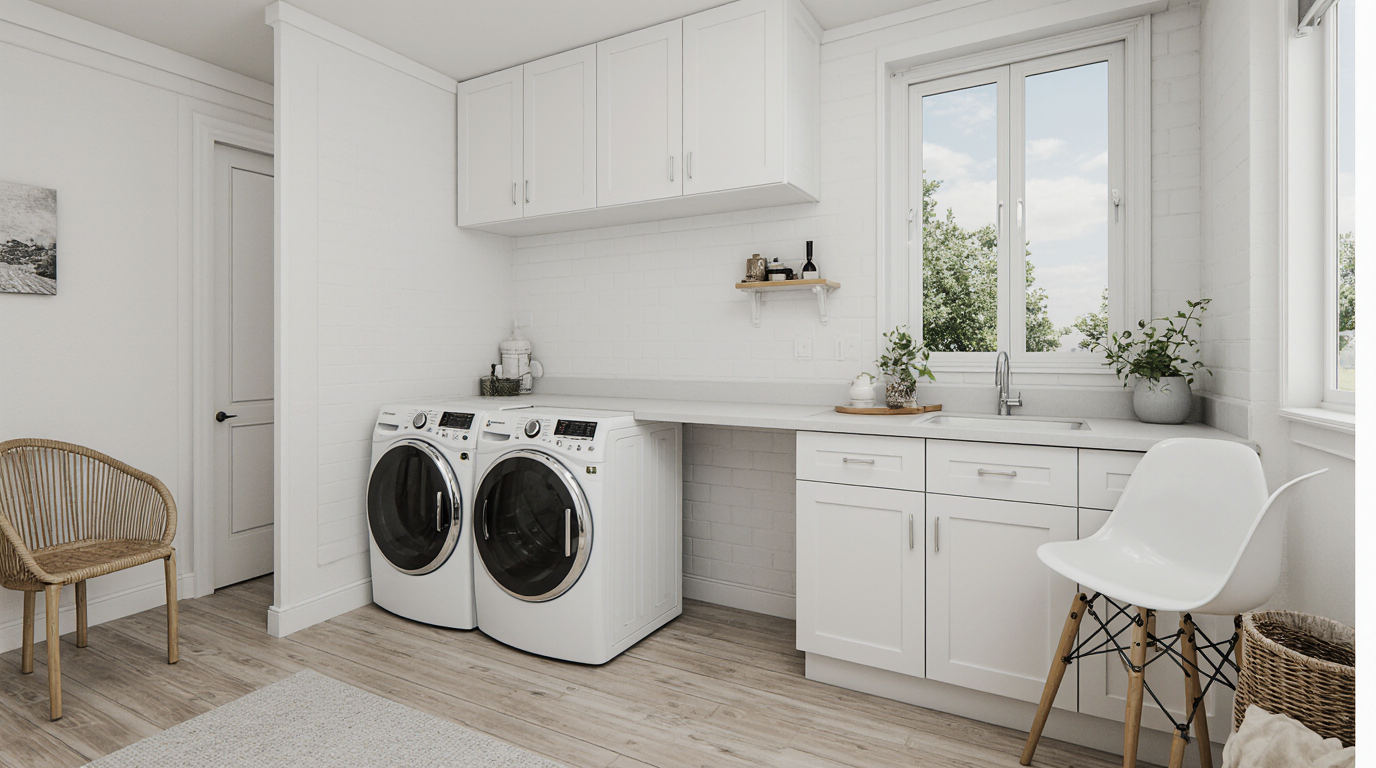
If space permits, a galley-style laundry room or a dedicated, larger area allows for a side-by-side appliance layout. This arrangement frees up the space directly above the machines for a continuous work surface, which is crucial for sorting, pre-treating, and folding. In cases where a utility sink is included—a highly recommended feature for hand-washing delicates or managing pre-soak tasks—its placement is key to workflow. Placing the sink either to the far left or right of the appliance run, rather than centered between them, enlarges the contiguous folding area. If including a deep utility sink requires attention to reach; lower surfaces or using basins placed on the counter for soaking tasks can reduce deep reaching, following sound ergonomic guidelines. A larger, uninterrupted work area provides unparalleled versatility, making tasks like stain removal and final organization much simpler and less cumbersome than trying to navigate around a central, fixed sink unit.
Storage optimization governs the long-term success of the layout. The goal is to keep frequently used items visible and easily accessible while tucking away seasonal supplies or less common tools. Built-in cabinetry is preferable to standalone units as it leverages wall space effectively and offers a clean, cohesive aesthetic. Material selection here must prioritize moisture resistance and durability. While aesthetics matter, plywood with a high-quality, sealed finish or even marine-grade plywood provides an excellent balance of longevity and cost-effectiveness against humidity, spills, and detergents compared to less robust options like untreated MDF. For countertops, quartz or solid surface materials are the gold standard due to their non-porous nature, ease of cleaning, and resistance to staining from common laundry chemicals. Thoughtfully designed storage, complete with adjustable shelving and deep drawers, ensures that the room remains uncluttered and that all necessary supplies are exactly where they are needed, significantly cutting down on time wasted searching for cleaning products or tools.
Aside from the main appliance and folding area, specialized zones contribute immensely to a superior layout. A designated area for hanging items—perhaps a recessed nook with a hanging rod installed at a comfortable height—keeps clean laundry from piling up on surfaces. For awkward items or those requiring air-drying, a pull-out drying rack that retracts neatly into the cabinetry when not in use is a great example of spatial efficiency. For managing the inflow of soiled items, pull-out hampers integrated beneath the countertop or adjacent to the machines keep laundry out of sight, resulting in a less cluttered visual environment. These dedicated sections handle the critical transitional stages of the laundry process—the incoming dirty items and the outgoing clean ones—making the flow seamless and preventing the classic "laundry pile" syndrome that can quickly overwhelm a space.
Flooring choice is fundamentally linked to durability and safety in a room prone to water ingress. Ceramic or porcelain tile continues to be a premier choice due to its inherent resistance to water, heat, and scratching. For a softer underfoot experience that is still resilient, luxury vinyl tile (LVT) is gaining popularity; its water resistance and slightly cushioned feel can be gentler on feet and joints during extended periods of work. The key is to avoid materials that readily absorb moisture or are easily damaged by minor overflows, which can lead to costly remediation. Selecting a robust, waterproof flooring material protects the home's structure from potential leaks and simplifies the inevitable clean-up of spilled detergent or water, making the entire room more resilient and low-maintenance over time.
Lighting design is often overlooked but significantly impacts functionality and mood. A truly well-designed laundry room incorporates layers of light. Bright, functional task lighting, such as under-cabinet LED strips, should illuminate the primary work surfaces. This should be complemented by ambient lighting, perhaps a decorative pendant light or attractive flush mounts, to elevate the space beyond mere utility. In smaller rooms or closets, ensuring the light source is powerful enough to combat the shadows cast by appliances and high shelving is critical for visual comfort and safety. The overall effect should be a space where operating the appliances and managing the workload feels less like a chore and more like a manageable, even pleasant, part of the home routine. Every element, from the height of the folding surface to the choice of cabinet hardware, should reinforce the concept of streamlined workflow and enduring quality, reflecting a commitment to the functional aesthetics of the entire dwelling.