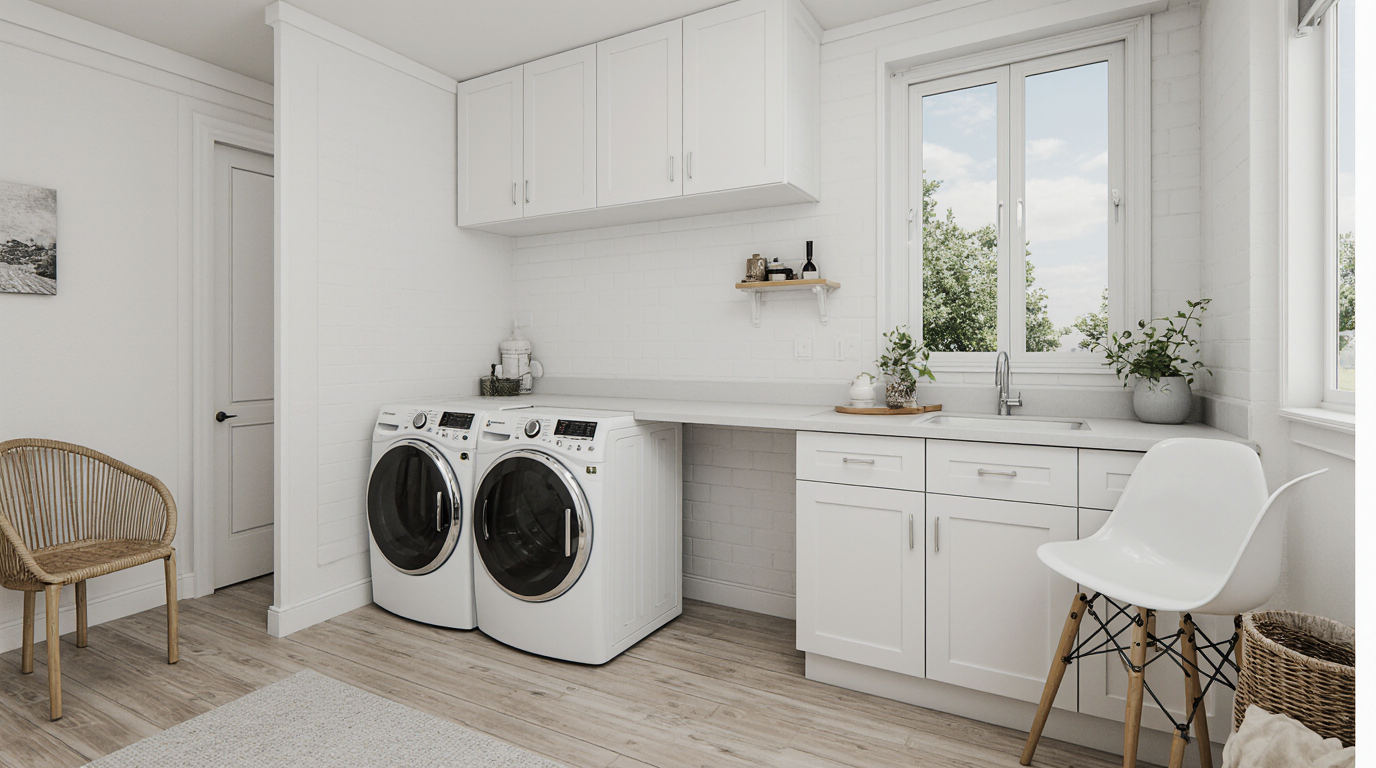
The shift of the laundry room from a dark, dark corner into a functional hub of the modern home demands a sophisticated approach to spatial planning. As a specialist in this area, I contend that the effectiveness of any laundry space depends fundamentally on its arrangement. A ill-designed configuration leads to wasted motion, worsens physical strain, and converts a routine duty into an draining experience. Designing an exemplary laundry room layout demands a cohesive blend of efficient sequencing, comfort-focused design, and design excellence, irrespective of the available space available for the project.
The operational path is the foundational concept directing the entire spatial arrangement. This path typically involves these steps: collecting, separating, laundering, treating/pre-soaking, folding, and storing. An effective arrangement ensures a unobstructed, logical progression that reduces unnecessary movement and excessive hauling. For rooms where size limits the setup to one wall—the common galley style—installing the appliances adjacently, with sufficient bench area nearby, is critical. This unbroken path enables wet items to be taken immediately to the prep area without the danger of water trails, which is both an efficiency gain and a safety measure. If space accommodates a split design, the L-shape is often superior, allowing the folding or utility sink area to define one side while the appliances occupy the other, creating a natural work triangle. The crucial element is ensuring the primary washer and dryer hatches don't block the main walkway or storage area to avoid hindering movement during appliance use.
User-friendly design changes the design from merely functional to truly beneficial for the user's body health. This is where small things count. The standard kitchen counter height of $900 \text mm$ is often insufficient for the laundry prep bench. Due to rising population heights and the goal of preventing lower back pain from extended standing tasks, current professional plans often recommend a slightly elevated folding bench height, often around 920 mm to 1000 mm for anyone above average height. Furthermore, the placement of the washer and dryer is essential. Horizontal-axis washers and dryers, while offering the advantage of continuous countertop integration, naturally demand stooping. The strategic answer to this problem is the smart incorporation of raised bases, raising the drum height to match the user's natural hip height, drastically reducing the need for repeated deep bending—a primary cause of joint and muscle pain. When drawers are used for storage, they are substantially more comfortable than fixed shelf storage, providing complete visibility of items without needing to reach to the back corners. The placement of a utility sink, if installed, must also accommodate those who can't stand, mandating a design for easy clearance or a design that offers open space below the basin.
The way storage is handled determines whether preserves the room's neatness and the workflow smooth. Mess hinders the work process. The most effective plans use varied storage solutions: vertical space maximization via floor-to-ceiling cabinetry is a non-negotiable for bulk supplies. For frequently accessed items like detergents and stain removers, sliding shelf systems or visible ledges directly above the machines are ideal, as they reduce the reach distance. Adding custom-designed, concealed areas for tools such as steam irons and boards and collapsible hanging systems guarantees these necessities won't dominate the precious floor space when inactive. Recessed or cupboard-fronted sorting bins, typically including divisions for light, colored, and sensitive fabrics, are much better than portable bins, keeping the room visually uncluttered and making sure soiled clothes are not a focal point.
For dedicated activities, a dedicated area enhances multi-functionality. If room size permits, a tower arrangement is an efficient use of height, clearing the nearby room for a permanent pressing table or a multi-purpose prep area. Adding targeted illumination, such as thin light bars below the shelves, above the main work area is vital. Well-lit surfaces help with accurate stain checking and minimizes visual fatigue. The best contemporary designs include automation; Smart washers and dryers that notify your phone when the load is done reduce wasted trips to the utility area.
The floor and counter surfaces serve a functional purpose; they impact longevity and maintenance. Hard-wearing, moisture-proof floors—such as large-format porcelain tile or luxury vinyl—is a necessity. Countertops should ideally be stain-resistant materials like engineered stone or solid surface material, able to resist detergent spills and bleach damage. Ventilation is a final, often overlooked critical factor; providing a strong vent fan or a well-placed window controls humidity levels, which is vital for the longevity of the space and the avoidance of fungal growth. A thoughtfully planned layout transforms this routine task into a pleasant experience and feels more like a smooth, integrated step in home management, a true testament to thoughtful space planning.