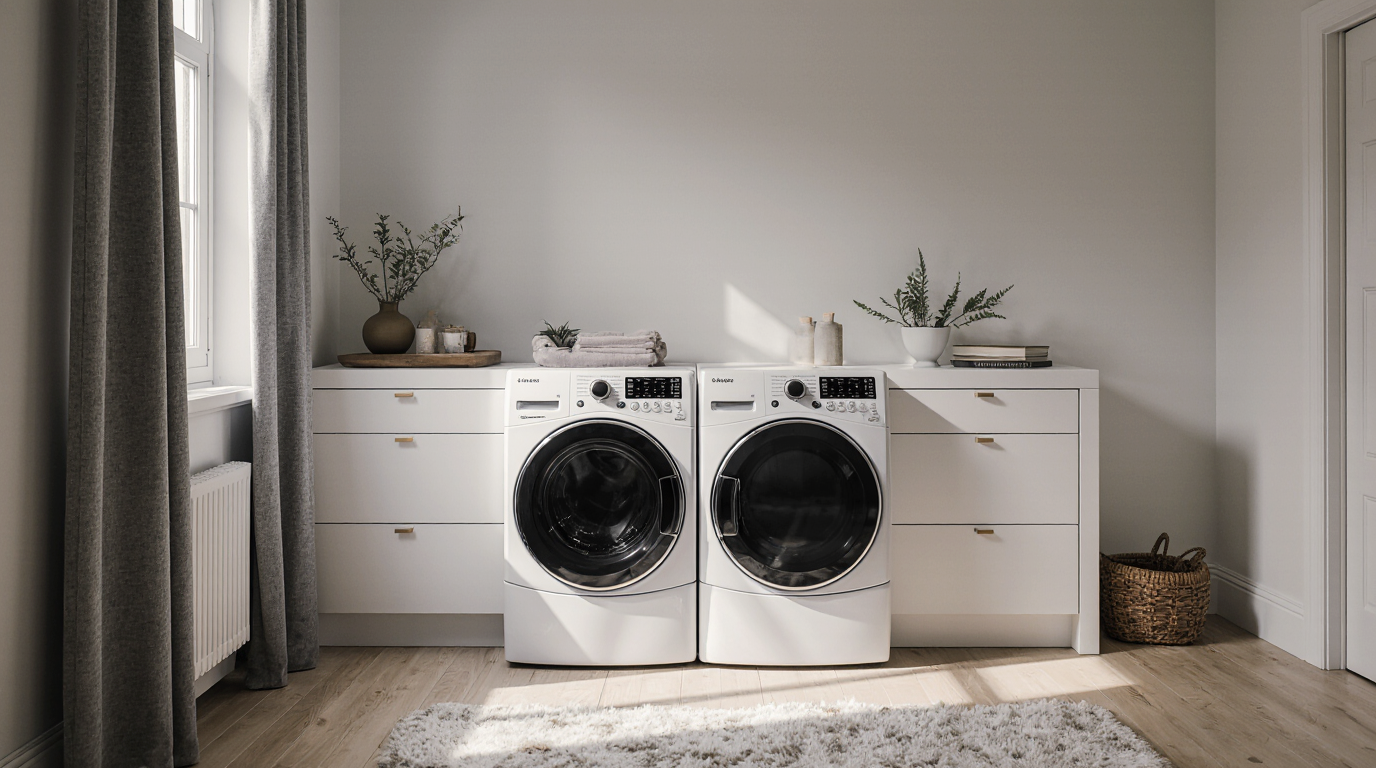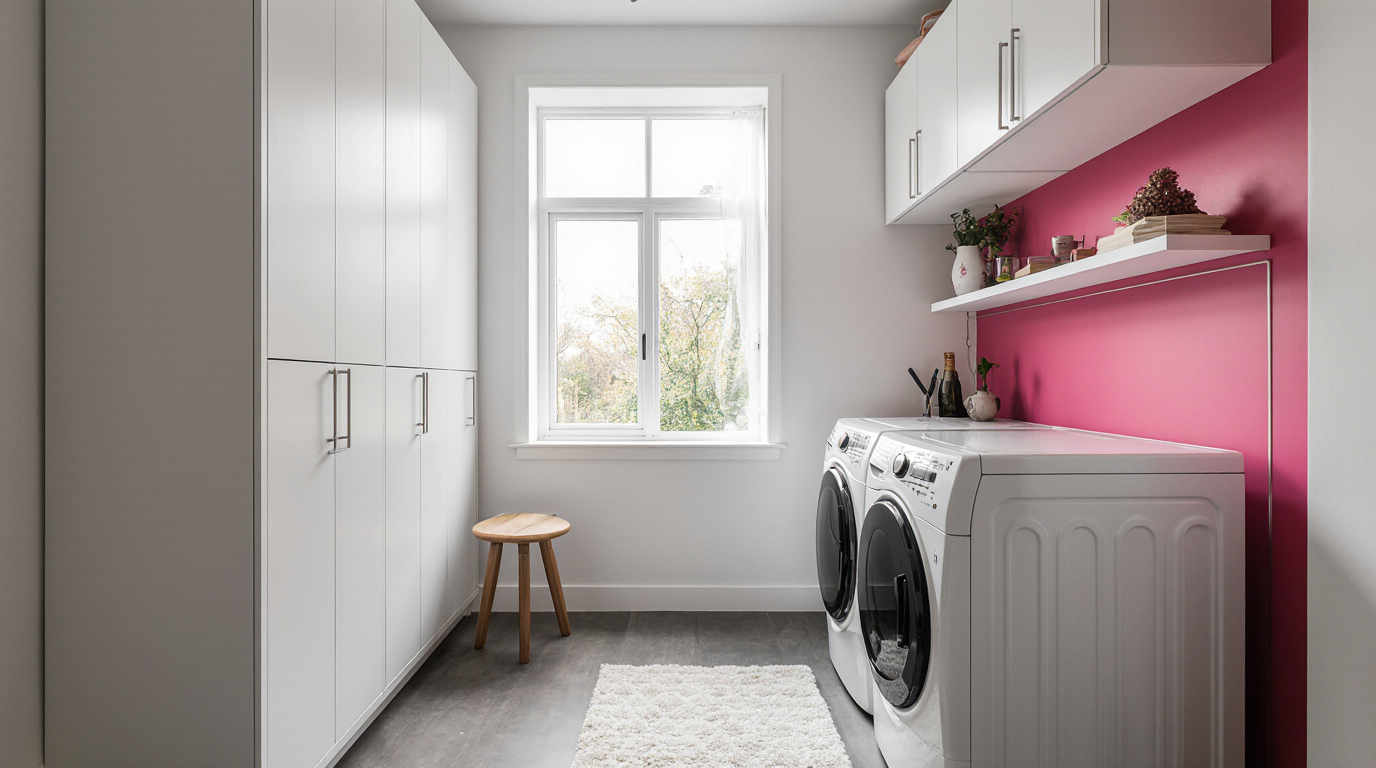
The latest laundry room is undergoing a significant metamorphosis, shifting from a basic afterthought into a carefully crafted, dual-purpose hub of streamlined living and personal well-being. Gone are the days when this space was confined to a dark, unpleasant corner of the basement. Today’s designs integrate visual appeal and human-centered design to establish an ambiance where even the most repetitive tasks become balanced. To realize this vision necessitates a close look at custom joinery, smart technology integration, and a focus to responsible choices.
A fundamental element of high-end laundry design centers on efficient operation. This is much more than about appliance placement; it is about the entire journey of a garment, from soiled hamper to folded perfection. Comfort is paramount. A design flaw to avoid is the unvarying height of traditional benchtops. In contemporary design, we recommend counters set at a personalized waist level, often near 920 millimeters or a full meter for those with greater stature, dramatically reducing musculoskeletal strain associated with prolonged bending over folding surfaces. Beyond this, washer-dryer units should preferably stand higher onto designer risers, bringing up the drum opening to a easy loading level, avoiding the repeated, back-straining bend. The strategic placement of appliances should also ensure an unobstructed flow—if designing a narrow room, make certain doors swing away from the central zone to maintain access and safety hazards during load transfer.
Clever storage solutions define the boundary between mess and order in a optimized laundry. Flexible shelving units are increasingly favored for their versatility, empowering homeowners to change shelving as requirements evolve. We strongly support the use of concealed sorting bins or built-in divider units tucked under the countertop or next to the machines. These systems, often equipped with distinct compartments for pre-sorted loads, streamline the pre-wash process and banish the eyesore of overflowing plastic bins. Floor-to-ceiling utilization is absolutely necessary in maximizing smaller footprints. Taking advantage of the area between the overhead cupboards and the ceiling with a top tier of fully enclosed cabinets tucks away infrequently used supplies like seasonal cleaning agents out of sight. For regularly needed supplies—laundry aids—floating wood shelves provide accessible storage while enhancing the room's cozy feel, often in natural timber finishes to pair well with contemporary palettes. For items that must air dry, look into using a retractable drying rack that tucks neatly against the wall or ceiling when not in use, preventing the annoyance of a clunky, fixed rack.
The incorporation of premium fittings and fixtures lifts the room from simple to stunning. Look past standard chrome. The introduction of distinct hardware tones on cupboards and taps creates a premium, polished feel. Large apron-front basins, ideally made from durable materials like non-porous material rather than standard ceramic, give generous capacity for manual cleaning tasks without soaking the surrounding surfaces. When choosing the soaking tub, make sure it is sufficiently large but without forcing it causes undue strain to reach the bottom—often a vessel-style sink is a better design choice to a fully undermounted basin.
Illumination planning is an aspect frequently overlooked but crucial for both task efficacy and overall feel. A basic center pendant is not enough. A perfect lighting scheme uses multiple light sources: ambient light from integrated ceiling panels, focused illumination installed right below wall cabinets to illuminate the folding surface without shadow, and where appropriate decorative sconce lighting to add visual interest. The hue of the bulb is a key consideration; aiming for a neutral to slightly warm white light (a daylight spectrum) allows that clothing colors are seen clearly.
The popular hues highlight serene, nature-inspired tones that promote calm. Serene blues, soothing sage greens, and warm natural colors are replacing stark white or clinical gray. These colors look fantastic when paired with the natural texture of hardwood flooring, a material choice that contributes real character and warmth, though proper waterproofing is critical for humidity control. A striking tiled accent, perhaps a geometric pattern in black and white or a textured array, draws the eye, creating a design moment in an highly functional room.
For true smart integration, expand your view past the appliances themselves. A great option is Wi-Fi-enabled ventilation systems that respond to humidity spikes, proactively managing mold and mildew are proactively managed. The appliances ought to include advanced textile recognition capabilities that intelligently modify water levels and cycle times, reducing consumption in water and energy consumption—a step towards sustainable living within the home.
The best-in-class designs combine utility with lifestyle. The dual-purpose cleaning-entry room remains extremely popular, in scenarios where or where space planning necessitates combining functions. This calls for distinct areas: a seating area for changing shoes, durable, moisture-resistant tiles, strong pegs for coats and bags, and hidden compartments for maintenance items and pet needs. Even without a mudroom function, incorporating a small, well-lit desk or a craft workspace makes the room versatile, turning a chore into a focused activity. The perfect finish involves personalization: adding a piece of curated art, a comfortable low-pile rug, or bringing in resilient indoor plants, such as a Pothos or Peace Lily, instantly changes the room's perceived purpose from a utility room to an inspirational domestic haven. This holistic approach guarantees the laundry room is not just efficient, but an inspirational domestic space.