Elevated Laundry Room Layouts: Engineering the Premier Utility Sanctuary
The modern conception of the laundry room is undergoing a profound transformation, evolving from a mere utilitarian closet into a highly integrated, aesthetically pleasing, and deeply functional component of the contemporary home. This shift demands a holistic approach to Laundry Room Design, one that synthesizes ergonomics, smart technology integration, and visual sophistication. Moving beyond the basic requirements of washing and drying, the expertly designed laundry space must now serve as a multi-functional hub, optimizing flow and minimizing physical strain for the user. This elevation of a traditionally overlooked space requires a keen eye for detail and an understanding of resident-centered design principles that promote well-being. Such deliberate planning guarantees maximum efficiency.
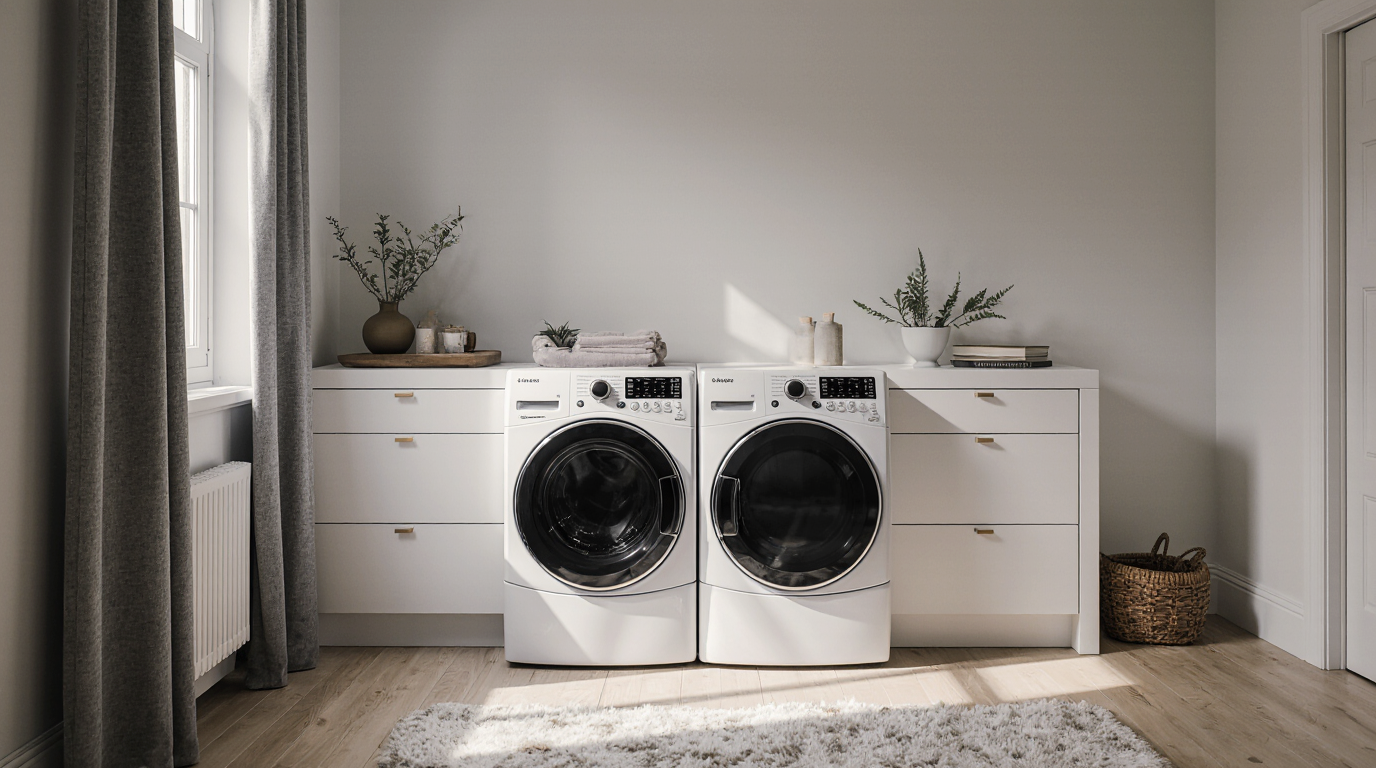
A primary focus in premium laundry design revolves around ergonomics. The physical act of doing laundry, which involves bending, reaching, and lifting, can contribute significantly to household fatigue. To counter this, one must consider the elevation of major appliances. Raising front-loading washers and dryers onto custom storage pedestals, ideally aligning the drum height between 750 to 1000 millimeters from the floor, drastically reduces the need for deep bending, thereby protecting the user's back and improving posture during loading and unloading. Similarly, the primary work surface or countertop, essential for sorting and folding, should be adjusted from the outdated standard. A bench height closer to 920 millimeters generally offers superior postural alignment for the average adult, transforming the folding process from a chore into a more comfortable task. Furthermore, the internal architecture of storage must follow ergonomic logic. Replacing deep, dark base cabinets with accessible drawers for supplies like detergents and softeners ensures that every item is visible and reachable without awkward rummaging, embracing the same revolutionary practicality seen in kitchen design. This small change in cabinet style makes a huge difference in daily use.
The integration of smart technology is no longer optional but a hallmark of a forward-thinking laundry space. Smart washer and dryer sets offer capabilities that streamline the entire routine, supporting goals of efficiency and conservation. Features such as remote cycle initiation via smartphone apps allow for tasks to begin while you are en route home, optimizing time management. More sophisticated models utilize load-sensing technology to automatically adjust water and energy consumption based on fabric weight and type, leading to tangible energy efficiency and cost savings. This connectivity extends to proactive maintenance; appliances can run remote diagnostics and alert the homeowner to potential issues before they escalate into costly breakdowns. Intelligent lighting systems, perhaps incorporating motion-activated or app-controlled fixtures, ensure optimal visibility while conserving power when the room is vacant, marrying function with sustainability. Embracing these technological advancements future-proofs the space.
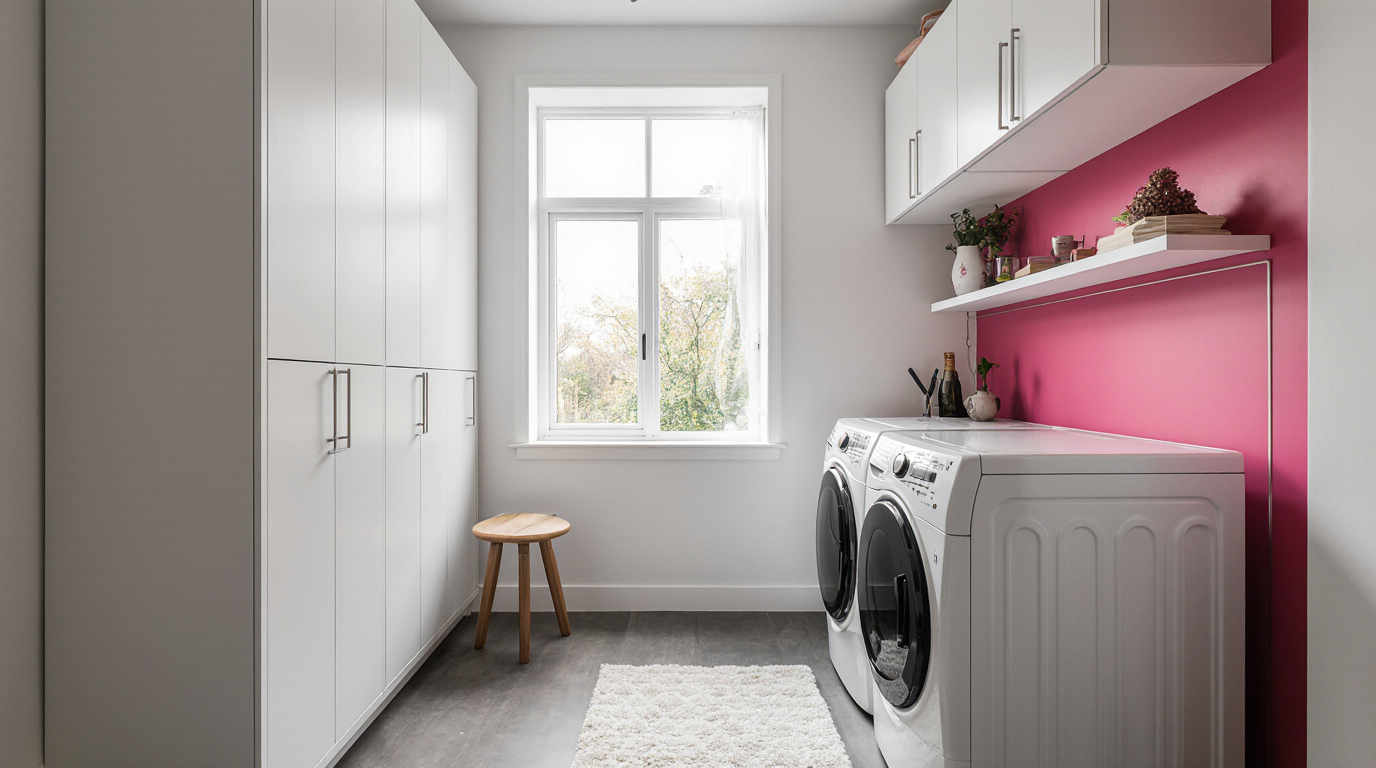
Storage solutions are the backbone of a clutter-free and efficient laundry environment. The trend strongly favors stylish storage solutions that maximize vertical space while maintaining a clean visual line. Custom-built cabinetry offers the ability to conceal unsightly items—detergents, stain removers, and mismatched cleaning tools—behind seamless facades. Innovative features such as pull-out ironing boards hidden within drawers or within the cabinetry structure itself eliminate the need for a freestanding board that eats up precious floor space. For handling textiles, integrated systems like pull-out hampers or dedicated, labeled compartments for whites, colors, and delicates streamline the sorting process and keep laundry contained until wash day. Floating wood shelves can introduce texture and warmth while offering accessible spots for frequently used items or decorative elements, striking a balance between open accessibility and closed storage. Think vertically when space planning your storage infrastructure.
The aesthetic envelope of the laundry room is equally critical to its success as a sanctuary. The move toward styles like Japanese or Scandinavian design emphasizes minimalism, natural materials, and a palette that evokes calm. Incorporating natural elements, such as raw wood benchtops—perhaps in quartz or slate for superior durability—brings an organic warmth that contrasts beautifully with modern appliances. Color trends lean towards the serene, favoring serene blue or soothing green tones on accent walls or in tile choices, promoting a sense of purity and calm that counteracts the inherent stress of household chores. Even the flooring choice signals intent; moving away from purely institutional tile towards materials like hardwood flooring (if protected appropriately) or patterned tiles, such as a classic checkered tile design, injects significant personality. Material selection impacts both durability and perceived comfort.
Moreover, the contemporary laundry room design frequently embraces a multifunctional layout, often merging with a mudroom space, especially in homes where space is at a premium. This hybrid design requires waterproof flooring and the inclusion of practical elements like a bench for removing outdoor gear, integrated coat hooks, and dedicated storage for pet supplies. This fusion creates a highly effective 'decompression zone' for entry and cleaning tasks. For spaces dedicated solely to laundry, ensuring a dedicated drying area is vital, often achieved through fold-away, wall-mounted drying racks that retract completely when not in use, preserving the room's streamlined appearance. The consideration of premium fittings and fixtures—selecting high-quality taps, basins, and hardware—is the final layer of refinement, ensuring that even the smallest detail contributes to the overall feeling of a well-appointed and expertly crafted space. The ultimate goal is to design a room where every function is supported by thoughtful form, creating a space that users genuinely enjoy interacting with, which solidifies its role as a valuable and efficient amenity within the modern residence. The blend of utility and luxury is the new standard.