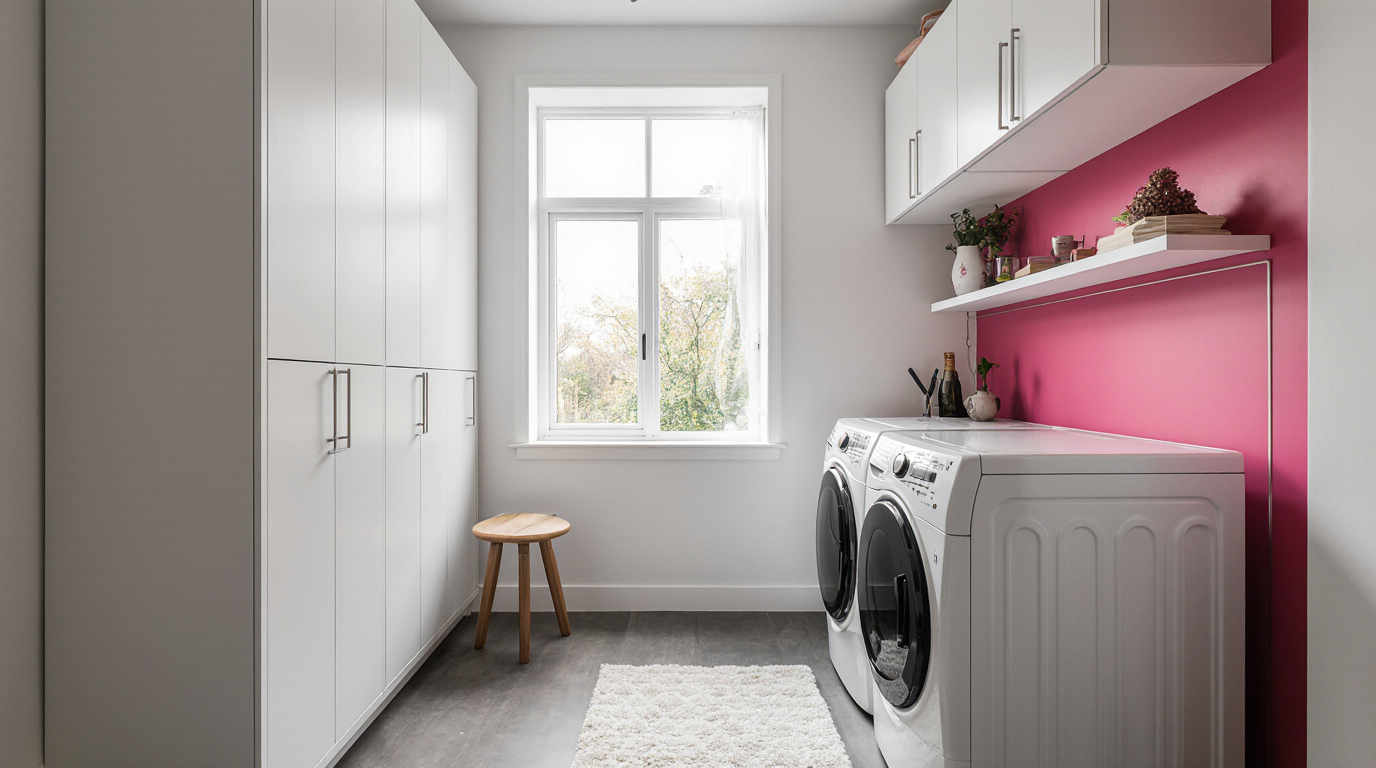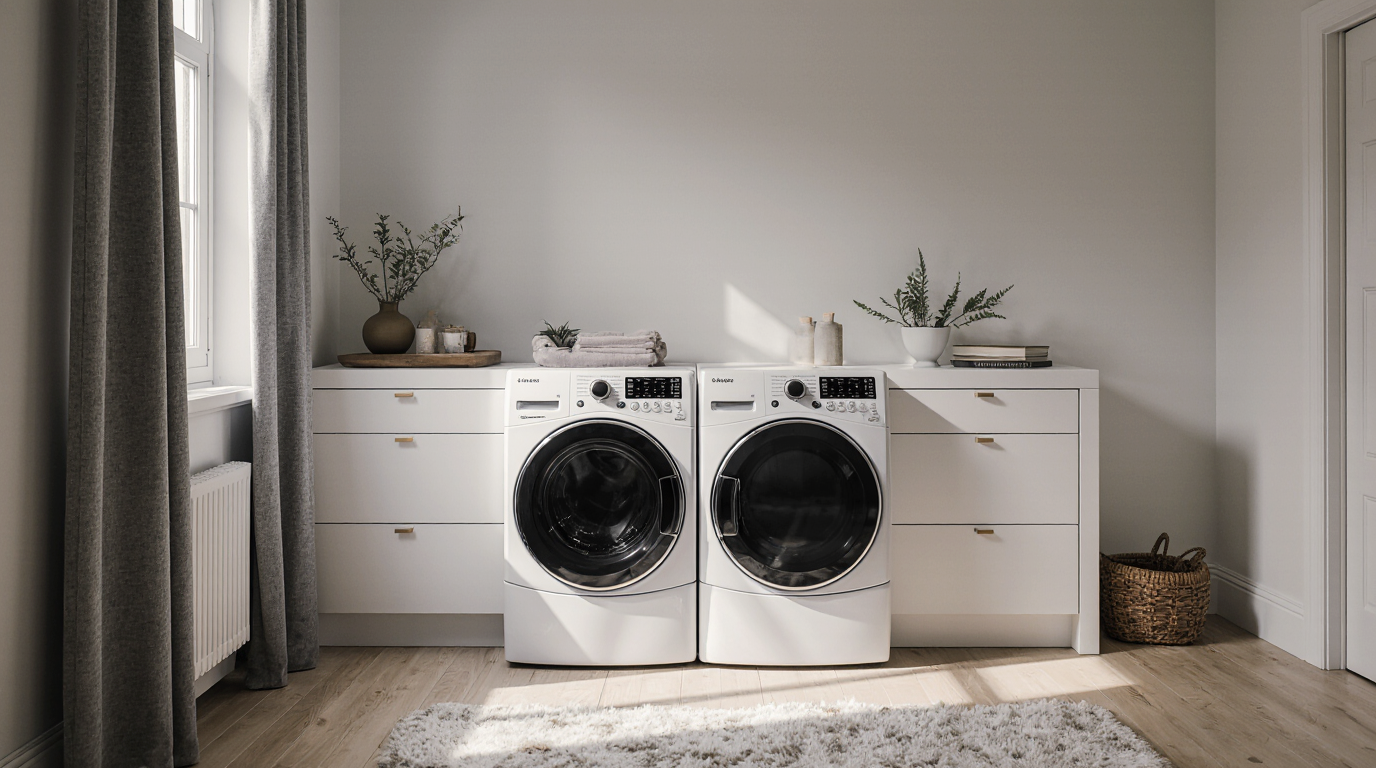
The modern utility space has become much more than a mere chore spot; it is decisively not just a small, noisy corner housing standard machinery. In the current home design landscape, it serves as an essential nexus, a space demanding thoughtful architectural integration and high-level aesthetic refinement. Achieving an elegant laundry room is about blending optimal workflow with high-end aesthetics, making a routine chore feel like a genuinely enjoyable activity. This transformation hinges on meticulous planning, starting with the fundamentals of space utilization and the intentional choosing of top-tier finishes.
A significant element that separates between a basic utility room and a truly refined one is the investment in tailored storage solutions. Move beyond standard, mass-produced cabinets; an elegant utility room incorporates custom vertical cabinetry crafted from high-quality hardwoods or durable, moisture-resistant MDF with designer paint or veneer treatments. Consider clean-lined, contemporary flat-panel fronts, clever built-in laundry baskets that keep clothing out of sight, and thoughtfully compartmentalized storage for laundry essentials and garment care items in an orderly, sealed environment. The hardware itself plays a crucial role in conveying luxury; opting for brushed nickel, matte black, or polished brass drawer pulls and knobs instantly elevates the room’s perceived value and style.
The surface material choice represents a further opportunity where practicality intersects with visual appeal. While laminate is cost-effective, true elegance is achieved with solid surfaces such as quartz, granite, or even marble, provided they are properly sealed against potential water damage. Such premium materials ensure longevity, are simple to maintain, and provide an expansive, uninterrupted plane for folding clothes—a major factor in a user-friendly layout. A deep, under-mount utility sink, potentially finished with a professional-grade, pull-down sprayer fixture in a matching hardware tone, adds a layer of professional capability while preserving the room’s sleek visual coherence.
Strategic lighting is rarely given its due importance but is essential for task performance and mood creation. A truly elegant laundry room moves beyond a single, harsh overhead bulb. Rather, the design employs a combination of light sources. This typically begins with bright, high-CRI (Color Rendering Index) overhead fixtures to allow for precise differentiation between different garment shades. This is supported by hidden, low-profile lighting along the work surfaces to cast a perfect light across the countertop, removing visual obstructions. For a moment of aesthetic interest, consider installing a small, decorative pendant light over the sink area, making it a focal point of the design.
The material selected for the floor significantly influences the room’s character. Despite the primary need for a water-safe and resilient surface, the visual contribution must be carefully managed. Broad, expansive man-made tiles simulating marble veining or reclaimed timber, frequently specified in highly durable synthetic compositions, deliver an uninterrupted visual plane that makes the room feel larger. For homeowners seeking a more artisanal touch, ornate mosaic arrangements provide a vintage or bespoke appeal that makes the floor a memorable design feature. The grout lines should be minimal or color-matched to the tile to support the seamless effect.
The seamless incorporation of machinery defines contemporary luxury. Rather than having freestanding machines dominate the visual field, opt to surround them with bespoke cabinetry for a refined, tailored look. To achieve the highest level of refinement, consider stacking high-efficiency units if space is a constraint, or selecting contemporary, eye-level models installed in a linear formation. The movement towards Wi-Fi connected machines featuring remote settings and usage trackers provides value beyond simple operational simplicity but also to a highly managed, efficient utility area.
Think vertically for storage efficiency. Going further than conventional overhead units, incorporate features like a sliding drying rack that drops down from the ceiling when needed and disappears seamlessly when folded away. Dedicated hanging rods beneath upper cabinets allow for immediate hanging of delicate items or shirts straight from the steam cycle, reducing the likelihood of creases and the time spent pressing—a significant workflow improvement. For small items, custom-fitted drawer dividers for socks, dryer balls, and clothespins add that final layer of organizational mastery.
The atmosphere of an elegant laundry room should promote a sense of calm, not chaos. This is accomplished by selecting a well-thought-out range of tones. Warm neutrals, soft grays, muted blues, or deep charcoal tones create a foundation of quiet sophistication. Pops of color and texture may come from fabric choices, such as a stylish long area rug crafted from a hard-wearing, short-fiber material, or through the placement of sculptural containers crafted from organic materials such as rattan or jute. These components visually smooth the sharp angles of the equipment and storage units, adding textural depth and a touch of spa-like tranquility.
It is vital to incorporate small features that express individuality and celebrate its use without appearing purely industrial. A small, built-in ironing station that slides out from a narrow cabinet or a niche for the vertical fabric refresher with appropriate air circulation demonstrates a focus on comprehensive functionality. The inclusion of small, beautiful objects—a framed print, a luxury scented candle, or a delicate arrangement of real or artificial flowers—suggests the room is held to the same high aesthetic standard as the primary living spaces. This comprehensive strategy, uniting practical design with premium material application, provides the method for designing a wash area that leaves a lasting impression that contributes significantly to the overall value of the home.