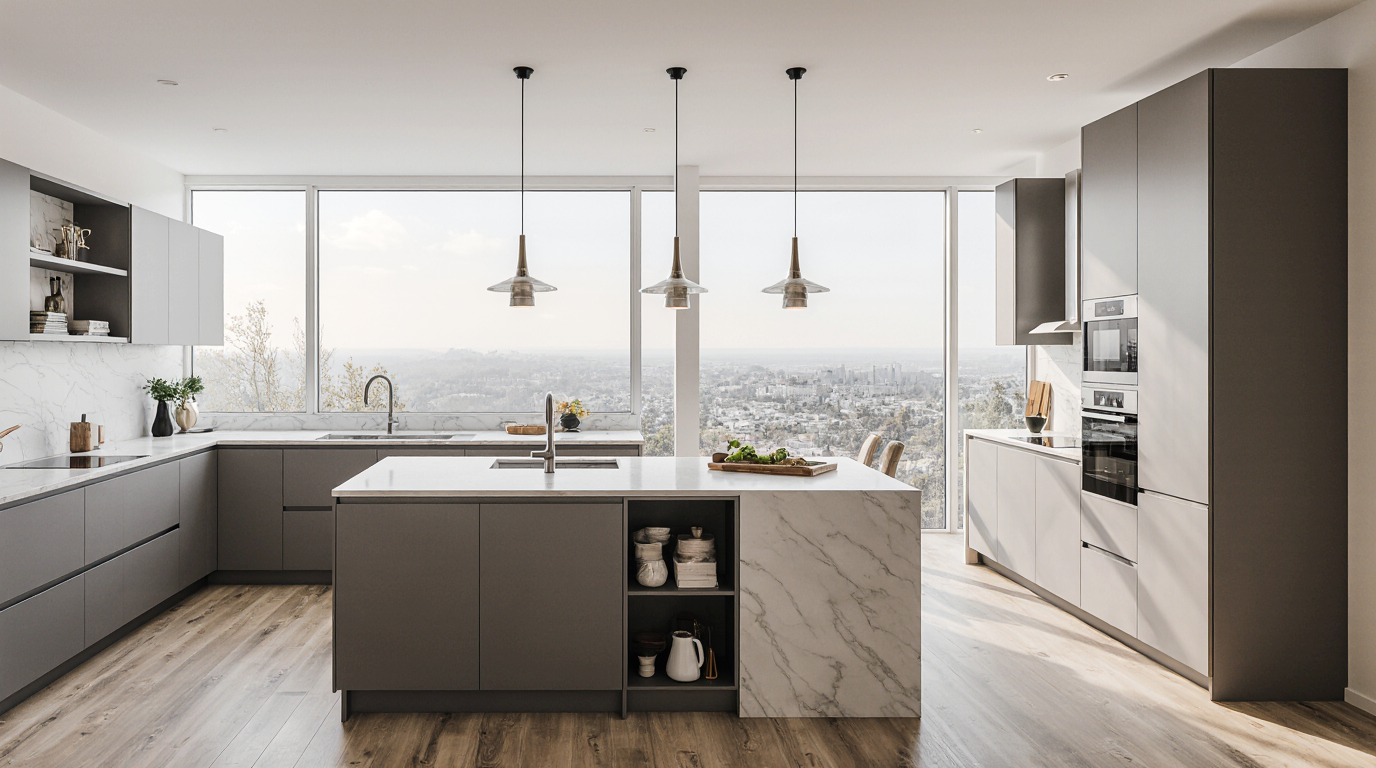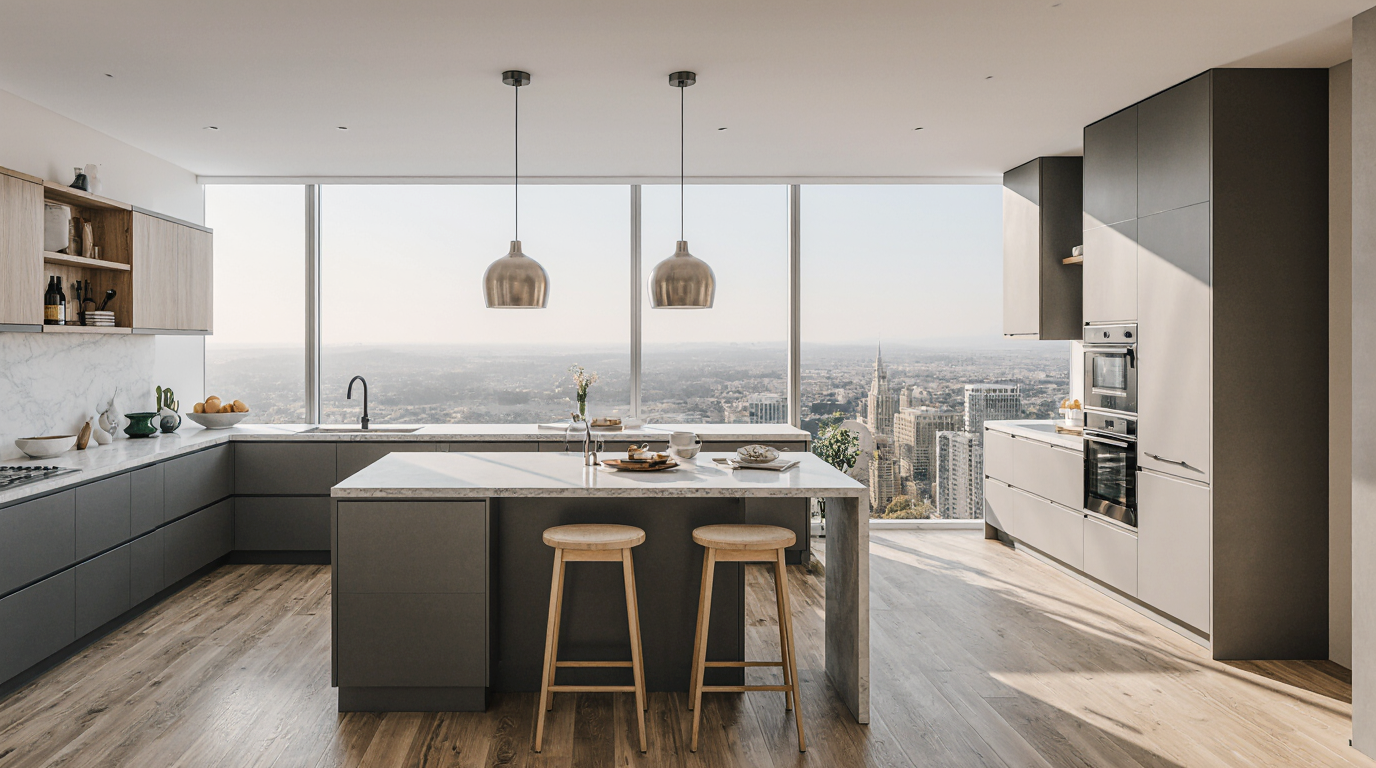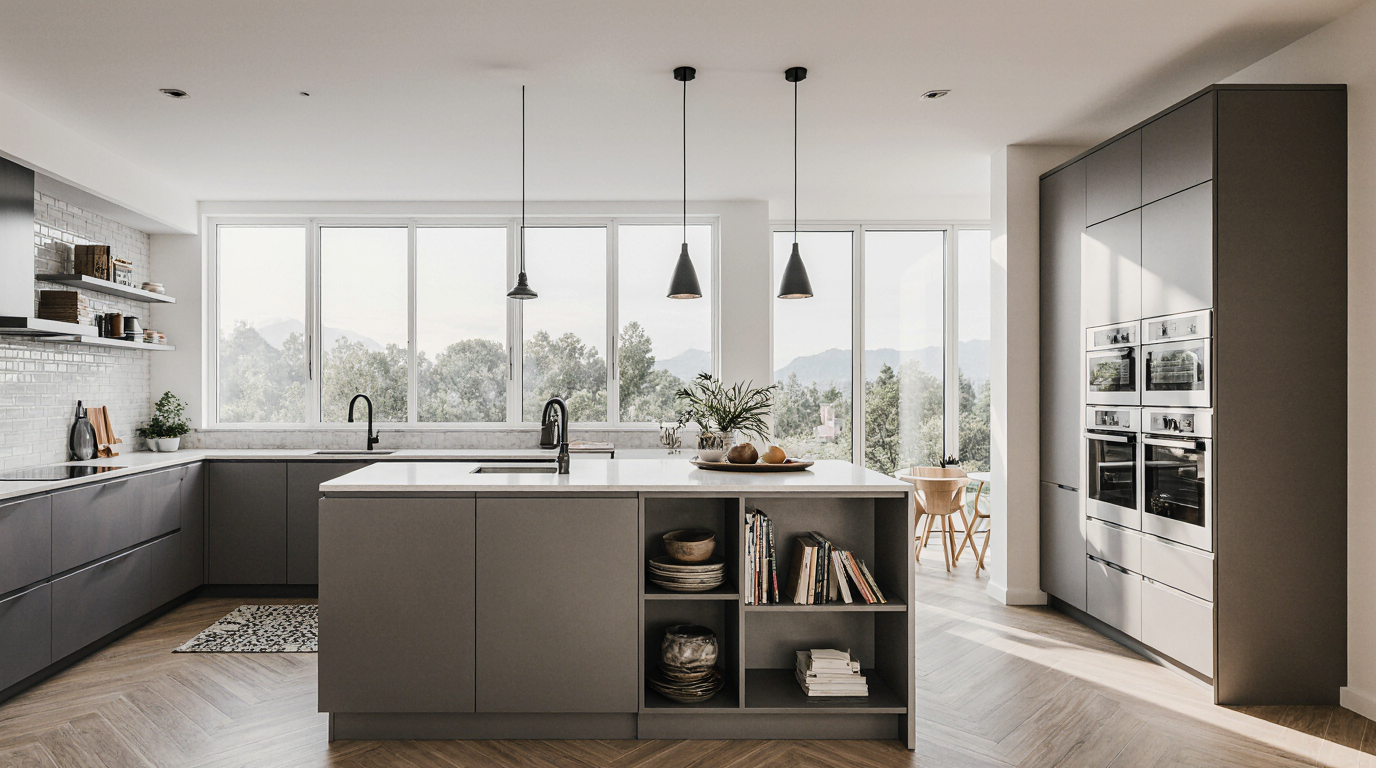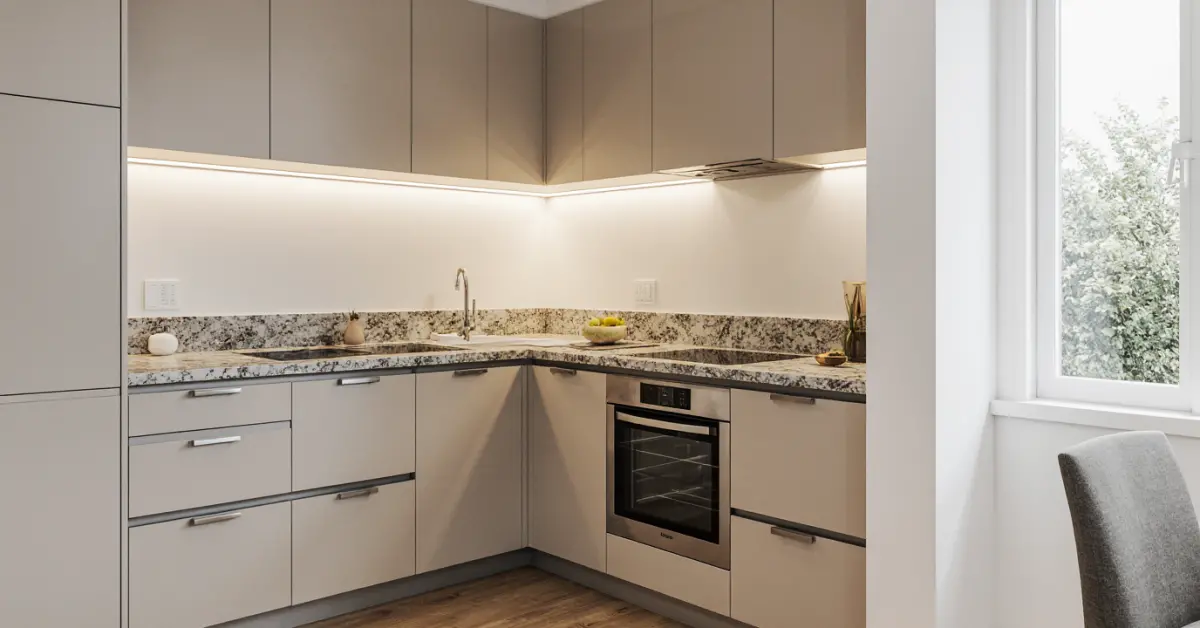
The client approved the layout in a week, a sleek U-shape for their downtown Sarasota condo. They spent the next month agonizing over the finish on the cabinet doors. By the time they decided, the custom hardware they wanted had a new 10-week lead time. The real delay wasn't the finish; it was failing to understand that in a high-demand market like ours, the sequence of decisions is more critical than the decisions themselves.
Maximizing Small U-Shaped Kitchens in Sarasota: An Executive Summary
From my experience designing and building kitchens in Sarasota, the success of a small U-shaped layout hinges less on
From my experience designing and building kitchens in Sarasota, the success of a small U-shaped layout hinges less on maximizing every square inch and more on mitigating our region's specific environmental and regulatory challenges. The goal is to create a sense of openness and durability, not just cram in storage. A poorly planned U-shape can feel claustrophobic and fail prematurely due to humidity, while a well-executed one in a Longboat Key condo or a Gillespie Park bungalow can be incredibly efficient and resilient.
- Material Stability is Non-Negotiable: Prioritize engineered materials or quarter-sawn hardwoods that resist warping from Sarasota's high humidity.
- HOA Pre-Approval is Paramount: In communities from Palmer Ranch to Lakewood Ranch, submitting a full material and layout package early is critical to avoid months of delays.
- Workflow Over Symmetry: A functional work triangle (sink-refrigerator-cooktop) is more important than perfect visual symmetry, especially in a compact footprint.
- Lighting Defines Perceived Space: Aggressive under-cabinet and overhead lighting strategies are essential to prevent the U-shape from feeling like a dark corridor.
The Planning Failures That Inflate Costs and Timelines
The most significant errors in small kitchen projects here aren't about aesthetics; they are functional and environmental oversights. Homeowners often get fixated on appliance models or countertop patterns, ignoring the foundational issues that lead to change orders, delays, and long-term dissatisfaction in our specific climate.
The Humidity Blind Spot: A Costly Material Mismatch
The most expensive failure is choosing cabinet materials based solely on aesthetics seen online, without accounting for Sarasota's relentless humidity. I've been called to inspect kitchens less than two years old where solid wood slab doors have warped, refusing to close properly. The client saved a little upfront on a cabinet line not suited for Florida, only to face a full replacement. The fix isn't sanding or adjusting; it’s a tear-out, costing them 150% of their initial cabinet budget when labor and new materials are factored in.
How a U-Shaped Kitchen Renovation Unfolds in Sarasota
A successful project follows a structured process that moves from macro-layout to micro-details, with key checkpoints for local compliance. The process is designed to front-load critical decisions, especially those involving long lead times or regulatory approvals, to prevent bottlenecks later on.
Key Selection Criteria for a Sarasota Project
When selecting a design and build partner, focus on their specific experience with our local conditions. A great portfolio of projects from a drier climate is not a reliable indicator of success here.
- Demonstrated Experience with Coastal Materials: Ask for specific examples of projects on barrier islands (Siesta, Lido, Longboat) and what corrosion-resistant hardware (e.g., 316 stainless steel) and moisture-resistant substrates (e.g., marine-grade plywood) they used.
- In-House HOA/Condo Association Liaison: Does their team handle the submission and follow-up for design approval? An experienced firm knows the specific requirements of major Sarasota associations, which can cut approval time in half.
- Knowledge of Florida Building Code, 8th Edition: Your contractor must understand requirements for anchoring cabinetry, especially in high-velocity hurricane zones, and how window/door placements affect the kitchen's structural envelope.
- A Network of Local, Climate-Aware Suppliers: A team that sources from suppliers who understand our climate can better advise on materials that carry relevant warranties and have a track record of performing well in high-humidity environments.
Comparing the U-Shape to Other Compact Layouts
For small spaces, the U-shaped kitchen offers immense counter and storage space but can feel enclosed if not handled correctly. It competes directly with the Galley and L-shaped layouts, each with distinct advantages and disadvantages for a Sarasota home.
| Feature | U-Shaped Layout | Galley Layout | L-Shaped with Island |
|---|---|---|---|
| Workflow Efficiency | Excellent; tight work triangle. Can feel cramped with two people. | Highly efficient for one cook; linear path. | Good, but island can obstruct flow if too large for the space. |
| Countertop Space | Maximum possible for the footprint. | Moderate; two parallel counters. | Good; supplemented by island surface. |
| Suitability for Open-Concept | Poor; typically enclosed on three sides. Best with a peninsula opening. | Good; can be open on one or both ends. | Excellent; designed for integration with living/dining areas. |
| Cost Factor | High; more cabinetry and countertop footage. | Low to Moderate; simplest form. | High; island adds significant cost for cabinetry, countertop, and electrical. |
When the U-Shaped Layout Is the Wrong Choice
A U-shaped layout is a poor fit for a home where the kitchen is a primary social gathering spot. If you entertain frequently and want guests to congregate in the kitchen, the U-shape creates a barrier. In these scenarios, an L-shaped kitchen with a large, open island is a far better investment, even if it means sacrificing some counter space. The U-shape excels for a dedicated cook but fails as a social hub.
Safe Hiring and Vetting Checklist for Your Project
Vetting a contractor in Florida goes beyond checking licenses and insurance. You must verify their specific expertise in handling the challenges of our coastal environment and complex regulatory landscape.
- Verify their Florida Certified General Contractor (CGC) or Certified Building Contractor (CBC) license is active and without complaints on the Florida Department of Business and Professional Regulation (DBPR) portal.
- Request proof of liability and workers' compensation insurance specific to Florida. A certificate of insurance should be provided directly from their insurer.
- Ask for at least three references for projects completed within Sarasota County in the last two years, preferably in a similar type of dwelling (e.g., condo, single-family home).
- Inquire about their standard procedure for HOA design review. An experienced firm will have a clear, multi-step process for submitting plans and material samples.
- Confirm they will pull a permit from the Sarasota County Building Department. For any project involving electrical or plumbing relocation—almost a certainty in a full layout change—a permit is not optional. A typical interior remodel permit fee can range from $200 to $500 depending on scope.
- Discuss their material sourcing, specifically asking how they ensure substrates and hardware are rated for coastal or high-humidity applications.
Decisions That Determine the Final Outcome
Two key decisions, made early in the process, have an outsized impact on the final budget, timeline, and satisfaction with a small U-shaped kitchen. These are the choices that separate a smooth project from a frustrating one.
The Exact Moment the Majority Gets It Wrong
The critical mistake happens right after the layout is finalized. Most clients immediately jump to selecting cabinet colors and countertop styles. The correct next step is to finalize and order your appliances. Appliance specifications dictate the precise dimensions for cabinetry. A change in refrigerator model or cooktop size after cabinets are ordered is a catastrophic and expensive error. In Sarasota's busy market, appliance lead times can be 3-6 months. Ordering them first sets the true critical path for the entire project timeline.
Practical Answers About Kitchen Projects in Sarasota
Navigating a renovation here involves more than design and construction; it requires an understanding of local administrative and environmental hurdles.
How Do HOA Reviews in Master-Planned Communities Impact the Timeline?
In communities like Lakewood Ranch or The Founders Club, the HOA's Architectural Review Committee (ARC) has significant power. They often dictate exterior-facing elements like kitchen windows but can also have rules about construction hours and debris removal. A typical ARC review process adds 30 to 60 days to the pre-construction timeline. Submitting an incomplete package can reset this clock, making a knowledgeable contractor invaluable.
What Are the "Hidden" Costs of a Kitchen on a Barrier Island?
For a home on Lido Key or Siesta Key, the budget must account for material upgrades that are non-negotiable. Using marine-grade plywood for cabinet boxes can add 15-20% to the cabinetry cost. Opting for corrosion-resistant stainless steel hardware and fasteners is essential. Furthermore, logistics are more complex, with tighter work restrictions in condo buildings and potential access challenges, adding a small premium to labor costs.
Does a Small Kitchen Remodel Require a Sarasota County Permit?
Yes, if you are changing the layout. Moving walls, altering plumbing supply or drain lines (like moving a sink), or changing electrical wiring (like adding outlets for an island or peninsula) requires a building permit from Sarasota County. A simple “like-for-like” replacement of cabinets and countertops might not, but a layout change from L-shape to U-shape almost certainly will. Working without a required permit can lead to stop-work orders and fines.