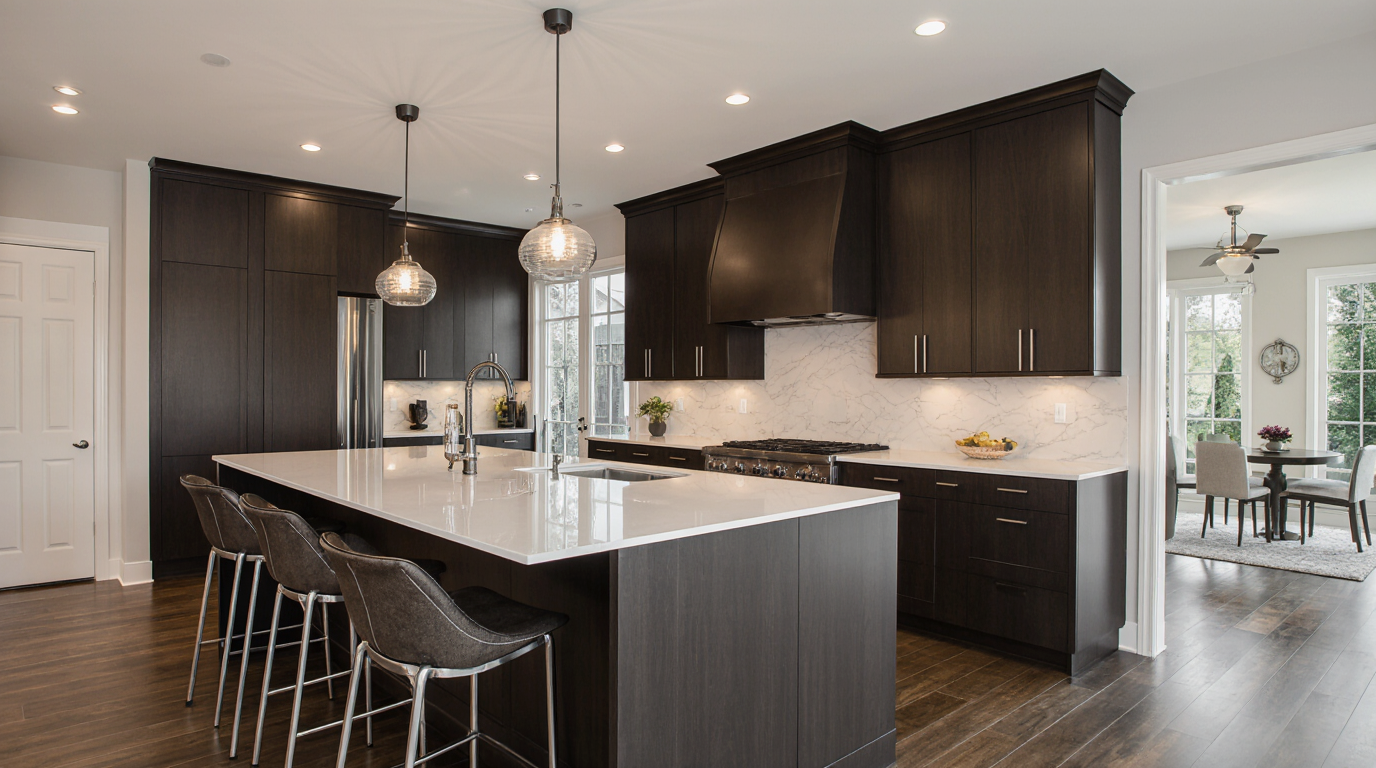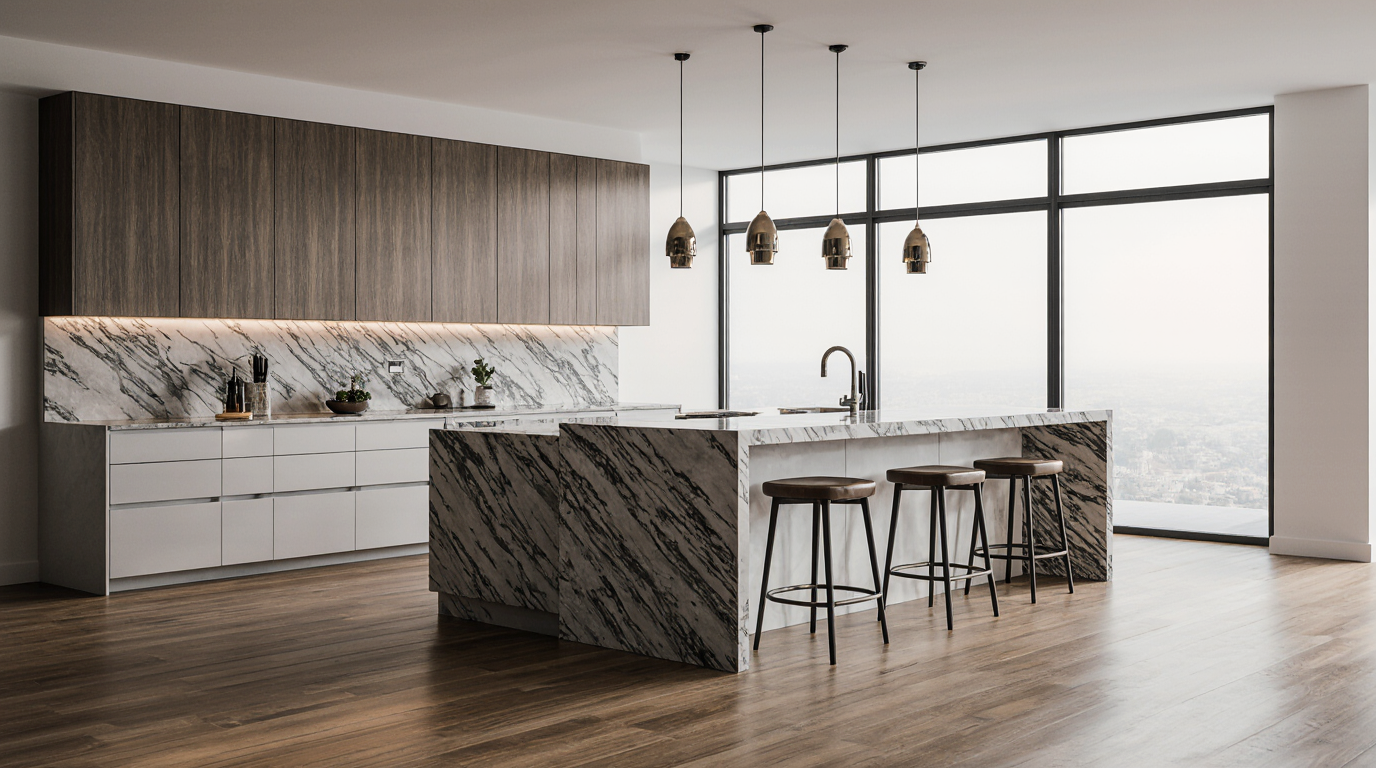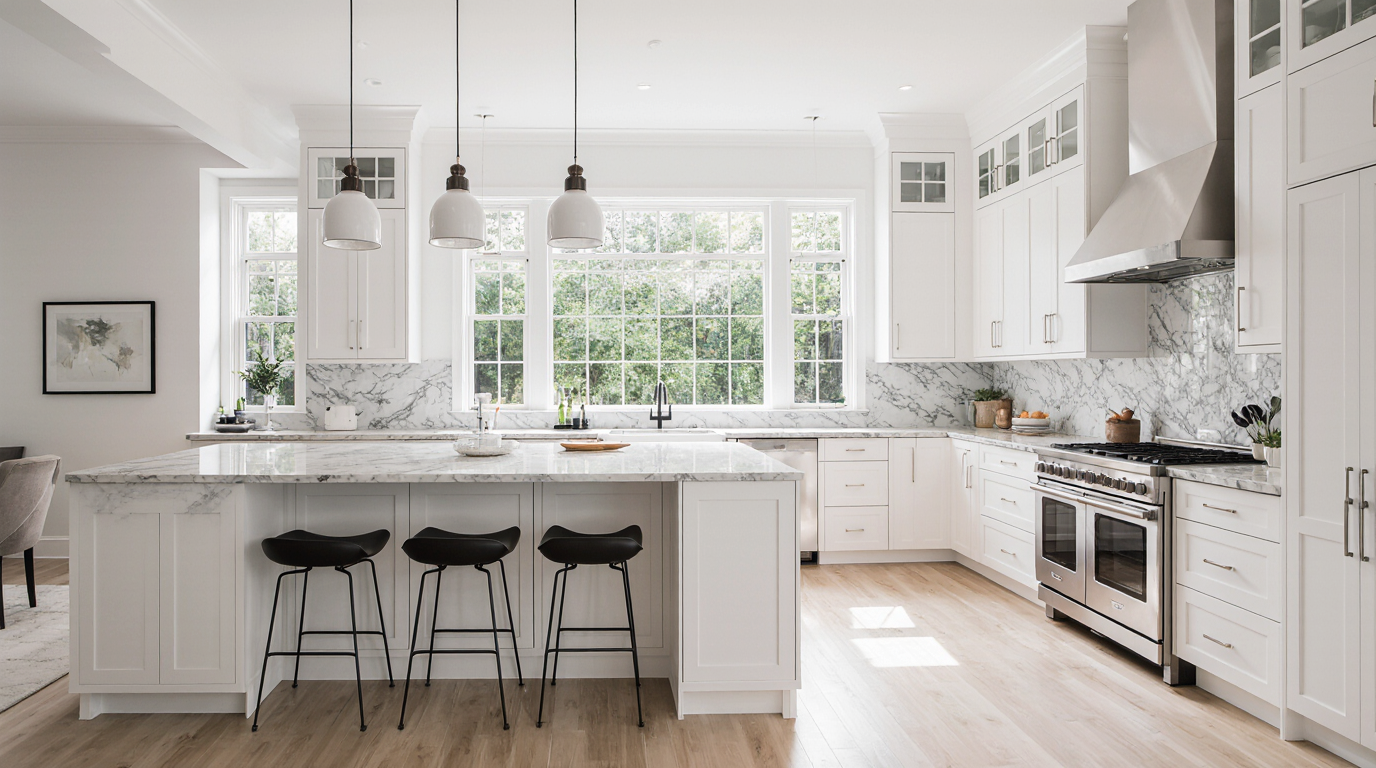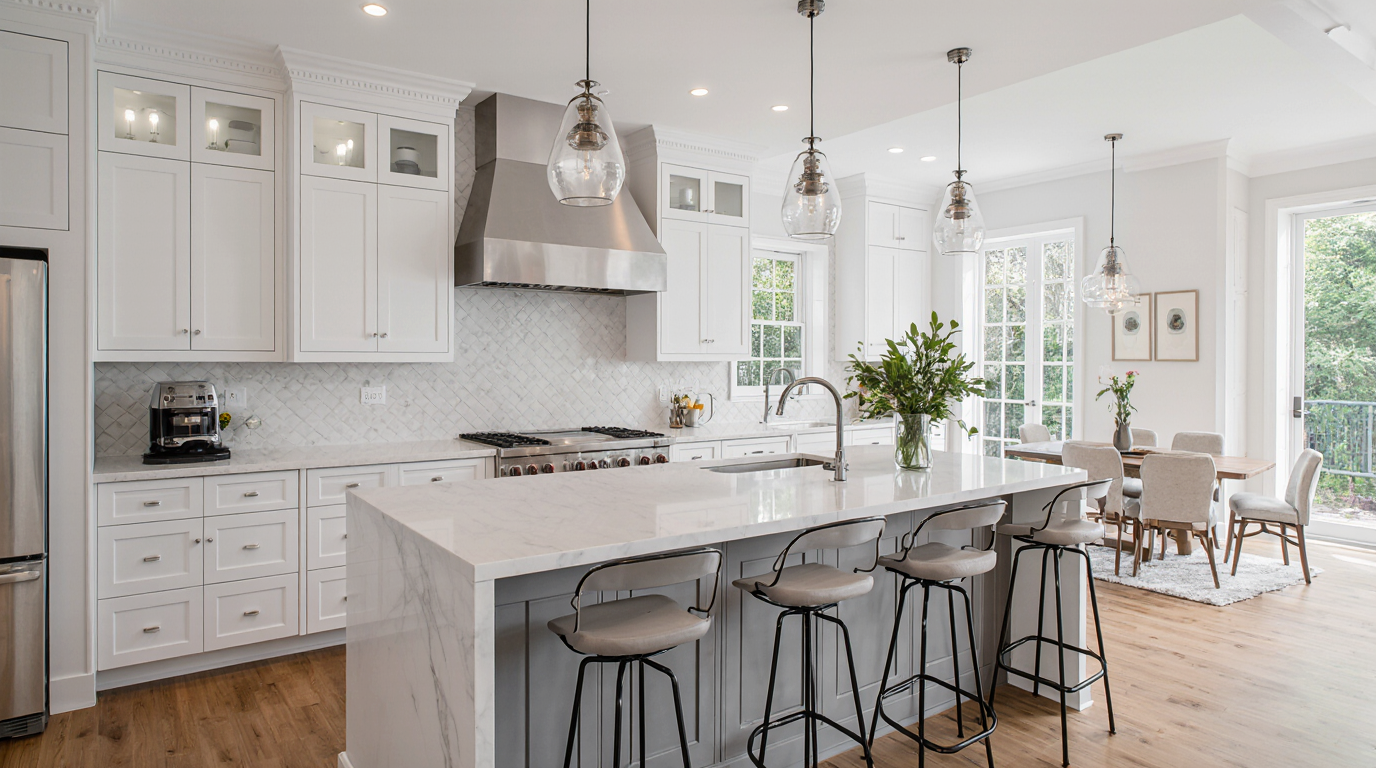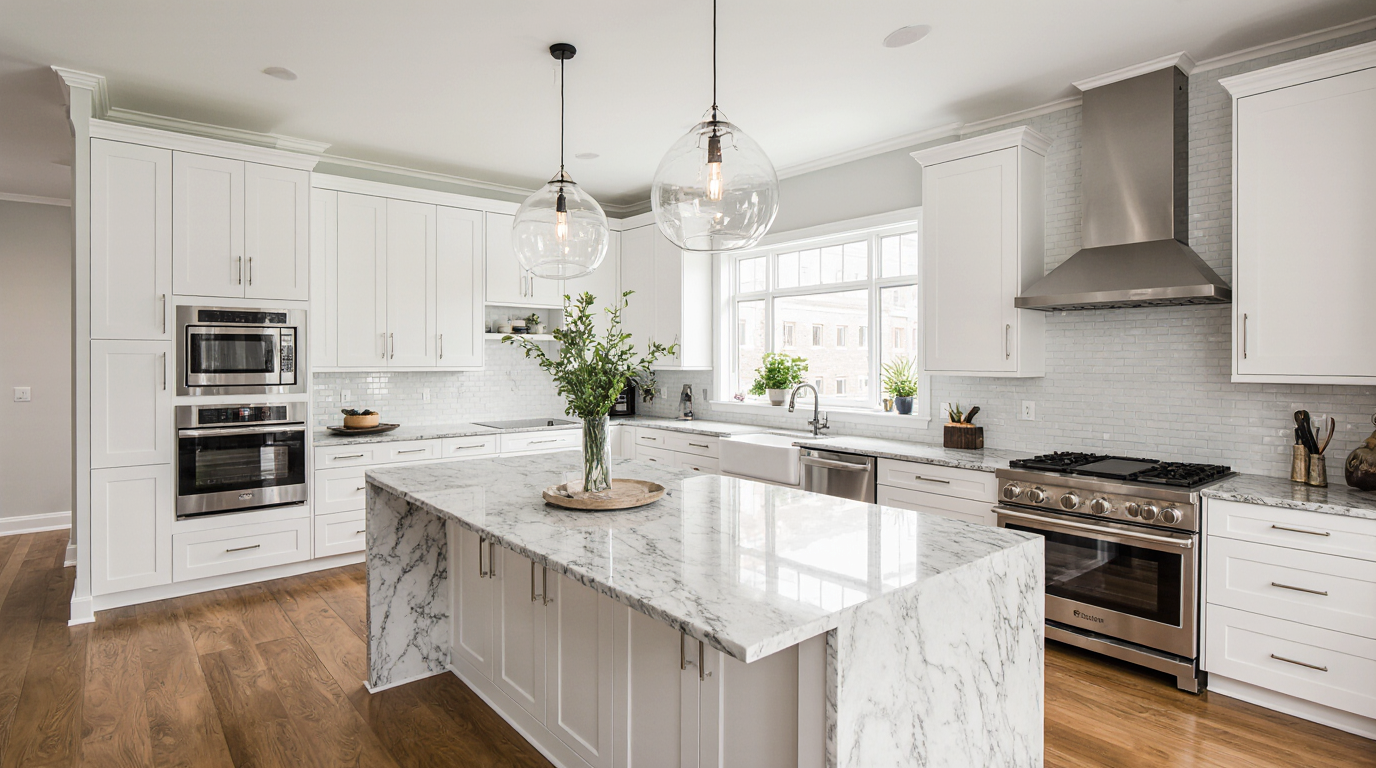
The client hesitated for three weeks over the finish for their flat-panel doors. They wanted a high-gloss white, the hallmark of European modernism. But this wasn't Milan; this was a waterfront home on Siesta Key. When they finally decided, the lead time for the marine-grade, acrylic-faced material had pushed the project timeline back by a month. The real delay wasn't indecision; it was underestimating how Sarasota’s climate dictates material availability and project sequencing from day one.
Executive Summary: Modern Kitchens in a Coastal Climate
From my direct experience renovating kitchens in Sarasota, a successful modern project hinges less on aesthetic trends
From my direct experience renovating kitchens in Sarasota, a successful modern project hinges less on aesthetic trends and more on material science and climate resilience. The sleek, minimalist look is easily compromised by humidity, salt, and UV exposure. The core challenge is achieving that clean, contemporary aesthetic with components that won't delaminate, warp, or corrode. A modern kitchen here must be engineered for the environment first, then styled for the home. It’s a technical undertaking disguised as a design project.
- Material Specification: Standard MDF or particle board is a non-starter; marine-grade plywood or specialized polymer substrates are essential, especially on the barrier islands.
- Ventilation and HVAC: Proper dehumidification and targeted ventilation are not luxuries but necessities to protect cabinetry and finishes.
- HOA and Permitting: Design review boards in communities like Lakewood Ranch often have specific, sometimes restrictive, guidelines on exterior-facing elements like kitchen windows, which can impact a modern open-concept plan.
- Hardware and Fixtures: Stainless steel is not all the same. Specifying 316-grade (marine-grade) stainless steel for pulls and fixtures is critical to prevent pitting and corrosion from salt air.
The Planning Failures That Inflate Costs After the Contract is Signed
The most significant budget overruns I see in Sarasota kitchen renovations stem from underestimating the impact of the local environment during the initial design phase. A client falls in love with a look from a design magazine based in a dry climate, and the initial quote reflects standard materials. The necessary upgrades to make that design viable here—like moisture-resistant substrates or UV-inhibiting finishes—are then introduced as change orders, causing both sticker shock and delays.
Another critical failure is ignoring HVAC integration. A powerful, commercial-style range hood, a staple in modern kitchens, requires a corresponding makeup air system under Florida's building code. This is not a small detail; it can involve significant ductwork and electrical work that, if not planned for, can add thousands to the final bill and disrupt finished parts of the home.
The Single Most Expensive Oversight: Underestimating Humidity's Impact on Finishes
The costliest mistake I consistently observe is choosing finishes based solely on appearance without verifying their performance in high-humidity conditions. A client once insisted on a specific European laminate for their cabinets. The supplier provided a warranty, but it contained a fine-print clause voiding coverage for “extreme environmental conditions.” Within three years, the edges began to delaminate. The cost to replace all the door and drawer fronts was nearly 40% of the initial cabinet budget, a completely avoidable expense had we prioritized a material like acrylic or a high-quality, conversion varnish-finished solid wood from the start.
The Renovation Process in Practice for Sarasota
A modern kitchen renovation in Sarasota is a multi-stage process governed by both municipal codes and, often, private community rules. It starts with a deep dive into the home's specific conditions—its proximity to the water, its existing ventilation, and its structural realities. From there, we move into material specification, where choices are vetted against humidity and salt-air resistance. This is where a timeless kitchen remodel is truly born—in the durability of its core components.
Once a design and materials are finalized, the process moves to permitting with the Sarasota County building department, which can take several weeks. If the home is in an HOA, this step runs in parallel with a design review submission. Only after both approvals are secured can demolition and construction begin. This dual-approval track is a common bottleneck, and I've seen projects delayed for over a month because an HOA design committee only meets once every 30 days.
Key Selection Criteria for a Sarasota Contractor
- Verifiable Waterfront Experience: Ask for addresses of projects completed on Lido Key, Siesta Key, or Longboat Key. A contractor who primarily works inland may not have the necessary experience with salt-air corrosion and coastal building codes.
- In-House Material Expertise: The team should be able to explain the performance differences between polyurethane and conversion varnish, or why a particular polymer is superior to MDF for island panels.
- HOA Navigation History: They should have a portfolio of projects in major planned communities (e.g., Lakewood Ranch, The Concession) and be able to describe the specific approval process for at least one of them.
- Licensed and Insured for Coastal Work: Ensure their liability insurance and workers' compensation are in good standing and cover work in high-risk coastal zones, as this can affect premiums and coverage requirements.
Comparing Modern Renovation Approaches
Choosing the right path for your renovation depends on your budget, timeline, and tolerance for compromise. A full custom renovation offers the most control and durability, but other options exist for smaller projects or tighter budgets. Understanding the trade-offs is crucial for a successful outcome in the Sarasota market.
| Feature | Full Custom Modern Renovation | Semi-Custom / Stock Cabinets | Cabinet Refacing |
|---|---|---|---|
| Material Quality & Climate Suitability | Highest. Specified for coastal use (e.g., marine-grade substrates). | Variable. Often standard MDF or particle board, may have limited moisture-resistant options. | Depends on existing cabinet boxes. The new doors/veneers may be high-quality, but the underlying structure is not improved. |
| Design Flexibility | Unlimited. Layout, size, and function are fully customized. | Limited to standard cabinet sizes and configurations. Can't easily alter the kitchen's footprint. | None. The existing layout is fixed. Only the aesthetic is changed. |
| Typical Project Timeline (Post-Design) | 10-16 weeks | 6-10 weeks | 1-3 weeks |
| Average Price to Redo a Kitchen | High. Reflects bespoke materials, labor, and design integration. | Medium. Offers a fresh look on a moderate budget but with compromises. | Low. Primarily an aesthetic update. Good for a small kitchen reno cost. |
When a Full Modern Renovation Isn't the Right Choice
A full-scale custom modern renovation is not the best path if your primary goal is a quick, budget-focused update for an imminent sale. The investment in marine-grade materials and custom millwork may not be fully recouped in the sale price if the rest of the home isn't updated to a similar standard. In this scenario, a more strategic approach like cabinet refacing or using high-quality stock cabinets can provide a significant aesthetic lift for a fraction of the cost and time, better aligning the investment with the expected return.
A Safe Hiring Checklist for Your Sarasota Project
Hiring the right team is the most critical decision you'll make. A low bid can often signal inexperience with the specific demands of our coastal environment, leading to costly failures down the road. Use this checklist to vet potential contractors.
- Verify their Florida Certified General Contractor (CGC) or Certified Building Contractor (CBC) license is active and without complaints on the Florida Department of Business and Professional Regulation (DBPR) portal.
- Request a certificate of insurance showing both general liability and workers' compensation coverage specific to Florida.
- Ask for a project list with at least three references for modern kitchens completed in Sarasota County within the last two years.
- Inquire about their standard procedure for protecting the home from construction dust and debris, a major concern in occupied residences.
- Discuss their process for handling material selection for homes west of I-75, specifically asking what they recommend for mitigating salt air and humidity.
- Clarify their policy on change orders, including how they are priced and approved, to avoid surprise costs.
- Confirm they will be the ones pulling the permit, not asking you to pull a “homeowner permit,” which places all liability on you.
The Decisions That Truly Determine the Outcome
After managing dozens of modern kitchen projects here, I've seen that success doesn't come from picking the trendiest countertop or the most expensive appliance package. The defining decisions are made before a single hammer swings: they revolve around allocating the budget to what you can't see. It's about investing in the right cabinet box material, the correct ventilation system, and the most durable finish. A beautiful kitchen that fails in five years is a failed project.
I advise my clients to allocate a disproportionate amount of their budget to the substrate materials and the mechanical systems first. A client in The Lake Club wanted a massive waterfall island, but their initial budget didn't account for the necessary marine-grade plywood substrate. We had a frank discussion: we could use a cheaper material to afford the high-end quartz they wanted, but I couldn't guarantee it against swelling. They chose to go with a slightly less expensive countertop to afford the better substrate. That's the trade-off that ensures longevity.
The Exact Moment When Most People Get It Wrong
The critical error happens right at the beginning, during the inspiration phase. Homeowners compile images from sources that have no connection to our climate. They fall in love with a design, creating an emotional attachment to an aesthetic that may be fundamentally unsuited for a Sarasota home. The conversation then becomes about finding cheaper ways to replicate an inappropriate design, rather than designing correctly from the start. The right approach is to start with a performance brief, not a mood board. Define the functional and environmental challenges first, then find the modern aesthetic that works within those proven, durable parameters.
Practical Answers About Renovations in Sarasota
Navigating the local administrative landscape is just as important as the design itself. Understanding the specific requirements of Sarasota County and local community associations can prevent significant delays and frustrations. These are not just formalities; they are integral parts of the project plan.
What Does the Sarasota County Permitting Process Involve?
For any kitchen renovation involving changes to plumbing, electrical, or structural walls, a permit is required from Sarasota County Planning and Development Services. The process involves submitting architectural drawings, mechanical plans (for things like new vent hoods), and electrical layouts. A typical plan review can take 4-6 weeks. Minor cosmetic updates (like a direct faucet replacement or cabinet refacing) generally do not require a permit, but it's always best to verify.
How Do HOA Design Reviews in Lakewood Ranch Impact Timelines?
In a master-planned community like Lakewood Ranch, any exterior modification, including a new kitchen window or vent, requires approval from the Design Review Committee (DRC). You must submit a detailed application with material samples, color swatches, and architectural drawings. The DRC often has specific aesthetic rules. The approval process can add 30 to 60 days to your pre-construction timeline, a critical buffer for seasonal residents to factor into their plans.
Are There Special Requirements for Homes on the Barrier Islands?
Yes. Homes located on Siesta Key, Lido Key, or Longboat Key are often in a “Coastal Construction Control Line” (CCCL) zone or a wind-borne debris region as defined by the Florida Building Code. This can impose stricter requirements for window and door impact ratings (even for a kitchen window), as well as enhanced structural anchoring for cabinetry. These measures are designed to improve hurricane resistance and are not optional; they directly impact material costs and installation methods.