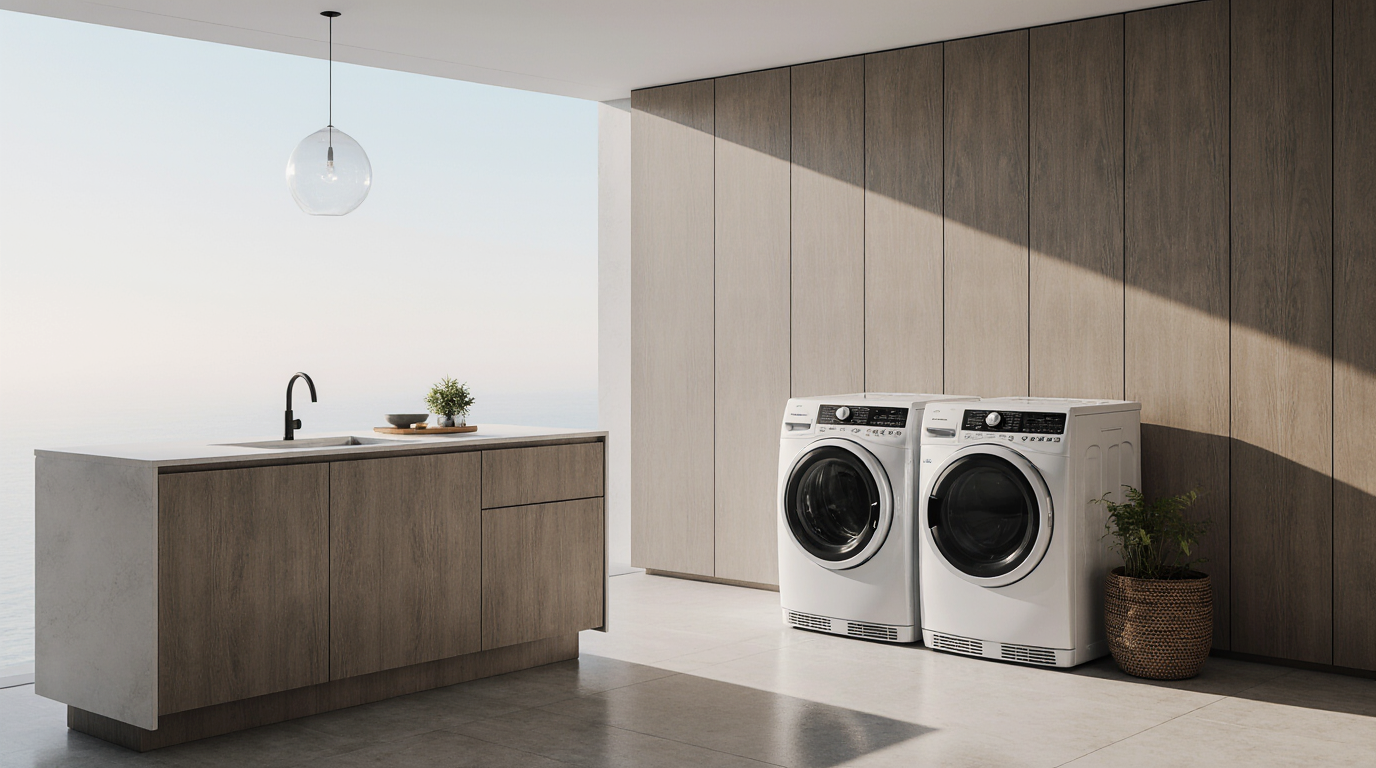
The transformation of the utility space has moved it from a neglected, utilitarian closet to a dedicated, high-performance zone within the modern residence. Today’s architectural mindset centers on sophisticated practicality, treating this space with the same thought given to the kitchen or primary living areas. Creating a truly modern laundry design is not merely about selecting new appliances or placing them side-by-side; it calls for a comprehensive strategy that melds advanced technology, superior ergonomics, and a elegant visual language to transform chore time into a more calm, productive experience. This shift elevates a mundane task into an effortless part of the home management system, reflecting the owner's commitment to thoughtful living.
A cornerstone of modern laundry design is the intentional selection of finishes. We are moving decisively away from sterile, cold environments toward spaces that offer inviting character and tactile appeal. Natural wood floors, once considered too risky due to moisture concerns, is now being specified, often in engineered or highly durable forms, bringing an organic counterpoint to the sleek lines of modern cabinetry. Work surfaces, the primary work surface, benefit immensely from materials like high-grade laminate, which offer excellent resistance to moisture and cleaning agents while providing a high-end look. The use of texture through bold tile backsplashes is another key trend, acting as a visual anchor and providing an opportunity to introduce depth of shade without overwhelming the space. Consider materials with subtle movement, perhaps geometric mosaics, to elevate the area beyond mere utility, turning it into a designed extension of the home’s overall aesthetic. These carefully chosen materials ensure the space is not only beautiful but also long-lasting.
Ergonomics is perhaps the most critical, yet often overlooked, aspect of a high-performing laundry room. A truly resident-centered laundry room design prioritizes the physical comfort of the user and minimizes unnecessary strain. The standard counter height of $900 \text mm$ is proving suboptimal for the taller average modern resident. Specialists now advise considering a slightly raised counter level, often around $920 \text mm$ to $1000 \text mm$, which significantly promotes better alignment and reduces back strain during the necessary chore of folding. This principle extends directly to the appliances. Front-loading washers and dryers, while highly efficient, force users to stoop low. The solution lies in installing these units onto storage pedestals or building them directly into custom joinery that raises the drum height to between $750 \text mm$ and $1000 \text mm$ from the floor. This small elevation makes loading and unloading effortless, minimizing the risk of musculoskeletal strain associated with repeated bending and heavy lifting of wet garments. Furthermore, drawer systems must supersede traditional low cabinetry; pull-out systems reveal all contents to cleaning supplies, making it simple to retrieve items from the back without awkward reaching or crawling, thus supporting a neutral wrist position during retrieval and keeping all essential items within an easy grasp.
The integration of automated systems is no longer a luxury but an expectation in modern laundry design. The latest generation of smart appliances acts as an seamless partner. Internet-enabled washer and dryer pairs allow for remote control—starting, pausing, or adjusting cycles from another floor or even while away from home—eliminating that damp, musty odor from setting in. Integrated diagnostics embedded within these machines offers true automation, automatically detecting fabric type and load weight to precisely adjust water levels, cycle duration, and even detergent dosages, leading to significant savings in both water and energy, aligning with growing eco solutions in home design. This level of connectivity allows for early issue detection, as systems can run diagnostics and report potential issues via dedicated smartphone applications, minimizing appliance downtime. Think about integrating your laundry tech with your broader whole-house automation, perhaps triggering lighting or announcing cycle completion through a central voice assistant for a truly fluid operation.
Cabinetry planning must embody a philosophy of hidden functionality. Clutter is the detriment of modern design. Therefore, designers are employing custom-built-ins that cleverly tuck away essential, yet visually disruptive, items. Pull-out ironing boards that slide seamlessly out of a drawer, foldable drying racks that retract into slim cabinetry, and hidden hamper systems that function as secret receptacles are essential components. The use of open shelving units can provide an element of open display for attractive items like scented linen sprays or decorative soaps, contrasting beautifully with closed cabinetry that hides bulk supplies and less visually appealing items. For maximum efficiency, consider dedicated activity areas: a sorting area, a washing/drying zone, a folding counter, and a dedicated space for hanging garments immediately upon removal from the dryer. This thoughtful layout minimizes travel time and maximizes workflow—a key tenet of functional use of space.
Shade selections in contemporary design lean towards the serene and sophisticated. While crisp white remains a classic choice for its clean, pure aesthetic, muted, nature-inspired tones are taking precedence. Soft gray, which conveys calmness, pairs exceptionally well with natural wood accents and metal finishes like matte black hardware. Pale beige also bring an element of the outdoors in, promoting a sense of well-being in what is inherently a service area. These earthy shades provide a rich backdrop that highlights the gleam of modern stainless steel or enameled appliance surfaces. Furthermore, ensuring the space is well-lit is vital. Beyond functional overhead lighting, incorporating accent illumination not only aids in task visibility on the counter but also adds a layer of ambiance, transforming the room from sterile to inviting and highlighting the architectural details.