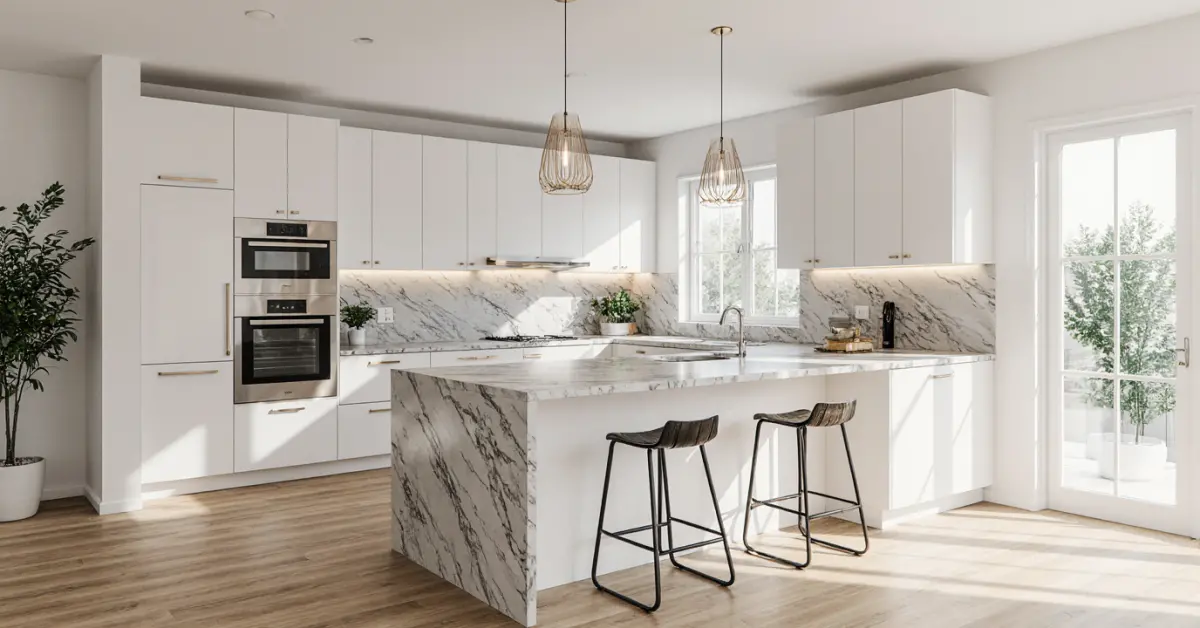
Executive Summary: The L-Shaped Island in the Sarasota Context
From my 15 years designing and building custom kitchen elements here, the success of an L-shaped island in Sarasota
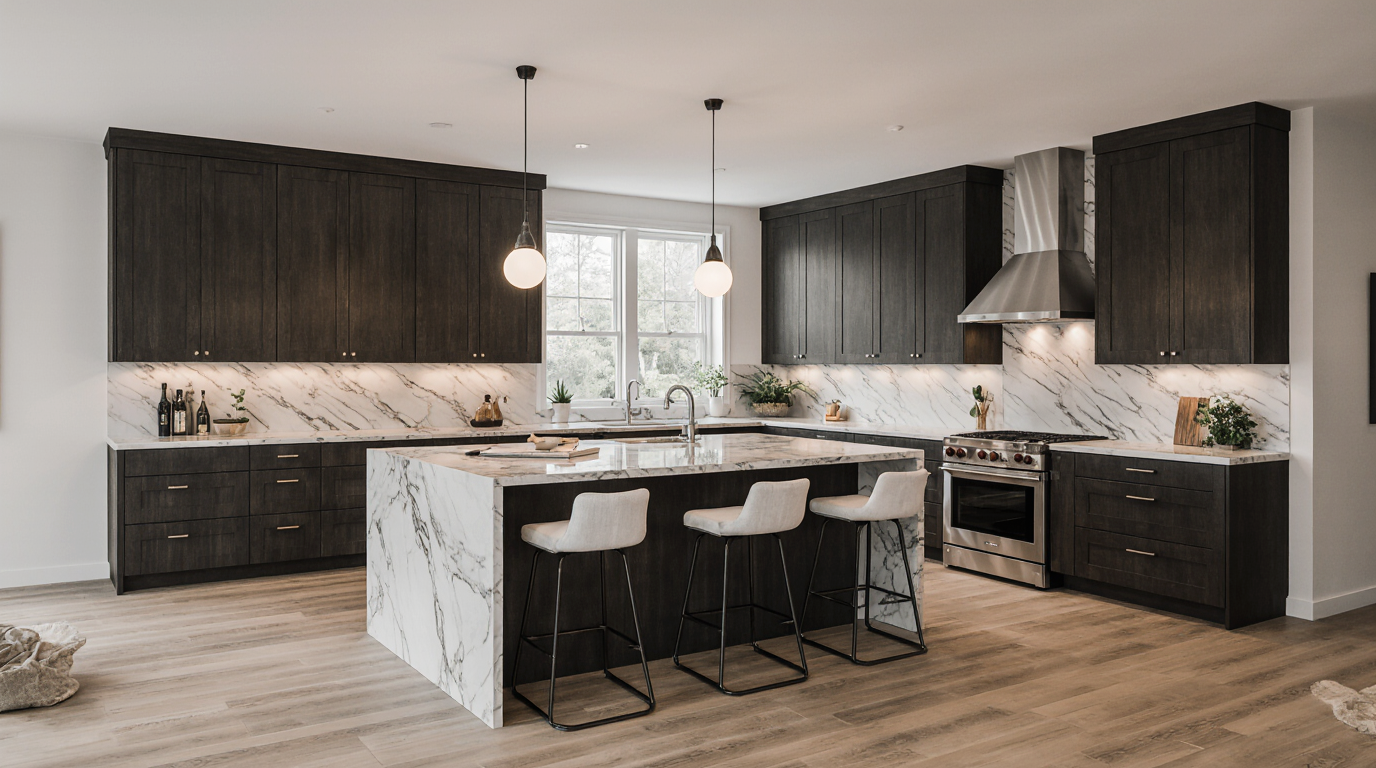
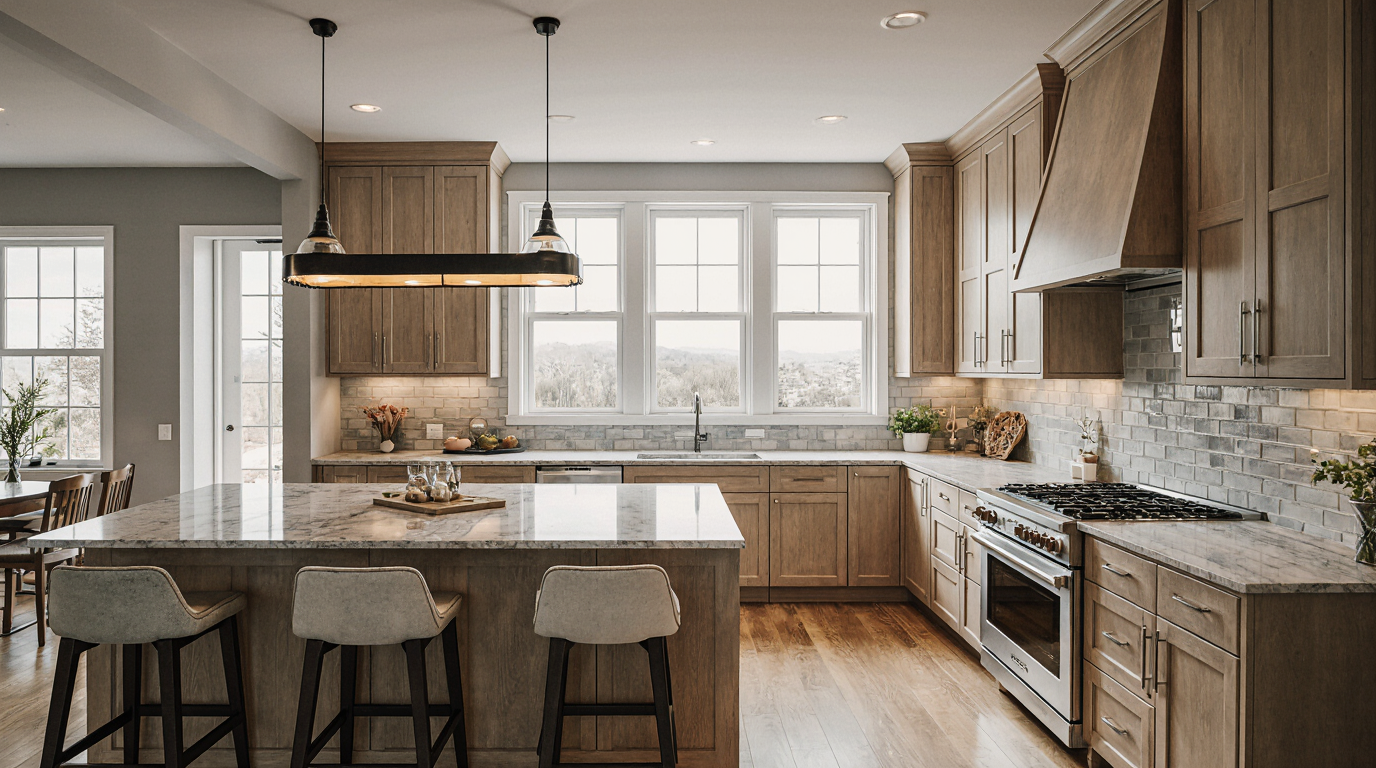
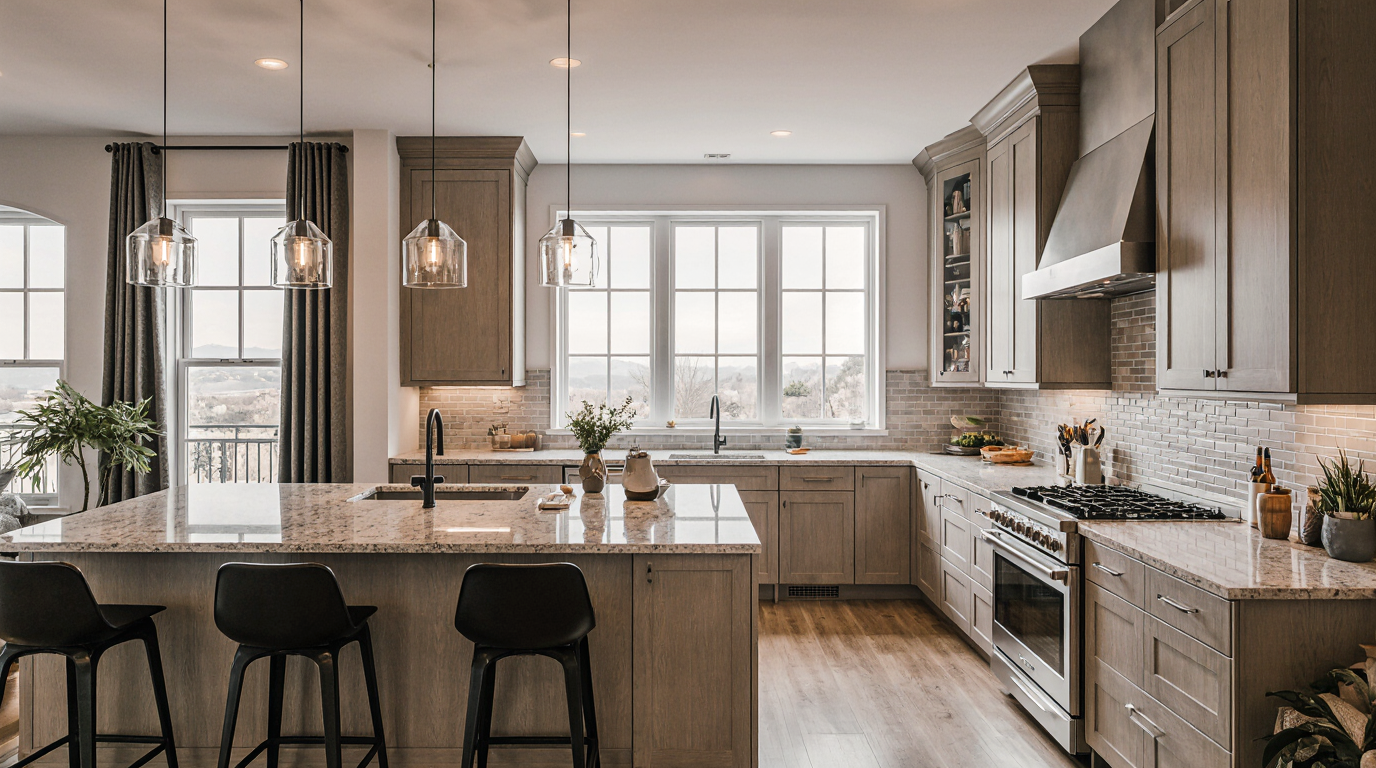
From my 15 years designing and building custom kitchen elements here, the success of an L-shaped island in Sarasota hinges on one thing: how it manages the transition from the kitchen to the outdoor living space. It's not just about creating more counter space; it’s about enhancing the flow to the lanai, which is central to the local lifestyle. A poorly planned L-shape can create a formidable barrier, while a well-executed one becomes a social hub that connects the interior and exterior. The key is to avoid the common mistake of oversizing the island at the expense of functional, comfortable walkways.
- Walkway Clearances: Florida Building Code requires a minimum of 36 inches for walkways, but in Sarasota's open-concept homes, I strongly advise 42 to 48 inches on primary traffic paths to the lanai or pool area.
- Material Durability: Standard MDF or particleboard cores for cabinets will swell in our humidity. Specify marine-grade plywood for island bases to prevent long-term moisture damage.
- HOA Design Review: In communities like The Lake Club or Esplanade, any structural kitchen change, including a large fixed island, requires HOA approval, a process that can add 30-60 days to your project timeline.
- Electrical Planning: The L-shape often requires complex electrical runs for outlets and appliances. Sarasota County requires these plans to be submitted and approved, with inspections that can halt work if not followed precisely.
The Planning Failures That Derail L-Shaped Island Projects
The most common failures I see with L-shaped islands aren't about aesthetics; they are functional and financial. Clients fall in love with a design from a magazine that was meant for a different climate or home layout. They bring it to Sarasota, and the practical application creates unforeseen problems that surface only after the countertops are installed and the final check is written.
The Most Expensive Failure: Ignoring the 'Traffic Triangle' to the Lanai
The costliest mistake is creating a beautiful but obstructive island. I worked with a client in a beautiful home west of the Trail who wanted a massive L-shaped island with seating for six. The design looked incredible in the 3D rendering. The problem? It choked the primary path from the great room to the sliding glass doors leading to their pool. They ended up with a 34-inch pinch point. Every time they hosted a party, it created a human traffic jam. The only fix was to remove a billion-dollar slab of quartzite and reconfigure the entire island—a five-figure mistake that could have been avoided by mapping out foot traffic with tape on the floor before a single cabinet was ordered.
How an L-Shaped Island Project Unfolds in Sarasota
Executing an L-shaped island project correctly involves a sequence of technical and regulatory steps specific to our area. It begins with a deep analysis of your space and lifestyle, moves through design and material selection tailored for our coastal environment, and concludes with permitted construction and inspections. This is not a weekend project; it’s a structural addition to your home's most important room.
Selection Criteria for Sarasota Homeowners
When choosing a design and build team for this specific feature, your vetting process needs to be localized. A general contractor may not grasp the nuances of high-end kitchen workflow in our market.
- Verifiable Experience with Coastal Materials: Ask for project addresses on Longboat Key or Siesta Key. Inquire specifically about the hardware, cabinet cores, and finishes they used and why. If they can’t explain the difference between 304 and 316 stainless steel for pulls, they lack critical local knowledge.
- In-House HOA Submission Process: Does the firm handle the entire HOA application process for communities like Palmer Ranch or University Park? This service is invaluable, as navigating the architectural review boards is a specialized skill. A firm that outsources this often causes delays.
- Relationships with Sarasota County Inspectors: A builder with a long history in the county knows the inspectors and what they look for. This relationship isn't about cutting corners; it's about efficient communication that prevents projects from being red-tagged over minor misunderstandings of the Florida Building Code.
- Integrated Electrical and Plumbing Plans: Ensure their process includes a licensed electrician and plumber from the initial design phase. An L-shaped island often requires core drilling the slab for conduits, a task that must be planned meticulously from day one.
Comparing the L-Shaped Island to Other Layouts
The L-shaped island is a powerful design tool, but it's not universally superior. Its value depends entirely on your kitchen's dimensions, your family's lifestyle, and your budget. For many Sarasota homes, a different configuration might provide better flow and functionality. The comparison below weighs the pros and cons against common local priorities.
| Feature | L-Shaped Island | Single Rectangular Island | Two-Tier Peninsula |
|---|---|---|---|
| Seating Capacity | High (seats on two sides promotes conversation) | Moderate (linear seating) | Low to Moderate (often limited space) |
| Workflow Efficiency | Excellent (creates a contained work-zone) | Good (can become a barrier if too long) | Fair (can block access to the main kitchen) |
| Impact on Open Flow | High Risk (can easily block traffic to lanai) | Low Risk (maintains clear linear paths) | Moderate Risk (creates a defined entry/exit point) |
| Typical Cost | Highest (more material, complex fabrication) | Moderate | Lowest |
When an L-Shaped Island Is Not the Right Choice
An L-shaped island is the wrong choice for smaller or narrower kitchens, typically found in older condos or homes that haven't had walls removed. If your kitchen width is less than 15 feet, forcing an L-shape will almost certainly violate clearance codes and create a cramped, dysfunctional space. In these scenarios, a well-designed peninsula or a smaller, single-level rectangular island will serve the home far better, preserving the open feeling that is so highly valued here.
A Safe Hiring Checklist for Your Island Project
Hiring the right team in Sarasota is about more than checking for a license and insurance. It's about finding a partner who understands the unique environmental and regulatory landscape of our coastal community. Using this checklist will help you avoid common pitfalls.
- Verify their Florida Certified General Contractor license is active and free of complaints on the DBPR portal.
- Confirm they carry specific liability insurance for work in multi-story condo buildings if you live in one, as requirements are stricter.
- Ask to see their standard material specification sheet. It should explicitly mention marine-grade plywood or polymer-based cabinet boxes as an option for high-humidity zones.
- Request a detailed project timeline that includes buffer days for HOA approvals and Sarasota County permit inspections. A realistic timeline here is a sign of an experienced local professional.
- Check that their contract includes language specifying compliance with the wind-borne debris region requirements of the Florida Building Code, which affects how cabinetry must be anchored in some areas.
- Discuss their protocol for dust and debris management, especially for homeowners who will be in residence during the renovation.
Decisions That Determine the Final Outcome
Two clients can start with the same budget and the same L-shaped island concept and end up with vastly different results. The difference is always in the series of small, critical decisions made long before demolition begins. The most successful projects are led by homeowners who prioritize function and durability over fleeting trends.
The Exact Moment the Majority Gets It Wrong
The critical error happens during the design phase, right after the layout is approved. Homeowners, excited to see the project move forward, rush to select finishes—the countertop slab, the cabinet color, the backsplash tile. This is precisely the wrong order. The most crucial decision at this stage is to finalize the placement of every single appliance, outlet, and switch. An L-shaped island's utility is defined by its electrical and plumbing plan. Deciding later that you want a prep sink or a pop-up outlet can lead to expensive change orders, concrete cutting, or aesthetic compromises. Finalize the function before the form.
Practical Answers About Operations in Sarasota
Navigating the local bureaucracy and logistical challenges is a core part of any significant kitchen renovation. Understanding these specific hurdles in Sarasota can save you time, money, and considerable frustration.
How Do HOA Reviews in Lakewood Ranch Impact Timelines?
In master-planned communities like Lakewood Ranch, the Homeowners' Association Architectural Review Committee (ARC) must approve any interior modification that alters the home's structure or electrical/plumbing systems. For an L-shaped island, you'll need to submit detailed drawings, material specs, and your contractor's license information. The review process officially takes up to 45 days, and committees often only meet once or twice a month. A missing document can reset the clock, delaying your project start by weeks.
What Are Sarasota County's Requirements for Island Electrical Work?
Sarasota County requires a separate electrical permit for any new island that includes outlets or hardwired appliances. The plan must show the location of Ground Fault Circuit Interrupter (GFCI) protected outlets, which are mandatory for kitchen islands. An inspector will conduct a "rough-in" inspection before the drywall or cabinet backs are closed up and a final inspection after the devices are installed. Failure to pass the rough-in is a common cause of delay, often because the contractor used the wrong type of in-slab conduit or junction box.
Why is Material Acclimation Critical in Sarasota?
Due to our high ambient humidity, wood products like cabinet doors and flooring must acclimate inside the home for at least 72 hours before installation. I've seen teams rush this process to meet a deadline, only for the homeowner to call me six months later because their cabinet doors have swollen and are no longer closing properly. A professional who respects our climate will build this acclimation period into the schedule and refuse to install materials that haven't been properly conditioned to the home's environment.