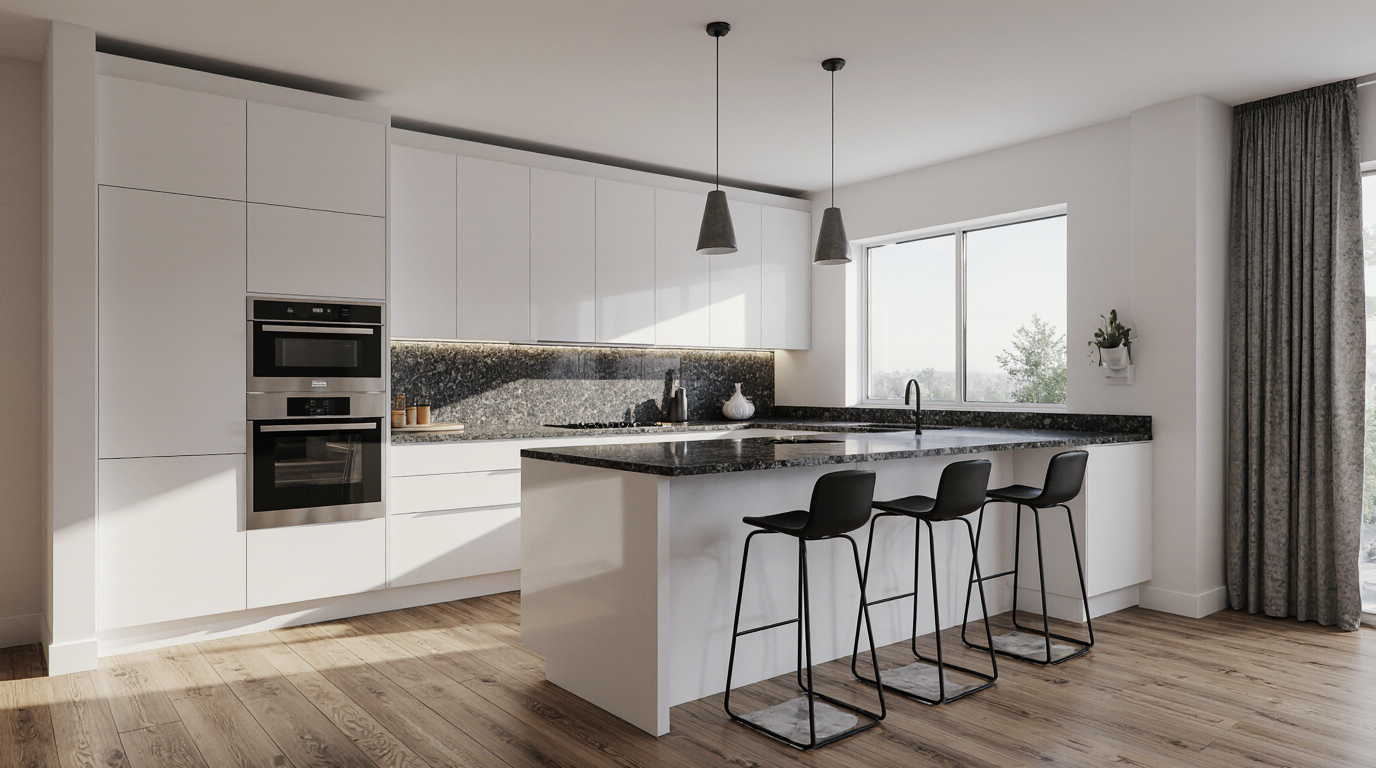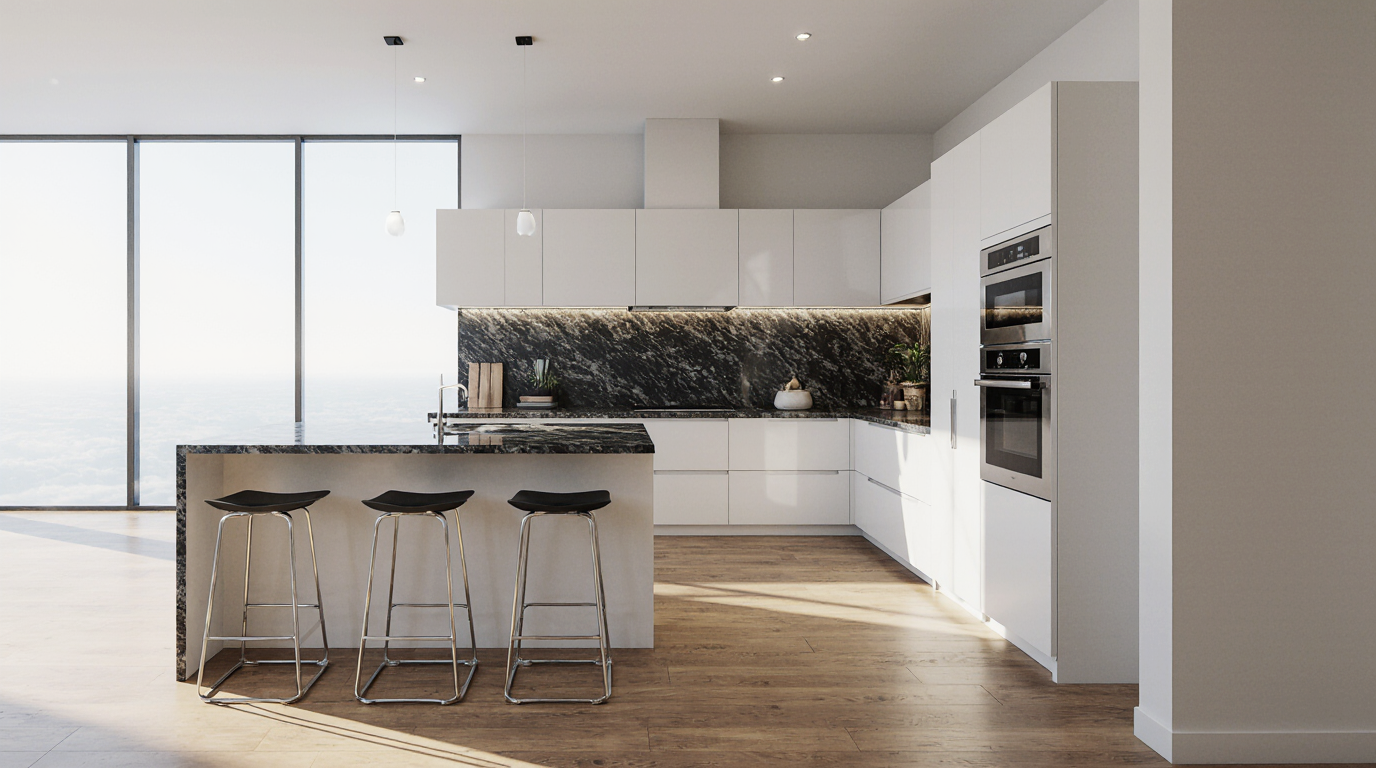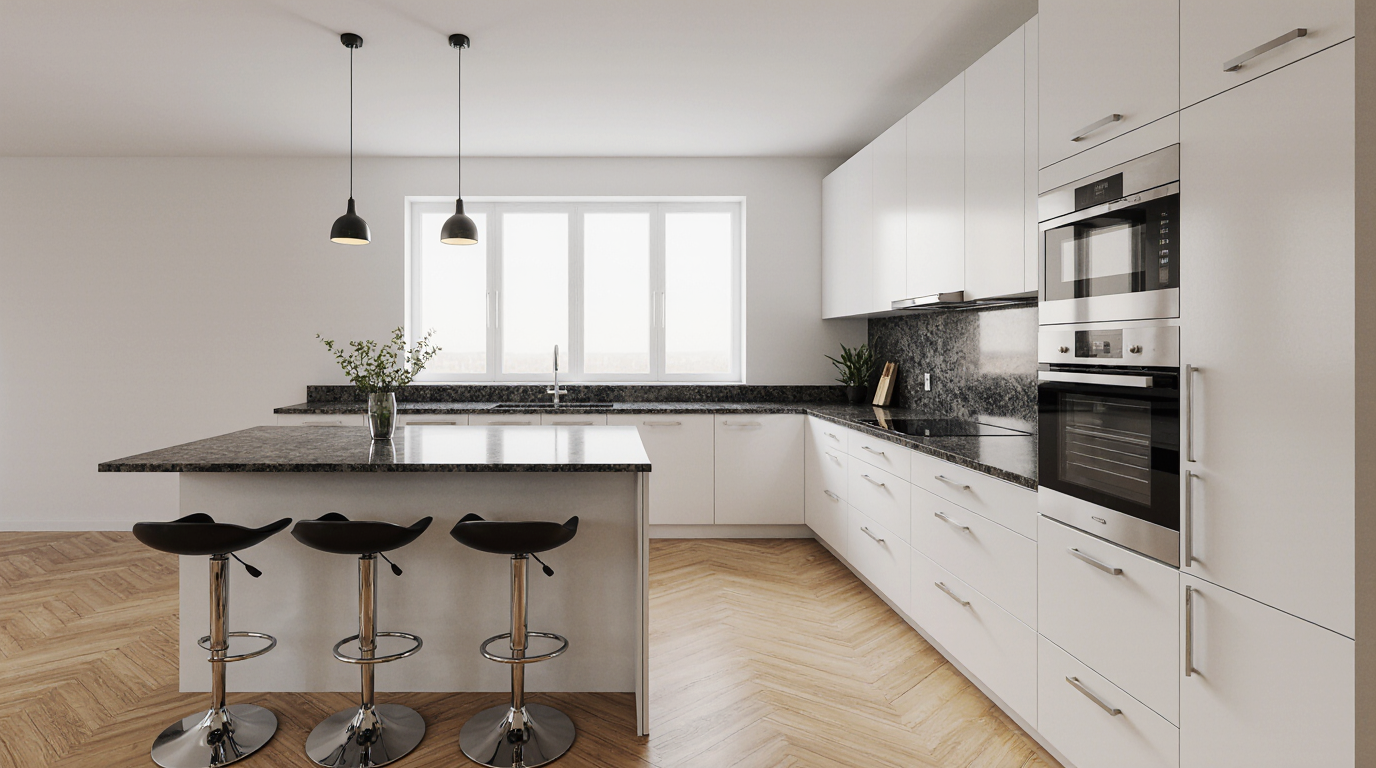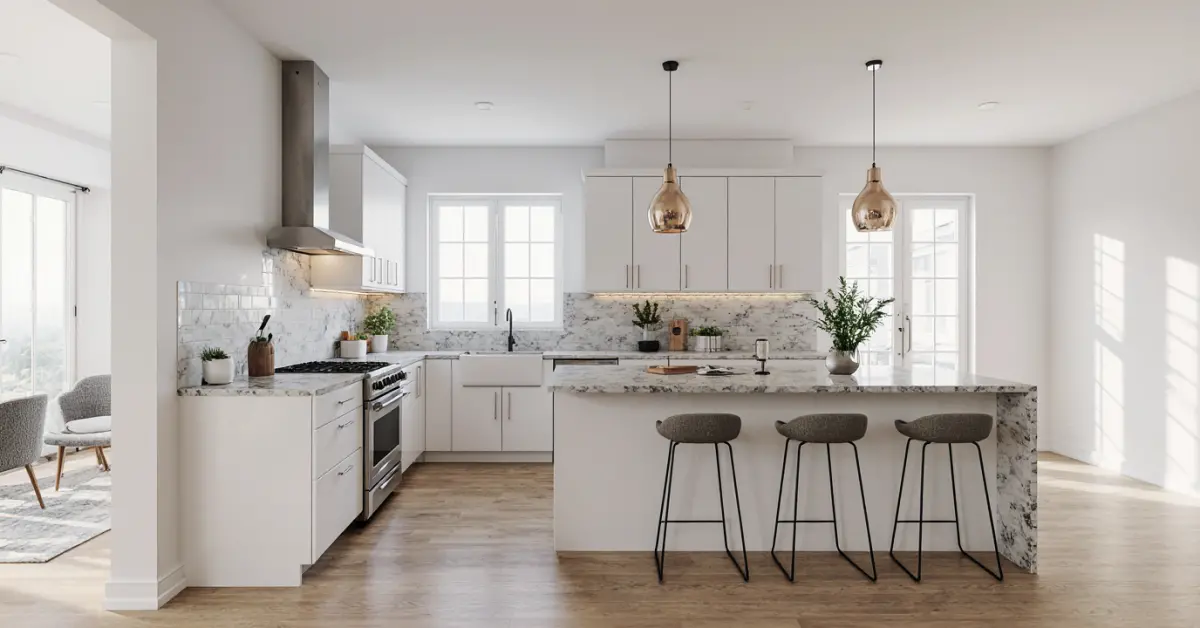
The client approved the L-shaped layout with a stunning waterfall island in their Casey Key home. Three months after installation, they called. The custom pantry door nearest the sliding glass doors to the lanai was already showing signs of warping. The problem wasn't the craftsmanship; it was that the design didn't account for the direct, intense afternoon sun and humidity hitting that specific corner every single day. We had focused on the 'work triangle' but missed the 'environmental triangle'.
Executive Summary: The L-Shaped Kitchen in the Sarasota Context
From my hands-on experience designing and building kitchens in Sarasota, a successful L-shaped layout is less about
From my hands-on experience designing and building kitchens in Sarasota, a successful L-shaped layout is less about maximizing corner storage and more about mastering the flow to outdoor living spaces. It must serve as a durable, functional hub that withstands our unique coastal environment. It's a common layout, but executing it correctly here requires a specific approach that anticipates the challenges of humidity, sun exposure, and the high expectations of indoor-outdoor integration.
- Climate-Driven Material Selection: Material choices must be driven by resistance to humidity, UV fading, and, for waterfront homes, salt air corrosion.
- HOA Design Review Boards: In communities like Lakewood Ranch, The Founders Club, or on Longboat Key, the exterior-facing elements of a kitchen remodel (like windows or vents) require strict adherence to aesthetic guidelines, often adding 45-60 days to the pre-construction timeline.
- Layout Orientation for Light and Flow: The orientation of the 'L' must prioritize natural light without placing sensitive materials in direct, prolonged sun exposure, while ensuring clear pathways to the lanai or pool area.
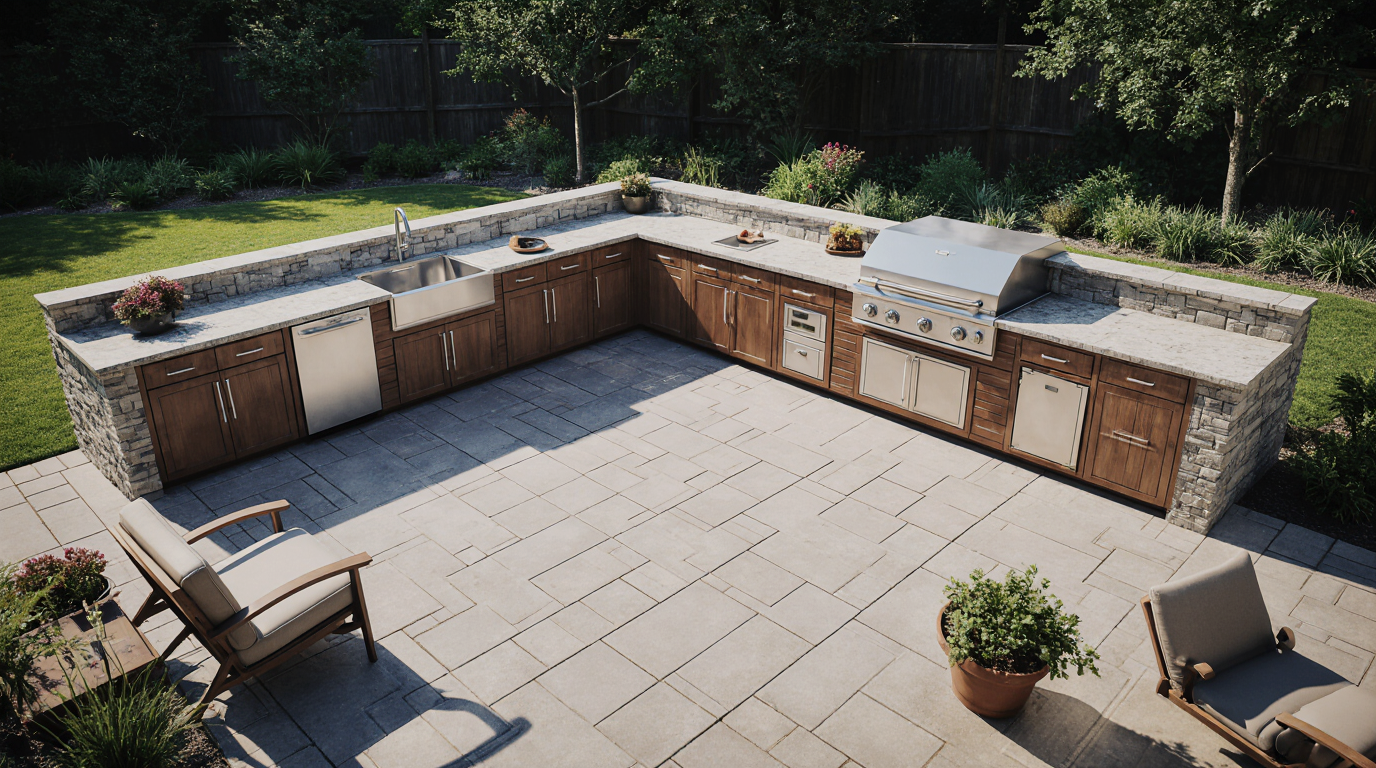
- Integration with Outdoor Kitchens: The interior 'L' is often just one half of the equation; its design must complement and facilitate easy access to an outdoor grilling station or lanai kitchen, a standard feature in many Sarasota homes.
Common Planning Failures That Undermine L-Shaped Layouts
The most frequent missteps I see with L-shaped kitchens in Sarasota stem from treating the layout as a generic template rather than a site-specific solution. Clients often find inspiration online from homes in different climates, leading to designs that look beautiful but fail functionally within a year of our humid, sun-drenched seasons.
One critical error is poor appliance placement relative to outdoor access. Placing a refrigerator or a primary sink on the leg of the 'L' that forms the main path to the lanai creates a constant bottleneck. Every time someone grabs a drink or rinses a plate, they block the flow of traffic in and out of the house, which is a major frustration during social gatherings.
The Most Expensive Failure: Ignoring Micro-Climate Impact
The costliest mistake is underestimating the micro-climate within the kitchen itself. The corner of the 'L' closest to a south- or west-facing sliding glass door receives a punishing amount of UV radiation and heat. I've seen dark-stained wood cabinets fade dramatically in just two years, and finishes on hardware start to pit on waterfront properties in Bird Key due to salt air infiltration. The fix isn't just refinishing; it often requires replacing entire cabinet fronts and investing in high-performance window glazing or shades—an unplanned expense that could have been avoided by selecting UV-resistant finishes or orienting the layout differently from the start.
The L-Shaped Kitchen Process in Sarasota: From Concept to Completion
Implementing an L-shaped kitchen design here involves a multi-stage process heavily influenced by local regulations and lifestyle. It begins with an on-site analysis to map sunlight patterns, humidity exposure, and traffic flow to outdoor areas. This is not just about measuring walls; it’s about understanding how the environment will interact with the finished space.
After the layout is confirmed, material selection becomes the focus, with a strong emphasis on marine-grade plywood for cabinet boxes in high-humidity zones and durable, non-porous countertop surfaces. Once plans are finalized, they are submitted to the Sarasota County Building Department for permitting, a process that typically takes 4-6 weeks for straightforward interior remodels. For projects in planned communities, this runs parallel to the HOA design review, which has its own separate timeline and requirements.
Key Selection Criteria for a Sarasota Project
- Verified Salt Air Resistance: If your property is on a barrier island like Siesta Key or Lido Key, demand hardware with a PVD (Physical Vapor Deposition) finish or 316 marine-grade stainless steel. Standard brushed nickel will corrode.
- Local Hurricane Code Compliance: Any modification to windows or exterior walls as part of the kitchen remodel must meet the stringent wind-borne debris region requirements of the Florida Building Code. This affects window specs and anchoring methods.
- Experience with Condo Renovations: Working in a downtown Sarasota or Longboat Key condo involves navigating strict rules on work hours, debris removal, and shared utility shutdowns. A contractor's experience here is non-negotiable.
- Portfolio with Indoor-Outdoor Integration: Look for designers who showcase kitchens that seamlessly connect to a lanai or outdoor living space, not just isolated, beautiful rooms. Their understanding of this specific Sarasota need is critical.
Comparing the L-Shaped Layout to Other Kitchen Designs
For many Sarasota homes, the L-shape is a natural fit, but it's not the only option. Homeowners often weigh it against a Galley layout, common in older condos, or a U-shaped design. The choice depends heavily on the home's footprint and the priority placed on open-concept living.
| Feature | L-Shaped Kitchen with Island | Galley Kitchen | U-Shaped Kitchen |
|---|---|---|---|
| Openness to Great Room/Lanai | Excellent; promotes flow and conversation. | Poor; typically enclosed on both sides. | Fair; can feel enclosed but offers more counter space. |
| Efficiency in Small Spaces | Good; effectively uses corner space. Great for tiny L-shaped kitchens. | Excellent; highly efficient for one cook. | Poor; requires a wider footprint to avoid feeling cramped. |
| Suitability for Entertaining | Ideal; the island becomes a social hub. | Limited; creates a traffic bottleneck. | Good; keeps guests out of the work zone but can feel separated. |
| Cost of Cabinetry/Counters | Moderate to High (island adds cost). | Low to Moderate. | High; requires the most linear footage. |
When an L-Shaped Design is the Wrong Choice
An L-shaped kitchen, especially with an island, is not the right fit for long, narrow spaces, such as those found in some historic homes in Gillespie Park. In these situations, forcing an 'L' and an island creates awkward, tight pathways. A well-designed Galley kitchen would be far more ergonomic and efficient, even if it feels less modern. The trade-off for openness is practicality, and in a narrow footprint, practicality must win.
Safe Hiring Checklist for Your Sarasota Kitchen Project
Vetting a design-build firm or contractor in Florida goes beyond checking for a license and insurance. Our coastal environment and specific regulatory landscape demand a deeper level of scrutiny to ensure your investment lasts.
- Verify Florida Certified General Contractor License: Check their state license (CGC or CRC) on the Florida Department of Business and Professional Regulation (DBPR) website. Ensure it's active and free of complaints.
- Confirm Experience with Local HOAs: Ask for specific examples of projects they've completed in communities like The Lake Club or Palmer Ranch. A contractor unfamiliar with these review boards can cause significant delays.
- Request Material Specs for Coastal Conditions: Don't just accept "custom cabinets." Ask for the specific material, such as marine-grade plywood for sink bases and exterior-wall-adjacent cabinets, and ask why they recommend it.
- Review Their Permitting History: You can look up a contractor's permit history on the Sarasota County Accela Citizen Access portal. A consistent record of passed inspections is a strong indicator of quality work.
- Insist on a Detailed Scope of Work: The contract should explicitly detail how they will manage and protect your home from construction dust and debris, a major concern in occupied renovations.
- Check for Specific Riders for Flood Zone Work: If you are in a flood zone (common for many coastal Sarasota properties), ensure the contractor understands FEMA regulations and local ordinances regarding substantial improvements.
Decisions That Determine the Final Outcome
Two clients can start with the same budget and the same L-shaped layout concept and end up with vastly different results. The success of the project hinges on a few key decisions made early in the process, often before a single cabinet is ordered. The primary differentiator I've observed is the willingness to invest in the building envelope that surrounds the kitchen.
This means allocating budget not just for beautiful finishes, but for things like impact-resistant glass for the sliders facing the kitchen, which offers better UV protection, or upgrading the insulation on the exterior wall where the main run of cabinets will sit. These aren't glamorous choices, but they are what protect the more visible, expensive investments—the cabinetry, countertops, and appliances—from the relentless Florida climate.
The Exact Moment Most Homeowners Get It Wrong
The critical mistake often happens during the material selection phase. Clients fall in love with a countertop slab or a cabinet finish and lock it in. Then, they try to fit the functional elements—lighting, ventilation, and workflow—around these aesthetic choices. The correct approach is the reverse: finalize the functional layout and lighting plan first. Knowing exactly where task lighting is needed, where the exhaust hood must be vented, and how the sun will hit the workspace at different times of day should dictate the final material choices, not the other way around. This prevents situations where a beautiful, dark countertop is rendered unusable because it's perpetually in shadow or a high-gloss cabinet finish creates blinding glare every afternoon.
Practical Answers for Kitchen Projects in Sarasota
Navigating the practical side of a kitchen remodel here involves understanding specific local processes. These are the operational details that can either stall a project for weeks or ensure it runs smoothly.
Navigating Sarasota County Permitting for an L-Shaped Kitchen
Any L-shaped kitchen remodel that involves moving plumbing, electrical, or walls requires a permit from Sarasota County. The plans must be submitted by a licensed contractor and will be reviewed for compliance with the Florida Building Code. A common bottleneck is the review for electrical work; ensure your contractor's plan clearly specifies GFCI protection and dedicated circuits for all major appliances to avoid rejection and delays. A standard interior remodel permit fee is often calculated based on project value, but expect a base fee of around $100 plus additional inspection fees.
HOA and Condo Association Design Rules
In a downtown condo or a master-planned community, the HOA is your first hurdle. They regulate everything from the color of your window treatments (visible from outside) to the type of underlayment used for new flooring to mitigate noise. For an L-shaped kitchen, this is crucial if you're removing a wall to open up the space. You will need to provide architectural and engineering plans to the board for approval, a process that can add at least a month to your project timeline before you can even apply for a county permit.
The Impact of Flood Zones on Kitchen Renovations
Many desirable Sarasota neighborhoods, especially west of the Trail and on the barrier islands, are in Special Flood Hazard Areas (SFHAs). If your kitchen renovation's cost exceeds 50% of the market value of your home (the "50% Rule"), you may be required to elevate the entire structure to comply with current FEMA standards. This turns a simple kitchen project into a massive undertaking. It is absolutely critical to get a cost estimate and check with the city's floodplain manager *before* finalizing any design that involves significant structural changes.