Optimizing Kitchen with Cleaning Hub Fusion: A Blueprint in Multipurpose laundry areang>
The seamless integration of a dedicated laundry area within the culinary architecture moves far beyond a simple trick to gain room; it signals a major move toward dynamic, adaptive spaces. For properties where a standalone washroom is a luxury of square footage, the plan to embed utility tasks into the culinary heart of the home requires precise design forethought and a commitment to aesthetic continuity. The chief goal is to ensure that the space reserved for dirty clothes and powerful machinery does not detract from the hygiene, traffic pattern, or comforting feel of the main working kitchen. A successful laundry-kitchen hybrid functions as separate yet visually cohesive zones.
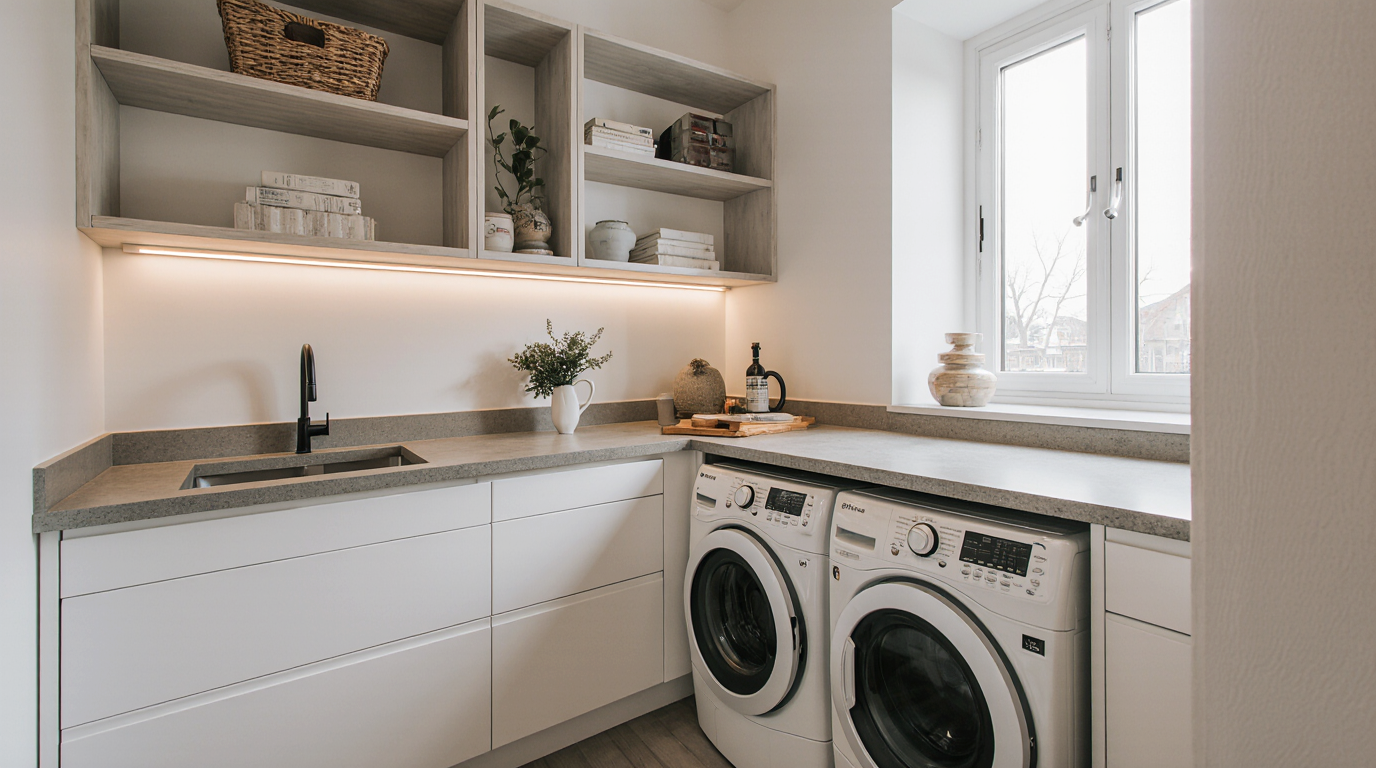
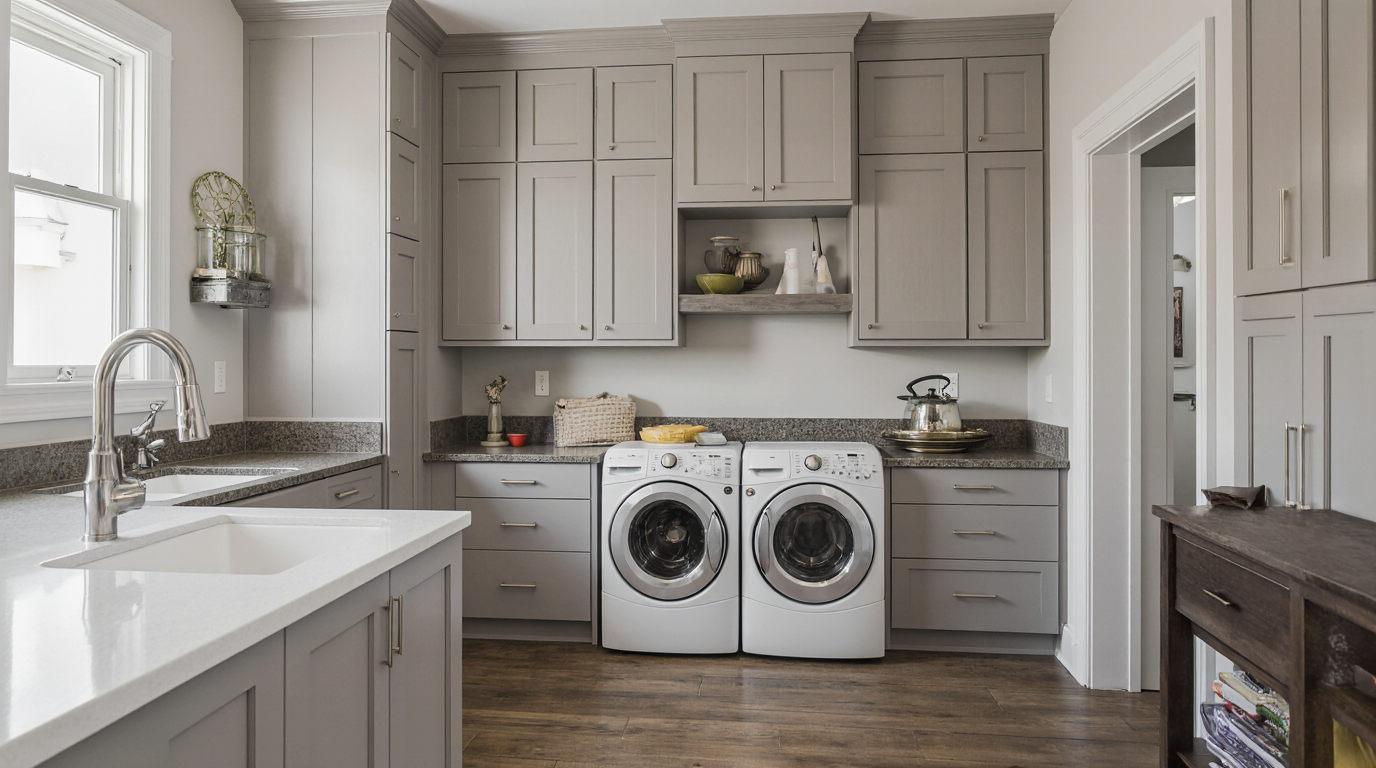
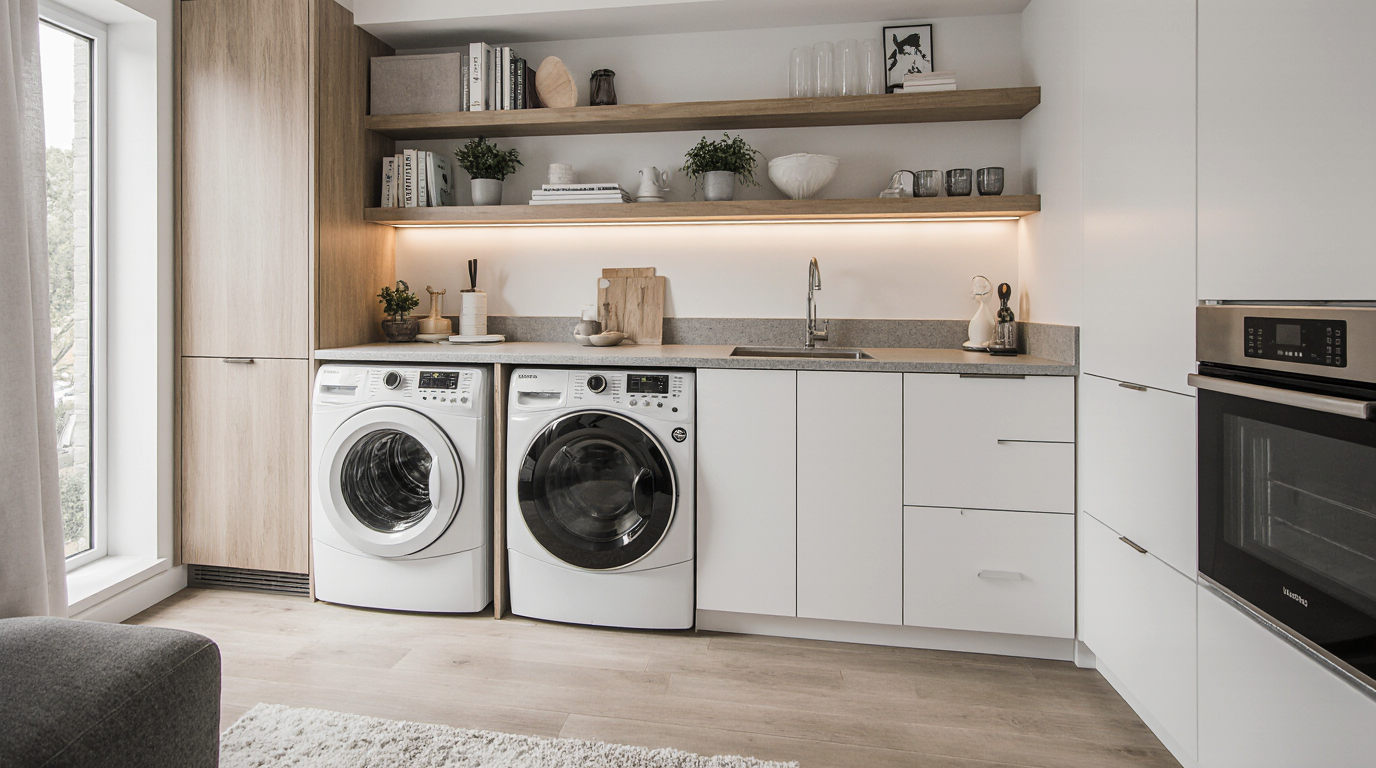
Fundamental to this seamless concept is the strategic sourcing and arrangement of appliances. Where possible, choosing horizontal-axis laundry units is undeniably the preferred method. This provides the opportunity for fitting of a uninterrupted work surface running spanning the top of the appliances. This smooth, consistent plane of material—be it engineered stone, granite or marble, or durable layered material—serves a dual purpose: it provides the essential folding station for clean garments and keeps the stylistic consistency of the central culinary area. If limited area requires stacking upwards, a stacked washer/dryer unit is a workable secondary option, though this eliminates the direct counter access immediately above the machines, meaning a separate spot is needed for folding. It is crucial to know your appliance dimensions for individual and vertical configurations, guaranteeing sufficient space for servicing and repairs behind the units.
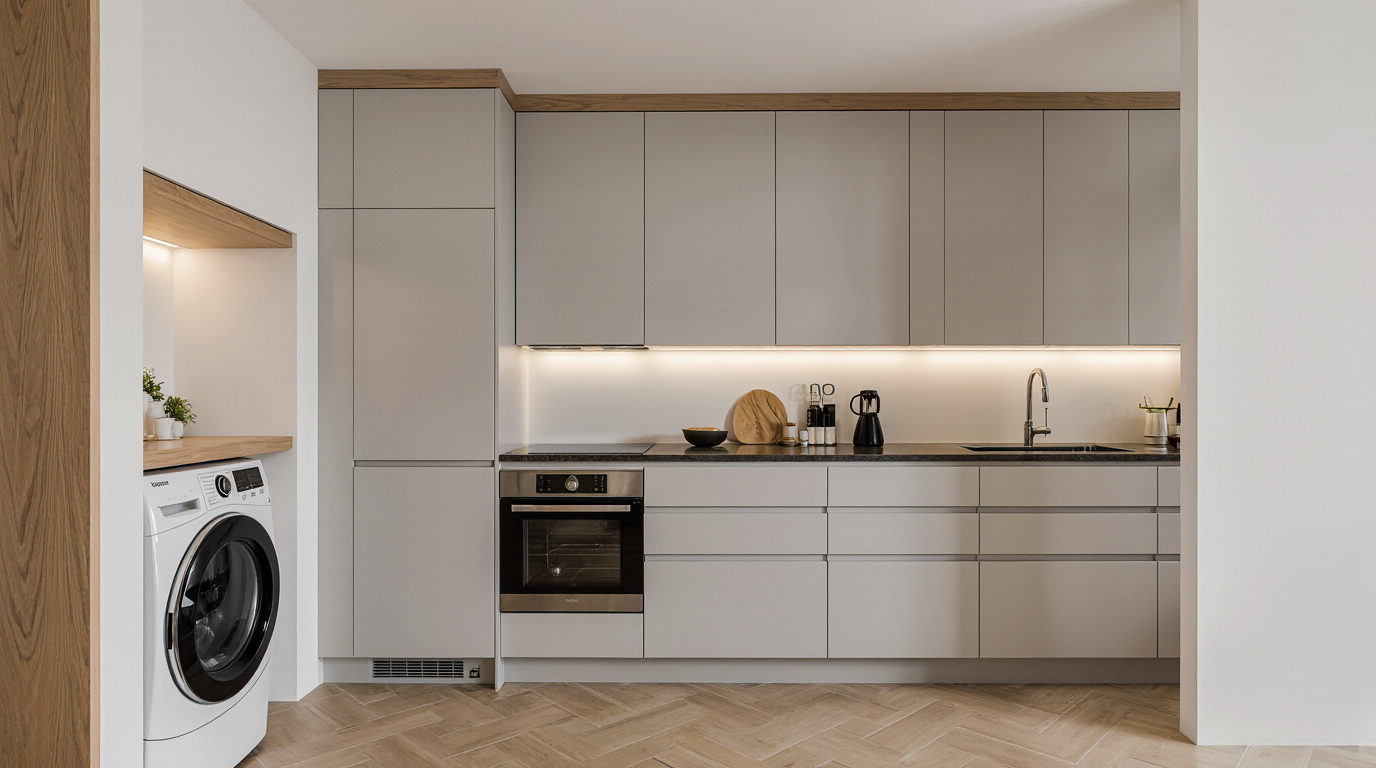
Concealment is perhaps the most powerful tool in the planner's toolkit for combined spaces. To prevent the sight, sound, and vapor of the laundry cycle from overwhelming the cooking environment, explore clever methods of disguise. Full-height cabinetry that matches your existing custom cabinetry can completely mask the utility zone behind receding sliding doors or stylish folding panels. When shut, the area looks like any other premium cabinet run, keeping a high-end, modern appearance. For compact alcoves or recesses, a thick, luxurious drapery—perhaps one that picks up the tones of the main space—can offer a softer, more budget-friendly division. A key trend involves masking machines with regular base unit facings or deep storage bins, relying on cleverly designed panels that move back or pivot out to show the laundry center upon activation. This approach truly embodies invisible laundry.
Usability and Traffic patterns guide the extra features. A small laundry sink is essential for pre-treating, hand-washing delicates, or quickly dealing with spills. Position this utility sink strategically near the workflow—ideally situated near the appliance and a workspace—to minimize drips onto dry flooring. In addition, the combined space requires careful air management. Kitchens require robust exhaust for cooking, but washing cycles—particularly the dryer—introduce moisture. An efficient hood system or ensuring excellent natural airflow is mandatory for regulating dampness, prevent mildew, and clear out the smell of cleaning agents from reaching the culinary workspace.
Every inch of height should be utilized for storage, a strategy relevant for the entire combined space. Make use of the area above the machines and all neighboring structures with upper cupboards or floating shelves. These areas should house detergents, spot treatment agents, and cleaning caddies. The selection of natural fiber containers or uniform, labeled bins on exposed racks promotes a calm visual style rather than letting containers and packaging look messy. For narrow, challenging voids, think about a slim cupboard intended for extended equipment like floor cleaners and sweeping implements, storing them vertically away from the walking path. The concept of smart organization extends to the separation of fabrics; integrated, retractable laundry baskets—perhaps separate bins for different wash loads—can be inserted right under the work surface or in close proximity to the appliance, streamlining the dividing of clothes at the point of use.