Cost of Kitchen Countertops: Exploring Value, Materials, and Smart Investment
When considering kitchen countertops cost, it is crucial to understand that this financial commitment transcends mere surface functionality, as countertops function as a centerpiece in any kitchen, merging design beauty with practical durability. Homeowners desiring classic sophistication to individuals pursuing modern minimalism, selecting the right top material directly influences both financial planning and enduring enjoyment in the kitchen. The expense fluctuates significantly depending on composition, installation complexity, and customization options, making it paramount to consider all possibilities to achieve the best outcome.
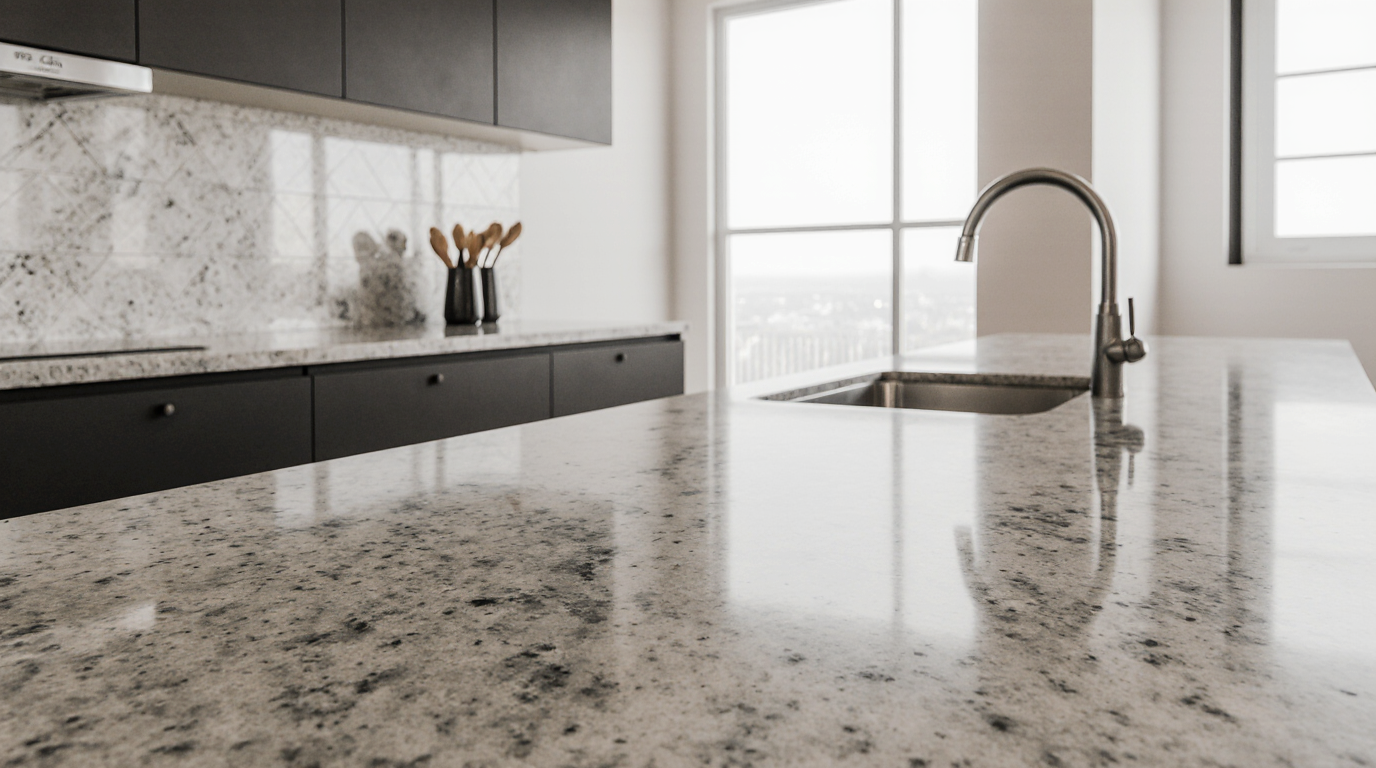
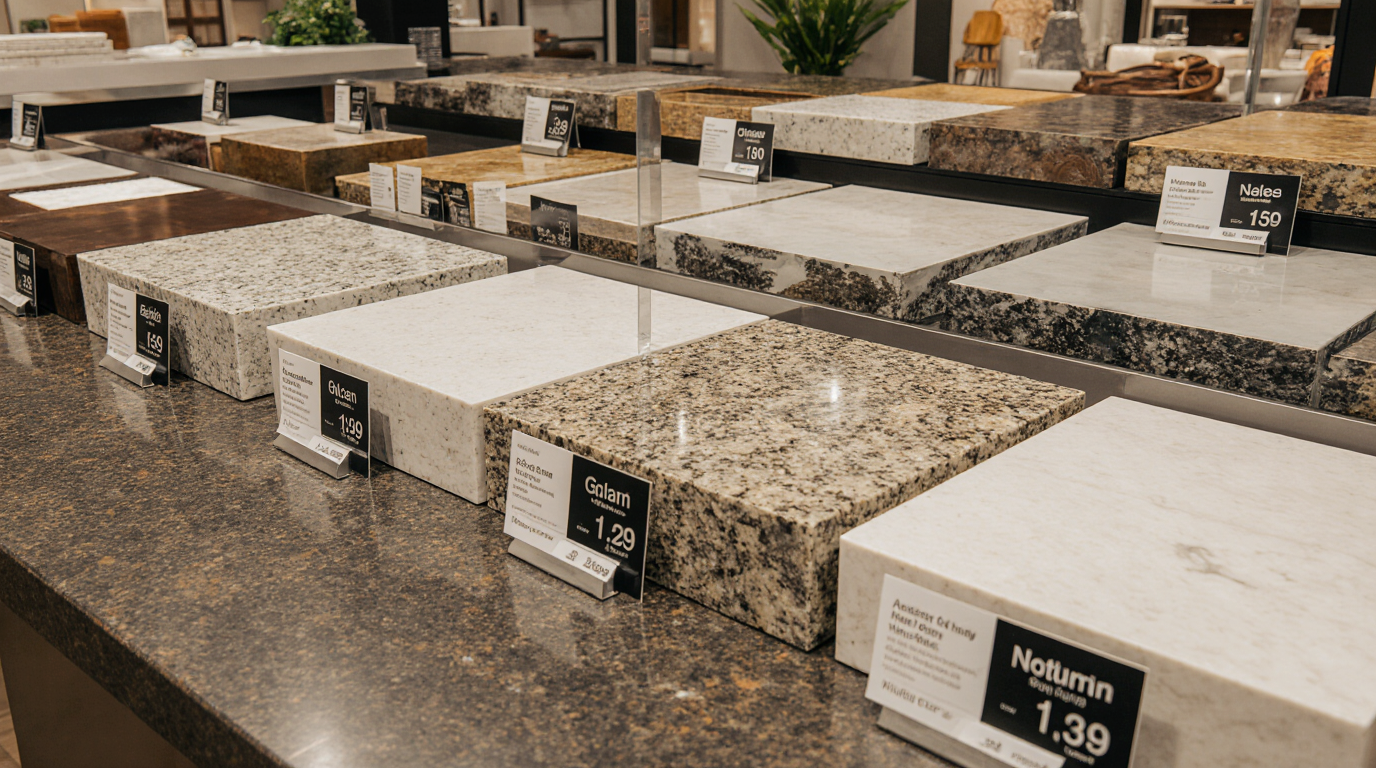
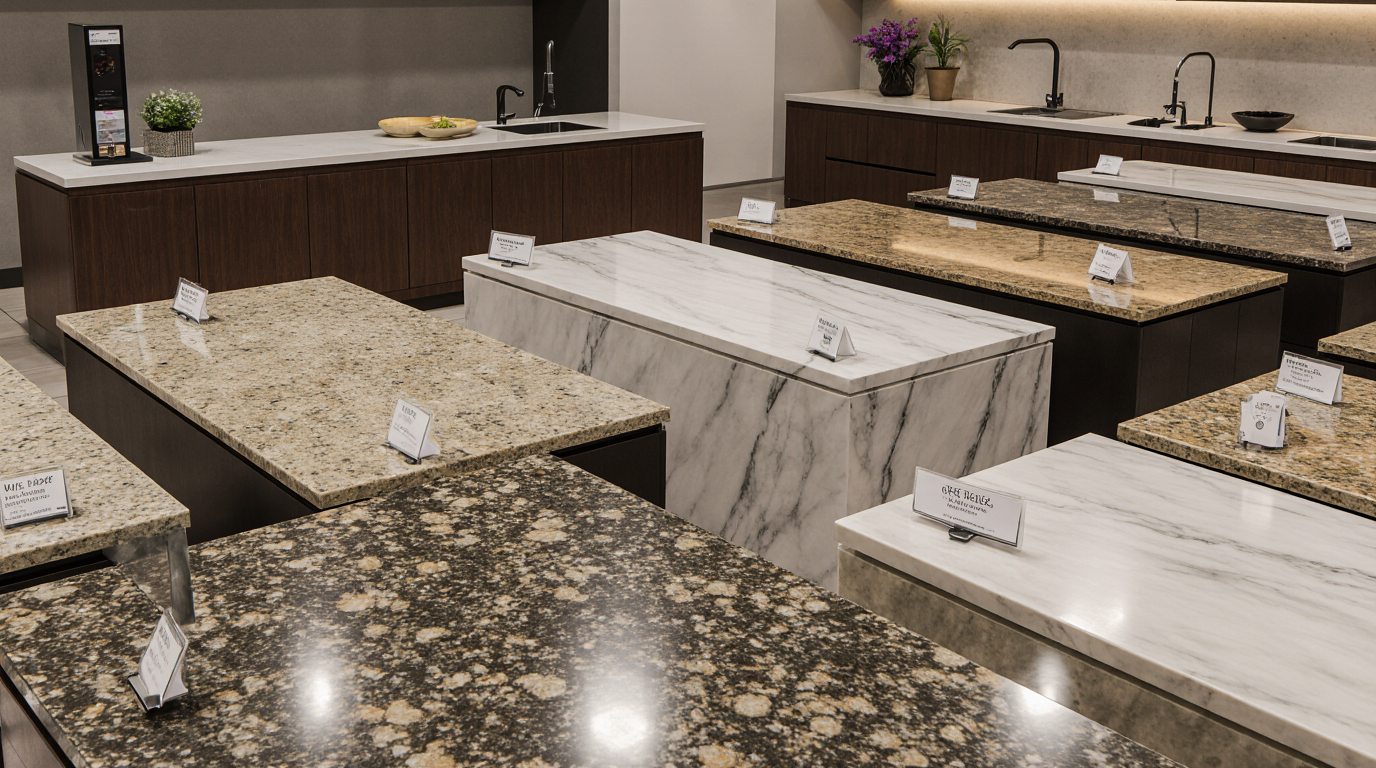
Natural stone countertops, including granite and marble, are consistently in demand due to their high-end aesthetic and lasting strength. Granite is widely appreciated for its resistance to scratches and heat, making it well-suited for high-traffic kitchen environments. Marble, with its intricate veining, offers unmatched elegance but requires more careful maintenance. The pricing of granite countertops generally spans mid-to-high levels, depending on slab quality. Marble, conversely, tends to command a premium price due to its exclusivity and natural variations, emphasizing the importance of considering both aesthetic and functional factors.
Quartz countertops have seen remarkable adoption because they offer aesthetic appeal with structural innovation. Unlike granite or marble, quartz countertops are sealed against moisture, easily cleaned, and demand little upkeep, making them an ideal choice for durability. Pricing for quartz surfaces generally falls within the mid-to-high range, influenced by label, color, and complexity of the edge profile. The modern kitchen homeowner often chooses quartz for its predictable design, durability under heavy use, and modern visual appeal, which boosts home value and operational efficiency.
For those on a tighter budget, laminate countertops serve as an economical choice. Advances in laminate technology have led to realistic stone and wood finishes that compete with costly options in appearance. The pricing of laminate countertops is considerably more affordable than natural stone or quartz, making them an attractive option for homeowners who prioritize affordability without sacrificing style. Laminate surfaces are easy to handle, easy to install, and available in a vast array of colors and textures, offering creative freedom in kitchen design while ensuring functional ease.
Solid surface materials, including Corian, blend functionality with design flexibility. These engineered surfaces enable unified designs with integrated features, delivering visual harmony that improves stylistic impact. Solid surface countertops are sealed, simple to maintain, and available in countless colors and patterns, making them a practical yet stylish choice suitable for homeowners who seek robust yet versatile surfaces. While the initial investment of solid surface countertops may be higher than laminate, their extended lifespan often justify the expense, especially in households where kitchens see frequent use.
Concrete countertops are another trend gaining traction due to their modern raw aesthetic and adaptability to bespoke designs. Concrete allows for unique shapes, textures, and finishes, from refined smooth tops to handcrafted tactile finishes that complement modern or rustic interiors. The investment of concrete countertops can fluctuate widely, depending on construction method and on additional features like staining, coloring, or embedded decorative elements. While concrete may require periodic sealing to maintain durability and stain resistance, its custom potential and aesthetic appeal make it a strategic investment for those looking to establish a unique cooking space.
Beyond materials, installation costs play a significant role in the overall kitchen countertop expense. Tailored construction, detailed planning, and unique edge treatments often increase labor fees. Professional installation guarantees proper placement, protects surface integrity, and maintains its warranty. Cutting corners with DIY installation reduces immediate expenses but increases potential hazards such as structural flaws, misalignment, or leaks, potentially outweighing the initial savings. Investing in skilled craftsmanship guarantees both aesthetic quality and structural integrity, contributing to a durable and visually appealing kitchen centerpiece.
Additional considerations for kitchen countertop investment include the choice of decorative edges, integrated backsplashes, and sink openings. Complex edge designs including bevels, ogees, and bullnose enhance aesthetics while raising cost, influencing overall investment. Integrated backsplashes create visual continuity yet demand skilled fitting. Similarly, sink cutouts must be accurately measured to maintain functionality and avoid issues. Each of these elements elevates design and utility, underscoring planning, selection, and expenditure balance.
Maintenance and long-term care also influence overall affordability. Materials like granite and quartz are durable with minimal maintenance, whereas marble and concrete demand more attention to prevent stains or etching. Laminate and solid surfaces are low-maintenance but susceptible to wear, considering long-term care aids in evaluating real investment, matching material selection to daily demands and future plans. Ultimately, the decision regarding kitchen countertops investment involves a balance between budget, design preferences, durability, and functionality. Homeowners who conduct thorough comparisons of options and anticipate future needs can secure a countertop that blends elegance with durability. By grasping subtle differences in surfaces, fitting, and upkeep, one can make a confident, informed choice that enhances the kitchen’s overall value and ensures satisfaction for years to come.