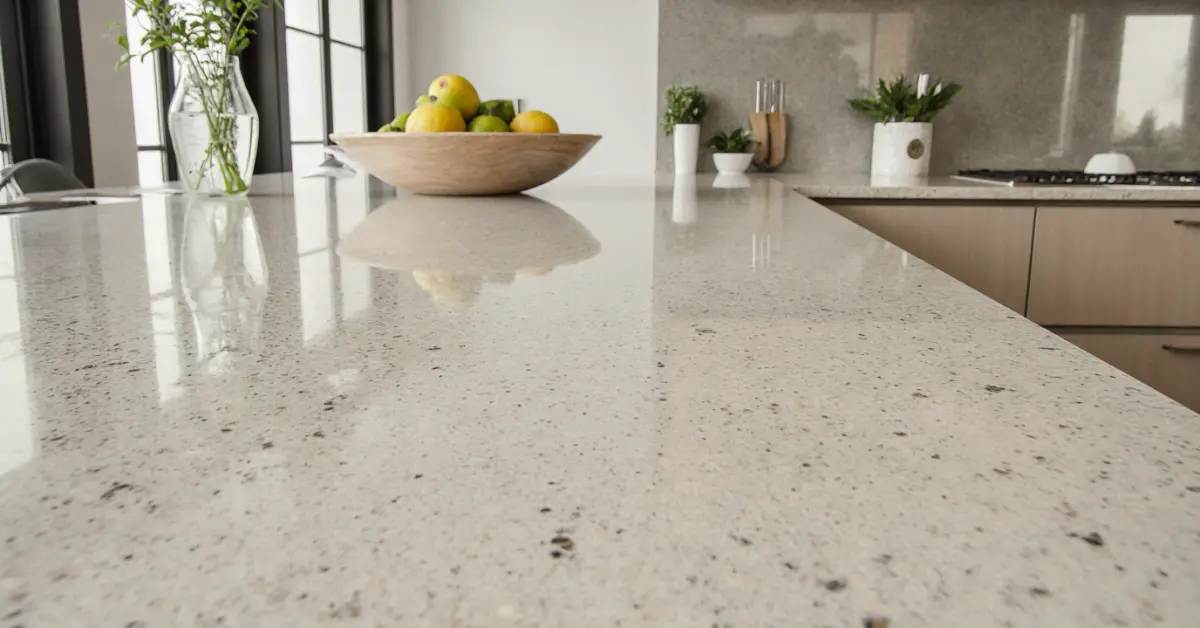
A client in a classic 1970s home just west of the Trail was convinced they'd found a bargain. They showed me a quote for a laminate countertop that mimicked Calacatta marble perfectly, at a third of the price of quartz. The problem wasn't the look; it was the un-airconditioned lanai kitchen where it was to be installed. I knew that within two Sarasota summers, the humidity would make that laminate bubble and peel at the seams. True affordability isn’t the initial price tag; it's the cost of the first replacement.
Executive Summary: Achieving Real Value in Sarasota's Countertop Market
From my experience working on projects across Sarasota County, securing an affordable kitchen countertop is less about
From my experience working on projects across Sarasota County, securing an affordable kitchen countertop is less about finding the cheapest material and more about a strategic selection that balances cost, aesthetics, and extreme durability against our coastal climate. The biggest mistake is choosing a material based on its performance in a northern state, ignoring the daily assault of humidity, salt, and intense UV light. A countertop that looks pristine for a decade in Ohio might fail here in three years.
- Climate-First Material Selection: Prioritize non-porous materials or those properly sealed for high-humidity and potential salt air exposure.
- HOA Pre-Approval is Non-Negotiable: In communities like Lakewood Ranch or Palmer Ranch, getting material and color samples approved by the Design Review Board before ordering is a critical step that prevents costly rejections.
- Fabricator Skill Over Material Brand: An expert fabricator can make a Level 1 granite look flawless, while a poor one can ruin a high-end quartz slab. The quality of the seams and installation is where the value lies.
- Lifecycle Cost Analysis: Evaluate the total cost over 10-15 years, including maintenance, sealing, and potential repairs, not just the upfront installation price.
Planning Failures That Inflate Your 'Affordable' Countertop Budget
The most common financial traps aren't in the material cost but in the planning phase. Homeowners, eager to get the project started, often overlook details that force expensive change orders or lead to long-term dissatisfaction. Forgetting to account for the thickness of a new countertop, for example, can throw off the height of existing outlets and require costly electrical work not in the original budget.
Another frequent issue is underestimating the cost of tear-out and disposal of old countertops, especially tile, which is labor-intensive. A quote that seems low may not include this, leading to a surprise bill. Always confirm that your quote is all-inclusive, from template to final caulking and cleanup.
The Most Expensive Failure: Ignoring Your Sub-Cabinet Condition
The pattern I've seen cause the most budget overruns is installing a heavy new countertop on old, water-damaged, or structurally unsound base cabinets. I was called to a project on Siesta Key where a client had a beautiful, thick granite slab installed. Six months later, a major seam split. The issue wasn't the granite; it was that the particle board cabinets underneath had softened from a slow plumbing leak, causing them to sag under the weight. The entire countertop had to be removed and re-installed after extensive cabinet repair, effectively doubling the labor cost and risking the new stone. Before you even get a quote, have your installer or a carpenter verify your cabinets are level and sound.
How Countertop Installation Works in Practice in Sarasota
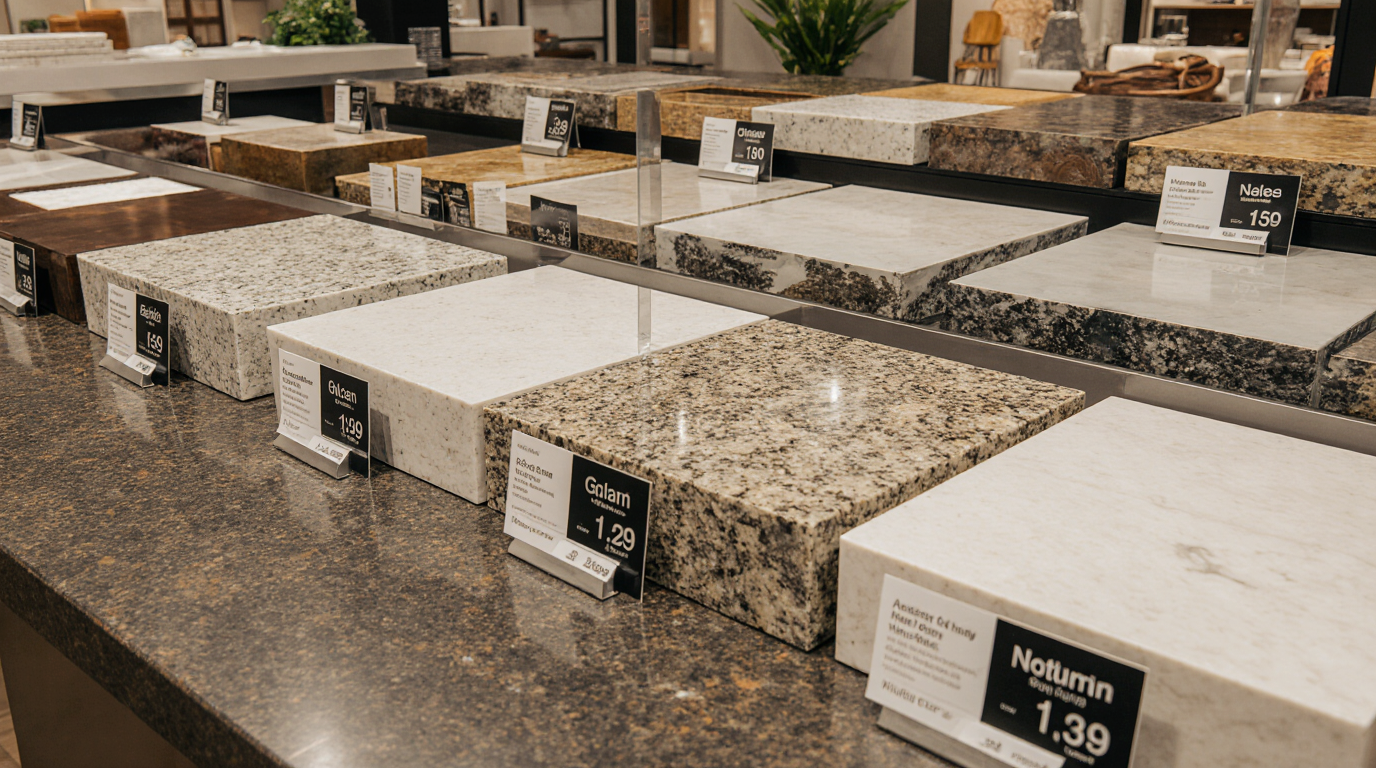
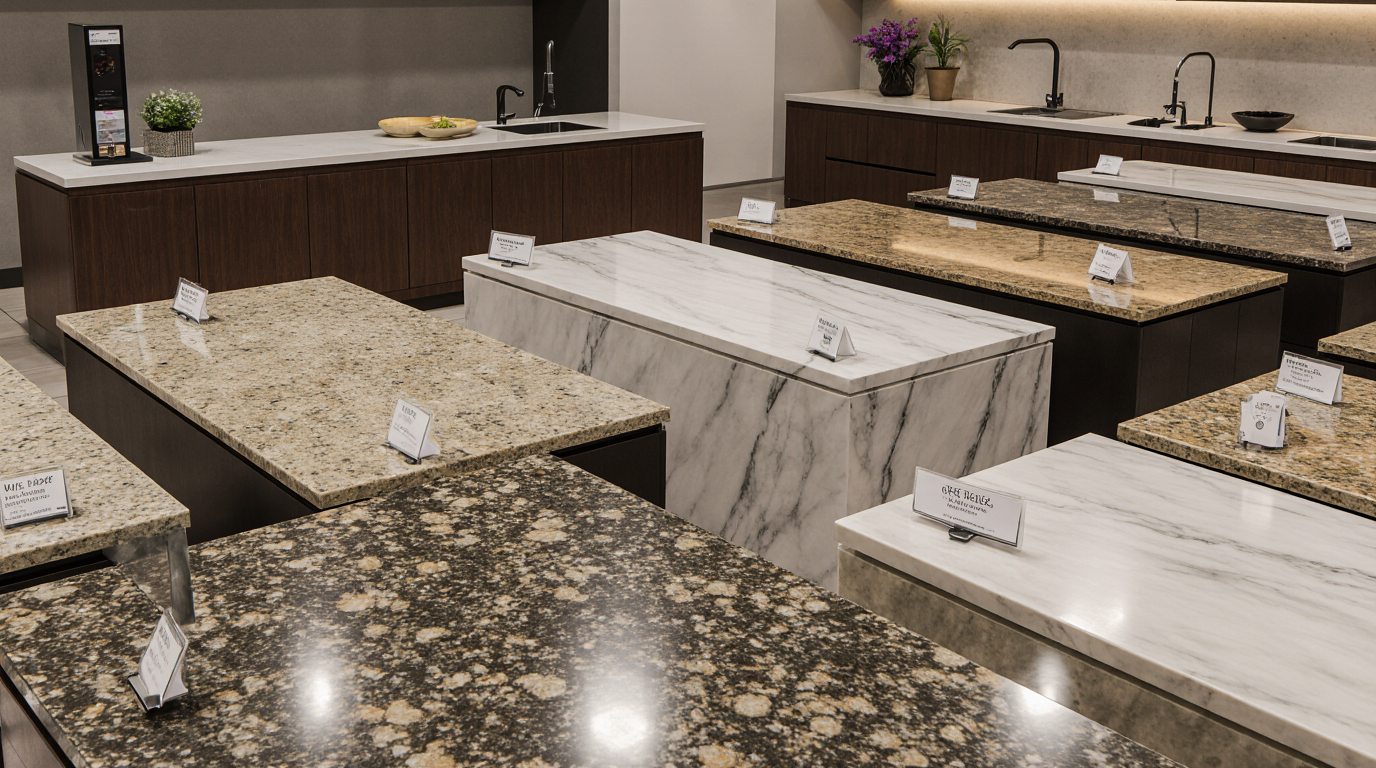
The process here is more than just picking a slab and having it cut. It’s a multi-step operation that must account for local logistics and regulations. It starts with an in-home consultation and measurement, but quickly moves to slab selection at a local yard. Once you tag your specific slab, the fabricator creates a precise digital template of your kitchen. This is a critical step; a small measurement error can be a disaster with an expensive material.
The slab is then transported to the fabrication shop, cut with CNC machinery or water jets, and the edges are profiled. Installation day involves a crew carefully bringing the heavy pieces into your home, setting them, leveling them, and creating nearly invisible seams with specialized epoxy. The final steps are mounting the sink, drilling faucet holes on-site, and sealing if it’s a natural stone.
Key Selection Criteria for Sarasota Homeowners
- Proven Humidity Resistance: Ask for material options that have a documented low water absorption rate. This is more critical than stain resistance in our climate, especially for outdoor kitchens or homes on the water.
- UV Stability for Sun-Drenched Kitchens: If your kitchen gets direct, intense Florida sun, as many in south-facing homes in The Meadows do, choose a material like high-grade quartz or granite whose colors won't fade or yellow over time.
- HOA Compliance Record: Work with an installer who has a portfolio of completed projects within your specific master-planned community. They'll know the submission requirements for the Architectural Review Committee (ARC) and can streamline approval.
- Hurricane Code Awareness: For outdoor kitchens, the installer must understand how to properly anchor countertops and cabinetry to meet wind load requirements specified in the Florida Building Code, particularly in wind-borne debris regions.
Comparison of Affordable Countertop Options for Sarasota
To find true value, you must compare materials based on their performance in our specific environment. A low initial cost can be misleading if the material requires constant maintenance or is susceptible to moisture damage. The table below compares three popular affordable choices on metrics that matter most in Sarasota.
| Material | Initial Cost (Installed) | Humidity & Salt Air Resistance | Resale Value Impact |
|---|---|---|---|
| Level 1 Granite | Low-Medium | High (with proper annual sealing) | Good |
| Entry-Level Quartz | Medium | Excellent (non-porous) | Excellent |
| High-Pressure Laminate (HPL) | Low | Low (vulnerable at seams) | Low to Neutral |
When a Higher-Priced Material is Actually More 'Affordable'
I advise clients against laminate if the kitchen is in a rental property or a vacation home that may sit empty with the A/C off for periods. The uncontrolled humidity is a death sentence for it. In these cases, spending an extra $1,500-$2,500 to upgrade to an entry-level quartz is the more affordable long-term decision. It eliminates the risk of delamination and the need for replacement in a few years, offering peace of mind and better appeal to renters or future buyers.
Safe Hiring Checklist for Your Sarasota Countertop Project
Hiring the right team is as important as choosing the right material. A beautiful slab can be ruined by a poor installation, and a contractor unfamiliar with local nuances can cause significant delays and costs.
- Verify the contractor holds a current, valid license with Sarasota County and carries both General Liability and Worker's Compensation insurance. Ask to see the certificates.
- Request addresses of at least three recent installations in the Sarasota area (not just photos) that you can see for yourself. Pay attention to the seam quality.
- Confirm their quote explicitly includes all costs: templating, material, fabrication, tear-out of the old top, installation, sink mounting, and debris disposal.
- If you live in an HOA, ask for proof of their experience with your community's review board process. An experienced installer will know the typical submission requirements.
- Discuss their process for protecting your home during installation, including floors, cabinets, and dust containment.
- Ensure the contract specifies the exact slab you selected at the stone yard (by name and lot number) to prevent last-minute substitutions.
- Clarify the warranty provided, distinguishing between the material manufacturer's warranty and the fabricator's installation warranty.
Decisions That Determine the Outcome of Your Project
The success of a kitchen countertop project hinges on a few key decisions made early in the process. The first is choosing between a common, widely available stone and a more exotic one. While unique stones are beautiful, sticking to popular colors and patterns of granite or quartz often provides significant cost savings and ensures that if a piece is damaged, a matching replacement is easier to find.
The second critical decision involves the countertop edge profile. A simple, flat-polished or quarter-round edge is typically included in the base price. More complex, ornate edges like an ogee or waterfall can add hundreds or even thousands of dollars to the final bill. For an affordable yet elegant look, a simple eased edge is timeless and cost-effective.
The Exact Moment the Majority Gets It Wrong
The most common misstep I see is when homeowners fall in love with a specific slab at a stone yard before they have a finalized layout or a firm installation quote. They commit emotionally and financially to a material that may not be the most practical or affordable for their project. The right way is to get a binding, all-inclusive quote from your chosen fabricator based on a *type* and *level* of material first. Once you have a firm budget, then you go to the yard to select the specific slab that fits within that pre-approved financial plan. This prevents budget overruns and the disappointment of finding your 'dream slab' is double what you planned to spend.
Practical Answers About Countertop Operations in Sarasota
Navigating the local specifics of a countertop installation can be frustrating. Beyond picking a color, you're dealing with logistics, building codes, and community rules that are unique to our area. Here are the realities of getting the job done in Sarasota.
What is the Realistic Timeline Including HOA Approval?
In a master-planned community like University Park or Lakewood Ranch, you must factor in the Architectural Review Committee (ARC) or Design Review Board (DRB) approval. Submitting your material sample, color, and contractor information can add anywhere from two to six weeks to your project timeline. A standard countertop project from template to install takes about 2-3 weeks, so a realistic total timeline in an HOA is closer to 5-9 weeks. Starting tear-out before receiving written HOA approval can result in fines and a stop-work order.
How Does Florida's Building Code Affect My Kitchen Island?
A specific requirement in the Florida Residential Code that often surprises homeowners is the rule for electrical outlets in kitchen islands. If your island countertop is larger than 12" x 24", you are generally required to have at least one receptacle. This can impact your countertop design and cost, as it may require drilling through the stone and coordinating with an electrician. Planning for this from the start avoids a failed inspection and costly post-installation modifications.
Are There Hidden Costs for Projects on the Barrier Islands?
Yes. If your project is on Siesta Key, Lido Key, or Longboat Key, expect a 'key access' surcharge from most fabricators and installers. This fee, often ranging from $150 to $400, covers the extra travel time, bridge tolls, and logistical challenges of navigating traffic and access restrictions on the islands. It’s a standard cost of doing business in these highly desirable but geographically constrained areas, and it should be clearly itemized on your quote.