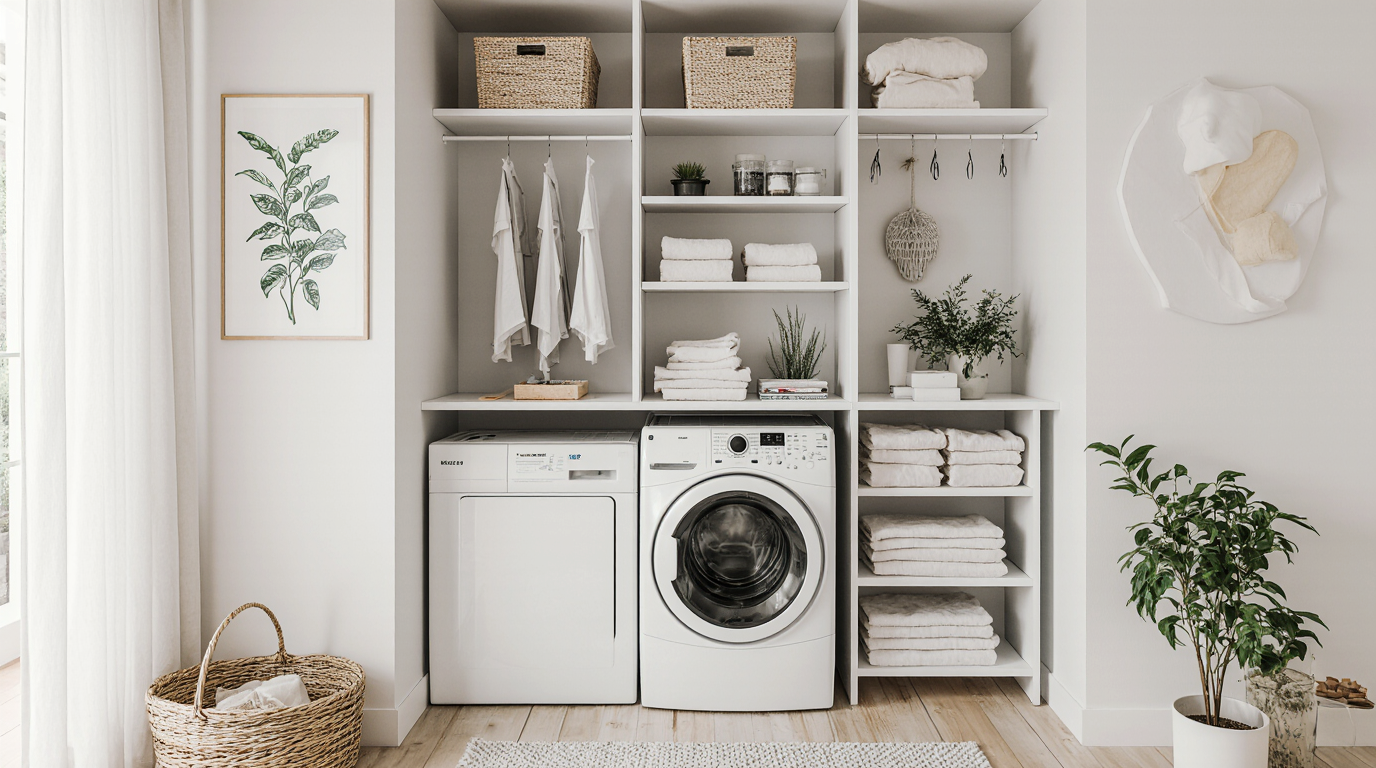
The Ultimate Guide to Up-to-Date Laundry Room Design: Functionality Meets Sophistication
The current laundry room is progressing from a basic, necessary alcove tucked away in a basement to a sophisticated, seamlessly incorporated space within the home. Contemporary homeowners and designers alike acknowledge this space as a critical component of a well-functioning domestic ecosystem, demanding both maximum output and a strong sense of style. Achieving this harmony requires careful focus to layout strategy, finish procurement, and the smooth merging of smart technology.
Key to any well-designed laundry room layout is the process flow. Analyze the journey of the laundry: movement from bedrooms, sorting, washing, drying, creasing, and at last, storage or distribution. An ergonomic design prioritizes reducing movement and awkward postures. This is where the raising of appliances takes center stage. Installing washers and dryers on risers is no longer a extravagance reserved for top-tier updates; it’s a functional imperative that solves physical strain issues, especially for tasks that require moving heavy items or prolonged standing. Beyond pedestals, the thoughtful positioning of the service basin—ideally sufficiently sized for pre-treating or manually cleaning fragile items—must be immediately beside or directly across from the main flat area for folding. This adjacency creates an effective sequence around water use.
Work surfaces serve as the primary functional plane of the laundry room, and their selection indicates quality about the room's intended longevity and design direction. While laminate offers budget-friendliness, quartz and natural stone, like calacatta or gabbro, provide excellent resistance to marks and a premium visual texture. For a look embracing contemporary natural design movements, materials with slight lines or matte surfaces provide sophistication without demanding excessive maintenance. In addition, designers are more often selecting multi-level countertops or pull-out extensions that can be deployed for expansive folding surfaces when needed and pulled back to free up room, a vital factor in compact service areas.
Storage architecture is perhaps most impactful feature in today’s laundry room planning. The objective is to control mess through intelligent concealment. Moving past basic metal racks, the trend heavily favors custom cabinetry with varied internal configurations. Think beyond standard shelving to include elements such as tilt-out hampers for immediate soil separation, slim drawers perfectly shaped for laundry liquids, and tall storage solutions for ironing boards or brooms. For those embracing eco-conscious design, utilizing materials like repurposed timber or cabinetry finished with low-VOC paints merges usefulness with environmental responsibility. Open shelving, when used, should be styled with thoughtful vignettes—using attractive containers like glass or bamboo jars for supplies—to enhance the space rather than overwhelm it.
Illumination planning improves the laundry room from a dungeon of chores to a bright, welcoming space. Layered lighting is the highest level here. Primary illumination should come from overhead recessed LED lighting, offering bright, energy-efficient general ambient light. Essentially, focused light for work—such as lights placed beneath upper cabinets—must be installed above all work surfaces. This removes dark spots created by standing, guaranteeing accurate spot checks and tidy folding. If the room has architectural character, decorative hanging lamps over an island or sink can add a stylish touch, adding a layer of design personality.
The merging of the laundry space with different areas of the house is a major movement. The combined entry and cleaning space capitalizes on dual-functionality, particularly in family homes. This requires careful selection of moisture-resistant flooring, such as large-format porcelain tile or high-quality vinyl plank, together with fitted seating and sturdy wall hangers for coats and athletic equipment. Conversely, in homes with flowing layouts, the hidden laundry nook—where machines are entirely concealed behind integrated cabinet panels or pocket doors—maintains clean sightlines, promoting a sense of spaciousness when the area is not in use. This requires precision in cabinet depth and ventilation planning to control moisture build-up.
Machine incorporation is increasingly sophisticated. The shift to connected devices offers off-site troubleshooting, cycle monitoring via smartphone applications, and notable improvements in resource use. In addition to the primary machines, the adding specific supplementary tools, like vertical drying cabinets or built-in drying racks that retract flush into the millwork, showcases a commitment to streamlined processes that respect the clean aesthetic of the room.
Color palettes in 2025 lean towards establishing a tranquil mood. Natural tones, peaceful blue hues, and muted greens are favored, often paired with the texture of natural stone or concrete-look finishes on the floor. This contrasts beautifully with bright white units or the deep comfort of moderately dark wood features. The objective is to design a setting that feels less like a service area and more like an intentionally decorated part of the primary home, inviting occupants to stay and work without feeling pressured or depressed by dull surroundings. The successful laundry room represents smart functionality packaged within a carefully considered interior shell.