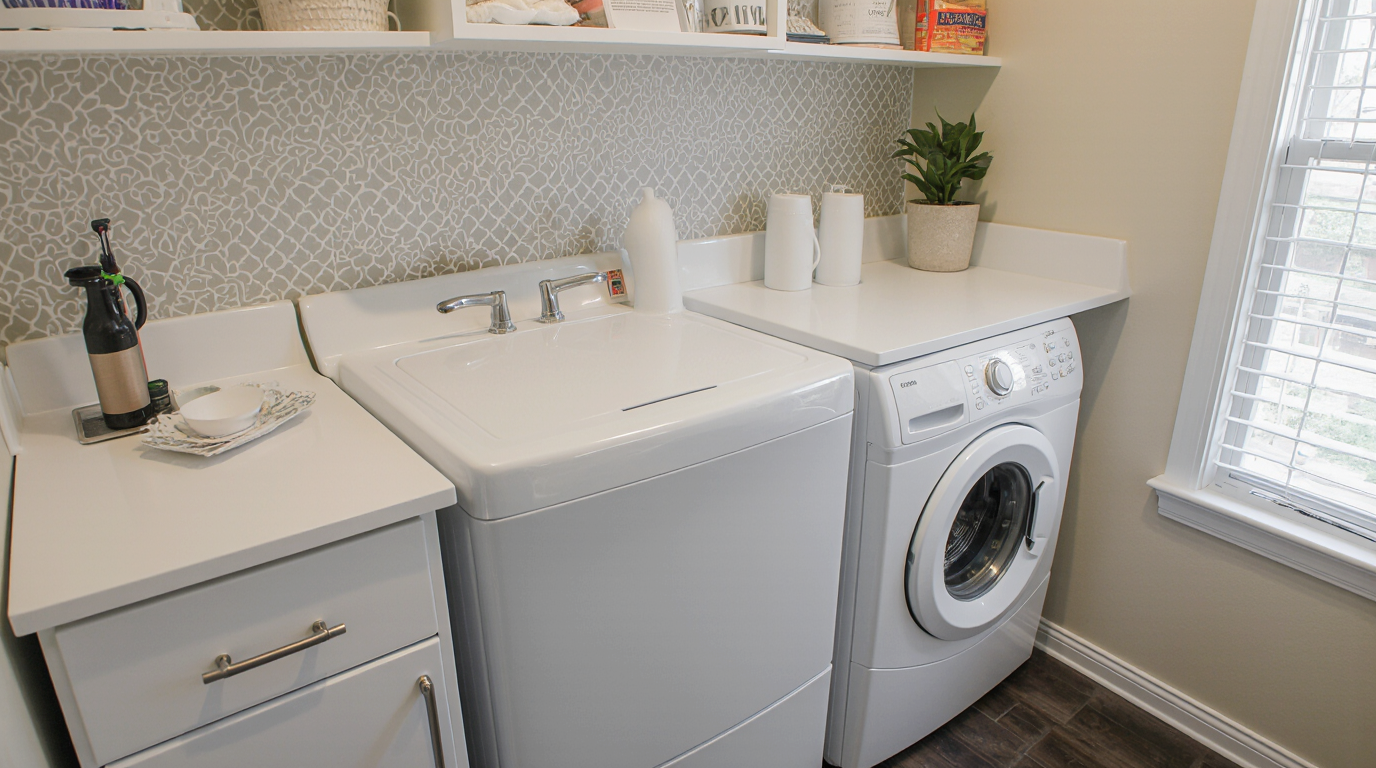
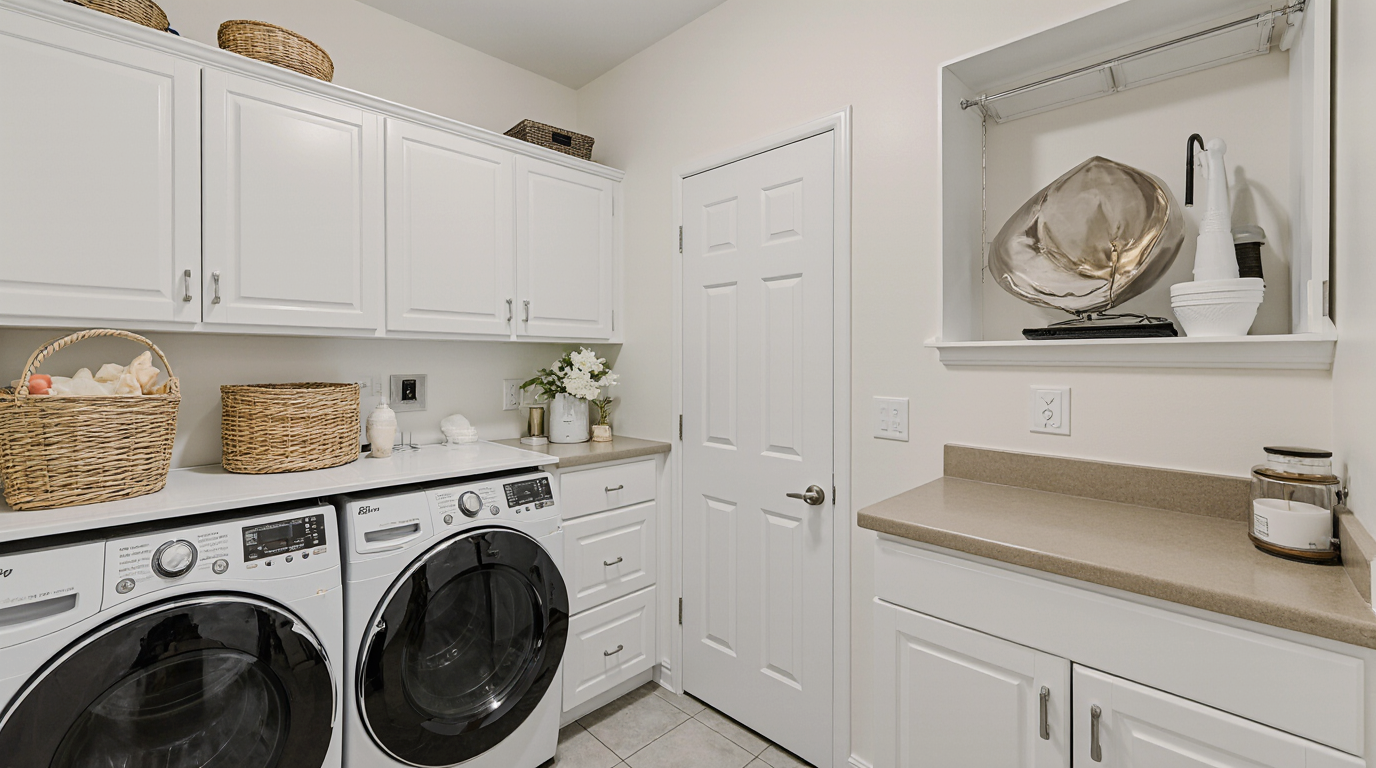
The new-age laundry room has radically evolved a small, overlooked space used only to soil and suds; it is now a crucial, central service area of the home, demanding both uncompromising functionality and aesthetic excellence. At the core of this transformation lies the countertop—the central operational plane for all tasks from pre-treating stains to the concluding, essential process of folding. Selecting the optimal surface and layout approach is paramount to creating a space that boosts productivity and offers a clear statement of intent.
When considering laundry room countertop ideas, one must immediately weigh durability against visual appeal, recognizing that this surface will face high humidity, harsh cleaning agents, and the repetitive motion of sorting and folding clothes. A premium engineered quartz surface stands out as a top contender in this demanding environment. Its non-porous nature is a significant advantage, offering superior resistance to stains from bleach or rogue detergent spills, unlike some natural stones that require regular, painstaking maintenance. The consistent, flat plane of a quartz slab provides an excellent foundation for pressing and folding, ensuring garments glide smoothly without catching on imperfections. For those seeking a high-end, low-maintenance finish that copies the rich style of marble or granite without the required care, engineered quartz delivers longevity and visual depth that establishes its place as a top-tier material. Moreover, its ability to fit perfectly with modern cabinetry makes it a cohesive element in any sophisticated aesthetic.
For a distinctly different, yet just as appealing design statement, the butcher block countertop offers an infusion of organic warmth and tactile richness. Wood counters, especially those made of hard maple or walnut, introduce a connection to nature, softening the typically utilitarian feel of a wash space. This choice is a great option in farmhouse or transitional designs where cabinetry leans towards shaker styles or soft, muted colors. However, the expert consideration here lies in the finish. To ensure this surface withstands the humidity and potential spills common in this space, a high-quality, water-resistant sealant is absolutely crucial. When properly treated, a butcher block countertop can be easily customized, often fitted precisely to fit around awkward structural elements or above front-loading appliances, providing a unique craftsmanship that resonates with fine woodworking. Its natural surface can make the chore of folding feel more pleasant and more like a natural extension of home maintenance.
Beyond the material itself, the layout of the countertop dramatically influences the room’s performance. A highly effective strategy, particularly in narrow or small layouts, is the over-the-machine counter installation. This involves spanning a continuous surface directly across the top of front-loading washers and dryers. This move immediately capitalizes of otherwise unused vertical real estate, transforming appliance tops into a ready-made folding station. Crucially, a professional designer will specify that this counter is wall-mounted or supported by cabinet sides, ensuring there is a small, deliberate space between the countertop and the appliance casing to absorb vibrations during high-speed spin cycles, preventing undesirable rattling or damage over time. This configuration maximizes the footprint.
For larger rooms or those serving as combined-use service spaces, incorporating a laundry room island offers significant utility. An island acts as a freestanding work surface, effectively doubling the usable area without interrupting the flow of the primary cabinetry run. It can serve as a dedicated sorting zone, a temporary staging area for freshly pressed items, or even a secondary crafting or wrapping surface. Utilizing a material like stainless steel for an island can add a modern, utilitarian edge while providing an incredibly durable, heat-resistant, and easy-to-sanitize centerpiece. This choice signals a high-level dedication to high-performance utility.
Another strategic approach involves leveraging full-wall counter runs. Installing a countertop that spans the entire length of one wall, regardless of appliance placement, ensures that there is always room for sorting the whites, colors, and delicates into separate piles, preventing the chaotic overflow onto floors or chairs. This continuous surface aids in creating a visual pathway that organizes the workflow. In areas where a permanent surface is impractical, such as above top-loading machines, the concept of a floating fold-down workstation presents an innovative solution. Employing robust, heavy-duty hinges, this retractable surface can be deployed when needed for folding and neatly tucked against the wall when not in use, reclaiming valuable floor space in compact apartments or utility closets.
Considering budget without sacrificing durability, a high-quality laminate remains a sensible, economical option. Modern laminates, featuring better finishing methods, can deliver a sleek, virtually seamless look that rivals more expensive materials at a fraction of the cost. While less resistant to deep scratching or intense heat than engineered stone, a well-chosen laminate in a matte finish can look remarkably sophisticated and offers excellent wipe-clean functionality. Its versatility in color and pattern also allows for creative expression, such as mimicking concrete or soapstone for a contemporary edge.
The true hallmark of expert laundry room design is ensuring the surface material suits the nature of the task at hand. For example, while solid surface materials (like acrylic blends) offer seamless, non-porous integration and are excellent for general sorting, they often cannot withstand direct contact with a hot iron, leading to potential scorching or melting—a detail a homeowner must prioritize understanding. On the other hand, if the room doubles as a pet-washing station, the countertop's edges must be thoughtfully designed, perhaps with a slight integrated drip edge or radius to contain water splatter, a design move that demonstrates proactive water management. To conclude, the countertop choice—be it the cool sophistication of quartz, the rustic charm of sealed butcher block, or the pragmatic versatility of modern laminate—sets the tone for the entire laundry experience, transforming a mundane necessity into a thoughtfully curated part of the home's functional architecture. The selection dictates not just how the room looks, but how efficiently and pleasantly the essential work of clothing care gets accomplished.