Kitchen Countertop Replacement Cost: Understanding Value and Quality
A major factor in any kitchen update is understanding the financial impact of swapping out existing countertops, as countertops serve not only as functional surfaces for cooking and meal preparation but also as defining elements of the overall kitchen style and ambiance. High-end countertop choices impact a kitchen’s functionality and style for years, emphasizing the need for a thorough evaluation of cost-driving elements. The variance in replacement costs is influenced by multiple factors, including chosen materials, professional labor, customization level, and installation intricacies.
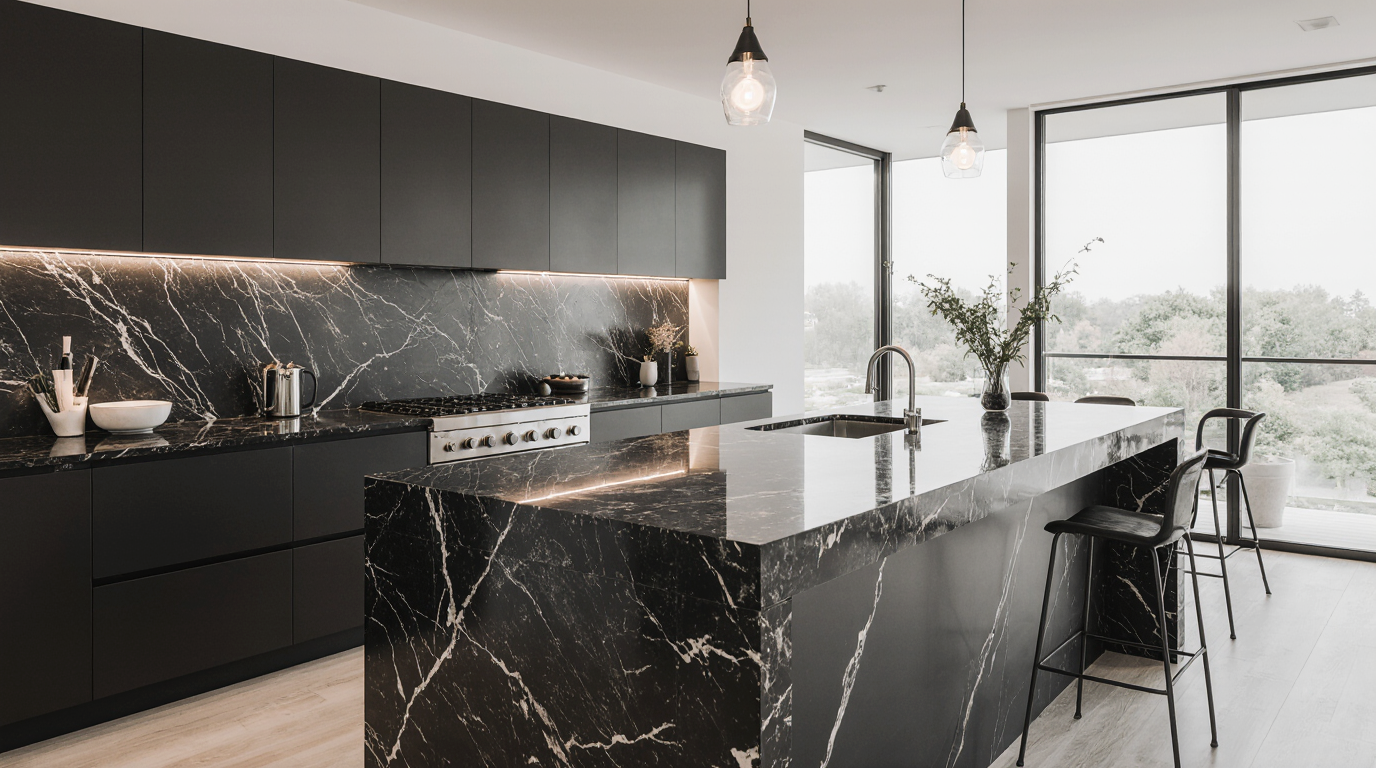
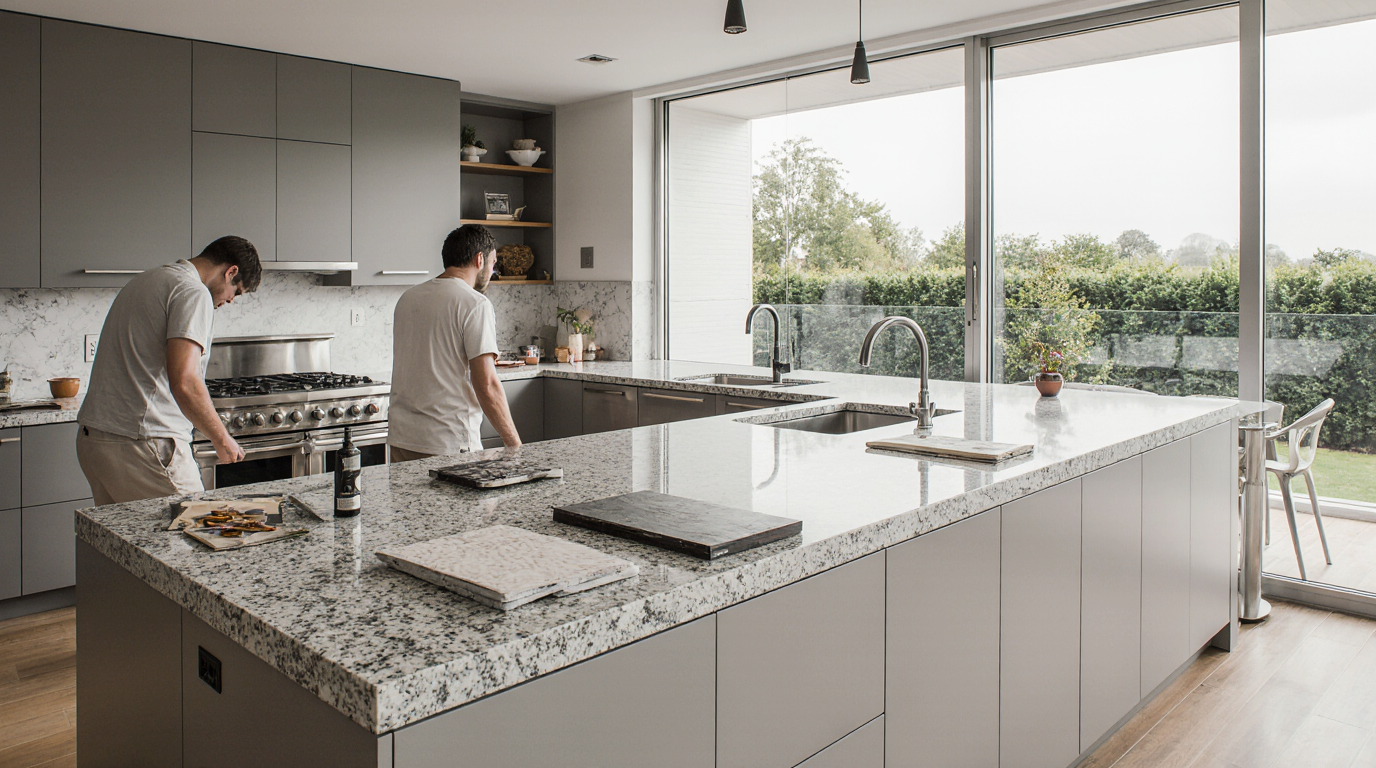
The type of material selected is arguably the most influential factor in total replacement expenses, as granite is renowned for its timeless beauty, resilience, and thermal stability, making it a go-to for homeowners. Granite pricing varies based on color, rarity, and thickness, with premium slabs commanding higher rates. Engineered quartz provides a blend of practical maintenance and visual uniformity, appealing to modern kitchen designs despite a premium cost. Natural marble offers elegance and sophistication but requires sealing and careful maintenance, potentially raising total costs. Solid surface countertops offer versatility and a polished appearance, though costs fluctuate based on brand reputation and customization level.
Labor and installation costs constitute another major component of countertop replacement expenses. Countertop installation requires meticulous attention to measurements and alignment, underscoring the value of skilled labor. Poor craftsmanship in fitting countertops can lead to structural and cosmetic issues, undermining long-term satisfaction. Professional craftsmen ensure precise edge finishing, seamless joins, and perfectly leveled surfaces, crucial for dense stone installations. The intricacy of layout, additional features, and integrated elements directly influence the labor portion of the budget.
Existing structural conditions can complicate countertop replacement, altering labor and material needs. Removing old countertops can expose plumbing issues, uneven surfaces, or structural reinforcements necessary before new installation. Older kitchens may require structural adjustments, cabinet upgrades, or design alterations to fit contemporary countertops, thus affecting costs. Material lifespan is key: inexpensive laminates reduce initial outlay but may necessitate sooner replacement, inflating lifetime costs.
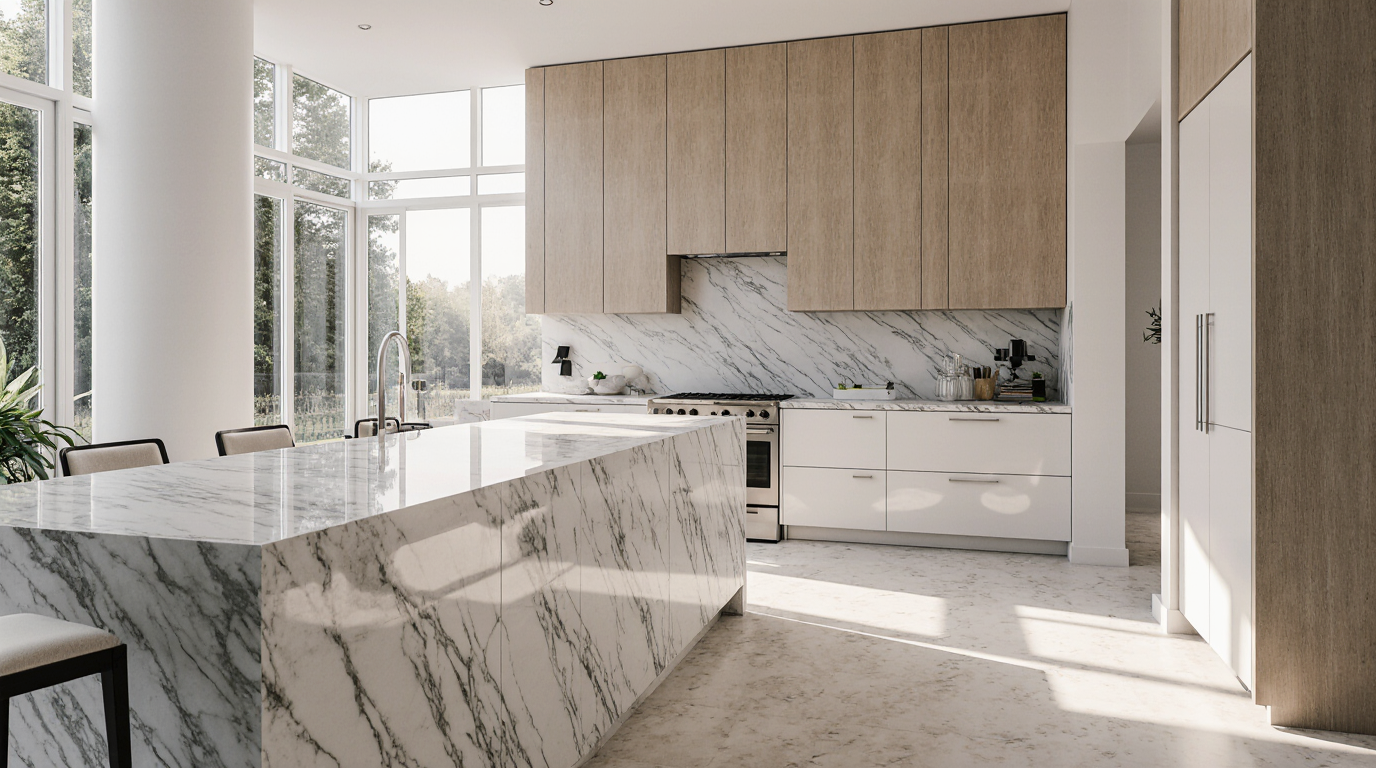
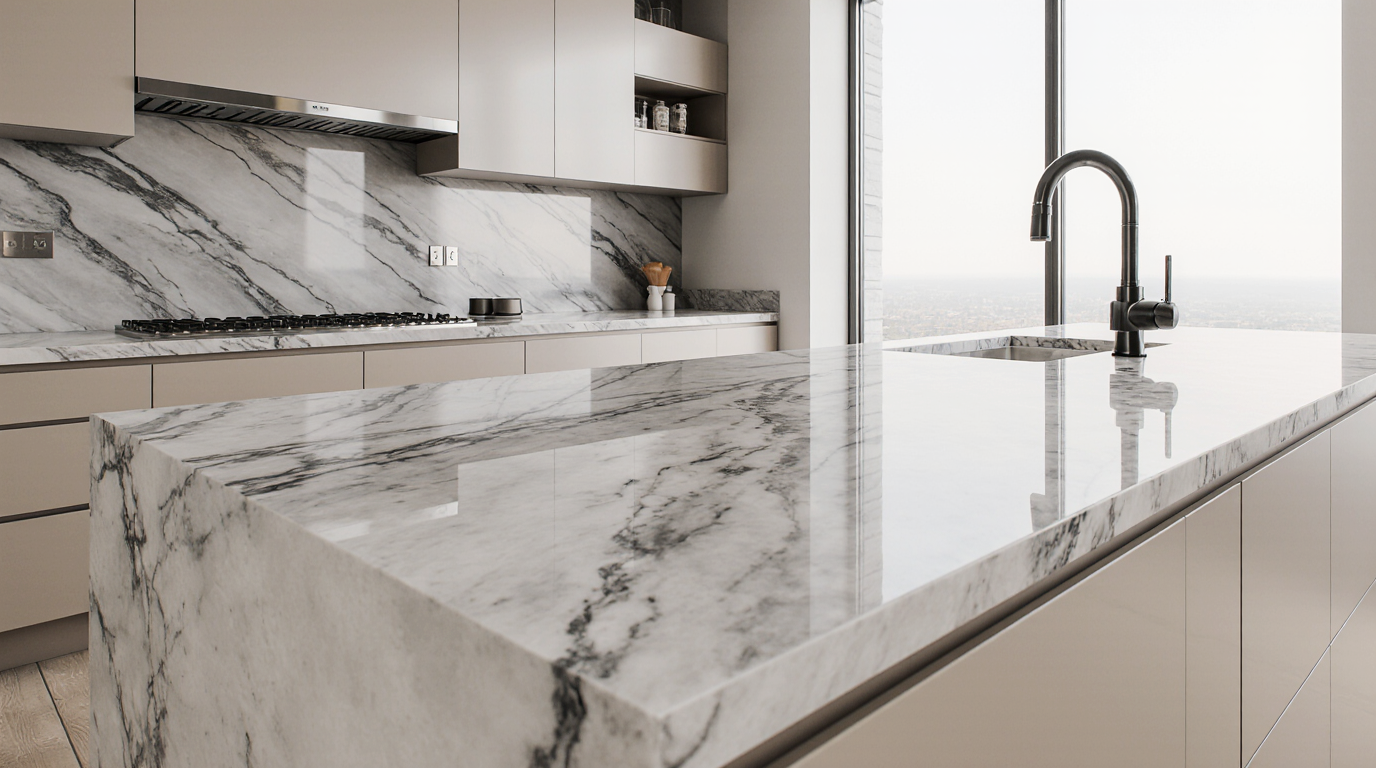
Sophisticated design choices, such as waterfalls, inlays, and unique edge profiles, contribute substantially to total countertop expenses. Complex features such as waterfall countertops or embedded designs necessitate precise cutting and skilled craftsmanship, naturally raising labor fees. Waterfall countertop installations demand high precision and protective handling, contributing to higher project costs. Custom inlay work or intricate patterning adds significant labor intensity, thus increasing cost. Balancing ambitious design with budget constraints is essential to achieve visual satisfaction while maintaining practical value.
Maintenance and durability subtly influence total countertop investment. High-quality quartz and granite surfaces offer low-maintenance durability, making them cost-effective over the long term. Marble surfaces, though luxurious, necessitate regular care to maintain appearance, adding subtle long-term costs. Evaluating material longevity helps avoid unexpected costs, ensuring the countertop remains both functional and beautiful over time. Matching countertop characteristics to practical lifestyle demands enhances both performance and visual enjoyment over years of use.
Geography and market fluctuations are important determinants in countertop project expenses. Urban centers often face elevated costs for labor and transport, while suburban or rural areas may offer more competitive rates but longer material lead times. Monitoring market trends and supplier deals can provide financial advantages, optimizing project expenditure. Professional kitchen designers can further improve cost efficiency through optimal layout and material selection guidance.
Hiring skilled professionals safeguards both investment and final kitchen aesthetics. Reputable installers manage project planning, material sourcing, and flawless execution, reducing risk of errors. Warranties offered by professionals mitigate risk and add confidence in the durability of the work. DIY attempts on heavy or complex surfaces are risky, often resulting in costly mistakes.
Assessing all elements, including material quality, installation, customization, upkeep, and regional pricing, ensures realistic budgeting for countertop replacement. Premium materials and expert installation create kitchens that combine elegance with durability. Homeowners can achieve optimal cost-to-value ratios by carefully selecting materials that align with both aesthetic and functional goals. Informed decision-making ensures that new countertops contribute meaningfully to kitchen aesthetics and functionality.
A well-informed, detailed approach allows for seamless countertop replacement, delivering a sophisticated, resilient, and functional kitchen space.