Ideal Kitchen Layout: Transforming Culinary Spaces Into Functional Masterpieces
Crafting an optimal kitchen environment combines elegance, operational efficiency, and thoughtful planning, aimed at transforming daily cooking into an effortless, pleasurable, and highly organized process. Every detail matters, from the placement of cabinets and countertops to the selection of appliances and lighting. The kitchen, when designed with care, evolves into a vibrant, multifunctional heart of the household, merging practicality with aesthetic charm, influencing every day-to-day activity. Experts in kitchen planning stress that mapping the kitchen’s operational flow is critical, so that all culinary and social activities coexist smoothly without aesthetic or functional compromise.
The foundation of an effective kitchen layout begins with the classic kitchen work triangle, placing key appliances in a triangular formation to reduce steps and streamline tasks. Adhering to this method allows for smooth, intuitive movements throughout the kitchen space. It’s crucial to account for spatial limitations and the number of daily kitchen users to maximize efficiency. In smaller kitchens, a compact U-shape or galley layout can optimize limited space, whereas spacious kitchens flourish with open layouts and multifunctional islands that encourage interaction. Mastering work triangle placement ensures maximum efficiency and transforms the kitchen into a fully integrated lifestyle space.
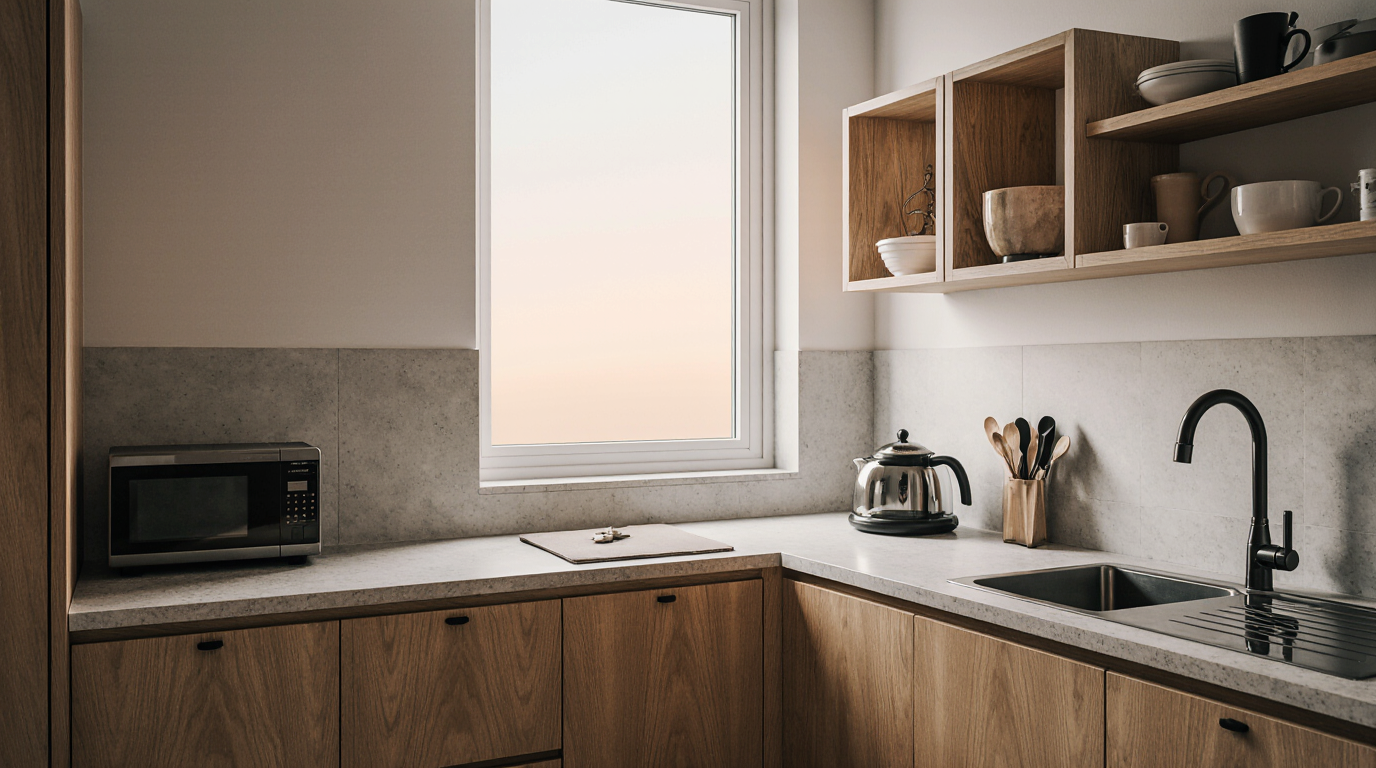
Smart storage integration defines a functional and clutter-free kitchen, blending cabinets, deep drawers, and open shelving optimizes usability and accessibility. Tall pantry units, pull-out shelves, and deep drawers for pots and pans increase efficiency and accessibility. Custom cabinetry allows homeowners to tailor storage solutions to their lifestyle, whether prioritizing appliances, dinnerware, or specialty items like wine racks or spice organizers. Strategic placement of storage near corresponding workstations, such as pots near the stove and dishware near the sink, enhances workflow, reduces clutter, and ensures that every item is conveniently within reach.
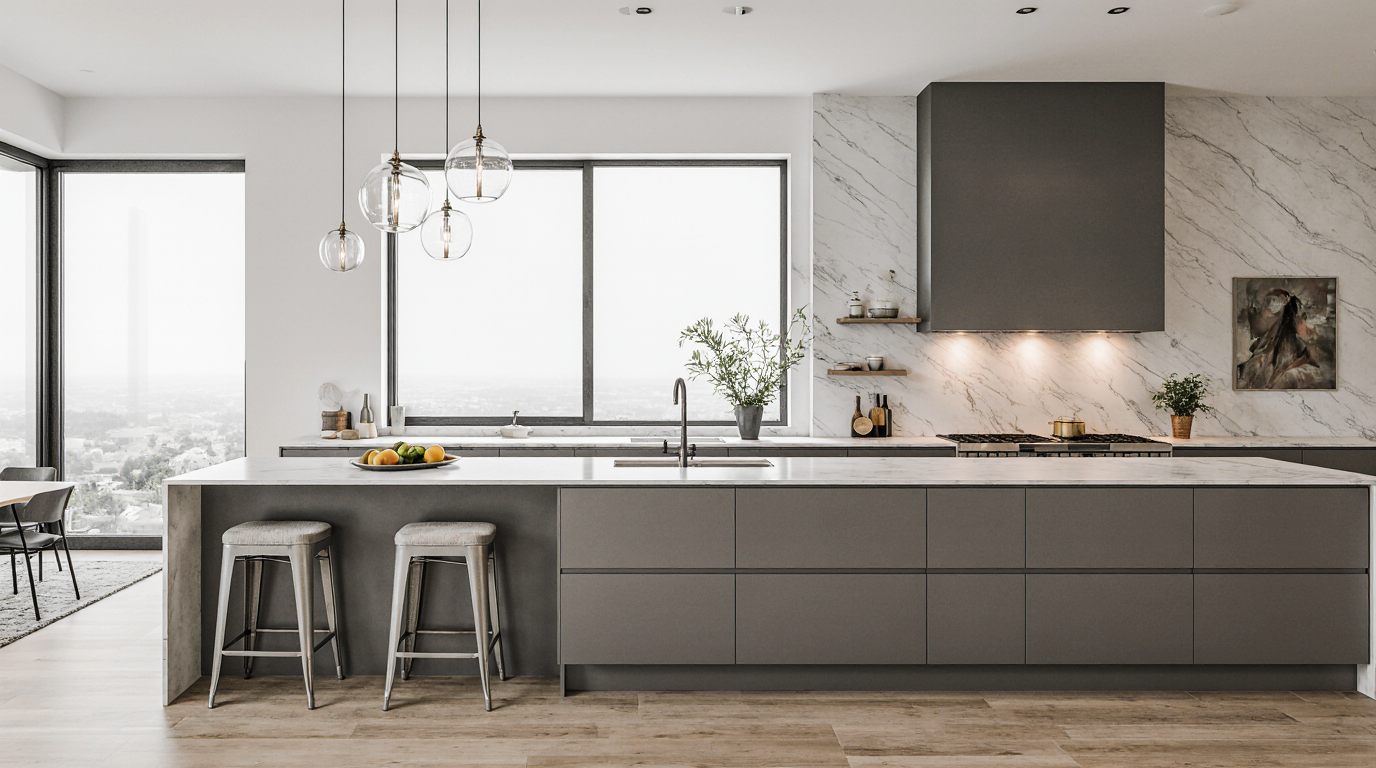
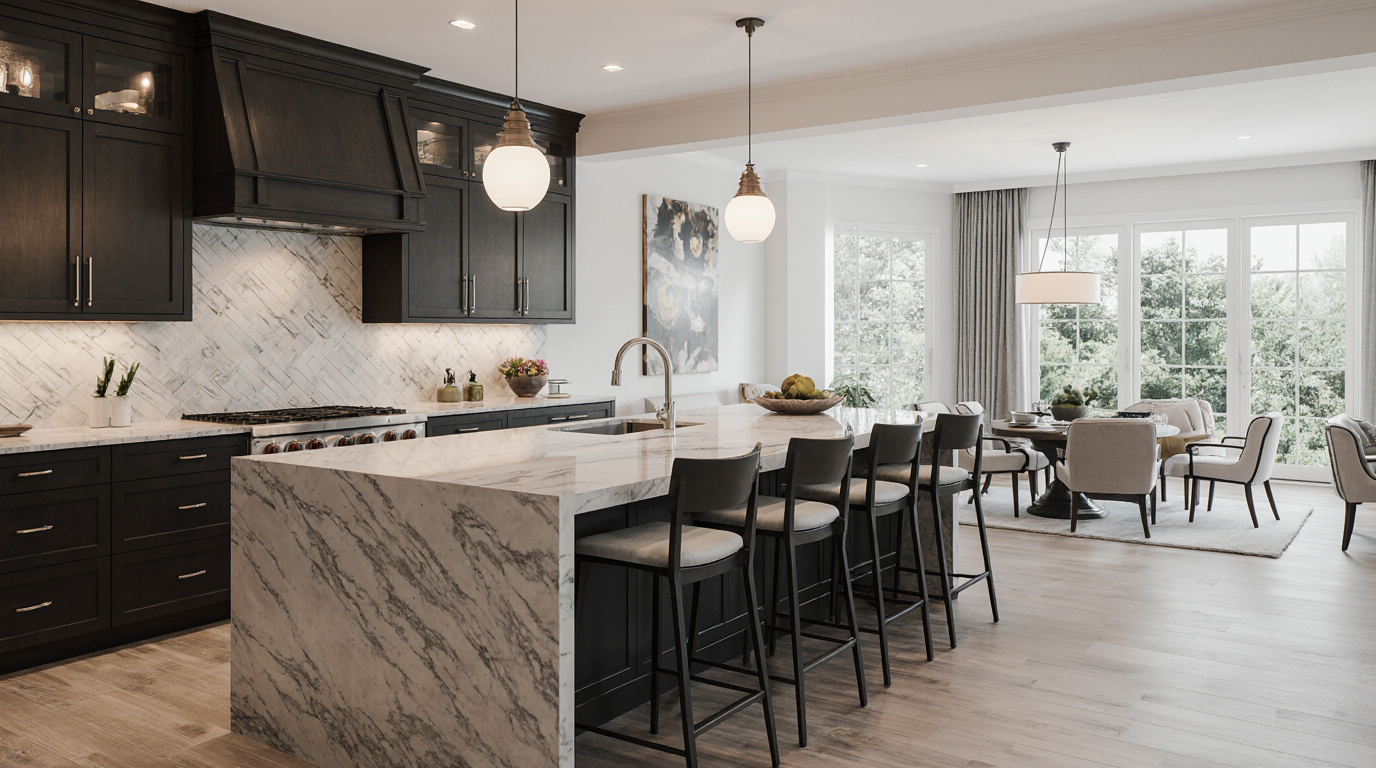
Ample and well-positioned countertops are essential for a functional kitchen. Sufficient and strategically positioned work surfaces accommodate meal preparation, baking, and even informal dining. Materials like quartz, granite, and marble are not only visually appealing but also durable and easy to maintain, making them popular choices among expert kitchen designers. Multifunctional islands and bar counters increase workspace, storage, and social interaction opportunities. Balancing functional surfaces with clear circulation areas produces kitchens that are efficient, comfortable, and welcoming.
Lighting plays an often-underestimated role in achieving the perfect kitchen design. Integrating varied lighting types improves task efficiency, highlights design features, and creates ambiance. Pendant lights over islands, under-cabinet task lighting, and strategically placed recessed fixtures create a bright, welcoming environment that caters to both cooking and social activities. Dimmable and flexible lighting systems adapt to different tasks and moods, creating a functional and visually appealing kitchen.
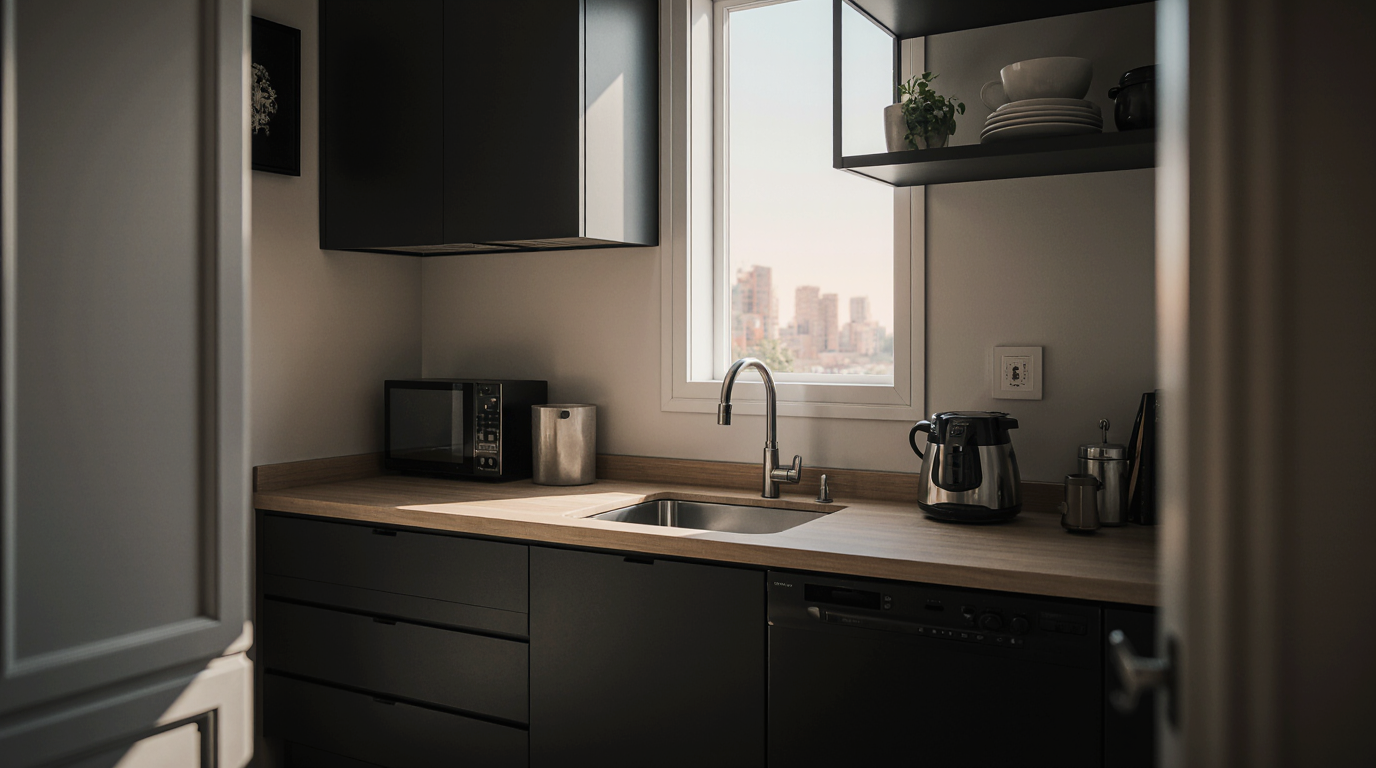
Where appliances are located heavily influences the kitchen’s operational smoothness. Modern kitchens often feature integrated or built-in appliances to maintain clean lines and cohesive design. Premium kitchen equipment combines performance with style, elevating both utility and design. Matching appliance dimensions and positions to workflow patterns maximizes ergonomic ease and operational efficiency. For example, positioning the dishwasher near the sink reduces the effort required for cleanup, while ovens and microwaves placed at ergonomic heights minimize strain during cooking.
Human-centered design is essential for a practical and comfortable kitchen. Designing for ergonomic efficiency involves tailoring surface heights, storage access, and walking space to user needs. Universal design strategies guarantee accessibility and functionality for all users, creating a more inclusive and versatile kitchen. Human-centered kitchens minimize strain and optimize task flow, turning cooking into an enjoyable activity.
Open-concept kitchens have become increasingly popular due to their ability to foster social interaction and create a sense of spaciousness. Open configurations allow natural sightlines, promoting interaction while cooking. Strategic placement of islands or peninsulas defines the kitchen space while providing additional storage and seating, balancing openness with functionality. Designers utilize subtle spatial markers to distinguish kitchen areas while preserving seamless integration with adjoining rooms.
Sustainability-driven choices are central to forward-thinking kitchen designs. Energy-efficient appliances, LED lighting, and eco-friendly materials not only reduce environmental impact but also contribute to cost savings over time. Water-saving faucets, recycled countertops, and responsibly sourced cabinetry demonstrate that practical design and environmental consciousness can coexist harmoniously. Designers integrate sustainability into aesthetics and performance, meeting consumer demand for environmentally conscious kitchens.
Incorporating technology ensures the kitchen is functional, modern, and convenient. Connected appliances, adaptive lighting, and high-performance ventilation improve user experience and workflow. Technology integration transforms kitchens into smart, adaptive spaces that simplify preparation, cleaning, and entertaining. Professional designers ensure tech adoption harmonizes with layout and long-term usability, making the kitchen adaptable to future needs.
Ultimately, the ideal kitchen layout is a reflection of both lifestyle and personality. It harmonizes workflow, storage, lighting, ergonomics, and technology, creating a space that is efficient, welcoming, and aesthetically captivating. Every decision, from countertop material to cabinet configuration, contributes to a cohesive environment where cooking becomes effortless and entertaining feels natural. By consulting with experienced kitchen design professionals, homeowners can transform a functional necessity into a luxurious, personalized culinary haven, ensuring that the kitchen remains the vibrant heart of the home for years to come.