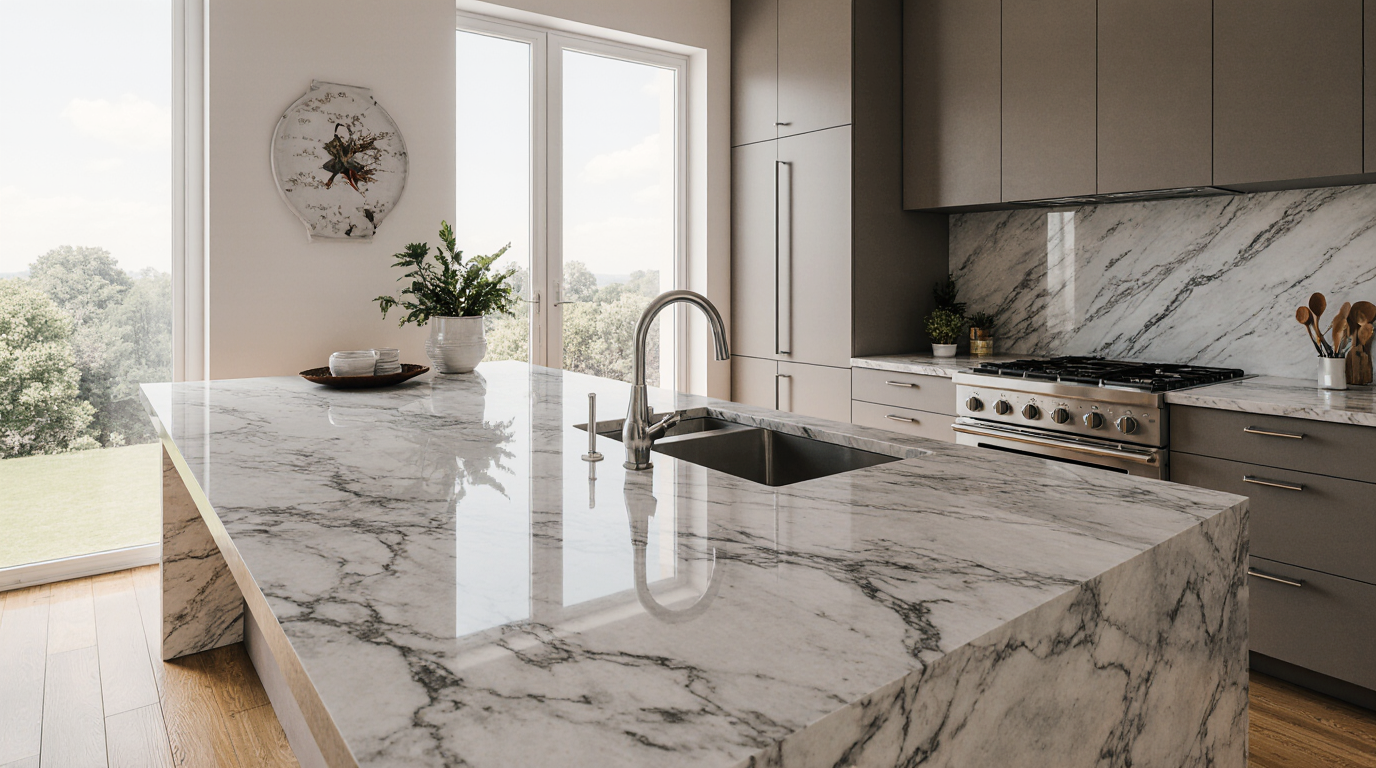
Quartz Stone Countertops
Countertops crafted from quartz stone are increasingly becoming the preferred option for homeowners seeking a combination of durability, elegance, and low maintenance for modern kitchen and bathroom…

Selecting the ideal kitchen counter surfaces stands out as a critical choice in any home renovation or new kitchen
Selecting the ideal kitchen counter surfaces stands out as a critical choice in any home renovation or new kitchen build, fundamentally impacting both the practical utility and the visual charm of the area. Given their central role in the culinary and social life of the home, these countertops are subjected to constant use, making them the primary zone for everything from preparing ingredients to casual family activities, underscoring why withstanding wear-and-tear and long-term resistance are absolutely crucial performance metrics.
Homeowners seeking a high-end look often gravitate towards natural stone options, such as granite and marble. Granite, renowned globally for its formidable natural hardness, striking and unpredictable veining patterns, and exceptional ability to resist both high temperatures and abrasive scratching, continues to be a highly favored option, representing a smart long-term investment that significantly boosts a home's overall market appeal. While marble presents an air of unmatched, classic luxury with its smooth, luminous surface, industry professionals advise that its porous quality necessitates attentive upkeep, as it is inherently vulnerable to acidic etching and deep stains, requiring consistent and periodic sealing to safeguard its magnificent aesthetic.
If your goal is to achieve the highest level of practicality and functionality without the burden of demanding care routines, then engineered quartz countertops represent the most significant contemporary trend, offering outstanding performance characteristics. Composed primarily of natural quartz crystals bound with resin, this material offers superior non-porosity, effectively resisting stains and eliminating the need for sealing. Quartz is remarkably robust and comes in an astounding array of colors and patterns, including convincing imitations of natural marble and granite, providing design flexibility that is unmatched.
Furthermore, an alternative, very modern, and highly functional choice is the solid surface countertop, a material celebrated for its ability to be fused together virtually seamlessly, which readily accommodates continuous, integrated sinks and truly imperceptible joints, culminating in a smooth, single-piece look that perfectly complements minimalist and contemporary designs. Finally, don't overlook the warm, organic beauty of butcher block countertops; these wooden surfaces provide a classic, inviting feel but require routine oiling to maintain their water resistance and rich character. The final decision rests on an honest appraisal of your personal cooking style, your allotted expenditure, and the overall decorative theme you wish to achieve, all of which will collaboratively point you toward the most appropriate countertop material that seamlessly marries design elegance with functional efficiency, thus bringing your ideal kitchen project to fruition.
Countertops for Sale Pinellas FLFinding the perfect countertop is a pivotal step in any kitchen or bathroom renovation. It’s a decision that harmonizes beauty, utility, and your spending limit, influencing the entire look and feel of your space. If you’re seeking the upscale look of marble, the robust durability of granite, or the contemporary versatility of quartz, the sheer volume of options for sale can be a bit much. Understanding the pros and cons of each material is essential to making a purchase that you will be happy with for many years.
As you look through the countertops on the market, it's wise to consider not only the material type but also the specific slab or design. Natural stone, such as granite and marble, is truly unique; no two slabs are exactly alike, offering an inherent exclusivity to your design. However, quartz and other man-made options, while offering a uniform look and greater resistance to staining, provide a wider range of consistent colors and patterns. Be sure to visit displays or examine large material pieces to appreciate the true color variations and veining before committing to a final sale.
The purchasing process should also factor in fabrication and installation. A lot of countertop purchases are material-only, with cutting, edging, and installation being separate costs. Demand a detailed, all-inclusive quote that outlines the entire process, from templating your cabinets to the final sealing (if required for your chosen material). This transparency is crucial for managing your total project budget and timeline effectively. You can expect a quality supplier to deliver exact dimensions and skilled fitting, guaranteeing a perfect fit and finish.
Also, consider the value of seeking out a local retailer who can offer personalized advice and support. A local "for sale" option often means better communication, faster response times, and the ability to inspect the actual slabs in person. Prioritize vendors who have strong reviews and a track record of quality craftsmanship. Taking the time to locate the correct material and professional will ensure your countertop purchase transforms your kitchen into the functional, beautiful space you envision.
Design Countertops Pinellas FLDesigning a great countertop is about more than mere color selection; it involves a sophisticated interplay of material, edge profile, thickness, and overall kitchen design. The countertop is the functional centerpiece of the kitchen, and its design must seamlessly integrate with the cabinetry, backsplash, and flooring to create a cohesive and appealing environment. A well-designed countertop enhances workflow and significantly elevates the room’s aesthetic value.
A critical design component is the edge profile, which can dramatically affect the appearance. For a modern, minimalist feel, a simple eased or straight edge is often chosen. Conversely, a more traditional or classic kitchen might benefit from an elegant bevel, ogee, or bullnose edge, adding a layer of detail and softness. Think about the practical use of the edge too; rounded edges are generally safer and easier to clean, while sharp edges can accumulate dirt more easily but give a clean appearance.
Selecting the material is another fundamental part of the design process. The pattern and color you select should complement the existing color palette of your kitchen. If your cabinets are dark, for example, a lighter countertop will make a sharp contrast and lighten the space. When your kitchen has an eye-catching backsplash, a more subdued, solid-colored countertop material might be the better design choice to allow the backsplash to remain the focal point.
Beyond just looks, good countertop design involves careful planning of the arrangement. This means carefully considering the placement of seams, if necessary, and ensuring adequate overhang for comfortable seating at islands or peninsulas. Working with an experienced designer or fabricator will help you navigate these technical design aspects, ensuring structural integrity and a high-end, bespoke finish. A successful countertop design strikes a perfect balance between stunning visual appeal and robust, daily usability.
Countertop Replacement Cost Pinellas FLGrasping the complete cost of replacing your countertops is crucial for a smart home improvement budget. The price of replacing old countertops is not a single, fixed figure, but rather a result of multiple factors, the most significant being the choice of material. Budget-friendly materials like laminate represent the bottom of the cost range, while high-end natural stones such as exotic granite or premium marble will command substantially higher prices.
In addition to the material cost, several other factors contribute significantly to the total replacement cost. Fabrication and installation are major components, often calculated based on the nature of the project. Projects involving many cuts, atypical shapes, or oversized islands will demand more work and consequently increase the price. Additionally, factors like the edge finish (detailed profiles incur higher fees), the number of sink cutouts, and specialized finishing treatments can influence the overall quote.
The costs associated with tearing out and hauling away your existing counters are also essential to include in your financial planning. While some installation companies include this service in their quote, others charge it as a separate fee. Furthermore, unexpected expenses, such as the need for minor cabinet modifications to accommodate a different countertop thickness or the cost of temporary plumbing disconnections, should be anticipated to avoid budgetary surprises.
To get the most accurate estimate for your specific project, you should gather quotes from at least three different, reputable fabricators. Before deciding, confirm all proposals are for the exact same details—including the exact material, square footage, edge profile, and installation services. A detailed, all-inclusive quote is the best way to accurately predict the full countertop replacement cost and begin the work with certainty.
Black Countertop Kitchen Design Pinellas FLBlack countertops are a classic and powerful design choice that can instantly infuse a kitchen with a sense of drama, sophistication, and modernity. They offer a striking contrast that grounds a room and offers an excellent base for lighter cabinetry or metallic fixtures. The appeal of a black countertop lies in its versatility; it works equally well in ultra-modern, industrial, and even more traditional kitchen designs.
One of the most compelling aspects of black countertops is how they interact with other design elements. When paired with white or light-grey cabinets, they create the timeless, high-contrast monochrome look that is perpetually stylish. For a softer, deeper vibe, a black countertop with wood cabinetry—especially those with warm undertones—offers a luxurious, natural aesthetic. Using black as the dominant color on your surfaces makes metallic accents, such as brass pulls or stainless steel appliances, become a focal point.
Material texture is critical when designing with black surfaces. A polished black granite or quartz countertop will reflect light, adding a layer of depth and shimmer. In contrast, a honed or matte black finish provides a less shiny, satin feel that can minimize reflections and fingerprints, offering a sophisticated, contemporary industrial look. The subtle texture of the material can significantly impact the final mood of the kitchen.
To prevent a kitchen with black countertops from feeling too heavy or dark, incorporate ample lighting. Under-cabinet lighting is essential to illuminate the work surface, and stylish pendant lights can add visual interest above an island. Furthermore, a light-colored or reflective backsplash can balance the weight of the dark counters and add necessary brightness. Careful material and illumination choices will guarantee your black counter design is a beautiful centerpiece, not a dim space.
Cost of Changing Kitchen Countertops Pinellas FLSwapping out kitchen countertops is a major upgrade you can make to your home, drastically improving both the functionality and resale value of the space. The financial investment, however, is more than a single figure, encompassing more than just the cost of the new slab. It’s crucial to determine the true cost of changing your countertops by considering the entire scope of the project, from demolition to the ultimate installation.
The primary source of the total cost is, invariably, the choice of material. Popular options like mid-range granite and engineered quartz generally offer a good balance of durability and aesthetic appeal at a reasonable cost per square foot. More budget-conscious options include quality laminate, while premium materials such as exotic quartzite, specialty concrete, or recycled glass will sit at the higher end of the price range. The cost difference between materials can easily shift the total project budget by a substantial amount.
Labor is a significant, yet often underestimated, expense in the cost of changing countertops. This includes the professional labor required for templating (making a precise measurement of your cabinets), cutting the material, fabricating the desired edge, and the last, rigorous installation. If your kitchen requires adjustments to accommodate the new counters—such as leveling old cabinets or minor wall repair—these additional labor hours will add to your final invoice.
Lastly, don't forget the peripheral costs associated with the change. This may include a new sink and faucet if the existing ones are not compatible with the new counter material or cutout. There is also the cost of removing and properly disposing of your old material, which requires specialized handling. By gathering detailed quotes that itemize the material, fabrication, and installation, you can accurately budget for the cost of changing your kitchen countertops and ensure a seamless renovation process.
Quartzite Outdoor Countertops Pinellas FLQuartzite has become a highly desirable material for outdoor kitchen countertops, bridging the gap between exceptional durability and the stunning aesthetic of natural stone. As an outdoor material, it must endure environmental challenges such as fluctuating temperatures, direct sunlight, and moisture, all while maintaining its beauty and structural integrity. High-quality quartzite, a metamorphic rock, offers a excellent solution by providing a surface that is both resilient and visually captivating, often featuring complex veining that rivals the look of marble but with superior hardiness.
One of the most significant advantages of choosing quartzite for an outdoor space is its remarkable UV resistance. Unlike some engineered quartz products, which can fade or yellow when exposed to prolonged, direct sunlight, natural quartzite remains color-stable, preserving its original beauty for years. This makes it a sound, long-term investment for patios and open-air cooking areas where the countertop is a focal point. Additionally, its high ranking on the Mohs hardness scale (typically 7 out of 10) means it is resistant to scratching, a common concern in high-traffic outdoor food prep zones.
However, selecting quartzite for the outdoors is not without its considerations, primarily regarding maintenance. While naturally hard, quartzite is porous and must be properly sealed upon installation and on a regular, often annual, basis. This sealing process is critical to preventing stains from spills like wine, oil, or acidic barbecue sauces, which can otherwise penetrate the stone. Neglecting this maintenance step can lead to permanent discoloration and compromise the stone’s hygiene, especially in food preparation areas.
Another factor is the cost and installation complexity. Quartzite is often priced similarly to high-end granite or marble, and its extreme density and weight make it difficult to fabricate and install. This is not a material for a DIY enthusiast; professional installation by skilled craftsmen with specialized tools is highly recommended to ensure proper fit, alignment, and long-term durability. When planning your outdoor area, budgeting for this specialized installation is just as important as the cost of the slab to guarantee a flawless finish that can withstand the elements.
Types of Kitchen Countertops by PriceIn the process of updating a culinary space, the cost of countertops is often a crucial element influencing the selection process, with options spanning an immense range from cost-effective solutions to exclusive, high-end choices. Grasping the various price categories allows homeowners to find the perfect equilibrium between cost, visual appeal, and durability demands. At the most budget-friendly end of the scale are materials like laminate and ceramic tile, which offer great versatility in color and pattern, with laminate being exceptionally simple and fast to fit for a minimal upfront expenditure.
Considering the moderately priced category, homeowners come across materials like solid surface composites and the trending option of solid wood butcher block. Solid surfaces, like Corian, are non-porous and seamless, ensuring optimal sanitation and simple fixes for damage, while butcher block offers a cozy, genuine appearance. Both options represent a good balance of cost and performance, though they necessitate varying levels of care—solid surfaces being lower maintenance and wood requiring regular oiling to prevent drying and cracking.
The upper-tier range is mainly comprised by materials such as granite and quartz, alongside other natural rock selections. Engineered quartz, made from natural quartz particles mixed with resins, is a preferred choice due to its strength, visual homogeneity, and impermeable finish, making it robustly protected against discoloration and effortlessly kept clean without the need for sealants. Granite, a classic rock option, is heat-resistant and offers unique, one-of-a-kind patterns, though it necessitates regular application of a protective sealant. These premium materials justify a greater expenditure because of their material sourcing, intricate production process, and extended lifespan.
In the ultra-premium cost bracket, you find exotic natural stones like high-grade marble or unique quartzite slabs, as well as custom-fabricated alternatives like polished stainless steel or specialized concrete blends. These materials are chosen when aesthetics and unique design are the highest priorities. For example, marble provides an unmatched luxurious elegance but calls for meticulous care to guard against marking and staining, validating its expense based on its visual appeal rather than its intrinsic toughness. A smart strategy frequently employed is to reserve an expensive material for an island or main feature, while selecting a less costly material for the surrounding worktops.
Black Kitchen WorktopsBlack kitchen worktops are a timeless design element that injects a sense of drama, sophistication, and modernity into any culinary space. The impact of a dark countertop comes from its capacity to ground a space, creating a sharp, arresting differentiation from light-colored cabinets and adjacent walls, or achieving a seamless, uniform appearance when matched with darker materials. This dark hue proves to be extremely flexible, fitting seamlessly into diverse decorative approaches, easily integrating with anything from Scandi-chic minimalism to highly dramatic conventional aesthetics.
A frequently chosen material for black counters is engineered quartz, which offers a dark, unwavering color and flexibility in finishes, from matte to high-gloss. A non-reflective black quartz option delivers a stylish, up-to-the-minute feel with reduced glare, while a highly reflective surface enhances brightness and provides a sense of visual depth. For those who prefer natural materials, black granite and black soapstone are ideal selections. Black granite frequently contains tiny, shimmering inclusions or colored dots, providing an original pattern, and soapstone offers a smooth, inviting texture that acquires a unique, aged sheen with use.
Selecting a dark countertop can serve as an intelligent visual tactic for limited-space cooking zones. When set against brilliant white or pale-hued cupboards, the black surface can act as a defining line that sharpens the room's geometry, making the overall space feel more intentional and less cluttered. Furthermore, the dark color is highly effective at concealing minor messes and splatters, a useful benefit in a high-activity cooking space.
However, selecting the right finish for a black worktop is important. While visually stunning, high-gloss black surfaces can be prone to showing fingerprints, dust, and minor surface scratches more prominently than lighter colors or matte finishes. Homeowners should reflect on their habits and capacity for regular cleaning when deciding on the surface. Opting for a honed or matte finish, or a granite with complex patterns, can help mitigate the visibility of daily wear while still retaining the profound elegance that only a black countertop can deliver.
Kitchen Island Butcher Block Countertop Pinellas FLA solid wood counter on a kitchen island is a classic choice that introduces an inviting feel, organic texture, and a functional work surface to the main kitchen space. Made from thick wooden planks glued together, this surface type highlights the natural wood patterns and is in high demand for its organic feel and traditional charm. This material is exceptionally practical that provides the key benefit of being an real surface for cutting, allowing for direct food preparation.
Butcher block’s attractive qualities extends beyond its appearance to its unique performance characteristics. Wood is naturally porous, but when well-maintained with a food-grade oil, it is sealed against liquids and takes on a slightly yielding touch that is easy on knives. Furthermore, in contrast to stone or quartz, wood is easily repairable. Minor scratches, nicks, or even burn marks can often be sanded out and the area re-oiled, ensuring the counter appears new for decades.
Caring for a butcher block counter is a crucial commitment for its longevity. It requires routine oiling—typically monthly or as often as the surface feels brittle—to keep it sealed and prevent it from cracking, warping, or absorbing excessive moisture. A mild soap and water solution is used for cleaning, followed by a complete wipe-down to dry, and occasionally a sanitizing spray of a diluted vinegar and water solution is recommended. Neglecting the oiling process is the most common pitfall for owners of wood countertops.
From a design perspective, a butcher block island worktop is very flexible. It looks fantastic in farmhouse and rustic kitchens, but it can also provide a stunning organic contrast in sleek, modern spaces that feature contemporary finishes. Its ability to serve both as an aesthetically pleasing focal point and a heavy-duty food prep station makes it an perfect surface for this spot, transforming it into a true multi-functional piece of furniture.
Kitchen Island Worktop Pinellas FLThe counter on the kitchen island acts as one of the most visible and heavily used surfaces in a modern kitchen, often acting as a hub for activity, a food preparation space, and a dining surface. For this reason, the material used for the island is a critical decision that affects how the kitchen works, aesthetic, and budget. In contrast to the main counters, the island often is suited for a surface that can handle frequent use and serve as a statement piece of design.
Designers frequently leverage the island as an opportunity to introduce contrast or a luxurious focal point. It is common to see a shift from the perimeter material, perhaps using a solid, light-toned quartz for the main counters and then choosing a dramatically veined marble or a warm, thick butcher block for the island. Using different materials not only brings depth and visual appeal to the kitchen but also allows the homeowner to select a surface with specific performance characteristics suited for the island's primary function, such as a highly durable material for a baking zone.
Popular choices for island worktops include engineered quartz for its low maintenance and uniform appearance, and granite or marble for their unique, natural beauty. Quartz is highly resistant to stains and scratches, making it perfect for high-traffic areas where homework, cooking, and dining all occur. Natural stone, while requiring more careful maintenance, like sealing, provides a genuine beauty that is hard to replicate and often becomes the true highlight of the entire kitchen design.
In the end, the right island surface is one that aligns perfectly with the homeowner’s lifestyle and the island’s primary purpose. If the island is mostly used for quick meals, a durable, non-porous surface is ideal. If it's intended to be a chef's primary prep station, a material that can handle high temperatures and knocks, like granite or a properly maintained wood, might be preferred. Investing in a high-quality island worktop is investing in the heart of the home, ensuring it is both attractive and durable for everyday use.
Marble Island Countertop Pinellas FLA marble island counter is the ultimate expression of lasting sophistication, instantly elevating a kitchen's aesthetic from functional to luxurious. Opting for marble isn't just picking a stone; it is an investment in natural beauty, known for its unparalleled patterns and a smooth, cold-to-the-touch feel. While quartz and granite provide hard-wearing options, marble, especially traditional types like Carrara or Calacatta, delivers incomparable elegance and a light-reflecting quality that can make any kitchen space feel larger and brighter. It acts as a gorgeous anchor point, grounding the room's design and inviting social gathering.
However, incorporating a marble island requires a thoughtful approach due to the material's inherent characteristics. Marble is a porous stone, which leaves it vulnerable to etching from acids such as wine and citrus juices and prone to staining by oils or brightly colored spices. A commitment to routine preventative care is necessary for the homeowner, including professional-grade sealing upon installation and re-application every couple of months. This care regimen is crucial for preserving the stone's integrity and beautiful finish over its lifespan.
More than just upkeep, the selection procedure is a memorable process. Each slab of marble is entirely unique, requiring the homeowner to personally approve and choose the exact piece of stone for their home. The pattern of the veining, the whiteness of the background, and the minute color variations will differ, playing a direct role in the kitchen’s ultimate aesthetic. Achieving a flawless surface on a massive island means seeking a wide enough stone to minimize conspicuous seams, a factor that can sometimes limit material choice and impact budget.
In the end, part of a marble island's charm is the lovely patina that forms with use. Unlike materials intended to look pristine indefinitely, marble tells a story; minor imperfections and the subtle dulling from use are embraced by many as a sign of a well-loved and lived-in kitchen. With adequate sealing and proper care, a marble island becomes a lasting fixture that adds significant resale value and unparalleled classic charm to any modern or traditional home design.
Kitchen Counter Top Designs Pinellas FLA thoughtfully designed counter surface helps determine the total feel and practicality of a cooking space, acting as both the main functional area and a prominent aesthetic component. Modern trends lean towards surfaces that balance style with utility, moving beyond basic surfaces to incorporate materials that offer durability, visual texture, and ease of maintenance. Engineered quartz and strong granites continue to be dominant choices, delivering predictable patterns and colors which makes the design phase easier, contrasting with the more unpredictable nature of natural stones like marble.
Selecting the edge detail is a crucial design consideration. The sleek lines of a crisp square or gentle eased edge are common in modern, pared-down kitchens, highlighting the slab's depth and resulting in a smooth, continuous look. On the other hand, more decorative options such as the bullnose or ogee are well-suited for transitional or classic rooms, making the surface look less harsh and incorporating a classical element. Professionals generally advise picking an edge profile that matches the kitchen's cabinets for a harmonious finish.
In terms of layout, modern kitchens frequently utilize different countertop materials for different zones. For example, a massive island may showcase a dramatic, bold material to function as a spectacular centerpiece, while the surrounding perimeter countertops may use a more durable and heat-resistant surface. for instance, a darker quartz composite or soapstone. This deliberate blending of surfaces lets the owner focus on both aesthetics and practical requirements, for instance, a heat-safe zone near the cooktop or a dedicated spot for baking.
The thickness of the countertop slab is another critical design choice. While the standard is typically 3cm, some cutting-edge designs utilize ultra-thin, 1cm surfaces for a sleek, refined look, or impressively deep, layered edges of 4-6cm to make a bold, structural impact. Making these visual calls, coupled with picking the perfect complementary backsplash, is what finally turns an ordinary counter into a personalized, high-quality design element.
Black Countertop Kitchen Design Pinellas FLDark counters are a definitive choice in kitchen design, at once bringing in an element of sophistication, impact, and powerful visual contrast. Whether opting for the deep, reflective sheen of polished black granite, the consistent matte finish of black quartz, or the velvety texture of honed black soapstone, this color instantly anchors the kitchen space. It pairs beautifully with a variety of color palettes, making it a flexible base for both stark, contemporary looks and rich, traditional aesthetics.
One of the most effective ways to use a black countertop is its use in a dual-shade kitchen scheme. Against white or light-colored cabinetry, black creates a dramatic, formal opposition that is naturally chic and up-to-the-minute. Conversely, when paired with deep-hued wooden cupboards, a black countertop can achieve a moody, luxurious feel, often enhanced by metallic accents like brass or copper hardware that contrast sharply with the deep surface. The key to successful black design is balancing the darkness to avoid a space that feels too heavy or cave-like.
From a functional perspective, black surfaces, particularly highly polished ones, are known to show dust, crumbs, and smudges easier than lighter or heavily patterned counterparts. This is a common consideration that homeowners have to balance with the undeniable elegance of the look. Materials like black quartz with fine grains or a matte, honed finish can be less demanding, as they diffuse light and reduce how apparent of minor surface imperfections, offering a more user-friendly everyday experience.
Moreover, a black countertop provides a neutral stage for drawing attention to other features of the kitchen. It allows colorful appliances, eye-catching tiled walls, or unique light fixtures to truly take center stage. By acting as a quiet, powerful canvas, the black surface ensures that the focus is drawn to the kitchen's distinctive elements. This sophisticated depth makes black a perpetually relevant choice for any design seeking a strong, statement-making presence.
Counter Top Replacement Pinellas FLReplacing the counter is one of the most transformative home renovations, capable of dramatically updating the entire aesthetic and ambiance of a kitchen without the expense of a full remodel. The process often begins not because the existing countertop is damaged, but because its style is dated or a homeowner desires a major improvement in quality to improve functionality and aesthetics. Moving from an old laminate or tile surface to a premium material like quartz, granite, or wood immediately updates the space, providing a smooth, uninterrupted, and high-quality finish.
The logistics of replacing a countertop require careful planning to ensure a smooth transition. Accurate measurements are paramount, especially if the new material is of a new size or shape than the old one, as this can affect how devices sit and cabinet clearance. Furthermore, the removal of the old counter must be coordinated carefully, particularly if it involves an undermount sink, which will require temporary disconnection of plumbing and potential resurfacing of the cabinet edges beneath the old material.
Selecting the new material involves a trade-off between cost, needed toughness, and aesthetic goal. For busy cooking spaces, highly resistant materials like quartz are great selections, offering sealed tops that resist staining and do not require periodic treatments. Those prioritizing a unique, organic aesthetic may gravitate towards granite or marble, accepting the minor upkeep needs for the unique beauty of the natural stone.
Finally, a replacement project presents an perfect chance to integrate new features, such as a deeper, modern sink basin, a new faucet, or well-positioned openings for built-in accessories like compost bins or pop-up outlets. These enhancements, combined with the fresh surface, not only deliver a beautiful aesthetic change but also greatly boost the ergonomics and efficiency of the daily cooking and prep experience, maximizing the overall return on investment for the home.
Countertops for Sale Pinellas FLWhen searching for "countertops for sale," consumers are presented with a vast and sometimes confusing array of choices, spanning materials, colors, and price points. The marketplace is dynamic, featuring everything from affordable materials like ready-to-install butcher block and laminate to premium selections such as custom-cut slabs of exotic quartzite and high-end advanced composites. Knowing the advantages and disadvantages of every material type is crucial for making an informed purchasing decision that aligns with both lifestyle and financial parameters.
For buyers focused on value and quick installation, prefabricated countertops are an excellent option. These are typically pre-cut in standard sizes and dimensions, often available in common granite or quartz designs, and can offer significant savings compared to custom-fabricated slabs. Even though they might have more noticeable seams, especially in complex layouts, their readiness and reduced cost make them ideal for fast improvements, rental properties, or cost-aware remodels.
In contrast, the most visually stunning and highest quality choices require a trip to a stone yard to choose a full slab. This allows the buyer to view the whole slab, approve the exact pattern of veins, and work with a fabricator to determine how the pattern will be oriented and cut for their specific kitchen layout. Although this route requires a higher investment in both time and money, it ensures a one-of-a-kind finish and can often be a decisive factor in a high-end kitchen's final aesthetic.
The best way to buy a countertop is to begin by collecting samples. Taking home material samples allows a buyer to test them under their kitchen's specific lighting conditions and see how they look alongside existing flooring and cabinet colors. Reputable dealers will also provide transparent pricing that clearly separates the cost of the raw material from the installation and fabrication fees, empowering the customer to make accurate quote comparisons and secure the best blend of quality, service, and price.
Kitchen Countertops for Sale Pinellas FLWhen embarking on a kitchen renovation or new build, one of the most critical decisions is selecting the right countertops. The market for kitchen countertops for sale is huge, offering a spectrum of materials, colors, and prices to suit every budget and look. From luxurious natural stones to highly durable engineered composites, knowing your particular requirements—such as resistance to heat, staining, and scratching—will lead you to the ideal purchase that enhances both the beauty and functionality of your space. It is essential to weigh the long-term maintenance requirements against the initial cost and visual appeal of any given material.
It's smart to begin with a realistic budget to effectively navigate this wide-ranging market. Premium materials such as marble or thick granite slabs will understandably cost more, while options such as laminate or ceramic tiles offer more cost-effective solutions without completely giving up on style. However, the price also reflects durability and longevity. Investing in a quality surface, like quartz or a well-sealed natural stone, can significantly boost your home’s value and reduce the need for premature replacement, often making the higher upfront cost a worthwhile investment over time.
You should actively look for local fabricators and suppliers before finalizing a purchase. Buying countertops involves more than just the material cost; templating, fabrication, and professional installation are vital stages that determine the final look and fit. Reputable local firms often offer a tailored service, allowing you to view and select the specific slab of stone you will receive, ensuring the veining and color variations match your expectations. Furthermore, a local installer is typically better positioned to handle any unexpected issues that may arise during the installation process, ensuring a precise and smooth result.
You should always get detailed, itemized quotes during the purchasing process. Make sure the quote clearly lists every part of the project, including edge styles (e.g., bullnose, eased, or ogee), details about the sink cut-out, and the application of any necessary sealants. Hidden costs can quickly inflate your total spend, so clarify whether the quoted price includes demolition of old counters, material disposal, and all associated plumbing. A transparent quote is a sign of a trustworthy vendor.
Ultimately, the best kitchen countertops for sale are those that align perfectly with your lifestyle. For a busy family kitchen, durable surfaces like sealed granite or non-porous quartz offer less worry. For the passionate baker, a section of traditional butcher block might be the ideal ergonomic choice. Make sure to ask for samples to check how the material appears under your kitchen’s unique lighting and perform small tests to gauge stain and scratch resistance before committing to the full order.
Kitchen Counter Bar Design Pinellas FLIncorporating a bar into the kitchen countertop layout is an ever more common method to combine culinary tasks, meals, and guest hosting into a unified, harmonious area. A thoughtfully planned counter bar offers more than a typical counter, creating a relaxed place for quick meals, a homework station, or an convenient focal point for socializing while you do food prep. This design element is especially useful in open-concept living areas, where it can clearly define the kitchen area from the adjacent lounge or eating area without the use of partitions.
The initial key consideration in a kitchen counter bar design is figuring out the best elevation. Typical kitchen worktops are typically 36 inches high, which is appropriate for cooking tasks and easy eating using standard 24-27" stools (seats around 24-27 inches). Alternatively, a "bar-height" counter, usually elevated to 42 inches, offers a classic bar ambiance and can be great for hiding kitchen mess from the main living area. The taller benchtop needs loftier seating (seats in the 28"-33" height range) but adds a sophisticated, cocktail-lounge ambiance.
A successful bar design relies on sufficient chair comfort. Ensure there is enough knee clearance—at least 12 to 15 inches of overhang is recommended to enable comfortable seating without knocking their knees against the cabinets. Moreover, ensure adequate width, allocating about 24 to 30 inches of counter space per person. Jamming the counter with people degrades the sitting experience and can make the area feel less inviting. If space is limited, think about a bar that juts out that is connected to a wall or cabinets, which often maximizes seating while preserving the kitchen's walk space.
Material selection for the bar area can also be separate from the primary surface. For example, you may select hard-wearing quartz or granite for the everyday countertops and then transition to a cozier finish like a deep-toned wood or smooth concrete for the bar eating area to provide visual interest and feel. This material break can highlight the bar as a dedicated social area. Thoughtful details, such as building in power outlets into the bar’s cabinetry or placing hidden lighting below the counter, can lift the aesthetic from a practical place to sit to a true focal point of the kitchen.
Lastly, consider the layout and ease of movement. The counter bar shouldn't interfere with the sink-fridge-stove access (the route connecting the three main appliances). Placing the bar on an island or a peninsula that projects into the wider area keeps visitors clear of the prep zone while enabling easy chatting. By carefully considering height, clearance, and material choices, your new kitchen counter bar will become the new central point for socializing.
U Shaped Kitchen Counter Pinellas FLThe U-shaped kitchen layout, set up with counters and storage units running along three continuous walls, stands as a classic and highly efficient design that offers peak storage and counter space. This layout is frequently praised for its success in establishing an ideal work zone, minimizing the distance a cook needs to travel between the chiller, washer, and heat source. For homeowners who often host or prepare meals, the generous sweep of unbroken counter provided by this layout is a key, significant selling point.
A primary advantage of the U-shaped counter design is its excellent ability to organize. With cupboards along three sides, storage opportunities are extensive, allowing for clear zoning of the kitchen. You can dedicate one leg of the 'U' to the main prep station, featuring the main sink and dishwasher, another to the cooking zone with the range and baking units, and the third to pantry items and small electrics. This separation of tasks smoothes out the culinary workflow, making it simple for one or two cooks to operate effectively without causing congestion.
However, the U-shaped kitchen presents unique design challenges, mainly related to the internal angles. The two interior corners, where the benches come together, can end up as inconvenient, deep cupboards. To combat this, smart storage solutions are essential. Think about adding revolving shelves, pull-out wire baskets, or sophisticated corner drawers to maximize the utility of these deep spaces. Not fitting the corners properly can result in a significant loss of storage potential.
In addition, when space is limited, a tightly configured U-shape can sometimes feel enclosed, especially if the wall cupboards are overwhelming. Designers often recommend to have a lower run on one side or using exposed shelving instead of closed storage to keep the space feeling light and unconfined. In larger kitchens, the U-configuration might be too wide; if the width between the legs is excessive, it can compromise the work flow. In such cases, the installation of an island unit is the perfect solution, putting key items back into the center of the zone and giving an additional surface.
Overall, this layout is superb for delivering a versatile and expansive kitchen. It encourages a sensible working sequence and provides ample room for both preparation and serving. By addressing the corner challenges with clever storage and ensuring the layout matches the size of your room, you can capitalize on the inherent efficiency and storage capacity of this enduring design.
Types of Kitchen Counter Tops Pinellas FLSelecting the ideal option of kitchen countertop is a decision that balances aesthetic desire, functional necessity, and budget constraint, as the material choice drastically impacts the kitchen’s longevity and upkeep requirements. The market is broadly categorized into organic rock surfaces, engineered surfaces, and cost-effective options, each bringing its own unique set of pros and cons to the culinary environment. Grasping these variations is the first step toward making an informed, long-lasting investment.
Natural stone options, such as granite and marble, are consistently popular for their distinctive appearance and luxurious appeal. Granite is celebrated for its outstanding toughness, resistance to heat, and diverse range of colors and patterns, but it needs regular sealing to avoid discoloration due to its porous nature. Marble, while much valued for its traditional sophistication and cool surface ideal for baking, is significantly softer and prone to damage from acidic foods and liquids, making it a high-maintenance choice best suited for less busy kitchens.
In contrast, engineered countertops, especially quartz surfaces, have become increasingly favored. Quartz is manufactured from quartz aggregate blended with polymer binders, making it non-porous and virtually maintenance-free—it never needs sealing. This material provides excellent protection to scratches and stains and provides a flawlessly smooth, homogeneous look than natural stone, which attracts those desiring a clean, modern aesthetic. Solid surface materials, like Corian, fall into this category, offering smoothly connected basins and easy repairability, although they lack the heat resistance of stone or quartz.
For those on a limited spending plan, great value options are available. Laminate countertops, made by adhering a plastic layer onto a pressed wood base, are the most economical option. They are available in a wide variety of hues and designs that convincingly mimic natural materials and are easy to clean, although they are vulnerable to heat damage and scratches that cannot be easily repaired. Butcher block, or wooden countertops, offers a warm, organic look but demands regular oiling and is prone to water damage if not diligently maintained.
In summary, the best type of countertop is highly personal and depends entirely on your culinary habits. A high-activity household benefits from the effortless upkeep and sturdiness of quartz. A gourmet chef might prefer the inherent coolness of marble or granite, tolerating the extra care in exchange for sophistication. Always consider the lifespan, cleaning requirements, and the visual harmony of the material with your existing cabinetry and flooring before making your final selection.
Black Counter Top Pinellas FLBlack countertops are a bold, dramatic design choice that can instantly elevate a kitchen from ordinary to strikingly sophisticated. This color choice introduces a strong focal point into the room, creating a smooth, modern appearance that contrasts beautifully with lighter cabinetry or enhances a sophisticated, dark atmosphere when paired with dark wood or matte black finishes. The deep hue is highly adaptable and can work within a variety of design styles, from industrial chic to refined minimalist.
One of the key functional benefits of a black counter top is its inherent capacity to conceal small marks, spills, and debris, particularly when the surface has some texture or veining. This makes it an excellent option for busy kitchens. However, this benefit is contingent on the surface material. Highly polished black surfaces, such as absolute black granite or glossy quartz, can actually be demanding to keep clean as they show smudges, fine particles, and liquid residue, requiring frequent wiping to maintain their pristine sheen.
When choosing a black countertop, the material selection is paramount. Black granite is a popular choice, offering deep, rich tones and unique natural speckling. Black quartz is a highly-rated alternative, valued for its sealed surface and consistent color. For an industrial look, black soapstone or even dark, custom-poured concrete can provide a gorgeous non-reflective surface that absorbs light rather than reflecting it. Each material requires a varying degree of upkeep; granite needs sealing, while quartz is virtually maintenance-free, so choose the material that matches your preferred care schedule.
To successfully integrate a black counter top, smart lighting and color balance are essential. Black absorbs light, so pairing it with ample task lighting, daylight, or light-colored walls and backsplashes prevents the kitchen from feeling too dark or enclosed. The dramatic contrast—typically accomplished with pale or light gray cabinetry—is key to achieving that striking, luxurious look that makes black counters so appealing, allowing the depth of the counter to become a genuine focal point.
Ultimately, a black counter top is a strong stylistic component. It is an ageless favorite that conveys luxury and modernity but requires thoughtful planning to ensure it works well with the space's illumination and existing hues. If you are prepared for the occasional polish on a high-gloss finish or prefer the subtle sophistication of a non-reflective material, black provides an incomparable basis for a truly stylish and memorable kitchen space.
Kinds of Countertops for Kitchens Pinellas FLChoosing the right countertop is a pivotal decision in any kitchen upgrade, as it balances looks with usefulness. The market offers a huge array of choices, each presenting distinct advantages in terms of durability, maintenance, and style. Grasping these variations is the first step toward finding the perfect surface for your cooking area and lifestyle. From the enduring beauty of natural stone to the modern resilience of engineered materials, the options are plentiful and diverse.
Natural stone, such as granite and marble, remains a timeless choice for many homeowners. Granite is sought after for its unique, robust patterns, heat resistance, and long-lasting durability, making it an excellent choice for busy kitchens. While it requires occasional resealing to maintain its stain resistance, its natural beauty is unmatched. Marble, on the other hand, is chosen for its luxurious look and sophisticated veining. It is softer and more porous than granite, which means it can etch or stain more easily, but for those who value elegance and are willing to accept its inherent patina, it creates a beautiful focal point.
In recent years, engineered stone, especially quartz, has skyrocketed in popularity. Composed of natural quartz crystals mixed with resins, this material is non-porous, highly resistant to staining, scratching, and is very easy to clean without the requirement of sealing. Quartz offers a consistent, predictable look and is available in a virtually limitless range of colors and patterns, including options that realistically imitate natural marble and granite. This combination of low maintenance and excellent durability makes it an perfect solution for modern, busy homes.
For those on a lower budget, or seeking a specific look, options like laminate and butcher block provide excellent alternatives. Laminate countertops are the least expensive and have seen significant improvements in terms of style, offering believable stone and wood looks. They are durable and easy to clean, although they are not as heat or scratch resistant as stone or quartz. Butcher block, a solid wood surface, brings coziness and a rustic charm to a kitchen. It is repairable (scratches can be sanded out) and makes a good cutting surface, but it requires regular oiling to protect it from moisture.
To sum up, the best countertop material depends on your priorities. If maximum durability and easy care are key, engineered quartz or granite are strong options. If budget or a specific, natural aesthetic is the primary driver, marble, butcher block, or modern laminate surfaces should be considered. Careful consideration of each material's pros and cons will ensure a choice that satisfies both your aesthetic goals and your practical needs for the long run.
White Counter Top Pinellas FLA white countertop is a everlasting and adaptable design element, capable of transforming any kitchen into a bright, clean, and spacious-feeling environment. Its enduring appeal lies in its ability to pair seamlessly with virtually any cabinet color, backsplash material, or hardware finish, serving as a perfect background for all styles, from minimalist contemporary to classic traditional. However, selecting a white surface requires thought, as the material choice greatly affects its performance and maintenance.
One of the top picks for a white countertop is engineered quartz. White quartz is chosen for its great uniformity in color and pattern, offering a pure, stark white look that is hard to get with natural stone. Because quartz is non-porous, it resists most common kitchen stains, making it an excellent, low-maintenance choice for those concerned about keeping a white surface clean. Many quartz designs also feature veins that are slight or bold, providing the sophisticated appearance of marble without the maintenance drawbacks.
For a opulent look, white marble, such as Carrara or Calacatta, is the best choice. Marble is known for its incredible depth and distinct, beautiful patterns, which adds unparalleled character and sophistication to a kitchen. However, marble is softer and more porous than quartz or granite. It is prone to etching from acidic liquids and can stain if spills are not wiped up quickly. Homeowners who choose white marble often accept the development of a natural patina over time, viewing the unavoidable signs of use as a sign of a well-loved kitchen.
Granite also offers several white varieties, such as White Ice or River White, which typically feature a base white color with speckles or veins of gray, black, or burgundy. White granite provides the perfect compromise: the beauty of a natural stone coupled with the superior durability and heat resistance that granite is known for. While it needs sealing, the granite's inherent mineral composition makes it tougher than marble, providing a natural stone option that is less prone to damage.
Another white option, particularly for budget-conscious projects, is laminate. Modern white laminate countertops can mimic the look of more expensive stone materials quite effectively and are highly affordable and durable. While they are easy to clean, they cannot withstand the heat and sharp objects that natural or engineered stone can, and damage is often permanent. To conclude, the decision for a white countertop balances the desired level of pristine appearance (quartz), the acceptance of a material that changes (marble), and overall practical durability (granite).
Cheapest Type of Countertops Pinellas FLIt's essential for budget-conscious homeowners to identify the most economical countertop materials. Affordability does not necessarily mean a compromise on style or function, as several materials offer superb value while providing a fresh, updated look to the space. The starting cost, coupled with straightforward installation, often determines the material's true value for a renovation.
Laminate countertops are widely considered the cheapest option available. These surfaces are made from a thin layer of plastic-coated paper bonded to a core of particleboard. They are highly economical per square foot and often come in prefabricated sections that can be easy for a do-it-yourself homeowner to put in, cutting down on labor costs considerably. Modern laminates feature significant design improvements, offering a stunning array of colors and patterns that realistically mimic natural stone and wood, making them a fashionable option for budget-minded consumers.
Another low-cost alternative is ceramic tile. While the tile itself is quite affordable, the total cost can increase depending on the complexity of the installation and the tile size chosen. Ceramic tiles are extremely resilient, heat-resistant, and simple to fix—a single cracked tile can be replaced without refurbishing the entire surface. However, a major drawback is the grout lines, which require regular upkeep to keep stains and mildew from forming, and they do not provide the continuous, uniform surface that many contemporary kitchen designs favor.
Butcher block, or solid wood countertops, can also be a cheap option you might not expect, especially when acquired and put in yourself. Materials like birch or oak are more affordable than stone and add a unique warmth and organic texture to the kitchen. Wood is a tough substance that is straightforward to rejuvenate; scratches and burns can often be removed by sanding and the surface re-oiled. The ongoing maintenance, however, involves regular oiling and conditioning to protect the wood from moisture and to maintain its finish.
When considering the "cheapest" material, don't just focus on the initial purchase price; consider the value over time. While laminate is the most affordable initial purchase, its lifespan may be shorter than other materials, potentially leading to the need for earlier repair. Conversely, a modestly greater spend on butcher block or entry-level granite may offer greater long-term durability and a better return on investment, balancing the initial expenditure against the overall expected life of the kitchen.
Dark Quartz Countertops Pinellas FLDark quartz countertops, featuring colors that range from deep charcoal to rich, inky black, offer a dramatic and sophisticated aesthetic that immediately grounds the kitchen design. These surfaces are highly favored for their ability to create a striking contrast, particularly when paired with light-colored cabinetry, or to achieve a smooth, cohesive appearance in modern and industrial-style spaces. The appeal of dark quartz goes beyond aesthetics, incorporating excellent practical qualities that make it an very functional option.
A primary advantage of dark quartz is its naturally low-maintenance nature. As an engineered stone, quartz is non-porous, meaning it is resistant to staining from everyday kitchen items such as wine, coffee, and oil. For a dark color, this translates to very little maintenance, as the surface is good at hiding small imperfections and crumbs that would be easier to see on a light-colored counter. This characteristic makes dark quartz an excellent option for high-traffic kitchens and for homeowners who want a tidy, sleek look without having to clean intensely every day.
The dark quartz offers tremendous design flexibility. Manufacturers offer a variety of looks, including solid black or charcoal options that provide a smooth, unified aesthetic, ideal for a contemporary feel. Other popular styles have hints of metallic sparkle or white/grey streaks, which mimic the look of natural stones like soapstone or dark granite, adding depth and visual interest without losing the material's excellent strength. This wide array of patterns ensures there is a dark quartz option to match almost any décor.
While dark colors are excellent at concealing everyday dirt, a drawback to consider is that they can sometimes highlight dust and minor scratches in specific lighting. On a polished, dark surface, smudges, fingerprints, and minor scratches are often more noticeable than on a lighter or more heavily patterned surface. Homeowners can lessen this effect by selecting a matte or honed finish, which is excellent at diffusing light and concealing these minor surface marks, contributing to a consistently elegant look.
In summary, dark quartz countertops provide a powerful blend of functionality and dramatic style. Their inherent stain resistance, coupled with the ability to provide a striking design element, makes them a top-tier selection. By being deliberate about the color and finish, homeowners can achieve a remarkably resilient, sophisticated, and luxurious countertop that will look great for many years to come.
Average Price of Quartz Countertops Pinellas FLAs a highly desired, premium surface, knowing the average cost of quartz countertops is key for anyone budgeting their home improvement project. While quartz typically costs more than laminate or ceramic tile, it often falls into a similar pricing tier as mid-to-high-end granite, making it a durable and appealing investment. The price is not fixed, however, as it is determined by several factors, including the quality tier, pattern complexity, edge fabrication, and installation costs.
On average, the cost of quartz countertops typically ranges from the lower end for basic, solid colors to a significantly higher cost for high-end, custom designs. Entry-level quartz, which usually consists of more basic, consistent patterns, is the most budget-friendly option. As the desired pattern becomes more complex, such as those that realistically emulate rare marble with complex veining and diverse color, the material is classified as a higher grade, which directly increases the price per square foot.
A major component of the final price is the fabrication and installation. Unlike some other materials, quartz requires professional installation because it is heavy and the cutting process for sink cutouts and edge profiles needs specific tools. Complex edges (like ogee or waterfall) and seamless integration of multiple slabs will add labor costs. Furthermore, choosing "Jumbo" slabs, which are larger than standard, can reduce the number of seams but often come with a greater material cost, yet they can be a worthwhile expense for large islands or expansive counter runs.
The brand name also plays a significant role in the overall pricing structure. Established, well-known quartz brands often carry a higher price tag due to their reputation for consistent quality, exclusive color lines, and comprehensive warranties. In contrast, lesser-known or generic brands might provide a cheaper price option, though it is important to verify their quality and warranty coverage. Location is also a factor, as costs for labor and transportation of the heavy material can fluctuate significantly based on regional market rates.
To summarize, the average price of quartz countertops, while a considerable investment, is justified by their superior attributes: exceptional durability, non-porous surface, and easy, zero-maintenance upkeep. Homeowners can control the overall expense by carefully choosing a simpler design, opting for a standard edge profile, and getting estimates from multiple trusted fabricators to ensure they receive a top-notch product that fits within their remodeling budget.
Countertops crafted from quartz stone are increasingly becoming the preferred option for homeowners seeking a combination of durability, elegance, and low maintenance for modern kitchen and bathroom…
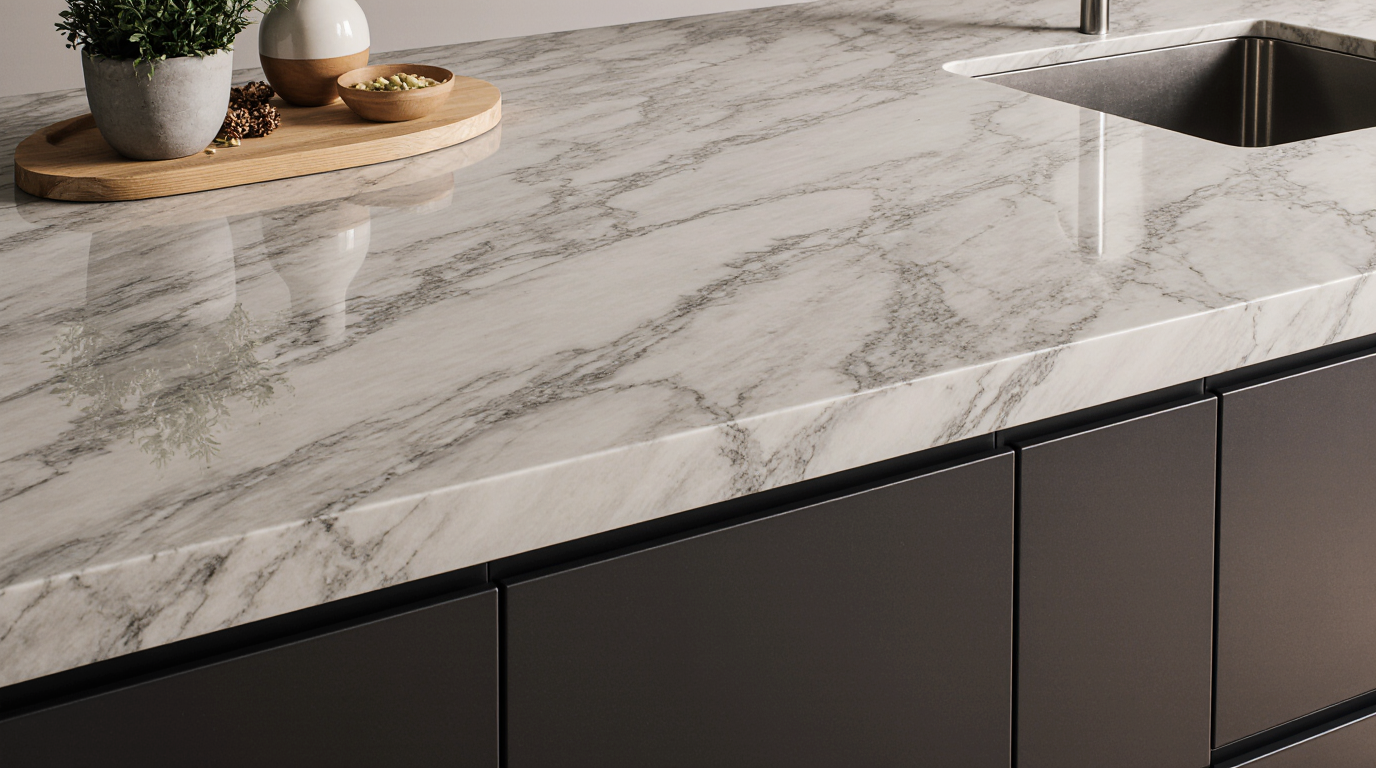
A custom quartz countertop offers homeowners an unparalleled combination of durability, elegance, and personalization, allowing for designs that are precisely tailored to individual kitchens or bathr…
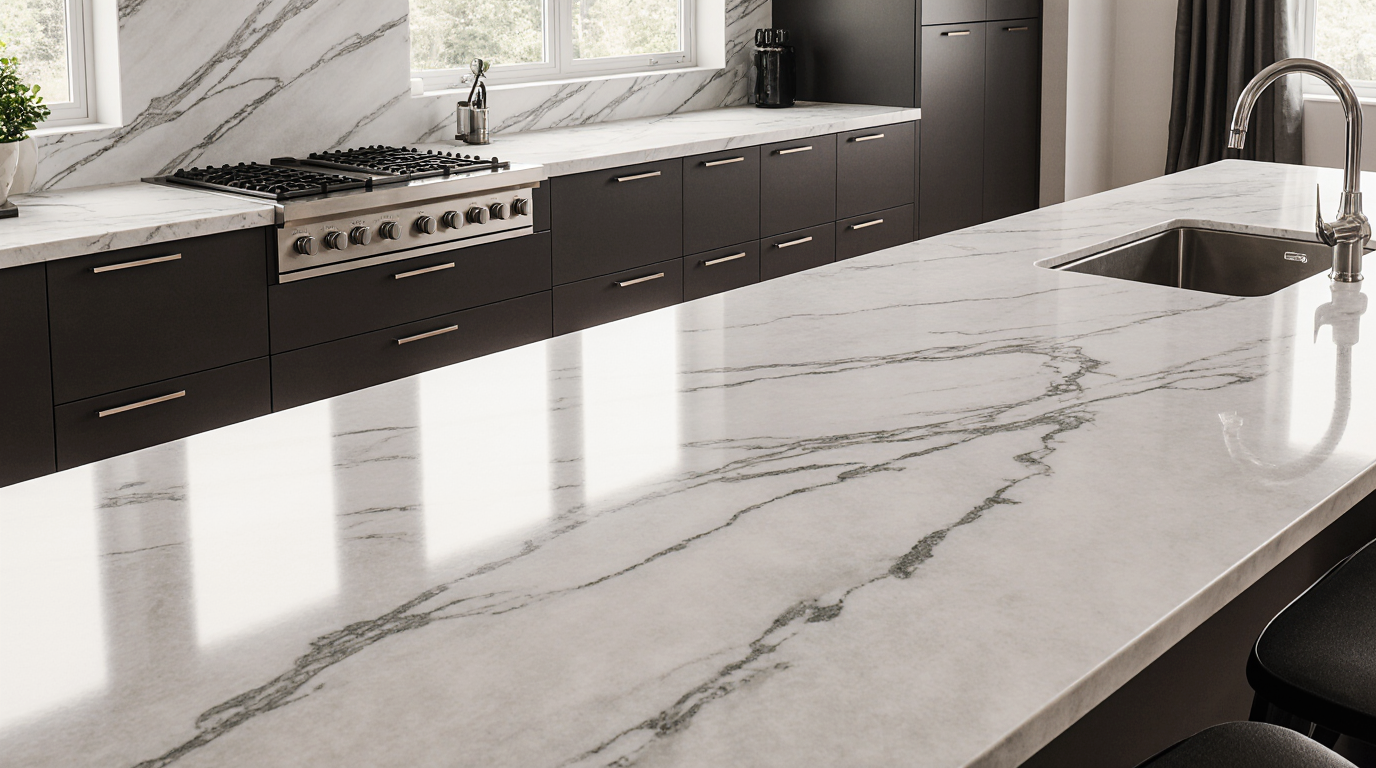
Quartz countertops have established themselves as a symbol of luxury and durability in modern kitchen design, providing homeowners with a harmonious blend of aesthetic appeal and practical functional…
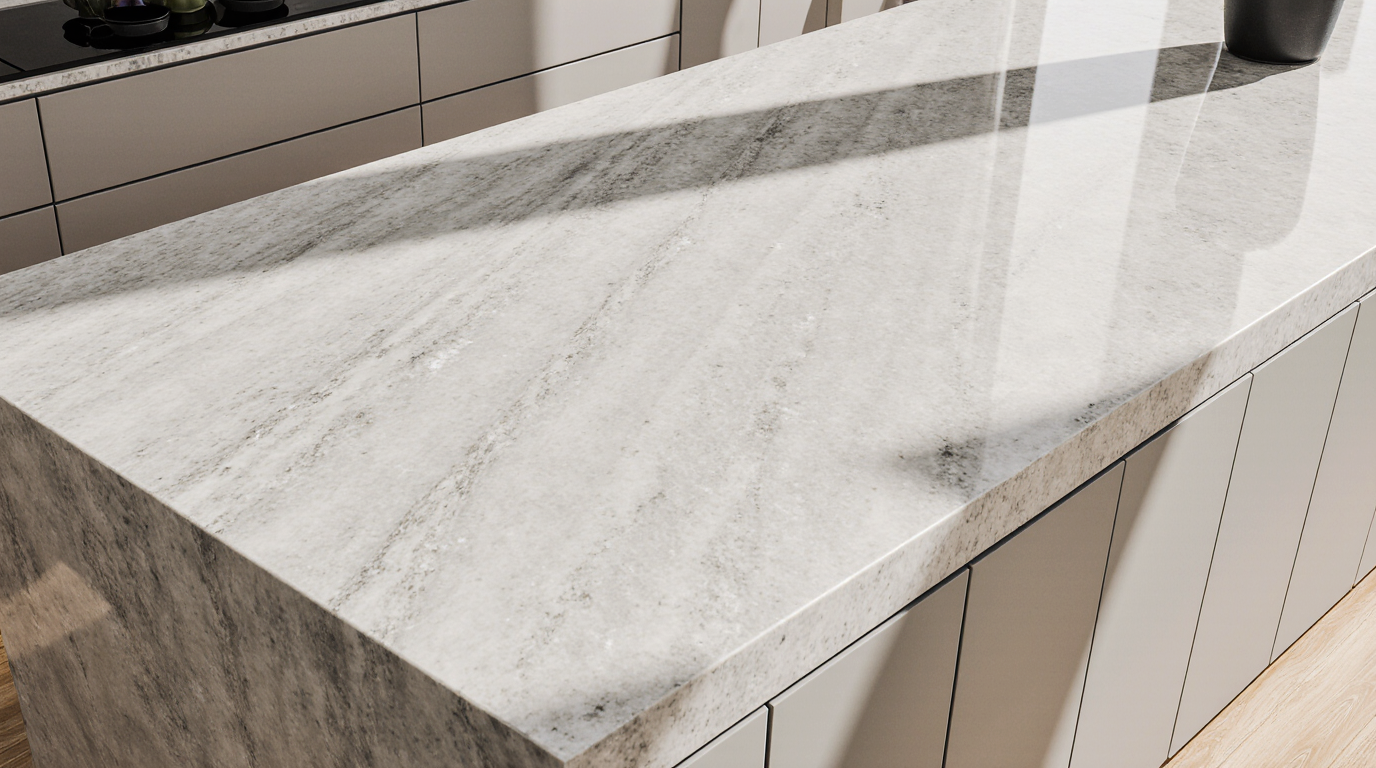
Quartz countertops have become a hallmark of modern kitchen and bathroom architecture, merging durability, elegance, and minimal upkeep in one versatile material. Unlike natural stones, engineered qu…
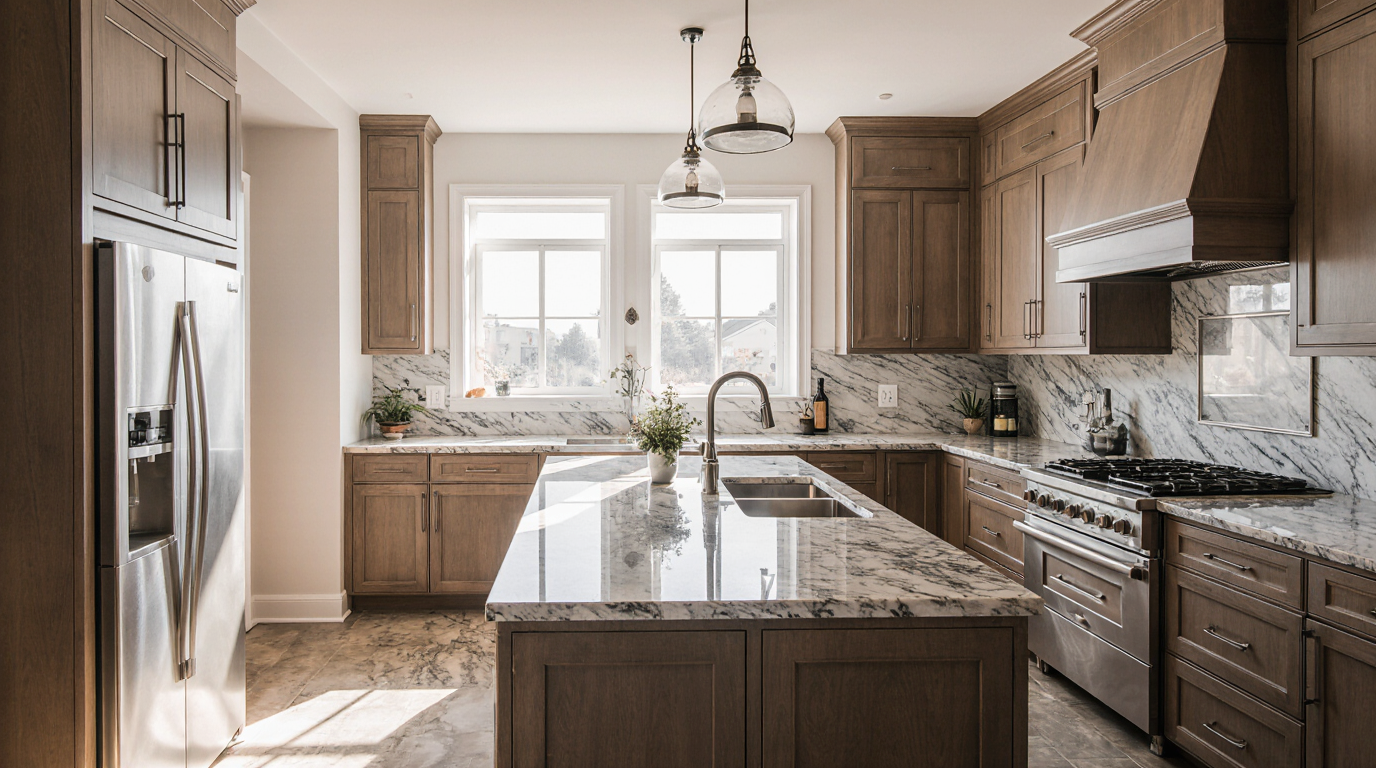
Quartzite kitchen countertops stand as the ultimate choice for resilient and sophisticated kitchen surfaces in high-end kitchen interiors. Created through geological processes of extreme heat and pre…
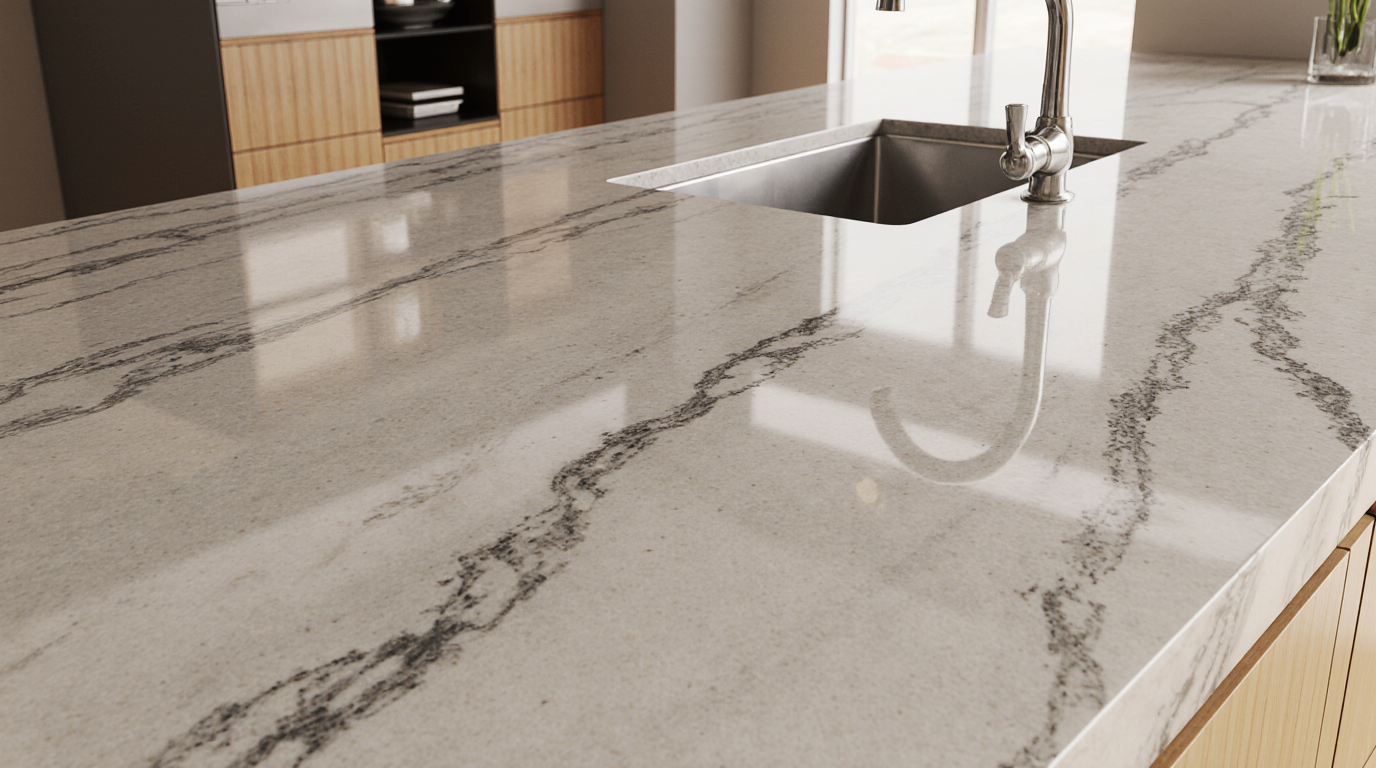
Granite countertops represent a hallmark of luxury and resilience, providing homeowners a surface that combines both aesthetic appeal and functional strength. Celebrated for their organic elegance an…
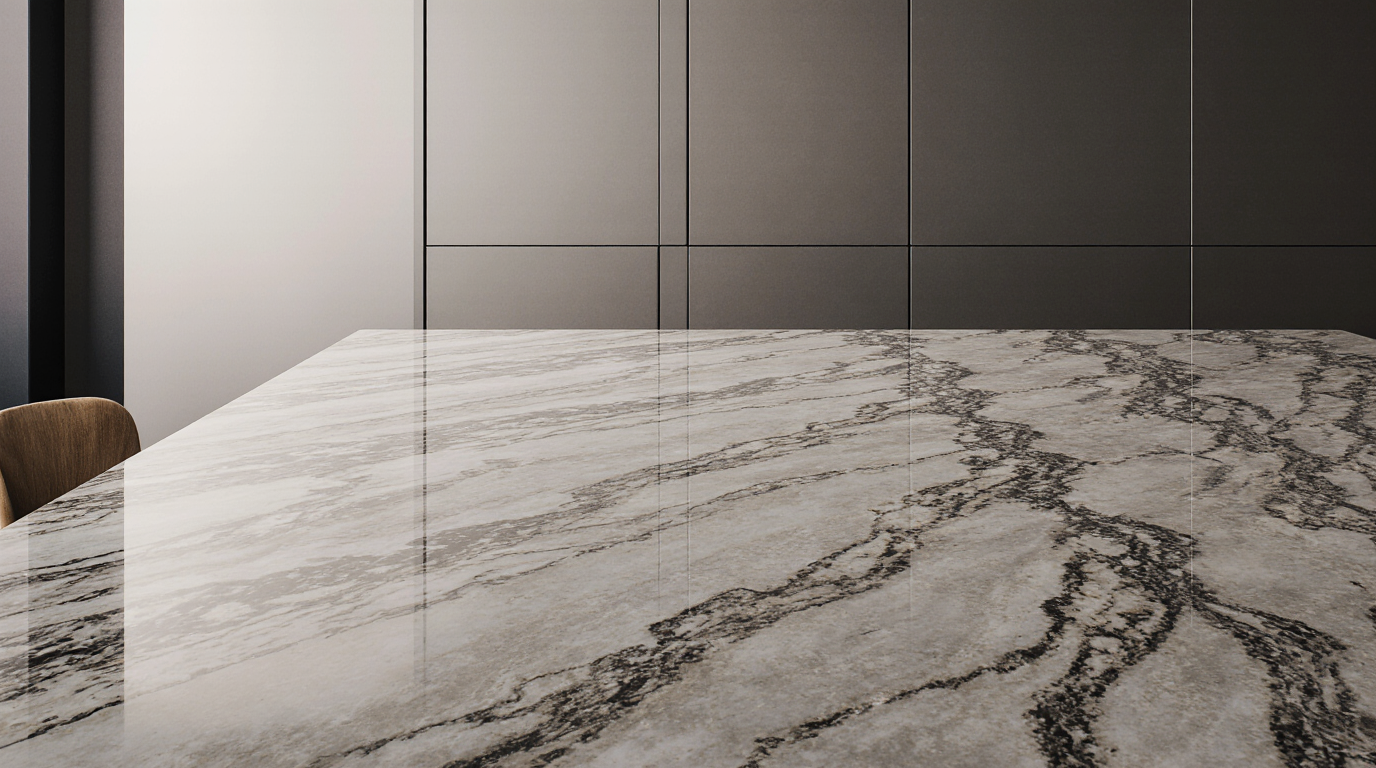
A granite counter top provides the perfect fusion of beauty, long-lasting strength, and sophistication for any kitchen or bathroom environment. Property owners in search of a surface that combines re…
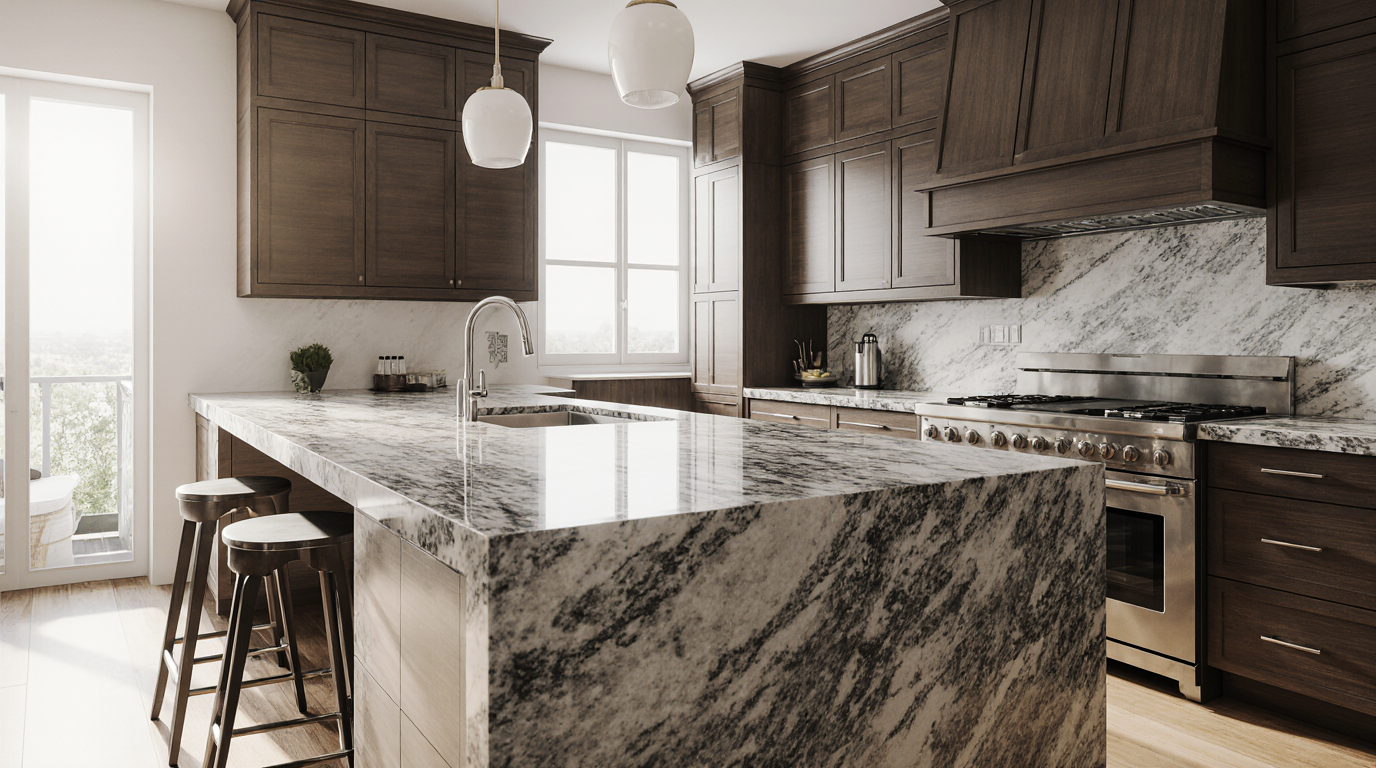
Deciding on the right countertop can significantly elevate both the visual appeal and usability of any kitchen or bathroom, Granite countertops have long been celebrated for their natural beauty, uni…
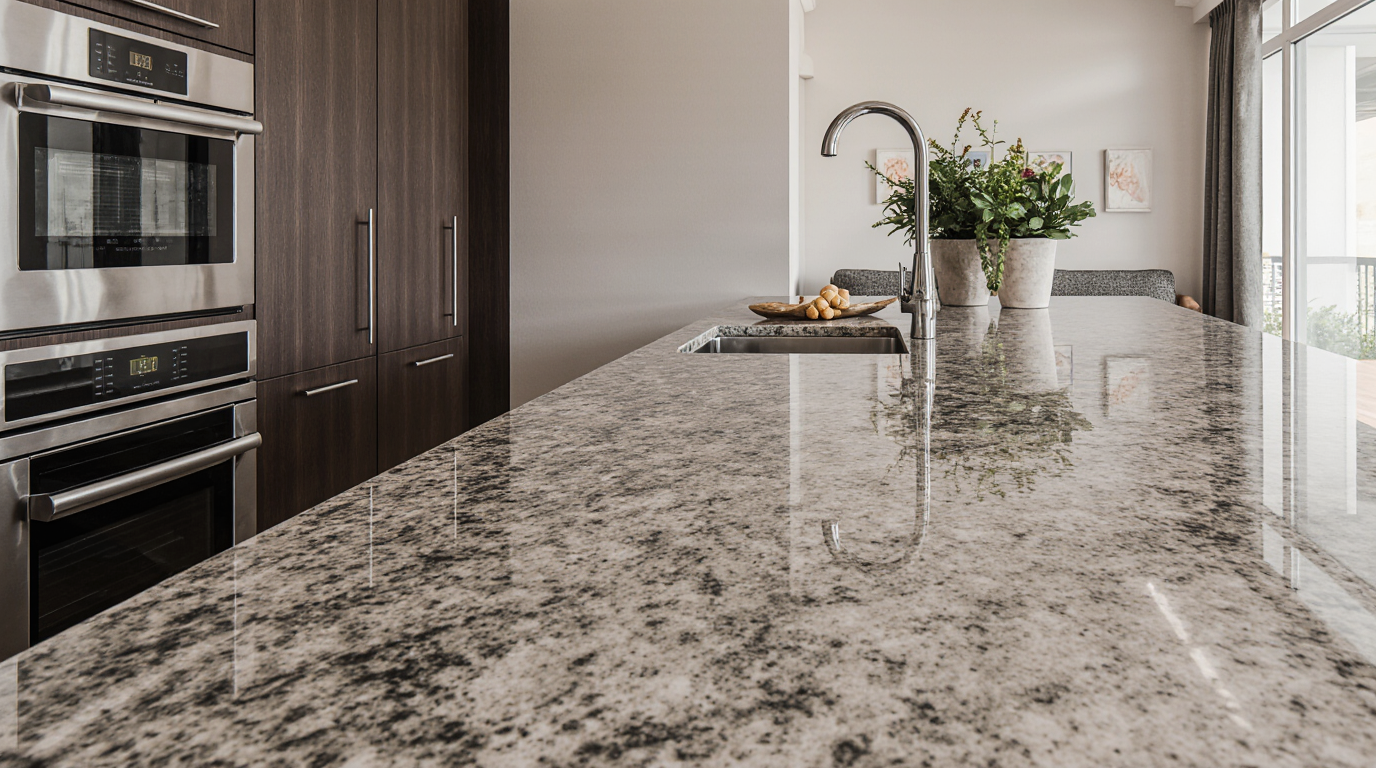
Prefab granite countertops have become a highly sought-after choice for residential buyers seeking a perfect combination of elegance, long-lasting performance, and cost-efficiency. These countertops…
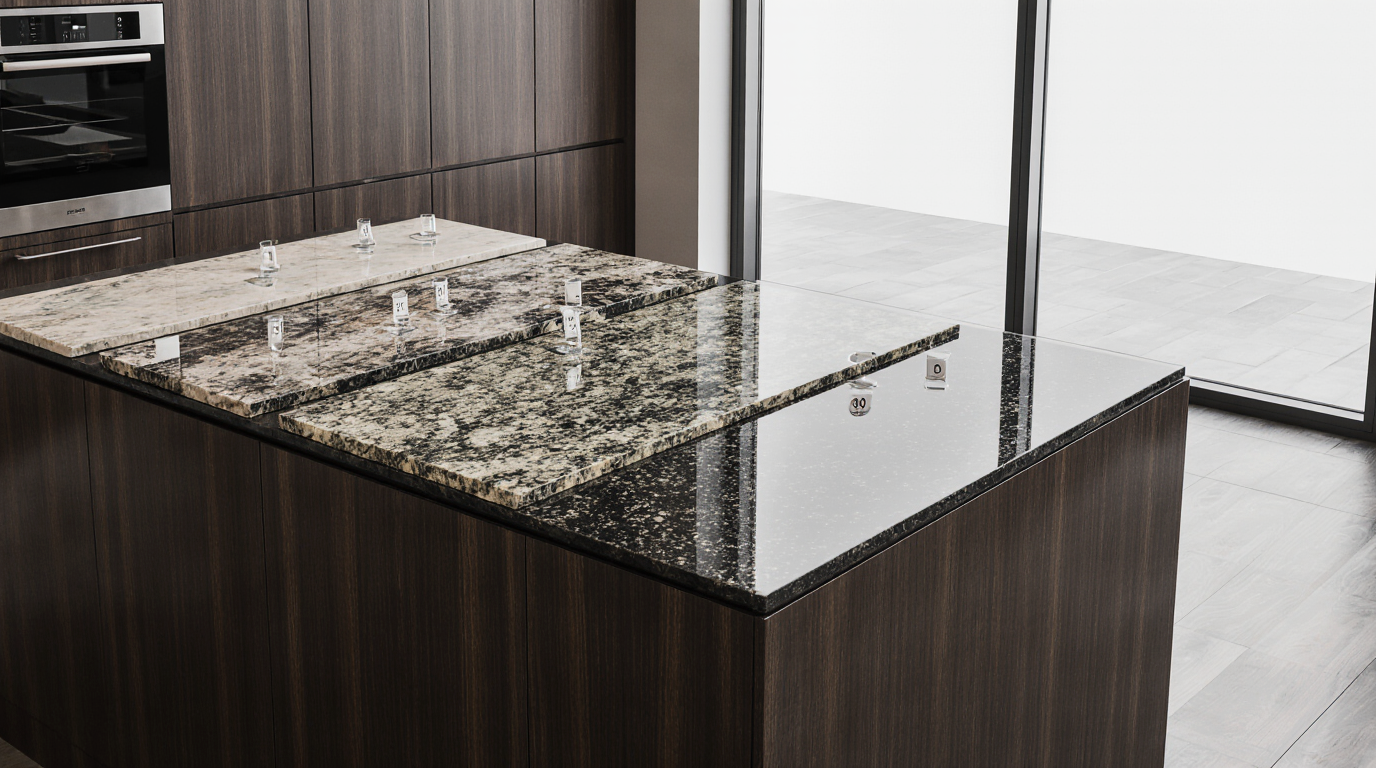
When considering the cost of granite surfaces, property owners must consider style, resilience, and economic worth. Premium granite is celebrated for its enduring toughness, thermal stability, and sc…
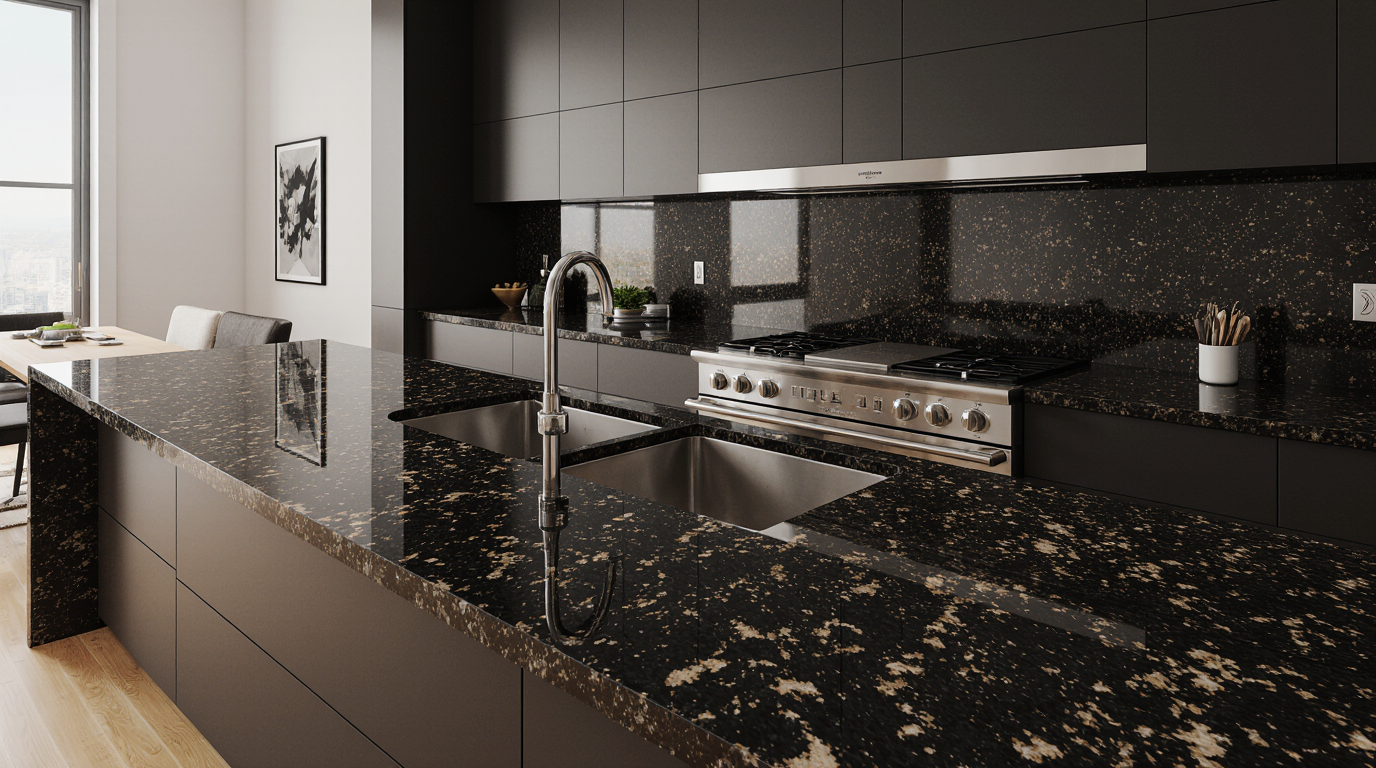
Black Galaxy Granite Countertops are a high-end choice for homeowners pursuing a striking combination of refined beauty and resilience in their home cooking area or lavatory design. Renowned for thei…
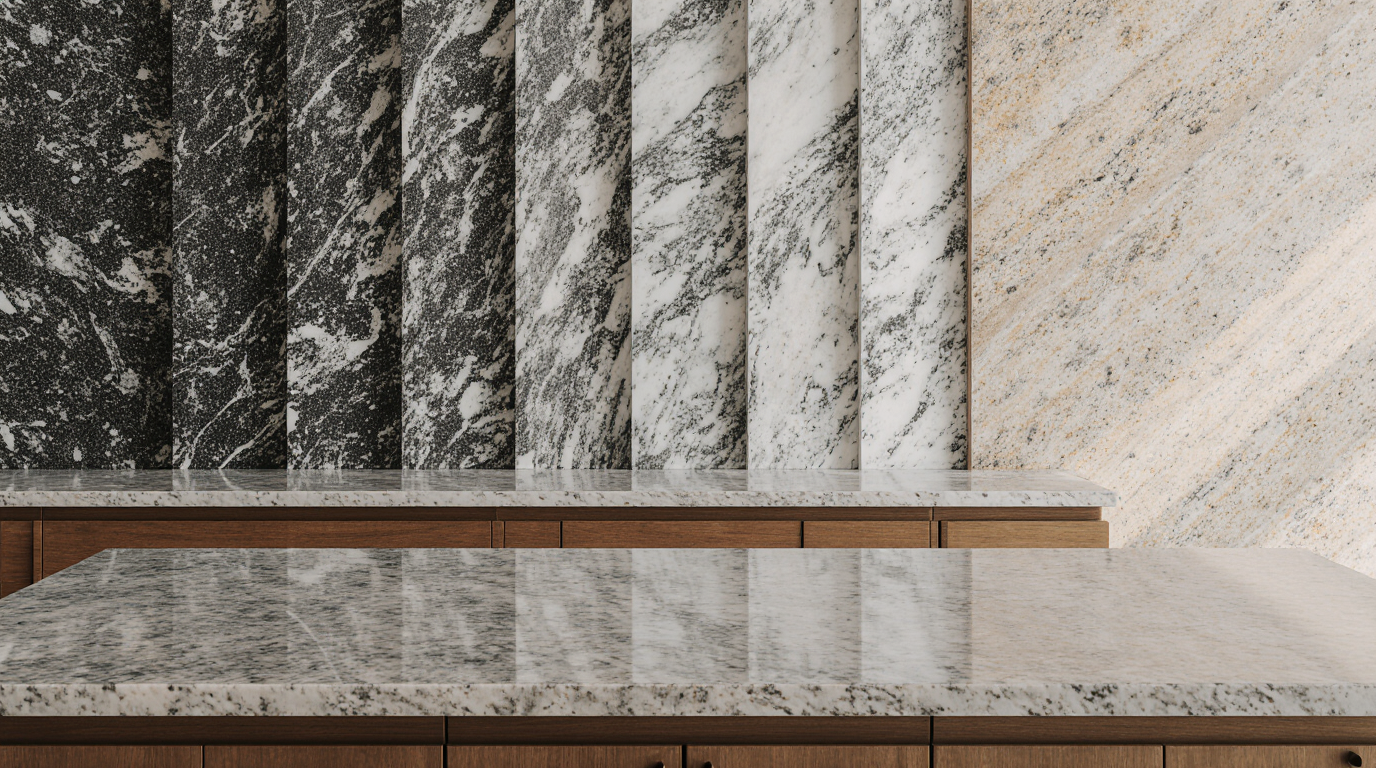
Granite countertops have become a cornerstone of high-end culinary spaces, admired for their long-lasting strength, elegance, and timeless appeal. Each granite slab carries a distinctive veining, hue…
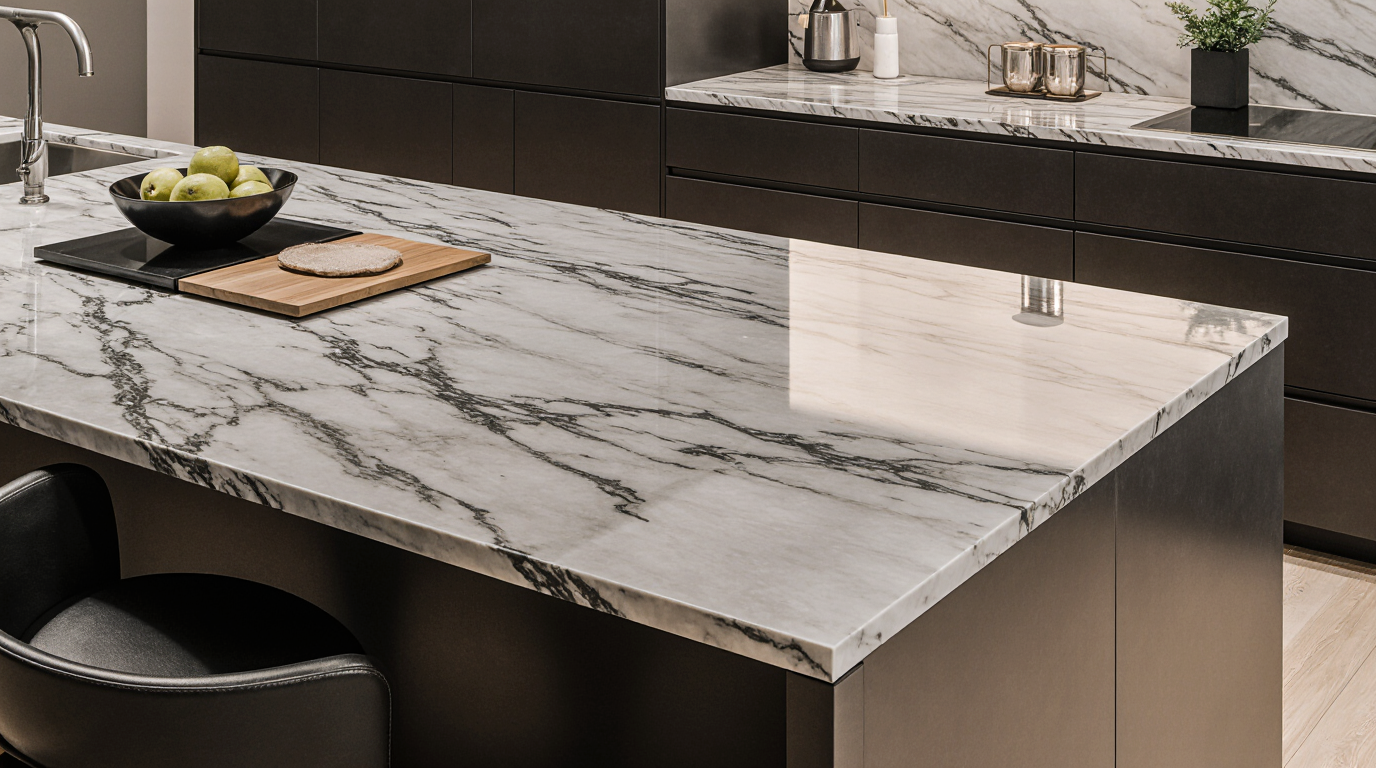
Natural granite countertops are highly valued for their resilience, aesthetic appeal, and potential to enhance any interior space, providing a high-end appearance that combines practicality with exqu…
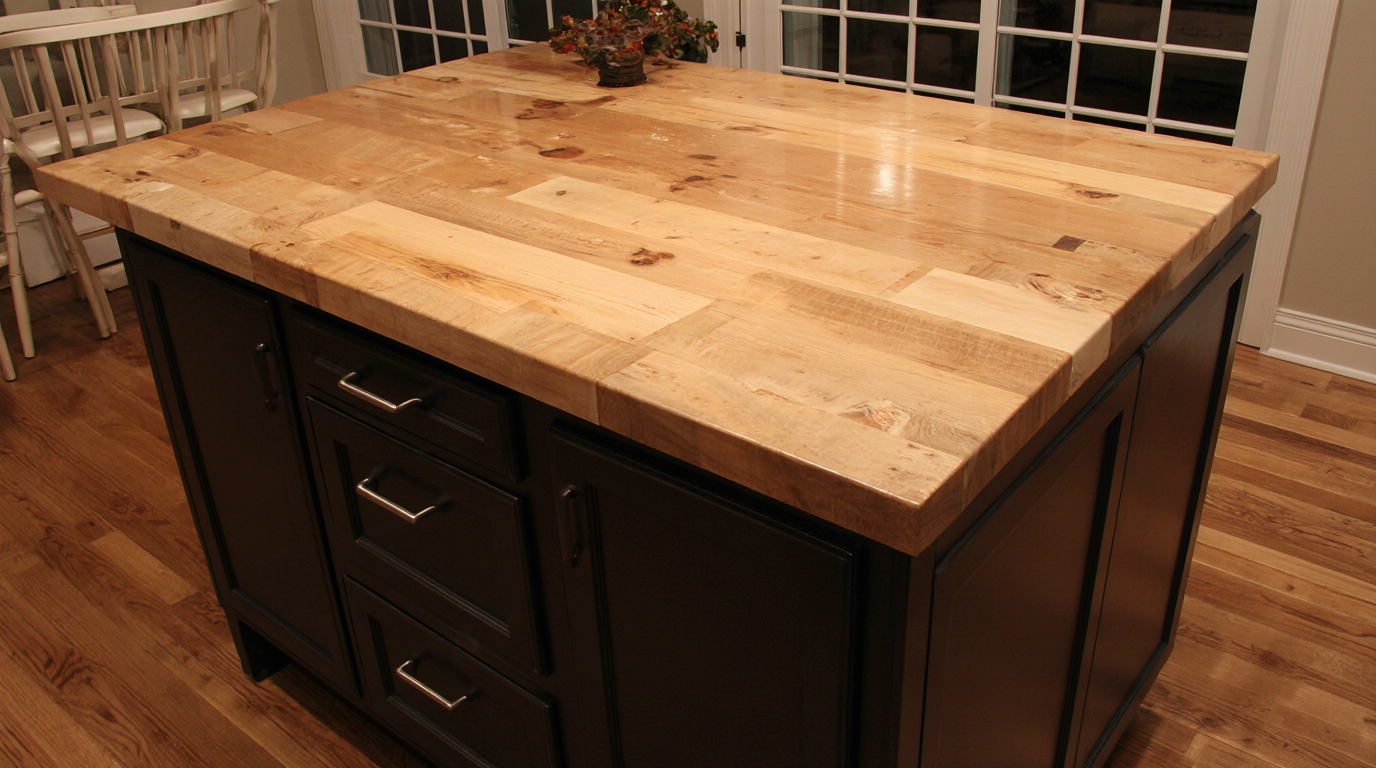
The choice of kitchen surface material is a crucial consideration in any interior project, affecting both the visual charm and daily utility of the space. Among the myriad of options available, custo…
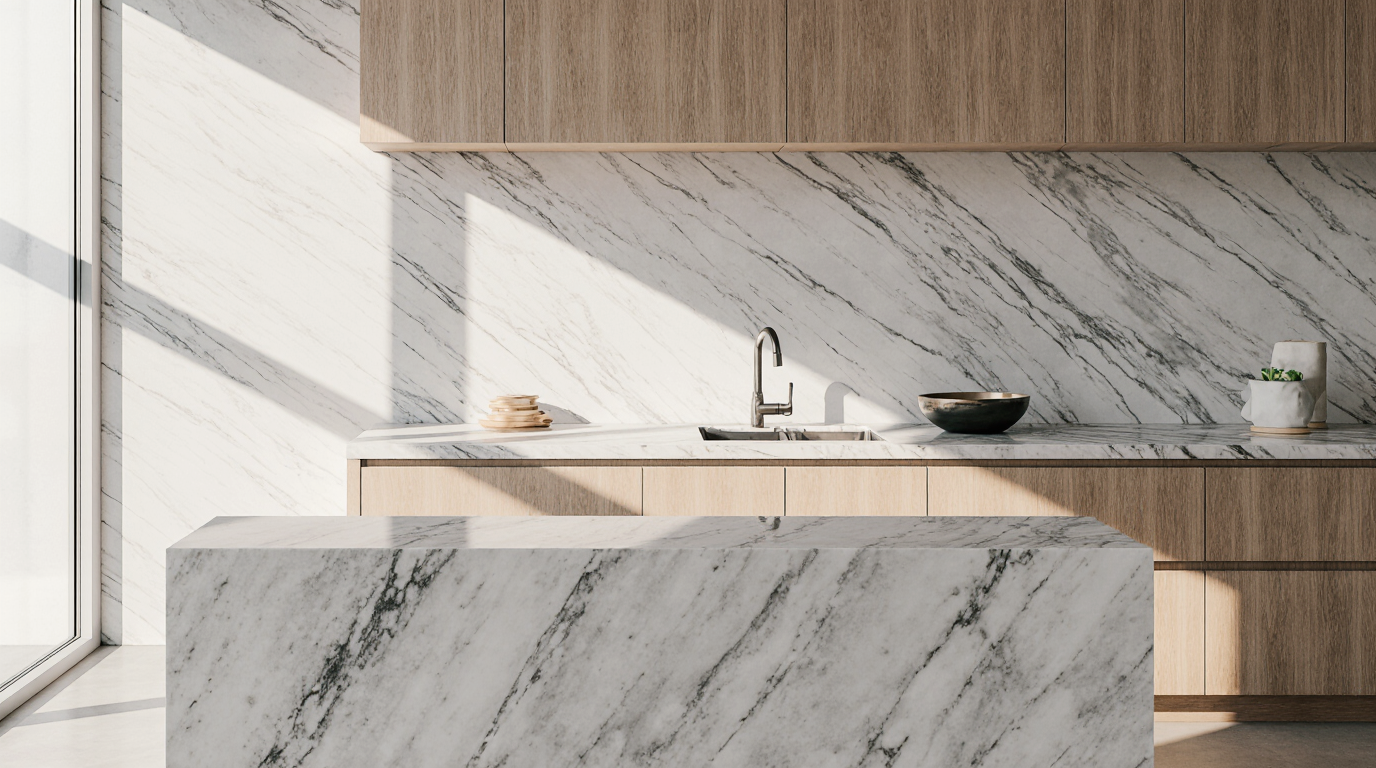
A marble countertop embodies sophistication and timeless elegance, turning any kitchen into a sanctuary of elegant design. With its distinctive veining patterns, marble offers a resilient surface tha…
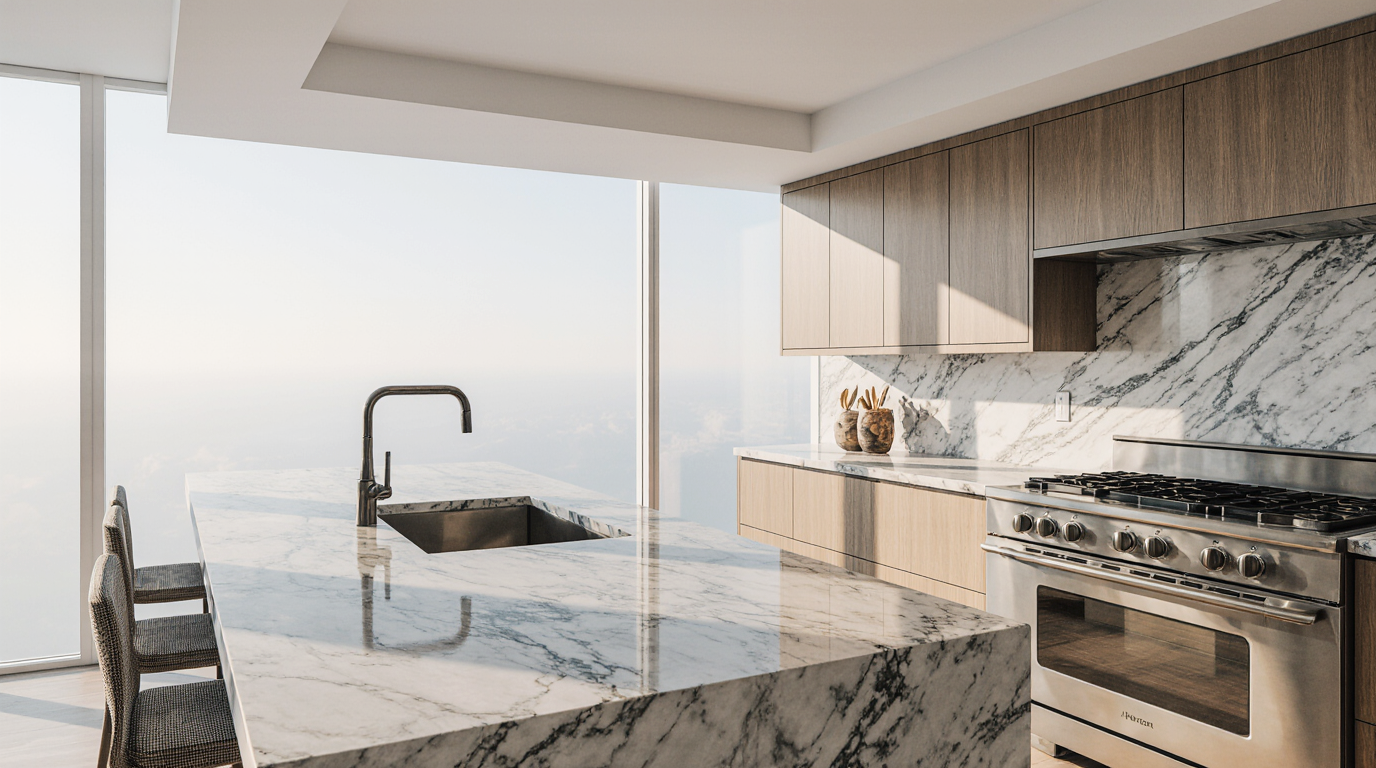
Marble kitchen countertops are renowned for their timeless elegance and high-end beauty, transforming ordinary kitchens into spaces of sophistication and style. Homeowners who invest in high-quality…
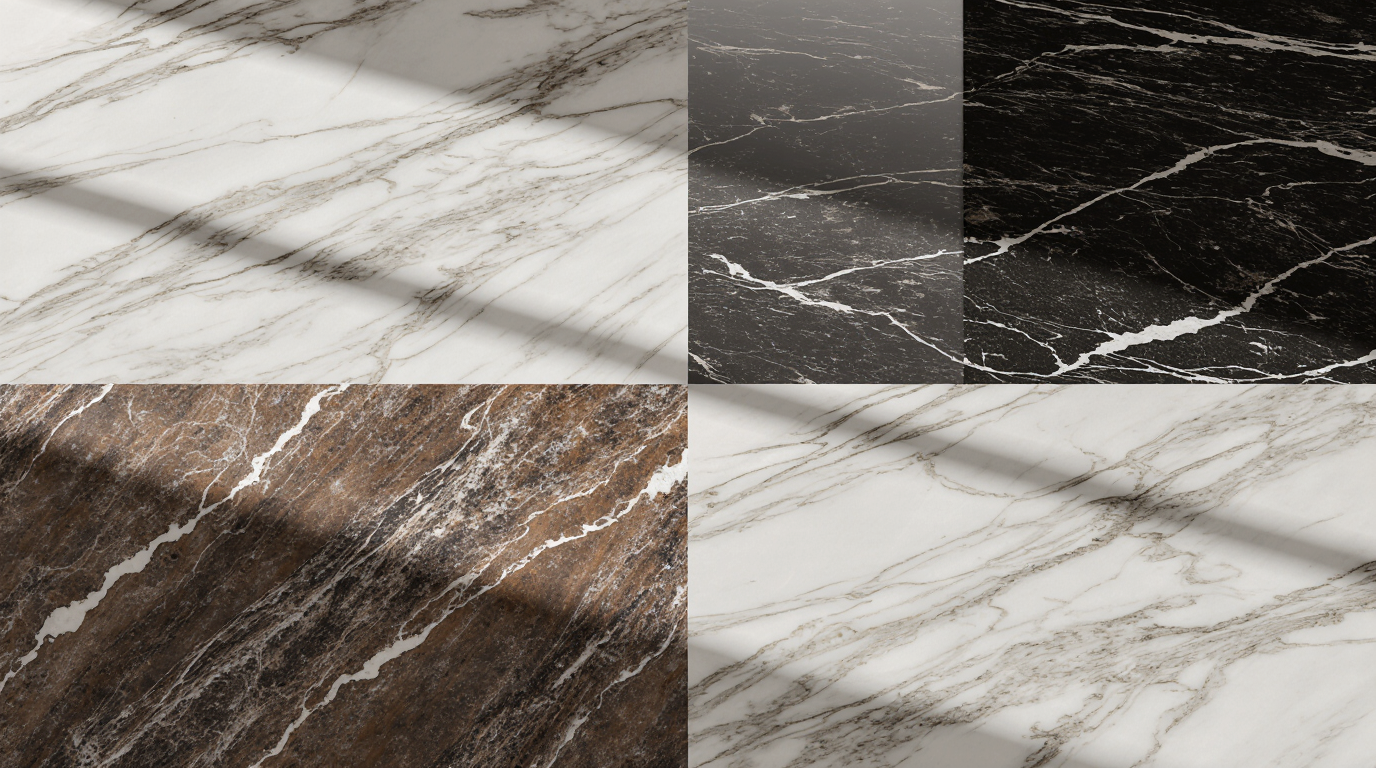
Choosing the right marble countertops can significantly elevate the sophistication and utility of any kitchen space. For those seeking refinement, marble is prized both for its timeless appeal and lo…
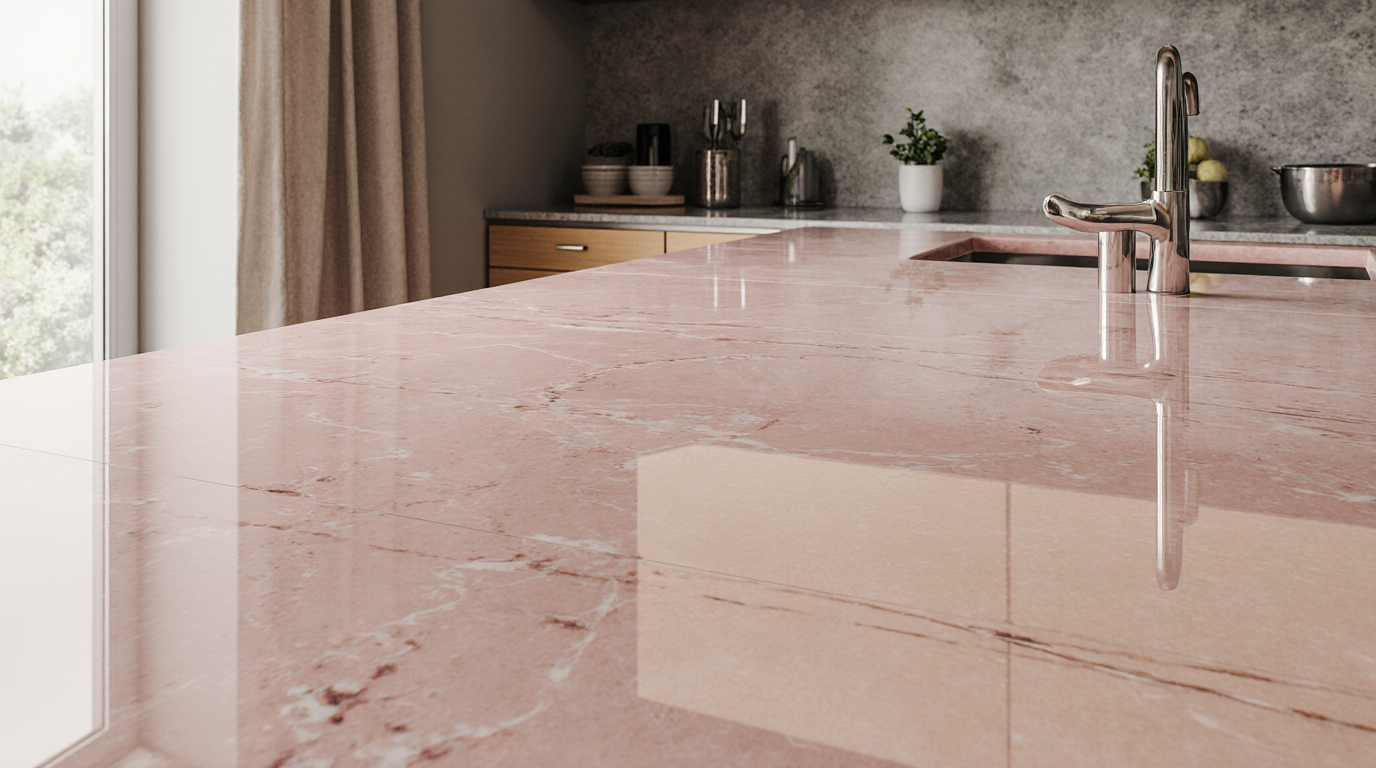
Upgrading spaces with marble granite countertops delivers an exceptional mix of elegance and resilience that surpasses most other countertop options, The fusion of marble’s sophisticated veining with…
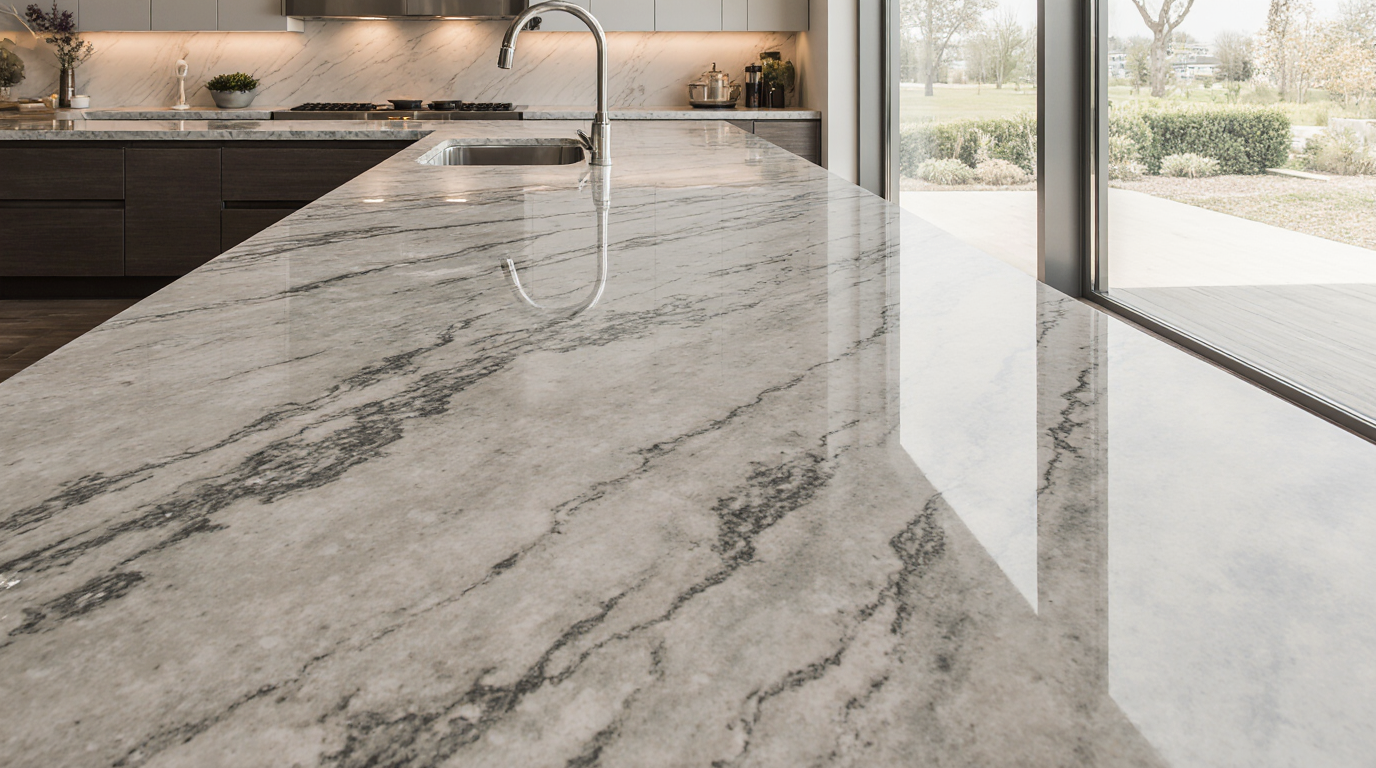
Investing in granite and marble countertops elevates any kitchen or bathroom into a statement of sophistication and longevity. These natural stone surfaces combine the classic beauty of marble with t…
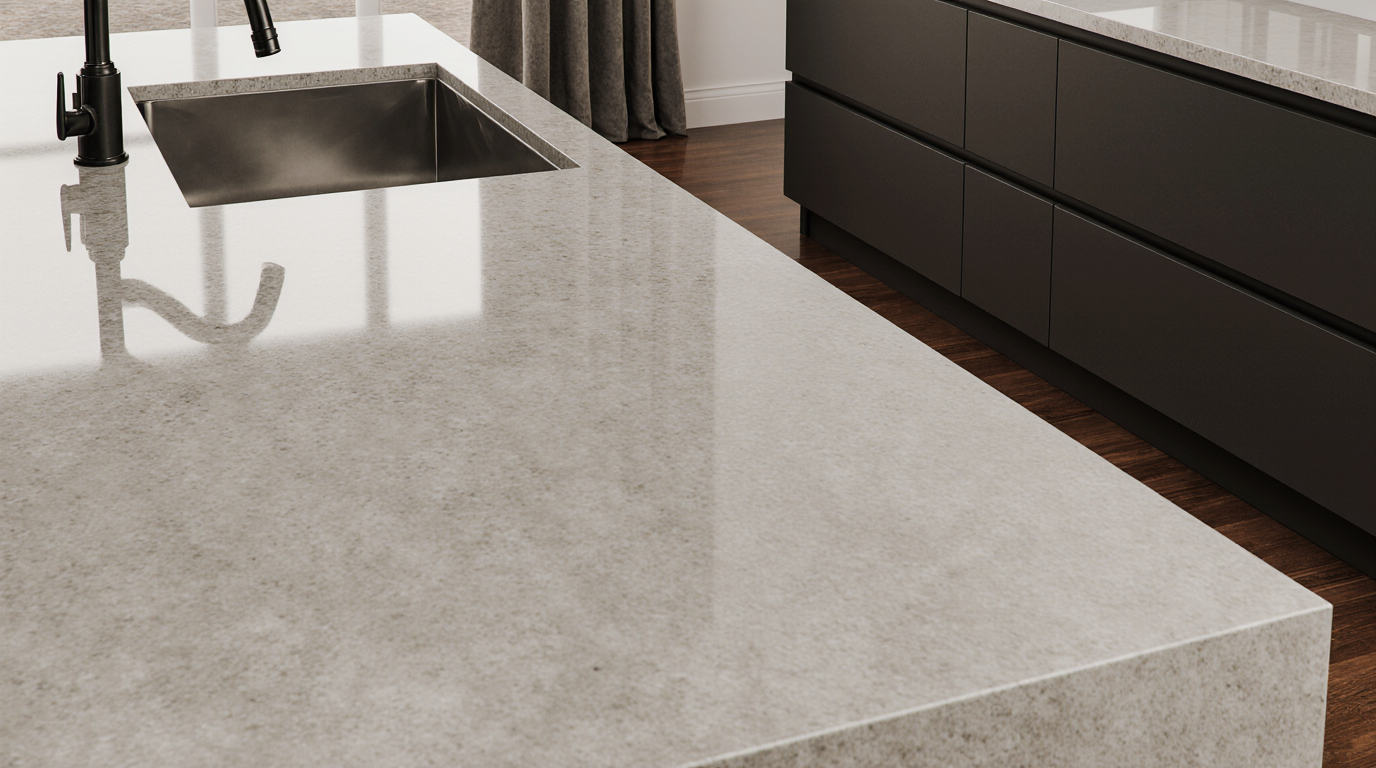
Porcelain countertops have emerged as a premier choice for homeowners seeking both style and long-lasting performance in their kitchen design. Crafted from premium ceramic materials and subjected to…
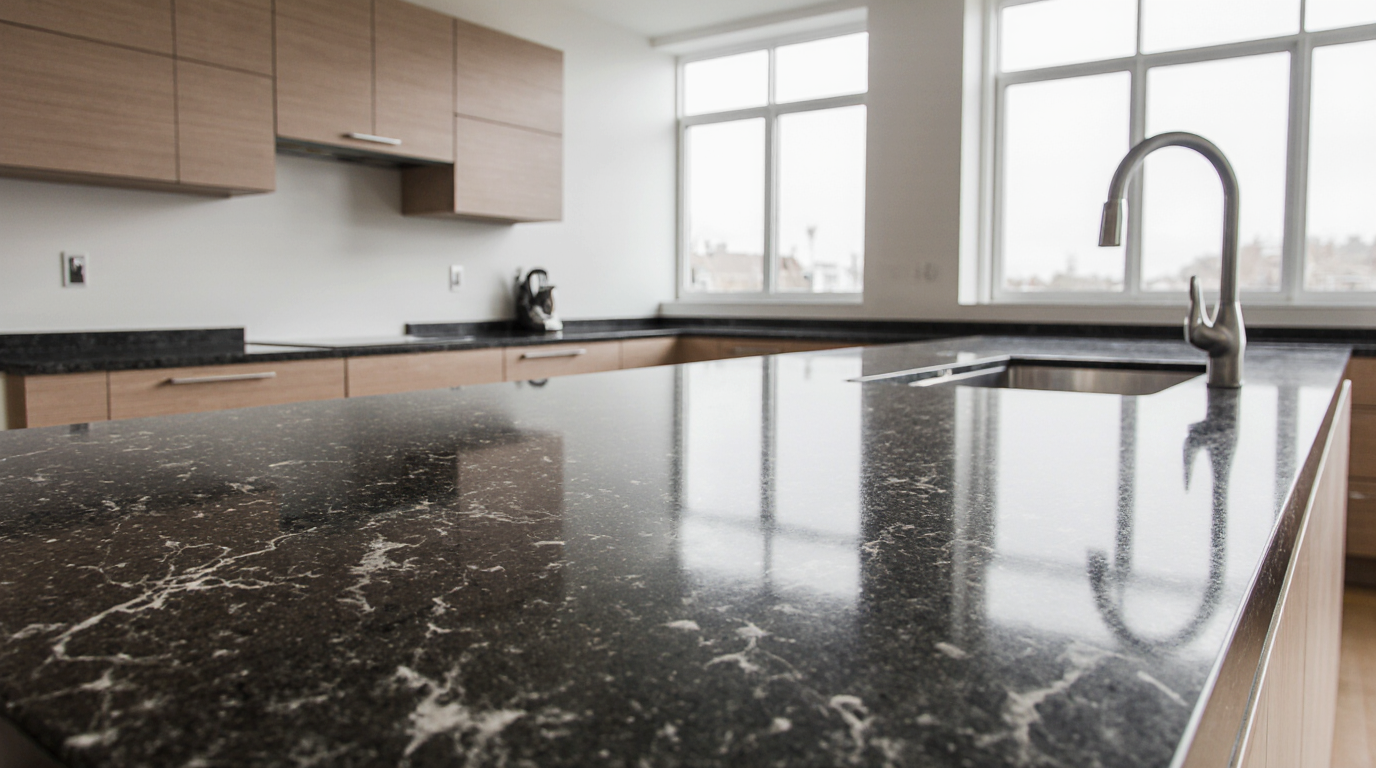
The allure of soapstone countertops lies in their exquisite aesthetics and superior strength, making them a preferred choice for homeowners seeking both style and functionality. This unique material,…
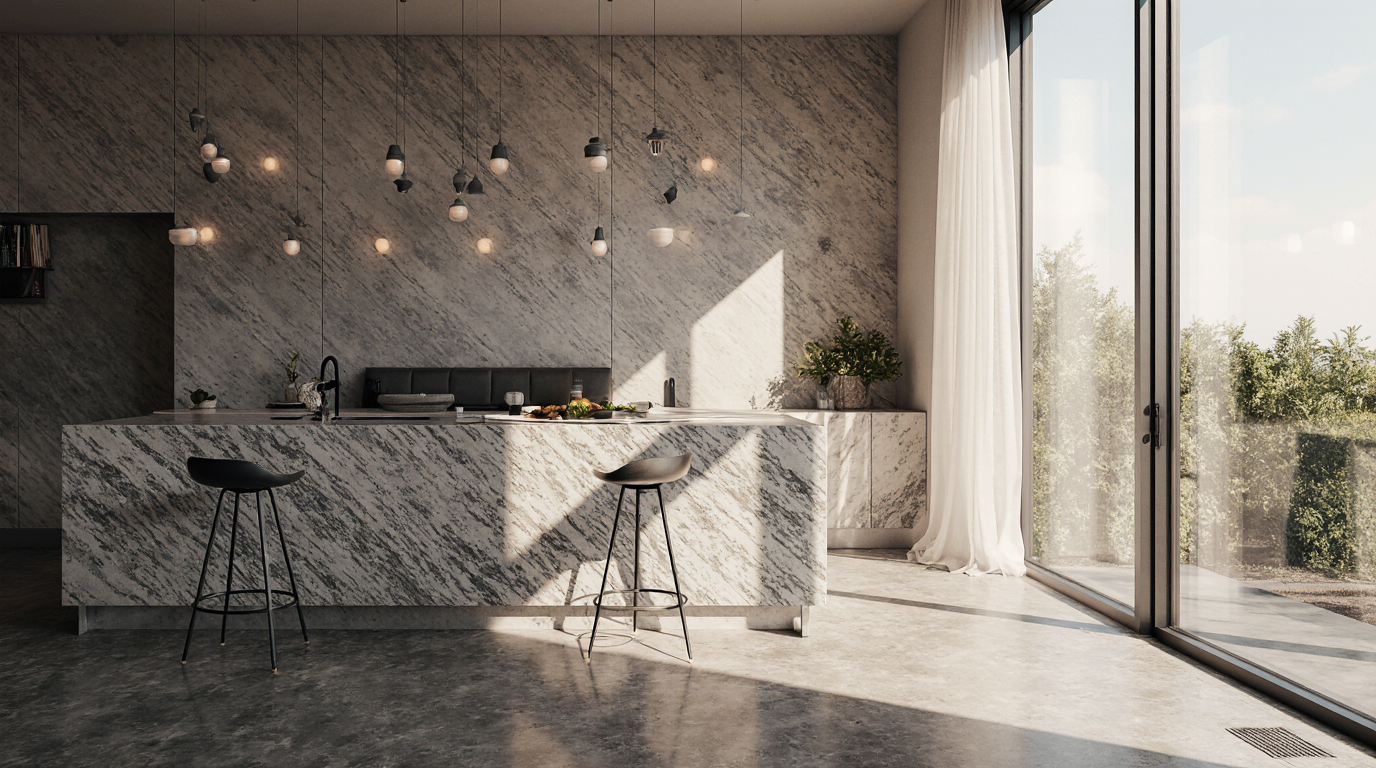
Stone countertops embody the ultimate combination of longevity and classic elegance for kitchens and bathrooms, crafted from materials like granite, marble, quartz, and engineered stone, they provide…
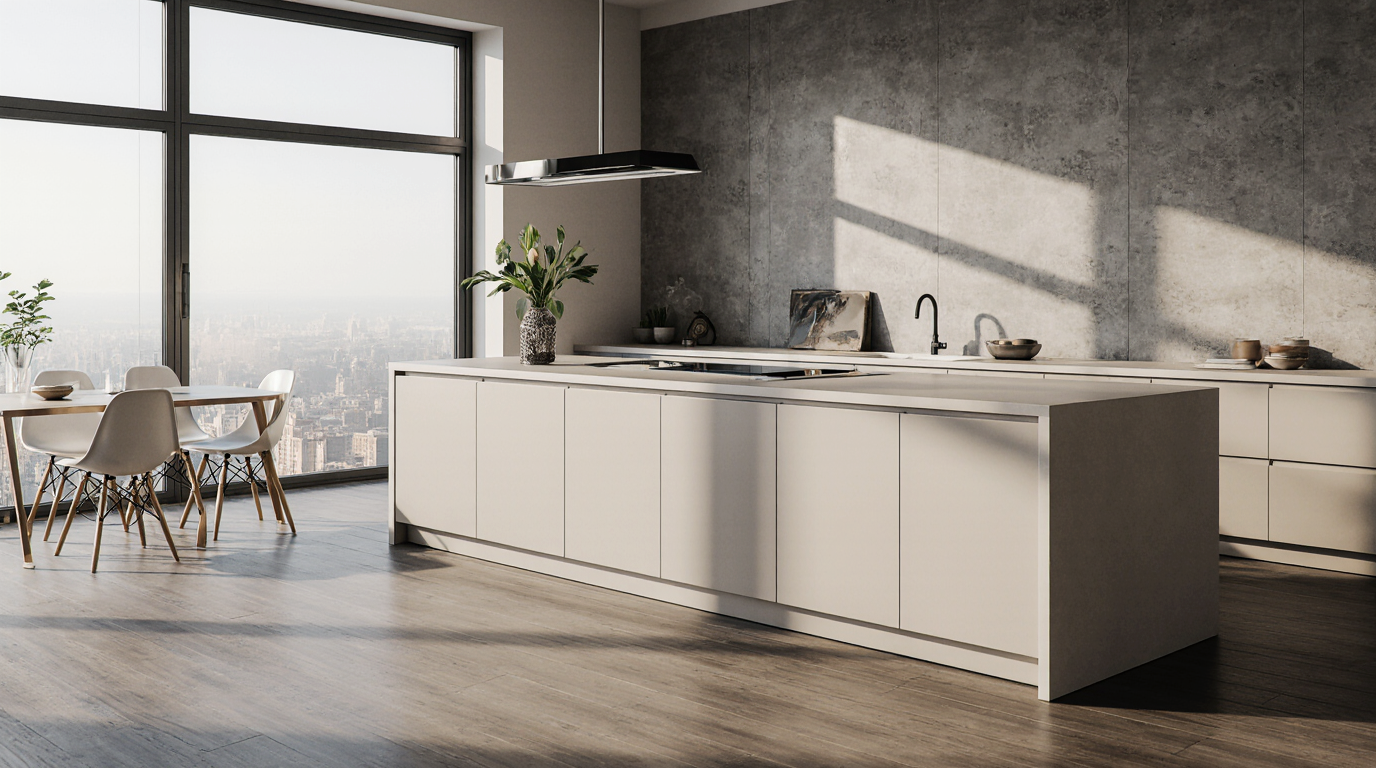
Solid surface countertops have become a hallmark of modern kitchen design, offering a seamless blend of durability, aesthetics, and functionality, made from top-tier acrylic, polyester, or innovative…
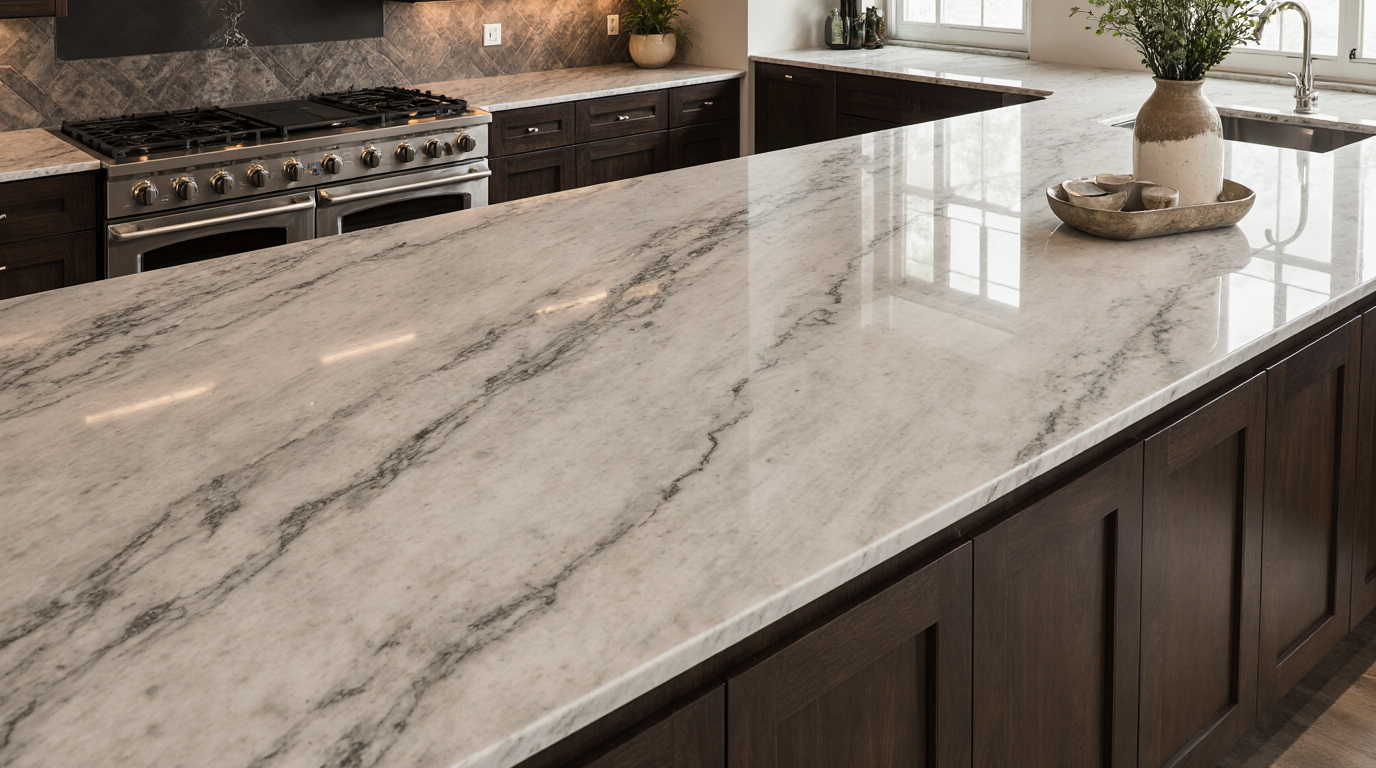
Opting for a premium stone countertop elevates interior design, converting even the simplest room into a showcase of natural artistry. Crafted from natural materials such as quartzite, onyx, traverti…
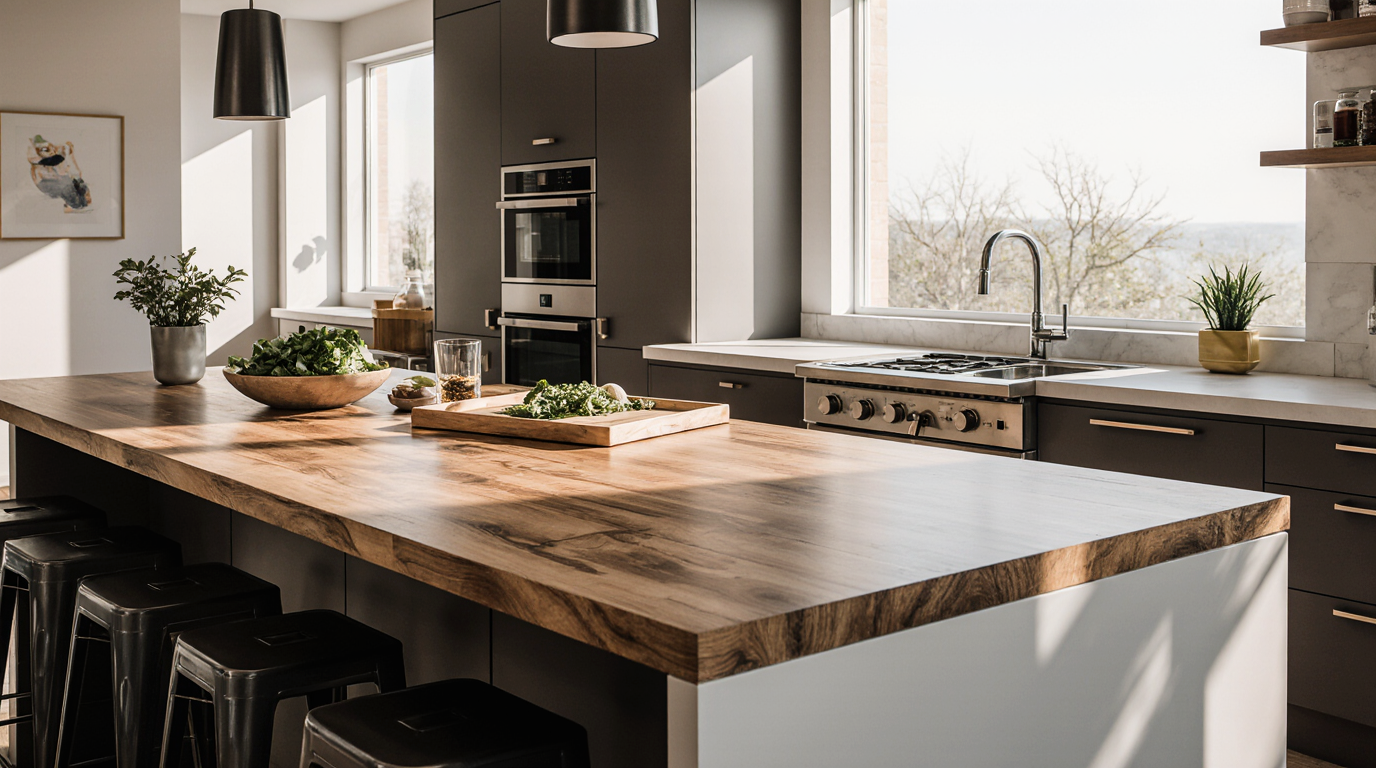
Butcher block countertops are celebrated for their timeless charm and superior performance in contemporary kitchens. Crafted from solid hardwoods such as maple, oak, or walnut, these surfaces offer i…
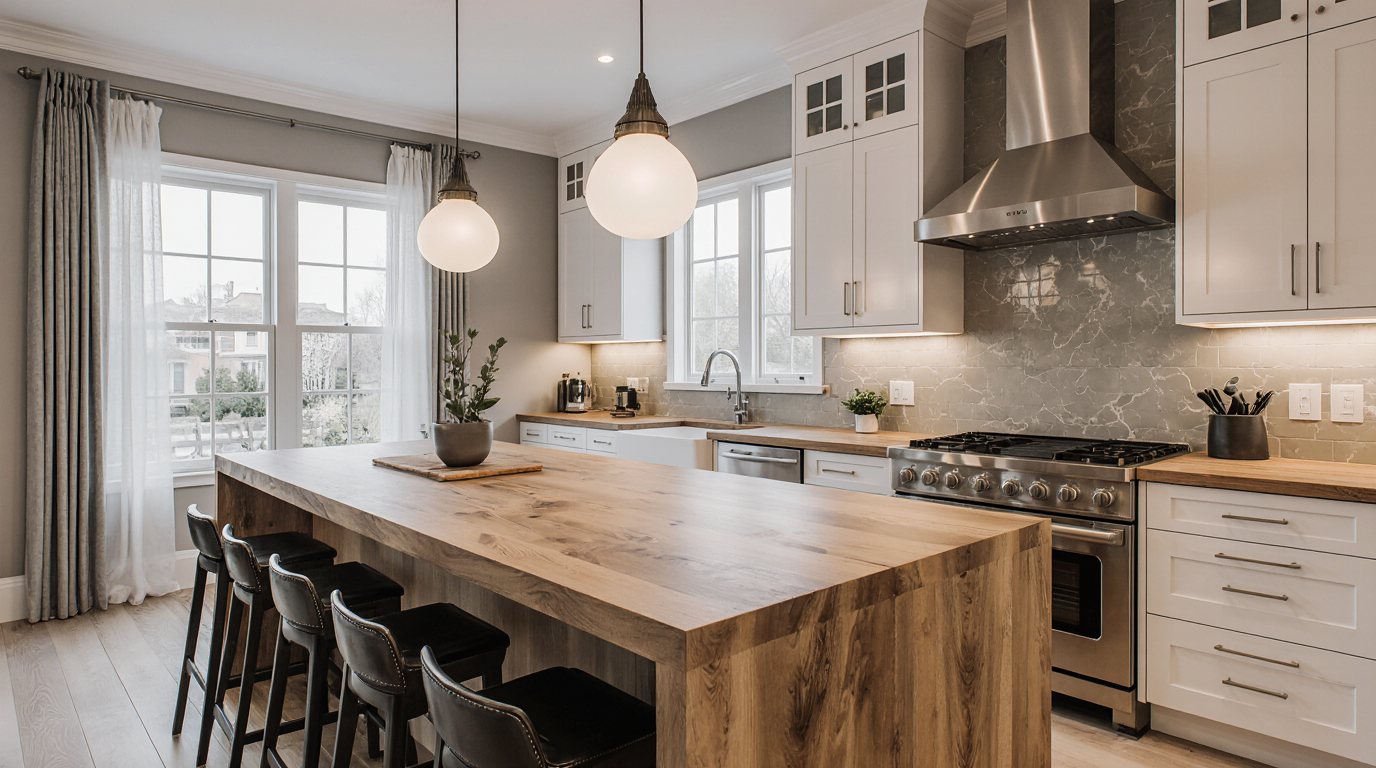
Custom butcher block countertops offer a unique blend of elegance and utility, turning any kitchen into a cozy and welcoming environment. Crafted from top-grade hardwoods such as walnut, these counte…
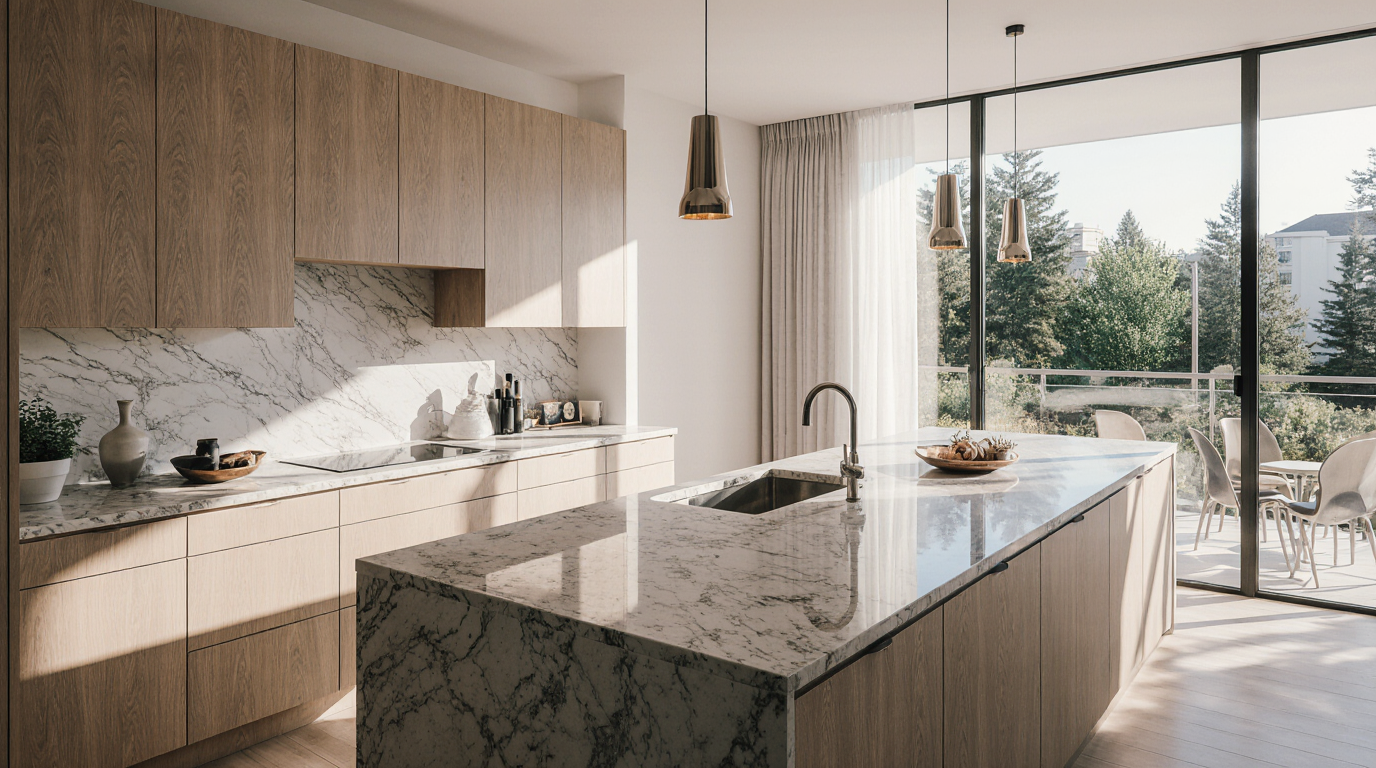
Selecting the appropriate countertops has the power to elevate a kitchen or bathroom, turning it into an area of both sophistication and practical utility, quartz countertops have become a preferred…
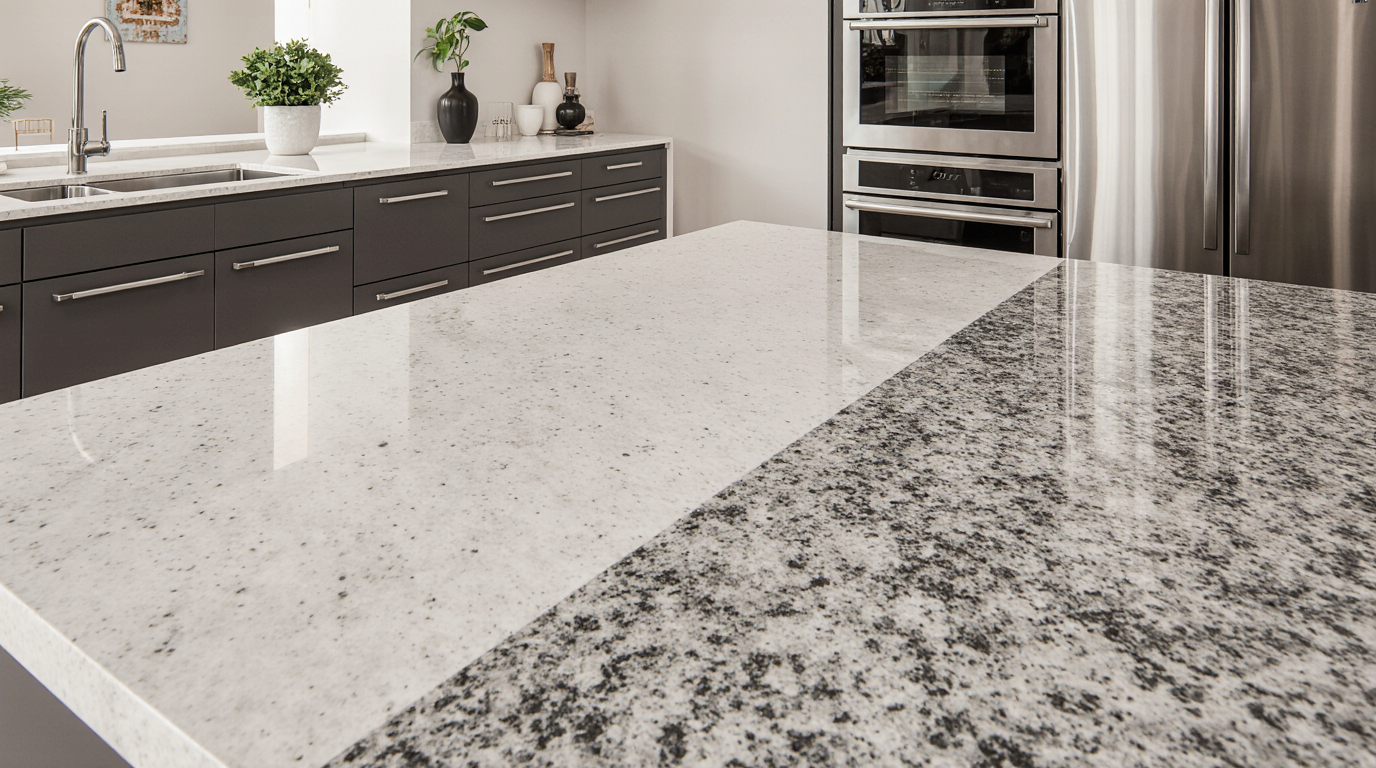
Engineered quartz slabs have emerged as signature features in stylish and functional kitchen layouts owing to their superior strength, sophisticated design, and adaptable style. Composed of over 90%…
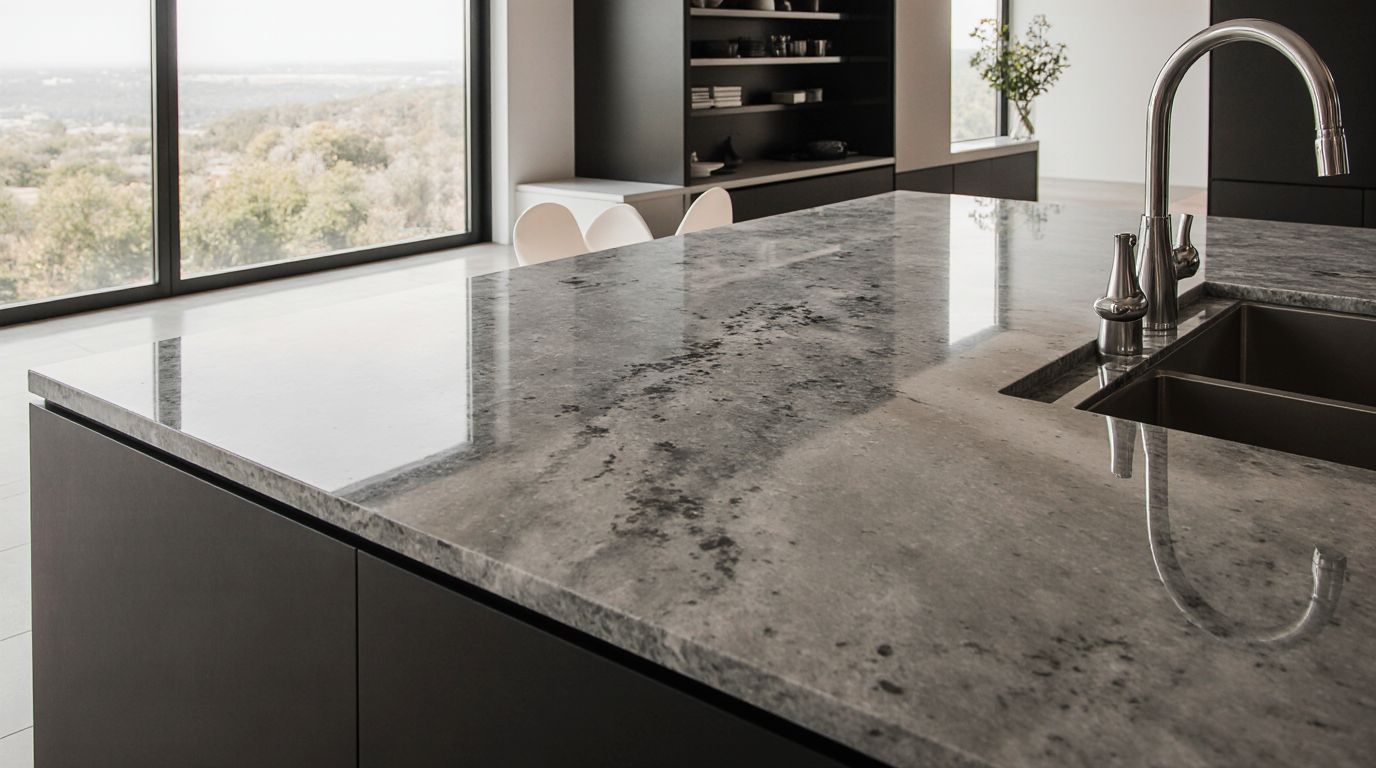
Investing in quartz countertops is a decision that balances aesthetic appeal with long-term durability, creating an investment that enhances both the beauty and utility of a home. Unlike natural ston…
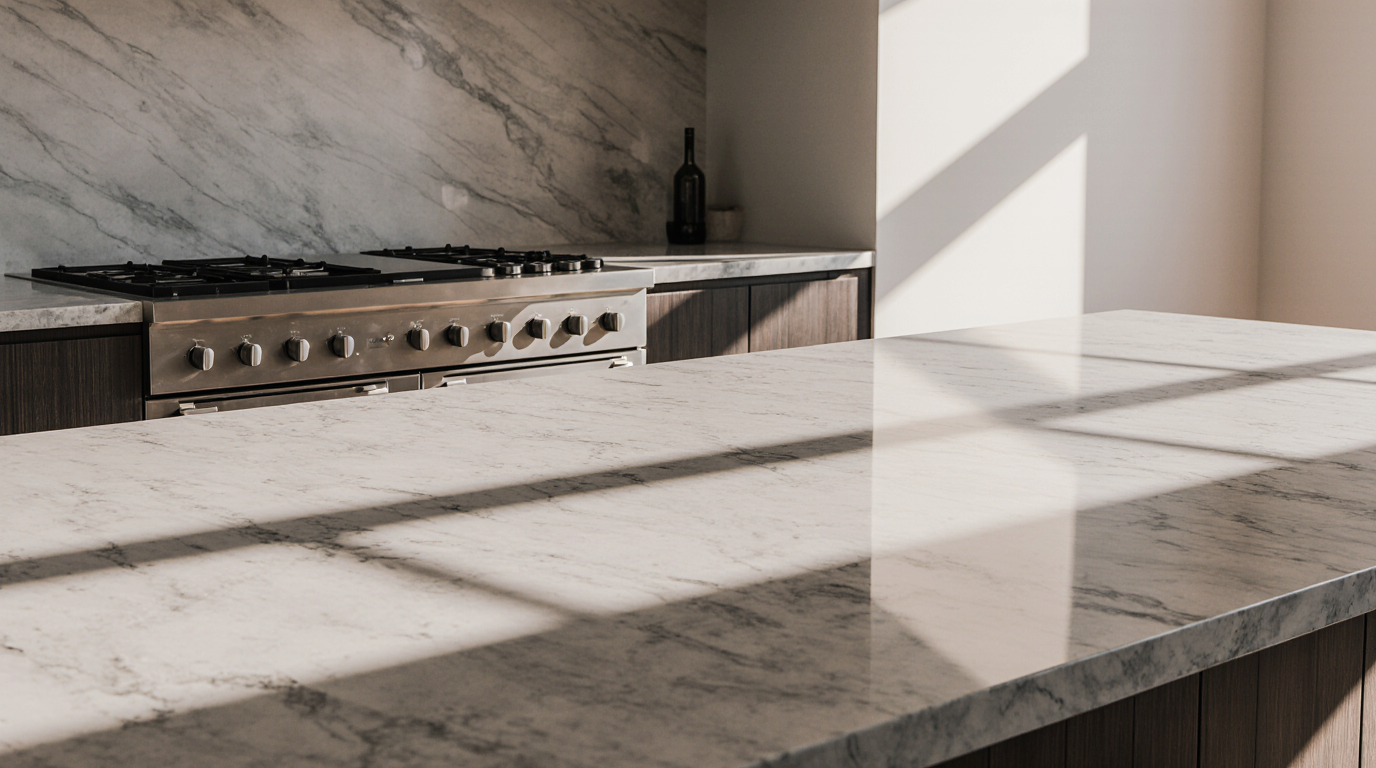
A quartz counter surface represents the perfect balance between style and durability, making it a top choice in modern kitchen design. Crafted from premium manufactured quartz, this material combines…
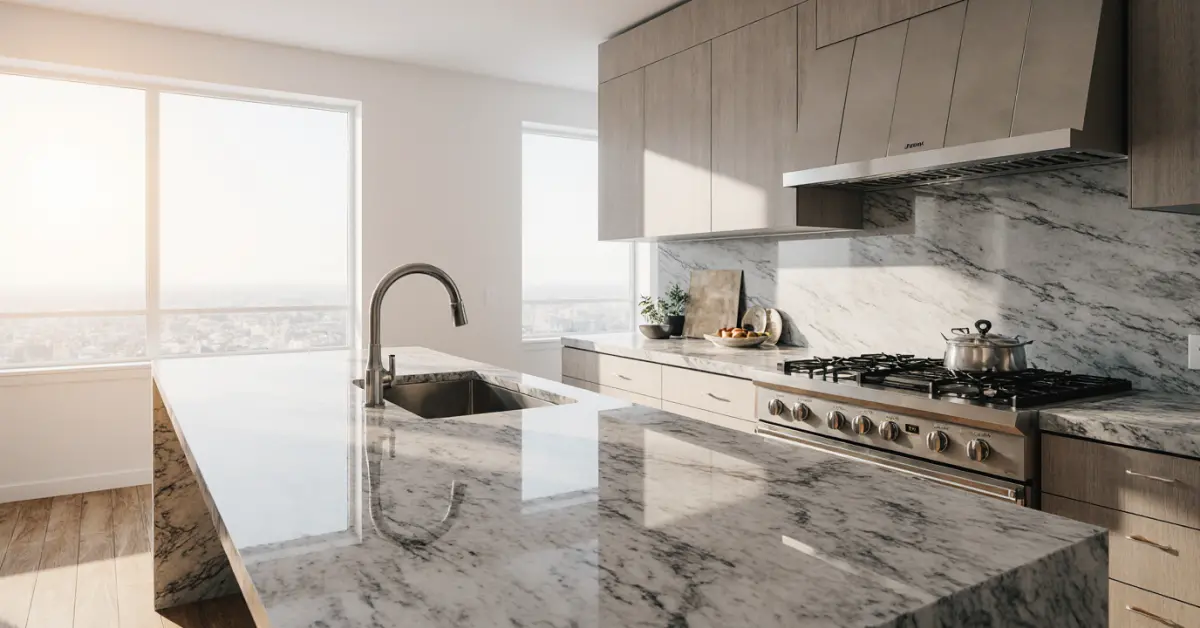
Engineered quartz countertops represent the pinnacle of modern interior design, combining enduring strength, striking aesthetics, and minimal maintenance requirements, constructed with precise engine…
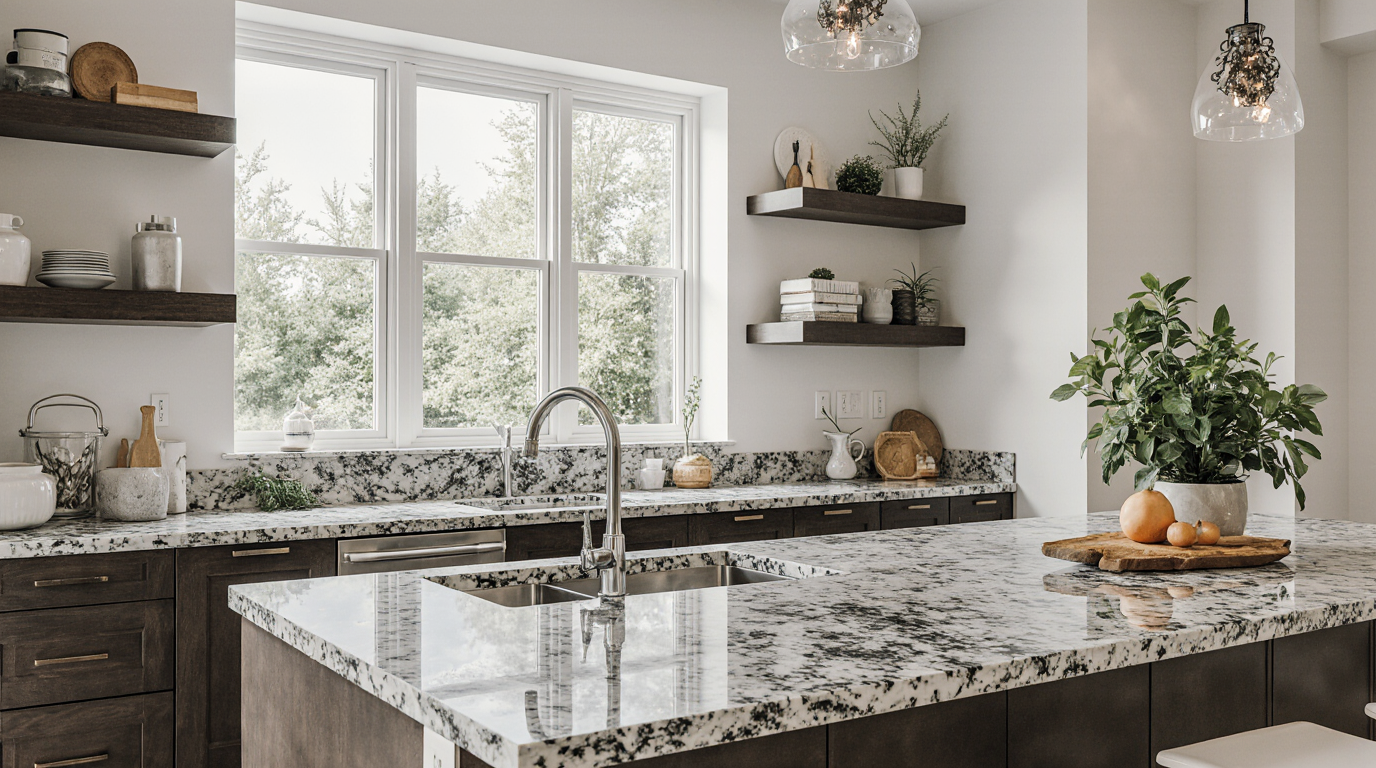
Choosing the ideal countertop demands not only a sense of style but also a deep comprehension of how visual appeal intersects with long-term durability and financial factors, since granite is commonl…
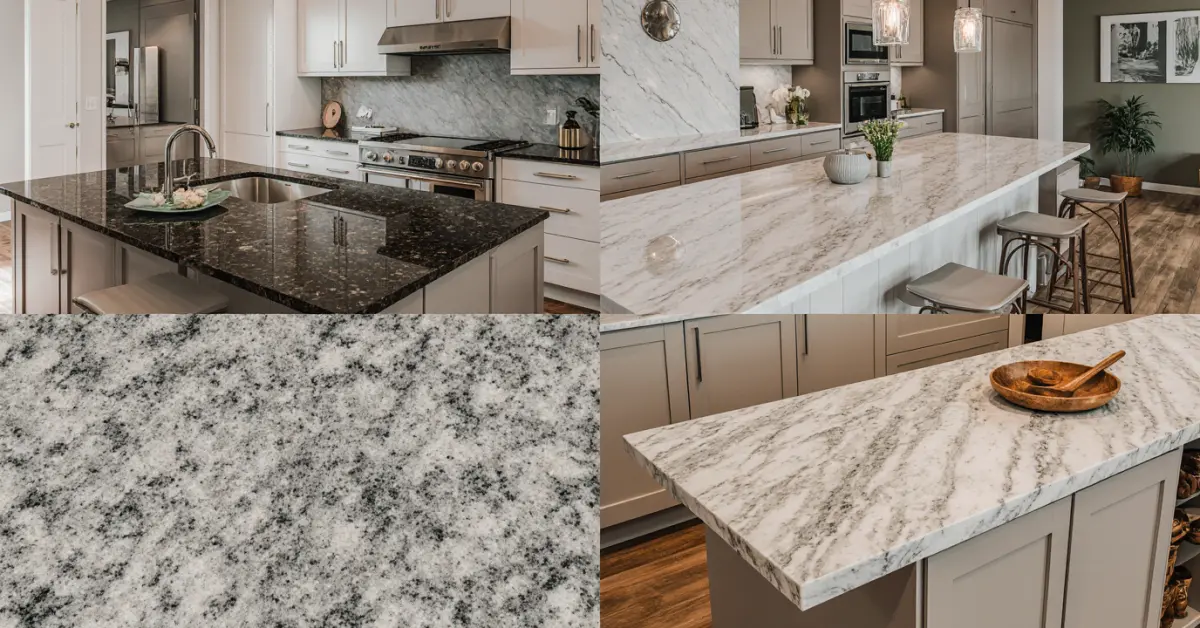
Delving into the realm of kitchen countertops uncovers a multifaceted range of materials, providing distinct visual appeal, longevity, and practical performance, with granite countertops standing as…
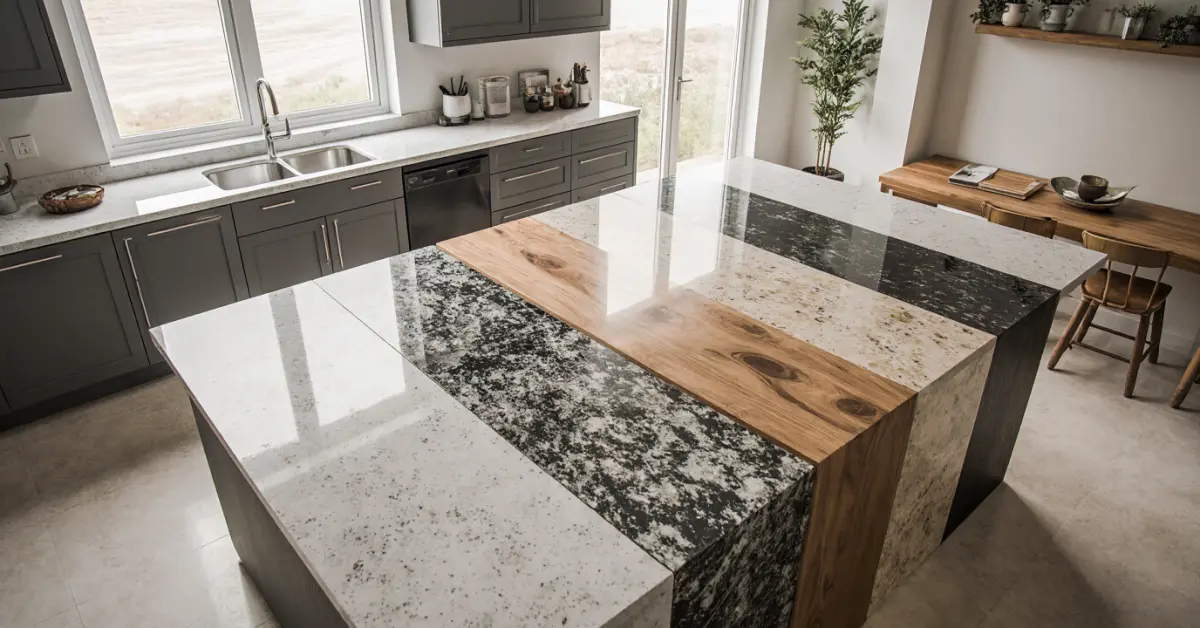
Exploring the different types of kitchen surfaces reveals countless options for transforming your kitchen into a environment that combines aesthetic appeal, strength, and utility. All countertop type…
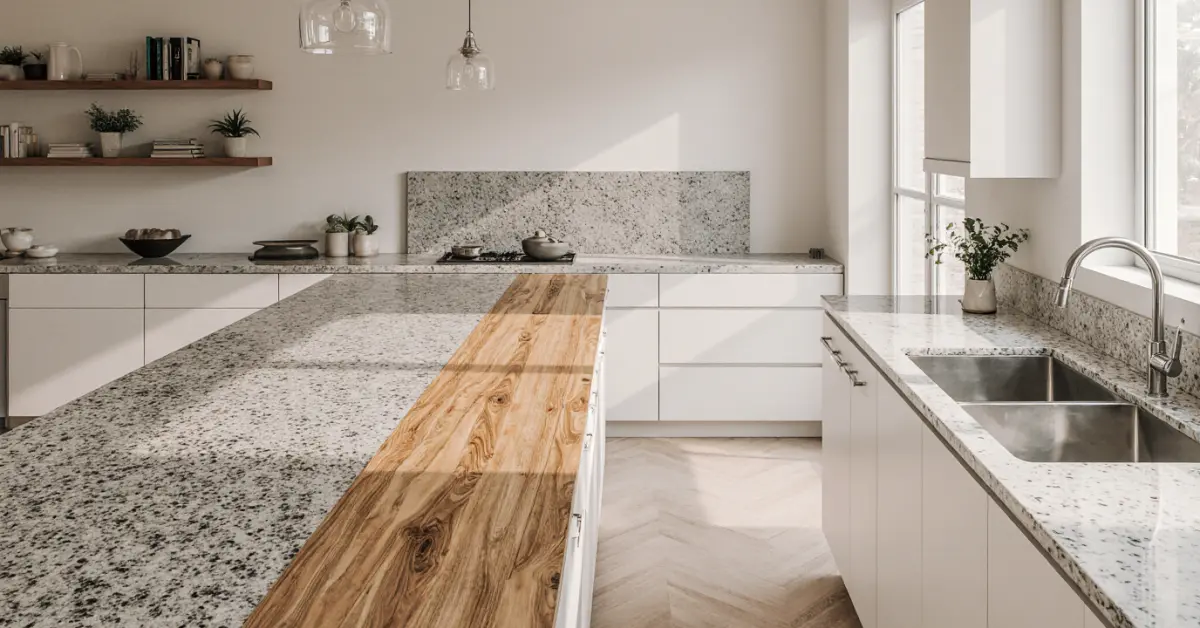
Choosing the ideal countertop involves careful consideration, as it defines both the visual identity and functionality of the home interior. Today’s residents desire surfaces that combine resilience,…
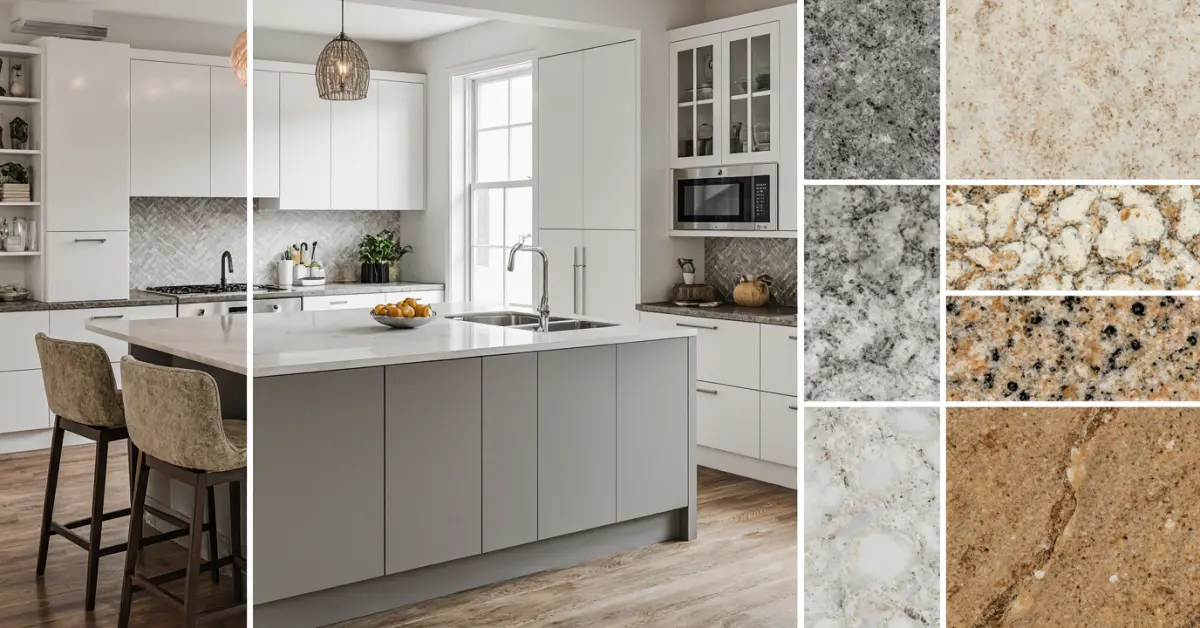
Choosing the most suitable countertop demands careful consideration, as it defines both the visual identity and practical use of the kitchen or bathroom. Contemporary buyers look for surfaces that me…
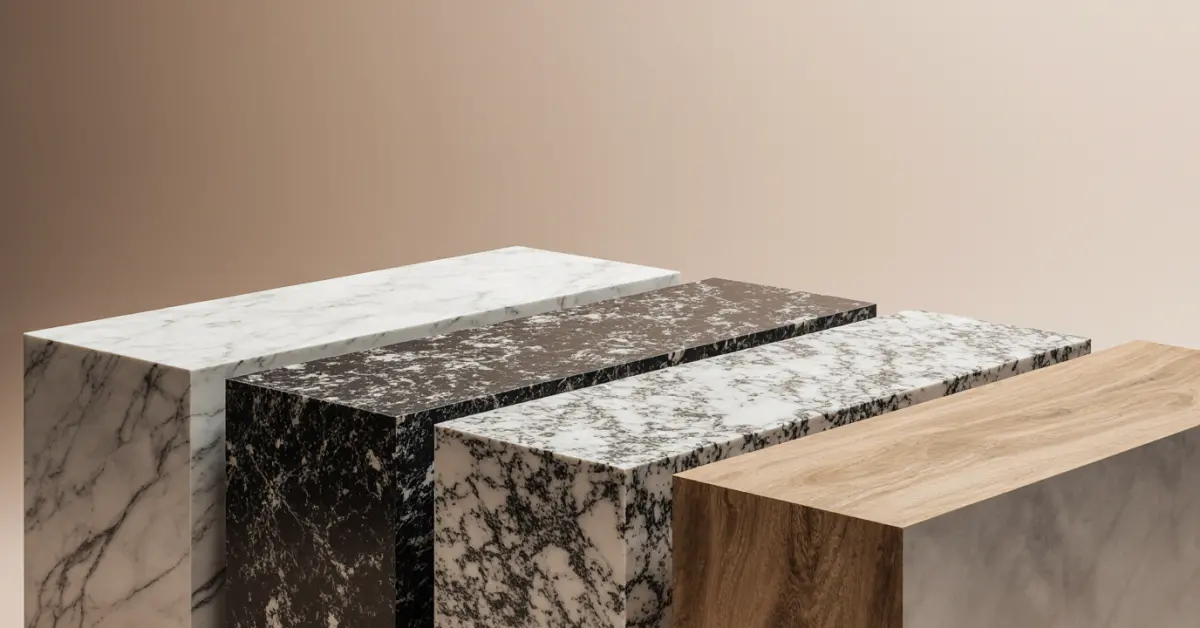
When designing a kitchen or bathroom, the choice of top surfaces can profoundly affect both aesthetics and functionality. Selecting the perfect countertop material is not just about visual impression…
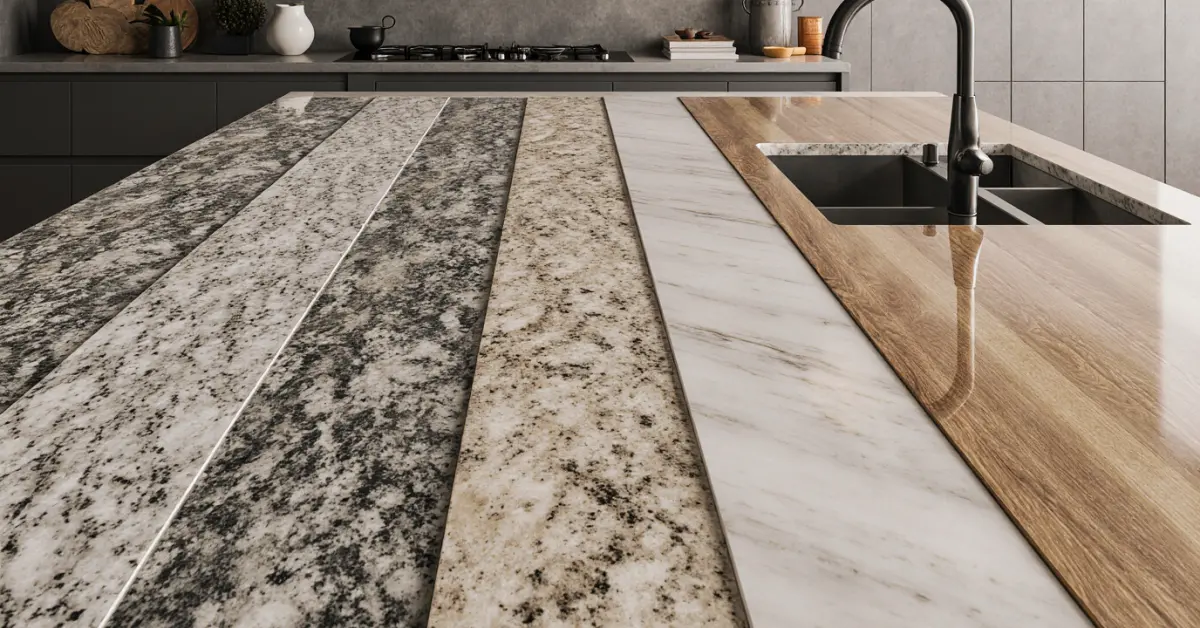
Selecting the ideal countertop can completely transform the visual appeal, atmosphere, and utility of kitchens and bathrooms. Thanks to the extensive selection of modern countertop surfaces provides…
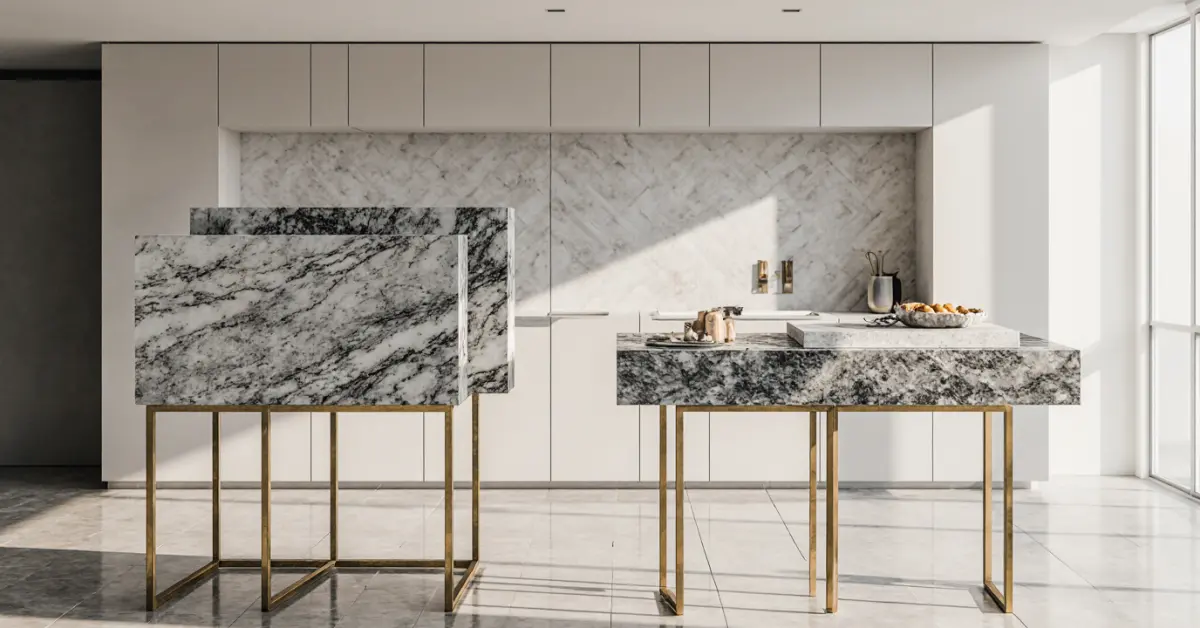
Among today’s most sought-after kitchen upgrades, prefabricated countertops distinguish themselves as a seamless combination of cost-efficiency, visual appeal, and installation ease. These pre-cut co…
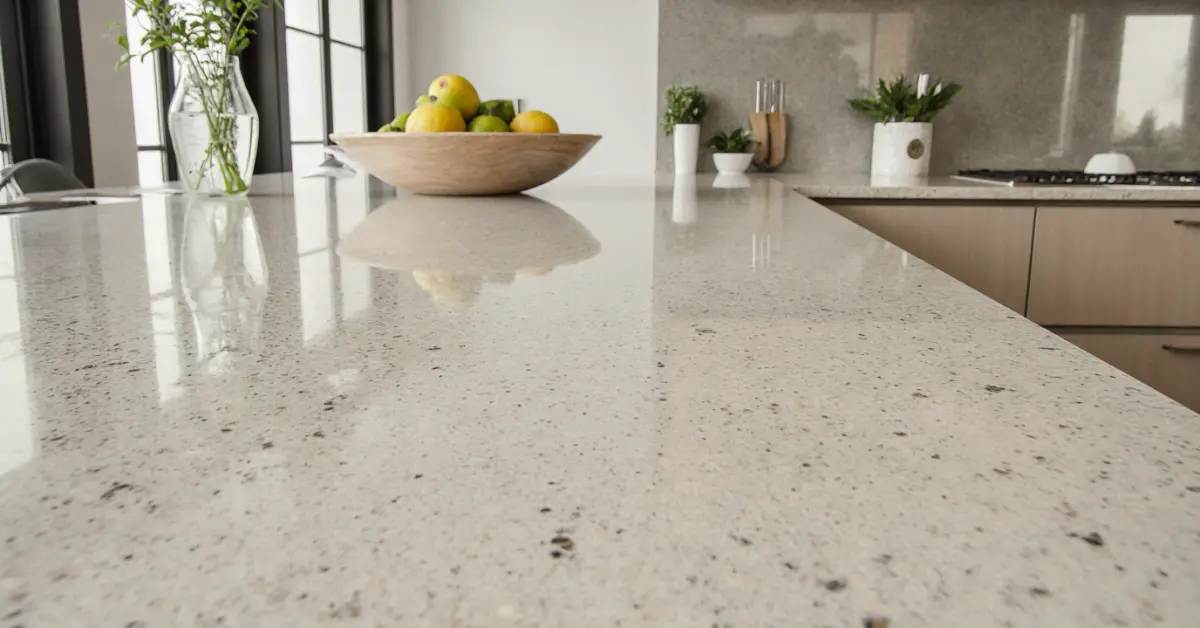
Discovering budget-friendly countertop solutions that harmonize aesthetic appeal with practicality is the ultimate desire of those seeking to refresh their culinary space. The right countertop choice…
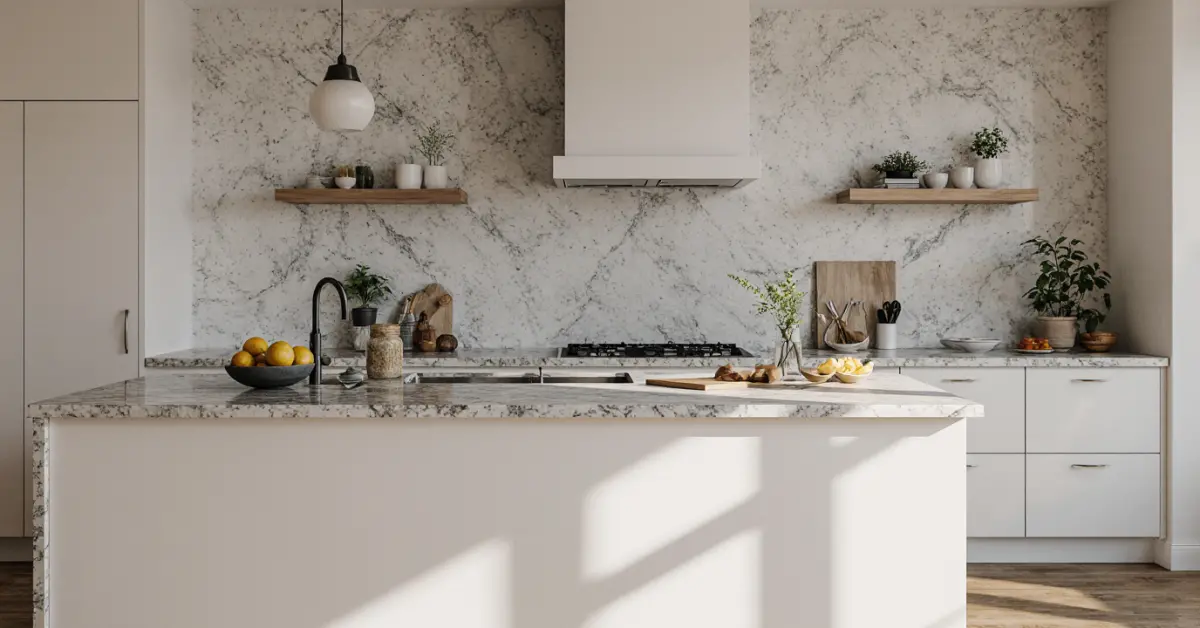
Finding cost-effective countertops is no longer about compromising aesthetic appeal and robust performance. Today’s homeowners can find stunning and high-performance surfaces that perfectly balance e…
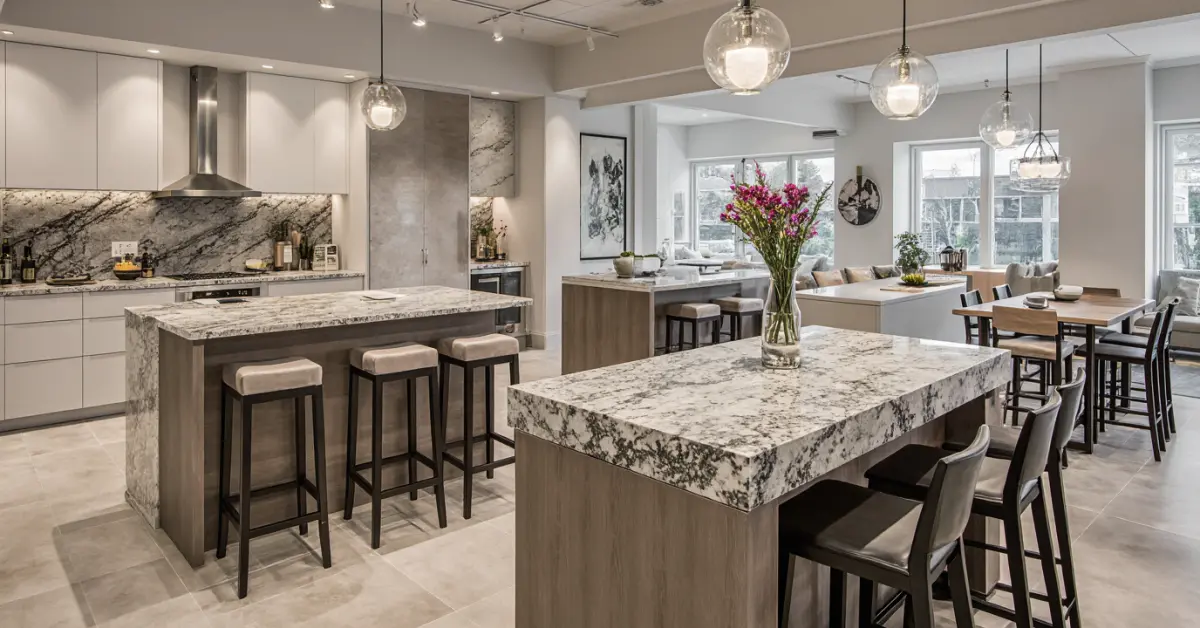
Investing in luxurious countertop surfaces can entirely redefine the look and feel of your kitchen or bathroom, infusing style and practicality to your environment. Whether you are remodeling your ho…
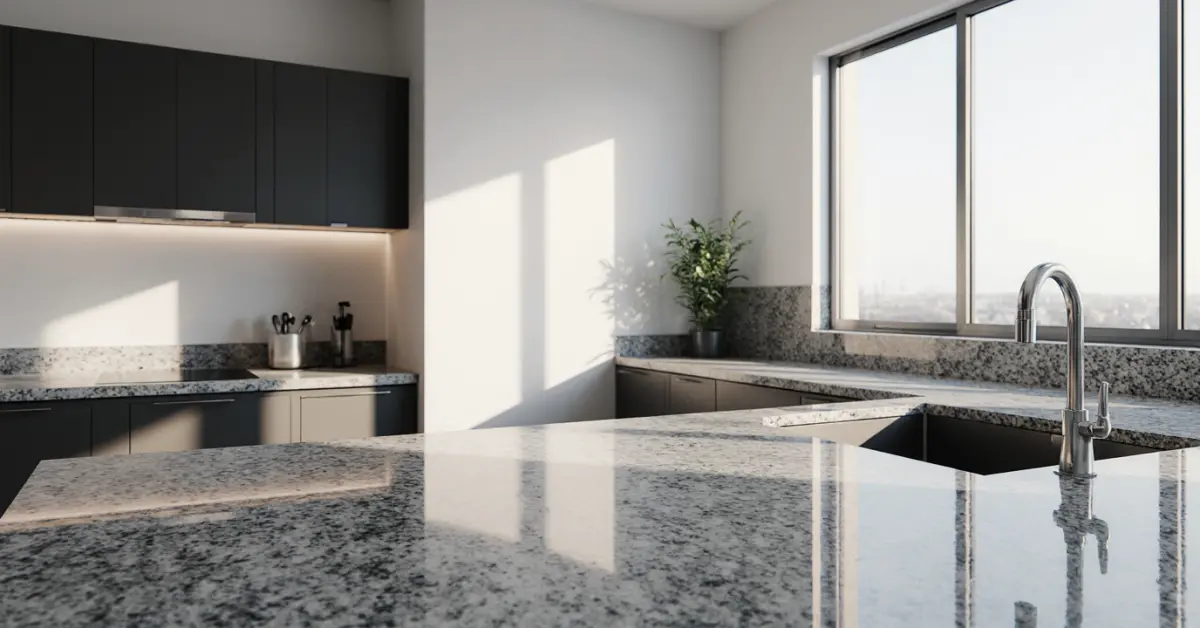
Opting for premium kitchen countertops can dramatically enhance both the utility and visual appeal of your kitchen, creating a focal point of luxury and refinement, since materials such as granite, q…
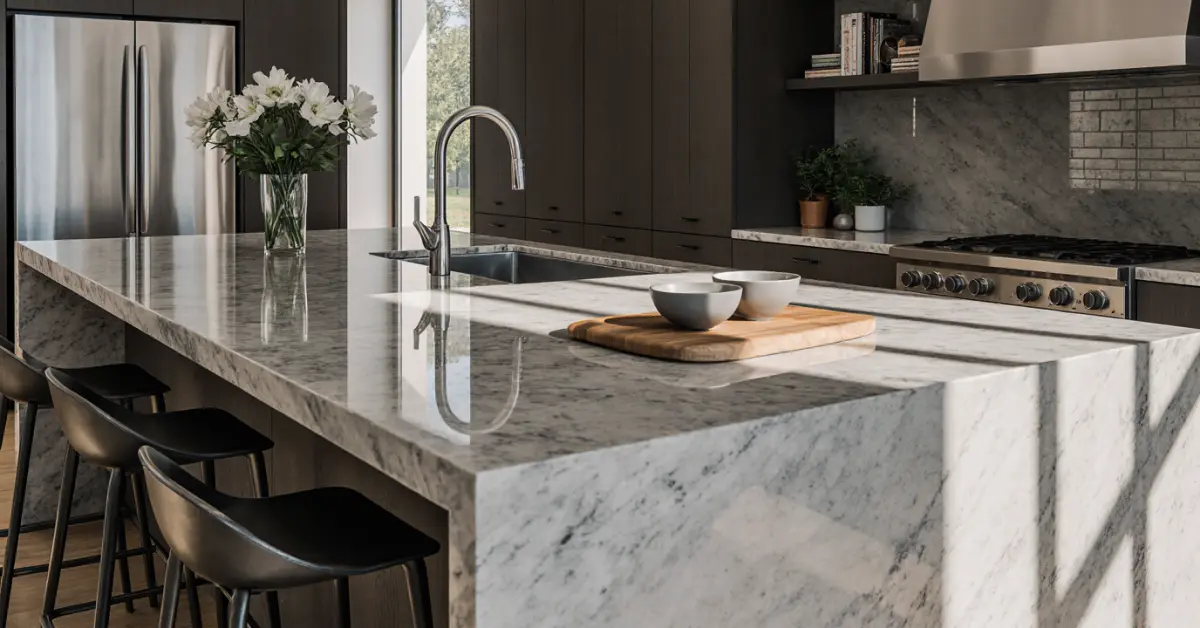
A custom island countertop is more than just a functional surface; it is the centerpiece of your kitchen, combining elegance, practicality, and long-lasting performance. Selecting the ideal material…
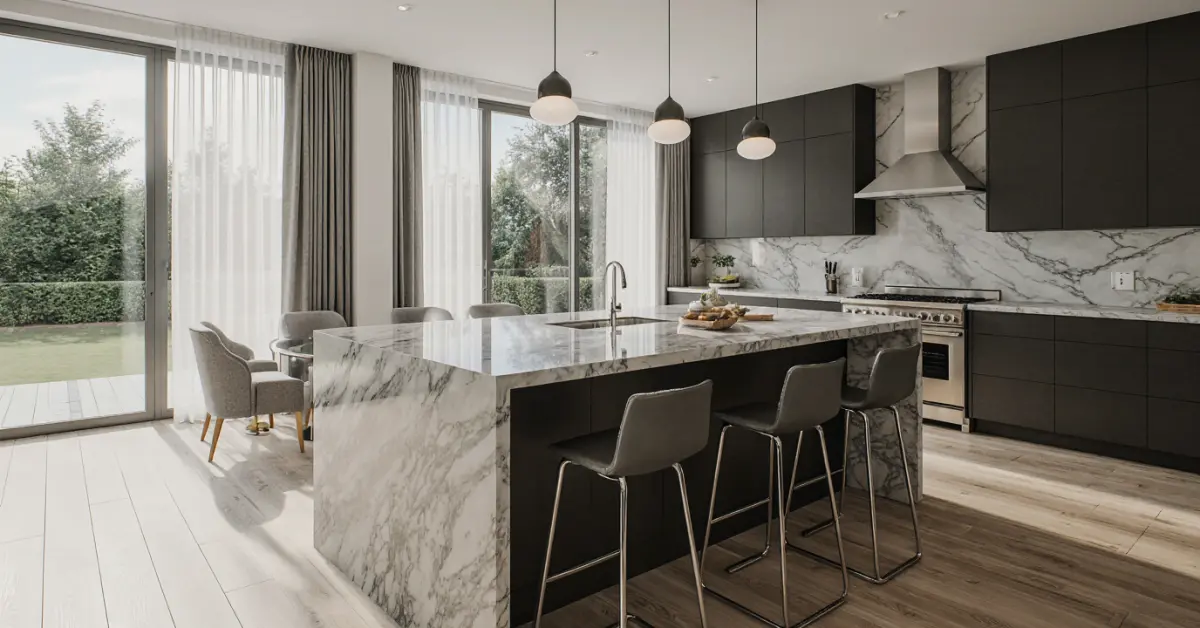
A kitchen island countertop is not merely a utilitarian fixture; it is the focal point that establishes both aesthetic and practical appeal. Selecting the perfect material for your island can signifi…
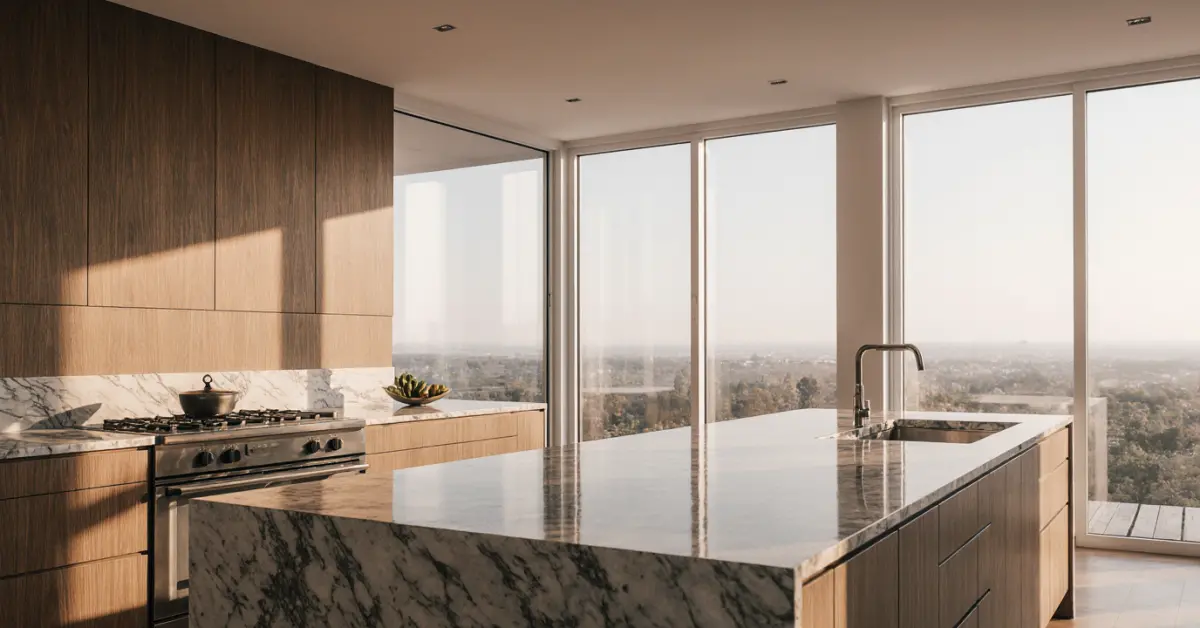
An island countertop is more than just a functional workspace in your kitchen , creating a stunning balance of elegance, efficiency, and modernity. The selection of an ideal countertop material can e…
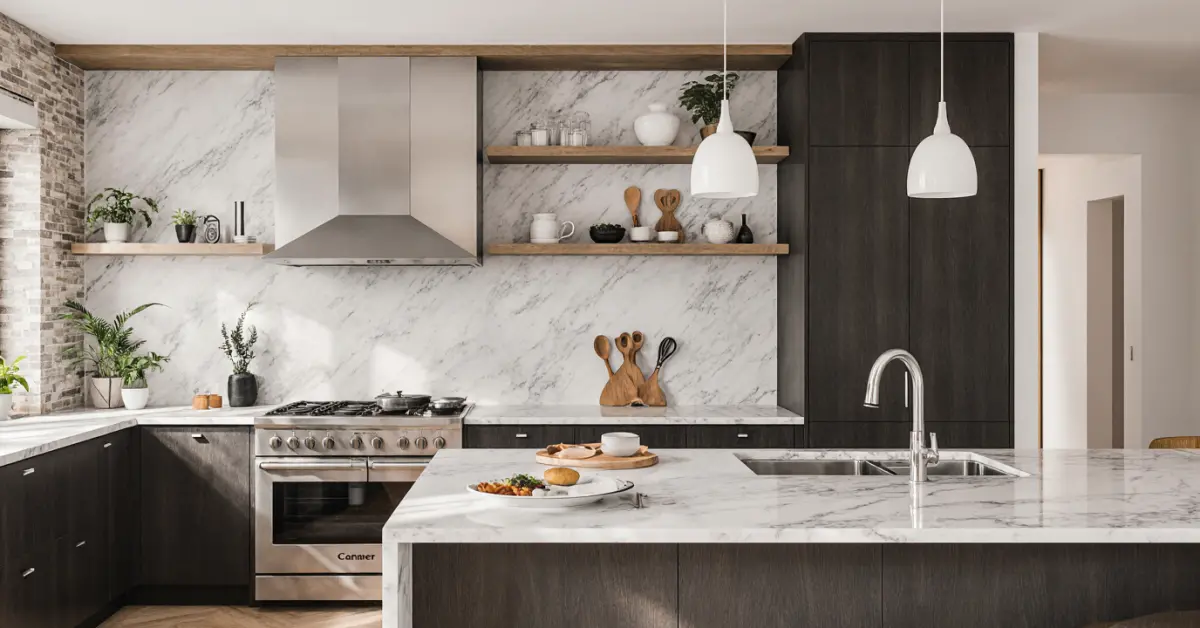
Choosing the ideal kitchen countertop has the power to transform the heart of your home into a area where design, usability, and endurance coexist harmoniously. In modern times, homeowners focus more…
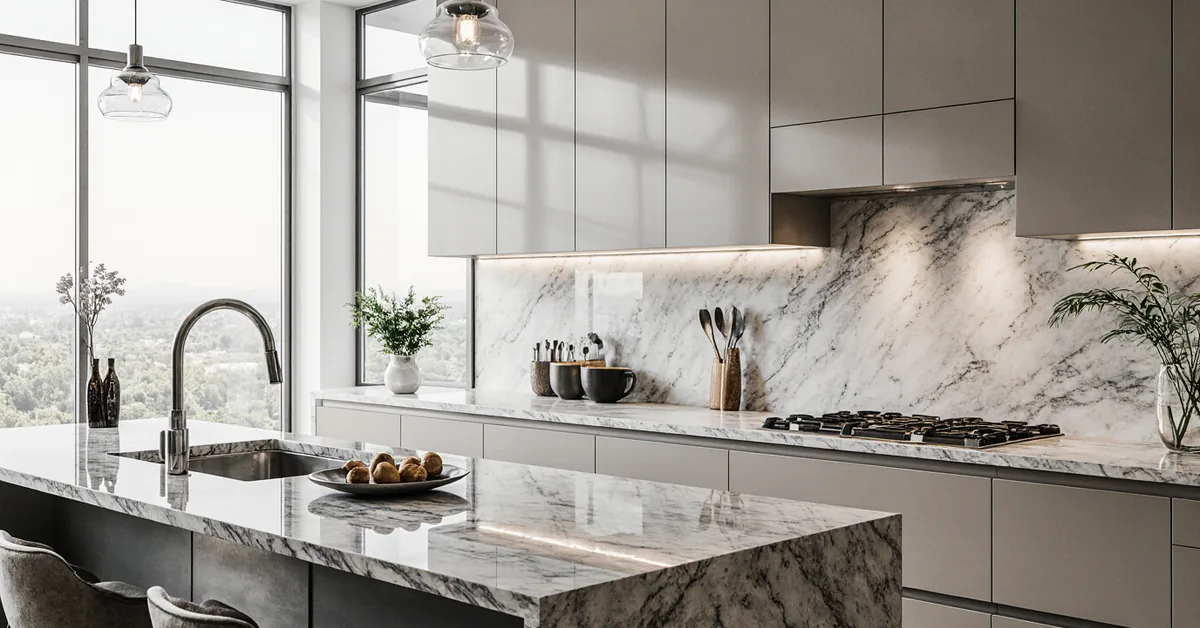
Choosing the ideal worktops can completely transform the look and feel and functionality of a kitchen. A carefully chosen kitchen worktop not only provides a practical surface for cooking and dining,…
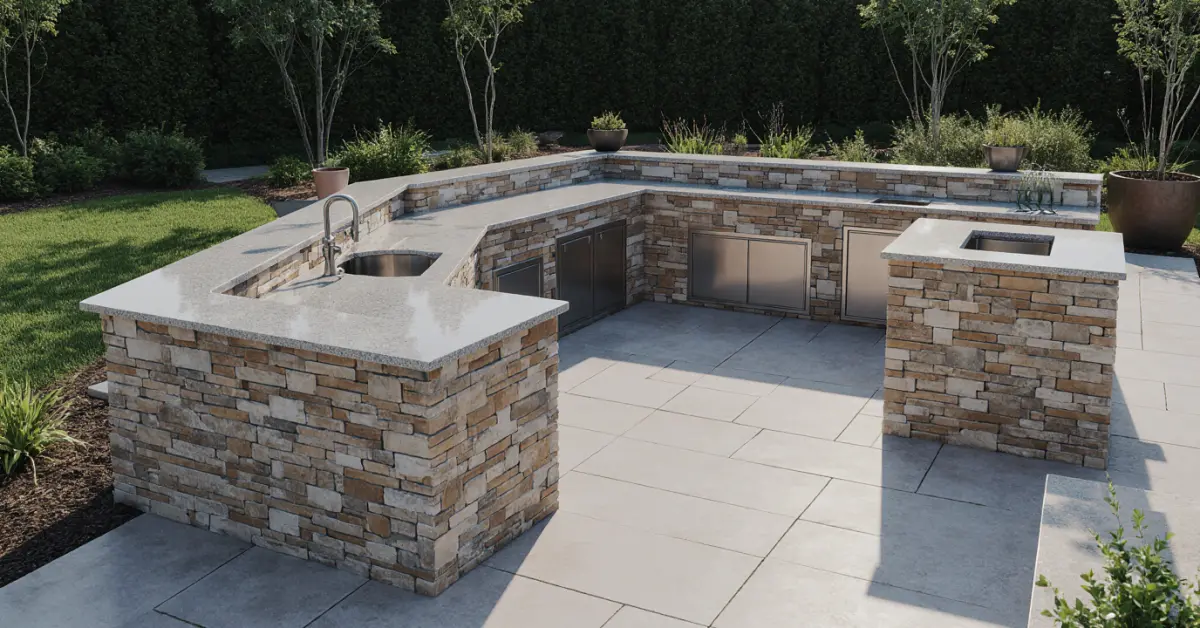
Deciding on the proper outdoor countertops is key for establishing a well-designed and sturdy outdoor environment. Materials including granite, quartz, and concrete resist moisture, heat, and UV expo…
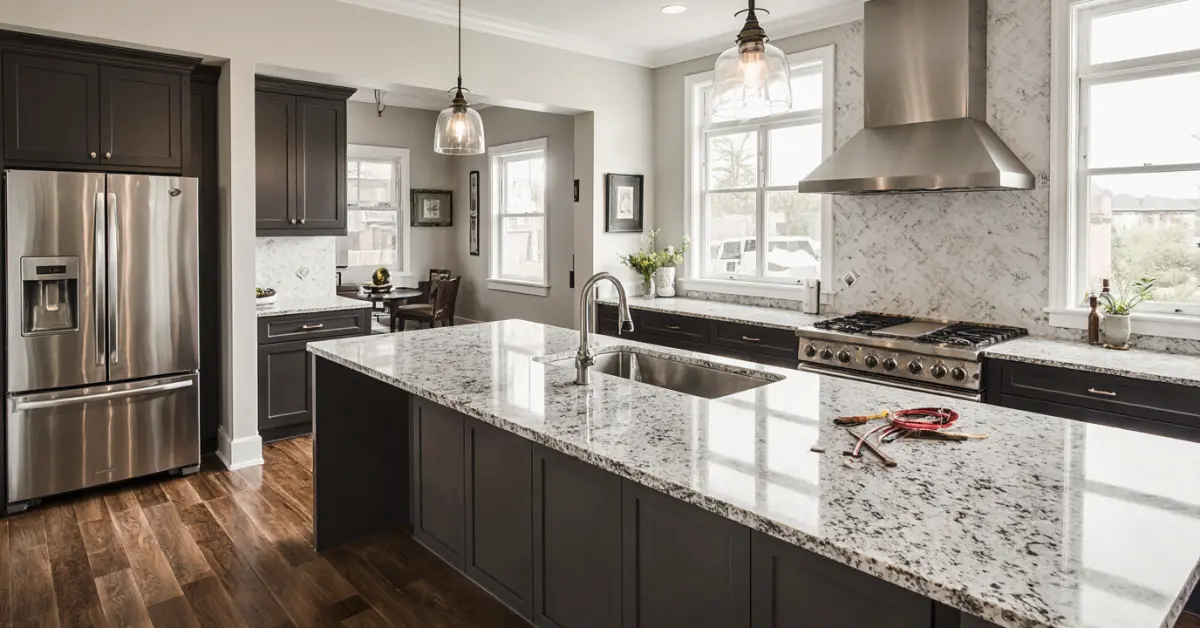
Refreshing your kitchen by replacing countertops can significantly boost both practical usability and visual elegance in your space, today’s homeowners are placing higher value on surfaces that merge…
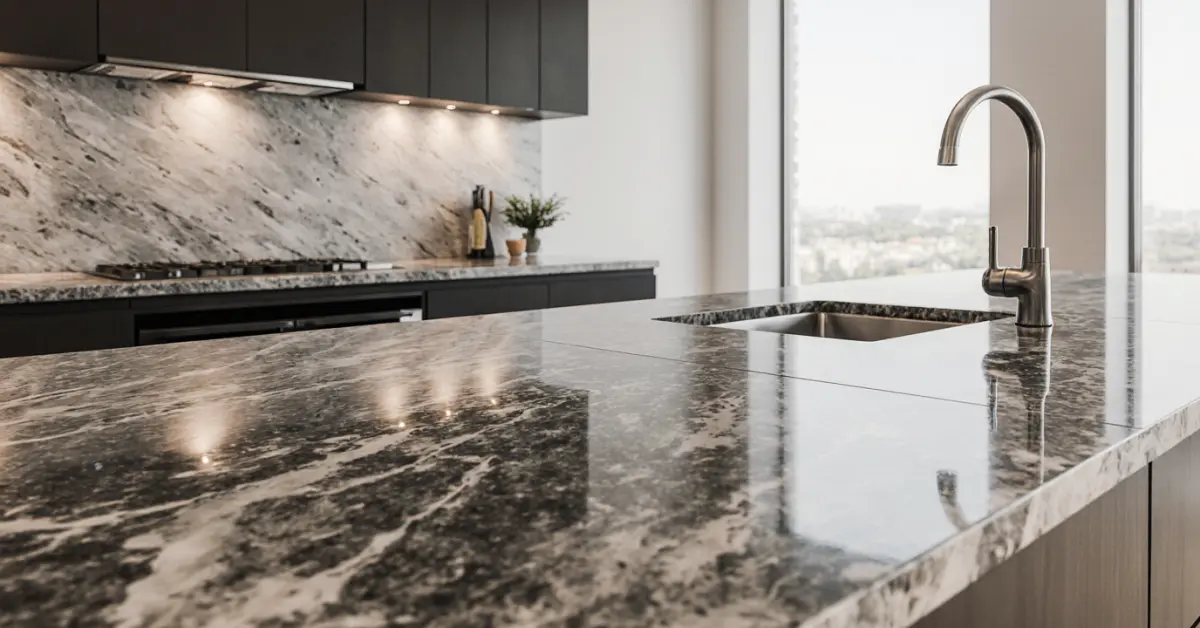
Countertops are more than just practical installations; they are a defining element that introduces refinement, durability, and distinctive flair to every corner of the home. Choosing premium surface…
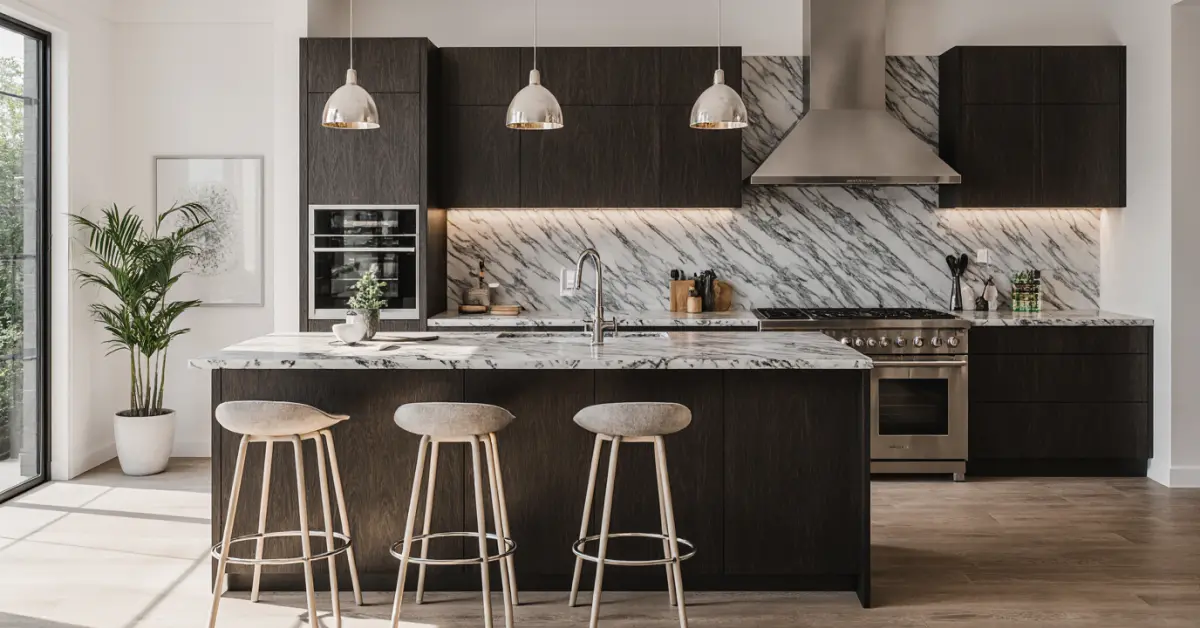
When it comes to redefining the heart of your home, kitchen counter tops play a pivotal role in both aesthetics and functionality, selecting the ideal surface enhances the kitchen’s appearance while…
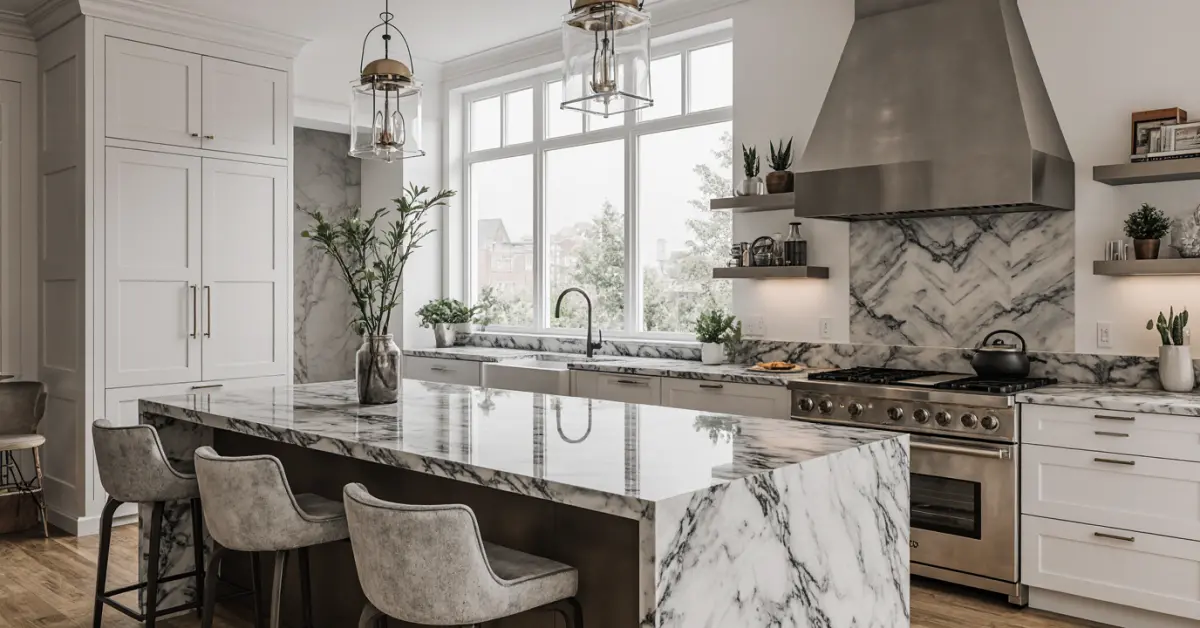
When it comes to designing a space that showcases both elegance and usability, few elements stand out as much as design countertops. These countertops are not just practical zones for culinary tasks;…
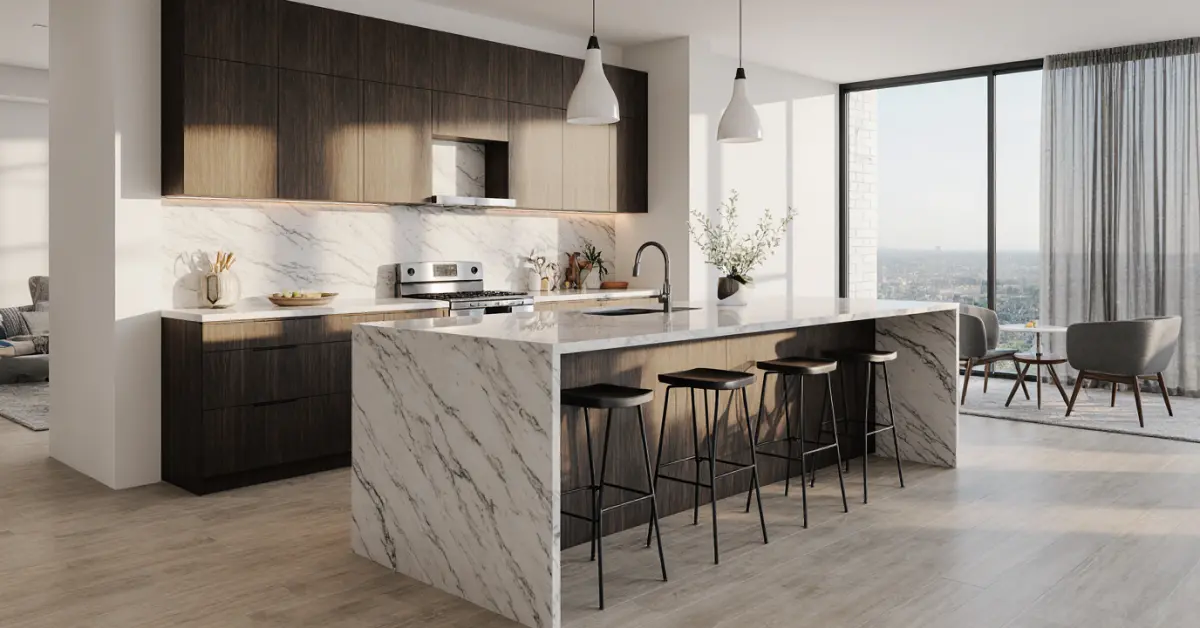
A sleek kitchen worktop concept goes far beyond being just a place to prepare meals; it defines the overall style, efficiency, and character of your kitchen. Choosing the right countertop material ca…