Transitional Style Kitchen Pinellas County FL
Transitional Style Kitchen: Harmonizing Contemporary Sophistication with Classic Warmth
A Transitional Style Kitchen embodies a seamless fusion of classic charm and contemporary sleekness, producing a kitchen that is welcoming yet highly practical. The approach appeals to design enthusiasts due to its ability to merge multiple materials and layouts, creating kitchens that remain timeless across trends. Through the combination of minimalist forms and conventional accents, transitional kitchens maintain a sophisticated yet approachable ambiance. Every component—from cabinets to hardware—works in concert to create a unified and elegant environment. Design authorities consistently note its appeal to those who wish for a space that balances classic allure with contemporary updates.
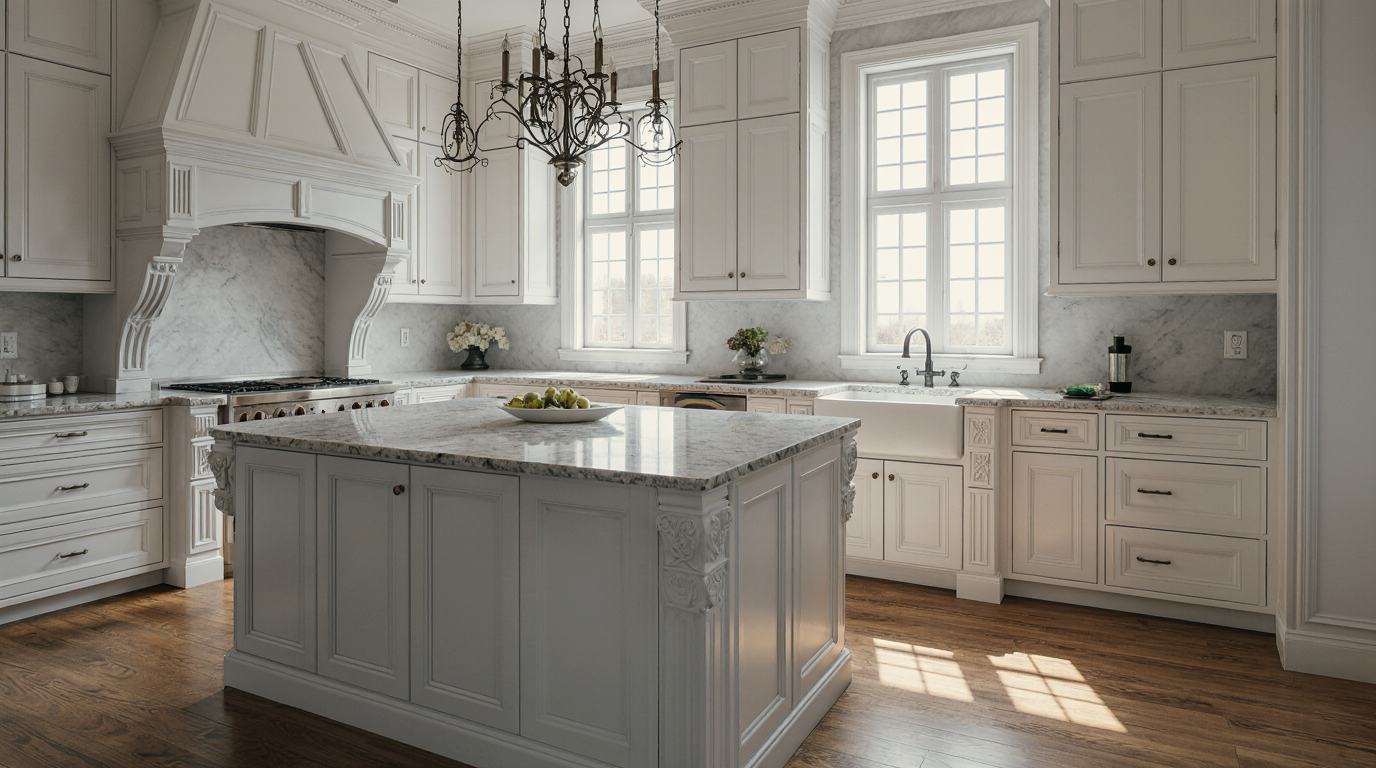
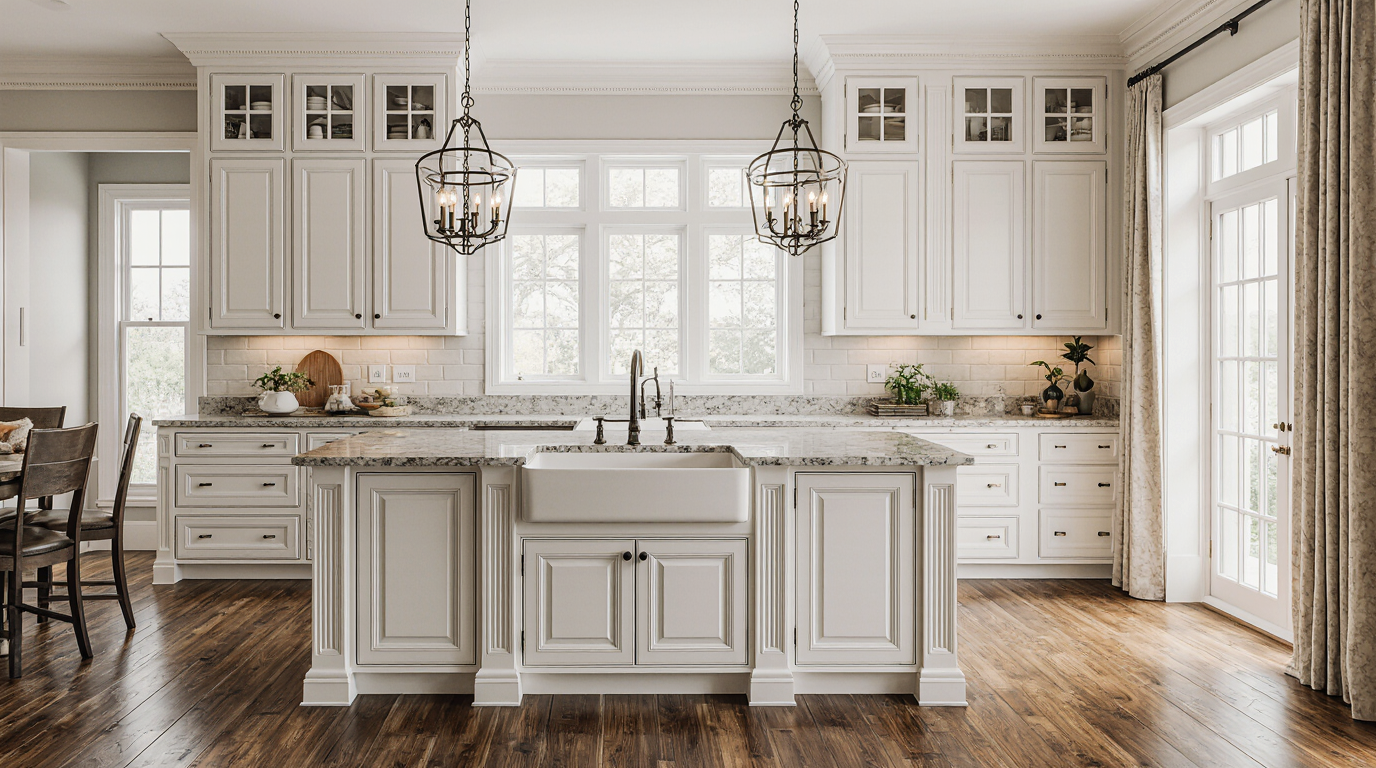
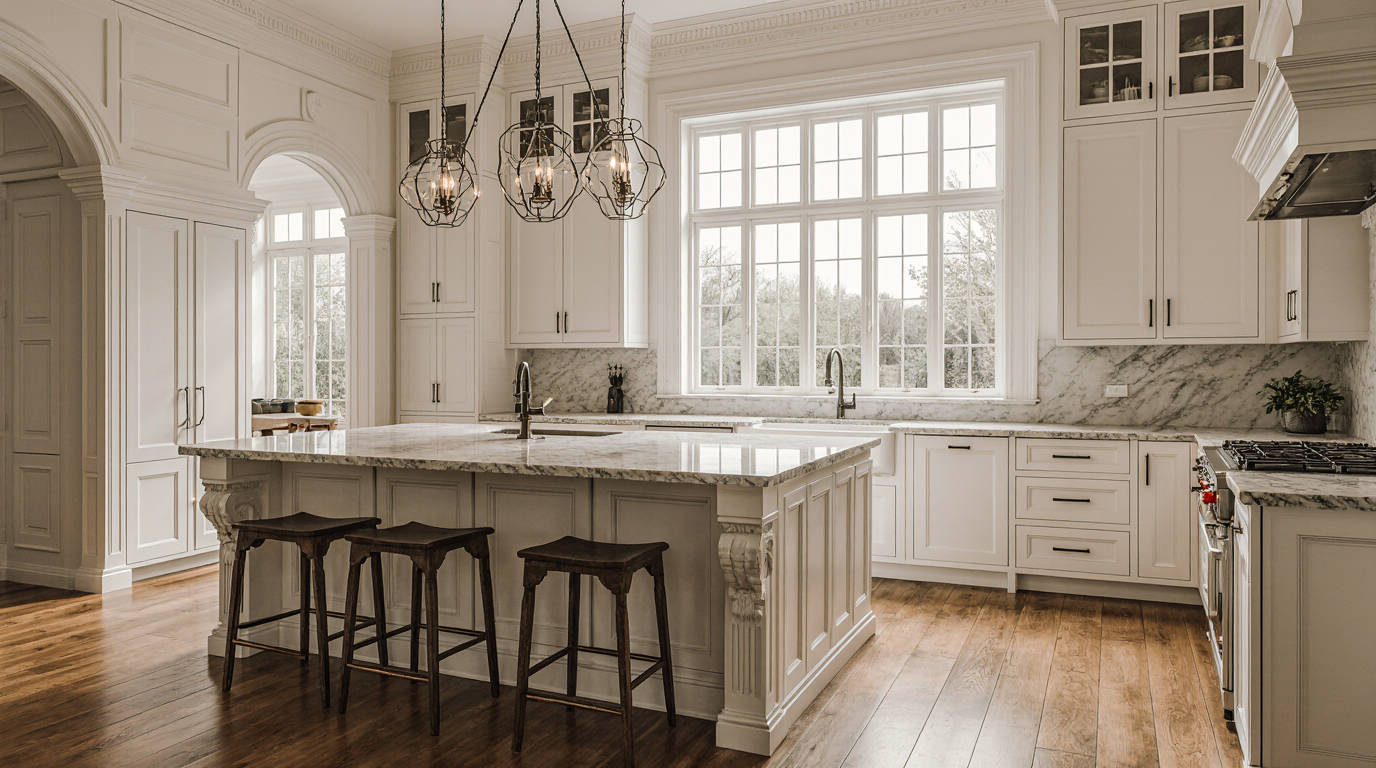
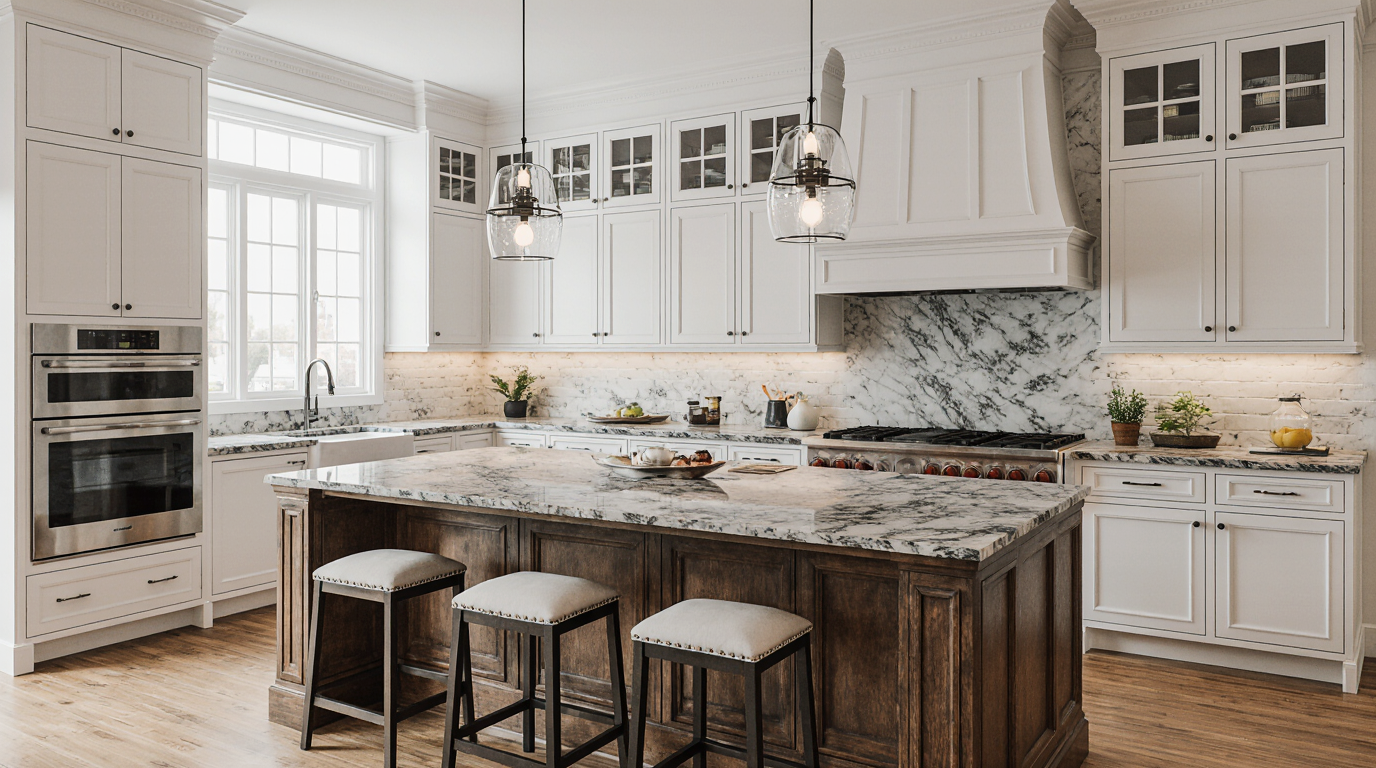
The arrangement and selection of light fixtures are essential in defining both the practical and aesthetic qualities of a transitional kitchen. Layered lighting, which includes recessed ceiling lights, under-cabinet illumination, and statement pendant fixtures, can dramatically transform the space. Sunlight streaming through expansive windows or well-positioned skylights emphasizes openness and enhances the kitchen’s welcoming nature. Professional kitchen designers suggest selecting lighting fixtures that merge traditional craftsmanship with modern minimalism, such as brushed nickel pendants over an island or a chandelier with sleek detailing. Appropriate illumination accentuates focal points such as stone surfaces and bespoke cabinetry, while enhancing the refined character of the space.
Transitional kitchen cabinets frequently combine decorative panels with sleek flat fronts to bridge classic and modern design sensibilities. Pale neutrals and subtle earthy hues create a tranquil canvas that complements metallic accents or natural wood elements. Personalized cabinet solutions, featuring innovative storage, hidden drawers, and tailored compartments, enhance both practicality and sophistication. Balancing open and closed storage allows for both decorative display and efficient organization, maximizing functionality and appeal.
Countertops are another defining aspect of a transitional kitchen, offering a unique opportunity to mix textures and materials. Stone countertops such as granite or quartz provide resilience and enduring style, whereas wood and marble introduce warmth and texture. Coordinating countertop materials with surrounding design elements produces a seamless and elegant visual flow. Layered and cascading countertop designs offer a subtle modern accent, maintaining harmony with traditional elements. Countertops act as functional workspaces and visual anchors, expressing taste and reinforcing the kitchen’s design identity.
Flooring in a Transitional Style Kitchen combines practicality with design elegance. Popular choices include wide-plank hardwood, stone tiles, and ceramic options that offer longevity and timeless style. The texture and color of the flooring can subtly anchor the room, providing contrast to lighter cabinetry or echoing the warmth of wooden accents. Design professionals suggest patterns and finishes that combine practicality with elegance, offering subtle interest without cluttering the visual experience. By carefully choosing the flooring, designers ensure that the kitchen feels cohesive, functional, and welcoming.
Appliance selection blends technology with aesthetic cohesion, enhancing usability without detracting from the style. Concealed and flush-mounted appliances, from ovens to refrigerators, support a streamlined, clutter-free environment. High-end kitchen designers emphasize that appliances should complement the kitchen’s aesthetic while offering advanced functionality, enabling homeowners to enjoy a space that is both luxurious and practical. Thoughtful cabinetry for appliances preserves surface space and maintains the kitchen’s sophisticated, orderly aesthetic.
Cabinet pulls, faucets, and lighting act as understated but significant design elements. Choosing refined metallic tones enhances cohesion between cabinetry, lighting, and decor. Hardware selections play a key role in merging classic and modern cues, adding cohesion and style. Choosing lasting, classic hardware supports both functional durability and long-term visual appeal.
Decorative elements are selectively added to enhance the kitchen’s personality while maintaining order. Artisan pieces and understated ornaments provide visual interest while keeping the space refined. Rugs, cushions, and fabric finishes add comfort and dimension, counterbalancing hard surfaces. Kitchen Design authorities suggest thoughtful layering of accessories to achieve a lived-in yet sophisticated ambiance that encourages both comfort and entertaining.
Ultimately, a Transitional Style Kitchen is celebrated for its ability to merge the best of both worlds: timeless charm and contemporary elegance. Every detail is selected with care to ensure both practicality and style, allowing the kitchen to evolve gracefully over time. Adopting transitional aesthetics allows for a kitchen that is both a practical cooking hub and a stylish focal point for family and guests. Design authorities consistently advocate transitional kitchens for their timeless adaptability and universal appeal.