Tiny Kitchen Design: Optimizing Small Spaces With Elegance and Functionality
Planning a compact kitchen layout involves both overcoming spatial limitations and embracing an opportunity for innovative, functional design. Compact kitchens require a strategic approach that maximizes every inch while maintaining elegance and usability. For homeowners who want a stylish yet practical cooking space, understanding the principles of space optimization, lighting, storage, and workflow is crucial. Thoughtful small kitchen layouts convert compact areas into efficient, aesthetically pleasing culinary environments.
The initial focus in a small kitchen is maximizing available space. Every element, from cabinetry to appliances, must serve a purpose without crowding the room. Utilizing space-saving ideas like sliding pantries, angled drawers, and mounted shelving optimizes both vertical and floor space. Emphasizing dual-purpose furniture and concealed storage keeps the kitchen organized and clutter-free. Careful spatial arrangement makes a tiny kitchen feel airy and structured.
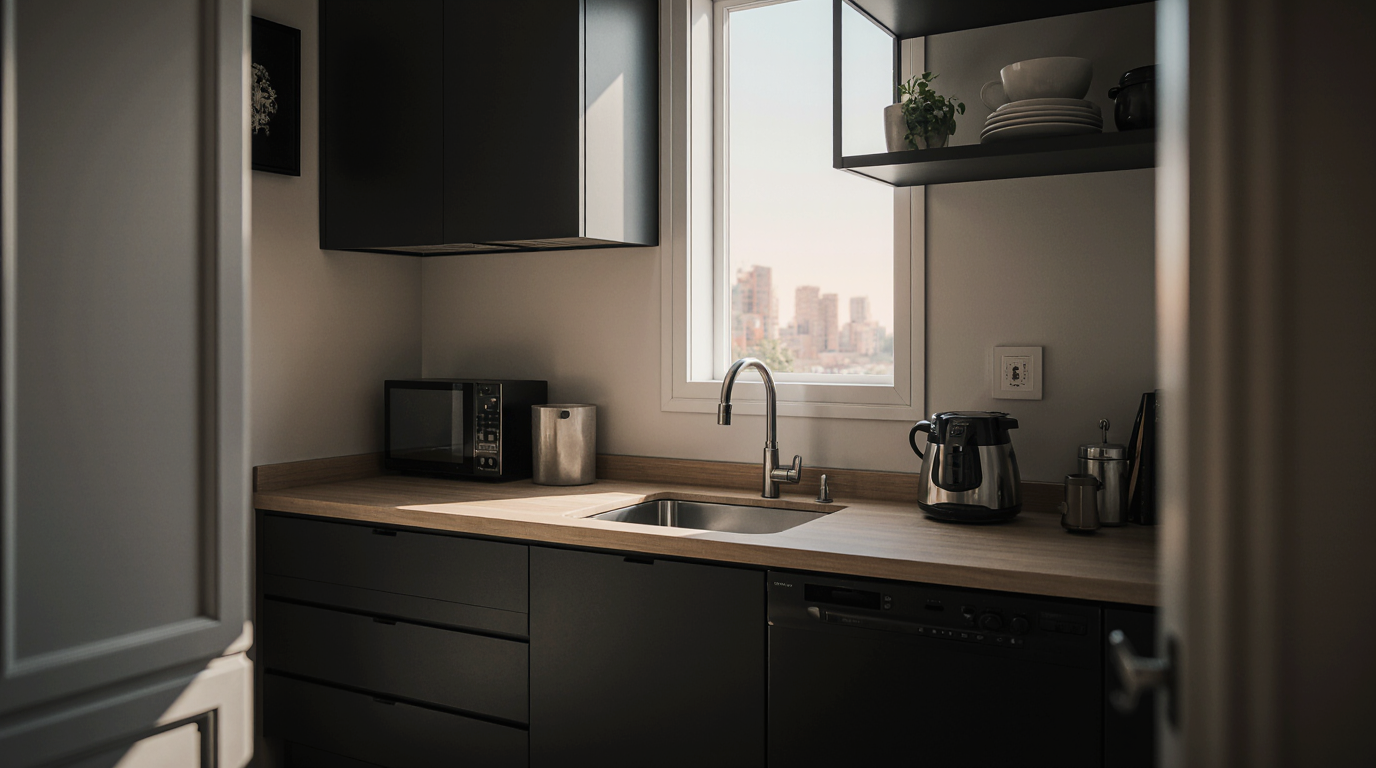
Lighting plays a pivotal role in enhancing the perception of space in a compact kitchen layout. Maximizing daylight with well-placed windows and glossy surfaces enhances openness. Using shiny or mirrored finishes enhances brightness and generates a sense of spaciousness. Layered lighting, including recessed lights, under-cabinet LED strips, and strategically placed pendant lights, not only illuminates work areas but also adds depth and dimension to the kitchen. With thoughtful illumination, small kitchens become inviting hubs for meal preparation and interaction.
Smart appliance selection ensures maximum efficiency in limited kitchen spaces. Compact or integrated appliances, such as slim refrigerators, wall ovens, and combination microwave-convection units, save space without sacrificing functionality. Multi-functional kitchen devices maximize efficiency while minimizing clutter. A well-planned work triangle between fridge, stove, and sink optimizes task flow and reduces effort.
Colors, materials, and finishes can dramatically alter how spacious and welcoming a small kitchen feels. Soft and pale tones visually enlarge the kitchen while promoting a sleek, contemporary style. Accents in fixtures or surfaces inject vibrancy while maintaining cohesion. A mix of matte and glossy textures balances visual interest with practicality. Attention to kitchen finishes contributes to both the beauty and practicality of the space, ensuring that every surface is easy to maintain and visually cohesive.
Clever storage strategies are vital in maximizing utility and aesthetics. Optimized vertical storage keeps surfaces clear and ensures accessibility for all tools. Modular systems allow for flexible reconfiguration, adapting to changing storage needs or seasonal items. Even under-cabinet areas can be optimized with slide-out baskets or small appliance garages, keeping countertops uncluttered and promoting a seamless cooking experience. Smart storage contributes to functionality and refined visual appeal.
User comfort and ergonomic planning are crucial in compact kitchens. Optimally arranged prep areas and seating improve usability and pleasure. Innovative accessories like extendable boards and flexible shelving enhance comfort and practicality. Understanding user behavior and movement allows the creation of seamless, efficient small kitchens.
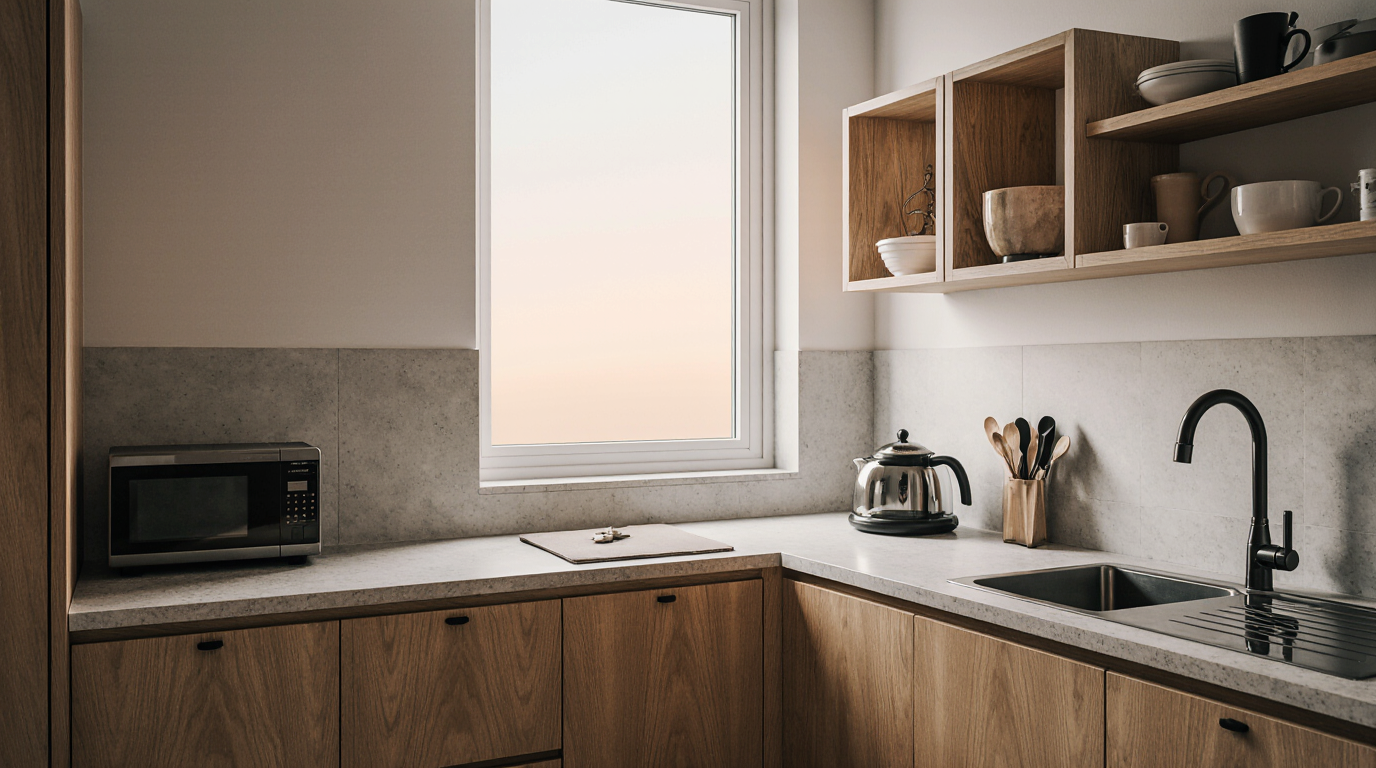
Open shelving combines accessibility with aesthetic appeal in compact kitchens. Displaying frequently used items like glassware, plates, or cookbooks adds personality while keeping essentials accessible. Open shelving encourages organization, as items must be arranged neatly to maintain a polished appearance. Combined with closed cabinetry for less attractive storage needs, this approach balances practicality with style, creating a dynamic and inviting small kitchen aesthetic.
Flooring choices also contribute to the perception of space in a tiny kitchen layout. Uniform, pale flooring enlarges the space; patterns add interest and comfort. Robust, low-maintenance surfaces maintain beauty and practicality. Strategic placement of rugs or mats can define zones within the kitchen, guiding movement and enhancing comfort during cooking and cleaning routines.
In addition to functional considerations, a well-designed tiny kitchen integrates personal style and lifestyle needs. A variety of styles, from contemporary to country, can optimize space while showcasing character. Unique design elements convey style while maintaining practicality. Incorporating greenery, art, or unique lighting elements adds warmth and character, making even the smallest kitchen feel inviting and thoughtfully curated.
Excellence in compact kitchen design merges smart strategy, innovation, and precision. By prioritizing space efficiency, proper lighting, ergonomic functionality, and aesthetic coherence, small kitchens can rival larger spaces in both performance and style. Innovative layouts and strategic planning turn limited areas into efficient, visually striking culinary hubs.
Tiny kitchens prove that thoughtful planning can achieve exceptional functionality and style. Limited space does not hinder creating a kitchen that is functional, inviting, and uniquely expressive.