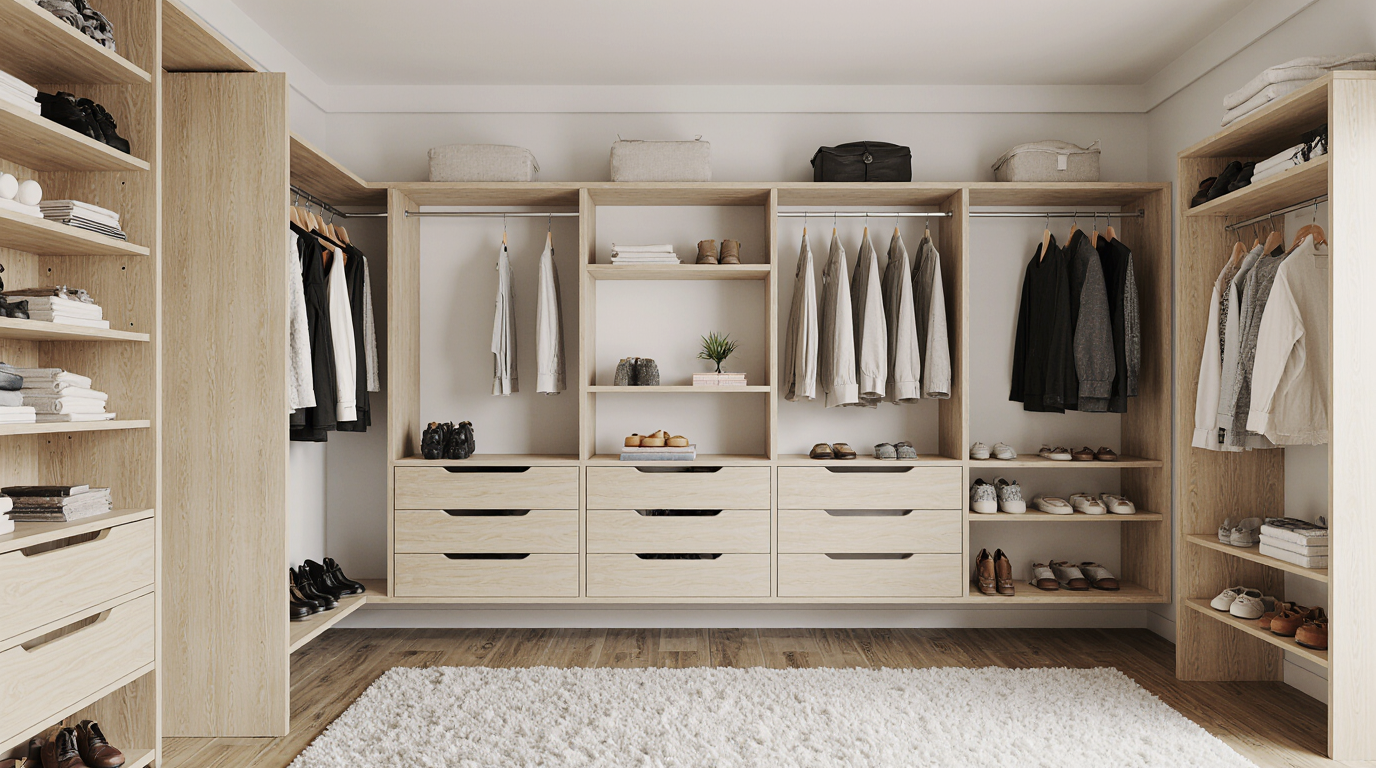
My Diagnostic Framework for Closet Space Audits
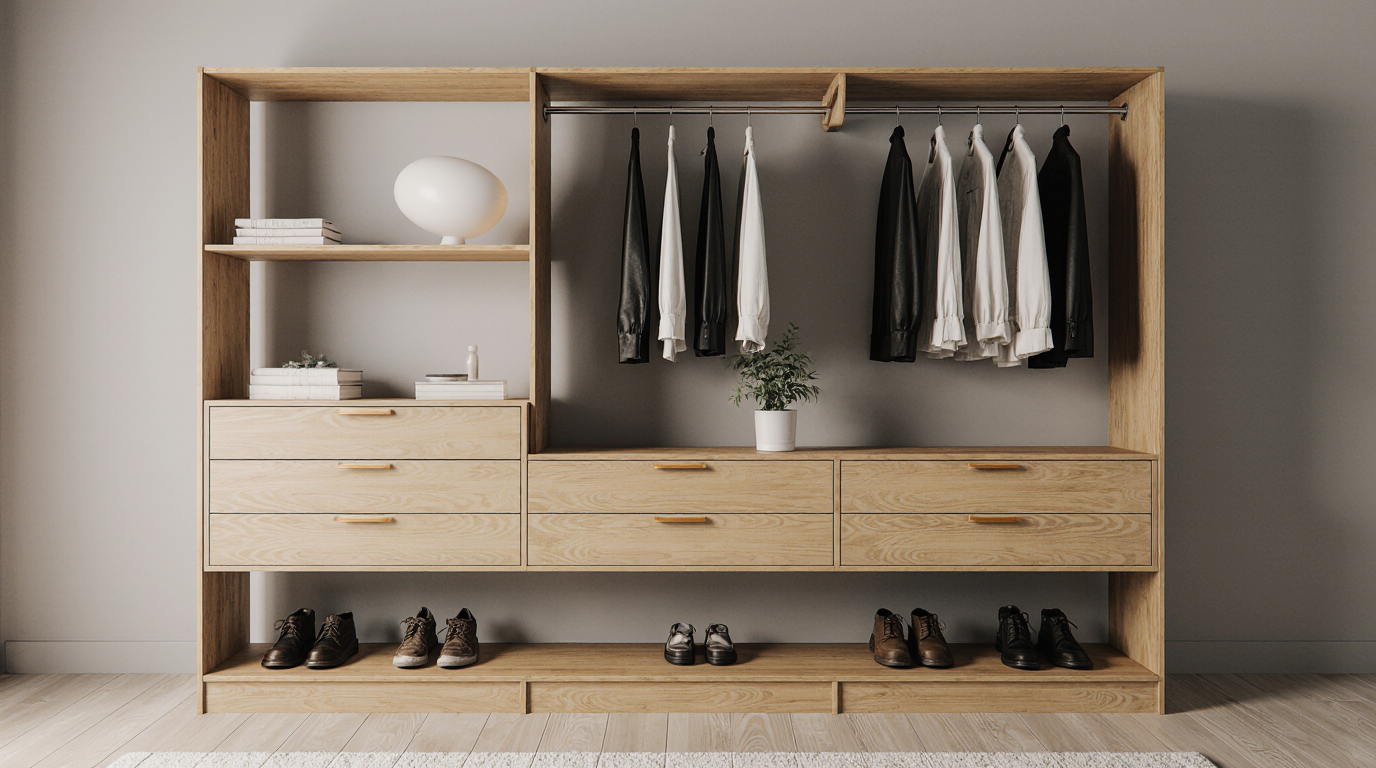
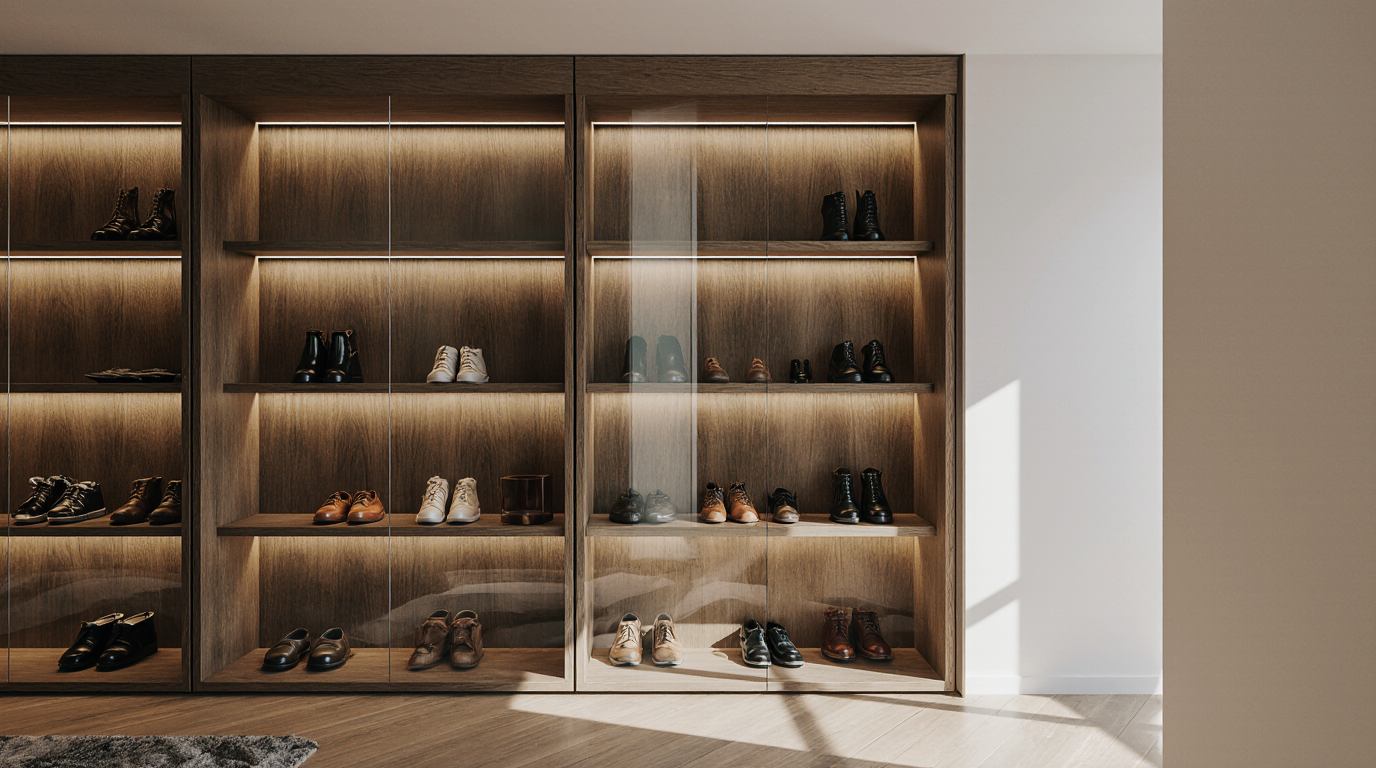
Before a single piece of wood is cut, my process begins with a comprehensive spatial and inventory analysis. I don't just measure a room; I audit the contents it needs to hold. In a downtown Sarasota luxury condominium, the challenge is often maximizing vertical space in a modest footprint, whereas in a sprawling Lakewood Ranch estate, the goal is to prevent a large walk-in from becoming a disorganized cavern. I analyze the ratio of hanging to folded garments, the specific storage needs for shoes and accessories, and even the daily routine of the homeowner to design a layout that eliminates friction.
This audit frequently uncovers critical inefficiencies in existing closets. For example, a single-rod system is one of the most common wastes of space I encounter. By implementing a multi-level hanging system—calibrated for shirts, jackets, and trousers—I can often immediately double the linear hanging capacity. It’s about applying an engineering mindset to personal storage, transforming it from a simple box into a high-performance system tailored to a specific lifestyle.
Material and Hardware Specification: An Uncompromising Approach
The core of any durable closet is its material composition. My standard for Sarasota homes is a NAUF (No Added Urea Formaldehyde) plywood core, which offers superior structural stability and improved indoor air quality. This is then finished with a thermofused laminate (TFL) or a real wood veneer, creating a surface that is both beautiful and highly resistant to scratches and moisture. This construction stands in stark contrast to the common melamine-on-particleboard, which acts like a sponge in our humid climate.
For hardware, my specifications are equally stringent. I rely exclusively on industry-leading brands like Blum or Salice, utilizing their full-extension, soft-close drawer slides that are rated for significant weight loads to prevent sagging over time. All hinges, handles, and rods are selected for their corrosion resistance, often featuring PVD (Physical Vapor Deposition) coatings that create a durable barrier against the salt-laden air. These are not aesthetic choices; they are functional necessities for a long-term investment.
The Fabrication and Installation Protocol
Precision in the workshop translates directly to perfection in the home. My fabrication process follows a strict protocol designed to maximize durability before the components ever leave the shop. Here are the key steps:
- Every plywood panel is sealed on all six sides with a moisture-impermeable sealant before assembly. This critical step prevents moisture from wicking into the wood core from unfinished edges, a common failure point I've observed in other installations.
- I use robust joinery techniques, primarily dado joinery and specialized cabinet screws, to construct the cabinet carcasses. This creates a monolithic structure that resists the racking and shifting that can occur with drastic seasonal humidity swings in Florida.
- During installation, every vertical panel and shelf is scribed perfectly to the walls. I avoid the use of generic fillers, as they break the seamless, built-in aesthetic. This meticulous process ensures there are no unsightly gaps and that the final product feels like an integral part of the home's architecture.
Precision Tolerances and Climate-Proofing Standards
The hallmark of true custom cabinetry is in the details. I work to a strict 1/16th of an inch tolerance for all door and drawer reveals, ensuring perfectly consistent gaps that create a clean, high-end look. To achieve this, every component is measured and cut with precision CNC equipment. The adhesive I specify for all non-structural joints is Titebond III Ultimate, a waterproof wood glue that provides a bond stronger than the wood itself and is impervious to moisture.
Furthermore, for larger walk-in closets, I often engineer passive or active ventilation solutions into the design. This can be as simple as discreetly placed vents in the toe-kicks and ceiling trim or integrating the system with the home's HVAC. This proactive approach to air circulation is the final step in creating a closet system that doesn't just store clothing, but actively preserves it by mitigating the risk of mildew and stale air. Is your current closet actively fighting against the Sarasota climate, or was it engineered to thrive in it?