Optimized Small Laundry Room: Blending Functionality with Modern Aesthetic
Designing a small laundry room layout requires a delicate balance of functionality, organization, and aesthetic appeal. With limited square footage in today’s homes, carefully designed laundry layouts elevate ordinary chores into organized, satisfying routines. When every corner matters, intelligent design merges appliance placement, storage innovation, and aesthetic coherence. A well-executed layout addresses not only the placement of appliances but also enhances usability, accessibility, and the overall ambiance of the space.
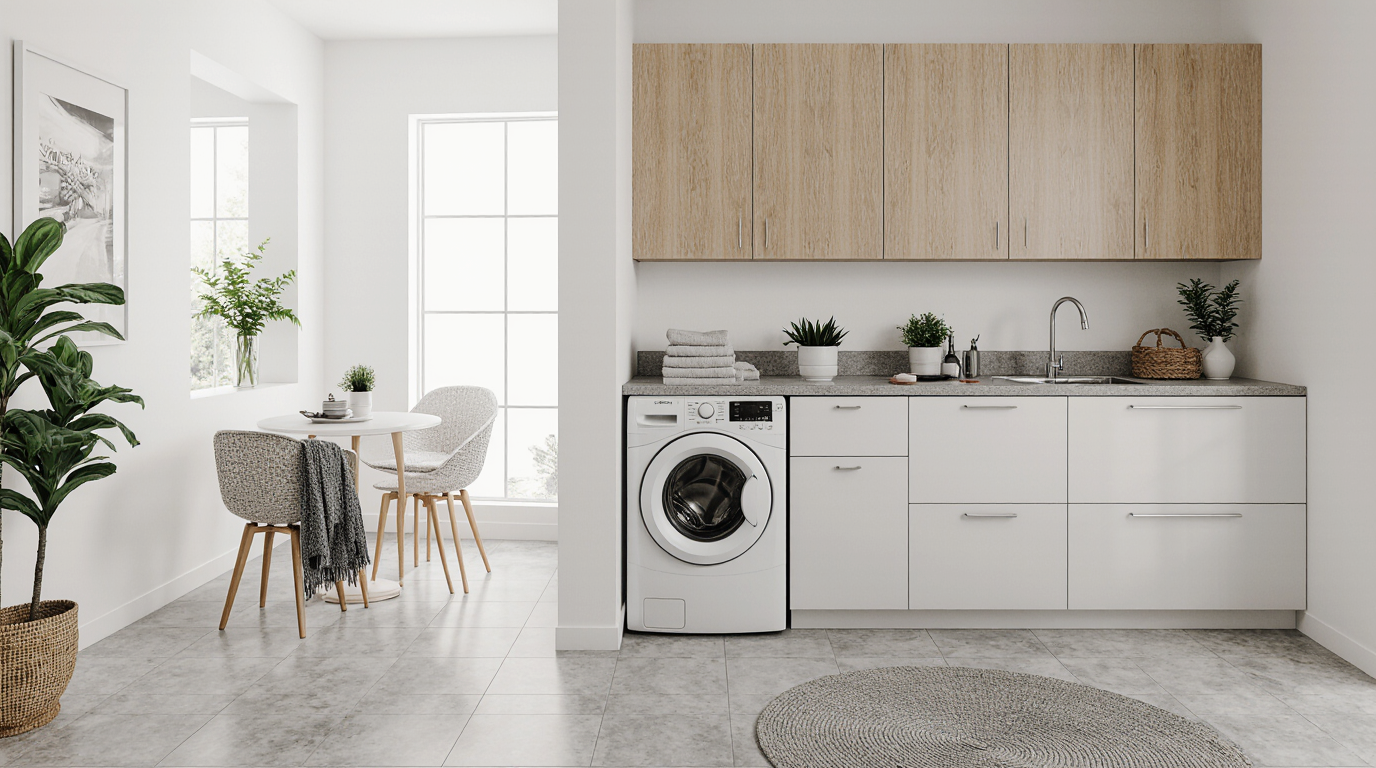
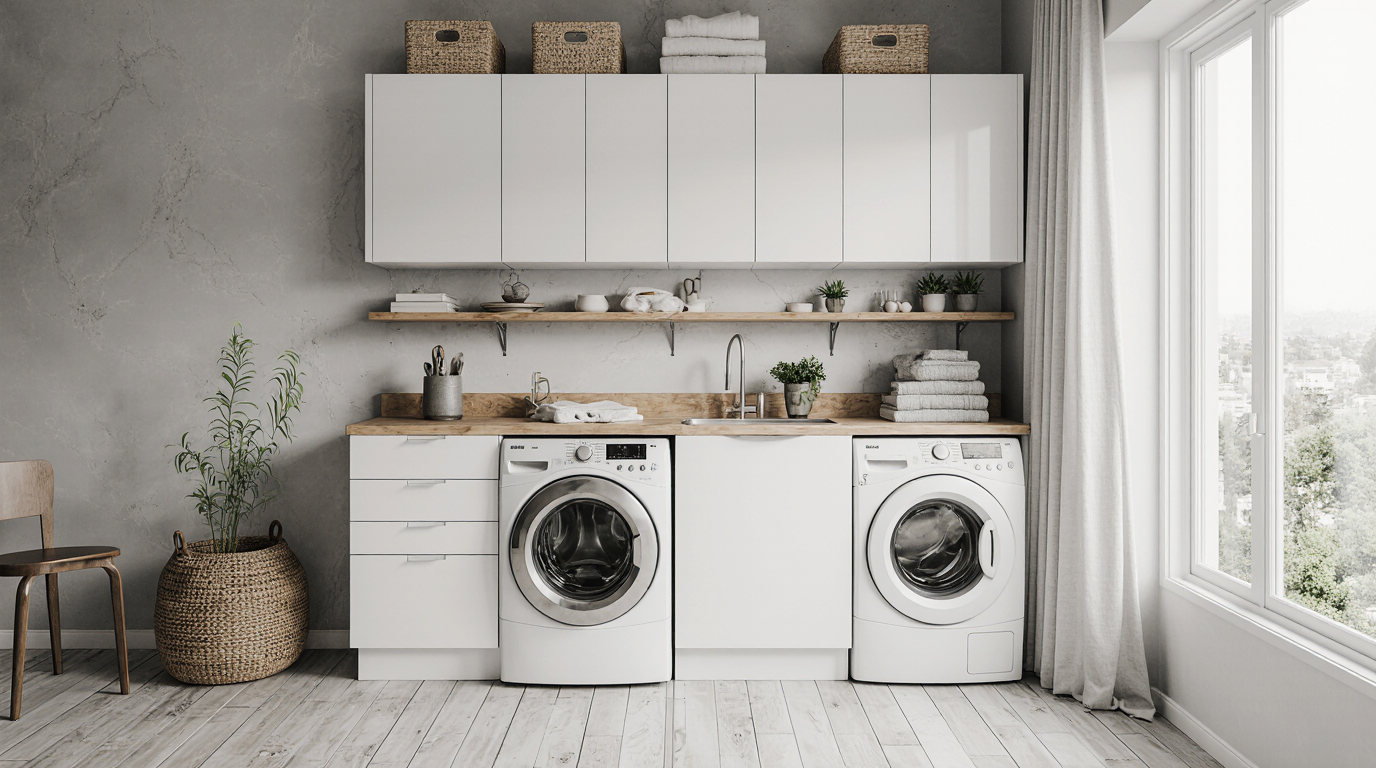
The cornerstone of an effective compact laundry layout is thoughtful appliance integration. Using vertically stackable front-load washers and dryers conserves floor area while maintaining operational efficiency. Side-by-side placement with overhead counters supports ergonomic use and creates convenient folding stations. Energy-efficient models are another critical consideration, as they minimize utility costs while promoting environmentally conscious living. Thoughtful spatial arrangement ensures seamless progression from washing to drying to folding, enhancing efficiency and reducing clutter.
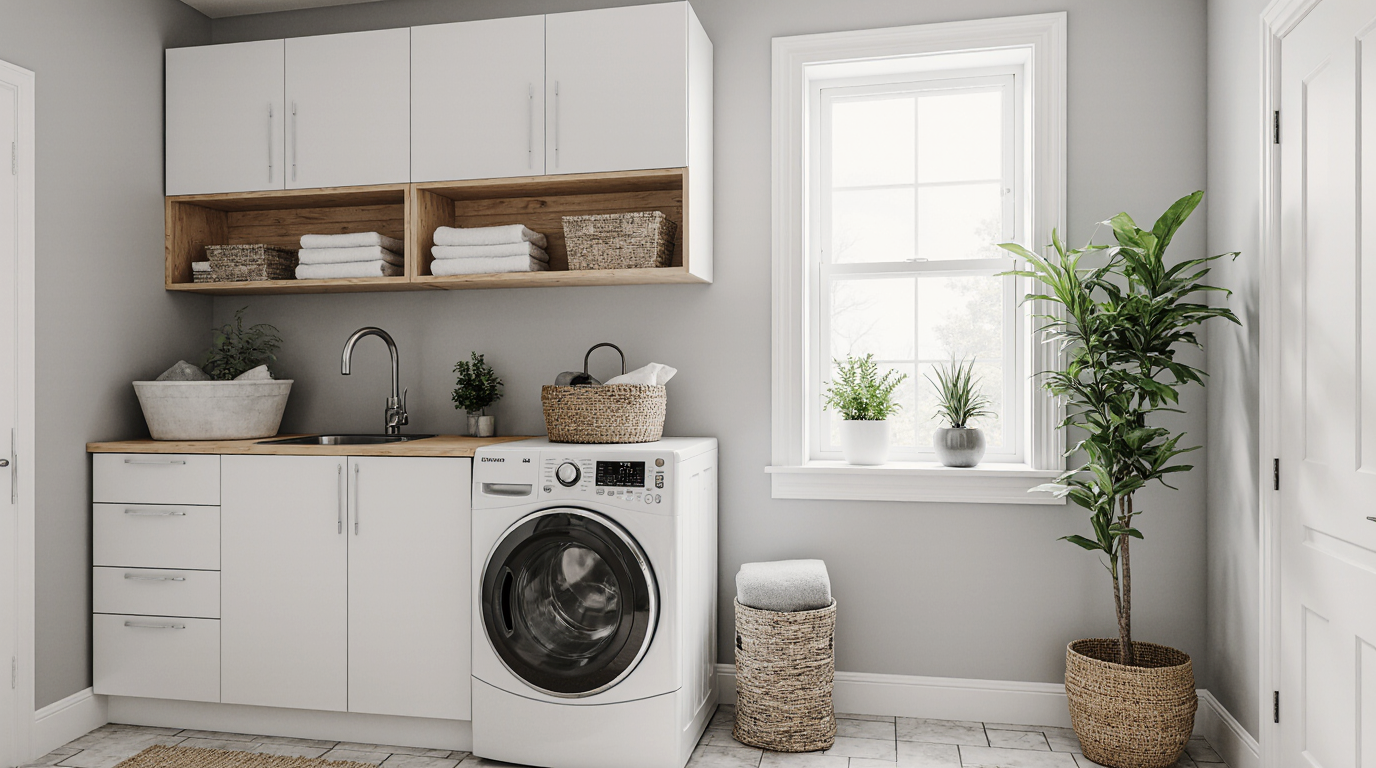
Efficient storage planning underpins both functionality and aesthetic appeal in small laundry areas. Adapted shelving, cabinetry, and cubbies maximize space and functionality in tight laundry areas. Elevated storage cabinets optimize limited square footage, storing detergents, tools, and laundry accessories efficiently. Open shelving with organized bins allows functional convenience without compromising style. Custom-built storage units can be designed to fit irregular spaces, such as corners or narrow wall segments, ensuring that no area goes underutilized.
Thoughtful lighting design enhances both practicality and ambiance in small laundry rooms. Strategic lighting ensures clear visibility while creating a welcoming, well-lit atmosphere. Bright, layered lighting, including ceiling lights and under-cabinet illumination, can prevent shadows in critical work areas and make the space feel larger than it is. Integrating windows or skylights brightens the room and minimizes electrical consumption. Creative manipulation of light-reflective materials compensates for the lack of natural sources, visually enlarging the area.
Selecting resilient flooring and work surfaces ensures durability without sacrificing design. High-traffic, spill-prone laundry rooms benefit from surfaces that combine robustness with aesthetic quality. Tiles, luxury vinyl planks, or sealed concrete are excellent choices, providing durability while complementing the room’s design. Selecting tough, low-maintenance counters enhances functionality and longevity. Smart countertop solutions include retractable boards and drying racks to maximize efficiency in small areas.
Strategic palette and material selection influence spatial perception and mood. Soft neutrals broaden the sense of space, complemented by bolder elements for character. Incorporating sleek cabinetry, modern hardware, and cohesive textures creates a cohesive aesthetic that elevates the room from a purely utilitarian area to a visually appealing environment. Subtle contrasts between cabinets, walls, and accent textures enhance both usability and visual interest.
Optimizing workflow is critical in compact laundry spaces. Organizing areas by task type promotes smooth operation and time efficiency. Vertical storage solutions facilitate drying without reducing usable floor area. Adding a utility basin optimizes versatility while maintaining compact efficiency. Even the placement of hooks, magnetic strips, or pegboards for organizing tools and supplies contributes to a smoother, more intuitive laundry process.
Ergonomics are often underestimated in compact laundry rooms but are vital for long-term comfort and ease of use. Thoughtful placement of functional elements supports comfort and operational efficiency. Drawer and shelf systems enhance usability while maintaining order. Counter-level folding areas paired with movable hampers optimize efficiency and spatial organization. Every design choice contributes to a smoother, more enjoyable laundry routine.
Airflow management is essential to prevent moisture issues. Proper airflow prevents excess moisture, mildew, and odors from accumulating, which is particularly important in confined spaces. Targeted exhaust and air circulation mechanisms maintain healthy, odor-free laundry environments. Eco-conscious ventilation paired with resilient materials promotes longevity and environmental responsibility.
Functional decor enhances both style and efficiency. Visual enhancements like framed prints, greenery, or designer rugs make chores more enjoyable. Functional decor, like aesthetically pleasing storage baskets or decorative jars for detergents, blends utility with design sophistication. Incorporating such elements creates a space that is both efficient and pleasurable to use. Balancing functional and aesthetic priorities results in a harmonious, user-friendly laundry room.
A small laundry room layout requires meticulous planning, creative storage solutions, and attention to detail. By prioritizing efficiency, selecting appropriate appliances, optimizing vertical space, and incorporating both functional and aesthetic elements, homeowners can achieve a laundry room that is both practical and visually engaging. Such layouts streamline household chores while enriching the home’s design coherence. Thoughtful consideration of workflow, lighting, ventilation, and design choices ensures that even a compact laundry room becomes a space that is organized, efficient, and enjoyable to use.