Compact Laundry Room Design Ideas That Combine Function and Beauty
Designing a small laundry room that balances beauty and practicality is an intricate craft requiring precision and creativity. In contemporary living spaces, where every inch counts, the laundry room has transformed from a utilitarian afterthought into a curated interior feature that expresses both utility and visual harmony. A modern laundry room design can transform mundane tasks into pleasant rituals, especially when organization, color palette, and materials are strategically curated to fit both daily habits and room constraints.
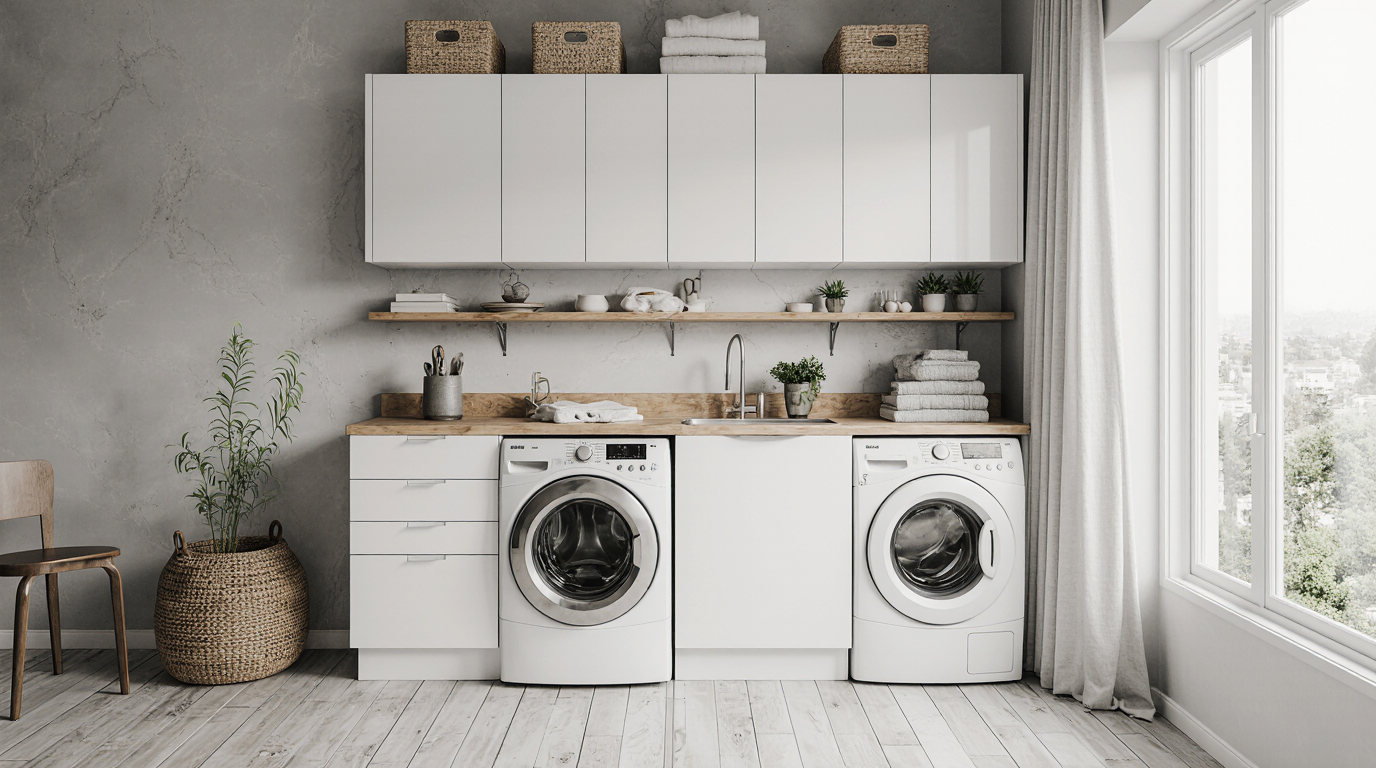
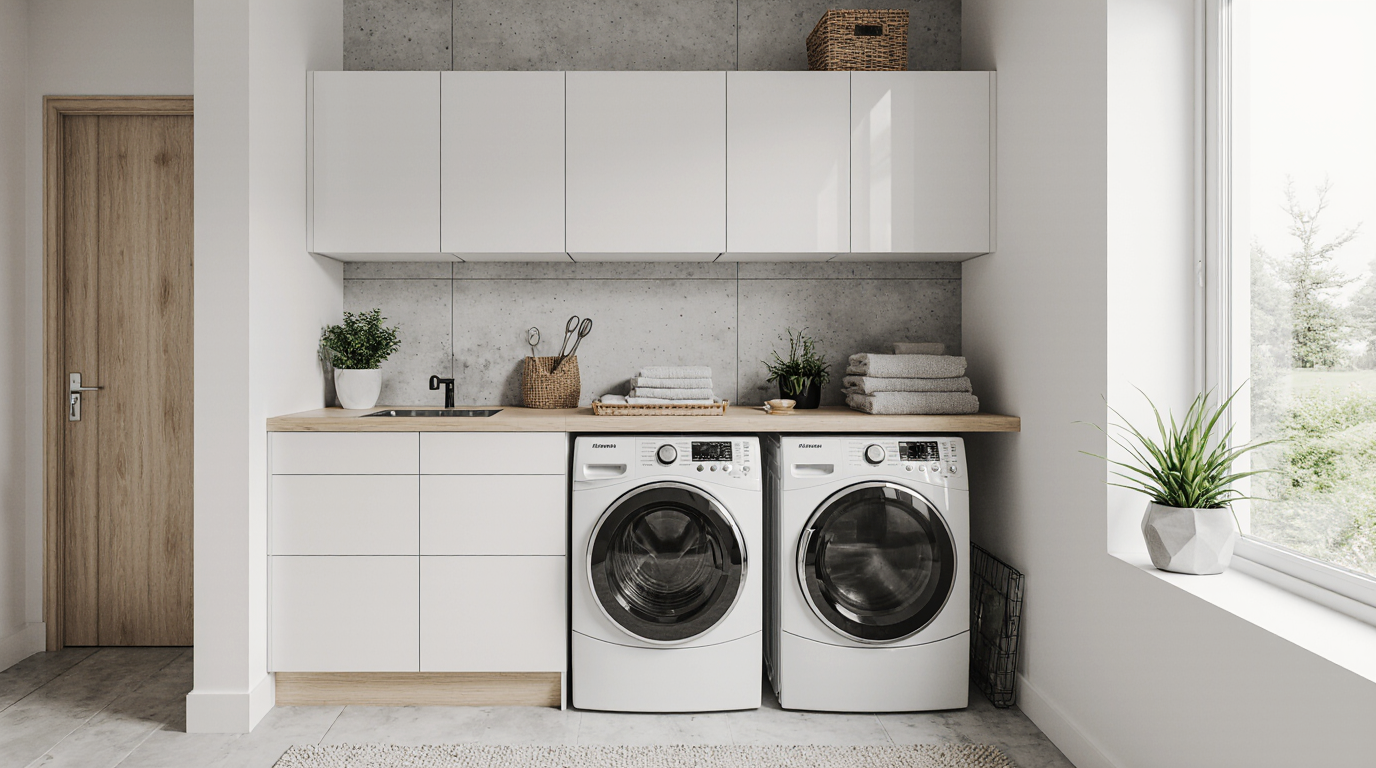
When designing within limited square footage, the secret lies in adopting multi-functional planning that preserves usability alongside beauty. Vertically aligning washer and dryer units frees up floor space for extra storage, countertops, or folding zones. Front-loading machines offer a surface for sorting or folding clothes, increasing practicality in small homes. Incorporating glossy textures and reflective finishes such as glazed tiles helps expand visual perception, giving the room a fresh, airy feel.
The custom cabinetry integration plays a central role in maintaining order and accessibility. Tall, floor-to-ceiling units conceal detergents and cleaning tools, ensuring a polished and serene appearance. Adjustable shelving systems adapt to changing needs, while hidden laundry bins simplify access without compromising the refined style. Choosing wood grains, soft neutrals, or matte finishes contributes to a visually soothing environment that reinforces design continuity.
A ergonomically efficient setup defines a functional yet stylish space. Ideally, the movement pattern should follow a natural order—from sorting to washing, drying, folding, and storing. Galley-style configurations often optimize usability where space is limited. Including concealed ironing stations adds convenience while maintaining efficiency and neatness. Suspended garment bar above the countertop accommodates delicate fabrics, uniting beauty with convenience.
Lighting in tight washing areas is pivotal though subtle. Multidimensional illumination—combining ambient, task, and accent sources—enhance both practicality and mood. Low-profile lighting systems ensure clarity where needed most, while pendant lights or sconces introduce a personal design statement. Daylight integration through windows or glass doors increases overall visual comfort, making even the smallest rooms feel expansive.
Curating finishes and details determines the final atmosphere. Stone-inspired or engineered surfaces serve as both stylish and strong worktops. For flooring, porcelain tiles, ceramic slabs, or vinyl planks maintain resilience under moisture. Decorative splash zones with bold shapes enrich the visual identity. A balanced spectrum in soft neutral or pastel hues creates a refreshing environment, while brass, chrome, or matte black fixtures introduce subtle contrast.
Efficiency within laundry room layouts goes far beyond appearances, focusing on adaptability, comfort, and smart integration. Modern tech advancements continue reshaping the laundry experience, with smart washers and dryers controlled via smartphone apps. These devices offer real-time notifications that simplify laundry routines. Adding outlets with USB ports, motion-sensor lighting, or integrated sound systems converts a simple area into a smart, dynamic workspace. Many homeowners include a utility sink with deep basins and flexible faucets, providing practical cleaning versatility.
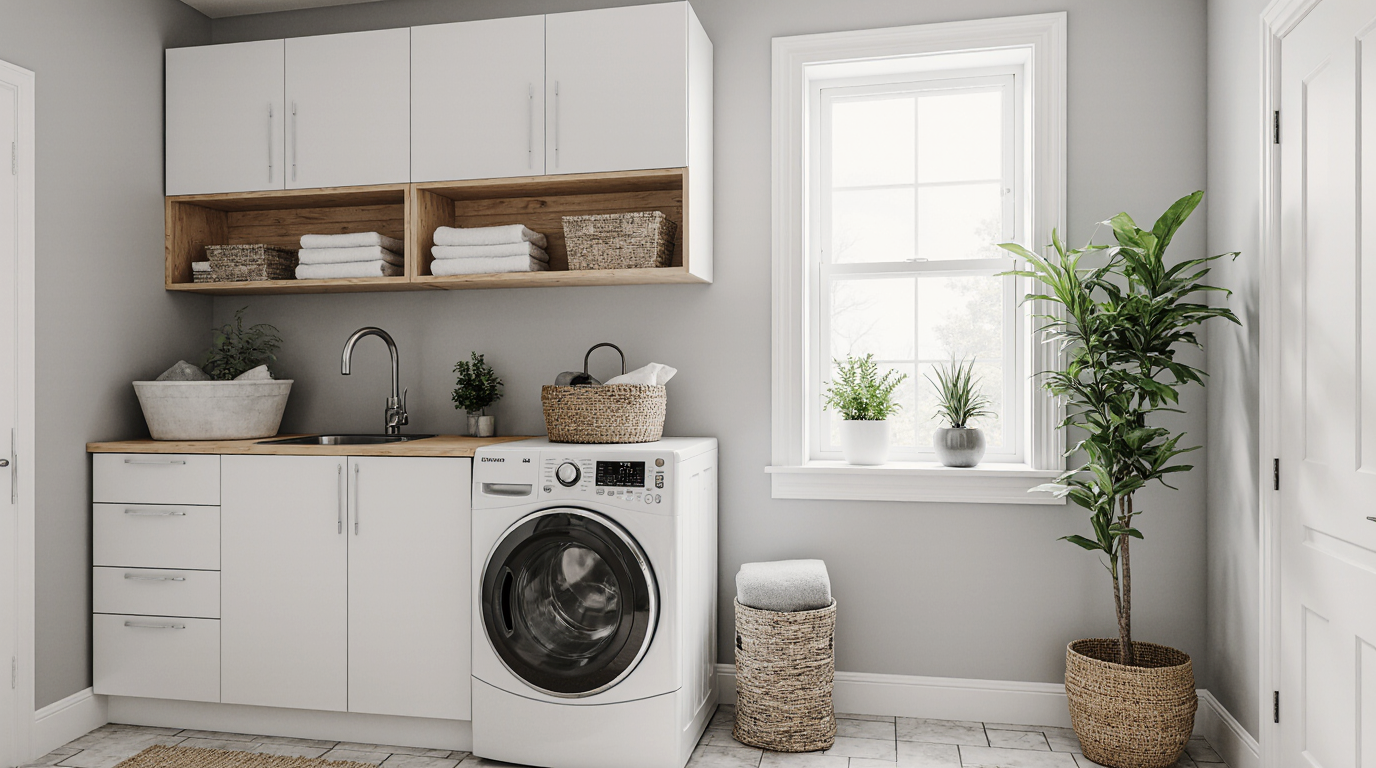
The most engaging compact laundry concepts strike a balance between efficiency and personality. Decorative details such as art pieces, indoor plants, or woven storage containers add depth and individuality. Peg rails and hooks serve as practical yet stylish solutions, while minimal shelves keep everything tidy yet accessible. Applying creative surface finishes on selected walls adds artistic value to the overall design palette, turning everyday chores into design-forward moments.
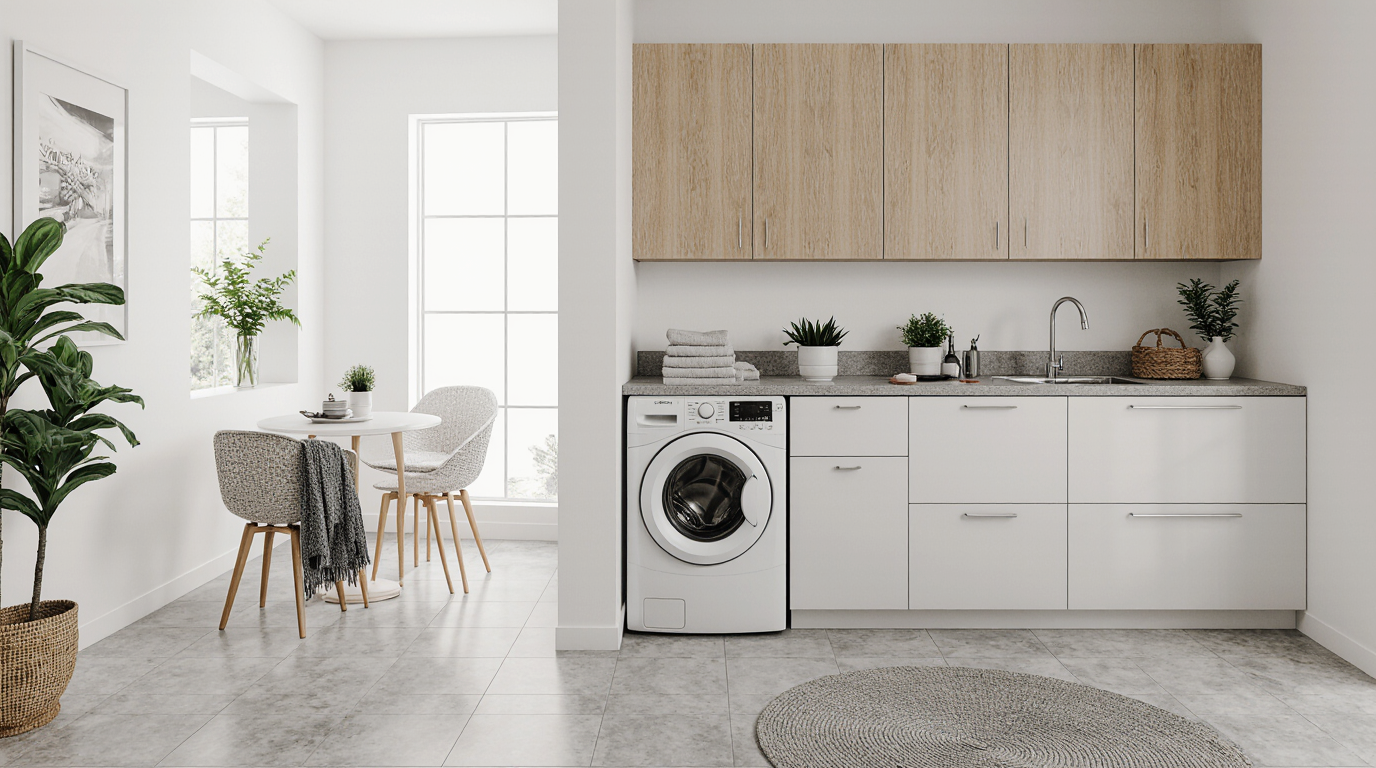
Smart space integration defines modern laundry remodeling. When space is limited, the laundry zone may share a footprint with other functional rooms. Differentiating sections using contrasting finishes or subtle dividers prevents visual chaos and maintains structure. Compact seating with integrated shelving saves both time and space, while wall storage preserves floor space and enhances flow. Every feature embodies form meeting function, affirming that efficiency can coexist with luxury.
Sustainability has also become essential in contemporary laundry room planning. Smart eco-friendly technologies such as HE washers and optimized ventilation reduce utility costs while preserving natural resources. Incorporating reclaimed wood, recycled tiles, or bamboo accents creates a soulful connection between design and nature. Proper ventilation prevents dampness, protects materials, and ensures comfort. Smart ventilation setups elevate longevity and freshness in compact areas.
Attention to detail defines the art of refined laundry design. Tiny metallic details can set the tone for sophistication. Choosing between brushed nickel, matte black, or aged brass hardware enhances design unity and polish. Soft lighting beneath shelves and smooth mechanisms highlight craftsmanship and user experience. Intentional design converts routine into ritual, bridging function and finesse seamlessly.
What distinguishes great small laundry designs is creativity, not square footage. Through clever storage, ambient lighting, and cohesive materials, every limited space can feel expansive and refined. The transformation of laundry rooms reveals beauty in functionality, uniting comfort, efficiency, and design innovation in one curated environment.