Optimized Small Laundry Room: Blending Functionality with Modern Aesthetic
Designing a small laundry room layout requires a delicate balance of functionality, organization, and aesthetic appeal. In modern homes, where space is often at a premium, optimizing a compact laundry area can transform a mundane chore into an efficient and even enjoyable task. Every inch of space in a small laundry room counts, and thoughtful planning ensures that storage solutions, workflow, and style seamlessly coexist. An optimized layout considers ergonomics, accessibility, and the environment’s ambiance, beyond mere appliance positioning.
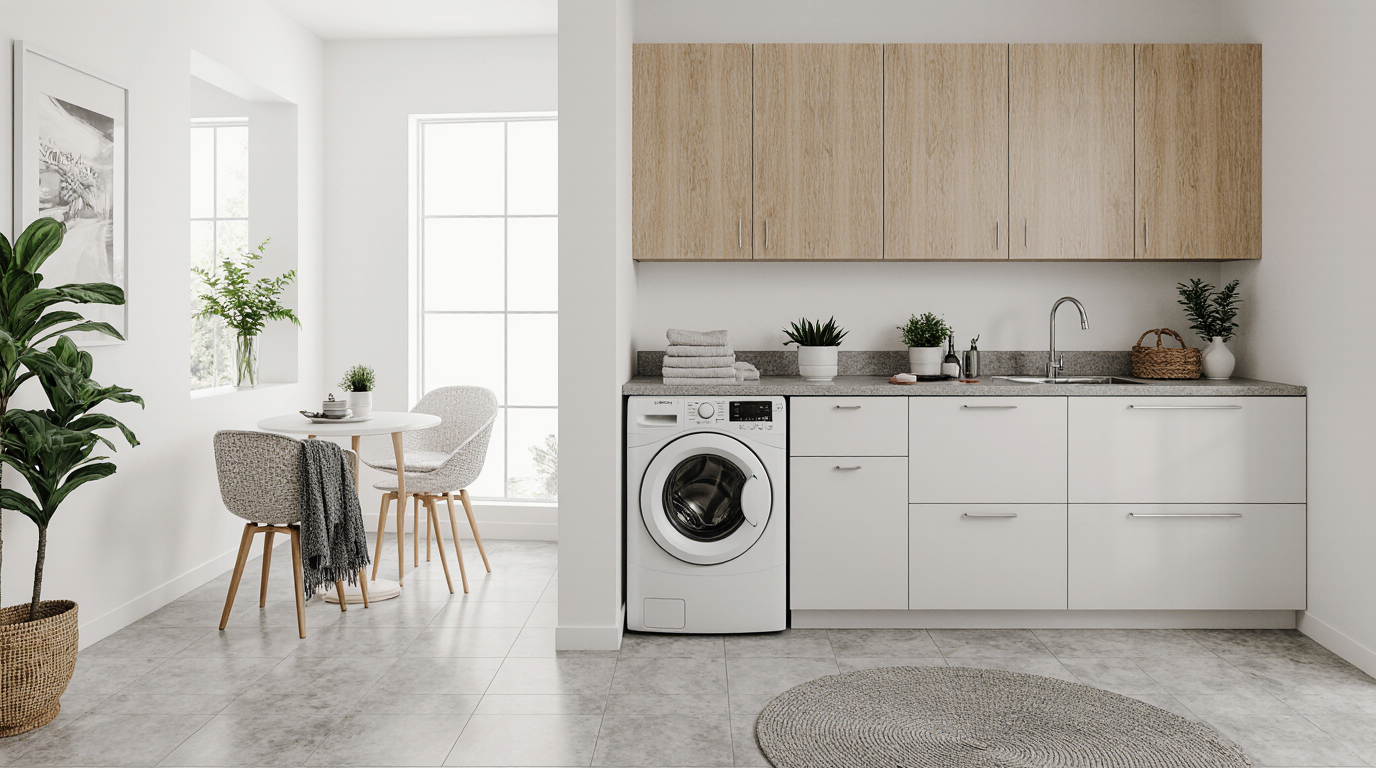
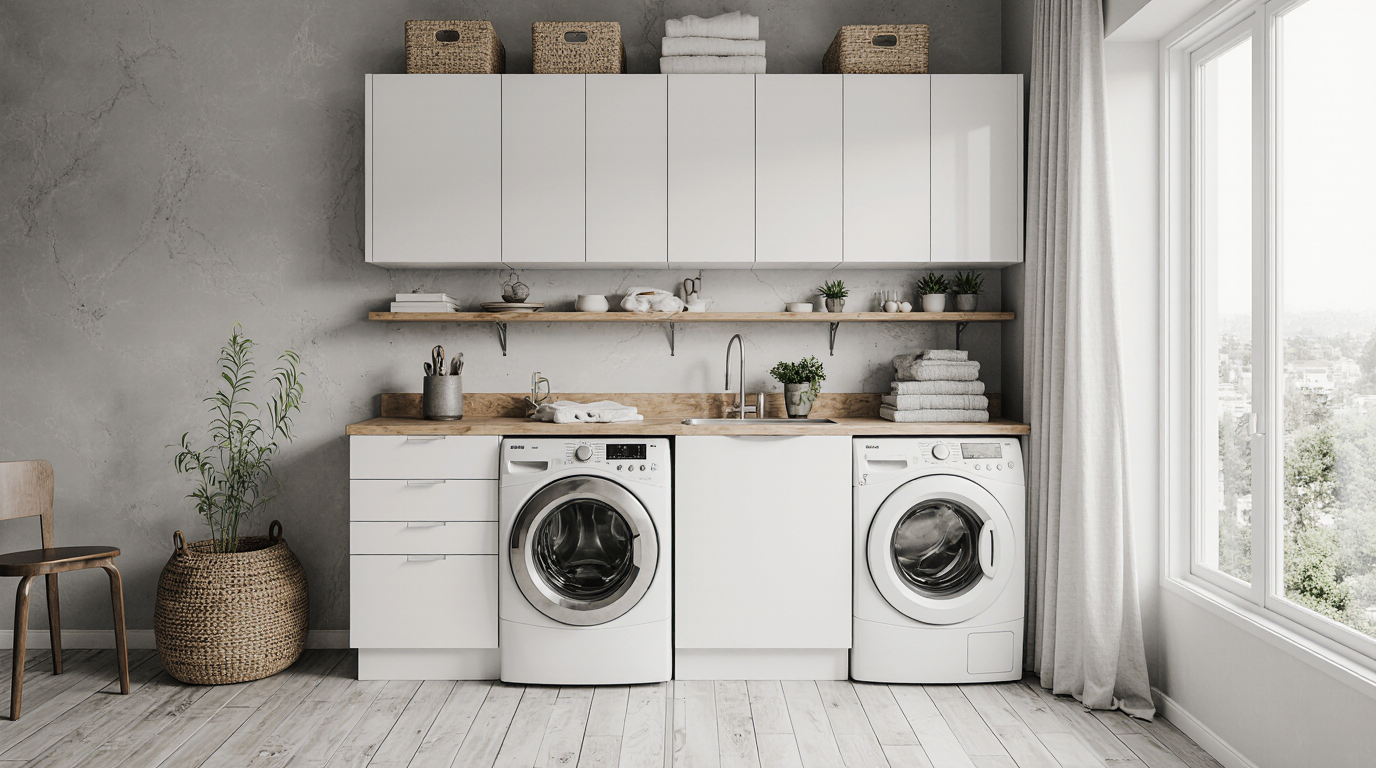
Efficiency begins with appliance selection and placement. Stackable front-loading machines maximize vertical space, providing room-saving solutions in tight laundry areas. Aligning washers and dryers horizontally beneath a work surface enhances accessibility and folding convenience. Selecting energy-conscious appliances reduces long-term expenses and supports sustainable practices. Strategic appliance placement can also create a natural workflow, where laundry moves smoothly from washing to drying to folding, reducing unnecessary steps and optimizing productivity.
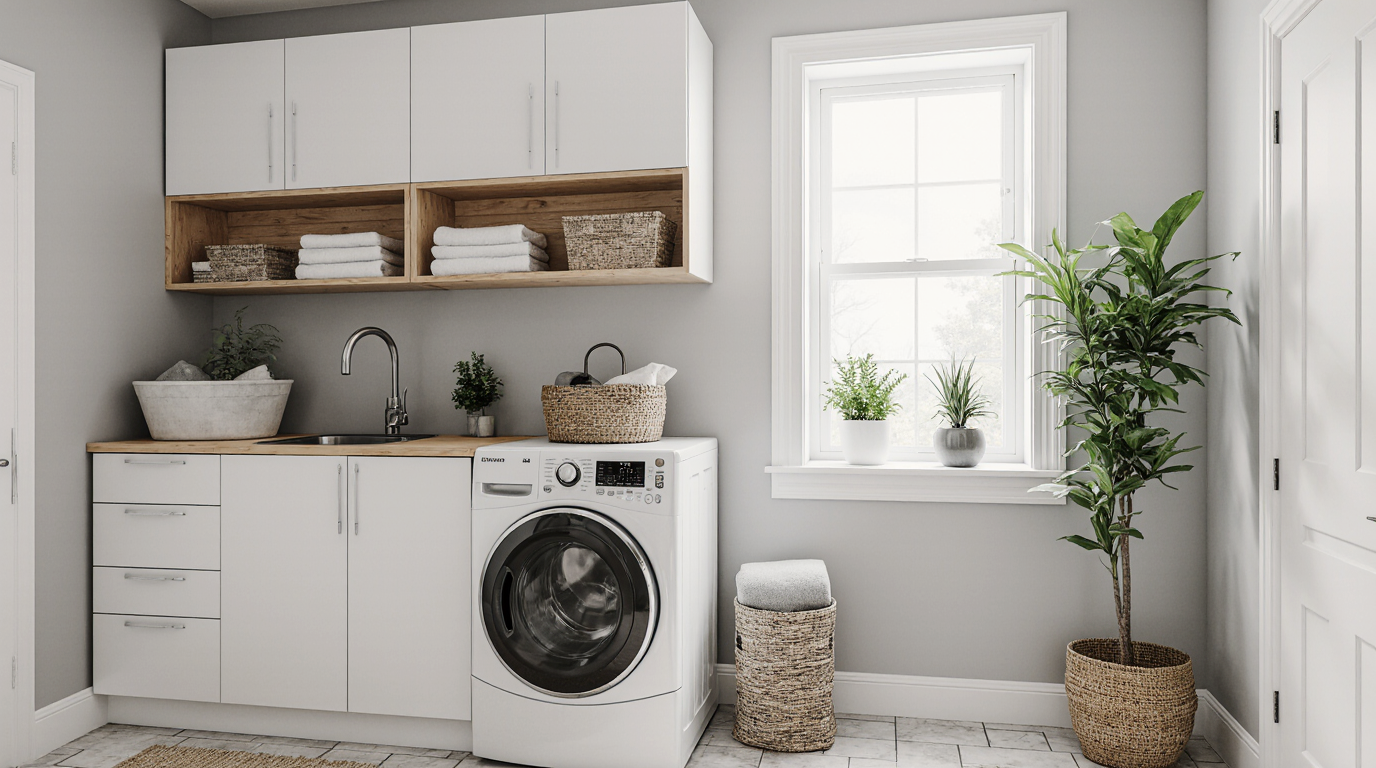
Efficient storage planning underpins both functionality and aesthetic appeal in small laundry areas. Adapted shelving, cabinetry, and cubbies maximize space and functionality in tight laundry areas. Wall-mounted cabinets allow for ample storage of detergents, cleaning supplies, and laundry accessories without occupying the floor area, which is crucial in compact spaces. Open shelving offers easy access to frequently used items, while labeled bins and baskets can keep smaller necessities organized and aesthetically pleasing. Custom-built storage units can be designed to fit irregular spaces, such as corners or narrow wall segments, ensuring that no area goes underutilized.
Lighting is another often-overlooked aspect of a small laundry room design. Correct illumination enhances work efficiency and elevates the space’s aesthetic. Combining ambient and task lighting reduces shadows and visually enlarges compact laundry rooms. Daylight introduces warmth and enhances the perception of space, limiting artificial lighting needs. Creative manipulation of light-reflective materials compensates for the lack of natural sources, visually enlarging the area.
Flooring and durable surfaces are essential components that blend both practicality and style. Since laundry rooms endure high traffic and occasional spills, selecting water-resistant, easy-to-clean materials is paramount. Tiles, luxury vinyl planks, or sealed concrete are excellent choices, providing durability while complementing the room’s design. Countertops should also be resilient, resistant to moisture, and easy to maintain. Integrating multifunctional surfaces, such as a fold-down ironing board or a pull-out drying rack, can further enhance the utility of a compact space without cluttering it.
Light, thoughtful finishes create an impression of space and sophistication. Light, neutral tones tend to make spaces feel larger, while contrasting accents can add depth and interest. Consistency in cabinet design, finishes, and textures ensures elegance without sacrificing function. Subtle contrasts between cabinets, walls, and accent textures enhance both usability and visual interest.
A thoughtfully designed small laundry room layout also considers workflow efficiency. Creating designated zones for washing, drying, folding, and ironing minimizes movement and streamlines chores. Vertical storage solutions facilitate drying without reducing usable floor area. Incorporating a small utility sink can provide a convenient area for hand-washing delicate items or treating stains, enhancing the practicality of the room. Strategically positioned hooks and organizers streamline laundry routines and reduce clutter.
Human-centric layouts enhance both convenience and sustainability in tight spaces. Ensuring that appliances, counters, and shelves are positioned at accessible heights can prevent strain during laundry tasks. Pull-out drawers and sliding shelves make retrieving detergents, fabric softeners, and other items easier, particularly in deeper cabinets. Counter-level folding areas paired with movable hampers optimize efficiency and spatial organization. These small design decisions collectively enhance both the functionality and overall satisfaction of the laundry experience.
Airflow management is essential to prevent moisture issues. Efficient ventilation mitigates humidity buildup and associated problems. Targeted exhaust and air circulation mechanisms maintain healthy, odor-free laundry environments. Sustainable design incorporates energy-saving vents and moisture-proof finishes.
Functional decor enhances both style and efficiency. Decor accents transform the laundry area into a welcoming and personalized space. Decorative yet functional containers improve organization while enhancing visual appeal. Thoughtful decor elevates mundane tasks, fostering an environment of comfort and organization. Attention to both practicality and visual appeal ensures a laundry room that is efficient, organized, and stylish.
Effective compact laundry designs demand strategic thought, innovative storage, and design precision. By prioritizing efficiency, selecting appropriate appliances, optimizing vertical space, and incorporating both functional and aesthetic elements, homeowners can achieve a laundry room that is both practical and visually engaging. Such layouts streamline household chores while enriching the home’s design coherence. Integrating planning, lighting, ventilation, and style creates compact laundry spaces that maximize usability and pleasure.