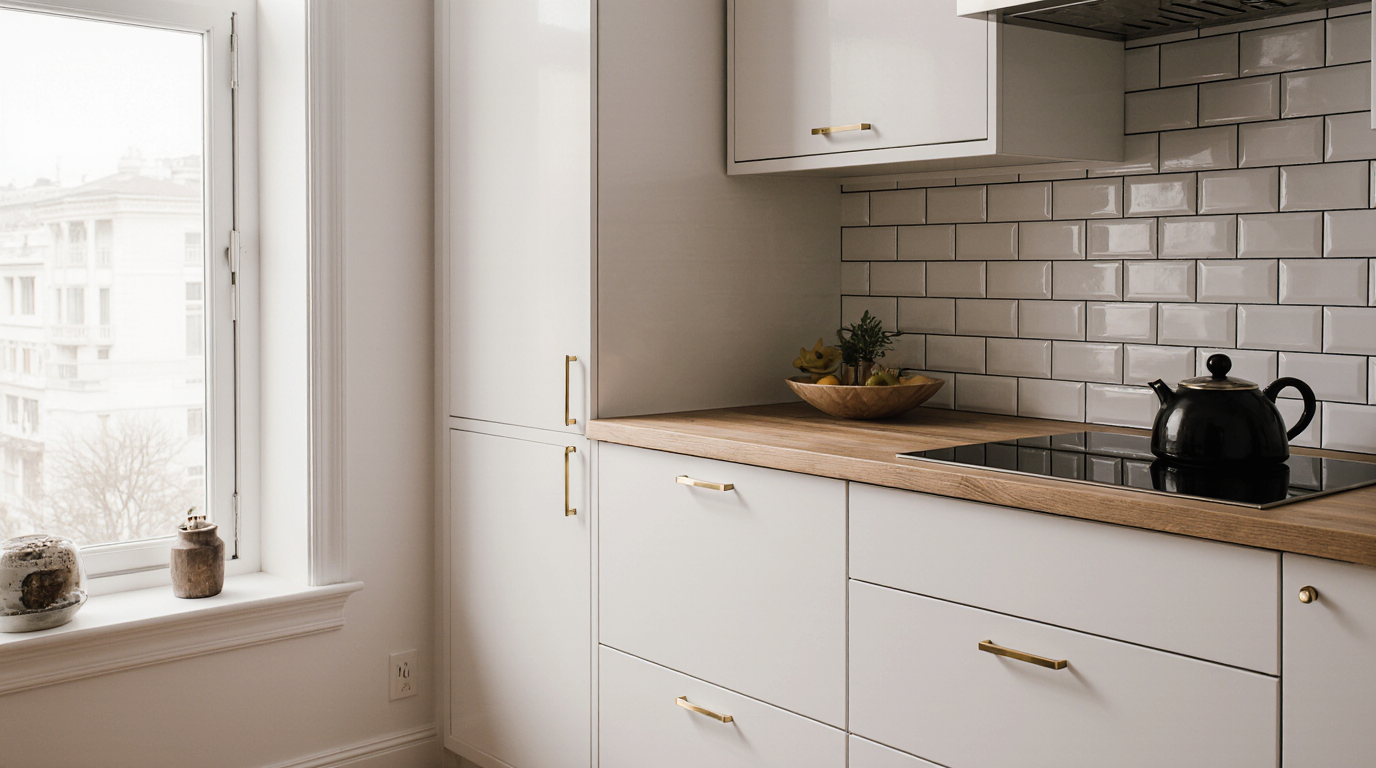
Executive Summary of Small Kitchen Renovation in Sarasota
From my direct experience executing projects across Sarasota County, a successful small kitchen renovation hinges on
From my direct experience executing projects across Sarasota County, a successful small kitchen renovation hinges on preemptively solving three local challenges: coastal humidity, restrictive condo/HOA regulations, and maximizing spatial perception. It's less about the square footage and more about the strategic selection of materials and compliance with local codes. The most critical mistake is underestimating the approval timeline for condo associations on Longboat Key or in Downtown Sarasota, which can single-handedly derail a project intended for completion during the off-season.
- Material Science is Non-Negotiable: Standard MDF cabinets will swell. I specify marine-grade plywood or polymer-based materials for cabinet boxes as a baseline for durability against Sarasota's humid, salty air.
- HOA Pre-Approval is Paramount: Many associations have strict rules on work hours, noise, debris removal, and even the placement of plumbing and electrical lines. A design that doesn't get pre-vetted is just a drawing.
- Lighting and Color are Structural: In a small space, a robust lighting plan with layered sources (under-cabinet, ceiling, pendants) and a light color palette do more for perceived size than any layout change.
- Appliance Scale is Key: Specifying compact, 18-inch dishwashers or counter-depth refrigerators is a common tactic, but the real win is integrating them seamlessly so they don't visually dominate the room.
The Planning Failures That Inflate Costs After the Contract Is Signed
The most significant budget overruns I see in Sarasota's small kitchen projects stem from discoveries made after demolition, not from the initial quote. Homeowners often focus on the visible finishes—countertops, backsplashes, cabinet fronts—while ignoring the building's existing constraints. This is particularly true in older condo buildings along the Gulf of Mexico Drive or in historic homes near Gillespie Park.
A common failure is assuming you can freely move plumbing or electrical lines. In a multi-story condo, relocating a sink drain isn't just a local plumbing job; it can involve core drilling through post-tension concrete slabs, requiring engineering reports and extensive board approval. What seems like a simple layout change can quickly add thousands of dollars and weeks to the timeline. Ignoring a pre-renovation plumbing and electrical assessment is the fastest way to turn a fixed-price project into a financial variable.
The Most Expensive Oversight: Ignoring the Building Envelope
The costliest mistake I’ve consistently observed is failing to assess the condition of the exterior wall behind the kitchen cabinets, especially in waterfront properties. We once opened a wall in a Siesta Key condo to find the drywall riddled with moisture and the studs showing early signs of rot due to a minor, slow-leaking window seal. The kitchen remodel budget instantly had to absorb the cost of remediation, new insulation, and window replacement, a 20% un-budgeted increase. This is never in the initial kitchen remodel cost estimate.
The Renovation Process in Practice for a Sarasota Home
A small kitchen redesign in Sarasota follows a distinct, three-phase process heavily influenced by local regulations. It begins not with design, but with investigation and documentation. We first obtain the condo or HOA's renovation packet, which dictates everything from contractor insurance requirements to the approved hours for using a hammer drill. This document shapes the entire project schedule and is non-negotiable.
Phase two is the design and permitting stage. Designs are created within the HOA's constraints, materials are selected for coastal durability, and plans are submitted to both the association and the Sarasota County permitting office. Phase three is the execution, which is meticulously scheduled to minimize disruption, especially for seasonal residents. The critical path is often not the construction itself, but the sequence of inspections required by the city, which must be passed before work can proceed to the next step.
Selection Criteria for a Sarasota-Specific Contractor
- Verifiable Condo Renovation Experience: Ask for references from projects in specific buildings like The Ritz-Carlton or Alinari. A contractor familiar with a building's management and infrastructure has a massive advantage.
- Appropriate Licensing and Insurance: They must hold a Florida Certified General Contractor (CGC) or Building Contractor (CBC) license, not just a handyman registration, and carry liability insurance that meets the high minimums of luxury condo associations (often $2 million or more).
- In-House Knowledge of FBC High-Velocity Hurricane Zones (HVHZ): Your contractor must understand how requirements for window and door anchoring can impact a kitchen layout and cabinetry installation, especially if an exterior wall is involved.
- A Clear Process for Debris Removal: In dense areas like St. Armands or downtown, there's no room for a dumpster. The contractor needs a clear, HOA-compliant plan for daily debris removal.
Comparing a Full Renovation to Partial Upgrades
In a market like Sarasota, where property values are high, the decision to do a full renovation versus a cosmetic facelift has significant financial implications. A full remodel addresses underlying issues and allows for optimal space configuration, which typically offers a better return on investment. However, for some, a strategic, partial upgrade is a more practical starting point. The kitchen renovation near me search often leads people down both paths.
| Indicator | Full Renovation | Cabinet Refacing & Countertops | Appliance & Fixture Upgrade |
|---|---|---|---|
| Typical Cost Range | $45,000 - $90,000+ | $12,000 - $25,000 | $8,000 - $18,000 |
| Impact on Layout/Function | High (complete reconfiguration possible) | None (layout is fixed) | Low (minor functional improvements) |
| Durability in Coastal Climate | High (can specify marine-grade materials) | Moderate (core cabinet structure remains) | Variable (depends on new appliance quality) |
| HOA Approval Complexity | High (requires full plan review) | Low to Moderate (often treated as cosmetic) | Low (usually no approval needed) |
When a Full Renovation is the Wrong Choice
A full-scale renovation is not the right path if your primary goal is a quick sale within the next 12-18 months. The disruption, timeline, and potential for unforeseen issues can negate the potential ROI in a short holding period. In this scenario, a more strategic and cosmetic remodel kitchen near me approach—like refacing cabinets, installing quartz countertops, and updating lighting—provides the visual lift needed to attract buyers without the risk and capital outlay of a complete gut job.
A Safe Hiring Checklist for Your Project
Hiring the right team in Sarasota goes beyond checking online reviews. It's about verifying their specific suitability for the unique demands of our coastal, highly regulated environment. A mistake here doesn't just lead to a poor finish; it can result in building code violations and disputes with your condo association. Use this checklist before signing any contract.
- Verify their Florida contractor license is active and clean on the DBPR (Department of Business and Professional Regulation) website.
- Confirm they have successfully completed projects within your specific condo building or a similar one nearby. Ask for the unit numbers and contact info for the property manager.
- Request a copy of their Certificate of Insurance and ensure it meets your HOA's minimum liability coverage, which can be as high as $5 million for certain high-rises.
- Ask how they handle material selection for humidity. If they don't immediately discuss marine-grade plywood, anti-corrosion hardware, and proper ventilation, they lack local expertise.
- Review their proposed project schedule. It must include buffer days for HOA approvals and city inspections, which can take longer than anticipated, especially during peak season (January-April).
- Ensure the contract explicitly states who is responsible for pulling permits and scheduling inspections. This should always be the licensed contractor.
- Discuss their warranty, specifically what it covers regarding material failure due to humidity or salt air exposure.
Decisions That Determine the Ultimate Outcome
After overseeing dozens of small kitchen projects, I can state with confidence that the final success is determined long before the first cabinet is ordered. It's rooted in early decisions about layout, lighting, and material integrity. The client who prioritizes a clever storage solution over a slightly larger refrigerator will be happier in the long run. The one who allocates budget for high-quality under-cabinet LED lighting will enjoy a more functional and spacious-feeling kitchen than someone who spends it all on a brand-name faucet.
My advice is always to finalize the layout and mechanical plan (plumbing, electrical, ventilation) first. These are the most expensive elements to change later. The single most impactful decision is to invest in a professional lighting design. In a small kitchen, light is not decorative; it is a tool to create depth, enhance safety, and make the space feel twice its actual size. A layered lighting plan is the best value in any kitchen redesign budget.
The Moment Most Homeowners Get It Wrong
The critical error happens right at the beginning: homeowners fall in love with a countertop slab or a backsplash tile and then try to force the entire kitchen design to fit that one element. This is a backward approach. The correct sequence is to resolve the layout for maximum function first, then select your appliance package, and only then choose the finishes. The layout dictates workflow and storage, which is the foundation of a good kitchen. Finishes are the aesthetic layer, but they cannot fix a dysfunctional space.
Practical Answers About Renovating in Sarasota
Navigating the operational side of a renovation in Sarasota involves specific local hurdles. Understanding these bureaucratic and logistical realities is key to a smooth project. These are not generic problems; they are baked into the process of building and renovating in this specific city and county.
What is the realistic timeline for a permit from Sarasota County?
For a small kitchen remodel that involves moving plumbing or electrical, you should budget for a 4- to 6-week plan review period by the Sarasota County permitting office after submission. While simpler permits can be faster, this is a safe average. This does not include the time it takes your architect or designer to produce the drawings, nor does it include your HOA's separate design review period, which can add another 30 days. For a seasonal resident, this means planning must start in the summer for a winter project.
How do I handle waste and debris in a downtown condo?
Most downtown Sarasota condo buildings, like those on Palm Avenue, strictly prohibit the use of large construction dumpsters on their property. Your contractor must have a plan for daily debris removal. This typically involves using smaller dump trailers or trucks that can enter and exit the property within the approved work hours (often 9 AM to 4 PM, Monday-Friday). This logistical constraint adds a real cost to the project's labor and must be itemized in the bid.
Are there specific material codes for kitchens in coastal areas?
While the Florida Building Code doesn't mandate specific kitchen cabinet materials, it does have stringent requirements for the building envelope in High-Velocity Hurricane Zones. If your kitchen is on an exterior wall, any renovation that involves altering the wall—like installing a new window or moving a vent—triggers modern code compliance. This means using impact-rated windows and ensuring all penetrations are sealed to specific wind and water resistance standards. Your contractor's knowledge of these codes is crucial for passing inspection.