Sarasota Modern Bathroom Cabinetry: A Framework for Zero-Failure Vanities in High-Humidity Zones
A Diagnostic Approach to Bathroom Space Planning
Before a single piece of wood is cut, my process begins with a structural and environmental analysis of the space itself. In many of the luxury condos in downtown Sarasota or Lakewood Ranch, I find that builder-grade ventilation systems are often under-specified for Florida's ambient humidity. This assessment dictates the level of sealing and the type of finish required. I measure airflow and moisture levels to establish a baseline, which informs the entire design. A bathroom in an inland home versus one directly on Lido Key faces different levels of saline aerosol exposure, which directly impacts my material selection protocol.
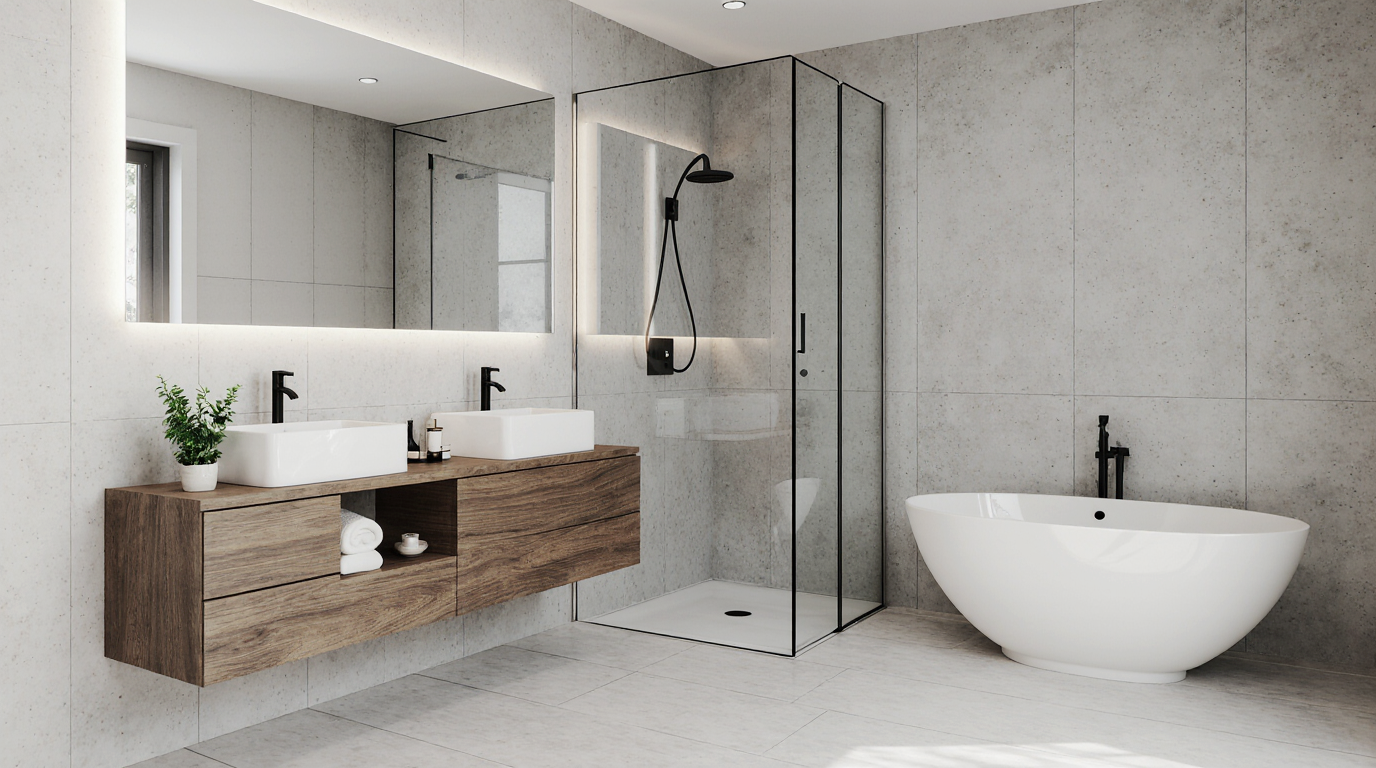
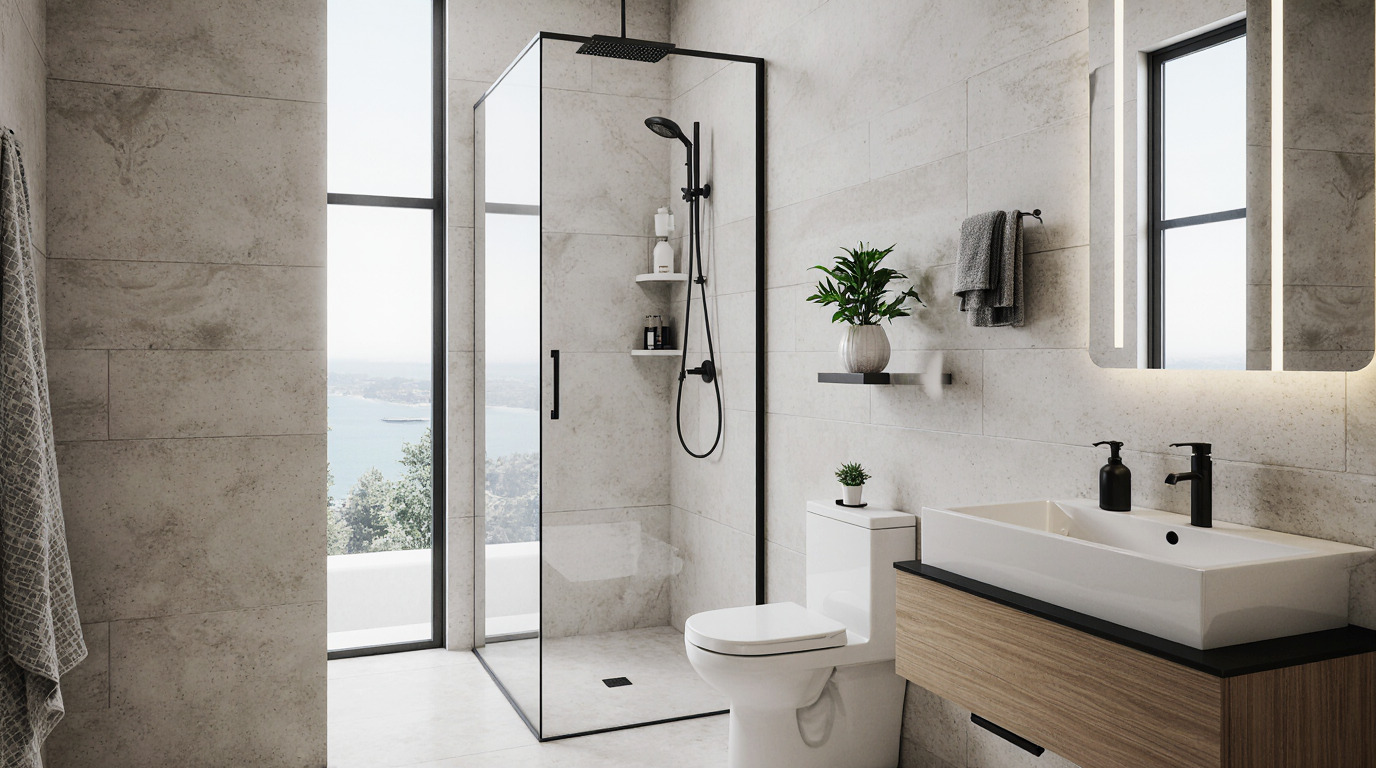
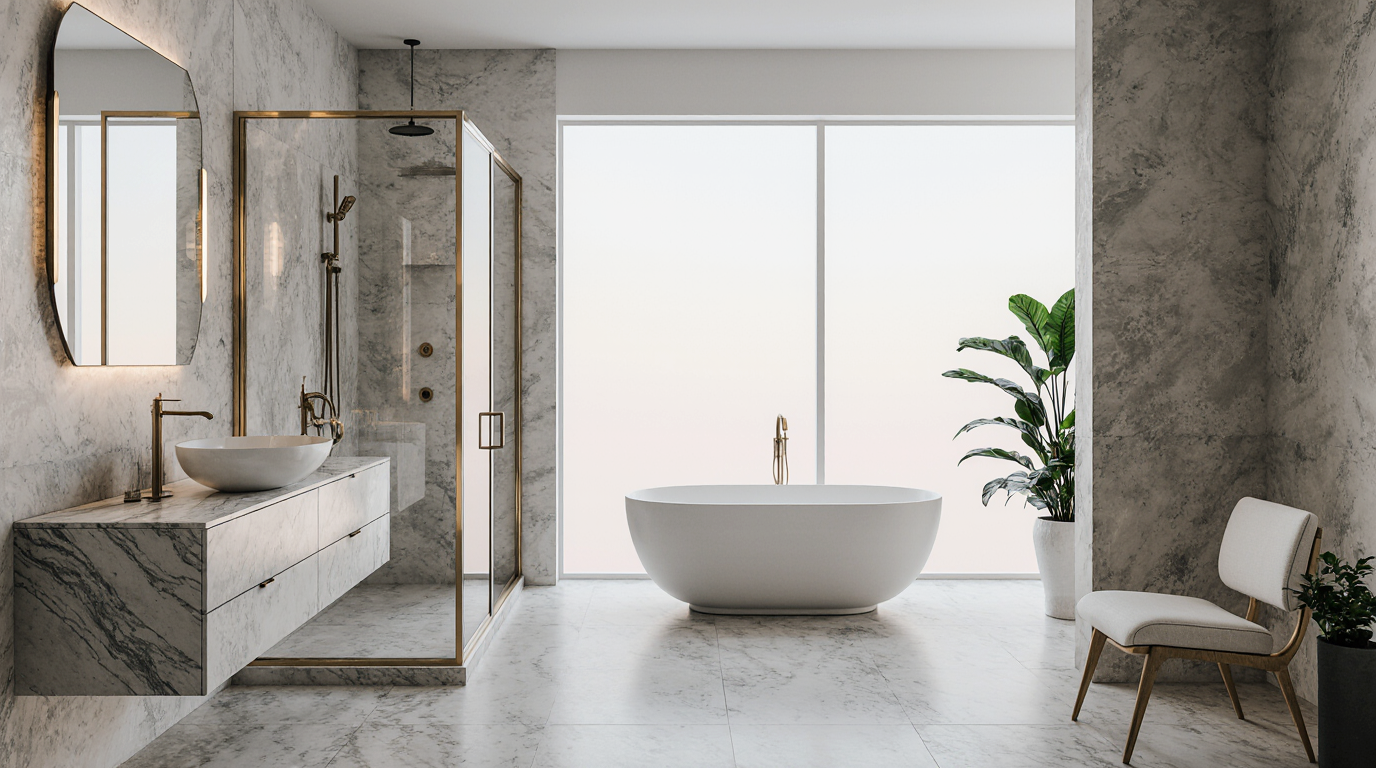
This diagnostic phase also involves a deep dive into the homeowner's functional needs. I analyze movement patterns to optimize drawer versus door placement, ensuring that the vanity doesn't create bottlenecks. For example, by using fully integrated, recessed hardware and wall-mounted floating designs, I can create an illusion of greater space—a common request in guest bathrooms—and make cleaning floors significantly easier. This is about engineering the space before engineering the cabinet.
The Material Science of a Coastal Vanity
The core of a truly durable bathroom cabinet lies in its material composition. While my initial specification is always marine-grade plywood, the type of veneer and finish is just as critical. For a sleek, modern look, I often use a technique of applying a high-pressure laminate (HPL) over the plywood substrate, sealed with a waterproof polyurethane adhesive. This creates a completely non-porous surface that is highly resistant to scratches and cleaning chemicals.
For the finish, I rely exclusively on a post-catalyzed conversion varnish, applied in a multi-coat process. Unlike standard lacquer, this finish undergoes a chemical reaction as it cures, creating a harder, more resilient barrier that prevents moisture from ever reaching the wood substrate. I’ve seen cabinets with standard finishes fail in under five years here; my method is designed to provide a service life exceeding 20 years, even with daily exposure to steam and humidity. It's a level of chemical engineering that standard cabinet shops simply do not implement.
Fabrication and Sealing Protocols for a Marine Environment
The transition from raw material to finished product is where longevity is truly locked in. My fabrication process follows a strict protocol designed specifically to eliminate moisture ingress points, which I have refined over dozens of coastal installations.
- Precision Machining: All plywood components are cut using a CNC router to ensure tolerances under 1/32 of an inch. This minimizes gaps in joinery, leaving less room for moisture to penetrate.
- Edge Sealing Supremacy: Every single edge of every component is sealed, even those that won't be visible after assembly. I use a waterproof edge banding applied with PUR (polyurethane reactive) hot-melt adhesive, which forms a permanent, watertight bond.
- Penetration Sealing: Any cutouts for plumbing, sinks, or faucets are meticulously sealed with a two-part marine epoxy before the vanity ever leaves my workshop. This is the most common failure point I observe in other cabinets, and my process makes it impregnable.
Precision Installation and Long-Term Stability
The final stage is an installation that respects the principles of building science. I use only stainless steel fasteners to secure the vanity to the wall structure, preventing the possibility of future rust bleed. Proper shimming and leveling are critical to ensure doors and drawers operate without binding, which can compromise the integrity of the hardware over time. The goal is a perfect fit with consistent reveals—the small gaps around doors and drawers—that are as much a mark of quality craftsmanship as they are of aesthetic precision. This meticulous standard ensures the vanity not only looks flawless but also resists the subtle shifts and stresses that a building endures in Florida's dynamic environment.
When you look at your current bathroom vanity, are the drawer glides perfectly smooth, or do you feel a slight grinding? Is the finish at the base near the floor completely intact, or is it starting to bubble? That is the first indicator of core material failure from moisture absorption.