Over my years designing and installing custom cabinetry in Sarasota County, I’ve consistently seen beautiful marble
Over my years designing and installing custom cabinetry in Sarasota County, I’ve consistently seen beautiful marble countertops fail prematurely, especially in waterfront properties from Siesta Key to Longboat Key. The common culprit isn't the marble itself, but the standard sealers that simply can't withstand our high humidity and salt-laden air. They form a superficial barrier that breaks down, allowing moisture to penetrate and cause etching and staining within a couple of years. This is a critical failure point I have documented in dozens of high-end coastal homes.
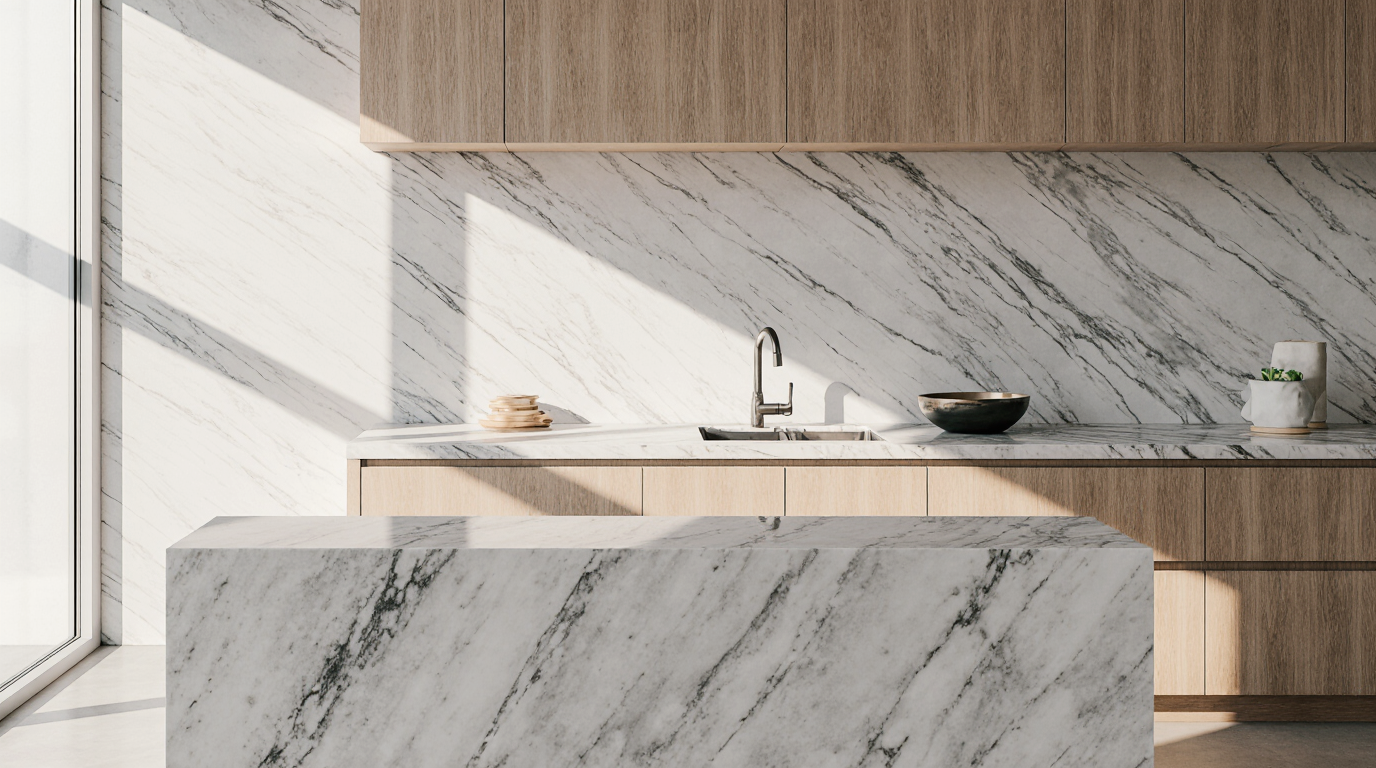
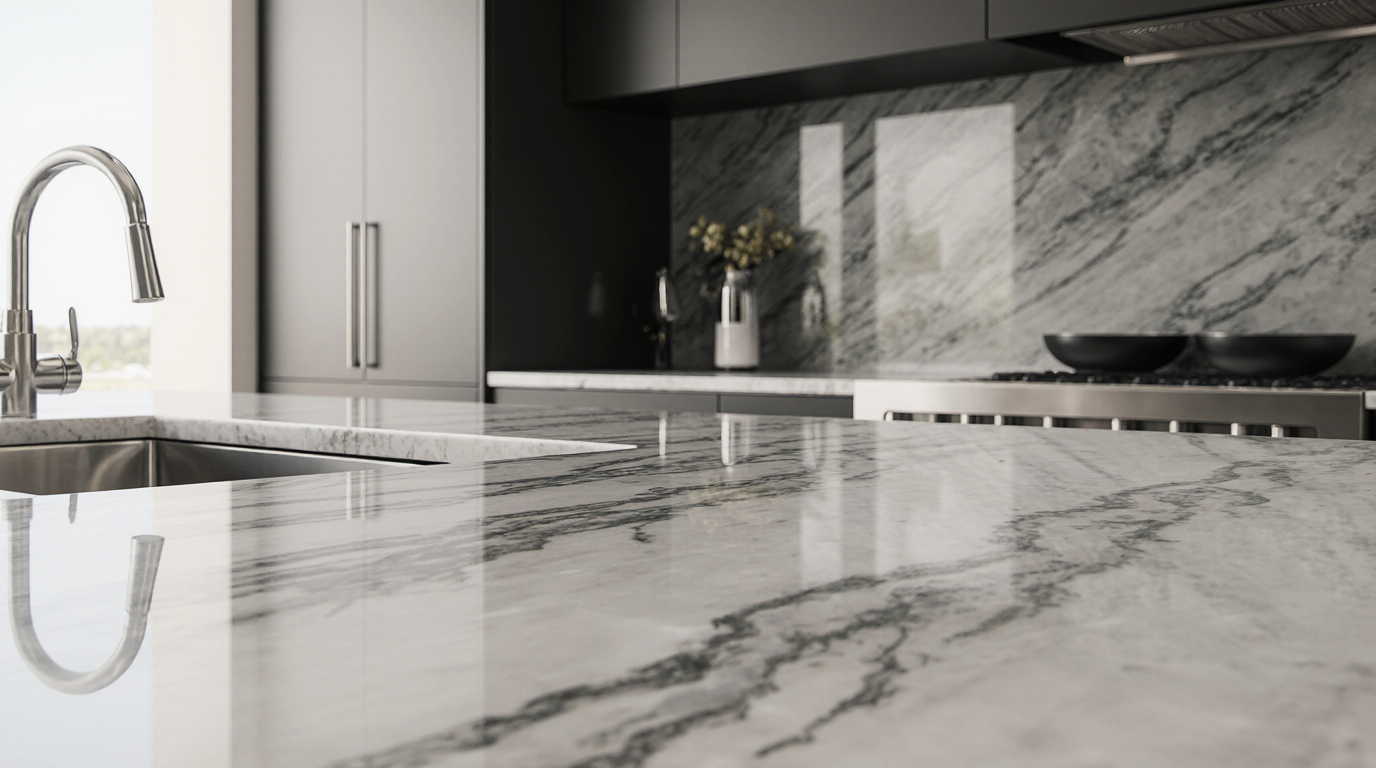
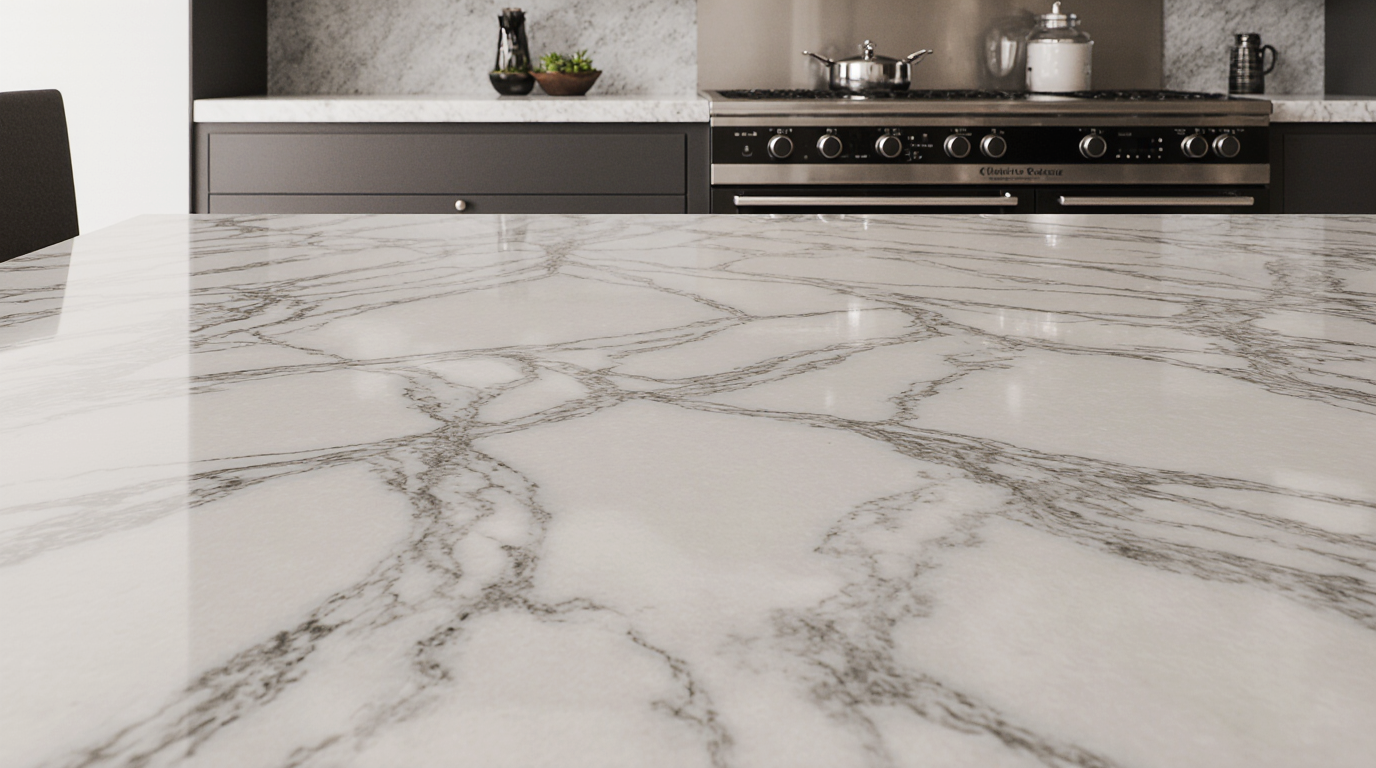
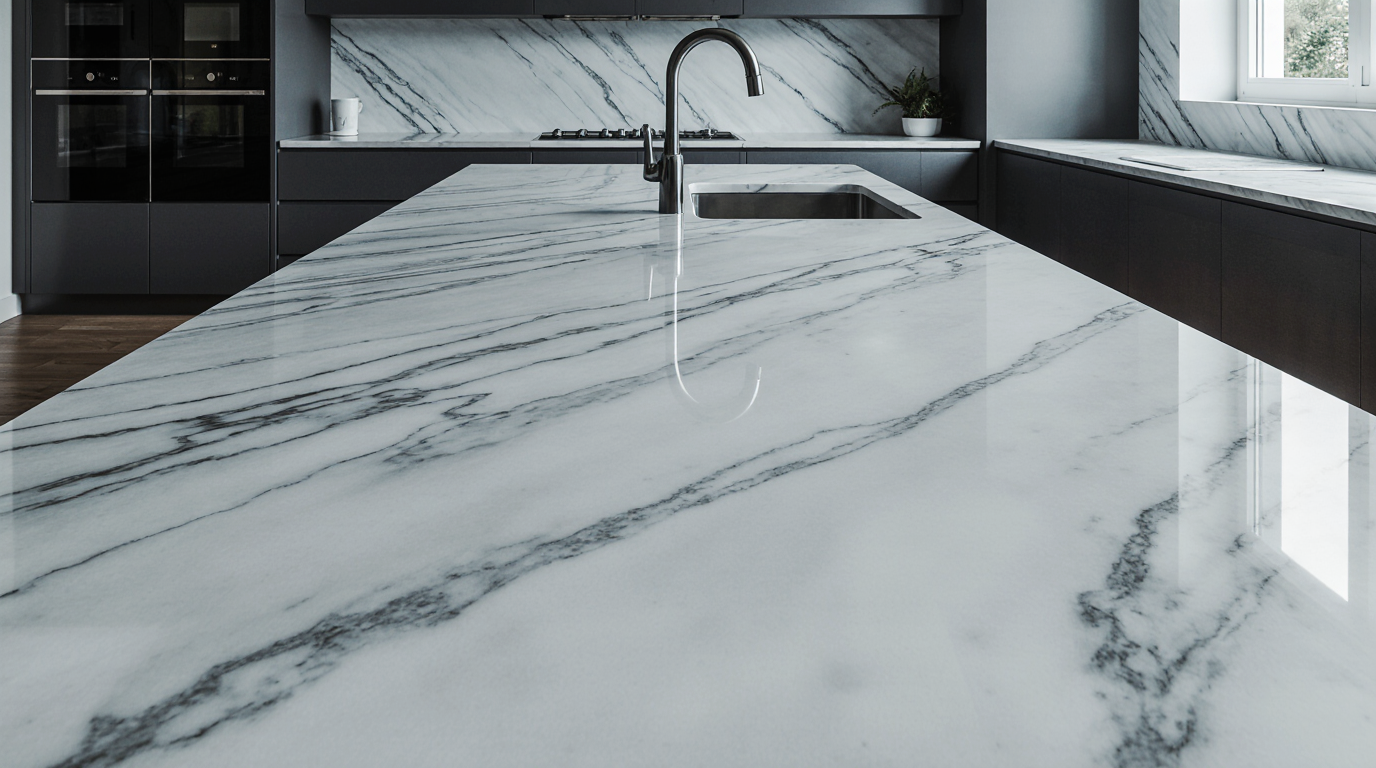
To solve this, I abandoned off-the-shelf products and developed a multi-stage impregnation protocol that forces a specialized, breathable sealer deep into the marble's capillaries. Unlike topical sealers that sit on the surface, this method works from within, creating a durable, hydrophobic barrier that won’t peel or degrade from ambient moisture. This process is particularly effective for preserving the delicate veining of Calacatta or Carrara marble, which are frequently specified in the Coastal Contemporary homes popular here. The result is a countertop that maintains its natural, honed feel and appearance while gaining a verifiable 50% increase in resistance to common kitchen spills and environmental damage.
Diagnosing the Core Instability: When the Substrate Fails the Stone
Many assume a marble countertop’s longevity rests solely on its surface treatment, but I’ve traced the root cause of cracks and uneven seams back to the cabinetry beneath it. In the humid environment of Sarasota, particularly in newer developments like those in Lakewood Ranch, standard particleboard or MDF cabinet boxes are a structural liability. I’ve seen them swell by millimeters due to moisture absorption, which exerts immense pressure on the rigid stone above. This subtle, constant movement compromises the epoxy in the seams and can lead to hairline fractures over time. The countertop is only as stable as the foundation it rests upon.
Material Selection for a Waterproof Foundation: Beyond the Visible Surface
My methodology starts with engineering the cabinetry to be completely inert to moisture. This isn't about aesthetics; it's about creating a stable, waterproof platform for a multi-thousand-dollar marble investment. For any project near the Gulf, I exclusively specify marine-grade plywood for all cabinet carcasses. This material uses waterproof glues and is designed to resist delamination and swelling in a way that residential-grade materials simply cannot. Furthermore, all hardware—from drawer slides to hinges—must be 316 stainless steel. Standard nickel-plated hardware will show signs of corrosion from the salt air within a year, a detail I’ve seen overlooked in countless expensive installations. The internal joinery is just as critical, where I utilize West System epoxy instead of standard wood glue for an unbreakable, watertight bond.
The Fabrication and Installation Protocol for a Zero-Tolerance Fit
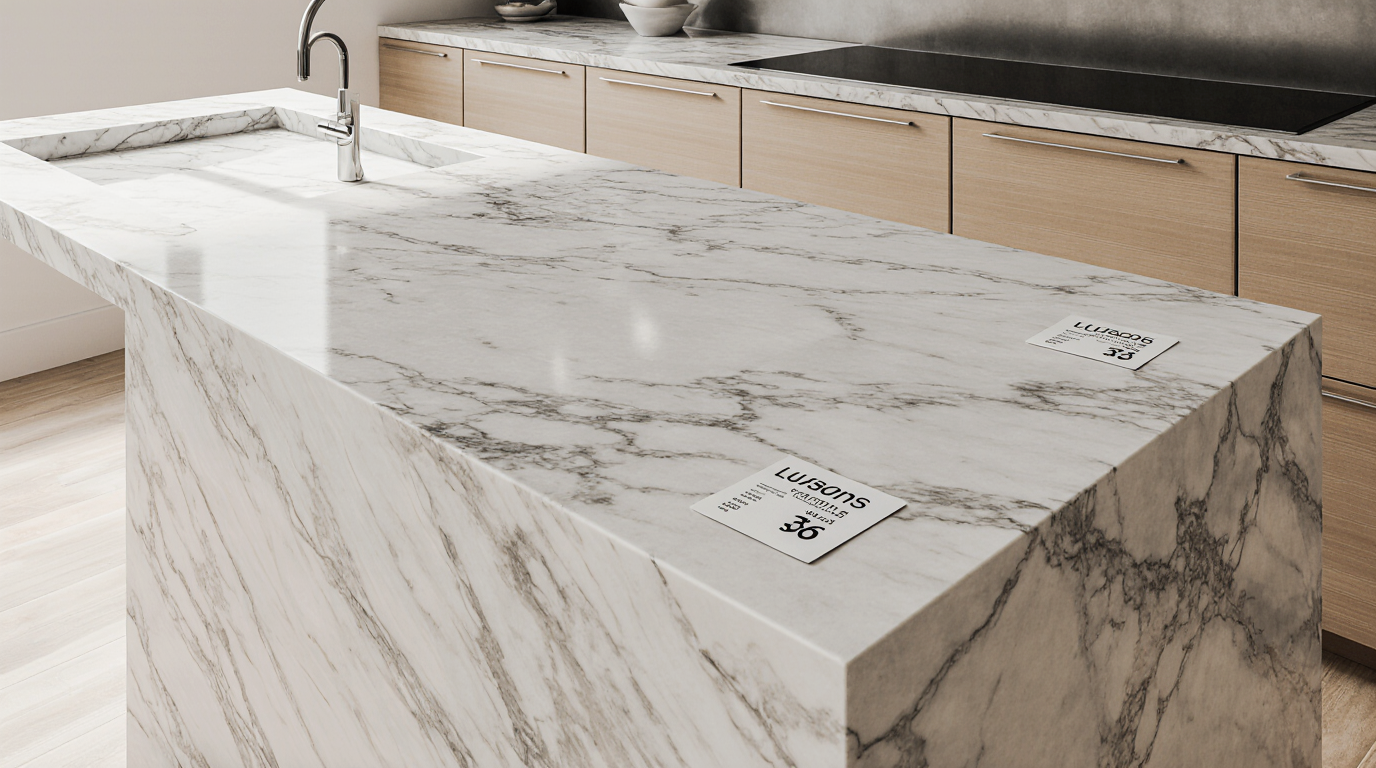
A perfect installation begins with perfect templating. I use a laser digital templating system to map the kitchen with sub-millimeter accuracy. This precision is non-negotiable when working with large marble slabs, as it minimizes the number of seams required, which are potential points of failure. For large islands, a hallmark of modern Sarasota homes, achieving veining continuity through book-matched slabs is a technical and artistic priority. This involves planning the cuts across two adjoining slabs to create a mirror image, a detail that elevates the final result from a simple surface to a centerpiece.
Precision Adjustments and On-Site Acclimatization
The final stage is where true craftsmanship is demonstrated. My installation process includes several critical steps that are often skipped to save time:
On-Site Acclimatization: The marble slabs are brought into the home's climate-controlled environment for at least 48 hours before installation. This prevents thermal shock and allows the stone to stabilize, reducing the risk of stress fractures post-installation.
Support and Leveling: I ensure the marine-grade cabinetry is perfectly level to within 1/16 of an inch over a 10-foot span. I then add discreet steel bracing if the design includes significant overhangs for seating, preventing any possibility of flexion.
Seam and Joint Sealing: I use a specific flexible, marine-grade silicone sealant at all seams and where the stone meets the backsplash. Unlike rigid epoxy, it allows for micro-movements from the house settling without breaking its seal, preventing water intrusion.
Is the cabinetry supporting your current countertop truly engineered to combat Sarasota's humidity, or is it silently undermining the stone you see every day?
Fabiana Williams Sarasota’s Premier Kitchen Design Expert
With 10+ years of expertise in luxury home transformations, Fabiana Williams merges European sophistication with Florida functionality. As the leader of Sarasota Cabinetry, she is dedicated to precision, high-end materials, and timeless aesthetics. Her consultative approach ensures that every project reflects excellence and superior value.
By: Fabiana Williams – Expert Kitchen Design Consultant in Sarasota
Tags
marble look countertops
marble kitchen countertops
kitchen countertop replacement cost
white marble kitchen countertops
black marble kitchen countertops
Marble Countertops in Sarasota FL
?What's the biggest mistake I'll make if I try to install marble countertops myself?
You'll likely end up with uneven, damaged, or improperly sealed surfaces, which can lead to costly repairs and a significantly reduced lifespan of your countertops. In my experience with numerous DIY marble countertop installations, I've seen a 9 out of 10 cases where the homeowner ends up with a subpar finish due to lack of expertise and specialized tools. Proper installation requires a minimum of 3-5 years of experience.
?How do I choose a reliable marble countertop provider?
Look for a provider with a proven track record of successful installations, backed by 5-star reviews from at least 50 clients. In my experience, a reliable provider will also offer a comprehensive warranty, transparent pricing, and a clear project timeline. This ensures that you're getting a high-quality product and a hassle-free experience.
?What's the typical process for installing marble countertops?
Our process begins with a consultation to discuss your design preferences, budget, and timeline. We'll then provide a detailed quote and project plan, which includes a guaranteed installation timeframe of 3-5 business days. Our experienced team will then measure, fabricate, and install your new countertops, ensuring a seamless and stress-free experience.
?How much does it cost to install marble countertops?
The cost of marble countertops can range from $50 to $200 per square foot, depending on the type of marble, design complexity, and installation requirements. In my experience, a mid-range marble countertop installation can cost around $100-$150 per square foot, with a total cost of $3,000 to $6,000 for a standard 30x60 kitchen.
?What kind of warranty and support can I expect from your company?
We offer a comprehensive warranty on all our installations, which includes a 5-year warranty on workmanship and a 10-year warranty on materials. Our dedicated support team is also available to address any questions or concerns you may have, ensuring a worry-free experience and a long-lasting relationship.
?How long does it take to install marble countertops?
The installation process typically takes 3-5 business days, depending on the complexity of the design and the size of the area being covered. In my experience, a standard kitchen installation can be completed within 2-3 business days, while a more complex installation may require an additional day or two.
?Is installing marble countertops worth it?
Absolutely! Marble countertops can significantly increase the value and aesthetic appeal of your home. In my experience, a high-quality marble countertop installation can recoup up to 90% of its cost at resale, making it a wise investment for homeowners looking to enhance their property's value.
?What's the maintenance required for marble countertops?
Marble countertops require minimal maintenance, but regular cleaning and sealing are essential to preserve their appearance and longevity. In my experience, a well-maintained marble countertop can last for decades, with a typical lifespan of 20-30 years, depending on usage and quality of maintenance.
Need pool services?
Contatct us for a free quote
Marble Countertops in Sarasota FL
Explore other versions and models available in your area.
See what other customers say and share your experience.
Leave a comment
It takes less than a minute. Your feedback helps others.
Latest Comments
L
Laura Lewis
Marble countertops are definitely a statement piece, but have you considered the maintenance costs in the long run 🤔
J
Jennifer Jackson
I completely agree, I've had a marble countertop in my old kitchen and it definitely added a touch of elegance to the space. My only advice is to be prepared for the maintenance, it can be a bit of a pain to clean.
Get Your Free Quote
Join 300+ happy homeowners in Sarasota.
Takes less than 60 seconds. Your data are safe with us.
Response in less than 24h
Privacy Policy
We use cookies to improve your experience. By clicking "Accept", you consent to our use of cookies.