Marble Countertop Price: Understanding Costs, Quality, and Investment Value
For homeowners planning kitchen or bathroom upgrades, marble countertops represent a statement of refined sophistication and enduring beauty. Costs for marble countertops are determined by numerous elements, including the quality of the marble, source of the slab, slab thickness, and the sophistication required for installation. Marble’s distinctive veining and natural elegance create a one-of-a-kind surface, positioning it above conventional countertop materials for those seeking style and longevity. Choosing marble surfaces embodies a homeowner’s dedication to superior materials, refined taste, and a future-proof design investment.
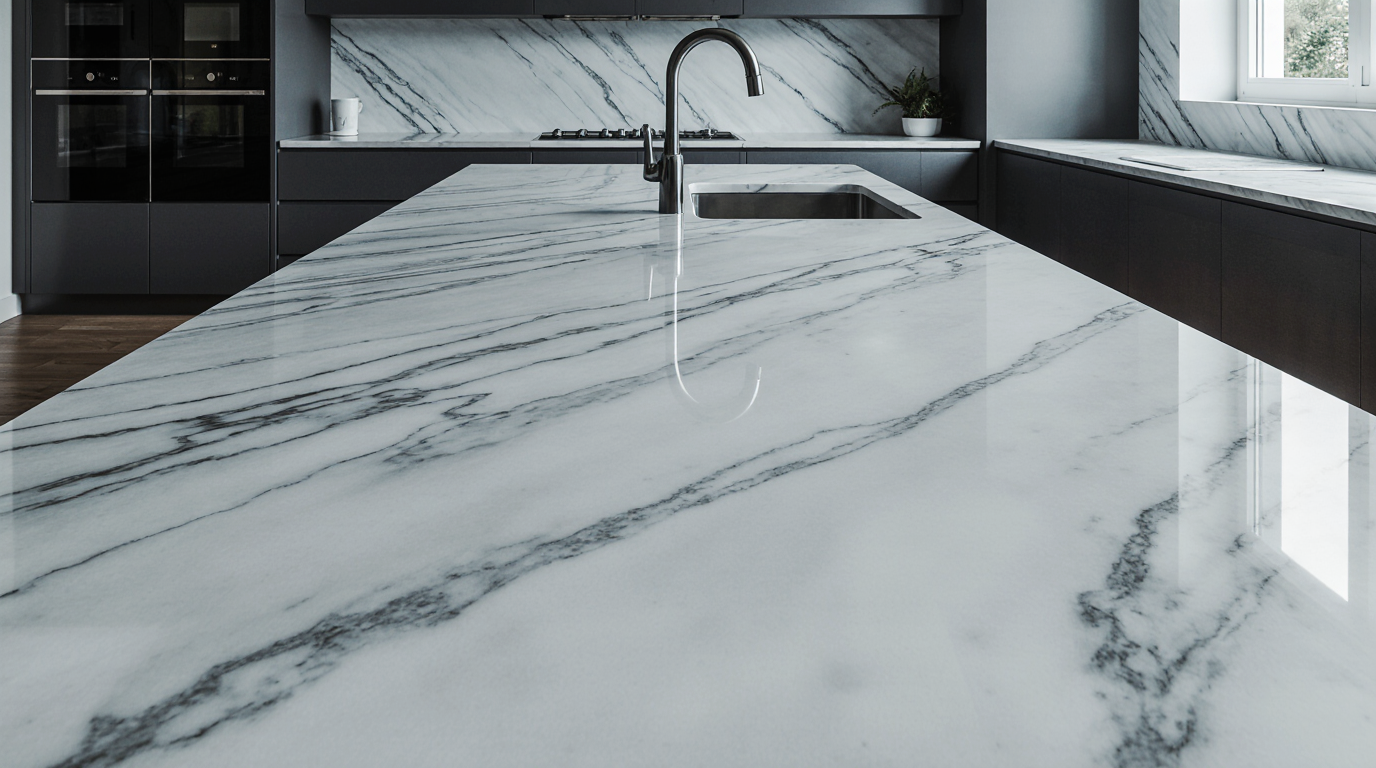
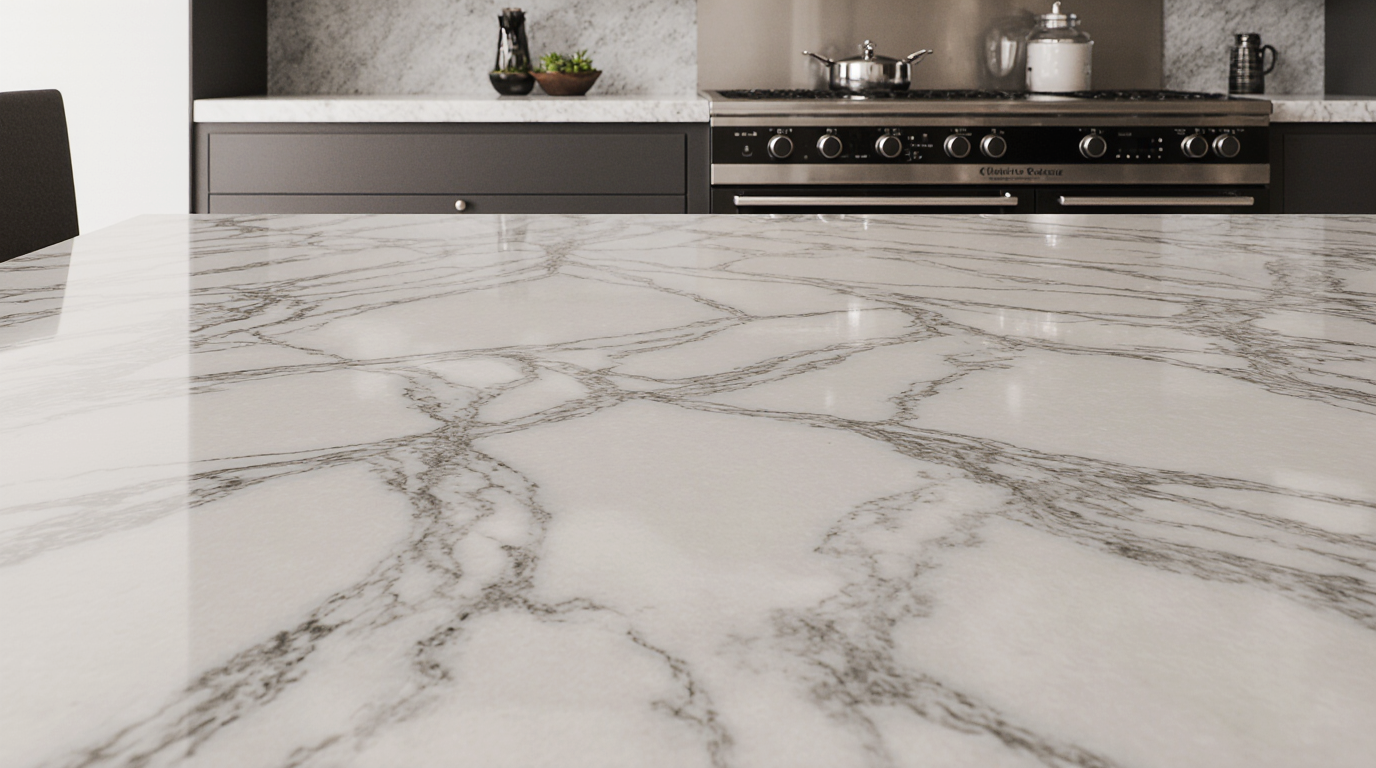
High-grade marble slabs are sourced from renowned quarries around the world, each with distinctive characteristics. Carrara marble presents subtle grey veins on a white base, whereas Calacatta delivers striking, pronounced patterns ideal for luxurious spaces. Marble provenance significantly influences pricing, as select stones are more expensive due to their exotic origins, extraction difficulty, and limited supply. Knowing the source of marble helps homeowners strategically weigh beauty against financial considerations.
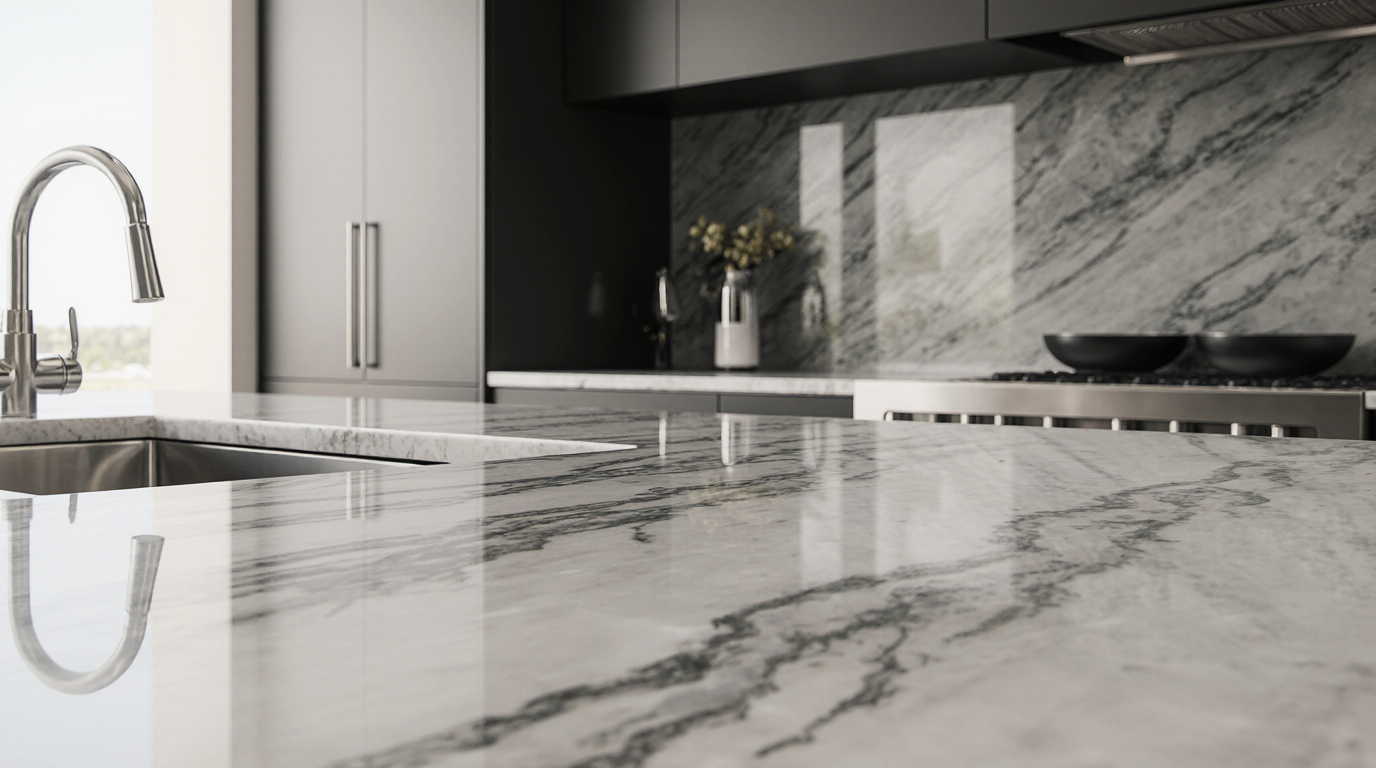
Marble slab thickness and finish selection profoundly affect overall countertop pricing. Common marble slabs measure 2–3 cm, yet thicker cuts increase costs as they require more raw material. Polishing, honing, or leathering the surface further impacts price, reflecting craftsmanship and style choices. A polished finish offers a glossy, reflective surface that highlights the natural veining, whereas honed marble provides a matte, soft texture ideal for understated elegance. Leathered finishes, with their tactile, textured appeal, are increasingly popular for creating a warm, modern look while maintaining the luxurious nature of marble.
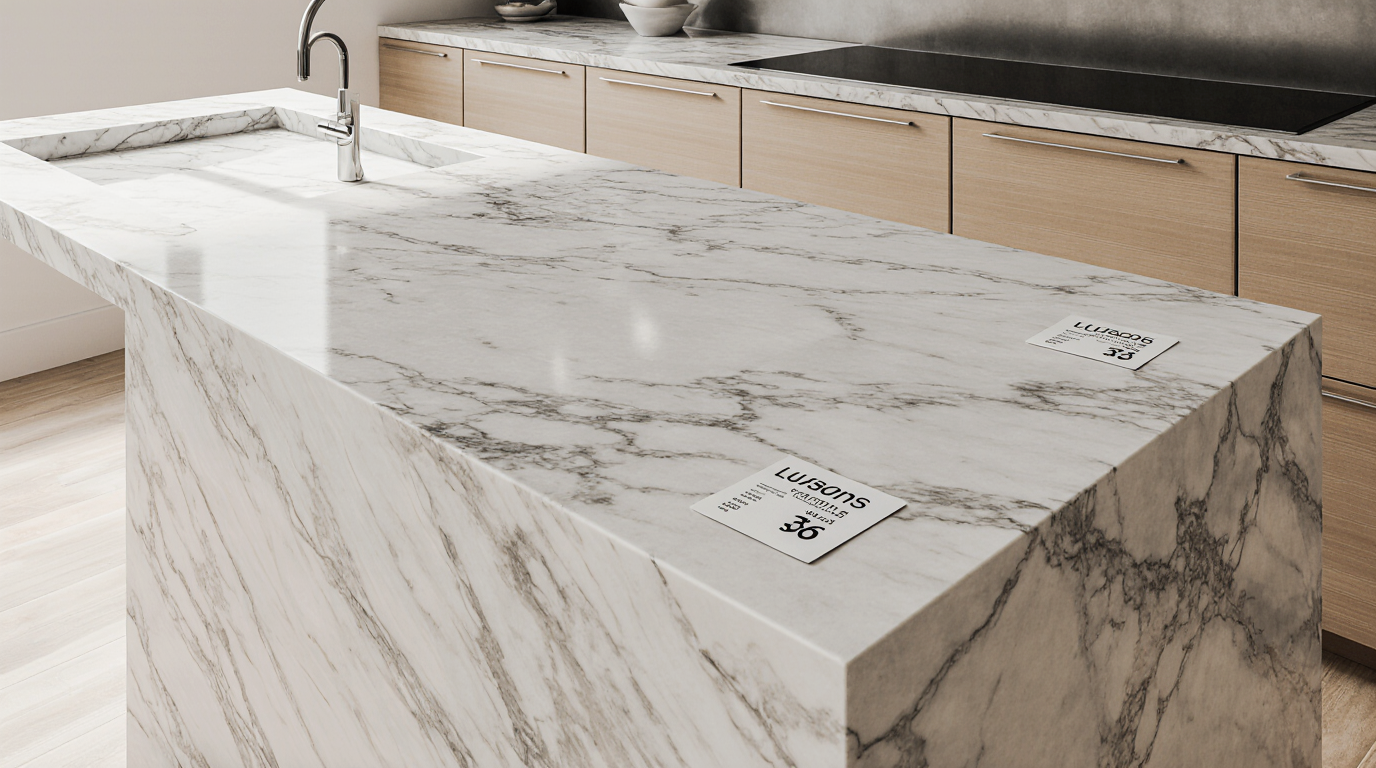
The process of fitting marble slabs considerably influences total investment. Marble installation demands specialized skills, careful handling, and precision cutting, unlike more forgiving materials. Adding bespoke elements like carved edges, seamless sinks, or waterfall designs increases labor costs but enhances property sophistication. Skilled professionals manage marble’s mass, support requirements, and fragile nature, ensuring installation quality and protecting investment.
Ongoing upkeep affects the overall valuation of marble surfaces. Marble resists wear but is vulnerable to stains from acidic liquids such as wine, lemon, or vinegar. Regular sealing, usually semi-annually to annually, is crucial for protecting marble from stains and preserving its aesthetic. Cost of sealants and maintenance contributes to the lifecycle expense of marble. Marble’s elegance and lasting functionality frequently surpass maintenance demands, cementing its value as a long-term investment.
Comparing marble with alternative materials highlights its unique value proposition. Synthetic or engineered surfaces may be practical, but they lack the authenticity and artistry inherent in marble. Every slab carries unique veining, creating a space imbued with character, style, and sophistication. Therefore, the price of marble countertops is not merely a monetary figure—it reflects the combination of rarity, craftsmanship, and visual impact that few other materials can match.
Personalized marble details affect pricing while elevating luxury and style. Selecting from beveled, bullnose, ogee, or chiseled edges shapes the countertop’s visual story. Integrated backsplashes, artistic inlays, and layered surfaces enhance customization, increasing both appeal and cost. Collaboration with skilled designers guarantees that marble features harmonize with overall aesthetics and usability. Custom touches elevate both design sophistication and functional performance, validating added expense.
Regional availability and logistical factors significantly shape marble pricing. Proximity to marble sources reduces transportation expenses, whereas distant locations incur additional import costs. Additionally, market demand fluctuates based on trends, home renovation seasons, and architectural popularity, influencing the cost per square foot. Understanding these market dynamics allows homeowners to strategically plan their purchases, ensuring they obtain high-quality marble at competitive rates without compromising design vision.
Selecting marble requires harmonizing appearance, practicality, and financial considerations. Soft, pale marble enhances light and space in smaller areas, while deep-toned slabs project opulence and elegance. The addition of marble surfaces transforms interiors while providing enduring investment value. Prospective buyers often recognize the inherent quality and luxurious appeal, making marble not only a design choice but also a long-term financial asset.
Assessing marble costs involves examining stone grade, origin, slab size, surface finishing, installation precision, upkeep, bespoke elements, and market conditions. Although initially costly, marble’s enduring beauty, distinctiveness, and refinement offer long-term benefits. A well-chosen marble countertop can redefine a space, offering unparalleled beauty and functional durability that lasts for decades. Marble fulfills aspirations for refined taste, distinct character, and sustainable luxury.
The combination of premium material, professional installation, and ongoing care underscores the long-term value of marble countertops, making them a symbol of both luxury and smart investment. From vein to finish, each marble slab embodies nature’s artwork and human ingenuity, creating spaces of unique character, luxury, and style.