Pricing Marble Countertops: Evaluating Costs, Elegance, and Long-Term Value
For homeowners planning kitchen or bathroom upgrades, marble countertops represent a statement of refined sophistication and enduring beauty. Marble countertop pricing fluctuates due to variables like stone grade, provenance, slab dimensions, and the intricacy of fitting and finishing. Unlike standard surfaces, marble offers unique veining patterns and a natural beauty that cannot be replicated, making it a preferred choice for homeowners looking to blend aesthetic charm with functional durability. Choosing marble surfaces embodies a homeowner’s dedication to superior materials, refined taste, and a future-proof design investment.
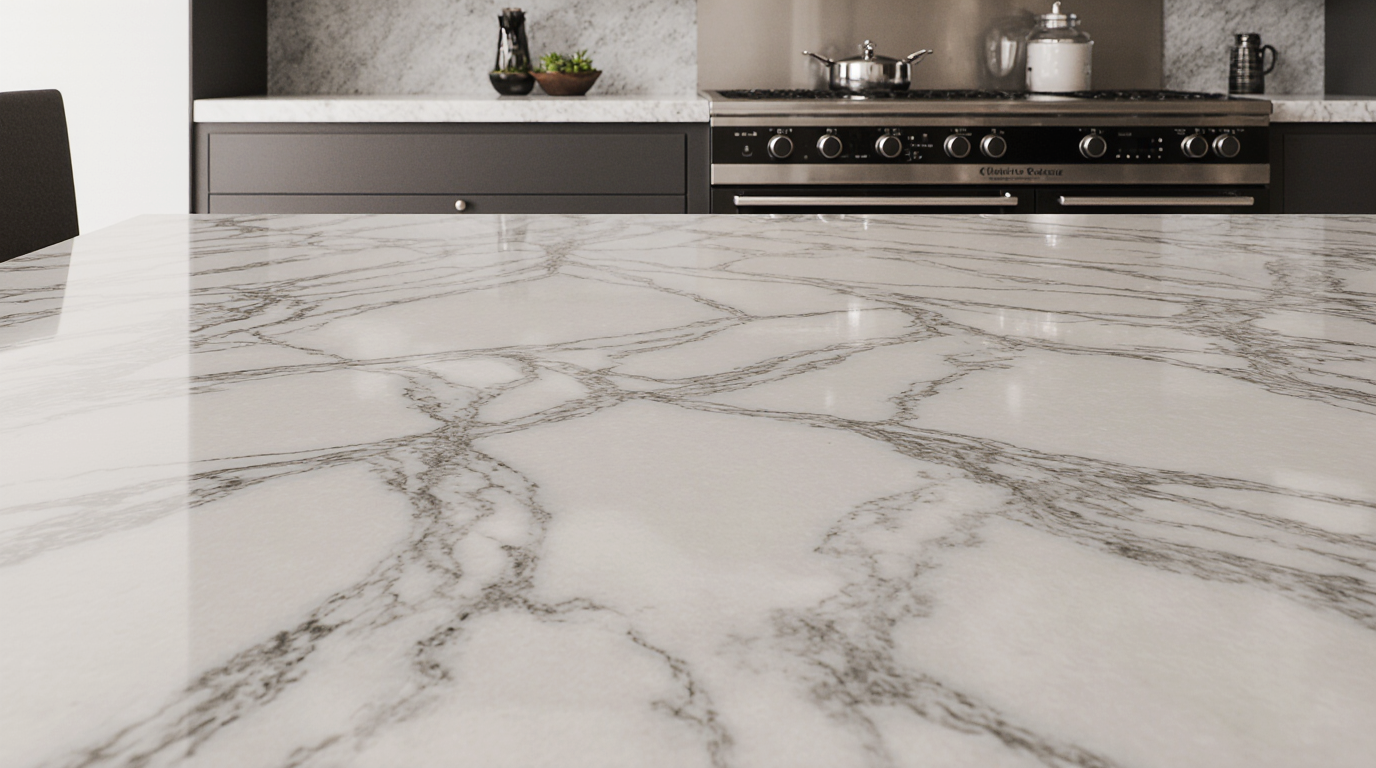
Top-tier marble originates from famous quarries worldwide, showcasing unparalleled natural variations and exquisite visual appeal. Italian Carrara marble is known for gentle grey veining, while Calacatta offers intense, artistic patterns that transform interiors. The origin of the marble plays a crucial role in determining the overall price, as some rare stones are imported at higher costs due to transportation, extraction complexity, and limited availability. A deeper understanding of the marble’s provenance allows homeowners to make informed decisions when balancing aesthetics and budget.
The dimensions and surface treatments of marble slabs are major cost determinants. Standard countertops are typically 2 to 3 centimeters thick, with thicker slabs naturally demanding higher prices due to the larger quantity of raw stone. The type of finish—polished, honed, or leathered—adds another layer of cost, showcasing technique and sophistication. Polished marble enhances shine and veining, while honed provides a subtle, matte sophistication. Leathered marble, offering tactile depth and understated glamour, has become a contemporary favorite.
Installation is another factor that contributes heavily to the marble countertop price. Unlike laminate or engineered stone surfaces, marble requires precise cutting, handling, and professional expertise to ensure a perfect fit. Elaborate customization options, including detailed edging, built-in sinks, or waterfall effects, elevate both cost and luxury appeal. Expert installers assess marble’s weight, structural support, and fragility to prevent damage, emphasizing labor importance.
Maintenance requirements also play a role in understanding the true cost of marble countertops. While marble is a durable and long-lasting material, it is porous and susceptible to staining from acidic substances like wine, citrus, or vinegar. To preserve its pristine appearance, sealing is recommended regularly, typically every six to twelve months, depending on use. Cost of sealants and maintenance contributes to the lifecycle expense of marble. Even accounting for upkeep, marble’s beauty and utility justify its premium, particularly for discerning homeowners.
Comparing marble with alternative materials highlights its unique value proposition. Synthetic or engineered surfaces may be practical, but they lack the authenticity and artistry inherent in marble. Each marble slab is one-of-a-kind, offering unparalleled patterns and textures that transform a room into a statement of refined taste. Therefore, the price of marble countertops is not merely a monetary figure—it reflects the combination of rarity, craftsmanship, and visual impact that few other materials can match.
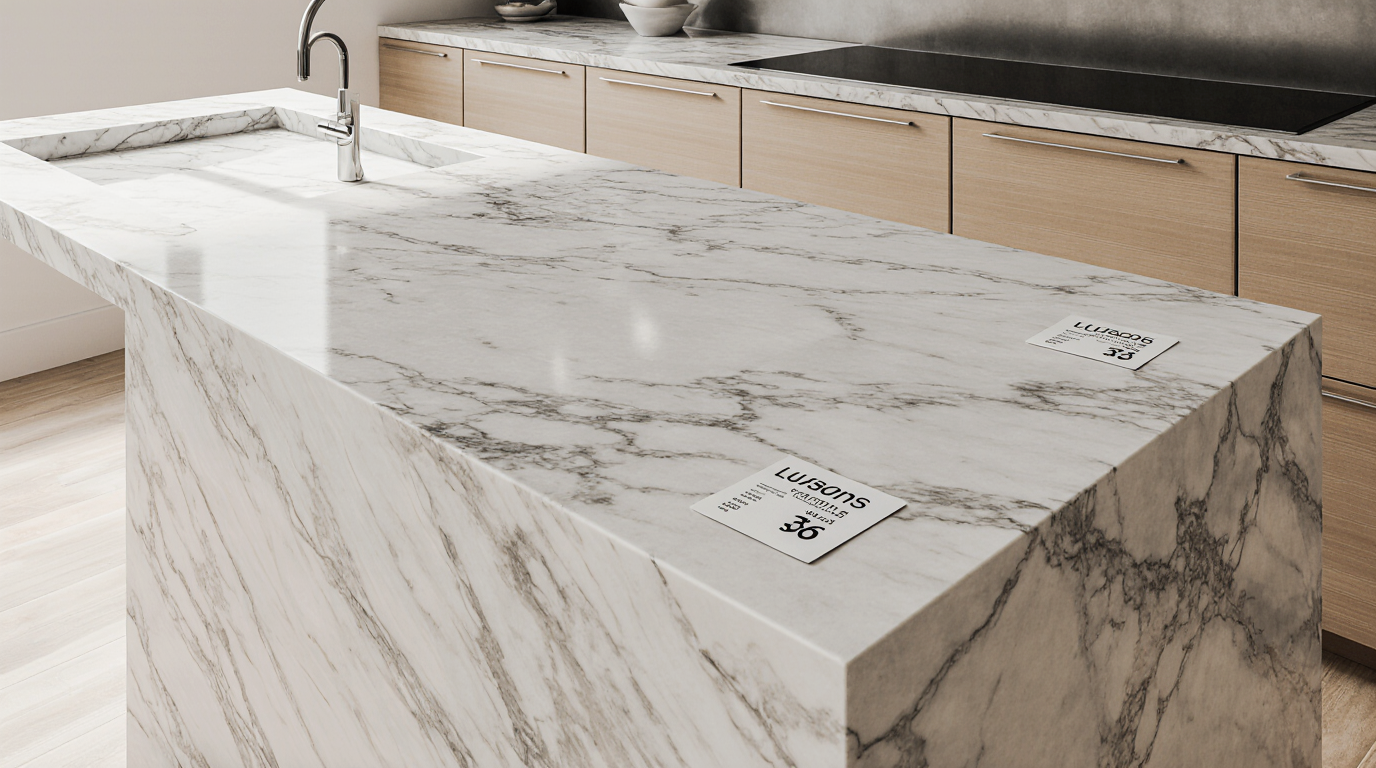
Personalized marble details affect pricing while elevating luxury and style. Edge detailing, from beveled to ogee, influences both price and design sophistication. Incorporating features like integrated backsplashes, inlays, or multi-level surfaces can elevate the kitchen or bathroom to a truly bespoke environment. Collaboration with skilled designers guarantees that marble features harmonize with overall aesthetics and usability. Bespoke details amplify space elegance and functionality, making higher costs worthwhile.
Where a homeowner resides and stone accessibility influence countertop costs. Location impacts marble prices, with nearby quarries offering lower costs and broader choices compared to remote areas. Trends, seasonal demand, and design popularity directly affect the per-square-foot cost of marble. Understanding these market dynamics allows homeowners to strategically plan their purchases, ensuring they obtain high-quality marble at competitive rates without compromising design vision.
Choosing the right marble is a strategic decision that balances style, functionality, and budget. Soft, pale marble enhances light and space in smaller areas, while deep-toned slabs project opulence and elegance. Integrating marble countertops into a space is a transformative investment, as it elevates the overall ambiance while maintaining resale value. Marble’s unmistakable quality is acknowledged by future owners, reinforcing its value beyond aesthetics.
Determining marble pricing necessitates attention to quality, provenance, dimension, finish, installation, maintenance, personalization, and supply-demand dynamics. Marble’s premium cost is balanced by its unique charm, timeless sophistication, and transformative impact. A well-chosen marble countertop can redefine a space, offering unparalleled beauty and functional durability that lasts for decades. Homeowners seeking sophistication, individuality, and enduring style find marble an unmatched choice that truly enhances the heart of the home.
Marble’s lasting allure is achieved through superior material, skilled craftsmanship, and diligent upkeep, marking it as a wise investment. Every marble piece narrates a tale of geological artistry and design finesse, transforming mundane interiors into bespoke showcases of elegance.