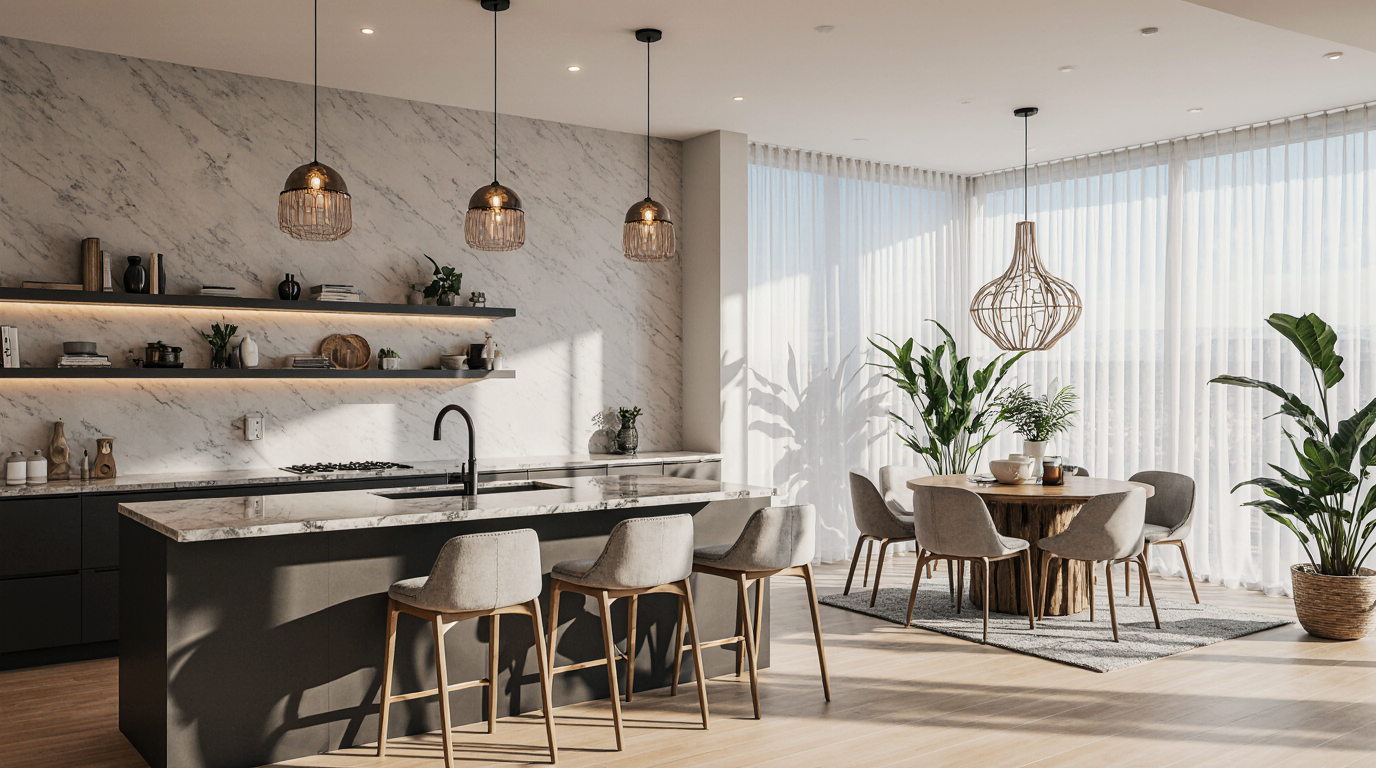
Kitchen Dining Room Ideas
A modern kitchen dining room is no longer just a place to cook and eat; it has become the heart of the home, blending functionality with style, crafting this space demands strategic choices in layout…

The modern kitchen functions as the true heart of the home , evolving past a mere cooking space to become a central hub
The modern kitchen functions as the true heart of the home, evolving past a mere cooking space to become a central hub for living, entertaining, and connection. A successful kitchen design project requires a seamless blend of aesthetic vision and practical ergonomics, making certain the environment is not only visually stunning but also enhances the daily rhythm of life.
The bedrock of an optimized culinary space rests on the adherence to the classic, yet ever-relevant, Work Triangle concept, which dictates the efficient placement of the three primary stations: the sink, the refrigerator, and the cooktop (or range). Maintaining distances between four and nine feet for each side of this triangle boosts operational fluidity and cuts down on tiresome travel distances, a key principle for any serious home cook. However, contemporary living frequently requires a development past this single triangle, especially in larger homes or for multiple cooks, resulting in the implementation of dedicated Work Zones—areas for prepping, cooking, cleaning, and storage—each meticulously furnished and strategically positioned to support specific tasks. Implementing these specialized zones ensures that every activity, from washing produce to baking, has a dedicated, efficient space, solidifying the kitchen's role as a high-performance area.
Moving past the core spatial arrangement, the selection of materials is essential for ensuring the resilience and the stunning appearance of the space. High-quality countertops, such as luxurious granite or engineered quartz, contribute to a sense of permanence and offer excellent visual impact, but their choice should reflect the intended usage patterns; a heavy-use kitchen demands a more resilient and easy-to-clean surface capable of resisting stains and scratches. Cabinetry, a major component of the aesthetic, should blend style with intelligent storage solutions. Opting for deep drawers over traditional base cabinets, for instance, dramatically improves accessibility and makes organizing pots, pans, and small appliances far more efficient. Furthermore, layered lighting is a vital, often underestimated, component. This involves combining task lighting—such as under-cabinet LEDs for preparing food—with ambient and accent lighting to eliminate shadows and create a welcoming, versatile atmosphere. The best design places a premium on practical functionality, crafting an environment where aesthetics and utility perfectly intersect into a truly bespoke and high-performance space that adds considerable value to the entire property and serves as a source of pride for years to come.
High End Kitchen Design Seminole FLHigh-end kitchen design is more than simply costly equipment; it’s a harmonious blend of sophisticated aesthetics, premium materials, and advanced practicality. These spaces are often the heart of a luxury home, reflecting a commitment to quality and detailed craftsmanship. The focus is on developing a custom-made space where all parts, from the tailored cupboards to the illumination plan, contributes to an atmosphere of refined elegance.
A key differentiator in high-end design is the employment of high-quality, frequently scarce, elements. Think unusual natural rock for work surfaces and wall protection, precisely prepared woods, and bespoke metal fabrication. Appliances are smoothly incorporated, often featuring the most recent tech, yet designed to maintain a smooth, tidy look. This focus on resource excellence ensures not only a stunning look but also outstanding resilience and lastingness, making the cost worthwhile.
Functionality is elevated to an art form in these culinary areas. Layouts are arranged for efficient operation, frequently incorporating high-performance components such as dedicated prep areas, hidden pantries, and advanced storage solutions. Designers frequently partner with the resident to customize the area to their particular cooking routines and entertaining needs, turning the kitchen into a tailored powerhouse of socializing and everyday activity.
In addition, illumination is vital in emphasizing the structure’s design and texture quality. Multi-level illumination—combining ambient, task, and accent fixtures—produces an energetic and welcoming mood. Personalized cupboards, frequently handmade and featuring unique hardware, offers both aesthetic appeal and useful keeping space. The outcome is a kitchen that is not merely a place to cook, but a masterful statement of style and comfort.
Good Kitchen Design Seminole FLGood kitchen design is fundamentally about balancing function with visual appeal to create a space that is efficient and enjoyable to use. It centers on the "working triangle" concept—the distance between the sink, refrigerator, and range—to reduce movement and optimize productivity during cooking. A smartly-planned kitchen feels intuitive, allowing users to move seamlessly between tasks.
In addition to the fundamental arrangement, effective planning includes smart keeping systems. This means utilizing every inch of space effectively, from tall slide-out compartments for cookware to pull-out pantries and angled cupboards with unique organizers. Reducing clutter by providing a designated, accessible home for every item is crucial for maintaining a clean and functional workspace.
Choosing resources for effective design prioritizes durability and ease of maintenance. Countertops should withstand daily wear and tear, and flooring should be easy to clean and pleasant underfoot. While cost is frequently a factor, investing in mid-to-high-quality finishes ensures the kitchen retains its appeal and functionality over time avoiding continuous repairs or premature change.
Ultimately, a good kitchen design reflects the style and needs of the occupants. It should be a place where the family is happy to spend time, with sufficient illumination and a layout that supports both cooking and social interaction. Whether the style is traditional, transitional, or modern, the primary goal remains: a kitchen that enhances the quality of daily life through smart, practical planning.
Custom Made Islands Seminole FLCustom-made islands represent the pinnacle of personalized kitchen design, allowing clients the opportunity to build a unit that harmonizes with their unique lifestyle, visual requirements, and unique gastronomic demands. In contrast to typical, ready-made modules, a custom island is personalized down to every measurement, finish, and feature, converting it into a essential working heart of the kitchen.
The process of designing a custom island involves a comprehensive review of function. For a dedicated pastry chef, this could involve incorporating a stone surface for dough preparation and custom-built spaces for utensils and molds. For a host who loves to entertain, the island could include an integrated beverage fridge, a utility faucet, and seating that encourages social interaction while cooking. The possibilities are virtually endless, bounded only by the room's size and the client's vision.
Choosing materials is a key differentiator for custom islands. A designer can combine diverse materials and aesthetics, such as a salvaged timber frame with a premium solid surface, or incorporate unique features like waterfall edges. The construction and interior hardware are also customized, allowing for clever internal arrangements—such as deep drawers for stand mixers, or concealed waste and sorting receptacles—that precisely fit the intended items.
Investing in a custom-made island ensures not only enhanced practicality but also a unified and upscale appearance. It serves as a structural highlight that establishes the culinary space's character, perfectly matching or purposefully contrasting the rest of the built-in units. This level of personalization and craftsmanship results in a long-lasting, stunning, and ultra-practical food prep area that is one of a kind.
Custom Kitchen Islands Seminole FLThe new-age central unit has evolved to be much more than just additional surface area; it is now the essence of personalized utility, created to flawlessly align with the homeowner's individual routine and design taste. True custom islands move beyond standard dimensions and features, providing customized functions that maximize utility and anchor the area's style. Whether you are an avid baker needing a specific marble surface or a tech enthusiast wanting integrated charging stations, a custom design ensures each component meets your requirements.
A major benefit of planning a bespoke island is the ability to experiment with shape and finishes. Rather than a standard rectangular shape, think about a split-level unit that separates the food preparation zone from a casual dining or social area. Materials can be artfully combined, too, imagine a warm butcher block section for cutting alongside a sleek stone section for serving. This clever layering of surfaces not only adds visual intrigue but also enhances the island's overall functionality, making it a true centerpiece that is both beautiful and highly practical.
In addition to materials and form, custom kitchen islands are the ideal canvas for innovative storage solutions. Unlike off-the-shelf units, a custom design can include tailor-made containers for seasonings, pull-out shelving for mixers, or even hidden bowls for family pets. The integration of high-end appliances, such as a integrated beverage cooler, a concealed waste management system, or a second sink, significantly enhances the unit's function, turning it into a complete, self-contained workstation.
When commissioning a custom island, consider its role in your home's social life. Will it be the primary spot for family breakfasts, or the main location for entertaining guests? Planning around its role as a social hub allows you to customize elements such as bar stools and illumination. Statement pendant lights hung precisely over the island can transform it into a dramatic focal point, while cleverly placed outlets and USB ports ensure it serves as a modern command center, ready for projects, studies, or leisure.
Open Island Kitchen Design Seminole FLThis open-concept island layout has become a hallmark of modern home architecture, fundamentally changing family life and social engagement. This spatial configuration is extremely popular for its ability to eliminate the typical walls between cooking, dining, and living spaces, encouraging a fluid, connected atmosphere. By incorporating the central island into a larger, continuous area, the design transforms cooking from an isolated chore into a shared experience where the cook stays connected to guests and family.
An important strength of this design is the improved perception of size and illumination. Without dividing walls, natural light can penetrate deeply throughout the entire floor plan, making the area feel much bigger and more expansive. The island acts as a flexible, multi-purpose anchor in this open environment. It defines the kitchen's boundary without creating a hard wall, serving as a transitional element that offers a clear boundary between the food prep area and the adjacent living space.
To make an open island kitchen optimally executed, the design must prioritize cohesion. Since the kitchen is now permanently exposed, achieving a cohesive aesthetic integration with the living and dining areas is paramount. This can be accomplished by mirroring color palettes, extending the kitchen's flooring material, or applying consistent materials on the island’s base and the living room’s built-in shelving. The result is a consistent look that ensures the kitchen doesn't look like a separate unit, but a natural continuation of the home's primary social hub.
Furthermore, the island itself should be designed to support food prep and entertainment. For a highly functional open layout, the island often features two separate areas: a work side for cooking and a seating side for guests. By adding elevated seating, a seamless side panel, or an integrated wine cooler, the island becomes an welcoming gathering spot or informal dining spot. Thoughtful integration, where practicality enhances visual appeal, is what elevates the open island design from a mere structural option to a real boost in quality of life.
Modern Kitchen Interior Design Seminole FLModern kitchen interior design is guided by a principle of form follows function, prioritizing uncluttered forms, a clutter-free aesthetic, and the smart application of resources and finishes. This aesthetic movement moves away from heavy ornamentation, embracing a refined, simple design that is both sophisticated and incredibly practical for a busy contemporary lifestyle. The core tenets involve a stripped-down approach where every element has a distinct utility, contributing to a calm and efficient workspace.
The commitment to a clutter-free style is most evident in the cabinetry. Modern designs favor flat-panel or slab doors, often handleless with push-to-open mechanisms or subtle integrated pulls. This choice creates a uniform, unbroken expanse of cabinets that is visually unobtrusive, enhancing the perception of space. Materials like high-gloss surfaces, matte laminates, or carefully selected wood veneers are popular, chosen for their unblemished feel and ability to maintain a flawless visual plane that is effortless to wipe down.
In a modern kitchen, the strategic use of color and texture is vital for adding warmth without compromising simplicity. While white, gray, and black often form the primary palette, incorporating natural textures prevents the space from feeling too harsh or unwelcoming. Elements like a striking, patterned stone feature wall, open shelving in raw timber, or stainless-steel industrial accents provide visual interest and richness. These deliberate material contrasts become focal points that add personality and sophistication to the otherwise restrained environment.
Finally, modern design cleverly includes high-tech solutions and sophisticated, hidden equipment. Built-in refrigerators, dishwashers, and ovens are tucked away behind doors, maintaining the uniform facade. Moreover, smart features like touchless light activation, sensor-activated water, and discreet device ports for small electronics are often incorporated. This blend of cutting-edge technology and sleek visual design results in a kitchen that is more than a culinary space, but a meticulously planned, responsive, and elegant part of the modern smart home.
High End Kitchen Design Seminole FLLuxury kitchen design is defined by a steadfast focus on superior quality, custom artistry, and scrupulous detail orientation. This category is less about specific trends and more about establishing a timeless, luxurious environment through the use of premium components and cutting-edge technology. The resulting space is a testament to sophisticated living, offering both top-tier functionality and unmatched visual elegance.
A hallmark of a genuine luxury kitchen is the quality and rarity of its materials. Countertops are often fabricated from enormous pieces of rare or perfectly mirrored natural stone, such as Calacatta marble or veined quartzite, creating a dramatic, continuous surface. Cabinetry is typically custom-made by master craftsmen, featuring complex wood joints, opulent internal accessories, and high-grade coatings like laboriously-applied lacquer or unique wood veneers. These elements are chosen not only for their beauty but for their longevity and enduring performance.
Beyond the visible surfaces, the selection of appliances is crucial. A high-end kitchen is a showcase for professional-grade, fully integrated appliances from premier brands. This encompasses professional-grade ranges, precision induction cooktops, integrated espresso machines, and specialized refrigeration zones. The focus is on outstanding functionality and clever incorporation; appliances often are hidden behind bespoke fronts or are carefully positioned to optimize the workflow of the kitchen's workflow, ensuring the space operates with serene strength.
Scrupulous attention to detail transforms a luxury kitchen from simply beautiful to truly luxurious. This involves factors like finely-crafted fittings, gentle-closure systems on every cabinet, and a complex, tiered illumination strategy. An exemplary lighting scheme might include built-in cabinet illumination, artistic pendant fixtures over the island, and discreet baseboard lighting, all controlled by a centralized smart home system. Such thoughtfully-planned elements create a flawless, tactile experience that underscores the quality inherent in every corner of the design.
Modern Kitchen Layout Seminole FLThe modern kitchen layout prioritizes efficiency and fluid movement, moving beyond the traditional work triangle to accommodate the contemporary demand for versatile areas. The design's success is judged by its power to blend distinct zones for preparation, cooking, cleanup, and socializing, ensuring a seamless experience that caters to a single cook or a host with many guests. This layout is about establishing a rational movement path and optimizing all usable area.
One of the most effective modern layouts is the Linear or One-Wall configuration, especially in compact homes. While simple, these straight-line setups optimize vertical storage and counter area, using cleverly positioned appliances and retractable storage systems to maintain efficiency. The addition of a slim, movable island or a connecting peninsula can fundamentally change this design, providing extra prep area and a casual breakfast bar without giving up permanent floor area, showing a focus on adaptable use.
For larger spaces, the L-shaped and U-shaped layouts, often enhanced with a large island, are highly popular. The L-shape is versatile and naturally opens up space for a dining area, while the U-shape provides the most uninterrupted counter and storage area. In both cases, the island serves as the central hub, often replacing a wall to become the primary workstation. Positioning the cooking surface or main sink on the island allows the cook to face out, improving connection with the adjacent living space.
Central to every contemporary arrangement is the concept of zoning. Rather than depending on a rigid triangle, modern designers establish dedicated areas for activities: a Storage Zone for food storage, a Prep Zone around the main sink, a Heating Zone with the range, and a Washing Zone with the dish washer. This approach minimizes unnecessary walking and optimizes the functional effectiveness of the space. By clearly defining and optimizing these individual zones, the modern layout ensures that even high-traffic cooking periods remain organized, fluid, and stress-free.
Kitchen Layout Ideas for Small Kitchens Seminole FLCreating a small kitchen can often feel like a conundrum, but with the right layout, you can utilize every bit of space to create a very practical and attractive space. The main idea is smart organization and efficient use of both vertical and horizontal space. Small kitchens thrive on uncluttered layouts that reduce mess and focus on unobstructed motion. Popular, effective layouts are the Galley, L-Shape, and sometimes the Straight-Line configuration, suited for different size limitations. Selecting the optimal layout depends critically on your kitchen's size and the connecting areas.
The Galley Kitchen remains a top choice for limited width rooms. It features dual work surfaces, which create an incredibly efficient workflow, often called the "work triangle." By placing large fixtures like the fridge, sink, and oven on opposite walls, you minimize steps between them. To prevent the layout from feeling too enclosed, think about adding exposed shelves or glass-front cabinets on one side. This design technique can make much brighter the space while still providing essential storage. In addition, reflective surfaces, such as polished ceramic or stainless steel appliances, reflect light well, making the area appear larger than it is.
For kitchens opening into an open-plan living area, the L-Shape Layout is highly adaptable. Utilizing a pair of connecting walls, this design leaves the middle of the kitchen clear, allowing for easier movement and a more social feel. This configuration is particularly good for incorporating a small dining table or a mobile island into the open area. Corner solutions, like lazy Susans or deep drawers, become vital for utilizing the often-wasted corner space. Concentrate on using a harmonious set of colors, using lighter colors for the primary cupboards to visually enlarge the room.
In the most compact apartments or studios, the Straight-Line or One-Wall Kitchen is the only feasible option. All appliances and cabinets are aligned on a single wall. While limiting in counter space, it creates the maximum sense of space to the adjoining room. To compensate for the limited area, maximizing vertical storage is crucial. High cupboards and multi-functional accessories, such as a collapsible counter or a sink cover/prep board, are essential. Regardless of the chosen layout, the main objective is to ensure clear pathways and maintain tidy work surfaces.
Kitchen Islands for Small Kitchens Seminole FLThe desire for a middle counter is often thought to be exclusive to large kitchens, but with careful planning, compact rooms can take advantage of this multi-functional feature. An island in a small kitchen is not about grand size; it’s about intelligent design that provides much-needed extra counter space, storage, and a small eating area without obstructing the workflow. The first rule is making sure there’s enough room—design experts usually suggest at least 36 to 42 inches of walkway space around the island to allow doors, drawers, and appliances to open freely and maintain comfortable movement.
Rather than a bulky, built-in structure, small kitchens should focus on freestanding or mobile islands. A slender, butcher block table on wheels, for instance, offers the flexibility to be pushed aside when you require extra room or repositioned against a wall for a quick meal area. These movable units typically feature built-in open shelving or drawers, quickly solving lack of cupboard space without the heavy look of solid cabinetry. The mobility factor also allows you to temporarily expand your prep area closer to your cooker or sink as required.
When planning a permanent island, focus on designing it as a slim attachment if space is very tight. A peninsula extends from one wall, creating a functional L- or U-shaped layout that delineates the kitchen from other areas. This layout is excellent for including seating on the free side, transforming it into a cozy breakfast nook. Moreover, the island's surface can influence the perception of space; choosing a pale work surface or an open base rather than heavy closed cupboards can make the unit feel less dominant in the room.
The small kitchen island needs to be highly functional. Integrating features like a prep sink, a garbage area, or specialized wine storage within its footprint helps free up valuable space in the main cabinetry. Simply put, the successful incorporation of an island into a smaller kitchen is a demonstration of the idea of quality over quantity. A well-proportioned, cleverly planned little counter can significantly improve a kitchen's usefulness and become the central point, even on a modest scale.
Interior Designers for Kitchen Seminole FLHiring an interior designer for your kitchen project, regardless of its magnitude or complexity, can be a wise investment that yields both quick design upgrades and long-term functional benefits. A professional designer brings a vital blend of innovative ideas and technical expertise, translating your unique tastes and functional requirements into a flawlessly designed and logical blueprint. They are experts in layout optimization, especially critical for navigating complex layouts, adhering to building codes, and optimizing the sometimes challenging work triangle.
Crucially, the designer serves is to serve as a lead coordinator and intermediary. They handle the intricate process of selecting and procuring products, scheduling and managing contractors, electricians, and plumbers, and managing timelines and budgets. This hands-on management minimizes anxiety for the homeowner and is key to preventing expensive errors or project holdups. Designers also have access to a broader range of suppliers and tradespeople, often getting exclusive deals or unique products that wouldn't be available through conventional retail channels.
In addition, a talented culinary space planner acts as a visionary, capable of identifying creative possibilities you may have overlooked. They can introduce innovative storage solutions, propose surprising material combinations, and ensure that the final design is classic rather than just trendy. They are adept at balancing aesthetics with performance, ensuring that the finished kitchen not only looks stunning but is also exceptionally long-lasting and suited to your specific culinary lifestyle, whether you are an passionate cook or a frequent host.
Choosing the right designer requires diligence. Look for professionals with a strong portfolio showcasing kitchens similar to your envisioned style and complexity. A good designer will start the process with an detailed discussion, asking thorough queries about your culinary routines, family structure, and budget constraints to understand your lifestyle fully. Their ability to listen and translate your abstract ideas into concrete design specifications is the true measure of a successful partnership, ensuring a final kitchen that is perfectly tailored to your needs.
Kitchen Design for Small Space Seminole FLPlanning a compact kitchen requires a clever, less-is-more mindset, concentrating on making the room feel bigger while optimizing every inch for function. The best-executed small kitchen designs lean heavily on high-reaching areas, clever organizational systems, and a careful choice of colors and finishes. Nothing can be superfluous, ideally performing more than one task, to ensure the compact area remains breathable and efficient. The main objective is to create a smooth, uniform appearance that doesn't overwhelm the eye.
To achieve this, the color palette is absolutely essential. Bright, mirroring hues, particularly white, light grey, or pastels, should cover the majority of the surfaces as they bounce illumination and make the room appear spacious and airy. If introducing darker or richer colors, limit their use to small highlights, such as a backsplash or hardware. Similarly, choosing glossy or semi-gloss finishes for cabinets and incorporating mirroring surfaces like stainless steel or mirrored backsplashes can further enhance the sense of depth and brightness in the room.
Organization in a compact cooking area must go far past simple shelving. Innovative, space-saving mechanisms are a necessity: imagine tall, fully-extending larders, stacked storage compartments, and corner storage solutions like blind corner optimizers. Cupboards that stretch to the ceiling ensures that no potential storage is wasted, providing space for less frequently used items up high. Open shelving can be used judiciously to showcase appealing objects, lessening the visual weight of too many wall cabinets while keeping the daily essentials close at hand.
Last but not least, smart embedding of equipment is key to an uncluttered look. Choosing slimmer fridges and slimline dishwashers is crucial. Even better is integrating appliances behind cabinet panels for a sleek, uniform aesthetic. Illumination is a critical factor; use layered lighting, combining bright task lighting under cabinets for work areas with ambient ceiling lighting. This combination ensures functionality and contributes to a polished, airy atmosphere, making the most of every small footprint.
Kitchen Design Simple Seminole FLSimple kitchen design is about achieving a clear, functional, and enduring look by stripping away excess detail and focusing on clean lines and essential elements . This style rooted in the principle that simplicity leads to beauty, creating tranquil, neat, and elegant rooms. This approach prioritizes the user experience , making cooking and entertaining intuitive and enjoyable by eliminating unnecessary visual noise and maximizing a streamlined workflow .
The core of a simple design lies in its cabinetry and hardware . Opt for flat-panel (slab) cabinet doors with smooth faces. These clean faces create long, uninterrupted lines that contribute to a spacious feel . Hardware should be understated—either sleek, linear handles or, for the most minimalist look, no handles at all, using push-to-open mechanisms instead . Choosing a unified color across the joinery, walls, and tiled areas supports the clean, cohesive look, which is key to a harmonious and peaceful room.
Simplicity also translates to materiality. Choose a restrained selection of high-quality, durable materials , often focusing on organic surfaces such as timber, rock, or poured cement. A simple kitchen usually features seamless, consistent worktops and a backsplash with minimal pattern , such as a plain subway tile or a large slab of stone. This consistency in surfaces minimizes interruptions, making the space feel both larger and more sophisticated . The goal is to let the inherent beauty of the finishes take center stage rather than relying on complex decorative features.
Functionality is never sacrificed for aesthetics in simple design . Layouts are typically uncomplicated—like a Galley, L-Shape, or Island formation following the principles of the kitchen triangle. Appliances are often hidden or built-in to maintain the clean lines. Finally, organization is paramount: simple kitchens rely on highly organized interior storage to keep countertops bare. By committing to essentialism in every detail, from the cabinet style to the accessories, you create a beautiful, efficient kitchen that is guaranteed to be timeless.
Modern Kitchen Design Seminole FLThe allure of modern kitchen design lies in its elegant combination of sharp aesthetics, simple forms, and maximum utility. This style rises above temporary fashions by prioritizing bright, airy rooms that promote both cooking and social interaction. Key elements often include streamlined cupboards, slab fronts, and a neutral color palette that can be accented with vibrant highlights or contrasting surfaces. The emphasis is on seamless integration of appliances and clever storage solutions to maintain an uncluttered aesthetic.
A cornerstone of this modern style is the strategic use of materials. Modern kitchens frequently feature striking combinations of natural stone, sleek metals, polished concrete, and high-gloss or matte laminates . Stainless steel appliances and built-in illumination, like cove or strip lighting, play a crucial role, not only for utility but also to highlight the kitchen’s architectural features . These material choices contribute to a sense of precision and durability, which are hallmarks of the style.
Functionality is never sacrificed for form . Modern layouts are often designed for comfort and efficiency, configured for the best movement according to the "kitchen work triangle" or modern area-based planning. Technology is seamlessly integrated, from smart appliances that can be controlled remotely to hidden power outlets. The goal is to create a space that is as intuitive to operate as it is beautiful to look at.
Ultimately, a modern kitchen is a personalized space that adapts to the user’s way of living. It's an invitation to declutter, to prioritize enduring value, and to create an environment where cooking is a pleasure and entertaining is natural. By balancing sharp design principles with practical needs , the modern kitchen remains a timeless choice for any contemporary home.
Custom Made Kitchen Islands for Sale Seminole FLCustom made kitchen islands for sale represent the ultimate opportunity for personalization, as the kitchen island has morphed into the multifunctional heart of the home from a simple prep space.|In contrast to stock units, a bespoke island is designed to align precisely with the room’s dimensions, the existing décor, and, most importantly, the specific needs of the homeowner.|By tailoring every detail, this customization ensures maximum utility and a superb flow through the space.
The possibilities for a custom island are vast, going well past standard cabinet and countertop arrangements.|A bespoke creation might incorporate specialized features such as a built-in wine cooler, a second prep sink, discreet waste disposal units, or even a specific baking zone with a marble top.|The height, width, and depth can all be tailored, allowing the island to function as a dining bar, a study area, or a central gathering point.
A further critical element in custom design is the choice of materials.|Homeowners can choose unique combinations of butcher block for a cozy, classic look, quartz or granite for a sleek modern look, or even reclaimed wood for a rustic touch.|Furthermore, the base of the island can be designed to either complement or deliberately oppose the surrounding cabinets, using different paint colors, wood stains, or unique trim work to create an eye-catching centerpiece.
Investing in a custom-made island not only elevates the kitchen's functionality but also its resale value.|It transforms a standard kitchen into a showpiece that is uniquely suited to its environment.|For those who view their kitchen as a core living space, designing an island from concept to completion ensures that a beautiful, high-performance, and cohesive environment is created through every detail.
Kitchen Design for Small Space Seminole FLCreating a beautiful and efficient kitchen design for small space requires smart planning and a commitment to multipurpose and vertical design principles.|The primary challenge is to maximize storage and counter area without making the room feel cramped or cluttered.|This often means embracing simplicity and focusing on elements that contribute to an open, airy atmosphere, such as light colors, reflective surfaces, and ample lighting.
Thoughtful utilization of every inch is crucial in a compact kitchen.|Floor-to-ceiling cabinetry, for instance, draws the eye upward and provides extensive storage for infrequently accessed things.|Inside the cabinets, sliding trays, lazy Susans, and tiered organizers are key to maximizing storage and making access easy.|Open shelving can also be cleverly employed to showcase decorative pieces, which reduces the bulky appearance of closed storage.
Multifunctional and convertible elements are key to efficient small-space design.|Examples include tables or countertops that fold down from the wall, trolleys on wheels that can serve as extra prep space and storage, and slim islands that provide a workspace without blocking traffic flow.|Integrated, smaller-scale appliances—such as narrow dishwashers or dual-function ovens—are also ideal for saving precious counter and floor space.
Ultimately, successful small kitchen design hinges on organization and visual continuity.|Keeping clutter to a minimum, using a consistent color scheme, and choosing sleek, streamlined cabinet fronts will create a cohesive and tranquil environment.|By thinking vertically and prioritizing smart storage, a highly functional and pleasant area can be achieved even in the tiniest kitchen.
L Shaped Kitchen and Island Seminole FLThe combination of an L-shaped kitchen and island offers one of the most flexible and highly functional layouts available for both modest and large rooms. The L-shape, created by two adjacent cabinet and appliance walls, inherently creates an excellent working triangle, keeping key zones (the sink, the stove, refrigerator) close. The addition of a kitchen island then transforms the space from practical to truly superior.
The primary benefit of integrating an island into an L-shaped layout is the major increase in workspace and storage. The island typically offers a wide, continuous surface excellent for food prep, baking, or setting up a buffet. Depending on its size, it can contain a second sink, a cooktop, or even dedicated appliance storage, thereby spreading out the primary work zones and enhancing the flow of work for multiple cooks.
Moreover, the island serves as a natural separator between the kitchen's operational zones and the social or dining area. This is highly successful in open-plan homes, where the island can include seating on one side, enabling guests to talk with the chef without getting in the way of cooking. It turns the kitchen into a natural place to congregate, fostering connectivity between the culinary activity and the other parts of the home.
To maximize the layout, experts frequently suggest balancing the visual appeal. If the L-shape has consistent cupboards, the island can be an opportunity for a contrasting material or finish to serve as a stunning focal point. The spatial efficiency and the ergonomic advantages make the L-shaped kitchen with an island a perennial classic, providing a perfect mix of style, function, and sociability.
Functional Kitchen Layout with Island Seminole FLA functional kitchen layout with island is distinguished by its ability to ensure an easy and sensible movement pattern, ensuring that cooking tasks can be performed efficiently and comfortably. The foundation of this functionality is the concept of zoning, which separates the kitchen into specific zones: a prep zone, a cooking area, a storage area, and a cleanup area. The island is the crucial feature that often supports and improves these zones.
In a efficient kitchen, the island is strategically placed to support several zones. For instance, placing the primary or a specialized prep sink on the island makes it the center of the prep zone, allowing the user to face outward while working. In the same way, if the range is placed on the island, it becomes the heart of the cooking zone, providing an engaging, interactive cooking environment.
Apart from main uses, a well-designed island significantly enhances the logistics of storage. It supplies deep drawers perfect for pots and pans, open shelving for cookbooks, or specialized cabinets for small appliances, helping to declutter the main counter surfaces. The countertop itself extends the workspace, providing crucial landing areas near the cooktop and refrigerator, which is essential for safety and efficiency.
The ultimate measure of a functional layout is how well it fits the way users live. Whether it's a U-shape, G-shape, or galley kitchen, the addition of a suitably sized and located island should simplify every process, from unloading groceries to clearing up after a meal. By prioritizing ergonomic placement and dedicated zones, the layout with an island transforms the kitchen from a simple room into a productive, enjoyable, and central hub of the home.
Kitchen Layout Seminole FLA well-thought-out layout is the cornerstone of every functional kitchen, irrespective of its dimensions or style. The layout significantly impacts efficiency, movement, and functionality, establishing the space as the true heart of the home. Optimizing the arrangement of the primary work zones—the sink, refrigerator, and cooktop—is critical. This concept, known as the "work triangle," ensures minimal steps between the most-used areas, significantly boosting productivity and making the cooking experience more enjoyable and less cluttered..
Beyond the classic work triangle, modern kitchen design emphasizes specialized zones for tasks such as food preparation, baking, and cleaning. By placing a prep sink close to the refrigerator and a spacious counter next to the cooktop, several people can work at once without getting in each other's way. When dealing with an open-plan kitchen, the design must account for its seamless connection to nearby living areas. The addition of a strategically positioned island can function as a central point for socializing, a dining spot, and a divider, ensuring the primary work area remains unobstructed.
Choosing the right layout type—whether it's a sleek galley, an accommodating L-shape, or an expansive U-shape—depends entirely on the room's dimensions and the homeowner's lifestyle. The galley layout, with its dual parallel walls forming an efficient path, is perfect for smaller, narrow kitchens. An L-shape with a functional island is a great choice for square, more spacious kitchens. The key is to avoid common pitfalls, such as long, uninterrupted stretches of countertop that break the work triangle or traffic pathways that cut directly through the primary cooking zones, ensuring smooth and safe navigation throughout the kitchen.
The hallmark of a great kitchen layout is its ability to match the room's physical limitations with the user's personal tastes and functional requirements. Such a layout represents an investment in day-to-day ease and sustained usability. The design surpasses simple appearance by focusing on logical appliance placement, maximizing accessible storage, and ensuring clear walkways (preferably 42-48 inches wide). This methodical strategy guarantees the final kitchen is visually appealing but also a pleasurable and highly effective space for daily use.
Kitchen U Design Seminole FLRecognized for its continuous countertops and cabinetry along three walls, the U-shaped kitchen is among the most functional and versatile designs currently offered. This design naturally envelops the user, creating a distinct, highly efficient work area that maximizes both counter space and storage capacity. It is an ideal configuration for households that frequently engage in serious cooking or for those who simply require an abundance of surface area for appliances and meal preparation.
One of the key benefits of the U-shape is its natural capability to implement the work triangle concept without flaw. Positioning the sink centrally and the cooktop and refrigerator on the opposite 'legs' of the 'U' ensures a streamlined and highly efficient main workflow. Minimizing steps, this tight arrangement of work zones makes the transition from retrieving ingredients to cooking and prep highly efficient. The contained nature of the space means everything is easily accessible, which is a huge plus for one or more cooks.
To prevent the U-shaped layout from feeling visually overwhelming or claustrophobic, especially in medium-sized kitchens, careful consideration of the inner dimensions is necessary. A 4-to-6-foot minimum clearance between opposing counters is advised by designers to allow for easy movement and the safe use of appliances like the dishwasher and oven. A center island in larger U-designs is an excellent addition for extra seating, a second sink, or additional prep room. The result is a dynamic social hub or a versatile "G-shape" layout.
The success of the U-design is dependent on its storage solutions. Due to the two corners in the layout, clever organizing is critical. To avoid having inaccessible 'dead space', it’s best to use smart corner cabinetry, including pull-out shelves, lazy Susans, or deep drawers. Maximizing vertical storage is achieved by selecting cabinets that run full-height to the ceiling. When balanced with natural light and a thoughtful color palette, the U-shaped kitchen is a powerful, elegant, and highly customized space designed for peak performance.
Tiny Kitchen Design Seminole FLOptimization is key when designing a tiny kitchen, where each millimeter requires strategic use to maximize both storage and efficiency. The challenge is not just accommodating components in a confined area, but making a space feel airy, welcoming, and extremely practical despite its size. The solution often lies in a clean, minimalist approach, relying heavily on vertical space and multi-functional elements to overcome the spatial limits.
The fundamental principle for a tiny kitchen is verticality. To save precious floor real estate, storage should ascend. Full-height cabinets that reach the ceiling provide extensive room for all kitchen essentials, while open shelving can introduce a sense of lightness and offer easy access to frequently used items. Furthermore, racks fixed to the wall for cookware free up drawer and counter space, making tools a decorative, organized feature.
Appliance selection is another critical design element. Homeowners should prioritize slim-line, apartment-sized, or two-in-one appliances, such as a microwave/hood combo or a smaller-depth refrigerator, to conserve space. Countertops that fold, pull out, or drop down are ingenious solutions for temporary prep or dining space that can disappear when not in use. Similarly, a a mobile small island or butcher block can serve as an island, cart, or extra storage, easily moving out of the way to maintain clear traffic flow.
To enhance the perception of size, color and light play a vital role. Light, reflective colors—whites, pale grays, and natural wood tones—help reflect light across the space, making the small space feel significantly larger and airier. Incorporating under-cabinet LED lighting not only brightens the main work surfaces but also eliminates dark shadows that can make a kitchen feel confined. By focusing on smart, hidden storage, small-scale appliances, and a light-filled palette, a tiny kitchen can become a beautifully efficient and comfortable space that feels far grander than its actual dimensions.
Contemporary Kitchen Design Seminole FLContemporary kitchen design is defined by a commitment to the current moment, characterized by clean lines, a refined material palette, and an unwavering focus on functionality and simplicity. This style distinguishes itself through an uncluttered aesthetic, prioritizing sleek surfaces and an integrated look where appliances and storage blend seamlessly into the architecture. The result is a highly polished, modern space that is both striking to look at and intelligently planned for a modern lifestyle.
A hallmark of contemporary kitchens is the use of flat-panel (slab) cabinetry, often handleless or with minimal hardware, creating a single, uniform plane. The material palette frequently features a blend of natural and manufactured elements: stainless steel, polished concrete, high-gloss lacquers, and rich, unadorned wood veneers. Countertops are typically thick and dramatic, with popular choices including quartz, marble, or solid-surface materials, often extending to form waterfall edges that emphasize the modern, geometric forms.
In terms of color, contemporary design moves beyond the traditional monochromatic scheme. While whites, grays, and blacks remain foundational, the current trend incorporates deep, saturated accent colors—such as navy, forest green, or moody graphite—to introduce depth and personality. These bolder tones are often applied to a central island or a single wall of cabinets, acting as a striking focal point against the more neutral backdrop. Lighting is also integral, with streamlined hanging lights above the island and recessed or strip lighting used to highlight architectural features and work areas.
The focus on cutting-edge functionality is what truly sets this style apart. Contemporary designs embrace the integration of smart technology, from induction cooktops to built-in coffee systems and voice-controlled lighting. Furthermore, the design is deeply rooted in customized organization; large drawers, concealed pantries, and dedicated recycling centers are standard. This blend of refined style and high-tech, sleek performance ensures that the contemporary kitchen is ideally suited for modern life, providing a luxurious and organized cooking experience.
Beautiful Big Kitchen Seminole FLA beautiful big kitchen offers an amazing chance for design creativity, providing the space to merge grand aesthetics with comprehensive functionality. When the constraints of a small footprint are removed, the kitchen can truly become a multi-zone center, serving not only as a cooking area but also as a primary hub for entertaining, dining, and daily life. The challenge shifts from fitting everything in, to ensuring the expansive space remains warm, cohesive, and efficient.
The centerpiece of any large kitchen is often a generously sized island, or even a pair of islands. A double-island configuration allows for a clear division of tasks: one island can be dedicated to food preparation and cooking, featuring a prep sink and perhaps a secondary oven, while the other can serve purely as a social area with seating for guests and casual dining. This separation is crucial for maintaining a sense of order and ensuring that guests and cooks can interact comfortably without crowding the main work zones.
To keep the considerable floor area from feeling empty or isolating, thoughtful layout and material choices are essential. For large rooms, an L-shape or U-shape paired with one or two large islands is typically the most effective layout. Incorporating rich materials, such as custom wood cabinetry, extensive natural stone countertops, or decorative tile flooring, adds texture and character. Utilizing large-scale lighting fixtures, like striking oversized pendants or a statement chandelier, helps to anchor the various zones and adds a layer of design drama befitting the scale of the room.
Finally, a big kitchen provides the luxury of integrating specialized features that elevate the overall experience. This can include a separate butler’s pantry for extra storage and preparation, a cozy integrated bench for casual eating, or a separate beverage station with a wine cooler and coffee bar. By dividing the large space into clearly defined, purposeful zones—each with its own lighting and storage solutions—the design ensures that the big kitchen remains efficient, welcoming, and undeniably beautiful, fulfilling its potential as a grand, highly personalized center for the entire home.
A modern kitchen dining room is no longer just a place to cook and eat; it has become the heart of the home, blending functionality with style, crafting this space demands strategic choices in layout…
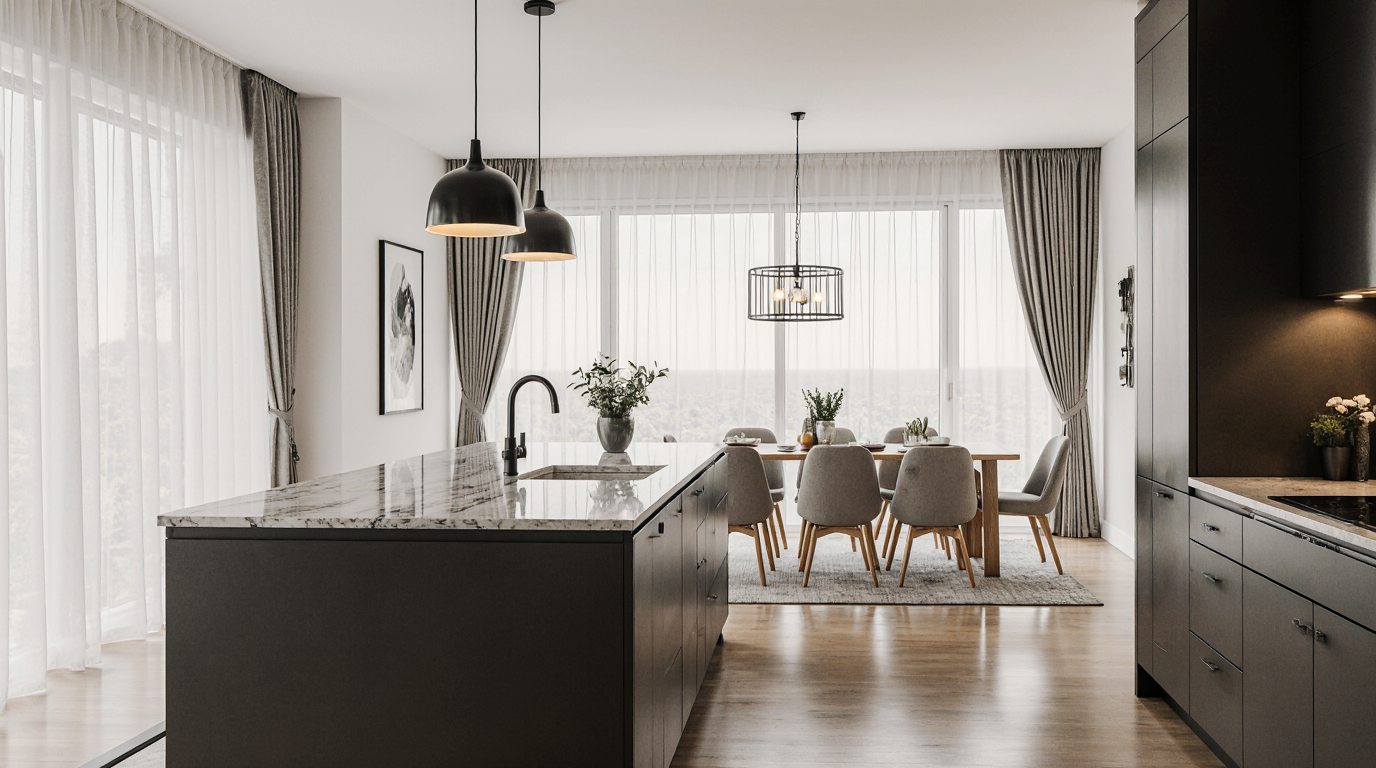
Creating a kitchen dining area that harmonizes style, functionality, and comfort is essential for homeowners seeking a space that is both inviting and efficient. The modern kitchen dining area is no…
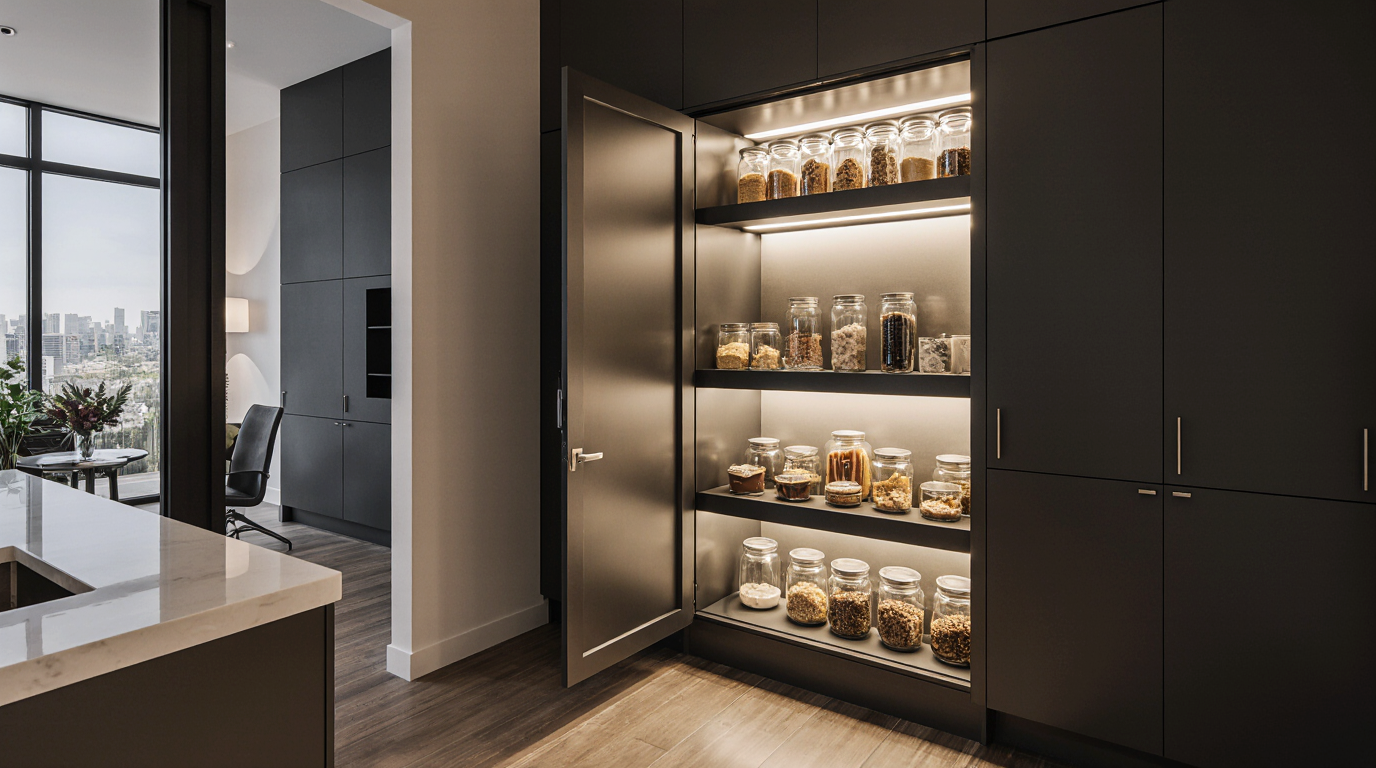
A well-designed kitchen pantry can completely enhance your cooking experience, converting disorganized shelves into a organized and practical space. Modern pantries effortlessly merge usability with…
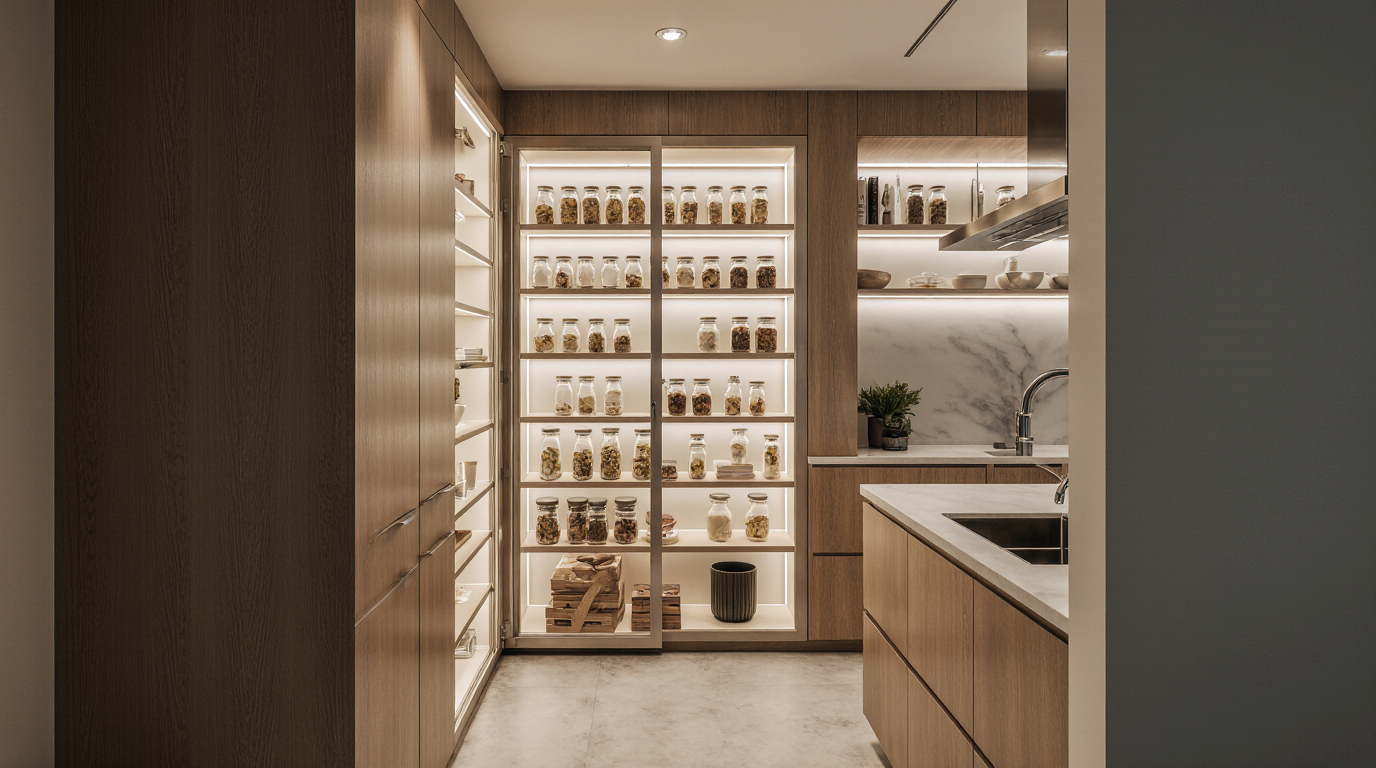
A meticulously crafted custom pantry elevates any kitchen, merging exceptional storage solutions with striking visual design. In modern homes, the kitchen pantry is no longer just a space to hide sup…
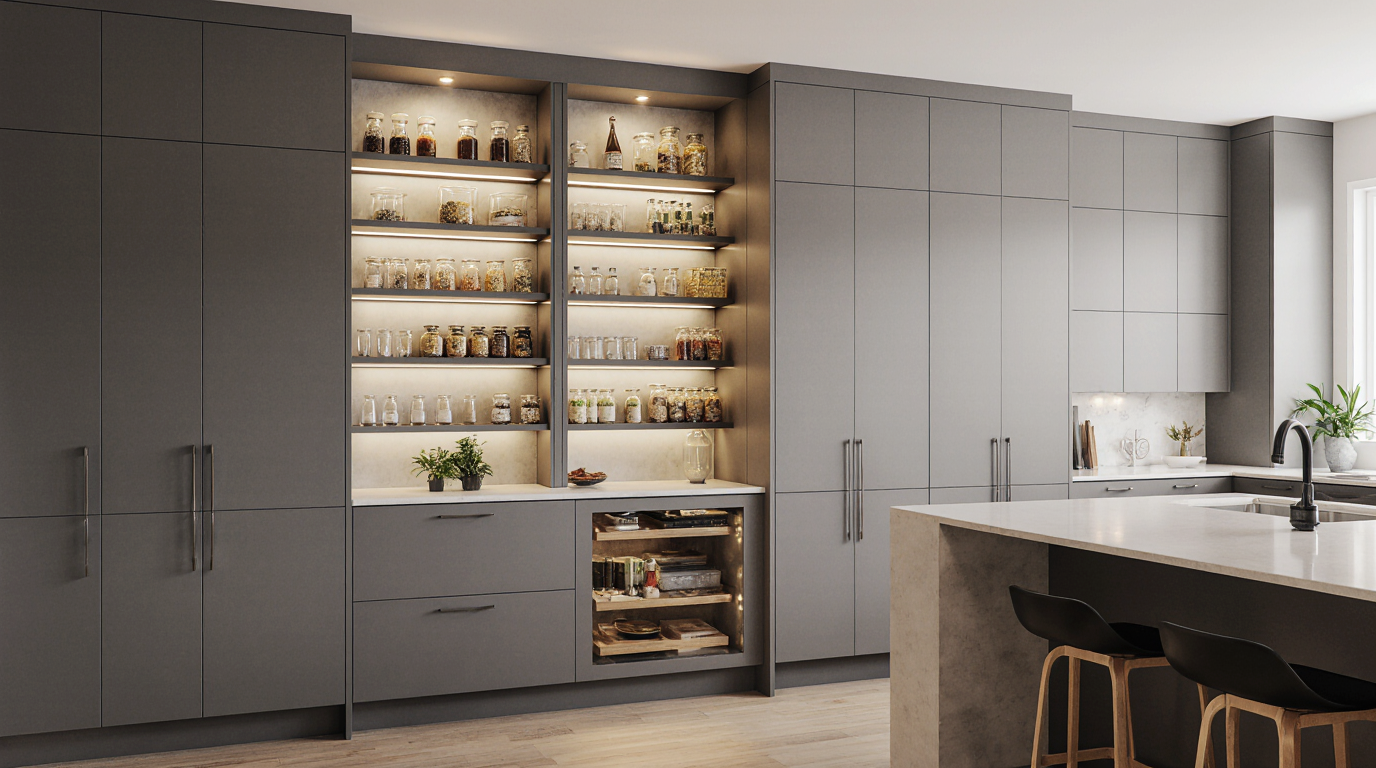
Designing a kitchen pantry that combines elegance and functionality is crucial for homeowners focused on maximizing both space and style. A well-thought-out pantry maximizes storage space while maint…
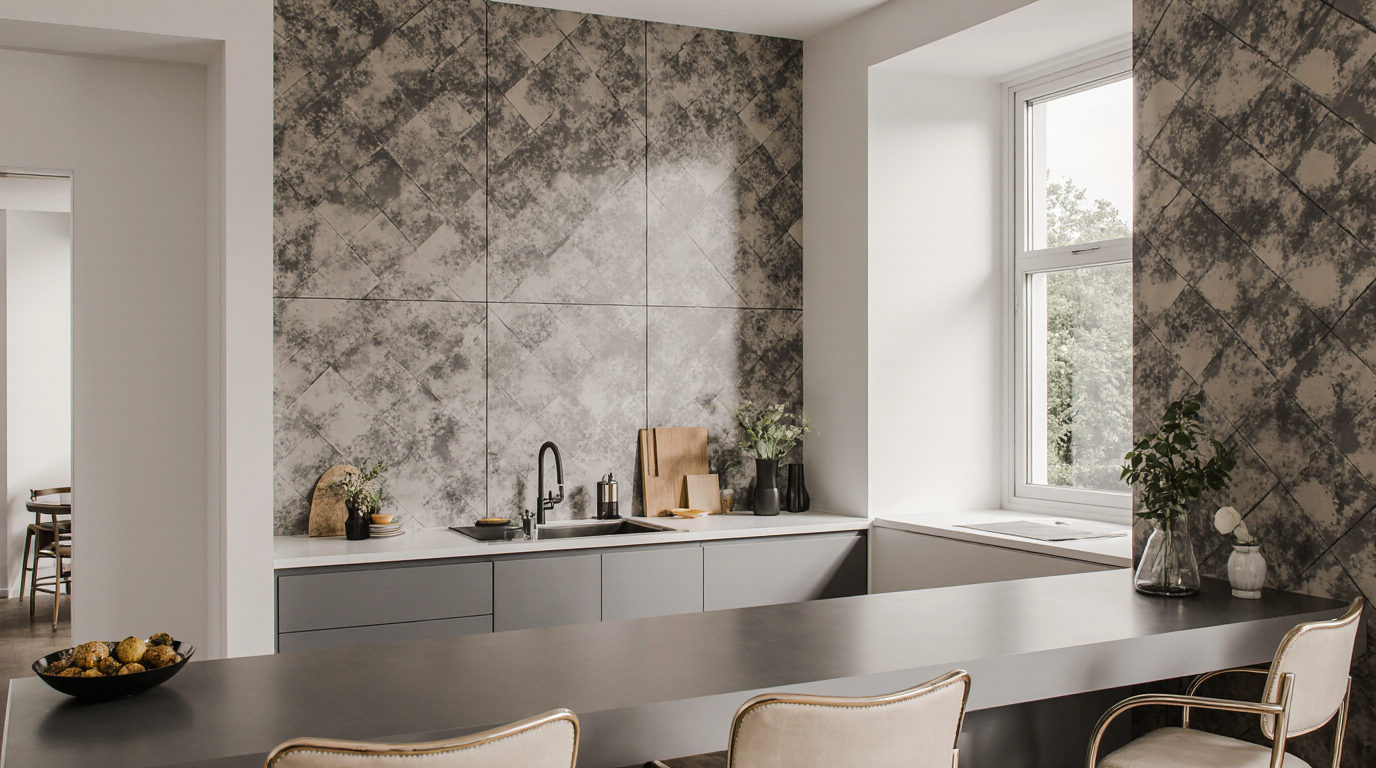
Turning your kitchen into a harmonious environment of efficiency and elegance requires meticulous planning and inspired design choices, especially as the strategic use of wallpaper has become central…
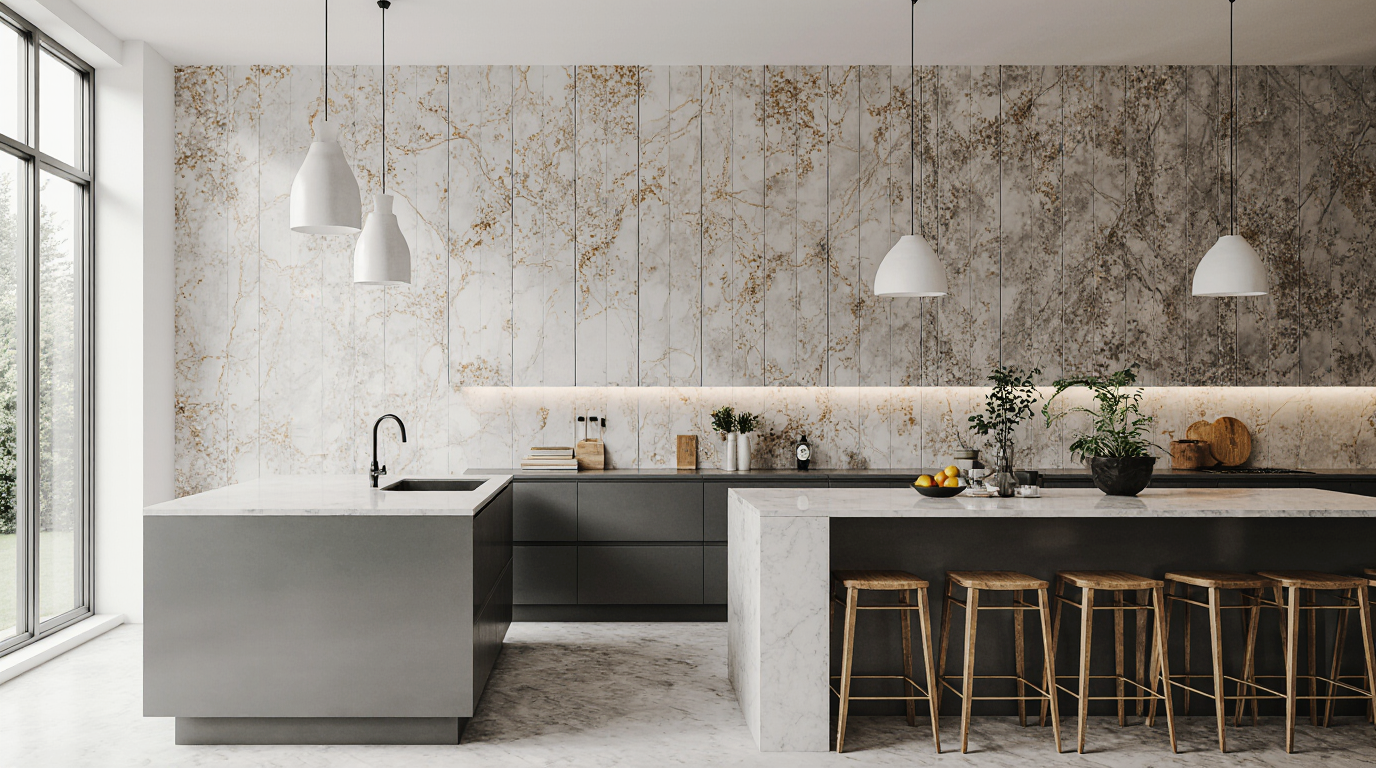
A thoughtfully crafted kitchen wall design can completely transform the atmosphere of your culinary space, making it both functional and visually stunning. Homeowners often overlook the potential of…
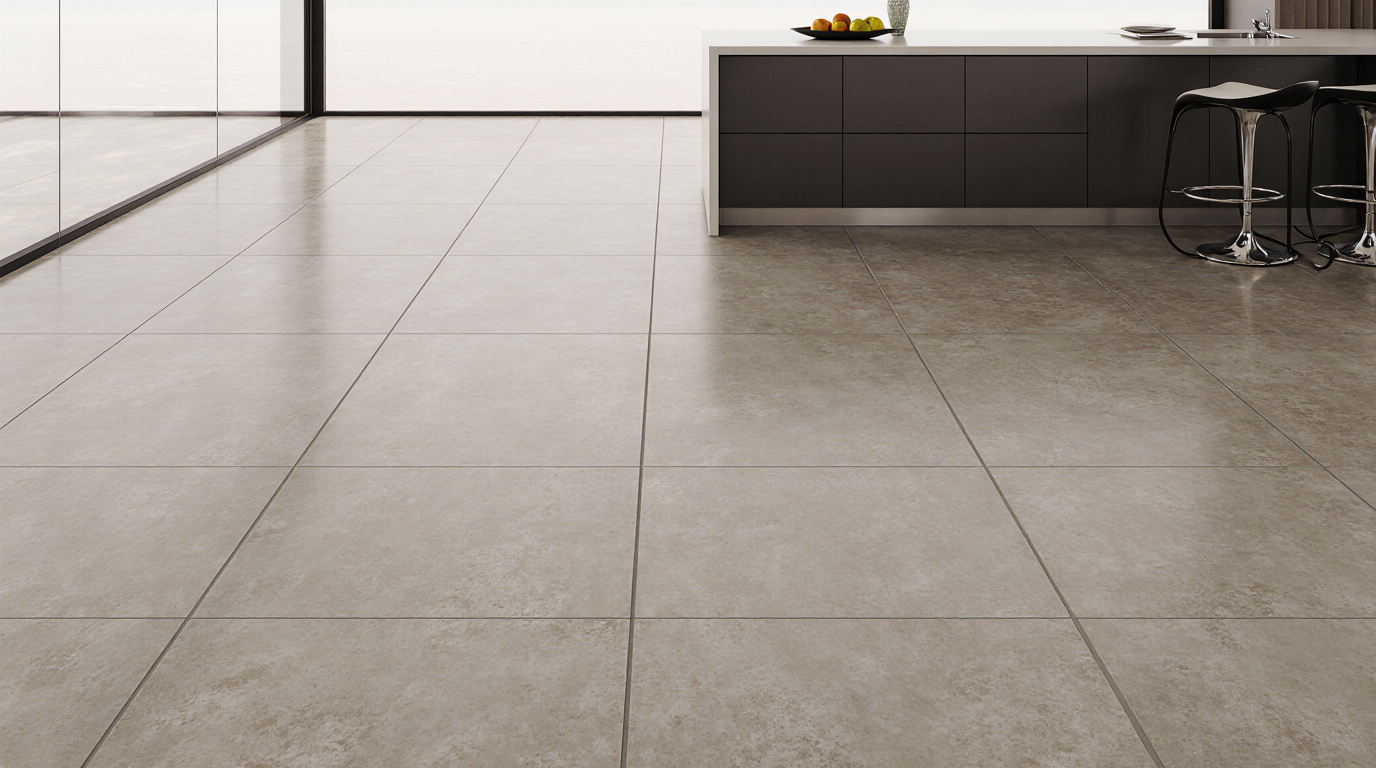
A thoughtfully planned kitchen floor design can transform your cooking space into a functional and visually striking environment. Choosing premium flooring is essential, ensuring it can endure freque…
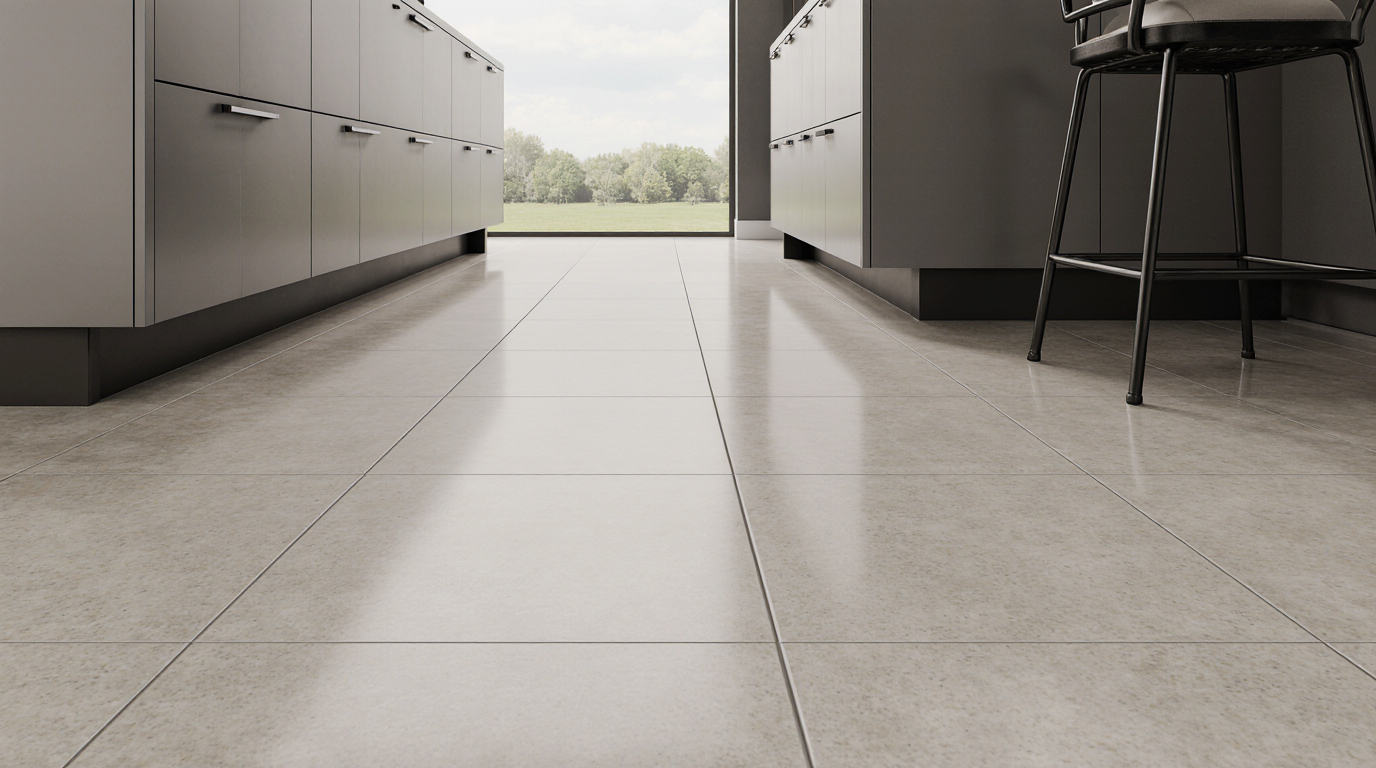
When it comes to creating a stunning kitchen, the kitchen floor establishes the aesthetic and practical atmosphere. Choosing the right kitchen floor tiles can enhance visual appeal and practical use,…
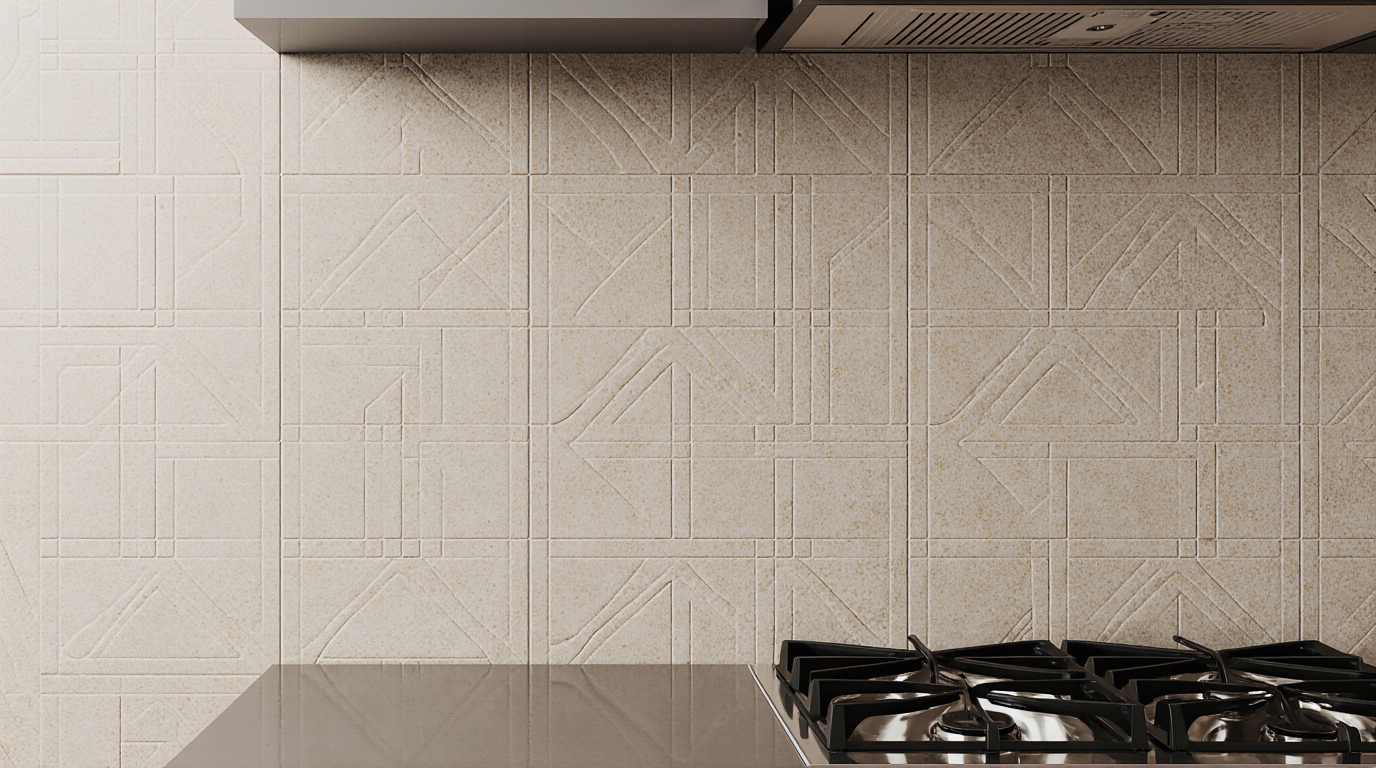
A meticulously crafted kitchen wall tile design can instantly elevate the aesthetic appeal of any culinary space. Choosing an optimal blend of hues, finishes, and patterns is key to achieve a space t…
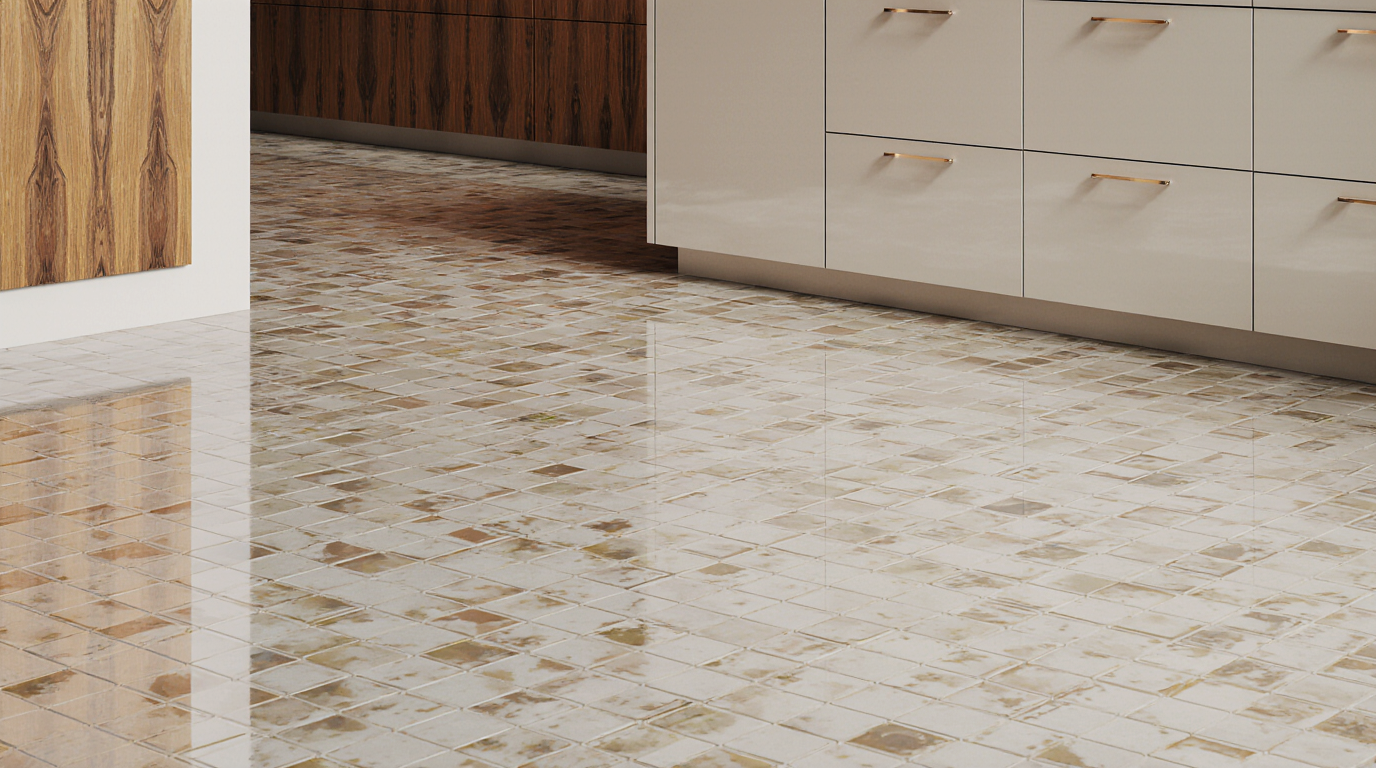
Designing an ideal kitchen extends well past the mere choice of cabinetry and appliances; the strategic design of kitchen tiles significantly shapes both the visual appeal and practical efficiency of…
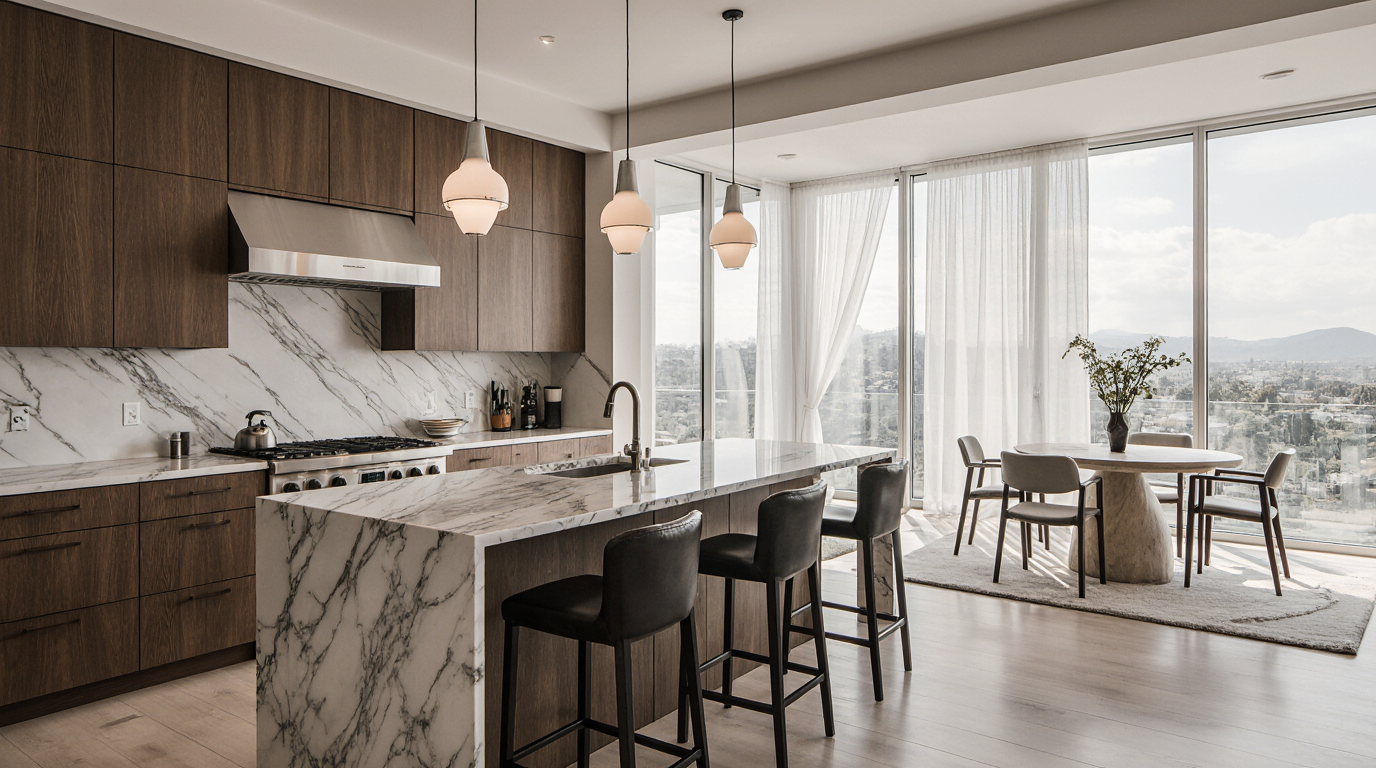
Contemporary kitchen styling merges artistic vision, usability, and elegant design principles to convert the home’s core space into a showcase of personality and taste, elevating it beyond mere culin…
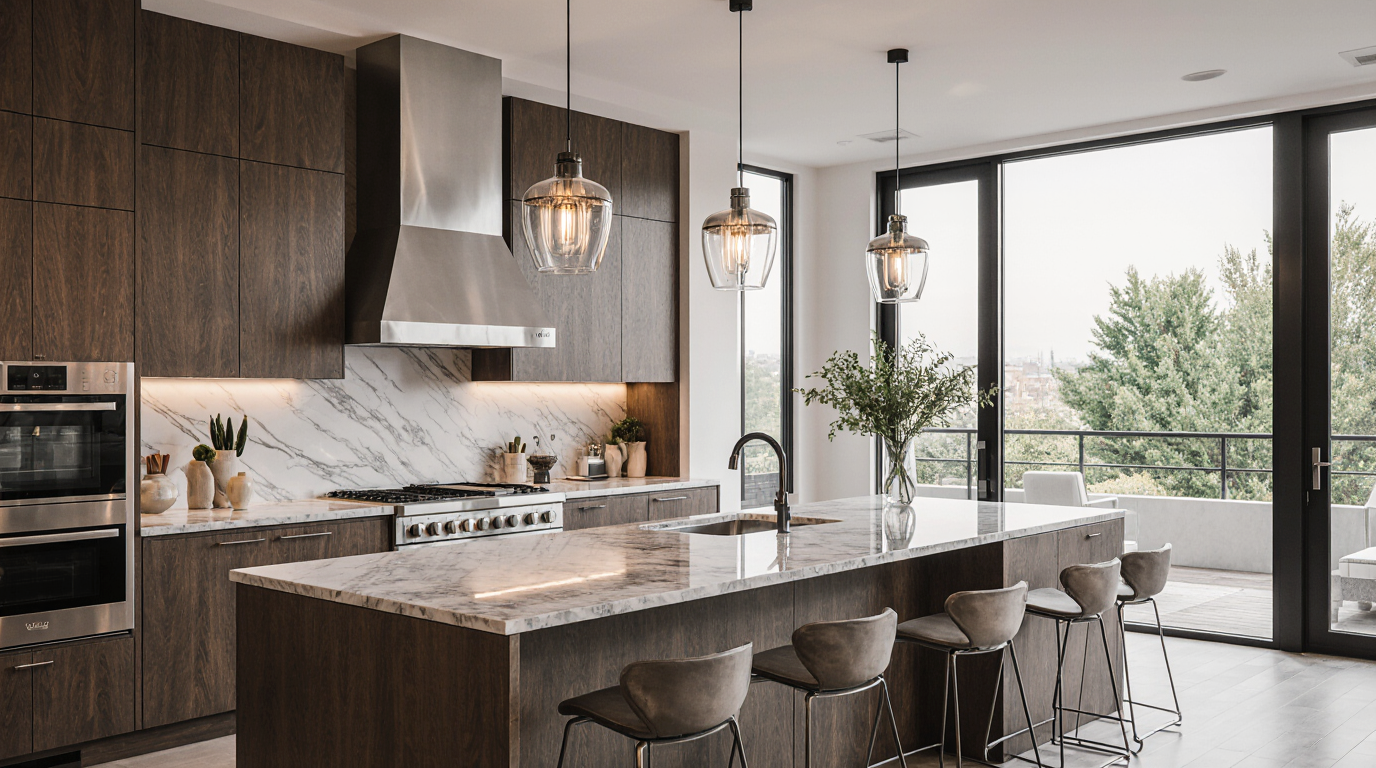
A beautiful kitchen concept is not merely about appearances; it’s the heart of a home, where functionality meets personality. Every detail, from bespoke cabinets to the curation of countertop materia…
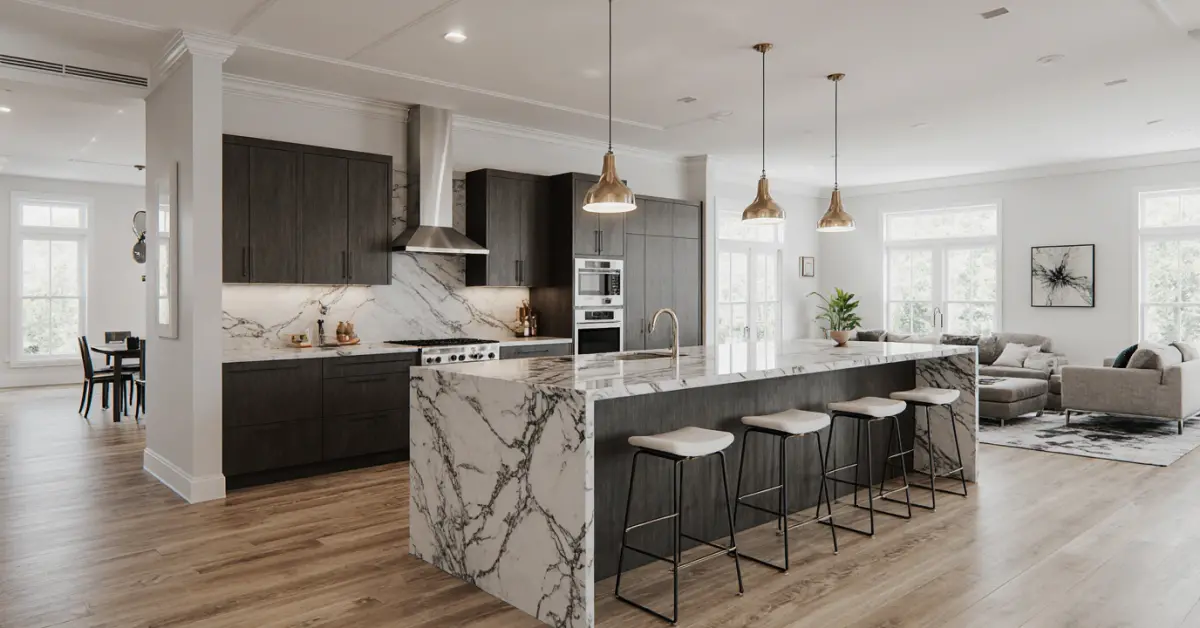
Creating a modern kitchen design goes beyond aesthetics; it’s about crafting a space that blends functionality, style, and comfort. A meticulously planned kitchen turns mundane tasks into delightful…
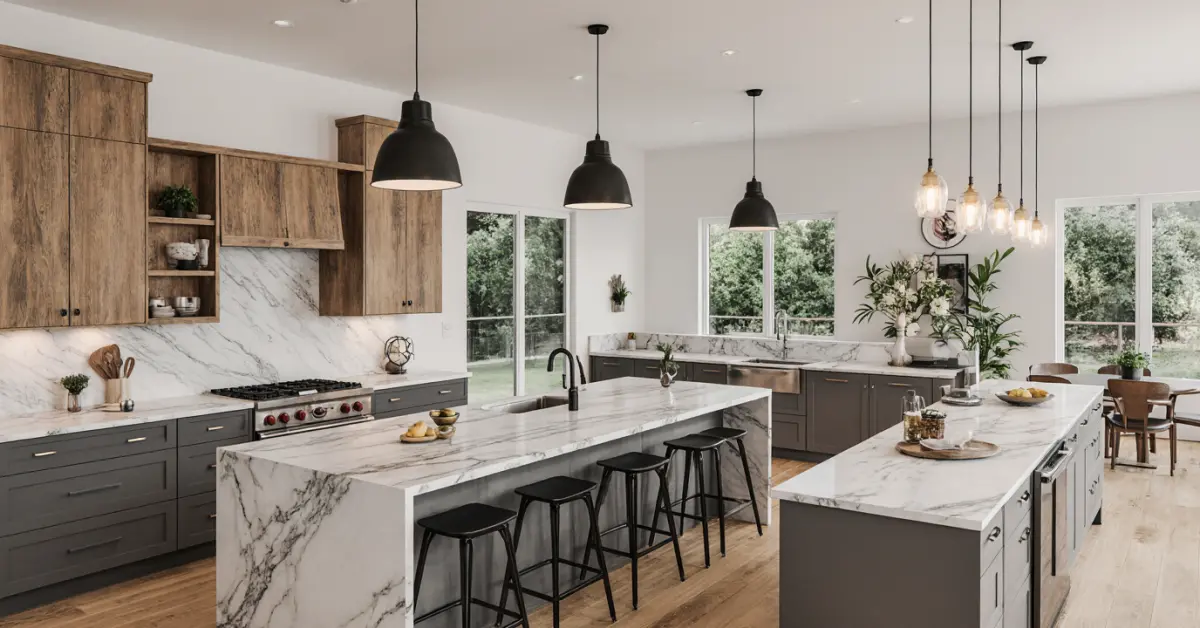
A meticulously designed kitchen transcends mere cooking functionality, becoming a focal point that marries visual appeal with everyday usefulness. Current kitchen trends focus on minimalist structure…
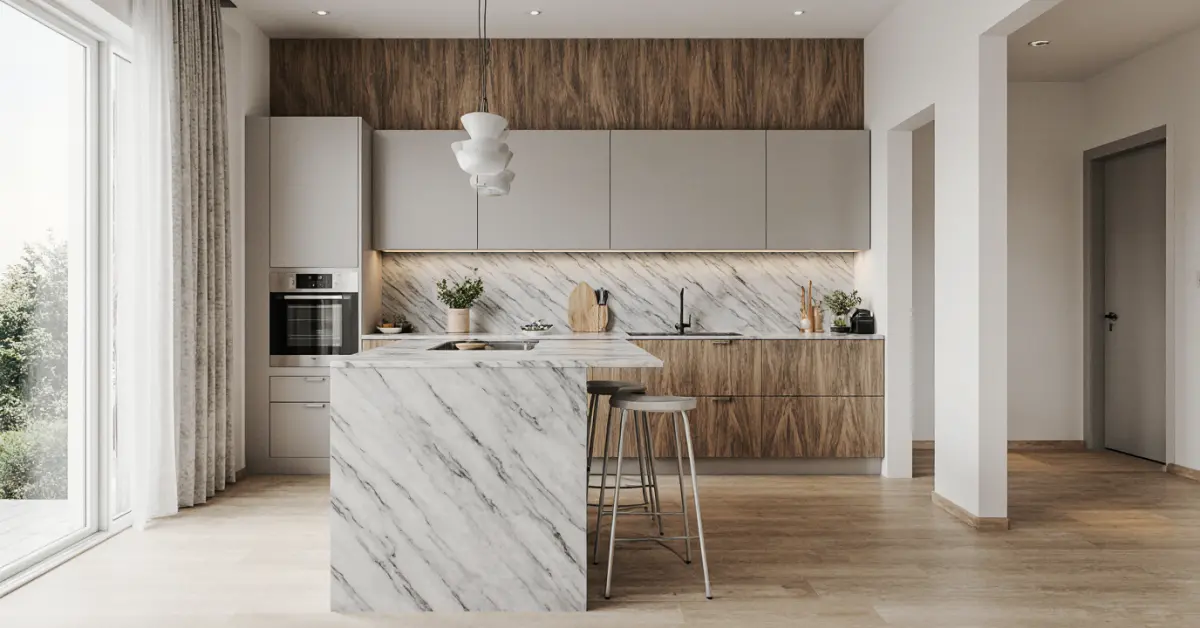
Designing a compact kitchen that is both functional and aesthetically pleasing demands meticulous planning and inventive thinking When space is limited, each corner counts, prompting the implementati…
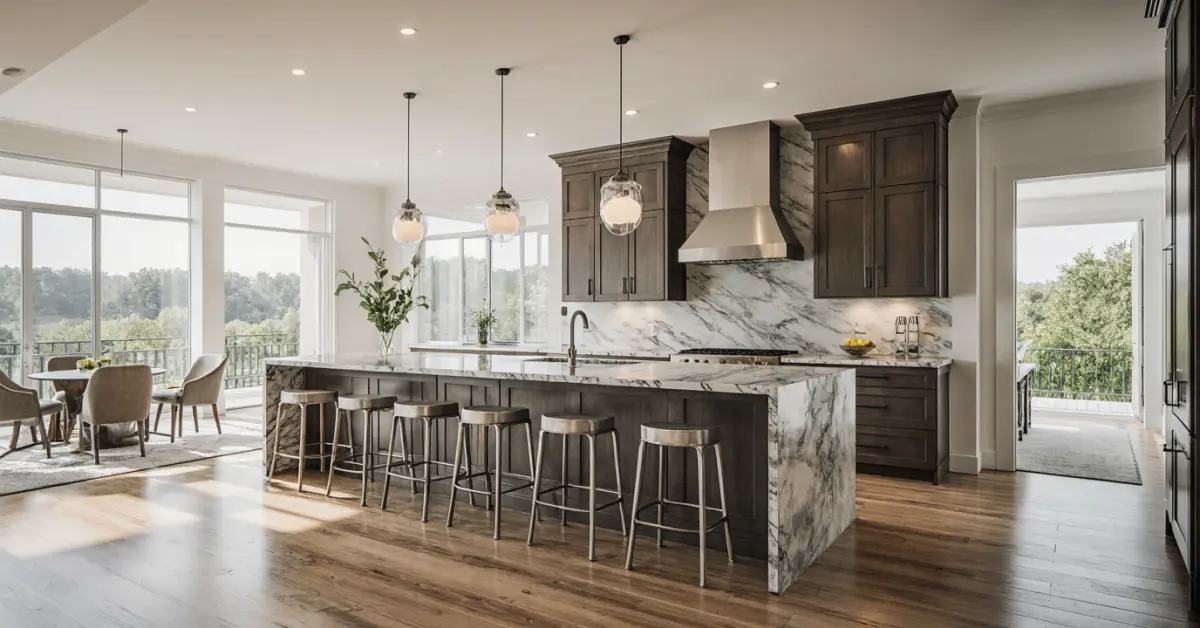
A big kitchen design is more than just a layout — it’s a manifestation of refined taste that integrates efficiency, aesthetics, and relaxation in perfect harmony. Every component, from the bespoke cu…
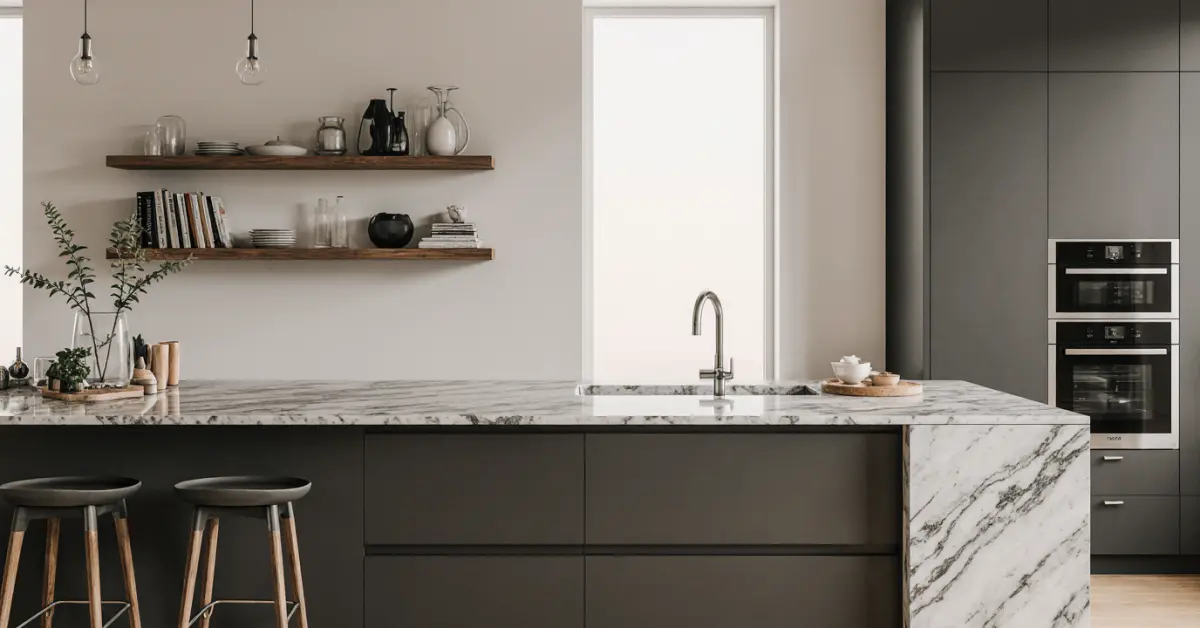
Creating a remarkable kitchen design requires more than just choosing cabinets and countertops; it’s about crafting a space that seamlessly blends functionality, aesthetic appeal, and personal style.…
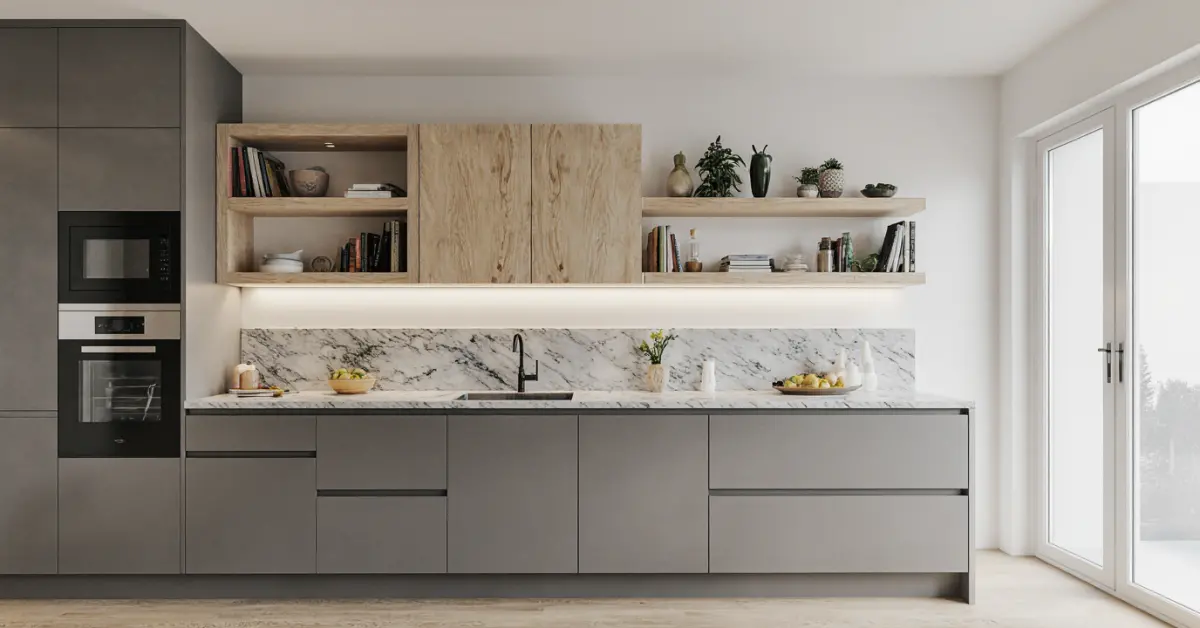
Creating a functional kitchen in a small space requires thoughtful planning and smart interior strategies. Every square foot counts, making space optimization and intelligent design crucial. Compact…
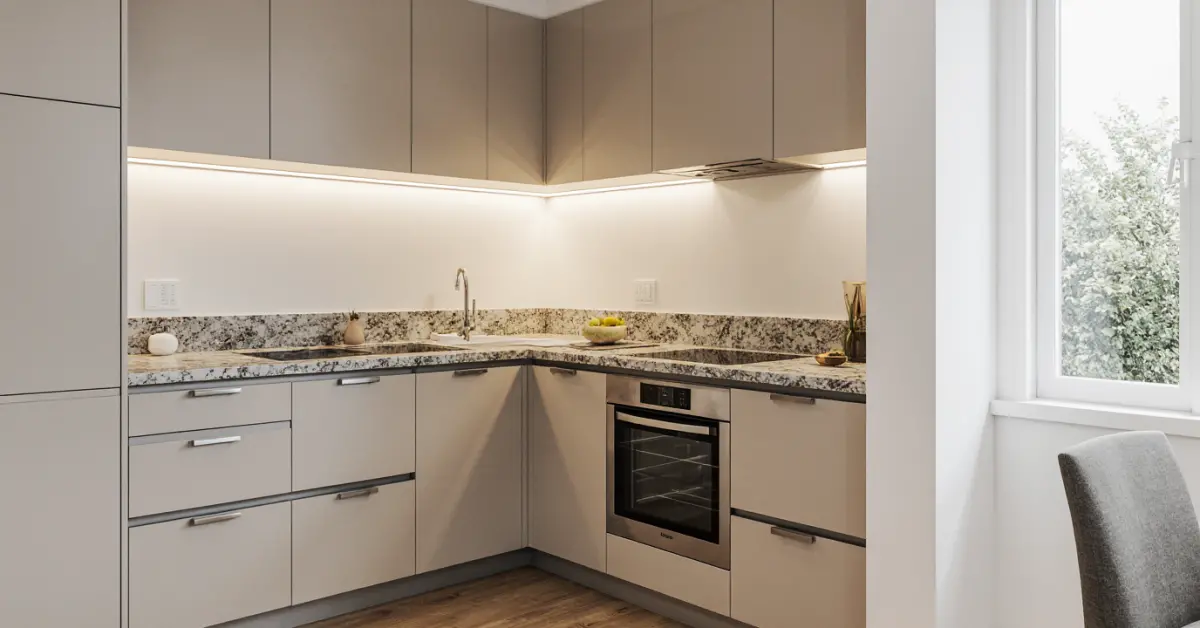
A Compact U-Shaped Kitchen Layout is an exceptional solution for homeowners seeking practicality without losing aesthetic appeal. This layout focuses on strategic spatial planning, creating a seamles…
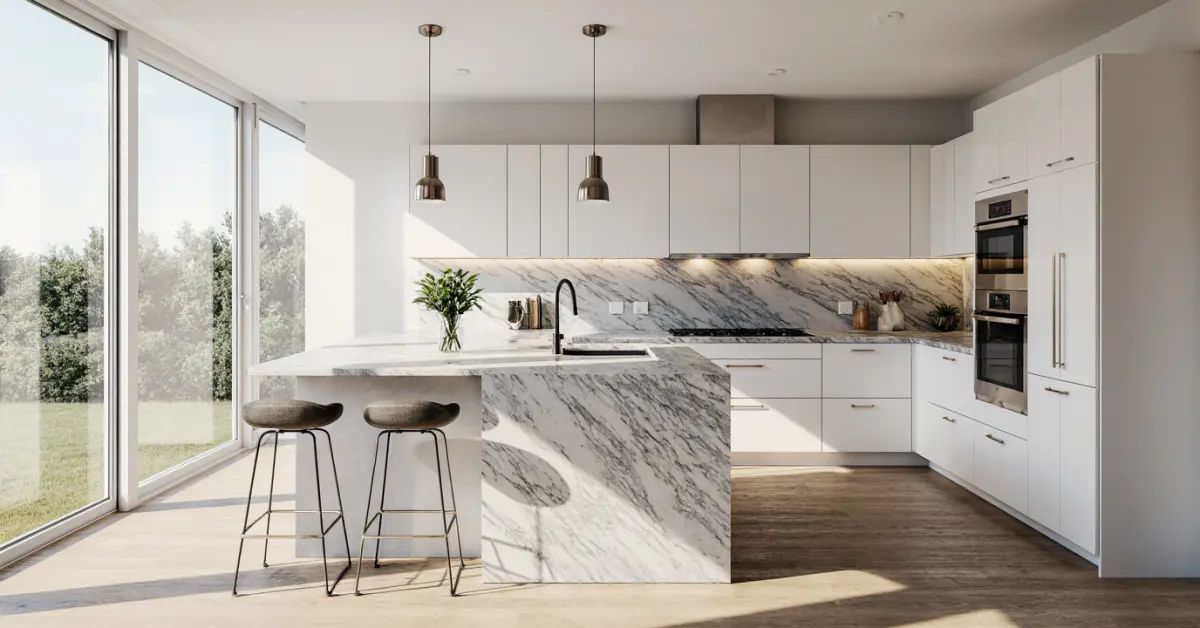
The L kitchen layout is one of the most flexible and high-performing designs for modern residences, combining aesthetic appeal, convenience, and spatial efficiency. This layout positions countertops…
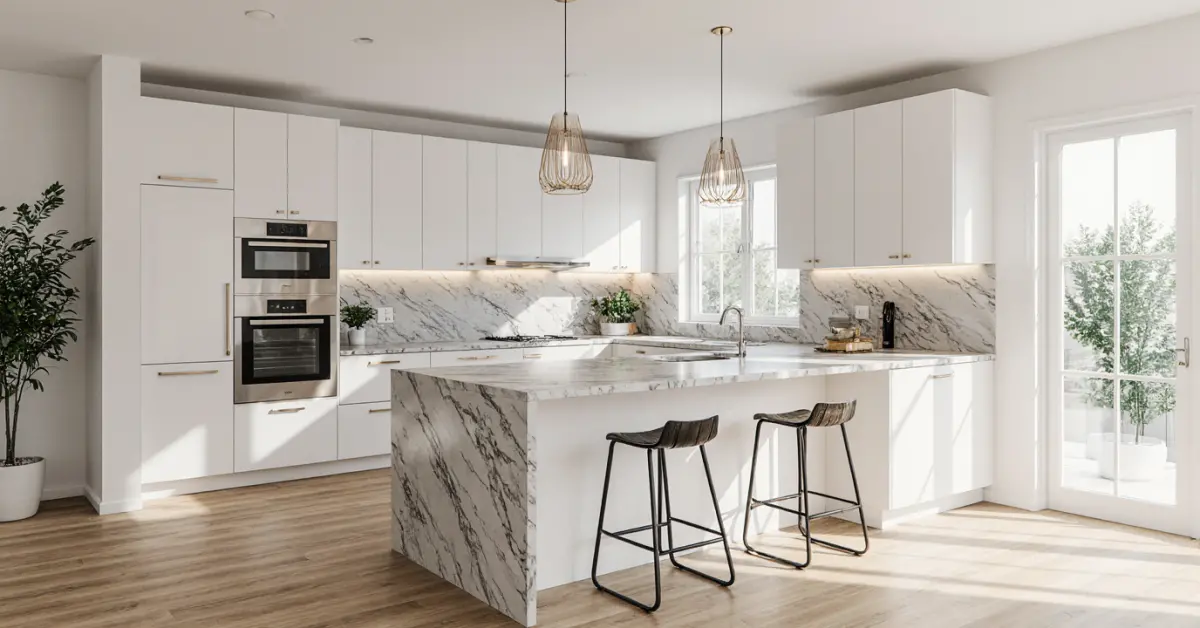
More than just a visual centerpiece, a L Shaped Kitchen Island represents a versatile and efficient solution for contemporary kitchens, merging aesthetics with practicality and intelligent design. Ex…
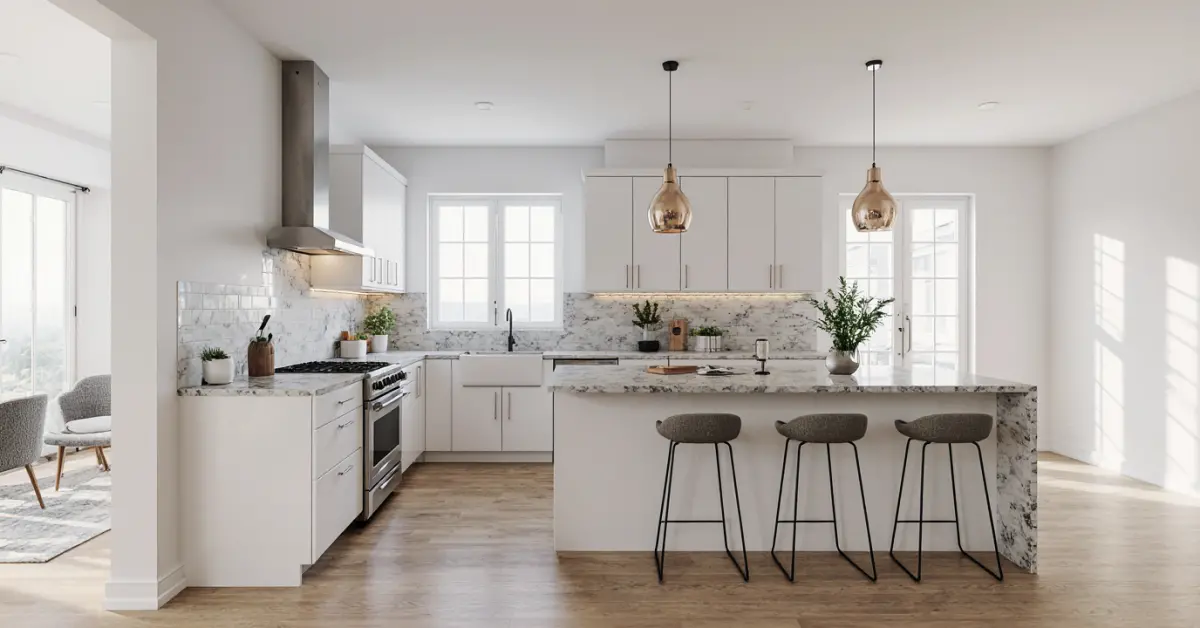
L Kitchen Design offers a sophisticated approach to modern culinary spaces, combining functionality with luxury kitchen aesthetics, carefully crafting layouts that maximize efficiency, turning everyd…
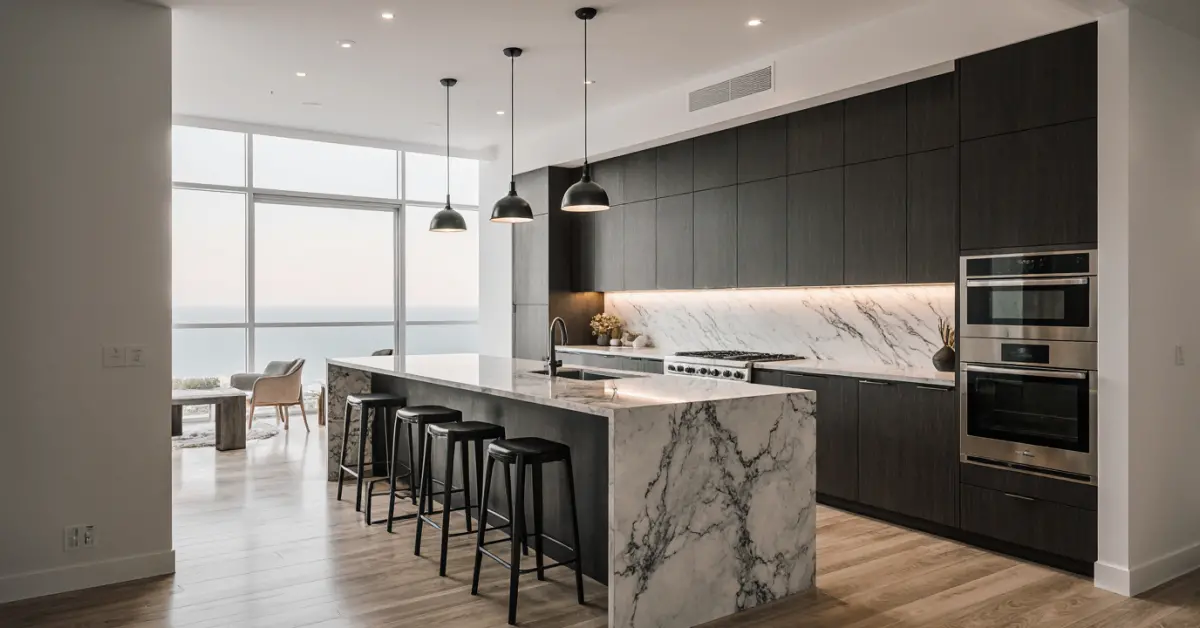
Developing the ideal culinary layout is a sophisticated craft that harmonizes visual elegance, functionality, and modern ingenuity. A meticulously arranged culinary space not only enhances workflow b…
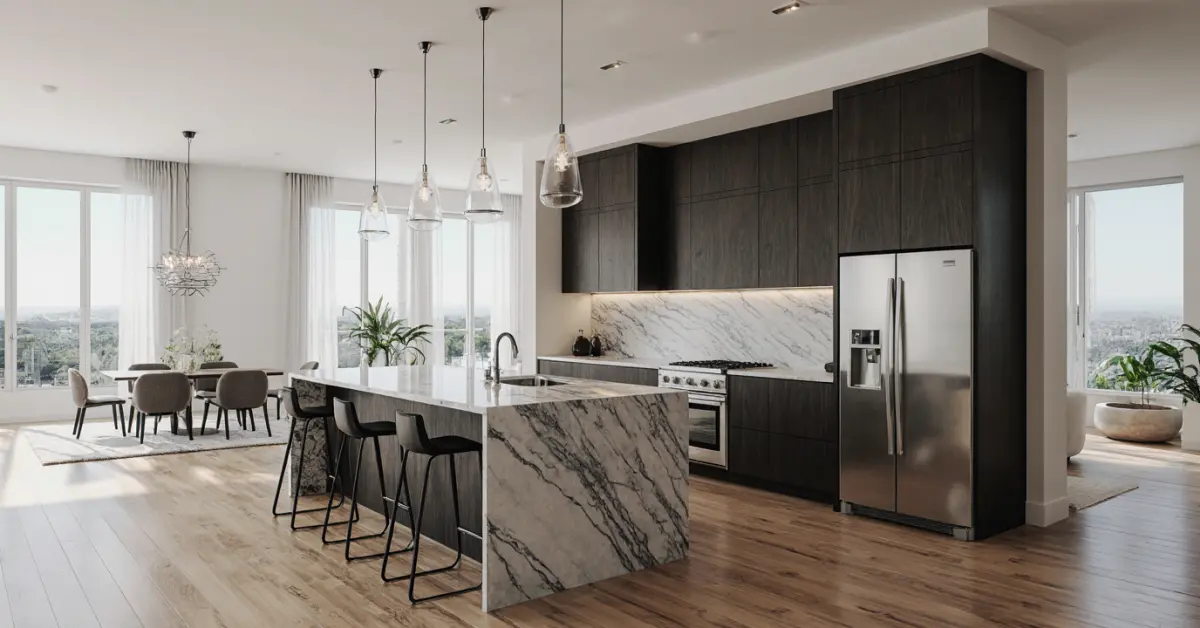
Designing a customized kitchen is far more than simply selecting elegant surfaces and bespoke cabinetry—it’s about crafting an environment that resonates with your lifestyle and design sensibility. A…
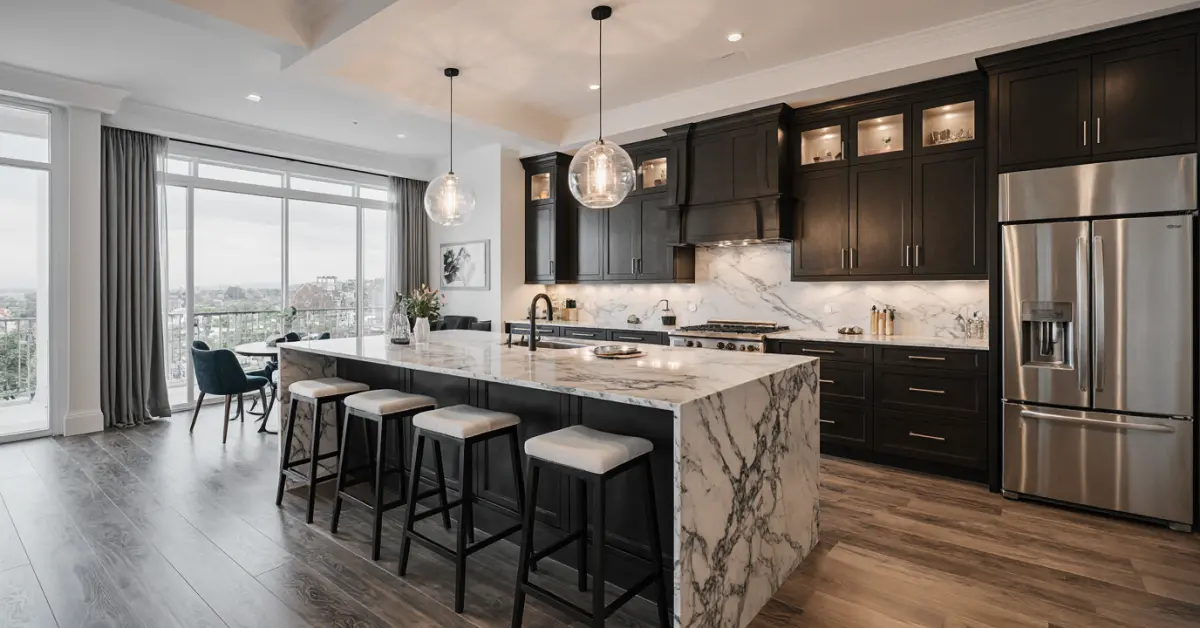
Revamping your residence with a bespoke kitchen transcends mere visual appeal; it embodies the harmonious blend of practical design, sophisticated elegance, and individual personality. Expertly plann…
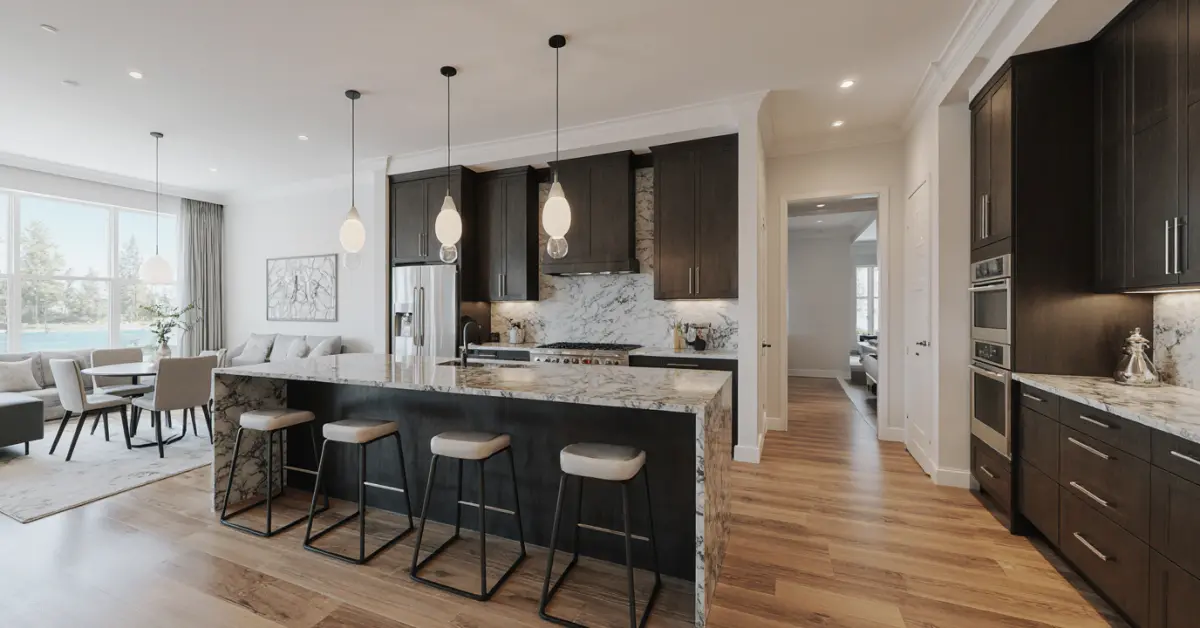
A luxury custom kitchen represents the pinnacle of style, functionality, and personalized design. From the finely crafted cabinets to the premium stone countertops, every detail is meticulously execu…
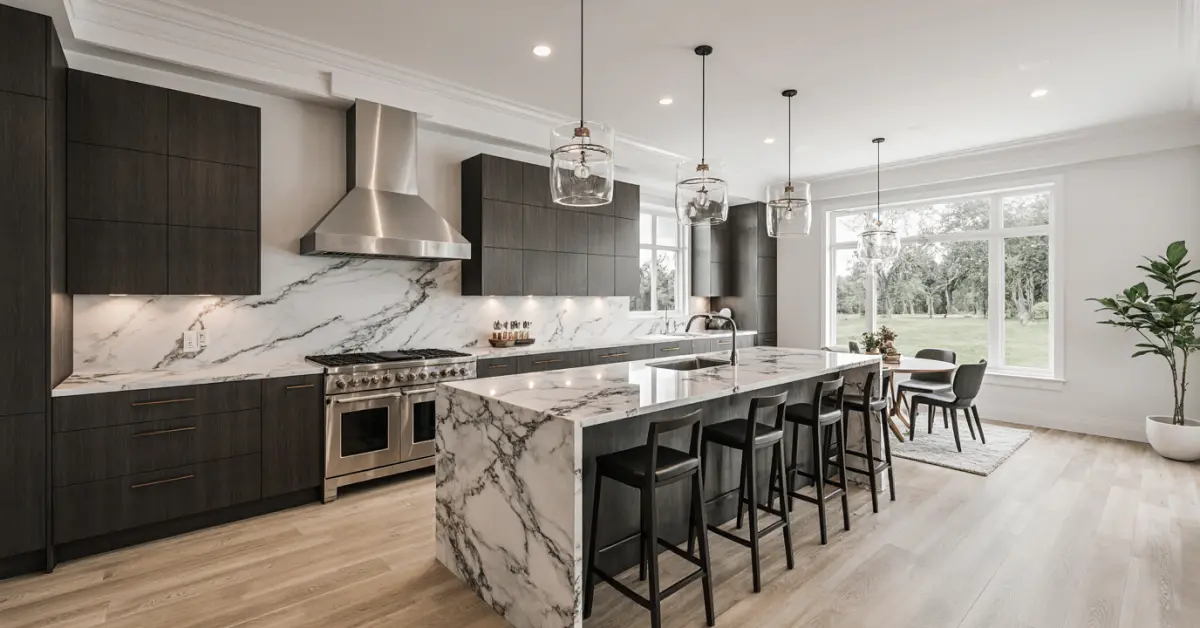
A thoughtfully designed kitchen is the heart of every home, where functionality meets style to create an inviting atmosphere, creating an environment that welcomes both everyday life and entertaining…
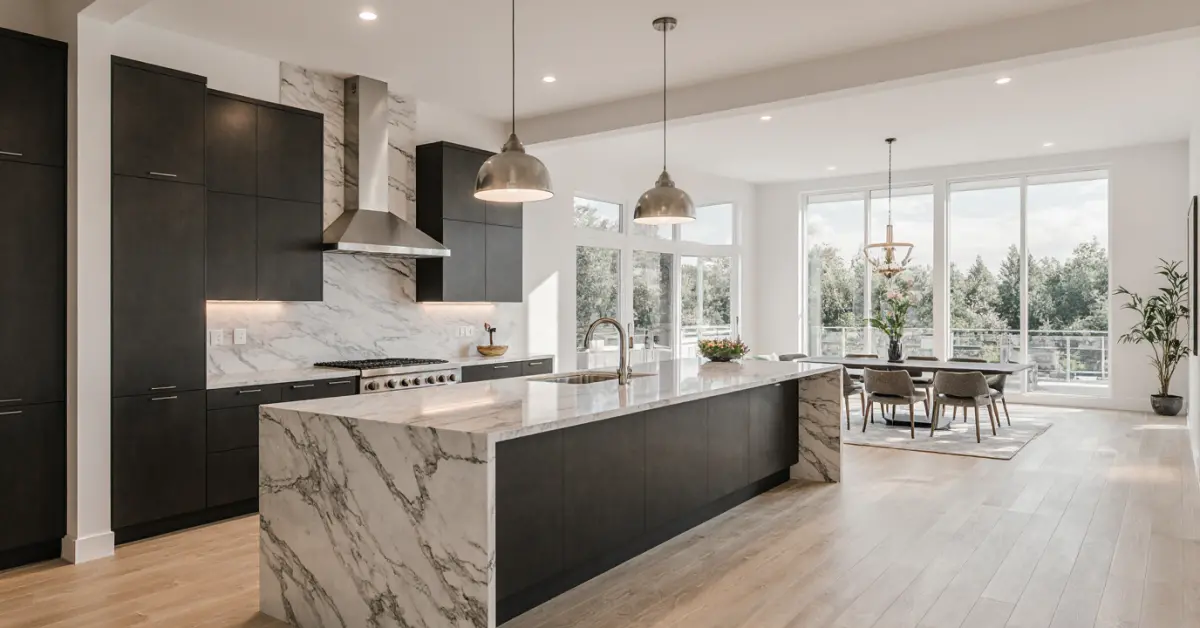
Creating a extraordinary kitchen interior design is not just about looks; it is the ideal harmony of ergonomic performance, visual elegance, and modern creativity. All components, from the selection…
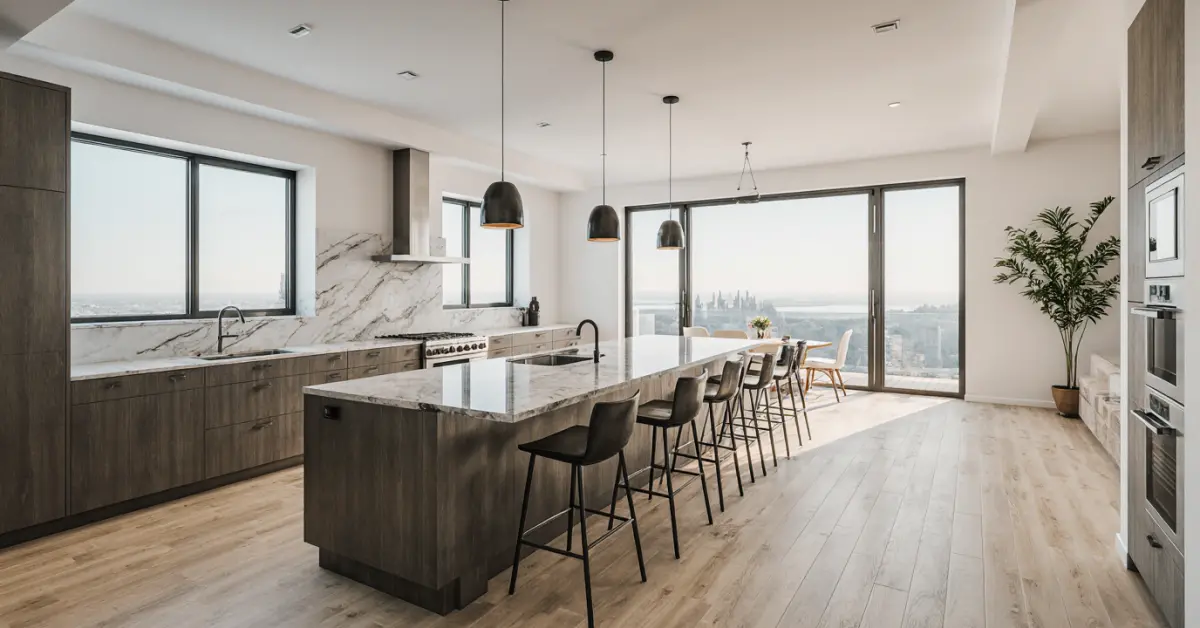
A modern kitchen layout seamlessly integrates style, efficiency, and creativity to build a setting that embodies sophistication and usability. Each component, from storage solutions to illumination,…
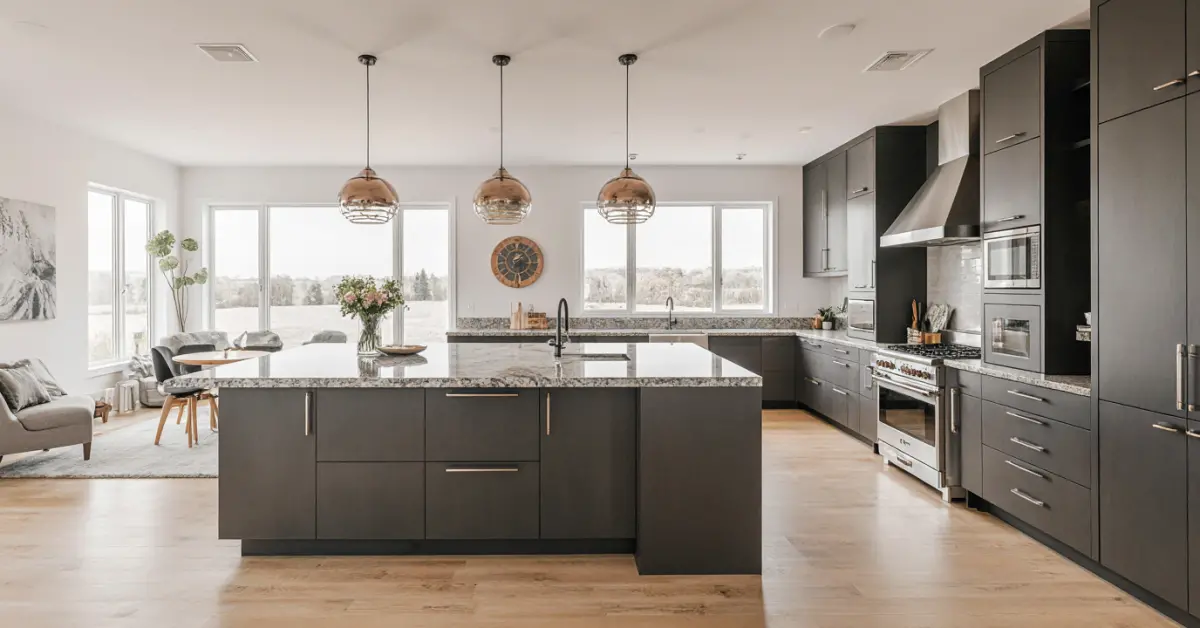
A well-planned kitchen layout is the backbone of both aesthetic appeal and practical utility in any living space. Beyond aesthetics, the optimal kitchen arrangement defines how smoothly you can move,…
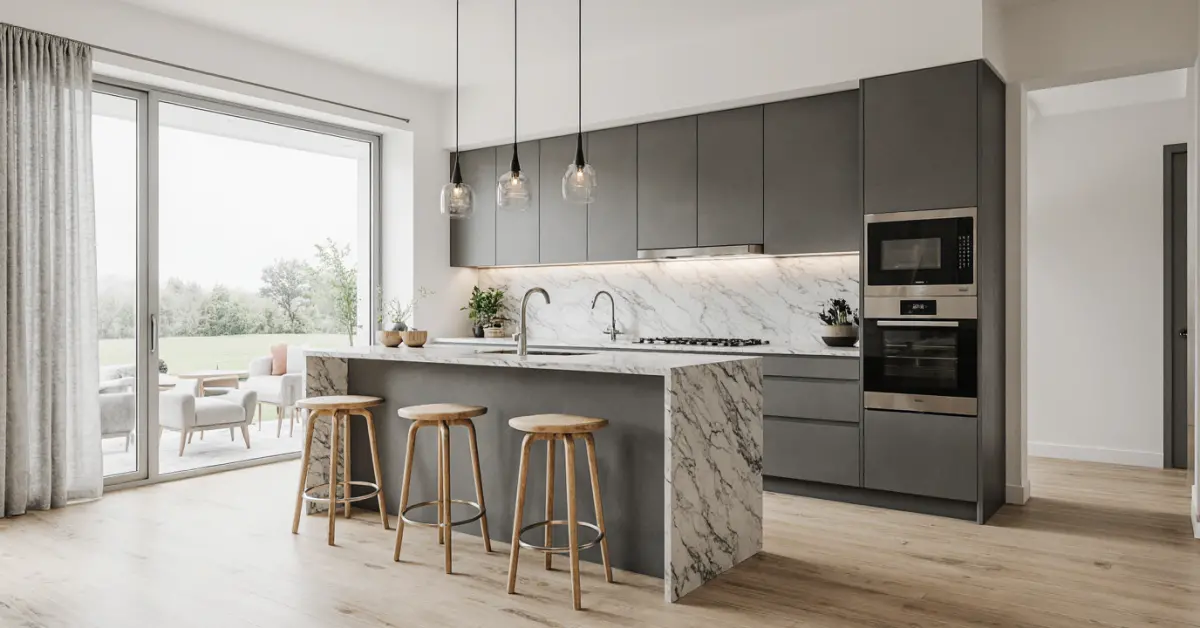
An exquisitely designed kitchen transcends mere cooking space, becoming the vibrant center of a home where beauty and utility harmonize perfectly. From handcrafted cabinets to premium countertops, ev…
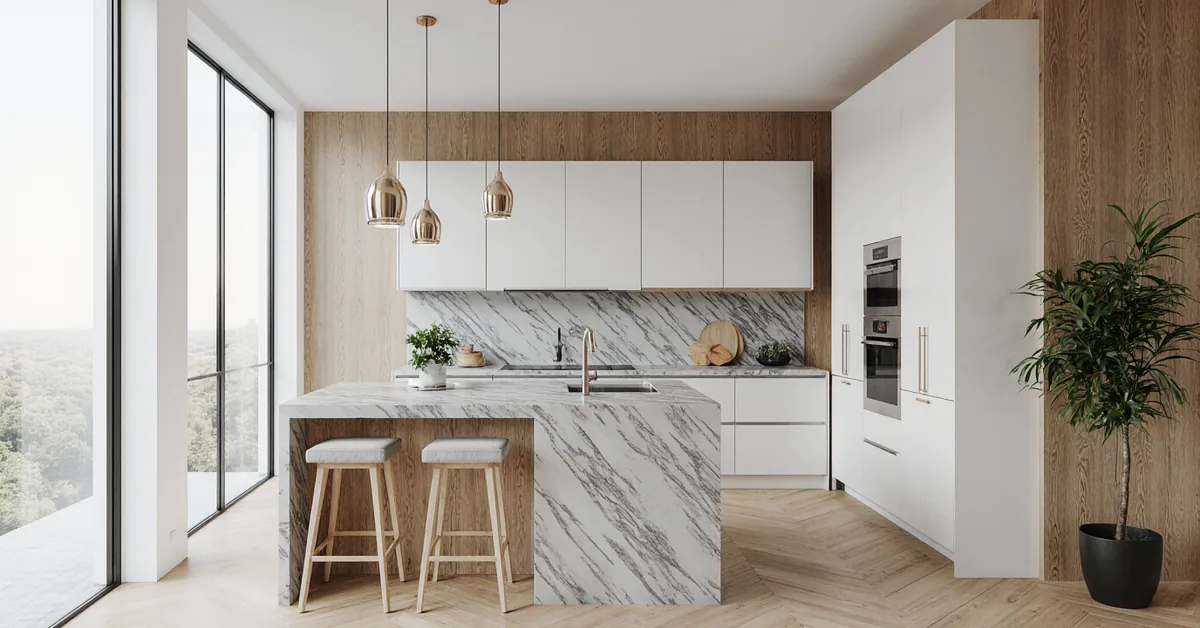
A modern kitchen design transforms everyday cooking into an extraordinary experience by blending functionality with sleek aesthetics, highlighting uncluttered surfaces, expansive layouts, and state-o…
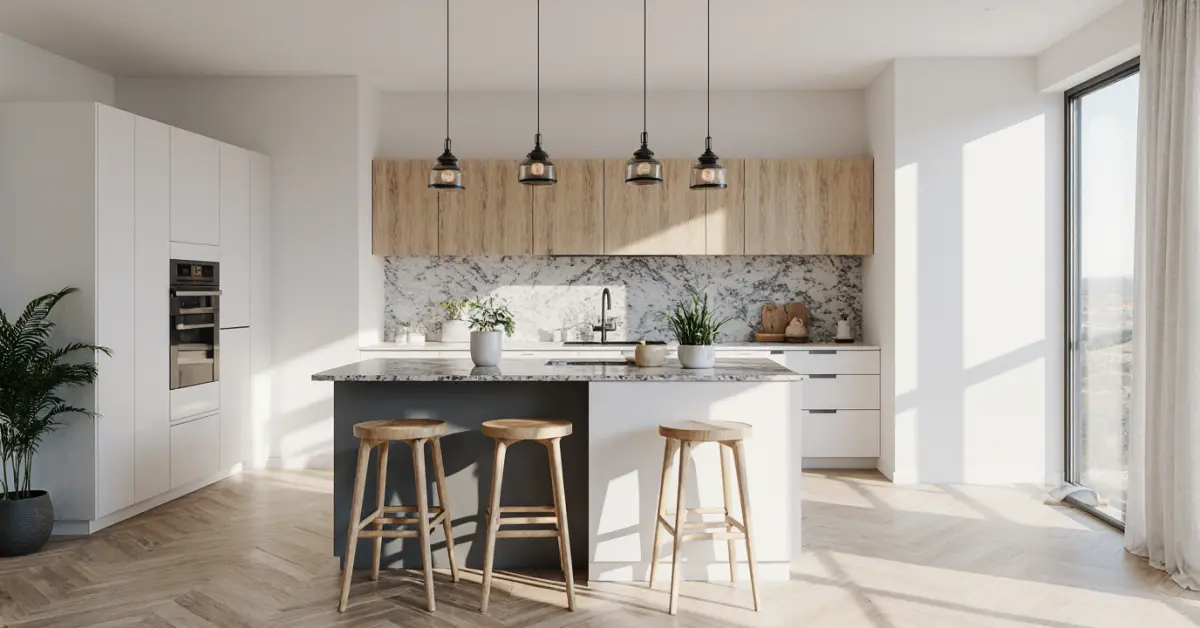
A modern white kitchen embodies the ideal combination of elegance and practicality, crafting an environment that is simultaneously classic and welcoming. Streamlined contours and a minimalist approac…
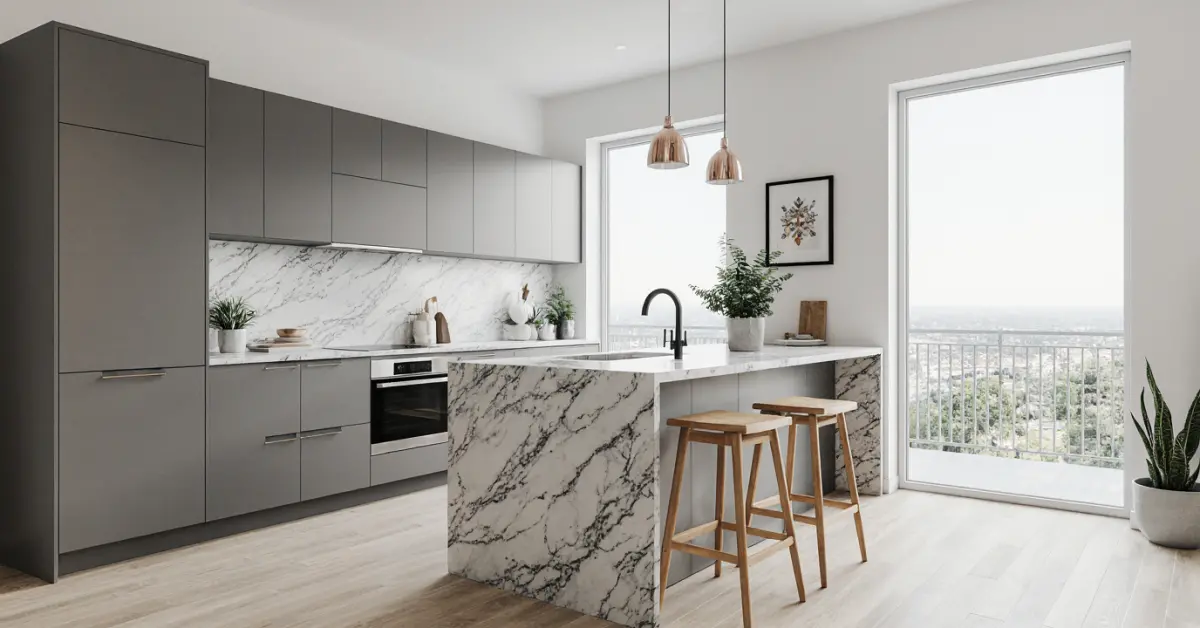
Transforming a kitchen into a functional and stylish hub begins with custom kitchen island designs that blend aesthetics with practicality A well-crafted kitchen island is more than a countertop; it…
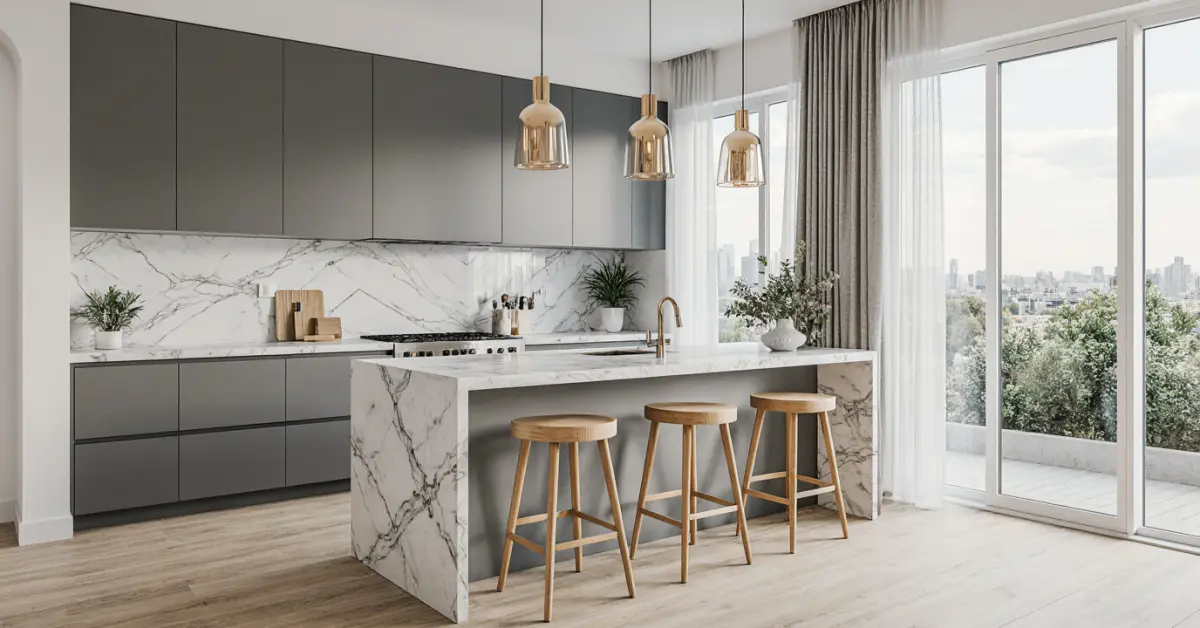
A personalized kitchen island transcends mere functionality, serving as the focal point of contemporary kitchen design, merging elegance, practicality, and tailored character. Meticulously crafted to…
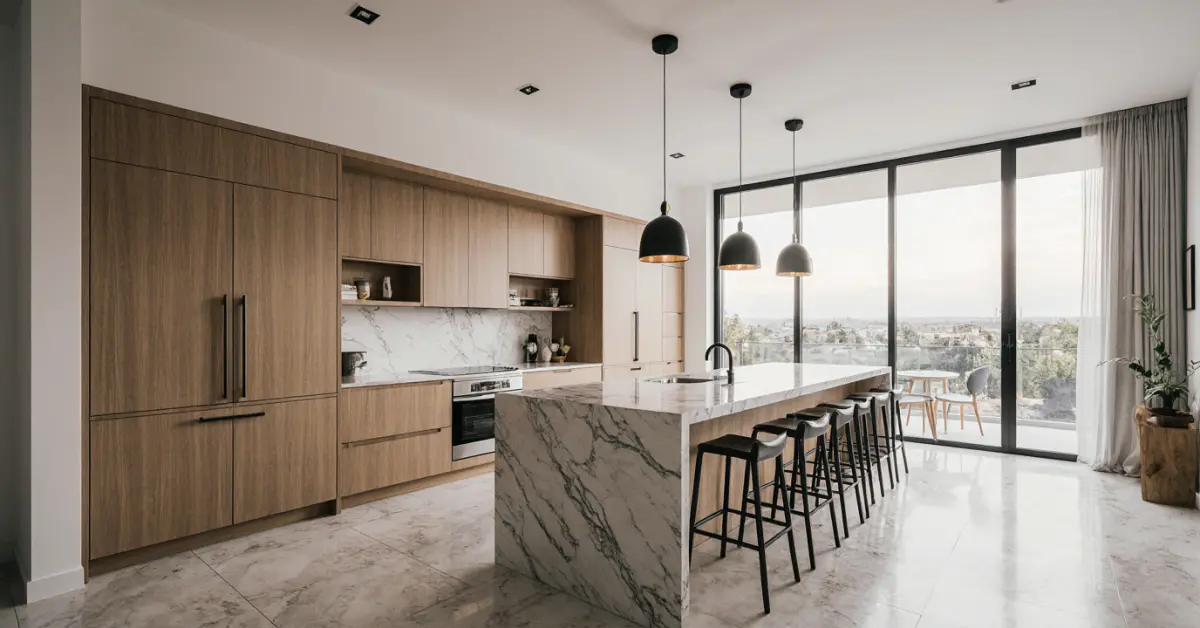
Creating a kitchen design that balances functionality and aesthetics is an art form, and the addition of a kitchen island can dramatically transform the ambiance and utility of the room. A well-plann…
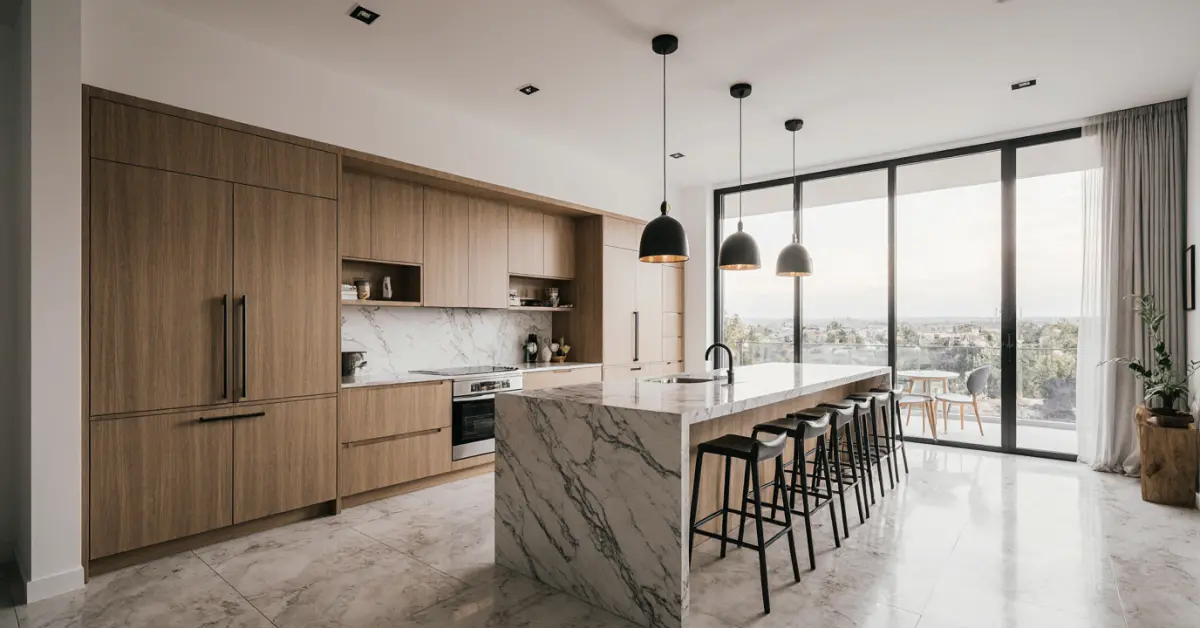
Creating a small modern kitchen that blends functionality with aesthetic appeal is an art that requires careful planning and creativity. In compact spaces, every cabinet, countertop, and appliance mu…
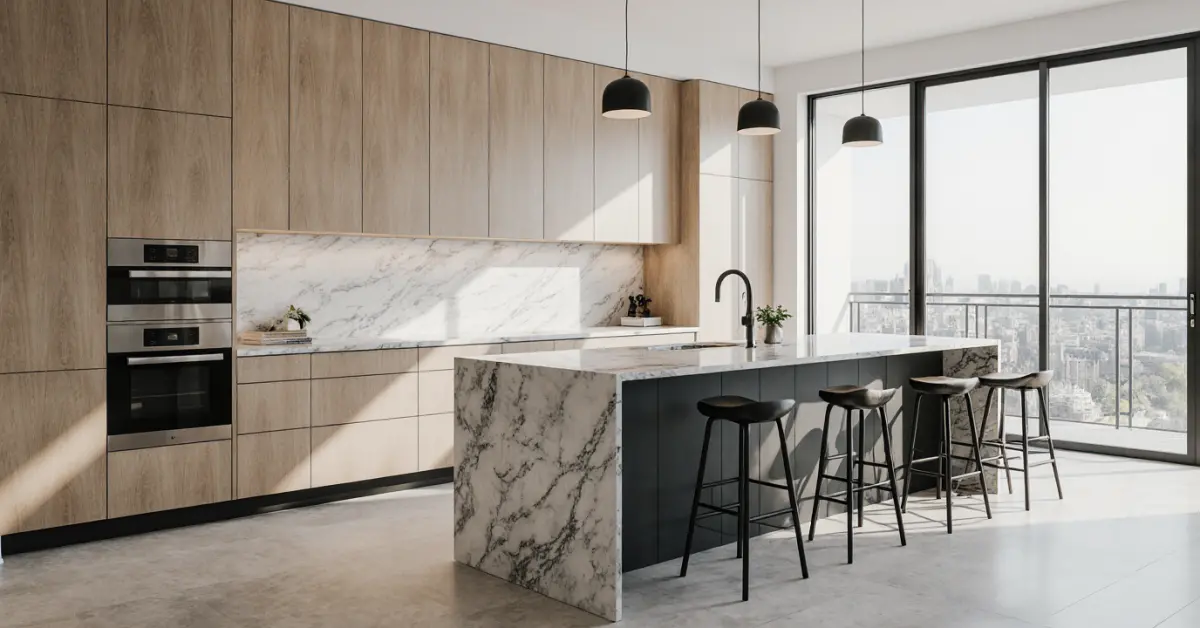
Reimagining one’s living space originates in the central area, and luxury kitchen design serves as the ultimate expression of style, functionality, and sophistication. Each component, ranging from be…
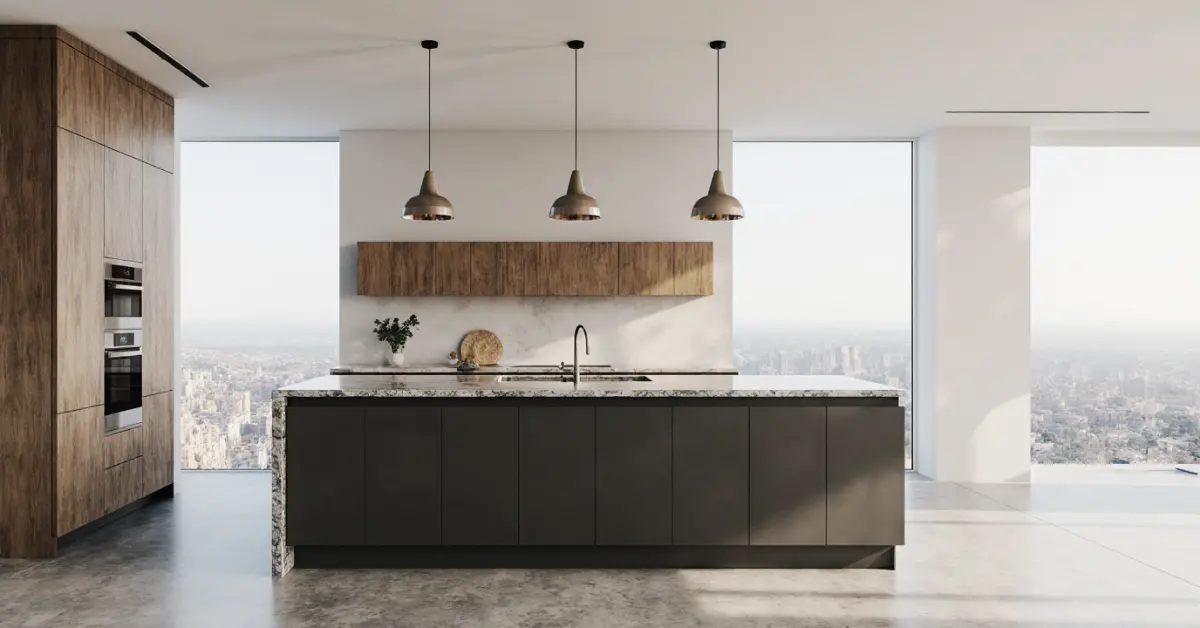
A luxury modern kitchen design blends sophistication, functionality, and innovation to create a space that defines both comfort and style, showcasing a commitment to perfection with precision cabinet…
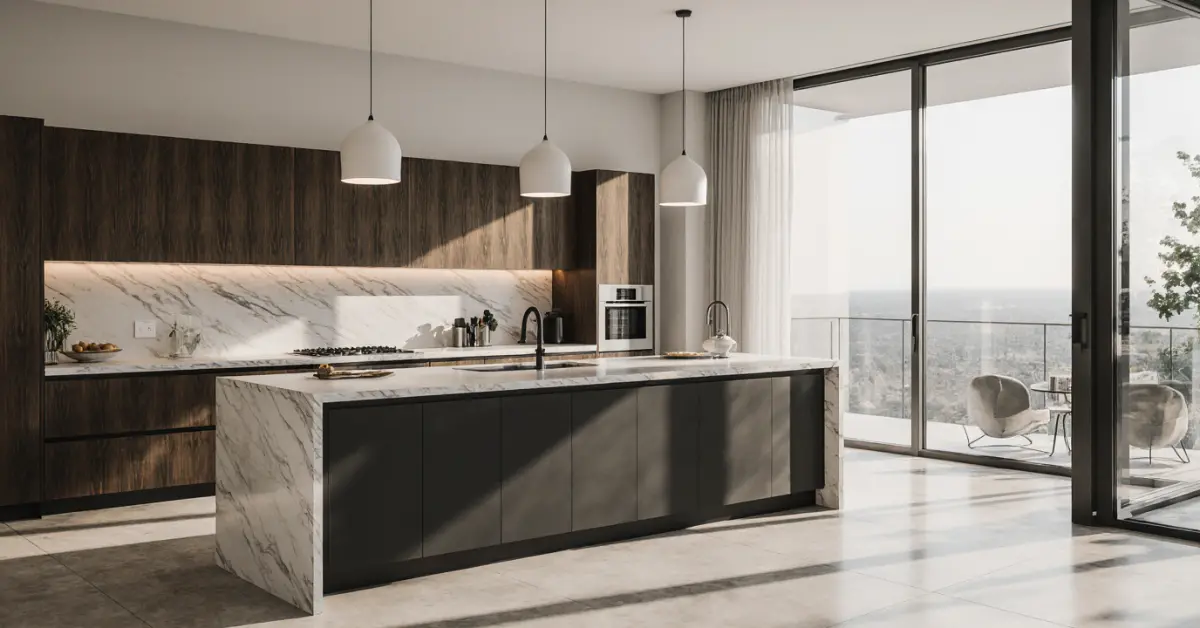
A cutting-edge kitchen concept harmonizes sleek aesthetics with intelligent functionality, crafting spaces that are both aesthetically captivating and beautifully utilitarian. Every component—from cu…