The Diagnostic Framework for High-Performance Bathroom Cabinetry
Before any wood is cut, my process begins with a rigorous assessment of the bathroom's micro-environment. I analyze the ventilation patterns, the proximity of the shower head, and the existing wall cavity's depth and structural integrity. A bathroom in a Mediterranean revival home in a historic part of Sarasota presents entirely different challenges—like plaster walls and older plumbing—than a new build in Lakewood Ranch. Ignoring these variables is the primary reason why even expensive pre-fabricated cabinets fail prematurely in our climate.
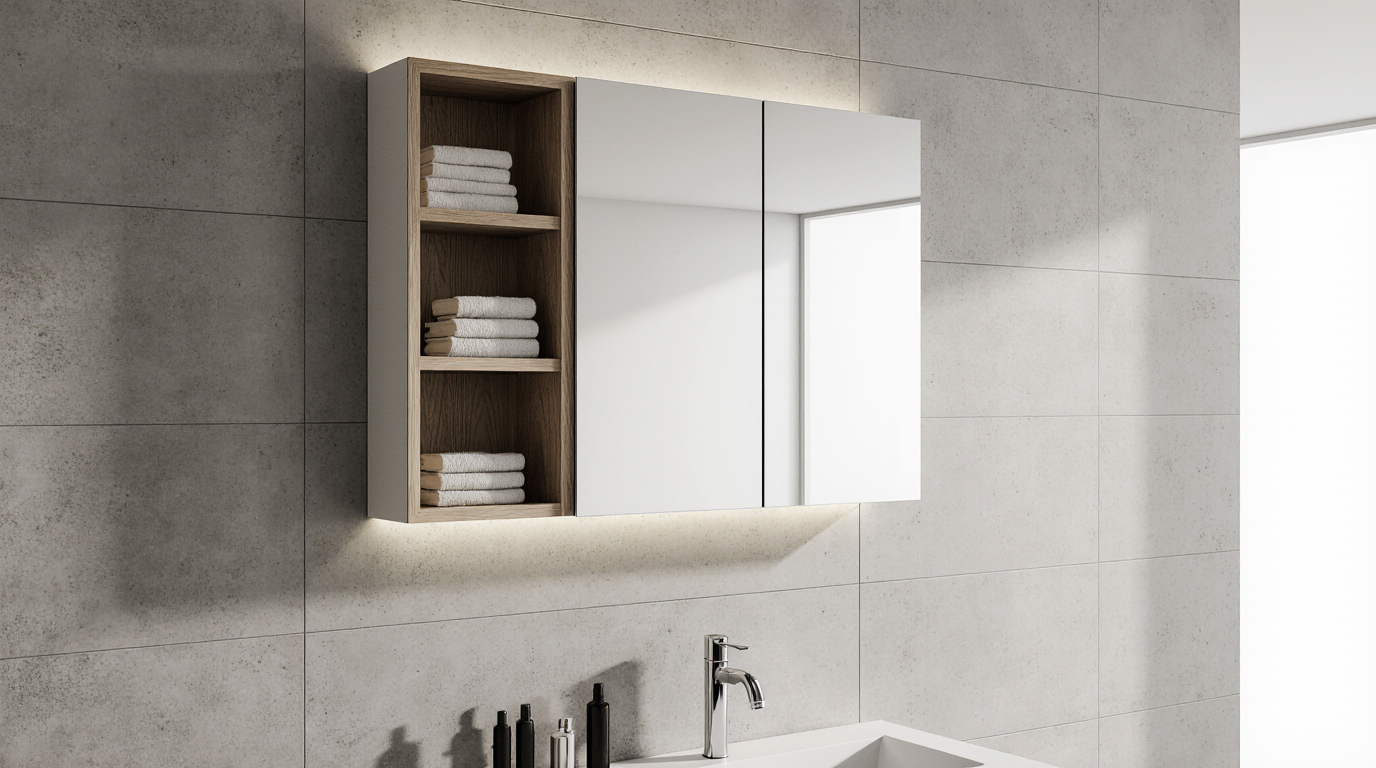
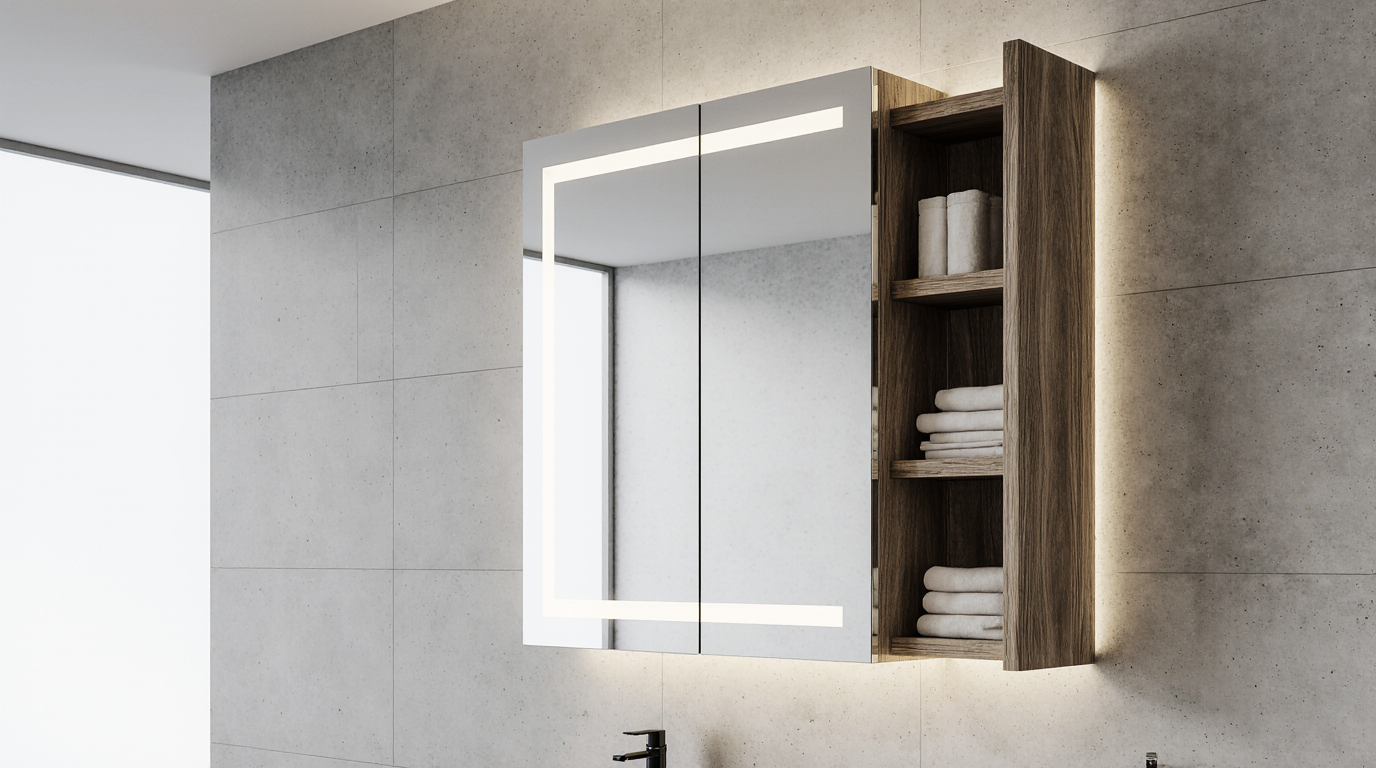
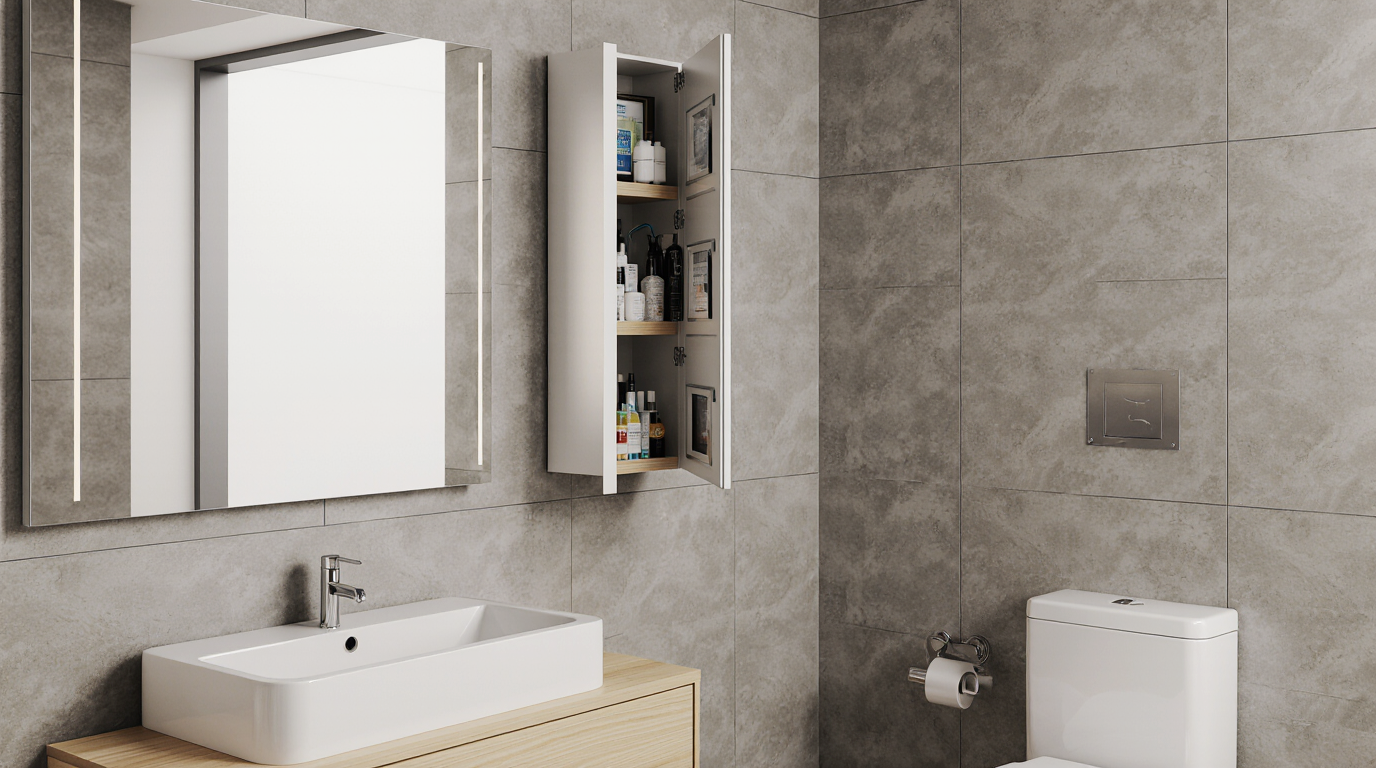
My evaluation determines the optimal design: fully recessed for a minimalist aesthetic, semi-recessed to gain depth in shallow walls, or a precisely proportioned surface-mount cabinet that acts as a design feature. For properties directly on the Gulf, I also account for the increased corrosive effect of wind-driven salt spray, which demands an even higher standard for sealing and finishing exposed surfaces.
Deconstructing Material and Hardware Specifications
The selection of materials is where technical expertise makes the most significant impact. While many cabinetmakers might use a moisture-resistant MDF, I avoid it entirely for bathroom applications. I’ve found that even minor nicks or scratches in the finish can create an entry point for moisture, leading to internal swelling. Instead, I specify a multi-ply Baltic Birch plywood for its exceptional stability and screw-holding power, which is critical for supporting heavy, custom-sized mirrored doors without sagging over time.
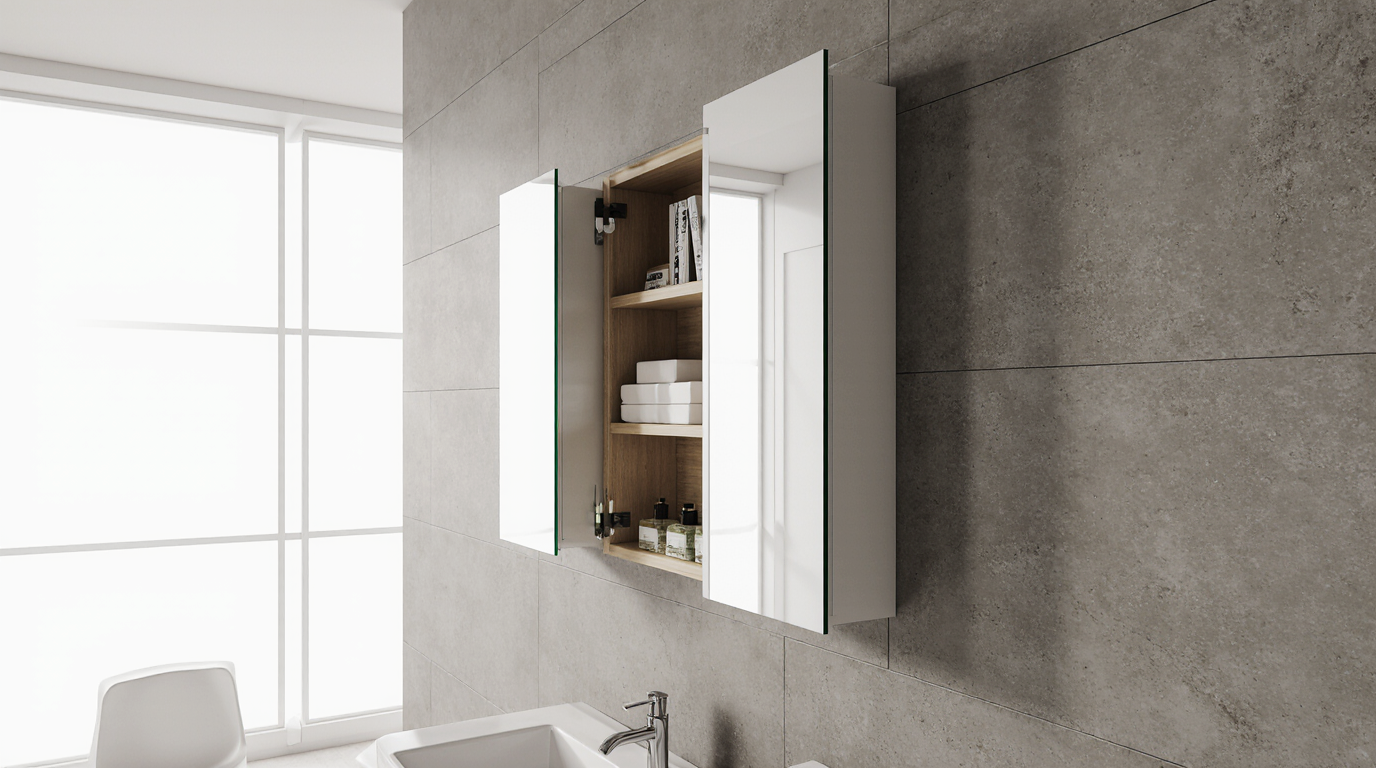
For hardware, the details are non-negotiable. The hinges must not only be soft-close but also feature a multi-point adjustment system for perfect alignment. I exclusively use concealed European-style hinges made from 316 stainless steel. This alloy's molybdenum content provides a critical defense against the pitting and corrosion that I've seen destroy standard 304 steel hardware in less than five years in homes near the coast. The internal shelving supports, mounting screws, and even the mirror adhesive are all specified for marine or high-humidity applications.
From Digital Blueprint to Flawless Installation
The manufacturing and installation phases are governed by a protocol designed for absolute precision and longevity. My methodology is not about speed; it's about creating a component that integrates perfectly with the home's structure and aesthetic.
- Precision Templating: I use digital measuring tools to create a 3D model of the space, ensuring the cabinet fits within fractions of a millimeter, accounting for any imperfections in the wall.
- Joinery and Assembly: The cabinet box is constructed using robust joinery techniques like dadoes and rabbets, reinforced with a specialized waterproof adhesive. This creates a monolithic structure far superior to the simple butt joints and staples found in mass-produced units.
- Multi-Stage Finishing: Every single component is sealed on all six sides with a post-catalyzed conversion varnish before assembly. This crucial step encapsulates the wood, creating an impermeable barrier against moisture—a detail often skipped to cut costs.
- On-Site Integration: During installation, I use a high-quality silicone sealant to insulate the cabinet from the wall cavity, providing a final layer of defense against any potential moisture intrusion from within the wall.
Achieving Precision Tolerances and Quality Standards
My final quality check focuses on the details that define high-end cabinetry. The gap around the cabinet doors is set to a consistent 2mm tolerance, ensuring a clean, architectural look while allowing for natural, minor expansion and contraction without binding. The soft-close mechanism is calibrated to the specific weight of the door for a smooth, silent operation. This level of refinement is about more than aesthetics; it’s a hallmark of engineering designed to perform flawlessly in Sarasota’s demanding coastal environment for decades, not just years.
Is your current bathroom storage a thoughtfully engineered component of your home's design, or is it simply an afterthought waiting for the humidity to take its toll?