Cost of Kitchen Cabinets Seminole County FL
Kitchen Cabinet Costs: Exploring Price and Worth
Embarking on a kitchen redesign or constructing a new home, homeowners often find that kitchen cabinet pricing is a key investment, shaping functionality, efficiency, and overall aesthetic impression. High-quality kitchen cabinets do more than store cookware; they define the visual character of the space and influence the overall efficiency of your kitchen layout. Choosing the right cabinets requires understanding not just the base price, but also factors that affect long-term value, such as materials, craftsmanship, and customization options. Top-tier kitchen cabinets elevate resale potential, offering homeowners a strategic enhancement that blends utility with long-term value.
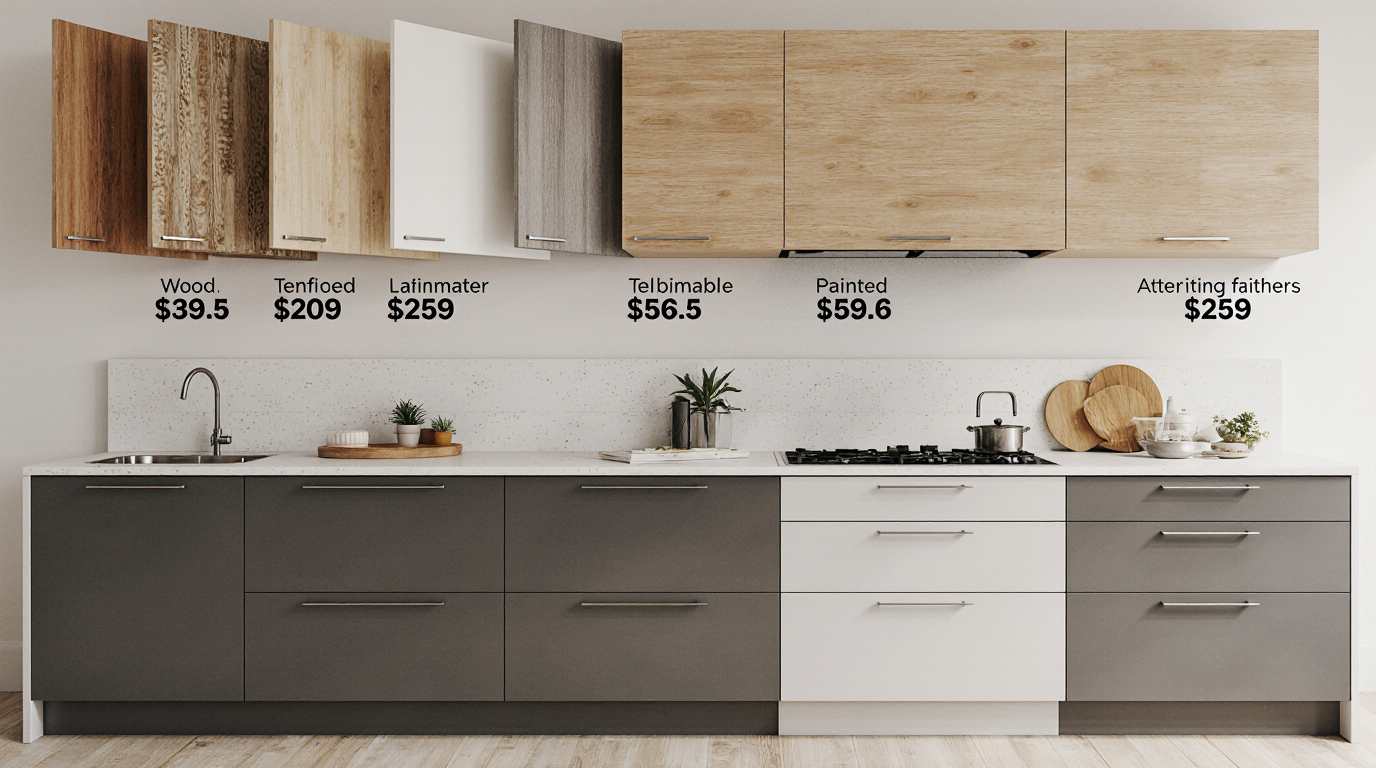
Cabinet material selection remains a core determinant of pricing. Natural hardwoods like maple, oak, and cherry provide longevity and elegant finishes but command premium prices relative to MDF or plywood alternatives. Each type of wood offers distinct characteristics; for instance, maple provides a smooth, uniform finish ideal for contemporary kitchens, while oak brings warmth and pronounced grain patterns suitable for traditional designs. Engineered wood alternatives, while more affordable, often provide a wide range of finishes and colors but may lack the longevity and strength of natural hardwoods. Understanding these differences helps homeowners balance budget constraints with aesthetic goals.
Cabinet construction techniques play a crucial role in both durability and pricing. Frameless cabinets, common in modern European-style kitchens, offer sleek lines and maximize interior storage, but require precise craftsmanship and often come at a higher cost. Face-frame cabinets, more traditional in style, provide structural reinforcement and easier installation, sometimes making them a more budget-friendly option without sacrificing quality. Additionally, joinery methods such as dovetailing or mortise-and-tenon joints increase production costs but deliver exceptional durability, ensuring cabinets can withstand daily use for decades.
Personalized layouts and elaborate designs are key factors in determining cabinet expenditure. Prefabricated options offer savings, but custom configurations deliver tailored efficiency and design precision. Custom features, including appliance-specific compartments and specialized drawers, may raise costs but maximize convenience and workflow. Artisanal finishes enhance aesthetic appeal while incrementally raising costs, turning ordinary cabinetry into focal points.
The selection of quality hardware and functional accessories influences both performance and cost. Investing in superior hardware enhances usability while maintaining aesthetic and functional standards. Premium hardware, often crafted from stainless steel or brass, may raise initial costs but reduces maintenance issues over time. Optional enhancements like custom organizers, tray mechanisms, and built-in lighting add functionality and a modest increase in cost.
Installation and skilled labor represent a crucial component of the overall cabinet budget, often underestimated. Expert installers ensure doors, drawers, and panels are perfectly aligned, preserving both aesthetics and durability. Incorrectly installed cabinets not only disrupt function but also detract from the overall design. Installation expenses vary widely based on design complexity, often matching or exceeding material costs. Professional installation secures precise fitting and long-term reliability, protecting the investment in cabinetry.
Location-specific factors and regional market trends impact cabinet pricing. Urban areas with high construction costs typically have higher cabinet prices compared to suburban or rural markets. Material sourcing and artisan availability directly shape pricing in a given location. Additionally, the reputation of the cabinet manufacturer plays a role; premium brands known for superior craftsmanship and innovative designs often command higher prices but offer unmatched durability and style. Selecting the ideal supplier demands weighing price against craftsmanship, material integrity, and design excellence.
Surface finishing choices significantly affect total cabinet expenditure. Matte, high-gloss, or textured finishes can significantly alter the overall expense. Specialty coatings, such as water-resistant or scratch-resistant finishes, add both protection and aesthetic value but contribute to higher upfront costs. Complex finishing methods deliver nuanced texture, richer colors, and visual depth, elevating kitchen aesthetics.
Sustainable value over years is a major factor in cabinet decision-making. Durable cabinets, when cared for, sustain their structural and aesthetic quality over the long term. Premium materials and meticulous finishes minimize future repair needs, providing cost-efficiency. Economical cabinetry options save initially but risk higher cumulative costs due to repair or replacement.
The financial commitment for kitchen cabinets reflects an interwoven consideration of quality, artistry, accessories, and labor. Weighing all variables enables optimal outcomes in terms of beauty, usability, and long-term reliability. Focusing on superior craftsmanship, tailored solutions, and skilled installation transforms cabinetry into a functional and striking focal point.
Smart cabinet investment requires strategic planning, knowledge of material properties, and design choices aligned with kitchen usage. The right cabinets not only meet storage needs but also serve as a defining element in kitchen design, offering a combination of practicality, elegance, and long-term value that no budget-conscious homeowner should overlook.
Analyzing cabinet pricing reveals that cost assessment extends beyond mere figures, encompassing craftsmanship, lifespan, and design impact. Premium cabinets embody both aesthetic sophistication and operational excellence, shaping kitchens that are visually captivating, functional, and durable.