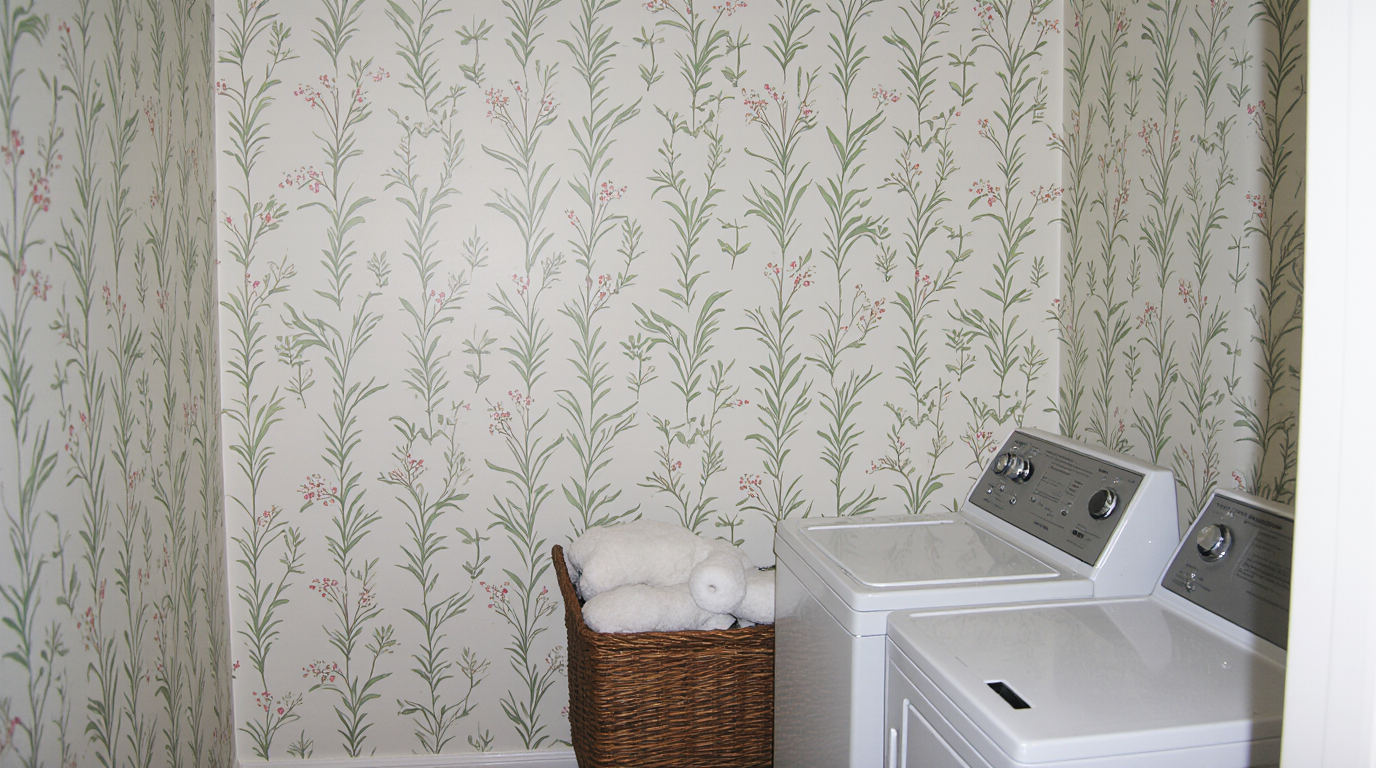
The laundry room, previously relegated to a dark, basic workhorse corner of the home, is in the midst of a radical design renaissance. No longer simply a space for appliance utility, the contemporary laundry room is fast becoming a thoughtfully designed extension of the home's overall aesthetic, warranting thoughtful attention to every surface, including the walls. For the design professional, the selection of wallpaper is perhaps the most potent tool for achieving this redesign, offering an immediate injection of personality and visual depth without sacrificing the necessary functionality required of this workhorse area. Opting for a bold or beautifully subtle patterned wall covering allows the room to transcend its chore-based designation, making everyday chores into a more inspiring experience.
The contemporary approach to laundry design often champions aesthetic functionality, a concept where style and purpose are inextricably linked. This philosophy is evident in the move toward smart technology integration in appliances and the desire for sophisticated storage solutions, yet it is the decorative treatment that truly sets a memorable space apart. Imagine the impact of a maximalist approach with a luxurious, dark and moody floral wallpaper, featuring forest hues, slate greys, or inky blues. This choice, often seen as an accent wall or used comprehensively for a wrapped feeling, introduces a sense of luxury that contrasts brilliantly with the stainless steel and enamel of the machines. These darker palettes, especially when paired with premium fittings like brass or copper taps and hardware, elevate the space to feel almost like a refined powder room rather than just a place for sorting whites and colors. For designers leaning into this richer look, ensuring excellent ambient and task lighting becomes paramount to prevent the space from feeling overwhelming, with recessed LED lighting being a design necessity.
On the other hand, for those following the growing preference for Scandinavian or Japanese design principles—emphasizing minimalism, natural materials, and clean lines—the wallpaper selection should echo this serenity. Light, airy designs are key here. Consider delicate surfaces, geometric patterns in muted tones, or delicate botanical prints. A birch tree wallpaper, for instance, or a graphic in light greys and whites provides visual interest that breaks up monolithic storage units or tilework without overwhelming the room’s functional simplicity. This lighter approach pairs exceptionally well with butcher block countertops and natural wood accents, embracing the organic trend that seeks warmth in hard-working zones. Even in a compact or galley layout, a pale pattern can trick the eye into perceiving greater square footage, a crucial spatial illusion for maximizing the feeling of openness.
The choice of pattern itself is a key design determinant. Botanical or nature-based designs remain eternally popular, offering a sense of freshness and vitality. Large-scale palm leaves, soft toile florals, or abstract interpretations of natural elements can infuse a small room with the feeling of the outdoors, a significant advantage if natural light is scarce. For a more playful yet sophisticated vibe, vintage-inspired geometric patterns, such as a subtle Scallop or a timeless herringbone print, offer a nod to classic design while remaining up-to-date. In addition, the current enthusiasm for unexpected decor extends to incorporating patterns that might traditionally belong in a living area. A sophisticated checkerboard or a refined faux sisal texture can anchor the floor or wall space, adding a grounding element that complements the sleek, often integrated nature of modern appliances.
When considering the practicalities, the material of the wallpaper warrants expert attention. In a room where moisture is a factor and potential splashes, material selection impacts longevity and maintenance. Vinyl-coated or non-woven wallpapers offer superior moisture resistance and are generally easier to wipe clean, making them a pragmatic specification over delicate paper types. Many designers are also utilizing peel-and-stick options, providing flexibility for renters or those who enjoy frequent aesthetic refreshes, allowing for bold choices like patterned ceilings—an frequently overlooked surface that can dramatically enhance a small utility space.
The integration of wallpaper with the room’s layout and storage strategy is where true design mastery is demonstrated. If the room incorporates a multifunctional utility aspect, perhaps merging with a mudroom area featuring benches and hooks, the wallpaper needs to harmonize with these practical elements. A busy pattern might clash with the visual clutter of frequently used items like coats or pet supplies. In such cases, a more linear or tone-on-tone pattern is the better choice to maintain visual continuity. Conversely, if the room is a dedicated, streamlined space for laundry operations, featuring stacked appliances and pull-out drying racks, the wallpaper can take center stage as the primary decorative element, perhaps flanking cabinetry painted in a soothing green or a serene blue shade popular in 2025 color forecasts. The marriage of a striking pattern with highly organized hidden storage—such as pull-out hampers concealed within custom cabinetry—ensures that the visual impact does not come at the expense of clutter control, which is the hallmark of an expertly designed utility area. The ultimate success lies in using wallpaper not just as decoration, but as a critical component that defines the room's mood, enhances the perceived size, and supports the highly ergonomic demands of modern domestic life, transforming laundry from a necessary evil into a moment of quiet design appreciation.