Transitional Style Kitchen: Harmonizing Contemporary Sophistication with Classic Warmth
A Transitional Style Kitchen embodies a seamless marriage of classic charm and contemporary sleekness, producing a kitchen that is welcoming yet highly practical. It attracts both homeowners and design professionals for its adaptability in terms of finishes, materials, and floorplans, crafting kitchens that appear modern without forsaking classic appeal. By combining clean lines with classic elements, a transitional kitchen ensures that the heart of the home remains stylish without being overly trendy. The careful selection of cabinetry, countertops, and hardware defines the overall atmosphere, allowing each element to complement one another harmoniously. Design authorities consistently note its appeal to those who wish for a space that balances classic allure with contemporary updates.
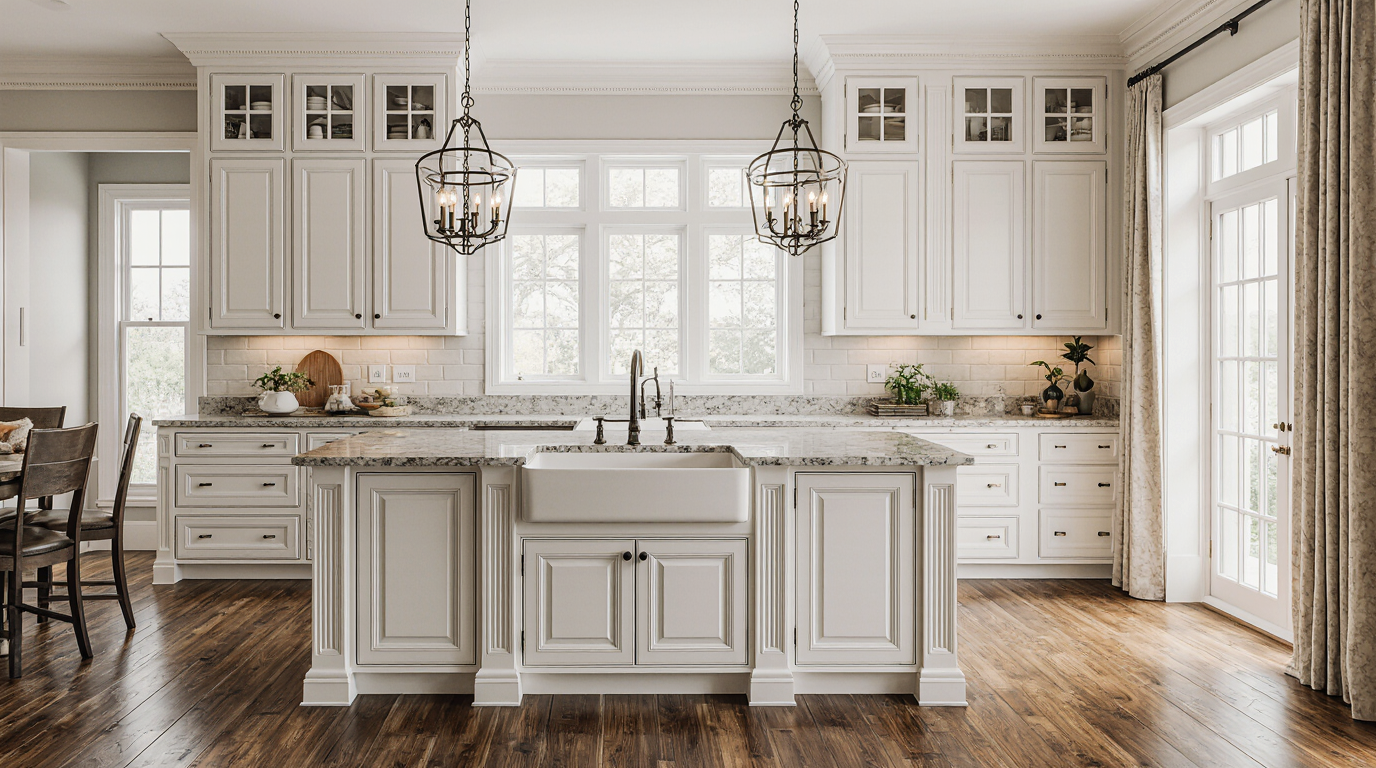
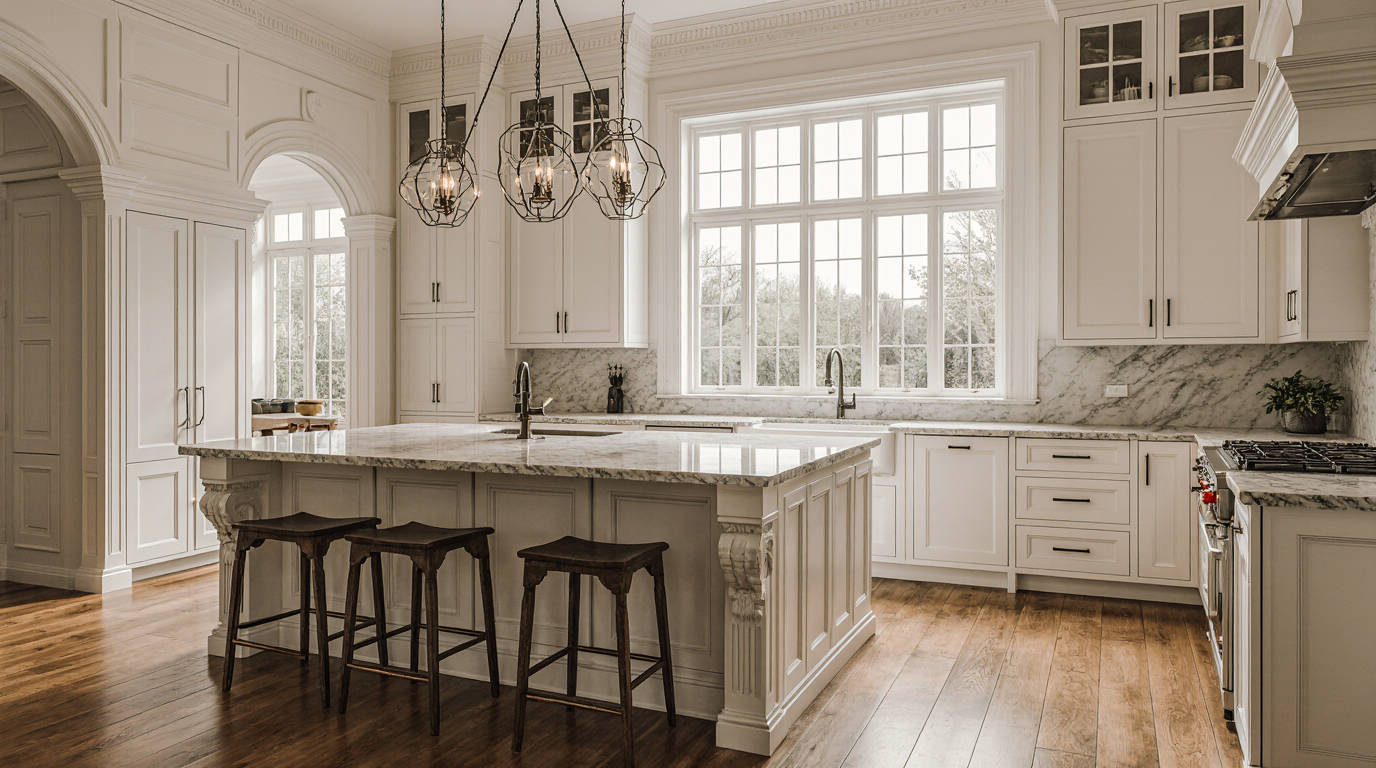
Strategic lighting is pivotal in transitional kitchens, shaping the mood and enhancing usability. A combination of ambient, task, and accent lighting—ranging from ceiling recesses to under-cabinet LEDs and designer pendants—creates depth and visual interest. Natural light is equally important, as large windows or strategically placed skylights enhance the airy and open feel that is characteristic of this design. Experts recommend choosing fixtures that fuse timeless design with contemporary simplicity, for instance, minimalist chandeliers or pendant lights in metal finishes. Well-planned lighting emphasizes premium materials and architectural details, amplifying the kitchen’s luxurious and polished aura.
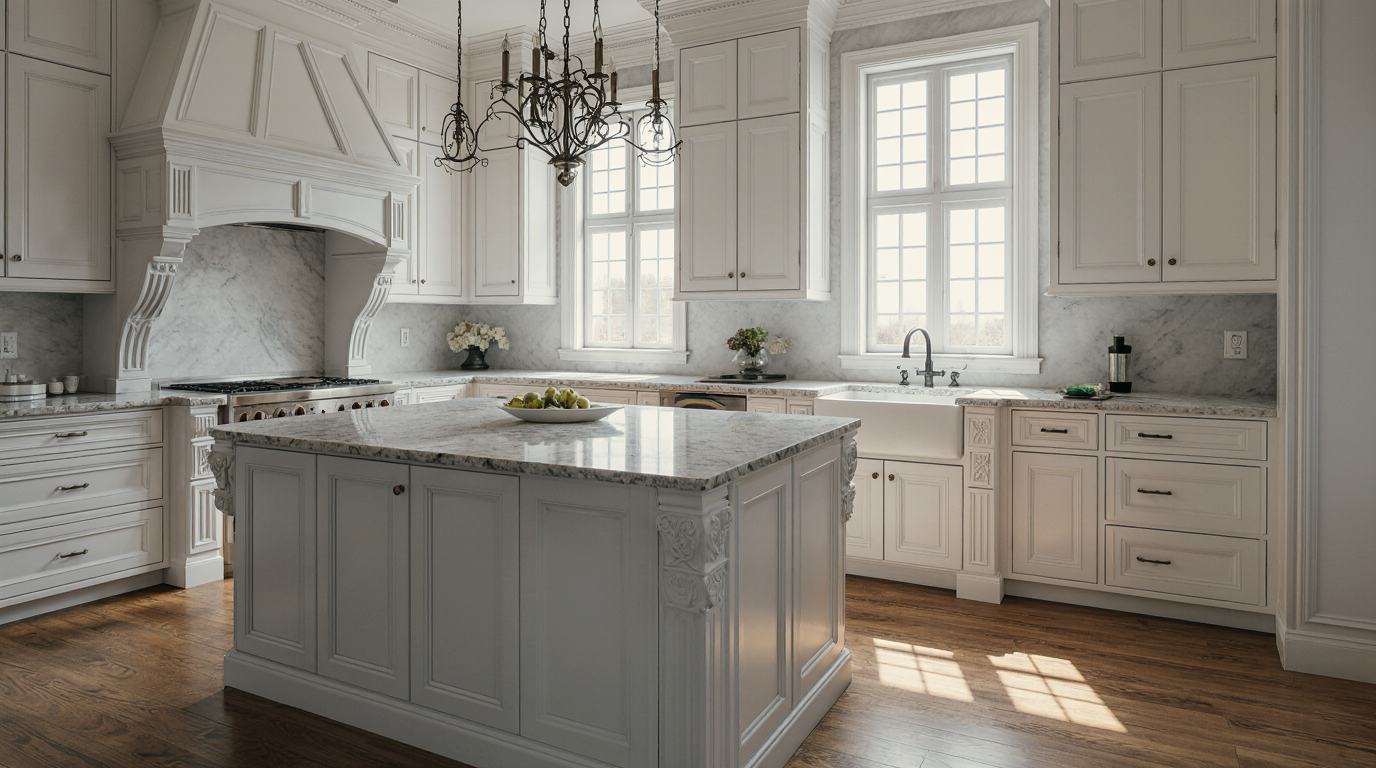
Cabinetry in a Transitional Style Kitchen often features a blend of classic raised panels and flat-front doors, allowing for a seamless integration of traditional and modern elements. Neutral tones such as soft whites, warm grays, and muted taupes are common, providing a serene backdrop that enhances natural wood accents or bold hardware. Custom kitchen cabinetry can further elevate the space, with options like soft-close drawers, integrated storage solutions, and specialized compartments for appliances and utensils. Balancing open and closed storage allows for both decorative display and efficient organization, maximizing functionality and appeal.
The selection of countertops presents a chance to combine diverse surfaces, adding tactile and visual variety. Quartz and granite surfaces are popular for their durability and timeless appeal, while butcher block or marble can add warmth and character. The choice of countertops should complement both cabinetry and flooring, creating a cohesive palette that enhances the kitchen’s overall aesthetic. Incorporating waterfall edges or multi-tiered counter designs adds contemporary interest while preserving classic balance. They combine utility and design, functioning as both preparation areas and centerpiece elements that showcase personality.
Flooring in a Transitional Style Kitchen combines practicality with design elegance. Hardwood, large-format tiles, and natural stone are commonly selected for their durability and classic appeal. The texture and color of the flooring can subtly anchor the room, providing contrast to lighter cabinetry or echoing the warmth of wooden accents. Opting for visually textured yet low-maintenance flooring allows the kitchen to feel inviting, structured, and harmonious. Thoughtful selection guarantees a seamless integration of style, utility, and comfort.
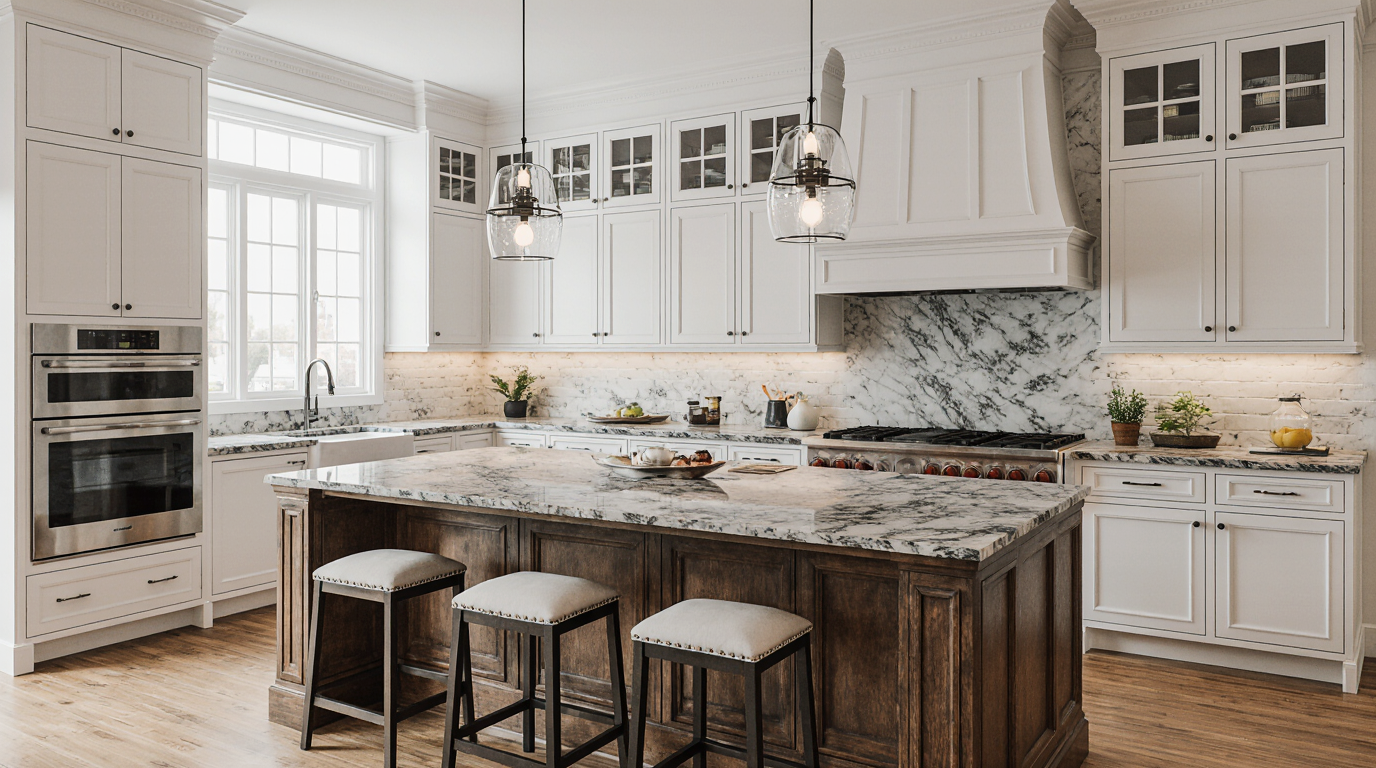
Modern appliances are incorporated seamlessly, offering cutting-edge functionality while preserving design integrity. Built-in ovens, sleek induction cooktops, and smart refrigerators blend seamlessly with cabinetry, maintaining a clean and organized appearance. Luxury kitchen consultants highlight the importance of appliances that serve as both design elements and highly functional tools. Thoughtful cabinetry for appliances preserves surface space and maintains the kitchen’s sophisticated, orderly aesthetic.
Cabinet pulls, faucets, and lighting act as understated but significant design elements. Metal finishes such as nickel, black, or brass harmonize with surrounding elements, unifying the design. Hardware selections play a key role in merging classic and modern cues, adding cohesion and style. Choosing lasting, classic hardware supports both functional durability and long-term visual appeal.
Decorative elements are selectively added to enhance the kitchen’s personality while maintaining order. Artisan pieces and understated ornaments provide visual interest while keeping the space refined. Soft textiles, like patterned rugs or upholstered bar stools, can introduce warmth and texture, balancing sleek countertops and cabinetry. Layering decor items strategically enhances warmth and personality while retaining elegance.
Ultimately, a Transitional Style Kitchen is celebrated for its ability to merge the best of both worlds: timeless charm and contemporary elegance. From structural elements to finishing touches, each component contributes to a harmonious, adaptable, and aesthetically pleasing environment. By embracing the principles of transitional design, homeowners can enjoy a kitchen that is not only a culinary workspace but also a central gathering place that reflects style, comfort, and practicality. Professionals endorse this style for homeowners desiring a kitchen that combines sophistication, versatility, and long-term elegance.