Small Laundry Room Design Ideas for Maximum Efficiency and Style
Transforming a small laundry room into a functional and visually appealing space requires more than just selecting the right appliances. The key to an exceptional laundry room design lies in creating a balance between practicality and aesthetics. Even the tiniest rooms can become highly efficient areas when thoughtful planning meets creative solutions. By combining intelligent storage, well-planned lighting, and robust surfaces, every inch of a small laundry room is maximized for practical and durable use. Thoughtful small laundry room design improves functionality and adds a sophisticated touch to the home.
Choosing the right washing and drying units is foundational when designing an efficient compact laundry area. Modern compact laundry machines often come in stackable configurations to optimize floor area. High-performance, quiet washers and dryers are crucial in compact layouts near living areas. Choosing eco-friendly machines ensures lower energy bills without sacrificing washing quality. Choosing stylish, contemporary washers and dryers elevates both aesthetics and spatial harmony.
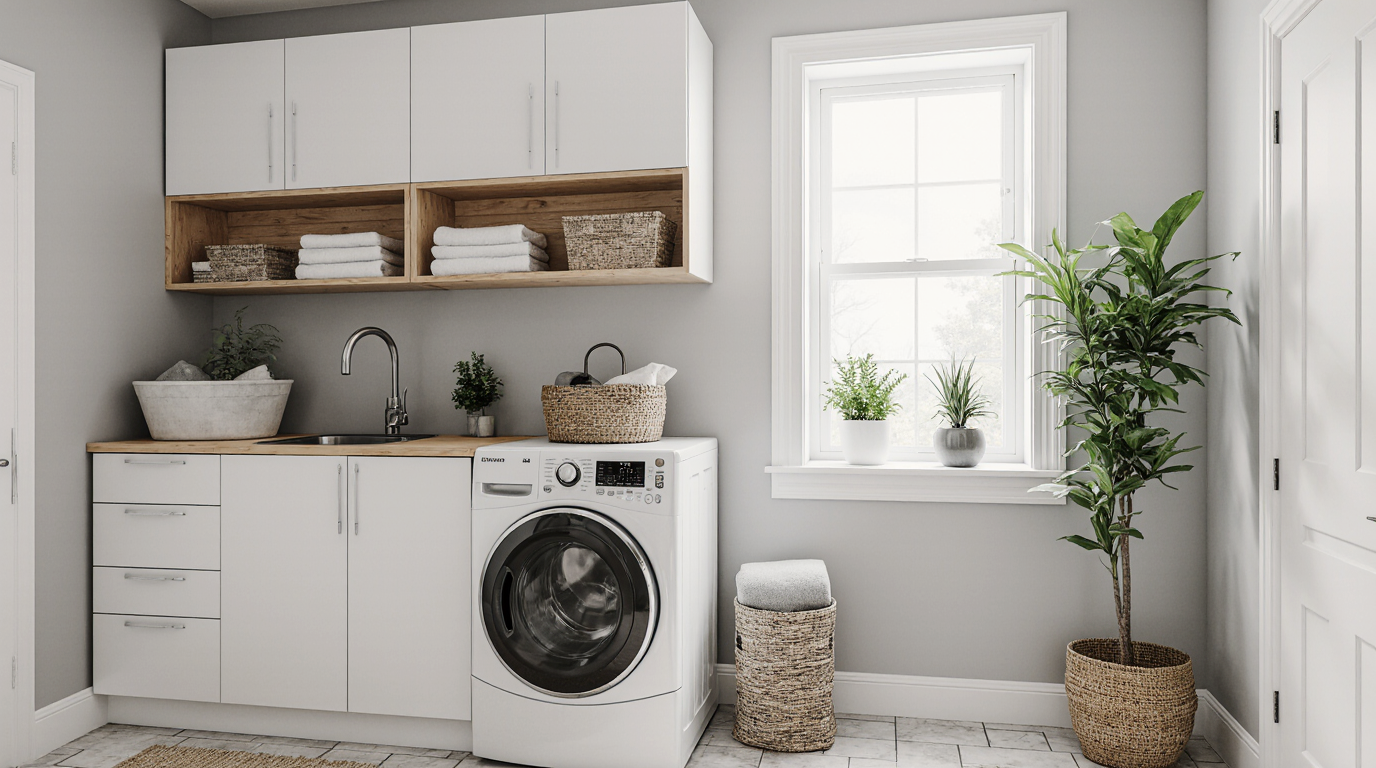
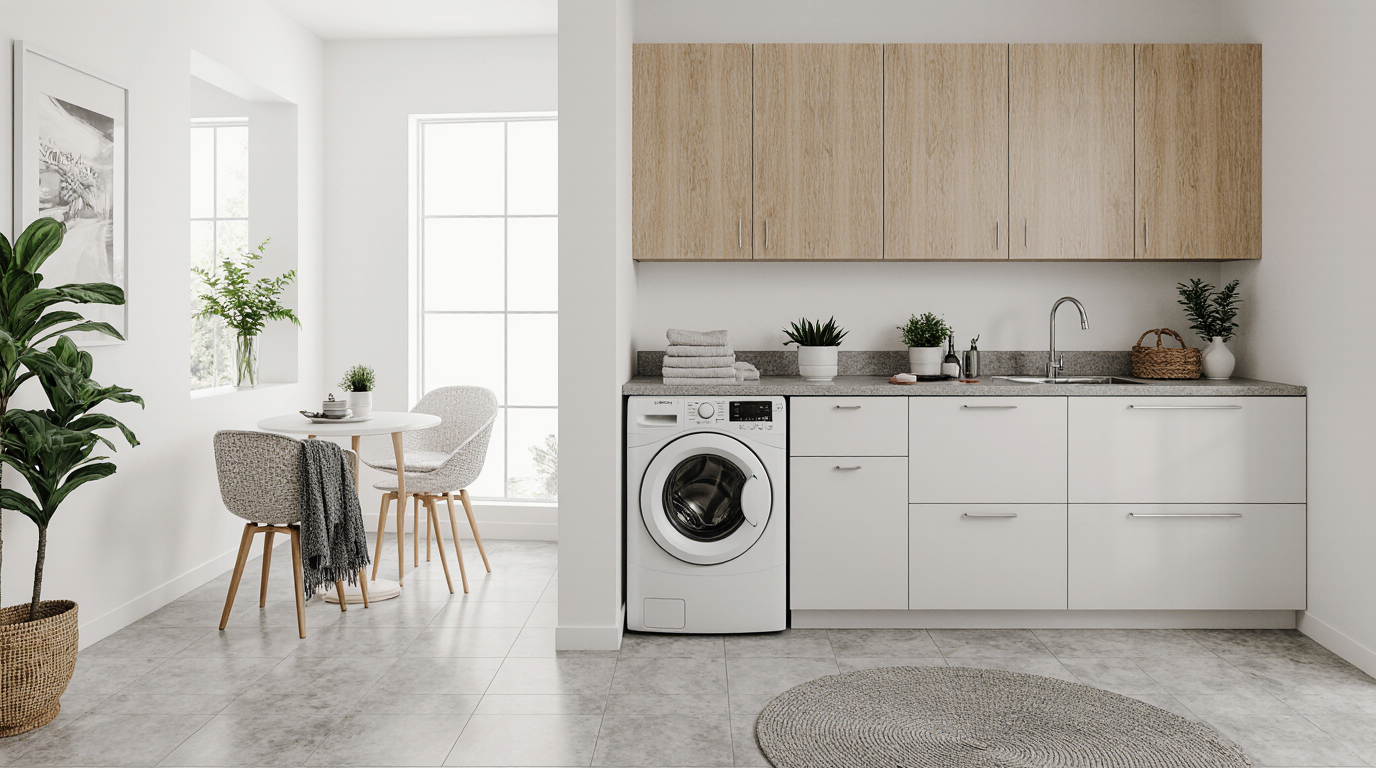
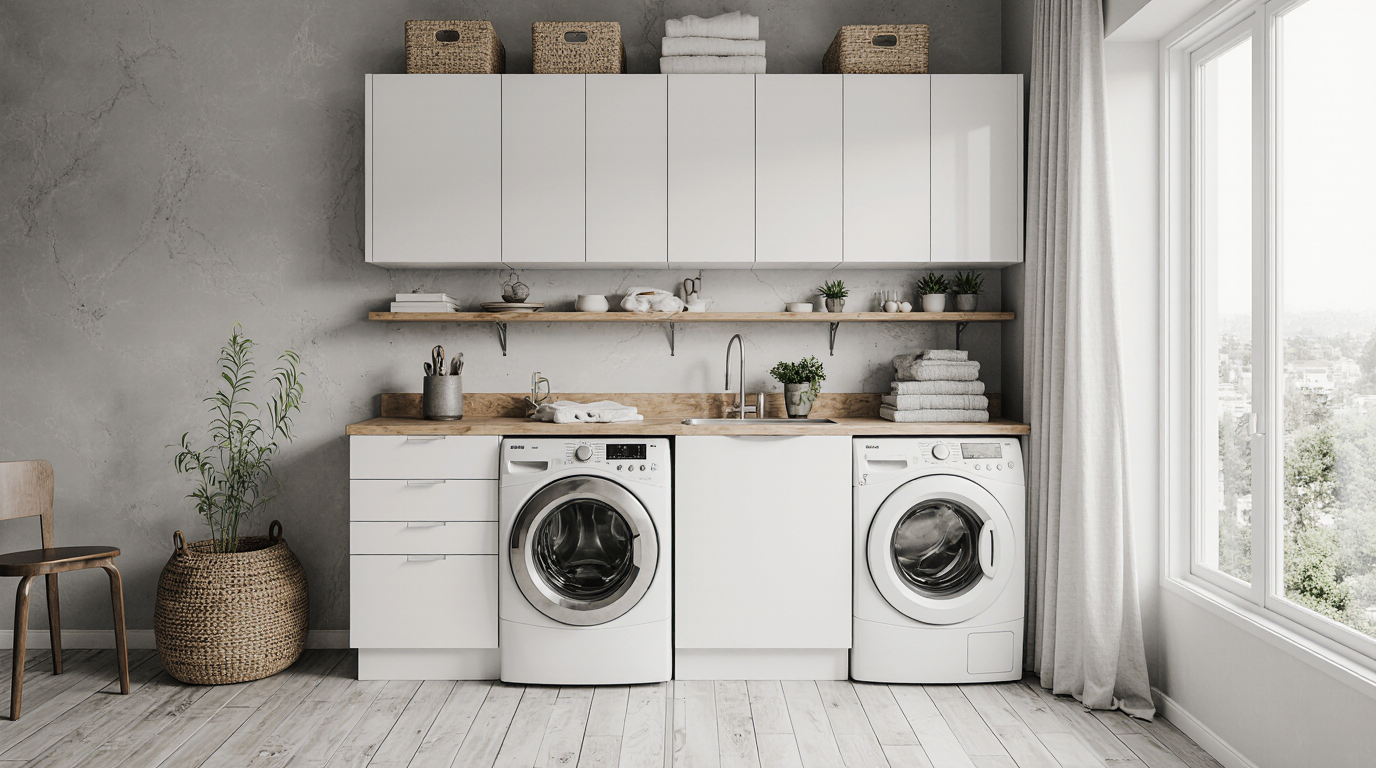
Efficient storage is a cornerstone of small laundry room planning. Innovative cabinets turn unused or awkward areas into functional storage. Upper cabinets above the laundry machines optimize vertical space and supply storage efficiency. Open shelving in constrained areas maintains usability while avoiding visual clutter. Using baskets, bins, or labeled containers adds a level of organization that simplifies the laundry process. Tailored cabinetry maximizes space and adds a polished, luxurious touch to small laundry areas.
Counter space is another element that dramatically improves small laundry rooms. Countertops or fold-out surfaces above washers and dryers simplify folding and organization. Durable countertop materials resist water, wear, and occasional appliance heat, ensuring long-lasting functionality. Compact, retractable countertops give extra workspace when needed while keeping the room open. Including a designated counter area makes laundry chores more efficient while maintaining an elegant and tidy appearance.
Lighting is often underestimated in small laundry room design, yet it plays a crucial role in functionality and ambiance. High-quality, energy-saving LED lights fully illuminate compact laundry areas for maximum usability. Under-cabinet lighting above the workspace can add extra illumination exactly where it is needed most. Even a tiny window can bring spaciousness and airiness if utilized efficiently. Proper lighting not only enhances practicality but also contributes to the overall aesthetic, making even a compact laundry room feel spacious and welcoming.
Flooring and wall materials play a major role in practicality and visual appeal. Selecting resilient, water-tolerant flooring prevents damage while maintaining style. Practical, tidy surfaces enhance longevity and cleanliness in high-use laundry rooms. Walls painted in light, neutral tones can make a small room feel larger, while a bold accent wall or patterned backsplash can inject personality without overwhelming the space. Premium finishes combine aesthetics and durability, ensuring long-lasting appeal.
For many households, multitasking within the laundry room is a priority. Adding integrated ironing boards, retractable hampers, or mini sinks enhances utility. Even a compact sink boosts practicality for delicate laundering or small cleanups. Efficiently arranged spaces can accommodate multiple features without feeling crowded. Incorporating multifunctional elements maximizes the potential of even the smallest laundry areas while maintaining an organized and aesthetically pleasing environment.
Aesthetic accents elevate the ambiance of functional laundry spaces. Hooks, elegant containers, and greenery personalize and soften the environment. Mirrors strategically placed can reflect light and give the illusion of more space, enhancing the perception of size. Small but thoughtful design accents contribute to a cohesive look that turns an ordinary laundry room into a room that is both functional and inviting. Careful attention to decorative and functional details enhances cohesion and sophistication.
Functionality depends not only on storage and machines but also on strategic workflow. Zoning tasks into distinct areas enhances productivity and minimizes chaos. Maximizing height with rods or pull-down lines increases functional capacity. Streamlined zones and planning turn small laundry chores into effortless, well-ordered routines.
Color schemes and textures can subtly influence the feel of a small laundry room. Neutral and pastel tones enhance openness, complemented by selective color highlights. Mixing textures, such as smooth countertops, matte cabinets, and soft-textured baskets, adds depth and sophistication to the design. Choosing finishes that complement the home’s overall style enhances continuity, creating a sense of cohesion that makes the laundry area appear as an intentional part of the interior design rather than an afterthought.
Incorporating smart tech transforms compact laundry areas into advanced, convenient environments. Smart appliances and adaptive illumination optimize convenience and energy efficiency. Sensor-activated features promote ease of use and sanitary conditions. Intelligent design and appliances make compact laundry spaces more efficient, luxurious, and aligned with current lifestyle expectations.
A thoughtfully designed small laundry room combines practicality, efficiency, and style in a way that maximizes limited space. Every element, from appliances and storage to lighting, materials, and decorative touches, contributes to a cohesive, functional, and beautiful environment. By leveraging smart design principles, homeowners can transform a cramped utility space into an organized, stylish, and enjoyable part of the home, proving that even the smallest laundry room has the potential to be both functional and visually striking.