Compact Laundry Room Design: Enhancing Efficiency, Style, and Usability
Planning a small laundry space involves harmonizing practicality, strategic organization, and elegant design. Given the constraints of contemporary living spaces, maximizing a small laundry room’s layout turns routine washing into a streamlined, pleasant experience. When every corner matters, intelligent design merges appliance placement, storage innovation, and aesthetic coherence. An optimized layout considers ergonomics, accessibility, and the environment’s ambiance, beyond mere appliance positioning.
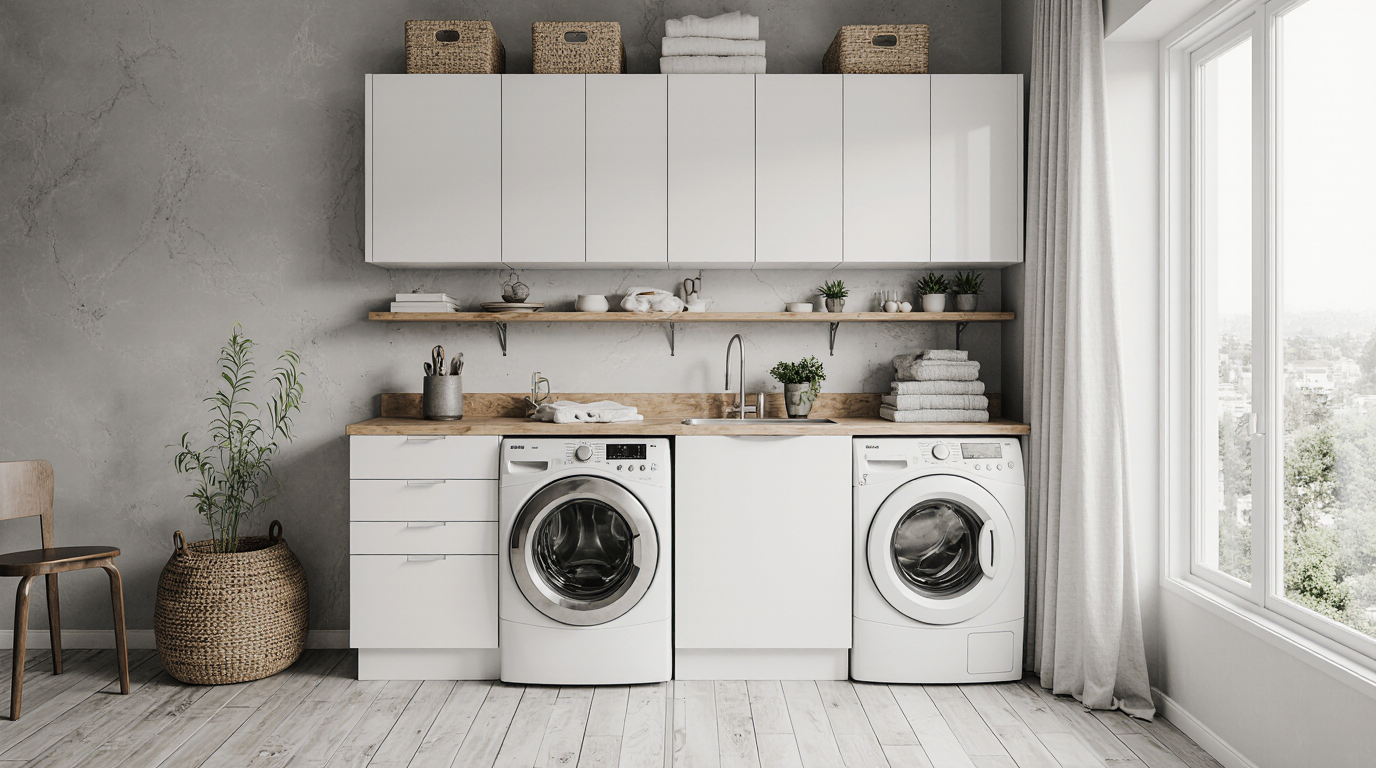
Efficiency begins with appliance selection and placement. Front-loading washers and dryers are particularly advantageous in small laundry rooms due to their ability to be stacked vertically, conserving valuable floor space. Side-by-side placement with overhead counters supports ergonomic use and creates convenient folding stations. Energy-efficient models are another critical consideration, as they minimize utility costs while promoting environmentally conscious living. Strategic appliance placement can also create a natural workflow, where laundry moves smoothly from washing to drying to folding, reducing unnecessary steps and optimizing productivity.
Efficient storage planning underpins both functionality and aesthetic appeal in small laundry areas. Custom storage solutions, including vertical cabinets and shelves, ensure every inch is utilized effectively. Elevated storage cabinets optimize limited square footage, storing detergents, tools, and laundry accessories efficiently. Exposed shelves combined with labeled containers ensure quick access and maintain visual order. Tailored storage solutions adapt to awkward corners or tight walls, leaving no space wasted.
Lighting is another often-overlooked aspect of a small laundry room design. Correct illumination enhances work efficiency and elevates the space’s aesthetic. Bright, layered lighting, including ceiling lights and under-cabinet illumination, can prevent shadows in critical work areas and make the space feel larger than it is. Daylight introduces warmth and enhances the perception of space, limiting artificial lighting needs. Even in windowless laundry rooms, the careful use of reflective surfaces, light-colored walls, and strategically placed mirrors can visually expand the room, creating an airy and welcoming environment.
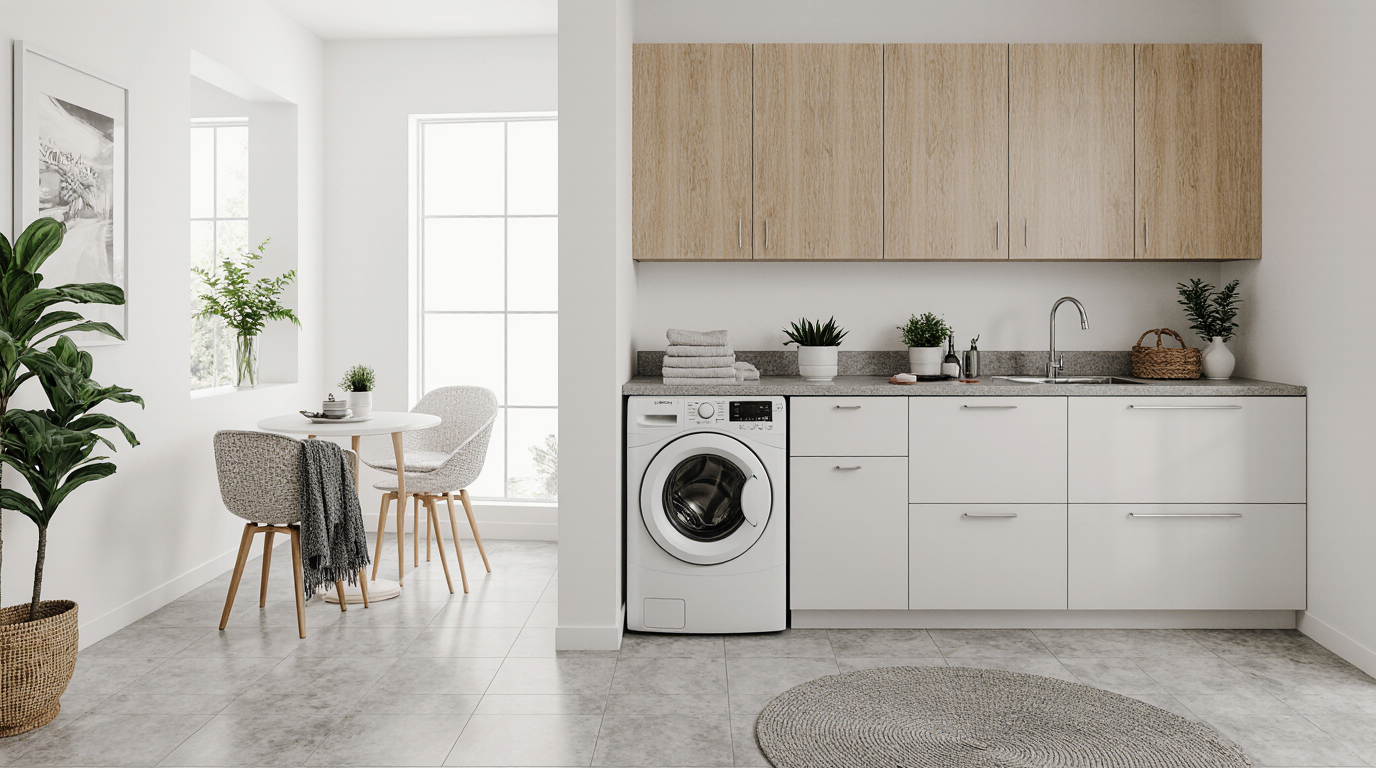
Flooring and durable surfaces are essential components that blend both practicality and style. Since laundry rooms endure high traffic and occasional spills, selecting water-resistant, easy-to-clean materials is paramount. Waterproof flooring options integrate seamlessly into the room’s aesthetic while offering maximum durability. Selecting tough, low-maintenance counters enhances functionality and longevity. Integrating multifunctional surfaces, such as a fold-down ironing board or a pull-out drying rack, can further enhance the utility of a compact space without cluttering it.
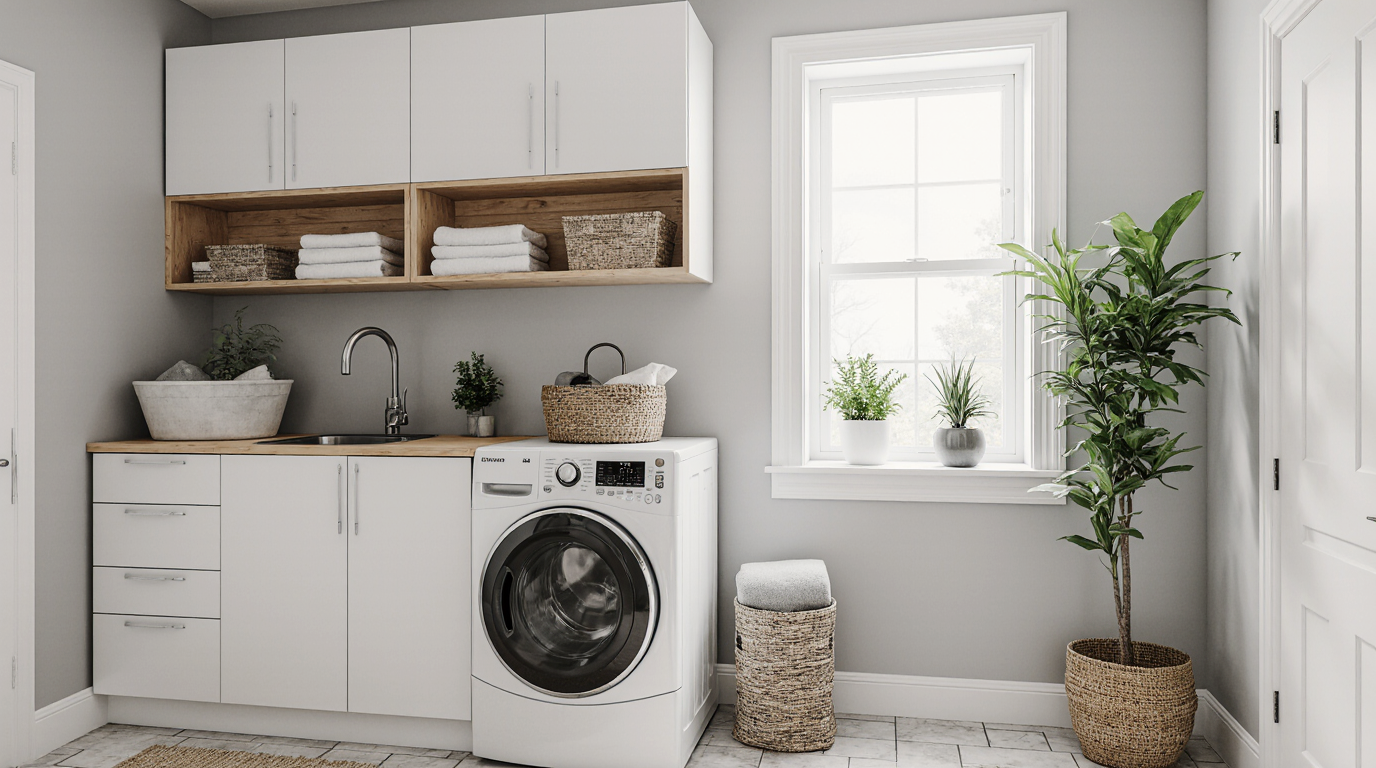
Strategic palette and material selection influence spatial perception and mood. Light, neutral tones tend to make spaces feel larger, while contrasting accents can add depth and interest. Consistency in cabinet design, finishes, and textures ensures elegance without sacrificing function. For example, pairing white cabinetry with soft gray walls or warm wood accents can generate a sense of harmony, ensuring that the laundry room complements the overall home design while maintaining its identity as a functional workspace.
Functional zoning maximizes efficiency and ease of use in small laundry rooms. Creating designated zones for washing, drying, folding, and ironing minimizes movement and streamlines chores. Utilizing vertical space for hanging rods or retractable drying racks allows garments to air-dry without encroaching on floor space. Incorporating a small utility sink can provide a convenient area for hand-washing delicate items or treating stains, enhancing the practicality of the room. Strategically positioned hooks and organizers streamline laundry routines and reduce clutter.
Ergonomics are often underestimated in compact laundry rooms but are vital for long-term comfort and ease of use. Ensuring that appliances, counters, and shelves are positioned at accessible heights can prevent strain during laundry tasks. Pull-out drawers and sliding shelves make retrieving detergents, fabric softeners, and other items easier, particularly in deeper cabinets. Incorporating adjustable folding and sorting stations improves ergonomics and operational flow. Every design choice contributes to a smoother, more enjoyable laundry routine.
Ventilation is another critical element in a small laundry room design. Efficient ventilation mitigates humidity buildup and associated problems. Targeted exhaust and air circulation mechanisms maintain healthy, odor-free laundry environments. Eco-conscious ventilation paired with resilient materials promotes longevity and environmental responsibility.
Aesthetic touches elevate the room without compromising usability. Decor accents transform the laundry area into a welcoming and personalized space. Functional decor, like aesthetically pleasing storage baskets or decorative jars for detergents, blends utility with design sophistication. Incorporating such elements creates a space that is both efficient and pleasurable to use. Balancing functional and aesthetic priorities results in a harmonious, user-friendly laundry room.
Effective compact laundry designs demand strategic thought, innovative storage, and design precision. By prioritizing efficiency, selecting appropriate appliances, optimizing vertical space, and incorporating both functional and aesthetic elements, homeowners can achieve a laundry room that is both practical and visually engaging. A well-designed small laundry space not only simplifies daily routines but also enhances the overall functionality and beauty of the home. Balancing workflow, illumination, airflow, and visual elements guarantees a small laundry room that is both functional and delightful.