Small Kitchen Cabinets: Maximizing Space and Style for Compact Homes
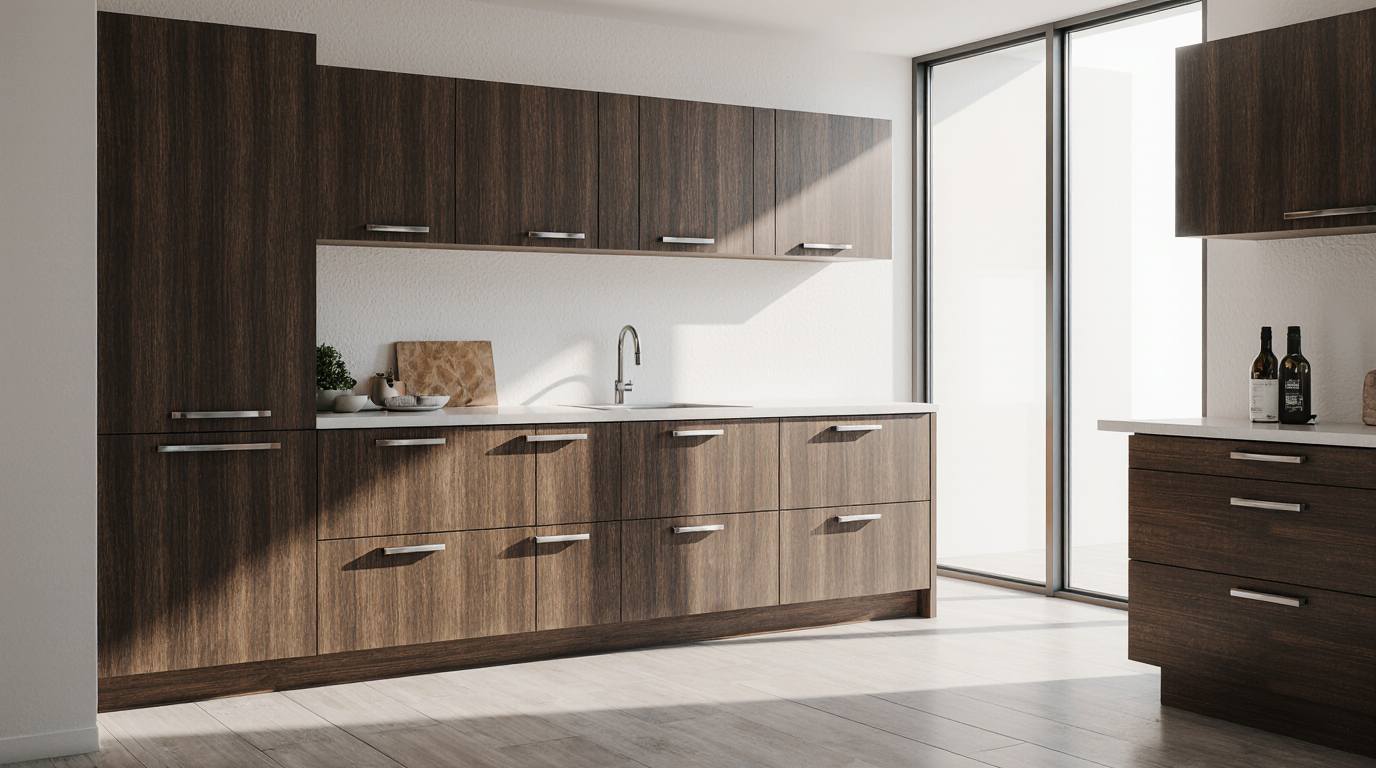
Creating a functional and stylish kitchen within a compact area requires clever design, optimized efficiency, and premium small kitchen cabinets that merge usability with visual charm. Those managing small kitchens frequently struggle with storage shortages and cramped layouts, highlighting the need for cabinets that fully utilize available space. These cabinets incorporate clever storage innovations like sliding shelves, corner carousels, and tiered compartments, ensuring all kitchen necessities are accessible while maintaining aesthetic appeal. Selecting thoughtfully crafted cabinets improves daily usability while boosting property value and visual allure.
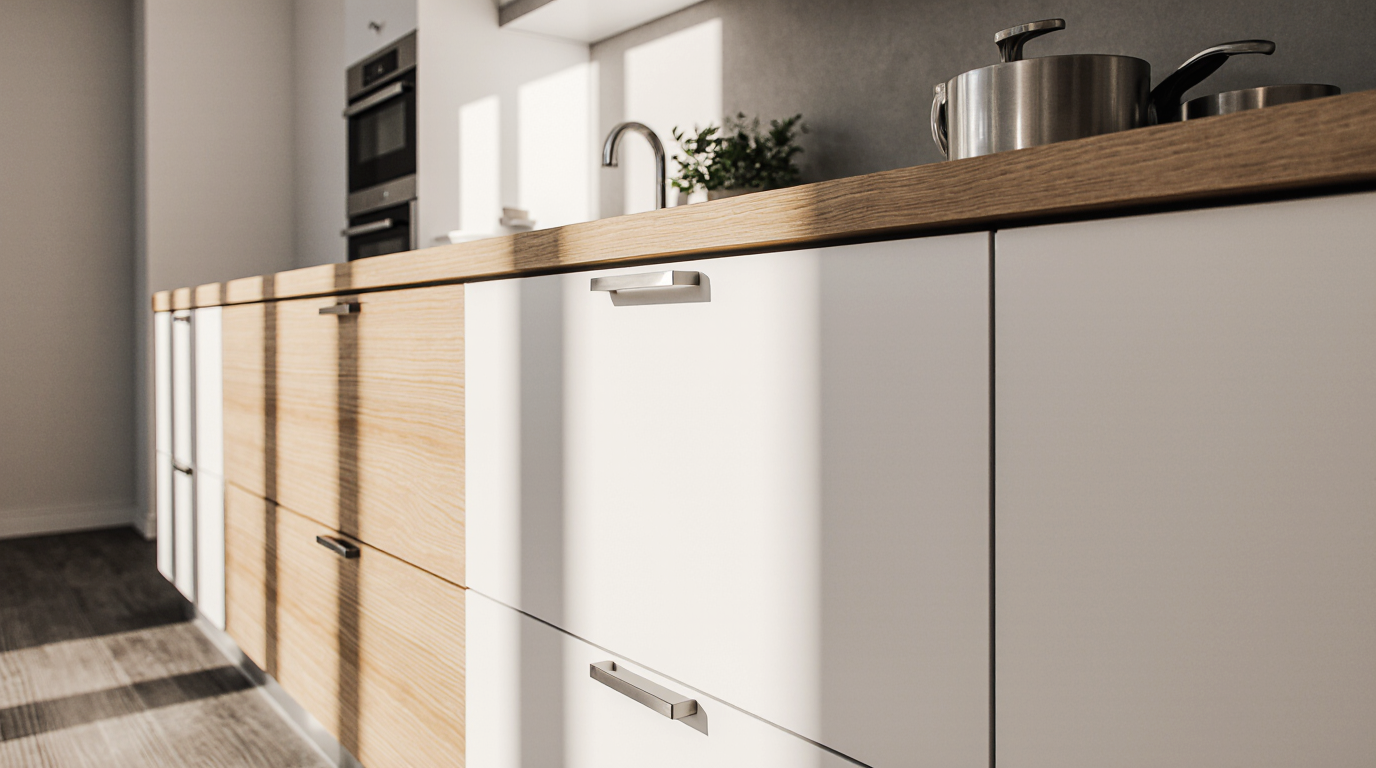
Evaluating material quality is essential when investing in small kitchen cabinetry. While space-saving is a priority, durability cannot be compromised. Top-quality materials including solid wood, engineered boards, and premium MDF provide durability alongside timeless style. Moreover, the cabinet finish contributes significantly to spatial perception. Subtle, pale finishes like off-white, cream, or soft gray visually expand a small kitchen, making it feel airier and welcoming. Combining these materials with functional hardware, like soft-close hinges and ergonomic handles, elevates both the performance and the visual impact of small kitchen cabinetry.
Personalized solutions play a vital role in optimizing both utility and style in small kitchens. Pre-made cabinets offer fundamental storage, yet custom small kitchen cabinets enable precise use of awkward areas. Custom units can be designed to fit awkward spaces, such as under stairs or around structural columns, making the kitchen both practical and cohesive. Furthermore, modular cabinet designs give flexibility for future adjustments, such as adding extra drawers, pull-out pantry units, or integrated appliance compartments. This adaptability ensures that the kitchen evolves with changing needs, providing long-term value for homeowners.
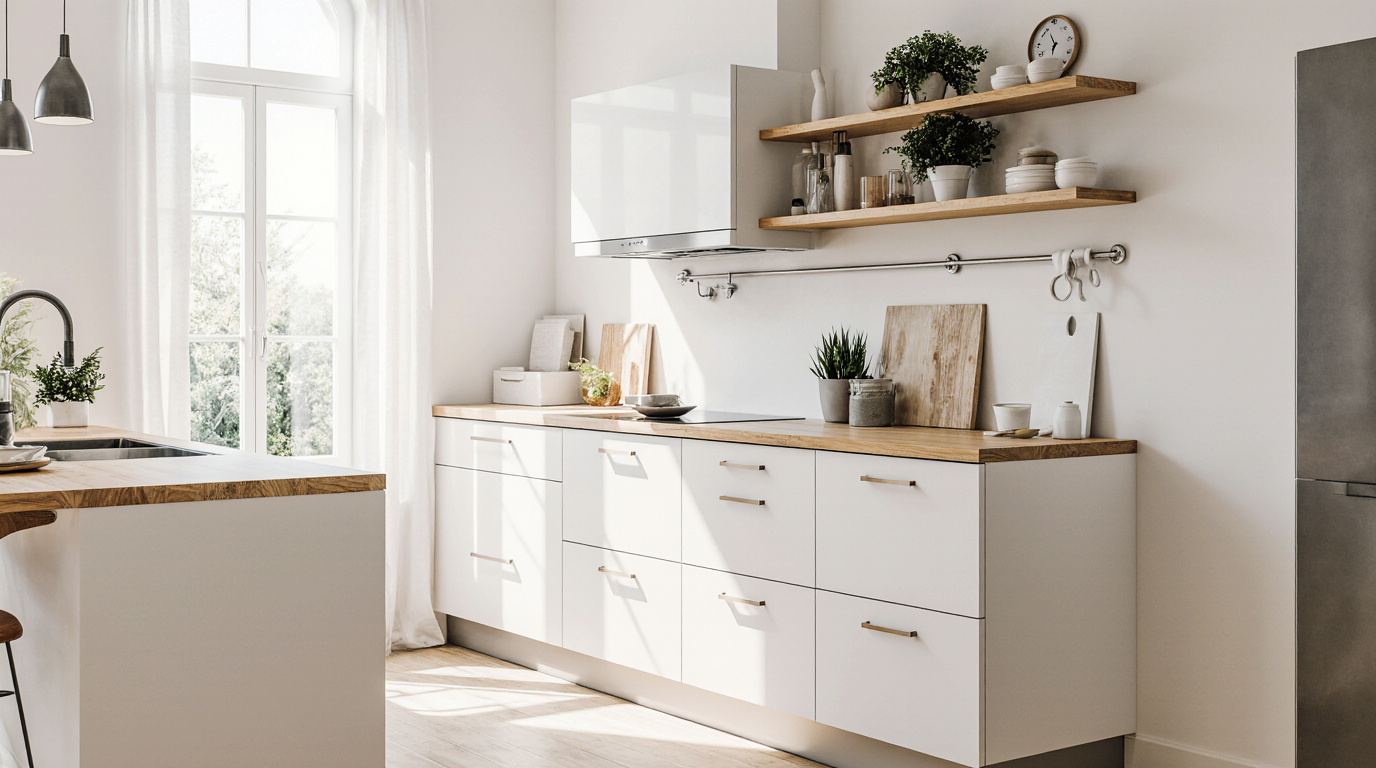
The choice of layout is another critical aspect of small kitchen design. Compact kitchens often benefit from linear, L-shaped, or U-shaped layouts that maximize flow and accessibility. Thoughtful positioning of cabinetry in such layouts fosters organized and accessible cooking areas. For example, placing base cabinets near cooking and prep areas ensures that pots, pans, and utensils are easily reachable, while upper cabinets provide convenient storage for dishes and glassware. A combination of exposed shelves and closed cabinetry improves perceived space, balances aesthetics, and provides efficient storage options.
Practical design reaches beyond simple organization. Contemporary cabinetry includes clever mechanisms that streamline kitchen tasks. Pull-out spice racks, hidden trash bins, and built-in wine racks are just a few examples of how contemporary cabinetry maximizes utility. Ceiling-height units provide vertical storage for rarely used items while ensuring daily necessities are accessible. Smart organization within cabinets reduces countertop clutter, streamlines meal preparation, and enhances the overall efficiency of a small kitchen, making it feel larger than its actual square footage.
Visual design is as critical as functionality in compact kitchens. Storage efficiency must be balanced with design, as cabinetry style shapes the overall kitchen experience. Streamlined, contemporary cabinets promote a clutter-free appearance, while classic shaker designs provide sophisticated warmth. The strategic use of glass-front doors or open shelving can create visual depth, breaking up solid cabinet masses and preventing the kitchen from feeling cramped. Thoughtful handle finishes, such as brushed nickel or matte black, elevate design sophistication and unify the kitchen aesthetic.
Lighting also plays a crucial role in small kitchen design. Strategic lighting showcases cabinet finishes and ensures work areas are well-lit. Counter illumination from under-cabinet fixtures, combined with ambient overhead lighting, enhances visibility and spatial perception. Reflective surfaces, such as glossy cabinet finishes or mirrored backsplashes, amplify light and contribute to a sense of openness. Combining smart lighting with ergonomic cabinet placement results in a practical, visually appealing kitchen that maximizes both storage and comfort.
Sustainability is becoming increasingly important in kitchen design. Many homeowners now seek small kitchen cabinets made from eco-friendly materials, such as responsibly sourced wood or recycled composites. Eco-friendly materials minimize ecological footprint without compromising strength or design. Additionally, finishes that are low in volatile organic compounds (VOCs) contribute to healthier indoor air quality, which is particularly important in compact spaces where airflow may be limited. Selecting sustainable materials enables stylish, long-lasting cabinets that meet ecological expectations, cultivating an environmentally responsible space.
Maintenance and longevity are essential considerations for kitchen cabinets for small kitchens. Small kitchen cabinets need to be moisture-resistant, durable, and simple to maintain. Resilient surfaces and reliable hardware maintain aesthetics, with intelligent organization minimizing mess and wear. Routine maintenance like cleaning and hardware inspection prolongs cabinet life and preserves elegance.
Investing in well-designed small kitchen cabinets is crucial for maximizing storage, enhancing efficiency, and elevating the visual appeal of compact kitchens. From high-quality materials and customized solutions to smart layouts, innovative features, and sustainable options, every element contributes to a kitchen that is functional, stylish, and adaptable. By focusing on these key elements, even compact kitchens can feel spacious, orderly, and inviting, proving that size does not hinder excellence.