The current-day laundry room has definitively shed its skin as a solely utilitarian space consigned to the basement or a cramped closet; it is now regarded as a vital component of the modern home, demanding the same level of design consideration as the kitchen or primary bathroom. As a expert in Laundry Room Design, I assert that the flooring and wall surfaces are the core elements dictating both the room’s functionality and its aesthetic success. The selection of tile is crucial, as this material must gracefully navigate the trifecta of moisture resistance, durability under heavy appliance vibration, and visual appeal that supports a serene or energetic work environment. Moving beyond simple ceramic squares, the current landscape is rich with elevated options catering to diverse homeowner preferences, from the minimalist to the unashamedly decorative. This transformation of the laundry space elevates it from a mere service area to a thoughtfully curated extension of the home’s overall design narrative, where material selection plays the starring role in achieving both practical performance and inspired style.
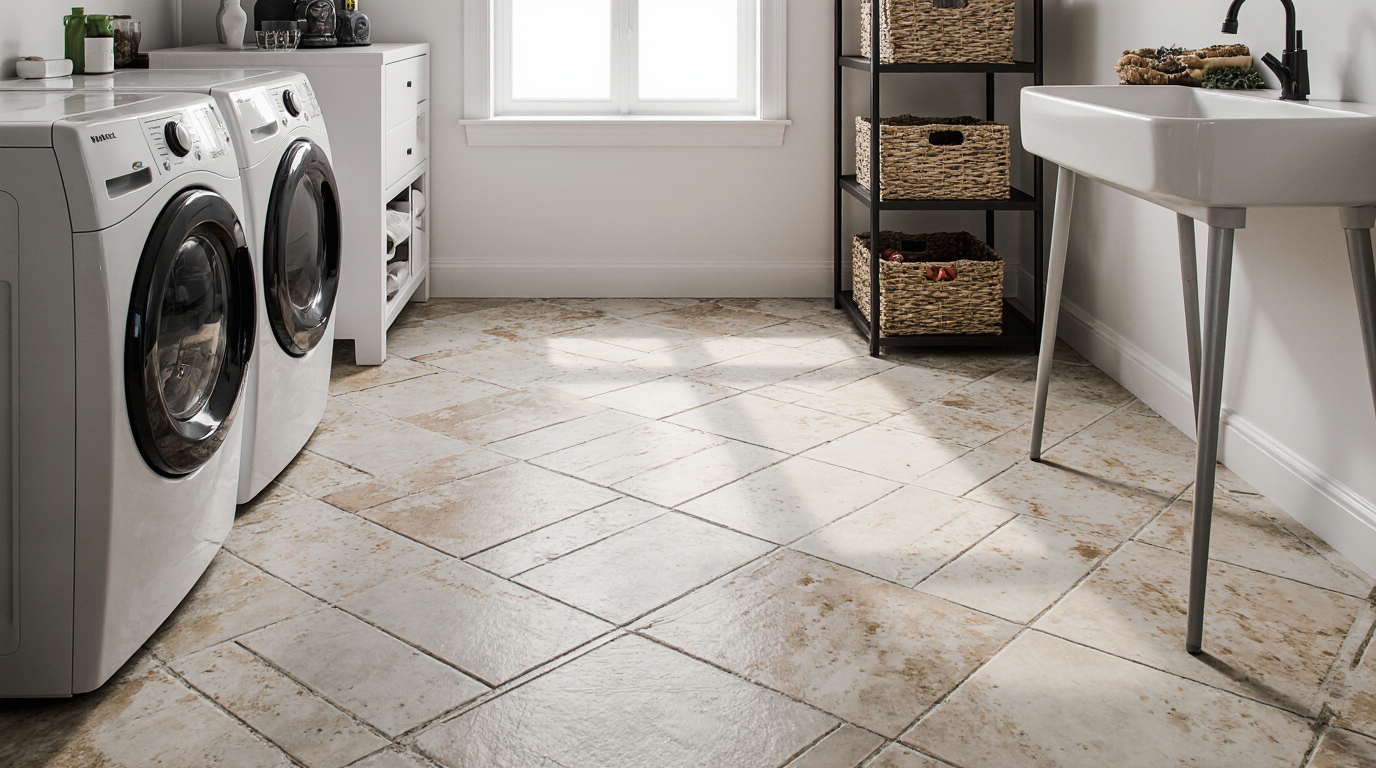
For those gravitating toward the in-vogue Scandinavian or Japanese-inspired design philosophies—which emphasize natural materials, warmth, and functional minimalism—the tile choice leans towards materials that echo organic textures without sacrificing performance. Wood-look porcelain tile is a design triumph in this category. It offers the much-sought-after visual warmth of hardwood—a material increasingly seen even in utility spaces, though its water-vulnerability is a major concern—while boasting the superior imperviousness and density of porcelain. These planks can be laid in a classic running bond or even a sophisticated herringbone pattern to visually elongate a narrow room, creating a calming effect that complements raw wood benchtops and matte black or brass fixtures. As an option, large-format beige limestone-look tiles provide a spa-like retreat ambiance, their subtle veining offering complexity without visual clutter, which is important when managing the various colors and textures of the laundry itself. A large format cuts down on grout lines, contributing to easier cleaning and a more seamless, high-end presentation; this selection effectively merges the aspiration for a calming aesthetic with the absolute necessity of a material that can withstand constant moisture and humidity.
For homeowners craving a bolder statement, the trend is shifting towards patterned tile, particularly on feature walls or as an entire floor treatment to create a distinct zone of interest. The classic checkerboard pattern, often executed in black and white or perhaps an surprising combination like terracotta and black, brings a nostalgic, vintage vibe that works in stunning contrast against flat-panel cabinets and smart appliances. On the other hand, for a truly contemporary edge, geometric ceramic tiles with complex interlocking shapes—such as elongated hexagons or intricate mosaic patterns—can serve as a dynamic backdrop to the washing and folding station. When utilizing such a high-impact pattern on the floor, the advice from design authorities suggests balancing it with simpler wall treatments, perhaps a neutral, low-maintenance white subway tile laid in a stacked bond rather than the traditional offset to maintain a crisp, modern line. This strategy of pattern-mixing ensures that the room feels intentionally designed and visually engaging without becoming overwhelming, transforming the floor into a powerful anchor for the entire space's design schema.
The utility of the tile extends to its tactile properties. In a space involving water and potentially heavy foot traffic, slip-resistance is a non-negotiable performance metric. Textured tiles, such as those with a matte finish or subtle three-dimensional relief, offer the dual benefit of visual depth and enhanced traction, making the area inherently safer. This is vitally true when considering the emerging trend of integrating laundry facilities onto the second floor or into mudroom hybrids, where water management and footing security are primary concerns. Additionally, for surfaces subject to high use, porcelain tile continues to reign supreme over standard ceramic due to its lower water absorption rate (often below $0.5\%$), meaning it is less likely to stain or degrade from cleaning chemical spills or minor flooding events. The composition of the material itself is the first line of defense against the unique challenges of a laundry environment, where appliance leaks and chemical exposure are a continuous threat to the integrity of the finish.
The backsplash area is an excellent canvas for mosaic tile, which allows for high detail in a smaller footprint. Consider KitKat tile or small-format hexagon mosaics in shades that echo the main color palette of the room. If the overall design is leaning towards earthy tones—a significant trend featuring rich greens, warm mustards, and deeper neutrals—a mosaic incorporating variegated gray and brown stone-look pieces can add the perfect tactile sophistication. For areas frequently splashed, glazed mosaics are easy to maintain; on the other hand, any natural stone mosaic will require diligent sealing and maintenance to ensure its long-term endurance against moisture and detergents. The choice between a fully glazed surface and one that requires sealing is a key consideration for the homeowner's desired level of upkeep, all while maximizing the visual interest in this concentrated and frequently viewed zone of the room.
The color story for laundry room tiles in the current design cycle embraces serenity and connection to nature. Light gray porcelain subway tiles provide that clean, architectural base, perfectly complementing the shift away from overly sterile white toward more nuanced neutrals. Conversely, for a burst of energy, vibrant blue or green tiles can be introduced via an accent wall or by using a blue and white patterned tile to evoke a Mediterranean or coastal feel, which is a cheerful touch on a humid day. The key to successful tile design in this hardworking zone is achieving aesthetic functionality—a space that looks intentionally designed while standing up to the rigors of daily life. Every tile choice, from the material composition to the grout color (which can either blend in for a monolithic look or contrast to emphasize shape), contributes to this ultimate goal of transforming a chore space into a design-forward sanctuary. The holistic consideration of color, pattern, and texture ensures the laundry room is not merely endured, but actively enjoyed.