
Skip to content

Laundry Room Tile Ideas in Pinellas, FL

Choosing the perfect tile for your laundry room is a critical design decision, balancing the crucial need for superior

Choosing the perfect tile for your laundry room is a critical design decision, balancing the crucial need for superior durability and robust moisture resistance with an attractive aesthetic appeal. When considering the flooring, options like porcelain tile stand themselves out as a top-tier choice owing to their exceptionally low water absorption rate, which is often below $0.5\%$.

This renders them practically impervious to moisture damage that could result from potential overflows, unexpected spills, or just high humidity levels inherent in a utility space. This quality contrasts favorably with other materials, such as laminates or hardwoods, that might warp, swell, or degrade over time. If you're seeking a timeless look which also offers great resistance to water and common laundry chemicals, ceramic tile remains an highly dependable and cost-effective floor covering option.

If the main goal is to visually expand a typically compact utility area, strategically employing large-format tiles is an ingenious solution. This design technique minimizes the number of grout lines, thereby creating a cleaner, more seamless, and ultimately more expansive visual plane that tricks the eye into perceiving greater space. On the flip side, for those desiring a playful, intricate, or detailed design element, mosaic tile—perhaps in a trendy hexagon, charming penny-round, or classic small subway format—can be dramatically featured on a backsplash or an accent wall. This application naturally draws the eye upward, significantly contributing to the perception of height and injecting a much-needed focal point into the room's design narrative. Patterns are powerful design tools that can set the entire mood of the space; a herringbone pattern immediately adds dynamic movement and a touch of classic, upscale elegance, while a checkerboard design, often presented in a sharp black and white contrast, introduces a charming, vintage, or retro flair that has proven to be perpetually stylish and enduring.

For establishing a softer, more serene, or calming atmosphere, consider tiles in a palette of warm neutrals such as beige, soft gray, or cream. These hues can foster a truly tranquil environment, especially when the room is bathed in natural or ample artificial light. When cost is a primary concern but the desire for a high-end, luxurious aesthetic remains strong, marble-look porcelain tile provides the coveted, often dramatic veining and inherent sophistication of natural stone without the associated porosity, high cost, or burdensome maintenance requirements. In terms of wall applications, the universally acclaimed classic subway tile offers the ultimate in versatility and adaptability; a simple yet impactful design trick is orienting it vertically rather than the standard horizontal offset, which can further enhance the perceived ceiling height and add a modern twist. Ultimately, the successful laundry room tile installation is a harmonious marriage of low-maintenance, durable surfaces with a compelling design narrative that aims to make even the most mundane and necessary household chores feel more intentional, efficient, and enjoyable.

Laundry Tiles Ideas Pinellas FL

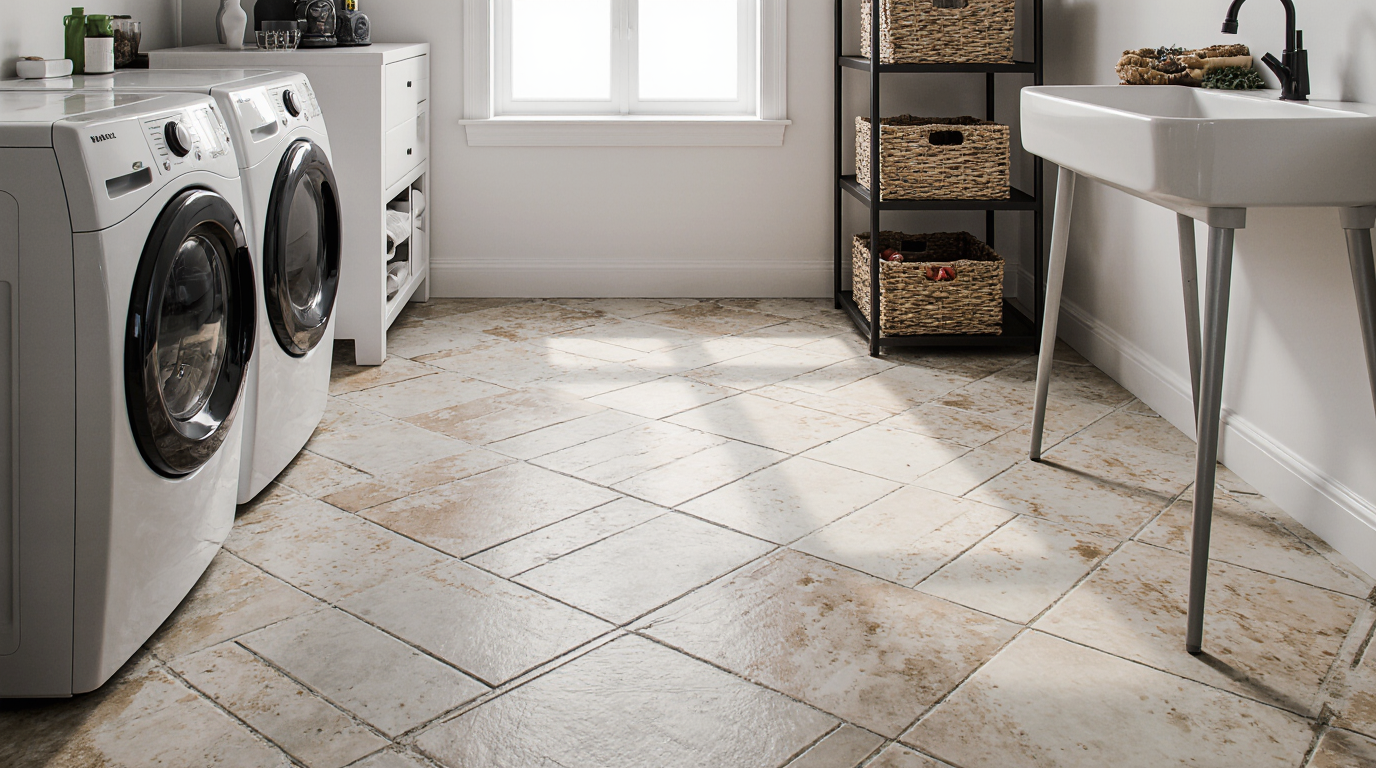
Picking the right floor tile for your laundry room is a critical decision that considers aesthetics, durability, and safety. A well-chosen tile can change this often-forgotten utility space into an room you might actually enjoy. Think about the overall style of your home; a country-style aesthetic might require large-format porcelain tiles that imitate natural stone or weathered wood, alternatively a more modern aesthetic could work well with clean, geometric patterns or solid, light-colored tiles that add illumination.

Durability is paramount in a laundry area due to possible moisture incidents and the vibration from heavy machinery like washers and dryers. Look for tiles with a good PEI rating (Porcelain Enamel Institute), at best a PEI III or IV, indicating resistance to wear and tear from foot traffic and appliance movement. Material choice is vitally important; porcelain tiles are known for superior water resistance and lower maintenance compared to ceramic tiles, which makes them an excellent long-term investment for wet areas.

Apart from practical use, texture plays a significant role in design as well as security. A tile with a slight texture or a matte finish will provide more grip than a highly polished surface, which can turn hazardously smooth when damp. This is particularly important in rooms where water is frequently present. You can also incorporate appeal through subtle color variation within the tile itself, which aids in hiding minor dirt or lint during the week.

Think about the grout lines as well. Wider grout lines with a darker or contrasting color can form a distinct visual element, emphasizing a grid pattern, while matching the grout color closely to the tile color can create a seamless, expansive look. For smaller laundry rooms, using larger format tiles can visually increase the perception of space by reducing the visible lines that emphasize the perimeter.

Laundry Floor Tiles Ideas Pinellas FL

The floor of your laundry room takes the impact of the room's activity, making the selection of flooring material a decision rooted in practicality first and foremost. Water resistance is non-negotiable. Strong materials such as porcelain or stone (when properly sealed) are top contenders because they can handle wet conditions without changing shape or rotting in the long run, which isn't the case for all laminate or wood-style floors that aren't designed for very wet environments.

In considering tile designs, a great and common strategy is incorporating patterns. Herringbone, chevron, or even classic checkerboard layouts can add significant visual energy to an often basic area. If you like a more subdued look, choosing oversized tiles in neutral tones like soft gray, beige, or crisp white will offer a neat base that helps the space look tidy and large.

It's important to consider the actual feel underfoot. While looks are important, standing for long periods to fold clothes can be taxing. A tile that offers a slightly softer feel or pairing the tile with thin under-floor heating elements can drastically improve comfort in the wintertime. Even if heat requires starting capital, the daily benefit of a warm floor can be substantial.

For a budget-conscious approach that still delivers style, look into ceramic tiles with high-quality glazes made to look like more expensive materials such as marble or concrete. Modern printing technology can create highly realistic finishes. Make certain that the ceramic tile you select has an adequate hardness rating if the room will see heavy use from large appliances.

Fun Tile for Laundry Room Pinellas FL

Adding a touch of "fun" to your laundry room tile can transform the overall ambiance of the area from purely functional to delightfully unexpected. This is often achieved through color, pattern, or shape. Don't be afraid to deviate from the standard square or rectangle shapes you see in most utility areas. Consider alternative shapes such as hexagons, small circular tiles, or complex designs borrowing from Moroccan aesthetics to inject personality.

If your room is small, using a bold, colorful pattern on the floor can serve as the main design statement, allowing you to keep the walls and cabinetry simple. Conversely, in a larger space, a vibrant pattern on the floor can be balanced by keeping the surrounding elements subdued, preventing the room from feeling visually overwhelming. A geometric pattern in shades of aqua, gold-toned yellow, or vibrant pink can be a fantastic focal point.

A different path to inject personality is through intentional material mixing. Experiment with pairing a sturdy, uniform tile for the main traffic area with a decorative accent tile running along the border or beneath the washer and dryer pedestal. This contrast draws the eye without committing to a single, potentially overwhelming design choice across the entire surface.

For those who prefer a more subtle approach to fun, consider using a tile with a tactile, almost three-dimensional surface texture instead of relying on bold color. Tiles that look like stacked stones or have a subtle geometric relief can provide visual interest that is appreciated up close but isn't too assertive when you first walk in. Remember that fun should still be manageable; ensure your chosen design is simple to maintain near the baseboards and beneath large equipment.

Laundry Room Tile Backsplash Pinellas FL

The backsplash in a laundry room serves a dual purpose: guarding the wall surfaces near water sources against splatters and acting as a primary decorative element. Since this area typically doesn't see the high heat or grease of a kitchen, your material options are quite broad, allowing you to prioritize pure style. Subway tiles remain a timeless choice, but you can easily update this classic look with stretched forms or attractive, sloped surfaces.

A popular technique is to use the backsplash to tie together the color palette of the entire room. If you have bold cabinet colors, a neutral or complementary tile can provide a necessary visual break. If your cabinets are white, this is your perfect opportunity to introduce a burst of personality with a vibrant glass mosaic or a richly colored, hand-painted ceramic tile, reminiscent of Spanish or Portuguese designs.

The scale of your tile choice should relate to the scale of the room. In a very narrow utility space, vertically stacked, thin rectangular tiles can help draw the eye upward, enhancing the perception of height. In contrast, a larger format, simple square tile can make a small area feel less busy and more grounded.

In the end, the backsplash frequently presents the most budget-friendly spot for investing in a high-quality or one-of-a-kind surface. Since the square footage is usually small, you can afford to choose a more expensive option like natural marble or artisan Zellige tiles without significantly inflating the overall renovation budget. This concentrated use of high-end material delivers maximum visual impact where it counts most.

Laundry Room Backsplash Ideas Pinellas FL

As you consider laundry room backsplash concepts, think about how the countertop area beneath the splashback will be used. If you have a deep utility sink where you often soak items, opting for a material that won't easily absorb stains, for example, glass or sealed porcelain, is a good way to minimize cleaning problems later on. The selection of grout is vital in this setting; it's best to use an epoxy-based or sealed grout in areas prone to excessive moisture or potential soap scum buildup.

One excellent idea is to mimic the popular "feature wall" concept frequently applied in kitchen designs. Instead of tiling the entire wall space between the counter and the upper cabinets, draw the eye to the specific spot behind the faucet and main working surface. This allows for a more intricate or colorful tile choice so the space isn't visually cluttered, chiefly in rooms with many cabinets.

If you prefer a less standard look, think about texture over color. A splashback created from vertical wood-like tiles has the potential to add an earthy, cozy touch, perfectly contrasting with the hard surfaces of the washer and dryer. Another option is a plain, matte tile colored in a rich navy or dark charcoal can absorb light and provide a sophisticated anchor to the design.

Laundry Room Wall Tile Ideas Pinellas FL

Choosing the right wall tile for your laundry room can transform this utilitarian space to make it somewhere you actually want to be. Going beyond simple utility, tiling the walls provides a superb chance for adding color, unique texture, and character. You might use subway tiles, a perpetually popular choice, but opt for a unique color for example, forest green or dark navy to give a traditional pattern a modern twist. Selecting this option ensures resilience against moisture and potential spills while elevating the room's aesthetic appeal significantly.

Another inspiring direction is exploring textured tiles, such as handmade-look ceramics or tiles with a subtle relief pattern. These types of tiles reflect light wonderfully, giving visual dimension even to compact laundry areas. The herringbone pattern, made using rectangular tiles, provide increased movement and energy in contrast to a common running bond arrangement, delivering a significant visual impact on a single main wall located right behind the washer and dryer units. By making this intentional choice, the utility room becomes more of a considered continuation of your home's aesthetic.

To achieve an industrial and contemporary feel, explore the option of using bigger porcelain tiles that imitate the appearance of concrete or real stone. These tiles reduce the number of grout lines, which can make the space feel cleaner and more streamlined. When selecting materials, always prioritize ease of cleaning and water resistance, because laundry spaces often experience high humidity. Porcelain is an excellent, nearly indestructible choice that will stand up to the wear and tear of a bustling family.

Remember the impact of strategically positioned accent tiles. A narrow band of mosaic tiles, which might include geometric forms or metallic finishes, can serve as a sophisticated border or a backsplash accent right over the utility sink. This allows you to introduce a bolder design element without overwhelming the entire room, at the same time as keeping upkeep simple and adding a bit of opulence. It is essential to strike a balance between a practical solution and a design that accurately mirrors your taste.

Backsplash Tile for Laundry Room Pinellas FL

The laundry room backsplash plays a crucial protective part, guarding the wall under your sink or folding space against moisture and suds. Yet, this modest vertical area presents a superb opportunity to achieve significant design flair without needing a complete wall retiling effort. Time-tested white or light tile options are consistently functional, increasing brightness by reflecting light, which is helpful if the room lacks natural light sources|which proves beneficial when the space is short on daylight|a significant advantage in environments deficient in natural illumination).

Moving past mere utility, look into substances that guarantee toughness while arriving in surprising forms. Hexagonal or penny round tiles, for instance, offer a softer, more organic look compared to standard squares. Should your laundry space connect to a kitchen or bath, {using a tile that coordinates subtly with those areas can create a pleasing sense of flow throughout the home's design narrative|incorporating tile that slightly matches those rooms can establish an agreeable continuity across the dwelling's overall design story|employing tile with subtle links to those spaces might establish a satisfying visual connection through the residence's design scheme).

In the process of picking your backsplash finish, remember to consider the vertical extent of your tiling. For installations extending just slightly past the counter's edge, a strong, decorated tile can mimic the look of a piece of art. When it ascends to meet the base of the top cabinets, a plainer or softer design will avert an overly complex appearance, {allowing the tile's texture or subtle color variation to take center stage|permitting the tile's inherent texture or gentle shifts in hue to become the main focus|giving prominence to the tile's surface quality or its delicate chromatic changes).

In pursuit of an elevated, personalized aesthetic, look into materials that incorporate slight variations in tone, even within the same box of tile. This inherent non-uniformity builds visual depth and conceals slight blemishes from water or dirt between cleaning sessions, guaranteeing the zone consistently presents a neat appearance. {Integrating a durable, non-porous glaze is essential for long-term success in this moist environment|A robust, impermeable sealant must be incorporated for enduring results in this damp setting|The inclusion of a tough, non-absorbent coating is crucial for this area's lasting performance in humid conditions).

Small Laundry Room Tile Ideas Pinellas FL

Applying tile in a small laundry space demands a tactical method to optimize sightlines without sacrificing required utility. {In tight quarters, using larger format tiles on the floor can actually make the room feel bigger because fewer grout lines interrupt the visual flow, creating an expansive illusion|In confined settings, larger floor tiles can generate a sensation of greater size, as the reduced number of grout joints breaks up the sightline, producing an illusion of expanse|In constrained areas, bigger floor tiles might visually expand the room, since fewer lines of mortar break the visual path, thus fabricating a broader perception). {A light, neutral color palette for the floor tile also contributes significantly to this feeling of openness and airiness|Pale, subdued floor colors greatly enhance this sense of spaciousness and lightness|Light, muted floor tile colors are also a major factor in achieving this airy, open atmosphere).

{For the walls, embrace vertical lines to draw the eye upward, emphasizing ceiling height rather than the room's width|On the vertical surfaces, utilize upward-pulling lines to highlight how high the ceiling is, rather than focusing on the room's narrowness|The walls benefit from incorporating vertical elements to guide the gaze up, stressing overhead space over lateral dimensions). {Installing rectangular tiles vertically, such as in a stacked or offset pattern, effectively elongates the room|Laying rectangular units upright, perhaps in a straight stack or staggered style, successfully lengthens the area|A vertical placement of rectangular tiles, whether offset or stacked, serves to visually stretch the room). {Even if the space is narrow, this simple orientation trick can create a more balanced and less cramped perception|Despite a tight width, this straightforward directional change can foster a perception that is more balanced and reduced in cramped feeling|This basic shift in alignment can result in a more proportional and less confined sense of the space, even when it is slim).

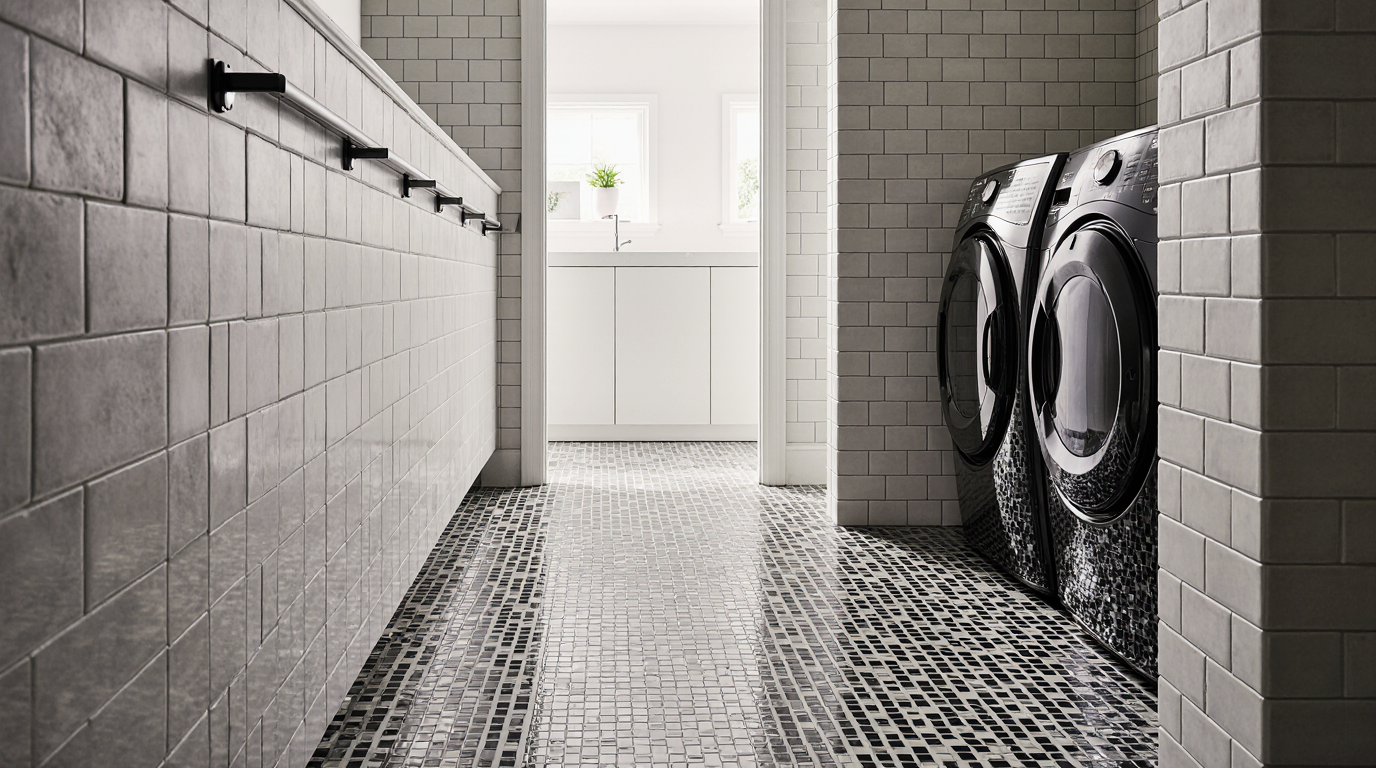
Don't shy away from incorporating a bit of pattern, but use it judiciously. {A bold patterned tile on a single, narrow wall or the floor in a high-contrast checkerboard can serve as a fantastic focal point|A striking design on one thin wall or a sharply contrasting checkered floor can establish a superb central feature|A powerful pattern on just one slender wall or as a sharp checkerboard on the floor makes for an excellent visual anchor). {In a small room, a single strong design element prevents the space from feeling sterile without making it feel chaotic, provided the surrounding elements are kept simple and cohesive|Within a modest area, one dominant design choice stops the room from appearing plain while avoiding a messy look, on the condition that adjacent features stay straightforward and unified|Having just one dominant visual feature stops a small room from feeling cold, without leading to disorder, assuming the rest of the décor maintains simplicity and unity).

Investigate finishes that provide a faint gloss. {Tiles with a satin or polished finish help bounce light around the compact area, which is critical for brightening darker corners|Satin or glossy tiles assist in scattering illumination throughout the small zone, which is vital for illuminating shadowed spots|A satin or reflective tile surface aids in dispersing light within the compact footprint, a necessity for lighting up shadowed sections). {This is particularly effective when paired with light-colored cabinetry or wall paint, further amplifying the available light and making the small footprint feel more cheerful and inviting|This works especially well when matched with pale cupboards or paint, which further boosts the existing light and renders the compact size more pleasant and welcoming|This effect is magnified when combined with light wall color or cabinets, increasing the light levels and making the limited area seem much happier and more appealing).

Tile for Laundry Room Ideas Pinellas FL

Choosing the right tile for a laundry room requires balancing durability with aesthetic appeal, given that the space encounters unique stresses such as high humidity, appliance vibrations, and chemical spills. For the floor, porcelain tile is the ideal material due to its high density and low porosity, with a rate under $0.5\%$, offering maximum protection against water and stains.

Think about the texture underfoot, especially since this is a working space where spills are common. A tile with a moderate Coefficient of Friction (COF) rating, suggesting a degree of slip resistance, is recommended for a safer environment, especially when floors might be damp. Textured or matte finishes often provide this necessary grip without sacrificing a clean, modern look, unlike highly polished surfaces.

For walls, consider materials that are easy to wipe down. Glazed ceramic tiles are excellent for this purpose, available in numerous colors and finishes, from brilliant shine to muted matte. If you opt for natural stone, ensure it is properly sealed, understanding that it will require periodic re-sealing to maintain its protective barrier against water and potential mineral deposits from hard water.

If you want to add visual flair, move past basic square tiles. Consider geometric shapes like diamonds, hexagons, or elongated planks that mimic wood grain for a warmer feel. Laying the floor tile in a diagonal pattern, irrespective of the tile shape, effectively adds depth in a rectangular space by diverting attention from its defined edges.

Laundry Room Tile Ideas Pinellas FL

The laundry room is now a thoughtfully designed space instead of a tucked-away area, with tiling being vital to this aesthetic upgrade. For flooring, choose materials that are highly durable and can withstand both frequent use and the load of heavy machines. Concrete-look tiles, are one example that delivers a robust industrial style combined with the high performance of porcelain or ceramic.

When considering wall treatments, think about where the most splashing occurs, typically around the utility sink. Creating a dedicated backsplash area, even if the rest of the walls are painted, allows you to use a more decorative or richly colored tile as an accent. It serves to draw the eye to the workspace while safeguarding the areas most at risk of water exposure.

Never overlook how much grout color affects the final look. While lighter grout highlights the shape and pattern of the tile, a darker or gray-toned grout is much more sensible in a utilitarian space such as this. It effectively conceals minor dirt, dust, or residue that inevitably settles between cleanings, keeping the floor looking cleaner for longer between deep scrubs.

If you desire a surprising note of sophistication, consider tiles with discreet metallic or iridescent mother-of-pearl details, particularly on the walls of a room that is primarily functional. These tiles catch ambient light beautifully, creating a subtle gleam that adds polish to the area. Ensure any metallic-infused tiles are rated appropriately for areas prone to heavy moisture if they are being used on the floor.

Laundry Room Floor Ideas Pinellas FL

Selecting the right flooring for your laundry room is crucial as it needs to withstand moisture, potential spills, and heavy appliance vibrations. In addition to just aesthetics, durability and ease of maintenance should top your priority list. Materials like porcelain tile, luxury vinyl plank (LVP), and sealed concrete provide great functionality in this utility space. Consider the overall design scheme of your home; ideally, the laundry room floor should complement adjacent areas, creating a cohesive flow even if the space is tucked away. A well-chosen floor can transform this chore-focused area into a more inviting and functional part of your home.

Water resistance is a non-negotiable factor in a room housing a washer and dryer. A leak, even if tiny, can cause significant damage to the wrong type of flooring over time. For this reason, materials that do not absorb water or that have a waterproof core are highly recommended. Think about the subfloor condition as well; some materials perform better over existing concrete slabs than others. Furthermore, the texture of the flooring should offer some slip resistance, above all if the floor might be damp from dripping clothes or minor overflows. Safety in a room with heavy moving objects is always a primary concern.

Focusing on aesthetics, think about how the floor contributes to the perceived size of the room. Larger format tiles can make a small laundry room feel more expansive by reducing the number of grout lines drawing attention to the boundaries. On the other hand, a busy pattern might feel overwhelming in a compact space but could add character to a larger utility room. Lighting also plays a significant role; a glossy finish will reflect light, brightening the space, but a matte finish offers a more subdued and perhaps less slippery surface. Balancing these visual elements is key to achieving a satisfactory result.

Durability extends to how well the floor handles scuffs and scratches from moving baskets or appliances. If you select softer materials, be prepared for more frequent touch-ups or repairs down the line. Harder surfaces like high-quality porcelain are more resilient but can be unforgiving if you drop a glass bottle of detergent. A thoughtful approach involves researching the wear rating of the material you select, ensuring it aligns with the anticipated level of traffic and use your laundry room will endure. This forward-thinking step prevents premature replacement and unnecessary expense.

Laundry Room Tile Floor Ideas Pinellas FL

Tile is still a top contender for laundry room floors due to its inherent water resistance and longevity. Porcelain and ceramic tiles are the most common choices, with porcelain generally offering superior durability and lower water absorption rates, making it an excellent long-term investment. When selecting porcelain, look for a high PEI rating, which indicates its resistance to wear from foot traffic and moving appliances. This specification helps ensure your beautiful floor will maintain its look for many years, even under the strain of laundry day.

The grout lines are an often-overlooked aspect of tiled laundry room floors. Traditional cementitious grout can stain easily from spills like bleach or detergent, diminishing the floor's overall appearance. Consider utilizing epoxy grout, which is far more resistant to staining and moisture penetration, making cleanup significantly easier. Alternatively, choosing a tile color that closely matches the grout color can help camouflage minor discoloration that might occur over time. This small detail can greatly impact the perceived cleanliness of the room.

In terms of tile style, you have an enormous range of options. Subway tiles offer a classic, clean look that never goes out of fashion, typically laid in a traditional running bond pattern or a more contemporary stacked layout. For a bolder statement, explore patterned encaustic-look tiles. These can introduce color and intricate design, turning a purely utilitarian space into a design focal point. Just ensure the pattern does not feel too busy if your laundry room is small, as overwhelming patterns can shrink the perceived dimensions of the area.

If underfoot comfort is a concern, especially if you spend significant time folding clothes, consider installing an electric radiant floor heating system beneath your tile. Tile can feel cold on bare feet, particularly in basements or colder climates. Heating elements provide a luxurious warmth that makes the room much more pleasant to work in, without consuming much energy when used periodically. This upgrade transforms the functional aspect of the room into a comforting one.

Backsplash in Laundry Room Pinellas FL

Introducing a backsplash in the laundry room could look like a purely decorative choice, but it serves several practical purposes that benefit the space. Primarily, it guards the area behind the sink and washer from water splashes, soap residue, and the routine usage associated with utility tasks. A properly installed backsplash prevents moisture from seeping into the drywall, which has the potential to cause fungal growth or structural issues over time. It forms a tough, manageable surface where it is needed most.

The aesthetic contribution of a backsplash is significant, as it is one of the greatest ways to infuse style into an otherwise purely functional area. You can use the same tile as the flooring for a monolithic, streamlined look, or you can choose a different substance to create a clear visual break and focal point. Materials popular in kitchens, such as glass, ceramic, or even natural stone, can elevate the laundry room design considerably, making the chore space feel more considered and integrated with the rest of the home's style.

When choosing materials, prioritize non-porous options. Materials like glazed ceramic, porcelain, or glass tiles are ideal because they won't soak up water or become easily soiled from common laundry products. If you are drawn to natural stone, such as marble, make certain it receives complete sealing and conditioning for a high-moisture environment. Periodic servicing and sealing will be necessary to maintain its integrity against potential chemical spills and humidity fluctuations common in laundry settings.

Examine the extent of the installation. If you only have a sink, a short backsplash, perhaps 4 to 6 inches high, might suffice. However, if you are installing a full-height backsplash behind a utility sink or even extending it up to the bottom of wall-mounted shelving or cabinets, it becomes a major design element. A full-height treatment can make the room feel more finished and custom-designed. Accurately assess the space to ensure you purchase enough material, accounting for cuts and potential breakage during installation.

Decorative Tile for Laundry Room Pinellas FL

Decorative tile takes the utility space past basic function and into the realm of personalized design. These tiles are chosen specifically for their visual appeal, often featuring intricate patterns, rich colors, or unique textures that capture attention. They can be used effectively on the floor, as a statement wall, or as a sophisticated backsplash, depending on your design ambition and budget for the project. The key is to balance visual interest with the practical demands.

For a floor application, patterned cement or porcelain tiles offer remarkable dimension and individuality. These designs can mimic historical styles or introduce a modern geometric flair. If you are covering the entire floor, select a pattern that is bold but whose colors harmonize with your cabinetry and wall paint. For a more subtle approach, use a decorative tile only on a small feature area, such as a border around the perimeter or in a specific zone where you stand most often. This tactic limits the strong visual impact yet incorporates personalization.

When using decorative tile on walls, consider the scale of the pattern relative to the size of the room. In a smaller laundry space, a heavily detailed or tiny motif could appear crowded, while a large-scale pattern can sometimes be more dramatic and help the room feel bigger by leading vision across a larger span. Glass mosaic tiles are another excellent choice, as their reflectivity helps bounce light around, which is particularly beneficial in windowless or dimly lit laundry areas.

No matter where you place the decorative tile, remember the grouting material. The grout color should coordinate with the tile design—either blending seamlessly for an unbroken look or contrasting sharply to highlight the shape and geometry of the individual tiles. If your chosen tile is highly intricate, a neutral, closely matching grout color is generally recommended to prevent the grout lines from overpowering the decorative element itself.

Laundry Room Flooring Ideas Pinellas FL

Ceramic or porcelain tile is typically the best option for laundry rooms due to how incredibly well it resists moisture and heavy traffic. The cost of a premium tile, especially porcelain, often offers returns in terms of longevity and less effort to maintain than other choices. When shopping, make sure to choose tiles that have a low Water Absorption Rate (below $0.5\%$ for porcelain) to ensure they prevent water from seeping through, which is essential for an area that sees leaks or high moisture.

Beyond the material itself, the size and shape of the tile greatly affect both the visual appeal and the cleaning process. Large format tiles (e.g., $12'' \times 24''$ or larger) minimize the number of grout lines, which naturally reduces areas where dirt and mold can accumulate, making cleaning simpler. However, smaller tiles such as mosaics or penny rounds mean more grout lines but offer superior slip resistance, which can be a major benefit if the floor tends to be moist. Balance your preference for aesthetics against the need for safety underfoot.

Consider the tile's finish and texture; a high-sheen, smooth tile may appear gorgeous in a store but can become dangerously slippery when wet, making it not ideal for a wet zone such as the laundry room. Opt instead for finishes described as matte, honed, or textured. These finishes provide better grip, ensuring stability when carrying laundry or exiting a shower if the area doubles as a mudroom or wash station.

Utility Sink Backsplash Ideas Pinellas FL

A utility sink area, often the unsung hero of a home, deserves thoughtful design, and the backsplash is a key element to achieve both functionality and style. Considering the rough-and-tumble nature of this space, the material choice must prioritize durability and easy maintenance. Traditional options like ceramic or porcelain tiles are still a good choice as they resist water and are easy to clean up after spills or splashes inherent to tasks like cleaning paint brushes or filling mop buckets. Don't limit yourself to kitchen standards; look for colors and finishes that match the adjacent space, even if it’s a garage or a dedicated mudroom.

For homeowners seeking a more robust and industrial look, using a single-sheet material is very useful. Stainless steel offers a distinctly professional look, offering seamless protection that keeps moisture from getting into the grout. This material is incredibly resilient to impact and heat, making cleanup exceptionally fast. You could also install a sheet of solid surface material or a strong, waterproof laminate, offering a clean, modern line that minimizes crevices where dirt and mold might otherwise accumulate.

If your utility space is next to a mudroom or is open to main living spaces, you might want to elevate the design. Consider using subway tiles in a unique color, such as a deep navy or a muted sage green, to add a sophisticated touch without sacrificing practicality. Pattern variations, like a herringbone or a stacked bond layout, can create an attractive focal point. A slightly larger format tile can also cut down on the necessary grout, thereby easing future cleaning efforts while still providing a pleasing visual rhythm.

Another creative route is to look towards natural stone alternatives that have been treated for moisture resistance. While some natural stones require diligent sealing, many engineered quartz or porcelain slabs that mimic stone offer the look with superior performance in high-moisture zones. These options impart an impression of durability and refinement that transforms the utility sink from a purely functional corner into a well-designed extension of your home's overall aesthetic. The key is ensuring any chosen material can handle frequent exposure to water, detergents, and potentially harsh cleaning agents.

Black and White Tile Laundry Room Pinellas FL This traditional black and white tile pairing in a laundry room provides an instant feeling of timeless elegance and fresh neatness. This monochromatic palette is highly flexible, effortlessly matching with any cabinet color, metal finish, or wall paint you might select for the space. No matter if you prefer a traditional farmhouse vibe or a sleek modern utility area, black and white provides a strong, grounding foundation that is perpetually fashionable.

In terms of arrangement, the style of the tile itself dictates the overall mood. For a vintage or classic appeal, opt for checkerboard patterns using typical 6x6 or 8x8 squares. This bold, high-contrast look is energetic and draws the eye downward, which can be beneficial in smaller, utilitarian spaces. On the other hand, a pattern using smaller hexagonal or penny round tiles can soften the hard lines of the monochrome scheme, introducing a touch of whimsy while maintaining the sharp color definition.

For a more contemporary or minimalist approach, focus on geometric shapes and linear arrangements. Black and white patterned cement tiles are extremely fashionable, offering intricate designs that make the floor or backsplash a prominent feature. If using these bold patterns on the floor, it is often best to keep the walls and fixtures simpler to avoid visual overload. However, a simple white field tile with a black border or vertical black accent strips can add definition without overwhelming the room.

Backsplash for Laundry Room Pinellas FL

The purpose of a backsplash in the laundry room extends beyond mere decoration; it serves as a vital protective layer for your wall structure against staining and water damage. When selecting materials, the prime directive should be water resistance. The requirement for water resistance often leads to the selection of bath and kitchen materials, but with a focus on hard-wearing utility.

A highly adaptable and maintenance-friendly option is glazed ceramic subway tile. It comes in a vast array of colors and surface treatments, it’s relatively cost-effective and its glossy surface makes wiping away errant soap suds or water spots an effortless task. A vertical arrangement can visually lift a laundry area that lacks height, offering a subtle optical illusion that makes the room look better proportioned.

For a contemporary or bespoke look, consider using professionally painted beadboard (using high-quality, water-resistant paint) or dedicated waterproof wall panels. Even though these are not true tiles, these options provide a full, seamless barrier. If you do opt for a tile solution, consider tiles that are rectified, which have perfectly straight edges, allowing for very narrow grout lines. With less grout, there's a smaller opportunity for mold to establish itself, directly contributing to a more sanitary and tidier space.

The ideal backsplash choice simply depends on the specific demands and usage level of your laundry room. If it’s a high-volume area used for pre-soaking heavily soiled items, maximum durability is crucial. If it’s a secondary space, you have more latitude to experiment with decorative finishes like porcelain tiles featuring patterns or tiles with texture that add a pleasant design element to this frequently neglected area.

Best Tile for Laundry Room Pinellas FL

Choosing the optimal tile for a laundry room requires balancing resistance to moisture, slip safety, maintenance demands, and aesthetic appeal. Because laundry rooms frequently involve splashes from washers, steam, and pooled water near the sink, tile choice should strongly favor low porosity materials.

Porcelain tile stands out as arguably the top contender. It is made using higher heat than typical ceramic, resulting in a denser, less permeable body. This density means it is minimally water-absorbent, making it inherently resistant to stains, wear, and breaks caused by humidity shifts. Porcelain is found in looks that mimic stone, concrete, and wood, allowing for high design flexibility without the maintenance drawbacks of those natural materials.

When considering the floor, slip resistance is paramount. Look for tiles with a higher Coefficient of Friction (COF) rating, especially if your floor will be moist regularly. A tile with a matte or slightly textured finish is far superior to a highly polished one in this environment. Textured porcelain or ceramic tiles specifically rated for floors will provide the necessary grip, ensuring safety while you carry heavy, damp items to and from the machines.

For backsplashes, as mentioned previously, ceramic or glass tiles are excellent. They protect the wall surface effectively. If opting for ceramic, ensure the glaze is intact and high-quality. A good rule of thumb for any tile in a utility area is to use an epoxy grout rather than traditional cementitious grout. Epoxy grout is non-porous and highly resistant to mildew, stains, and mold, drastically simplifying the future maintenance of the tiled areas, whether on the floor or behind the sink.

Choosing the perfect tile for your laundry room is a critical design decision, balancing the crucial need for superior durability and robus…
Transforming Your Functional Space: Exceptional Laundry Room Tile Options

The laundry room, once often relegated to a dim, neglected corner, has remarkably ascended to a crucial element of modern home design, presently demanding the identical level of aesthetic consideration as any principal living area or key space within the dwelling. At the heart of this design transformation lies the flooring and wall treatment, with tile serving as the undisputed material of choice for perfectly marrying high functionality with outstanding design. Selecting the right tile is thus not merely a matter of simply covering the floor; it's essentially about establishing a resilient foundation that effectively resists moisture, capably handles the dynamic load of heavy appliances, and comprehensively enhances the overall visual architecture of the entire space. The durability quotient of tile—especially porcelain and ceramic—makes it a superior, long-term investment against the pervasive threat of high humidity, inevitable detergent spills, and constant, heavy foot traffic, all of which are rigorous requirements that often conclusively disqualify less durable materials like engineered hardwood or traditional laminate solutions.

For the floor plane, the focus must be resolutely on imperviousness and reliable traction. Porcelain tile consistently stands out as a market leader due to its extremely low water absorption rate, a defining characteristic that renders it virtually waterproof even under the stress of a minor appliance leak or overflow event. This material superiority allows interior designers to creatively explore sophisticated aesthetics without compromising fundamental practicality. Explore large-format porcelain tiles in soft, muted tones like a light grey, an airy off-white, or a warm beige; their minimal grout lines masterfully create a seamless, expansive canvas that visually tricks the eye into perceiving a much larger functional area, which is a significant advantage in often-compact utility zones. For those seeking a touch of organic texture and natural variation, high-quality stone-look porcelain that convincingly mimics the grain of natural wood or the elegant veining of marble offers a touch of visual luxury intrinsically paired with engineering resilience and low-maintenance upkeep.

Moving beyond simple neutrals, geometric patterns introduce a welcome level of design dynamism and visual interest. The hexagon tile, for example, offers a contemporary update to more traditional, square forms. Whether rendered in durable matte porcelain or more porous encaustic cement tile (which certainly requires diligent sealing and regular maintenance), alternating shades within the pattern—perhaps a sophisticated interplay between a deep charcoal and a light cream or ivory—creates an engaging, subtle movement underfoot that elevates the room. Another time-honored approach that consistently maintains its design relevance is the classic checkerboard pattern, most often executed in high-contrast black and white. This bold choice, while historically classic, demands clean lines and simple forms in the surrounding cabinetry and built-ins to successfully maintain a modern edge rather than appearing overtly retro or dated. Conversely, intricate mosaic tile applications, such as small penny rounds or tiny small-format squares, can introduce compelling texture when used on the floor, though their increased grout lines necessitate a high-quality epoxy grout to effectively manage long-term staining and prevent moisture penetration into the substrate.

The walls, while often overlooked in planning, present the greatest opportunity for creative expression and backsplash utility. The subway tile, a staple of enduring design, remains profoundly relevant here for its simplicity and versatility. Its inherent flexibility allows for subtle material shifts—opting for a high-gloss ceramic in a crisp, brilliant white or a matte porcelain in an unexpected shade like deep navy, forest green, or sage green immediately and significantly alters the room’s entire character. To inject verticality and make ceilings visually appear higher, stacking subway tiles vertically rather than employing the traditional offset horizontal layout is a common technique employed by advanced interior designers. Similarly, laying rectangular tiles in a herringbone or chevron orientation on a feature wall—perhaps behind a built-in folding counter or a dedicated utility sink area—introduces visual velocity and a tangible sense of bespoke craftsmanship. A backsplash is also the perfect, contained zone to integrate a decorative ceramic tile featuring muted floral motifs, subtle geometric prints, or artistic, hand-painted patterns; the limited surface area of the backsplash prevents these bolder choices from becoming overwhelming, allowing them to effectively act as artistic focal points that personalize the space.

For achieving a truly tactile experience, the incorporation of textured tile is paramount and highly recommended. This can mean utilizing tiles with a 3D surface relief that dramatically plays with light and shadow, adding substantial depth to an otherwise monochromatic palette. Alternatively, utilizing natural stone tile, such as cleft slate or subtly veined travertine, on a wall treatment—provided it is properly sealed and meticulously maintained—imparts an undeniable sense of architectural gravitas and permanence, gracefully softening the purely utilitarian aspect of the room with earthy, inherent tones and natural, stunning variation. Additionally, consider the interplay of finishes: pairing a high-gloss wall tile that brilliantly reflects light with a honed or matte floor tile that absorbs light creates a sophisticated and crucial balance, ensuring the room feels bright yet visually grounded. The ultimate goal is to create a high-performance envelope where every visible surface contributes to an environment that is both a joy to work in and a seamless extension of the home's overall material narrative. The careful selection and expert installation of these materials ensure that the laundry room transcends its core function to become a space of deliberate and lasting beauty, adhering to the highest standards of residential material science and interior aesthetics.

Written by

Fabiana Williams
Fabiana Williams

Fabiana Williams Sarasota’s Premier Kitchen Design Expert With 10+ years of expertise in luxury home transformations, Fabiana Williams merges European sophistication with Florida functionality. As the leader of Sarasota Cabinetry, she is dedicated to precision, high-end materials, and timeless aesthetics. Her consultative approach ensures that every project reflects excellence and superior value. By: Fabiana Williams – Expert Kitchen Design Consultant in Sarasota

Tags

laundry tiles ideas laundry floor tiles ideas fun tile for laundry room laundry room tile backsplash laundry room backsplash ideas

Laundry Room Tile Ideas in Pinellas FL

What if I choose the wrong tile for my laundry room and it becomes outdated or difficult to clean?
A poorly chosen tile can indeed lead to maintenance headaches and an outdated look. In my experience with numerous laundry room renovations, I've seen homeowners opt for tile with a glossy finish, only to regret it when soap scum and water spots become a daily challenge. Porcelain tiles, which are more resistant to moisture and stains, are often a better choice for laundry rooms. By investing in the right tile, you can save time and money in the long run.
How do I know which tile provider is reliable and will deliver the results I want for my laundry room?
When selecting a tile provider, it's essential to consider their project completion rate, which should be at least 90% within the agreed-upon timeframe. In my experience, working with a provider that consistently meets deadlines and delivers high-quality results has saved my clients time and stress. Look for a provider with a proven track record of successful projects and a strong reputation in the industry.
What can I expect during the tile installation process for my laundry room?
The tile installation process typically begins with a consultation to discuss your design preferences and tile selection. Next, we'll measure the space and create a detailed plan, including a timeline for completion. In my experience, a typical installation takes around 3-5 days, depending on the size of the space and the complexity of the design. Our team will work efficiently to minimize disruption to your daily routine.
How much can I expect to pay for tile installation in my laundry room, and what factors affect the cost?
The cost of tile installation in your laundry room will depend on several factors, including the type and quality of tile, the size of the space, and the complexity of the design. On average, you can expect to pay between $3 and $15 per square foot for tile installation, with a total cost ranging from $1,000 to $5,000 or more. In my experience, investing in high-quality tile and a reputable installation team is essential for a long-lasting and stress-free result.
What guarantees or warranties do you offer for your tile installation services?
At our company, we stand behind the quality of our work and offer a 5-year warranty on all tile installations. In my experience, this warranty has given our clients peace of mind and protected them from costly repairs. We also offer a satisfaction guarantee, ensuring that you'll be completely happy with the final result.
What is the best tile for laundry rooms, and how do I choose the right one?
The best tile for laundry rooms is often a porcelain tile, which is more resistant to moisture and stains than other types of tile. When choosing the right tile, consider factors such as durability, maintenance, and style. In my experience, a porcelain tile with a matte finish is a popular choice for laundry rooms, as it is easy to clean and resistant to water spots.

Need pool services?

Contatct us for a free quote

Reviews · Laundry Room Tile Ideas in Pinellas FL

See what other customers say and share your experience.

Leave a comment

It takes less than a minute. Your feedback helps others.

Rating

You selected 5 stars

Latest Comments

Jason Nelson

Na prática, um bom padrão de piso de cerâmica em um quarto de lavanderia pode durar anos sem precisar de reparos, economizando tempo e dinheiro no longo prazo.

Juliana Rocha

I totally get it, choosing the right tile for the laundry room can be tough. I've used porcelain tile before and it's done great, withstood years of constant water exposure without a single chip! 💦