Kitchen Organization Layout Lake County FL
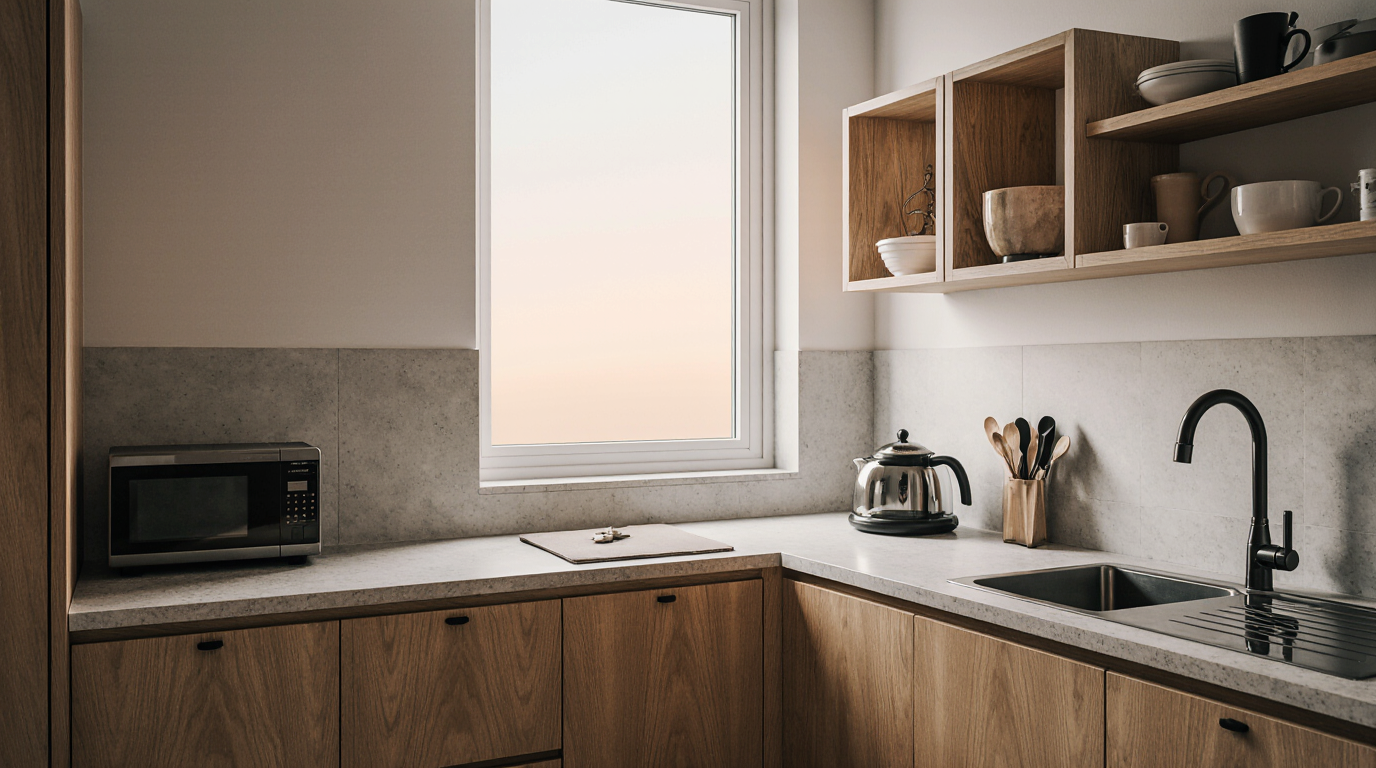
Culinary Space Optimization: Redefine Your Kitchen Layout for Maximum Efficiency and Elegance
Crafting a kitchen layout is not merely about appearances; it involves constructing an environment where practicality, sophistication, and workflow seamlessly intersect. Each component in a meticulously designed kitchen, from cabinetry arrangement to countertop placement, serves a strategic role in enhancing both culinary processes and daily living. Top-tier kitchen organization merges aesthetics with functionality, creating a workspace that simplifies tasks while showcasing personal taste.
Understanding and applying the work triangle—linking cooking, cleaning, and refrigeration zones—is central to high-functioning kitchen design. Kitchen experts emphasize the work triangle because it streamlines daily tasks and fosters a smoother cooking process. Properly aligned cooking, cleaning, and storage areas convert the kitchen into an intuitive, efficient hub, simplifying meal preparation and cleanup.
Storage solutions are the backbone of a well-organized kitchen. Personalized storage units, flexible shelving, and hidden drawers ensure that every utensil and appliance has a designated, accessible spot. Innovative cabinetry solutions make use of hard-to-reach spaces, turning neglected corners into functional storage zones. Utilizing pull-out racks, cutlery dividers, and concealed bins elevates both aesthetic and functional aspects of the kitchen. A clutter-free kitchen not only feels more spacious but also encourages creativity and enjoyment during cooking.
Lighting is another essential element in a superior kitchen organization layout. A combination of general, task, and accent lighting guarantees a visually pleasing, fully functional kitchen space. LED strips under cabinets, pendant fixtures above work areas, and spotlights enhance visibility, safety, and design details. Proper lighting can even affect your perception of space, making the kitchen appear larger and more welcoming, a crucial factor in both residential and professional settings.
Modern kitchen layouts integrate advanced technology to enhance convenience and efficiency. Connected devices such as automated ovens, sensor faucets, and embedded charging hubs provide efficiency while maintaining elegance. Integrating technologically advanced devices allows for controlled, precise, and efficient cooking routines. Tech-enabled kitchens harmonize convenience and design, supporting fast-paced modern lifestyles.
Ergonomics play a pivotal role in a well-conceived kitchen design plan. Ergonomic arrangements of counters, shelves, and appliances support natural movement and minimize fatigue. Flexible shelving and intelligently located seating areas improve accessibility and reduce physical strain during cooking and dining. A thoughtfully designed ergonomic kitchen not only reduces strain but also promotes a more efficient workflow, making it easier to spend extended periods in the space without fatigue.
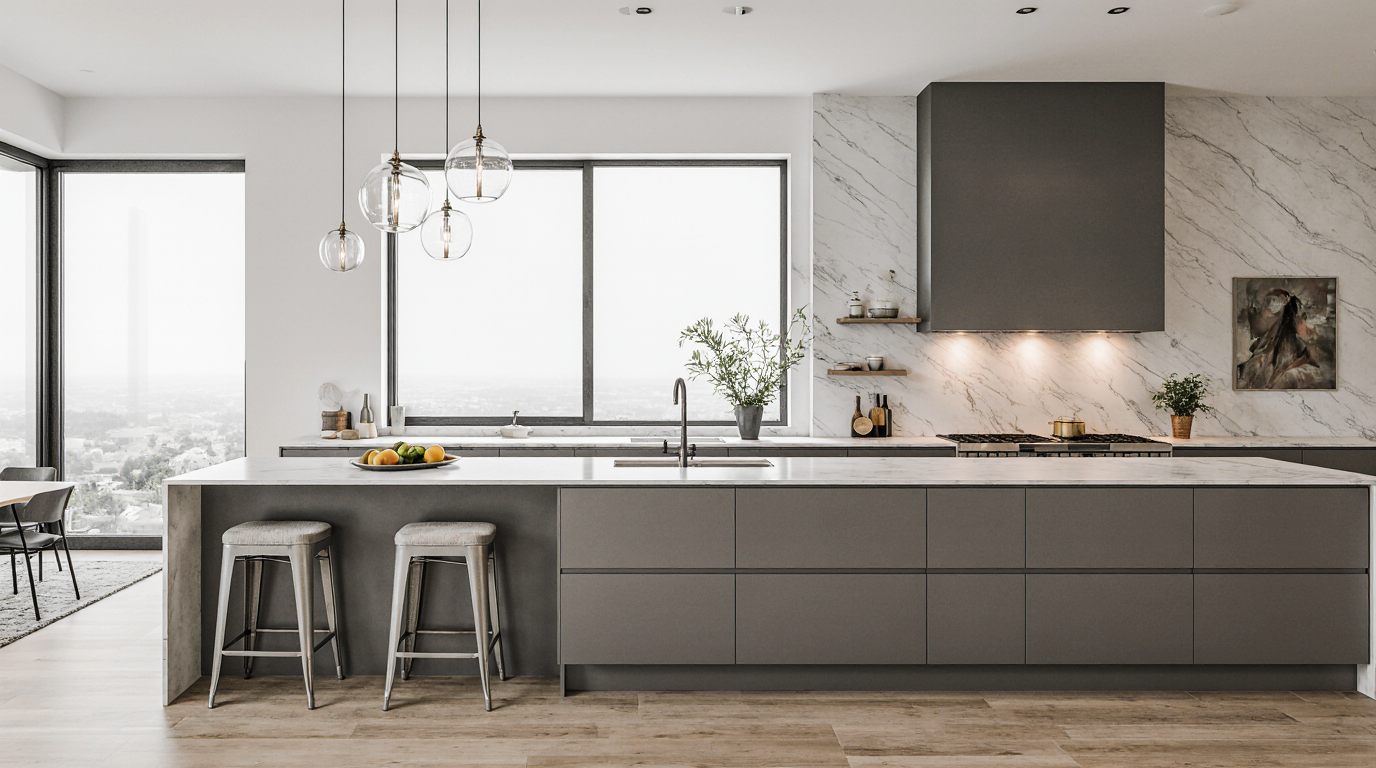
Material choice and surface finishes dictate longevity, functionality, and visual impact in kitchen design. High-end surfaces like granite counters, oak cabinetry, and resilient flooring provide lasting beauty and functionality. Contrasting textures and tones establish clear functional zones while adding aesthetic richness. Expert designers emphasize materials that marry beauty with usability, promoting cleanable, resilient, and harmonious surfaces.
Open storage and curated displays elevate both practicality and kitchen aesthetics. Shelves and display zones combine convenience with personalization, showcasing favorite items while keeping essentials accessible. Integrating hidden compartments for infrequently used items maintains order while enhancing visual balance. Visual clarity and organization enhance the feeling of spaciousness, even in compact kitchens, creating an environment where both cooking and social interaction are enjoyable.
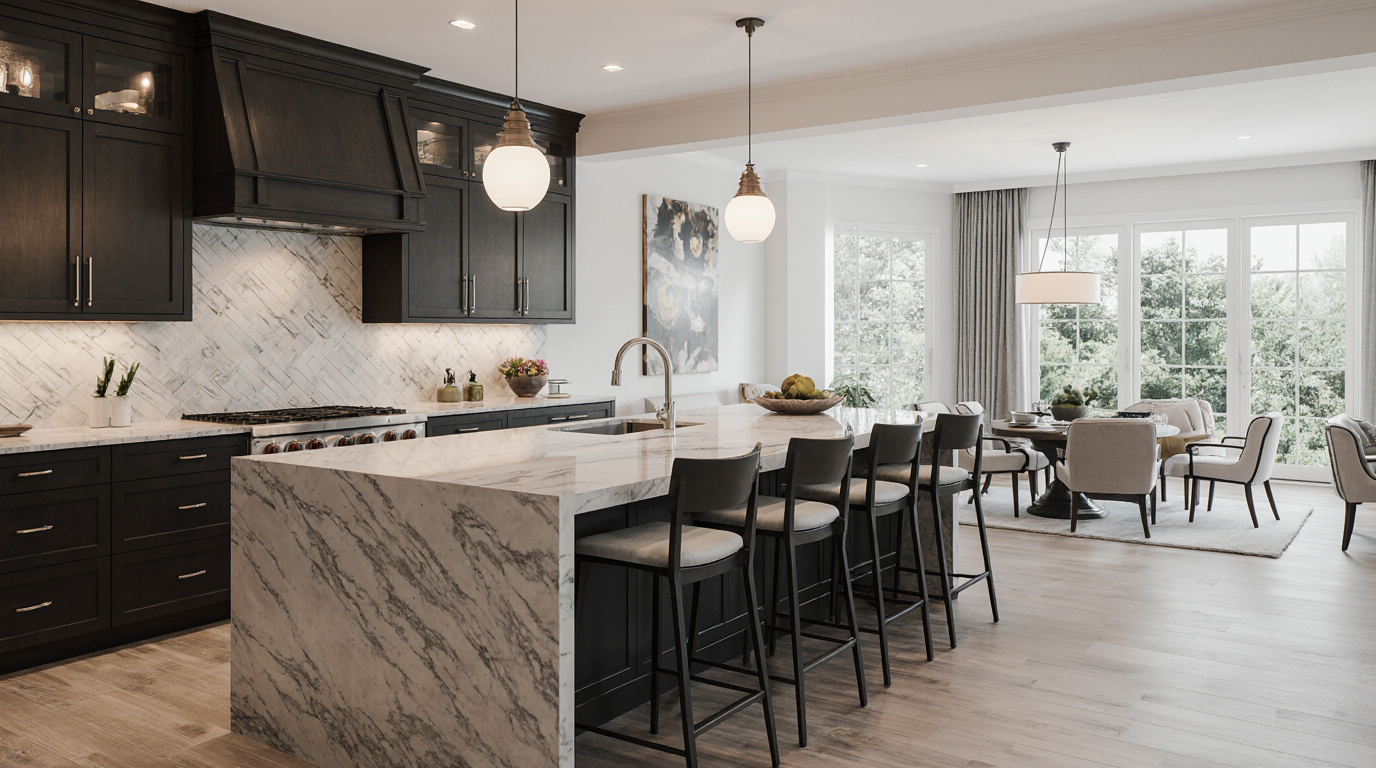
Kitchen organization now considers comprehensive functional flow for maximum efficiency. Current kitchen layouts define specific areas for prep, cooking, cleaning, and storage to enhance efficiency. Well-structured zones minimize interruptions and allow collaborative cooking or meal prep. Islands, breakfast bars, and mobile carts provide flexible workspaces that can adapt to changing needs, making the kitchen a versatile hub for both culinary creativity and family gatherings.
Sustainability and efficiency are increasingly vital considerations in modern kitchen design. Sustainable appliances, recyclable materials, and low-flow fixtures improve operational efficiency while minimizing environmental footprint. Recycling and compost systems built into cabinetry maintain cleanliness while supporting eco-conscious habits. Thoughtful eco-friendly layouts ensure functional, responsible, and visually pleasing kitchens.
Tailored kitchens allow individual expression while optimizing usability. From color palettes and cabinet hardware to countertop materials and lighting accents, every choice contributes to a cohesive and inviting space. Designing around personal preferences ensures that the kitchen is not only practical but also emotionally satisfying. Top designers highlight how individuality combined with functional design produces kitchens that are both beautiful and practical.
Ultimately, a thoughtfully planned kitchen fuses workflow optimization, aesthetics, technology, and individual expression. It elevates everyday routines, inspires culinary creativity, and creates an environment where both functionality and beauty thrive. Integrating optimized flow, advanced storage, layered lighting, ergonomic planning, and modern appliances results in a kitchen that balances elegance and usability.