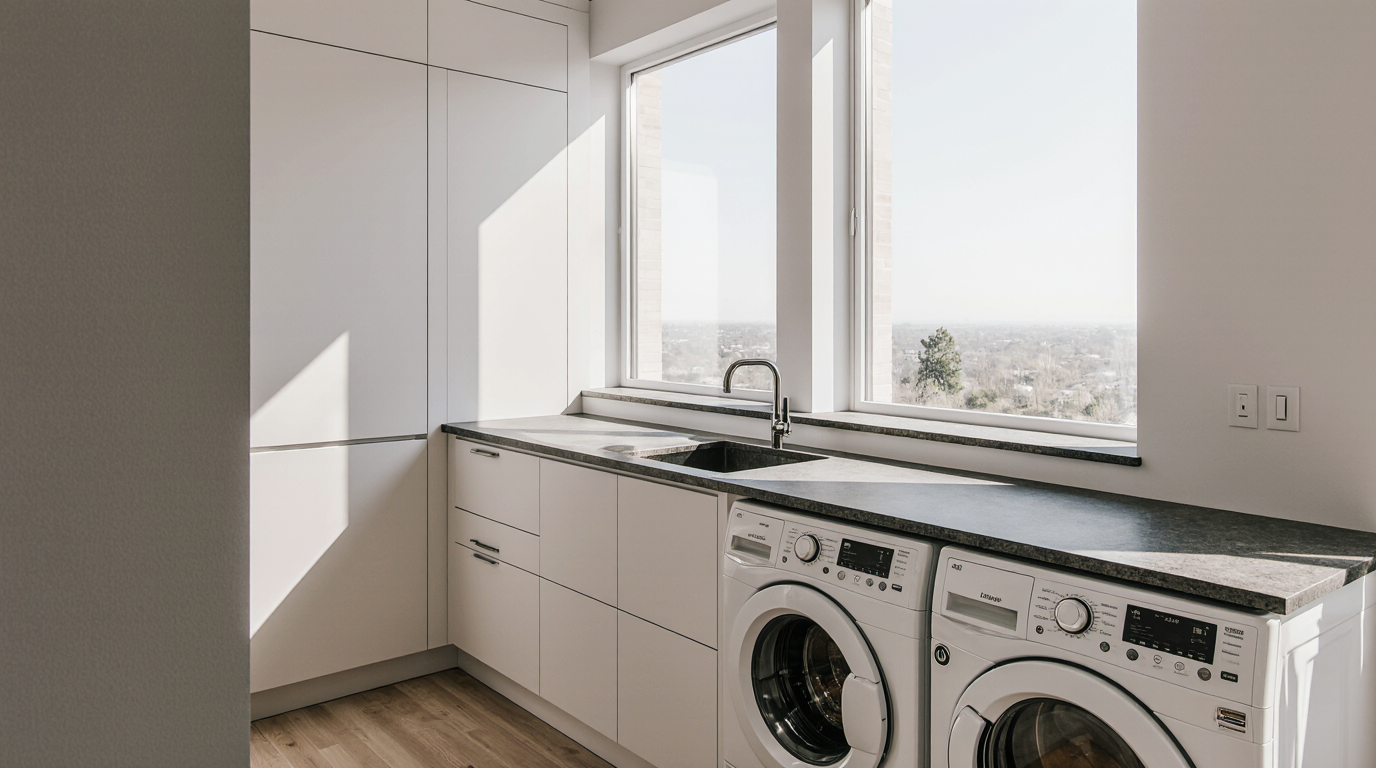
Structural Analysis for Integrated Kitchen and Laundry Spaces
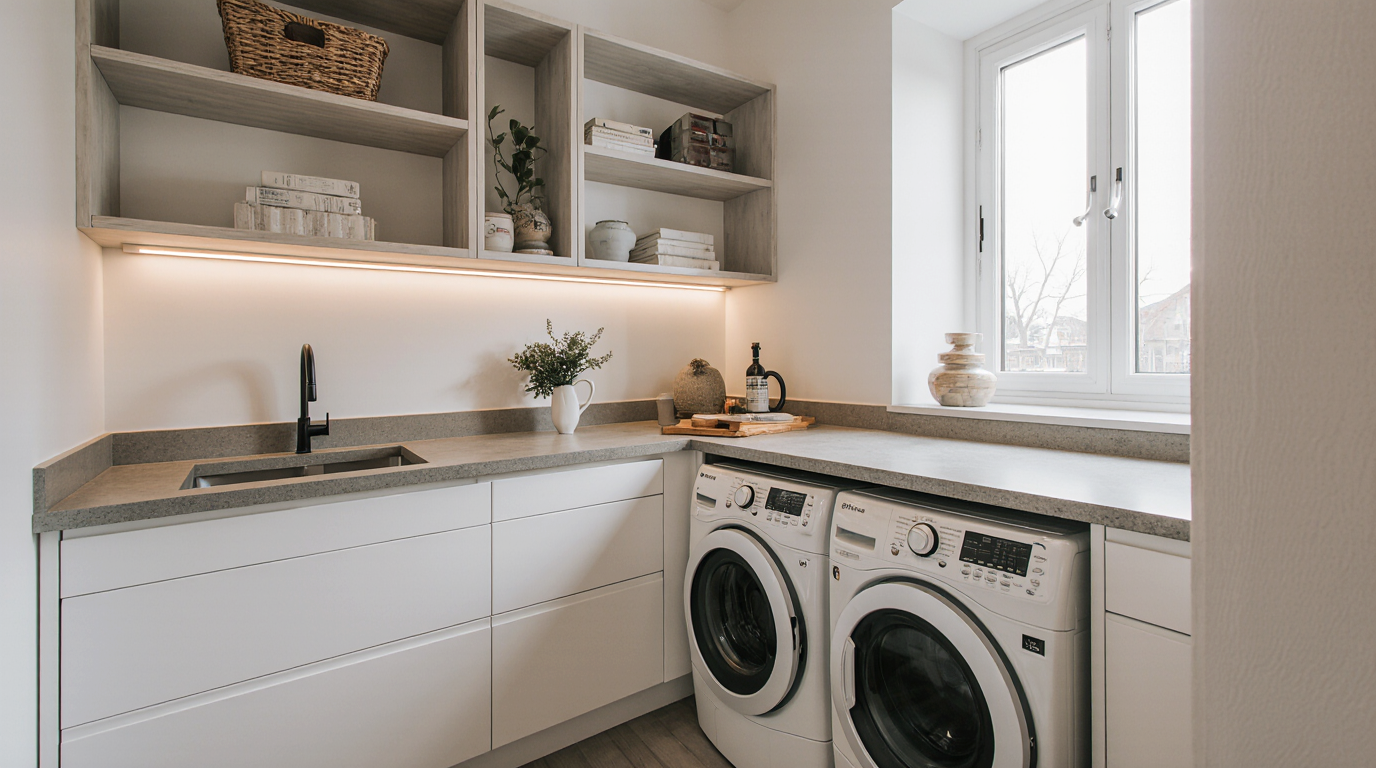
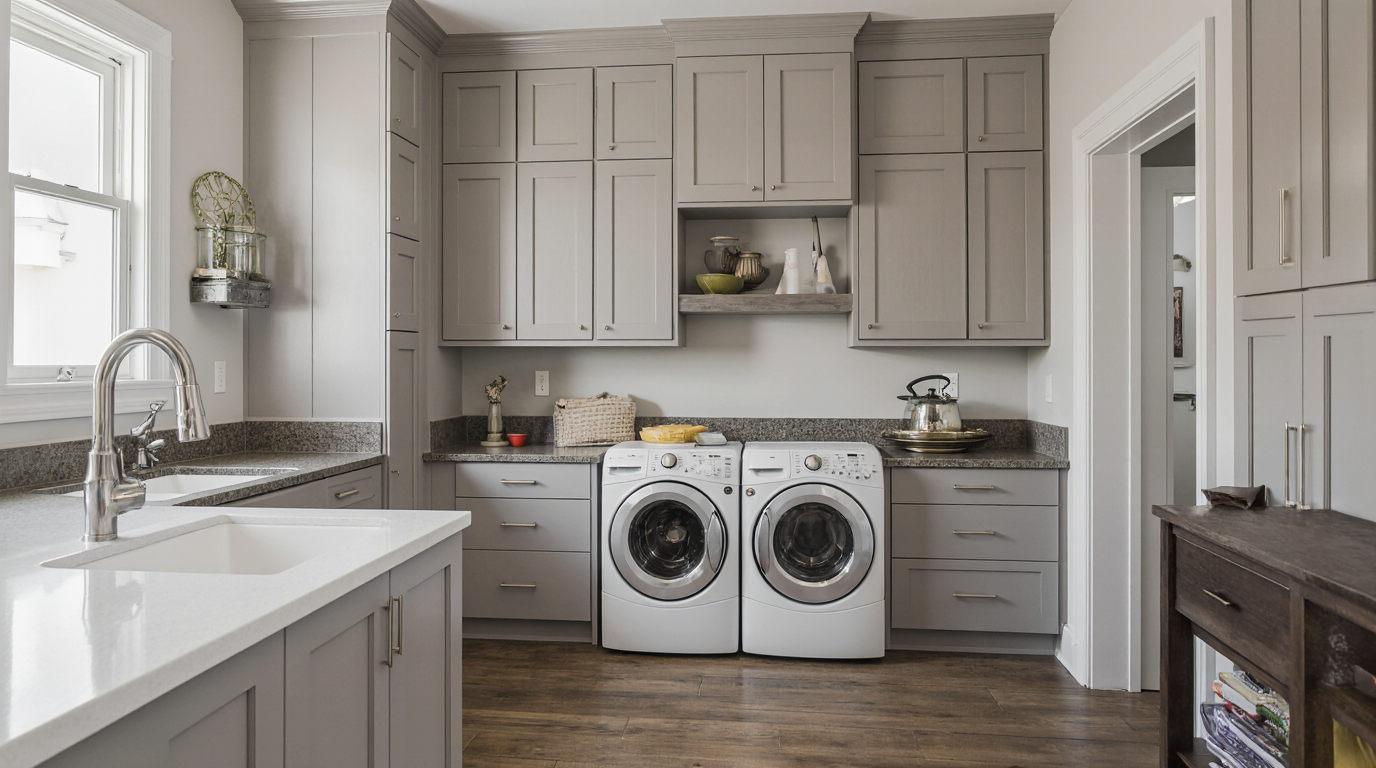
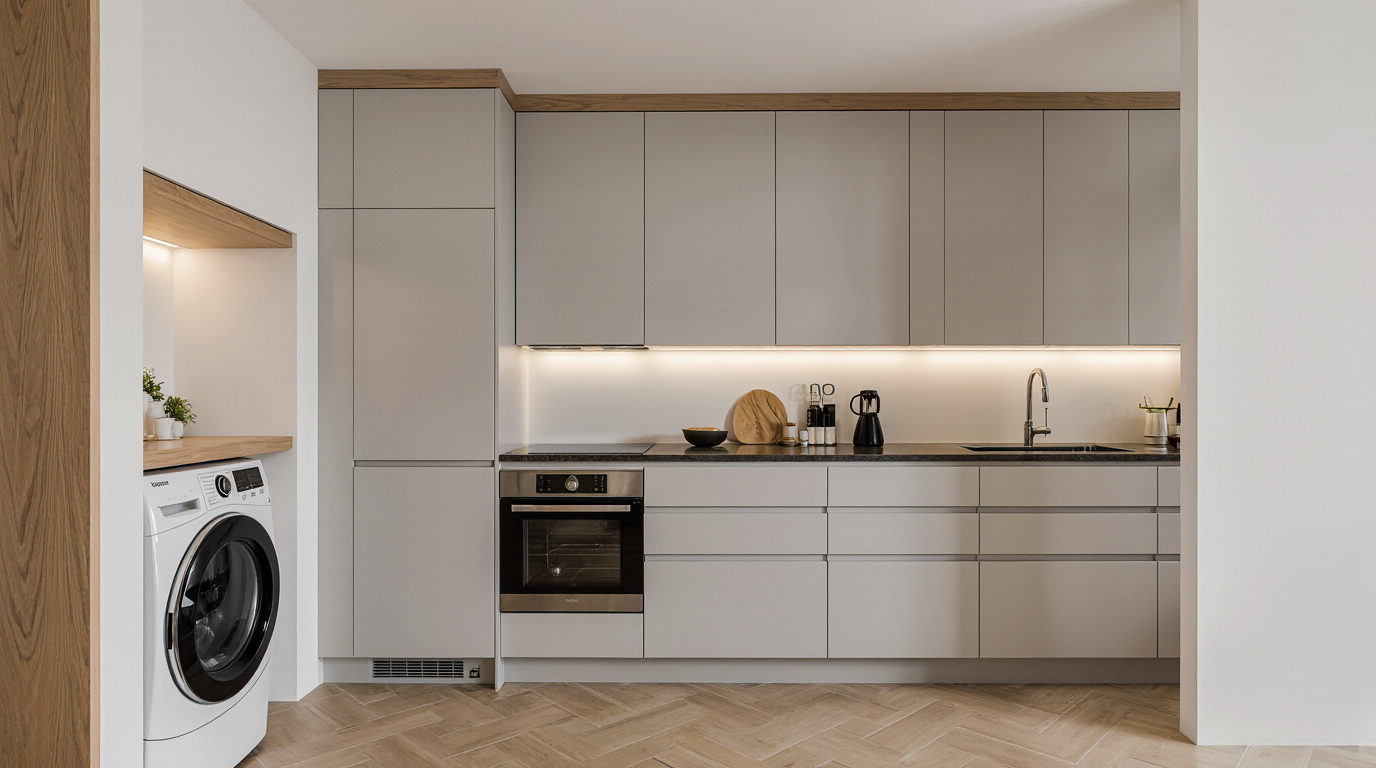
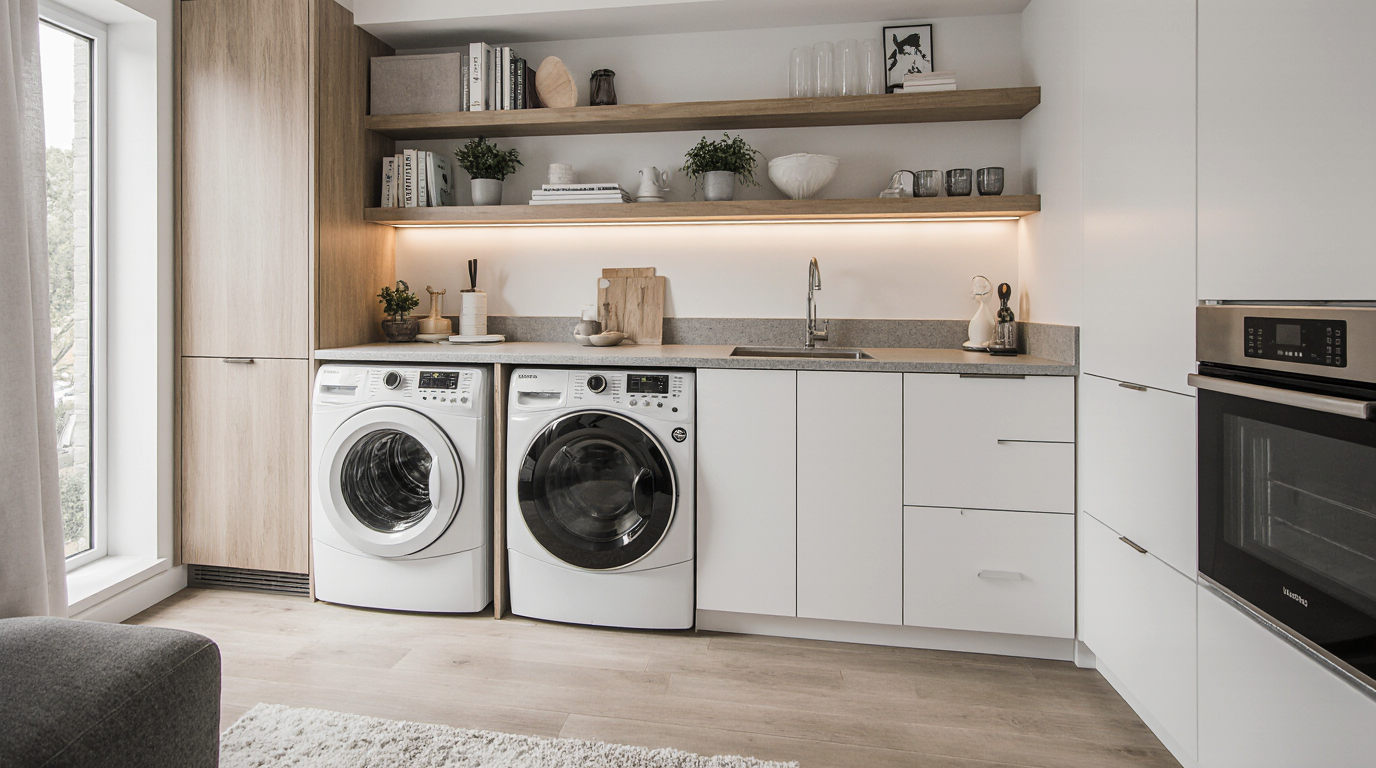
Before any design is drafted, my first step is a thorough environmental assessment of the space. I analyze airflow, humidity sources beyond the obvious appliances, and the impact of direct sunlight through windows, which is a significant factor in Sarasota homes. For instance, a laundry closet integrated into a kitchen in a Lakewood Ranch home faces different challenges—primarily internal humidity—than one in a Lido Key condo, which must also contend with airborne salinity. My methodology involves mapping these 'micro-climates' within the room to determine the precise specifications needed for the cabinetry's construction and finish.
This analysis dictates the engineering of the cabinet boxes themselves. I look at venting requirements for the dryer and how that heat output will affect adjacent cabinet surfaces. A common oversight I correct is insufficient insulation or vapor barriers between the appliance alcove and the pantry storage, leading to heat and moisture damage. The goal is to create a seamless aesthetic where the cabinetry's internal structure is purpose-built to manage the unique environmental stresses of its exact location, ensuring a functional lifespan that matches its visual appeal.
The Non-Negotiable Material and Hardware Protocol
Let's move beyond generic advice. When I refer to marine-grade plywood, I'm specifically talking about panels with waterproof phenolic resin glues that prevent delamination, a common failure point I see in cabinets exposed to steam from a washer or dishwasher. This material provides a vastly superior substrate for veneers and finishes, eliminating the risk of bubbling or peeling. For the finish itself, I rely on post-catalyzed conversion varnishes, which create a much harder, more chemically resistant shell than standard lacquers, offering an increase of over 50% in moisture resistance.
The hardware selection is just as critical. The standard for high-end cabinetry here must be 316 stainless steel soft-close hinges and drawer slides. The inclusion of molybdenum in this alloy provides extreme resistance to pitting and corrosion from chlorides found in sea air. Using anything less, like 304 stainless, is a technical compromise that I have found leads to visible rust spots and mechanical failure within five years on coastal properties. Every screw, hinge, and slide is a potential point of failure, and my protocol leaves no room for such compromises.
Fabrication and Installation: A Process of Precision
Once the materials are selected, the fabrication process focuses on sealing every potential point of moisture ingress. My process is meticulous and differs from high-volume cabinet shops:
- All plywood panels are cut using CNC machinery for tolerances under 1/32 of an inch, ensuring tight, stable joinery.
- Every raw edge, even those hidden after assembly, is sealed with a waterproof edge banding or a hand-applied moisture-resistant sealant before the cabinet is constructed. This prevents moisture from wicking into the plywood core.
- Cabinet assembly utilizes a combination of concealed dowels and structural screws with waterproof wood glue, creating a monolithic box that resists racking and movement from humidity swings.
During installation, I scribe every cabinet to the wall, ensuring a seamless, built-in look with no unsightly gaps. This is particularly important in older Sarasota homes where walls are rarely perfectly plumb. This final fit-and-finish step is not just for aesthetics; it prevents pest intrusion and uncontrolled airflow behind the cabinets.
Final Tolerances and Climate Acclimatization
The final stage is about achieving flawless alignment and functionality. I adjust all doors and drawers to have a consistent 1/8-inch gap, a standard of precision in high-end cabinetry. I also ensure that all materials are acclimatized on-site for at least 48 hours before installation begins. This allows the wood to stabilize to the home's specific temperature and humidity, preventing significant expansion or contraction after the cabinets are fixed in place. This small but crucial step is key to ensuring that drawers continue to glide smoothly and doors never bind, even during our most humid summer months.
Now, look at your current kitchen or laundry cabinets. Are the gaps between your doors and drawers perfectly even, or have they shifted over time? That small detail often reveals the hidden quality of the engineering and installation.