Kitchen Organization Layout: Transform Your Culinary Space Into a Functional Masterpiece
Designing a kitchen organization layout goes far beyond aesthetics; it is about creating a space where functionality, efficiency, and elegance coexist harmoniously. Every element in a well-designed kitchen, from the positioning of cabinets to the flow of countertops, has a purpose that directly impacts your cooking experience and overall lifestyle. A professional kitchen layout prioritizes efficiency, organization, and user experience, ensuring that style complements practical daily use.
Understanding and applying the work triangle—linking cooking, cleaning, and refrigeration zones—is central to high-functioning kitchen design. Renowned designers endorse this strategy as it minimizes steps, reduces fatigue, and boosts operational efficiency. Strategically mapped zones create a kitchen where tasks flow naturally, from prep to cooking, making even complex dishes easy to execute.
Efficient storage strategies form the foundation of organized, functional kitchens. Custom cabinetry, adjustable shelving, and innovative pull-out drawers create an environment where every item has a dedicated place. High-quality kitchen cabinets with built-in organizers allow for optimal utilization of vertical and corner spaces, which are often neglected in standard layouts. Utilizing pull-out racks, cutlery dividers, and concealed bins elevates both aesthetic and functional aspects of the kitchen. Keeping the workspace organized enhances freedom of movement, fosters culinary creativity, and improves overall kitchen enjoyment.
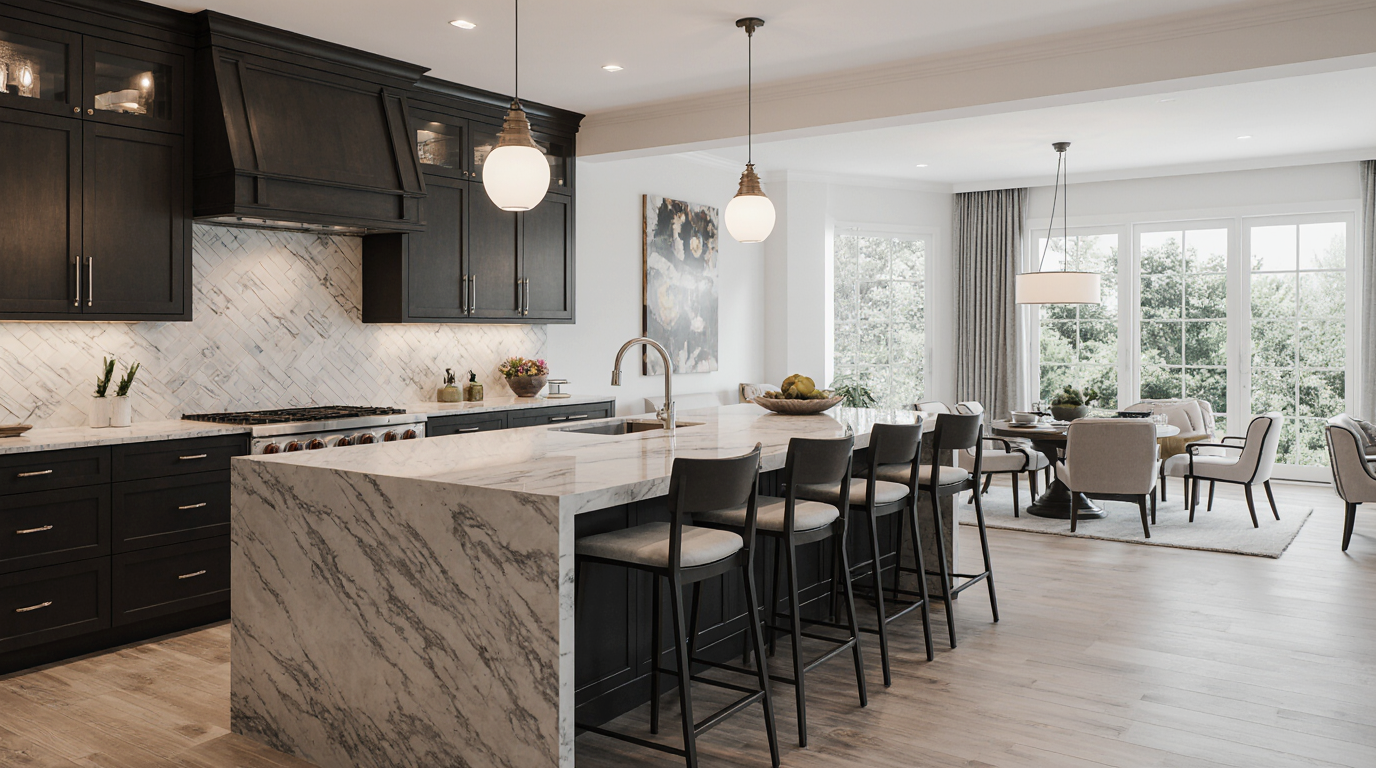
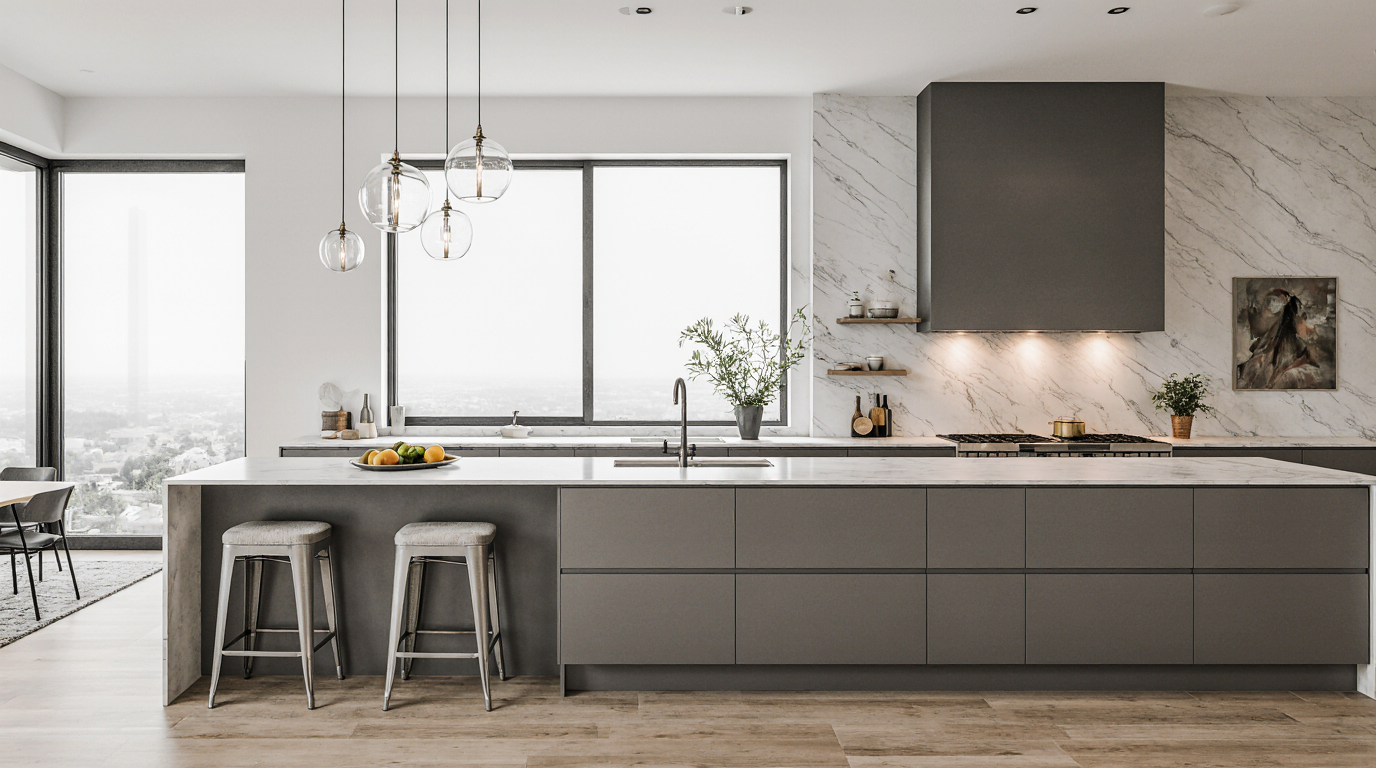
Lighting is another essential element in a superior kitchen organization layout. Layered lighting, combining ambient, task, and accent lights, ensures that every corner of the kitchen is illuminated for both function and ambiance. Combining under-counter lighting, island pendants, and recessed illumination promotes both safety and aesthetic appeal while defining the kitchen's architectural lines. Lighting strategically placed enhances spatial perception, creating a more open, inviting, and functional culinary environment.
Modern kitchen layouts integrate advanced technology to enhance convenience and efficiency. High-tech tools, from smart cooktops to voice-activated faucets, enable a futuristic, functional kitchen environment. Modern appliances reduce manual effort and increase precision in meal preparation, from temperature-controlled fridges to induction stoves. A tech-forward kitchen design merges practicality, efficiency, and aesthetic sophistication, keeping pace with modern demands.
Ergonomics play a pivotal role in a well-conceived kitchen design plan. Thoughtful placement of counters, cabinets, and appliances guarantees comfort and optimal workflow for daily users. Customizable storage options and carefully positioned seating optimize accessibility and comfort. Ergonomic kitchens foster effortless movement, allowing extended use without discomfort while streamlining daily tasks.
Material choice and surface finishes dictate longevity, functionality, and visual impact in kitchen design. Durable, visually appealing materials enhance both the kitchen’s lifespan and its design aesthetic. Using texture and color variation clarifies areas, enhances design coherence, and supports intuitive workflow. Professional kitchen designers often recommend a balance between style and practicality, ensuring surfaces are easy to clean, resistant to stains, and visually cohesive with the overall design vision.
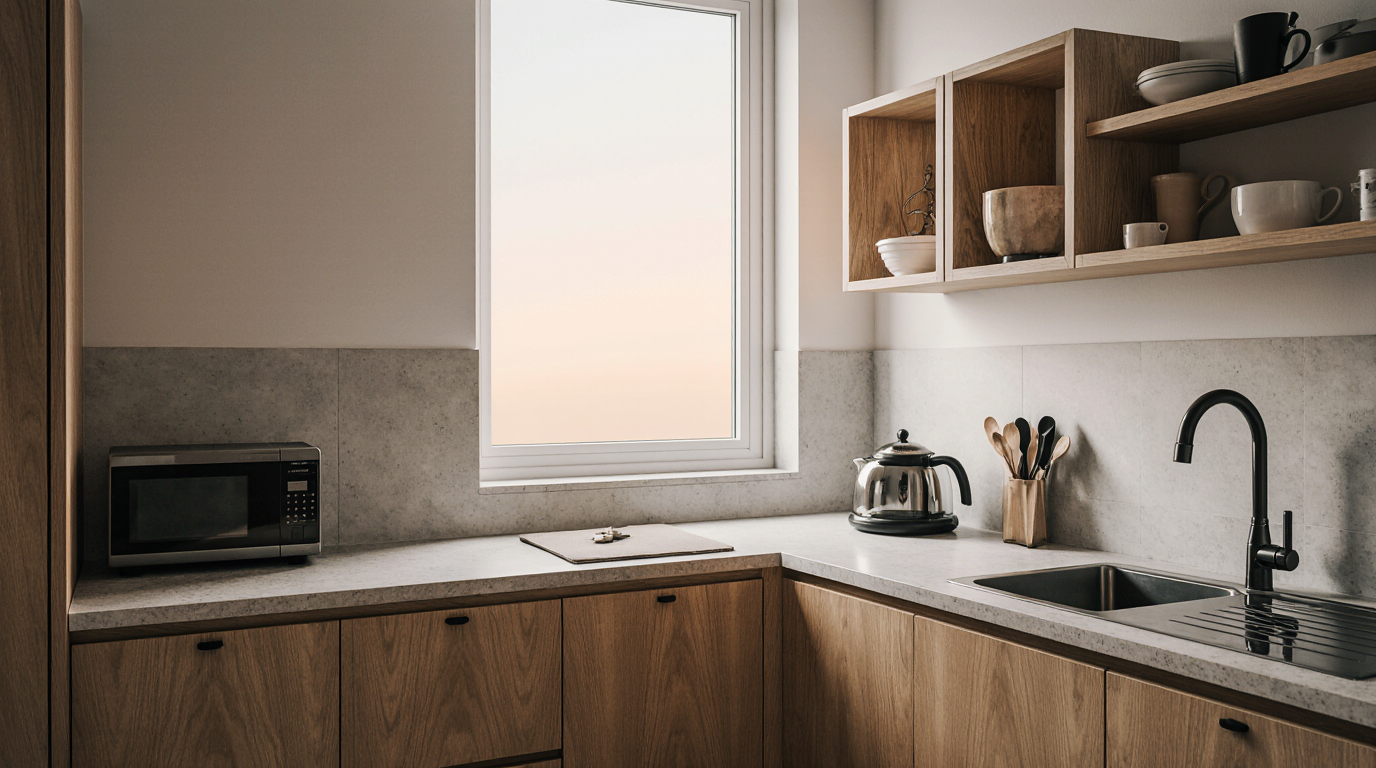
Open shelving and strategic display areas offer a unique opportunity to blend function and style. These elements not only provide easy access to frequently used items but also allow for personalization with decorative pieces, cookbooks, or artisanal dishware. When combined with concealed storage for less frequently used items, the result is a balanced organization system that caters to both everyday needs and aesthetic preferences. Structured storage and clear visual zones make even small kitchens feel expansive and inviting.
Flow and zoning extend beyond the classic work triangle. Zoning multiple functional spaces optimizes workflow, allowing simultaneous tasks without interference. Segregated zones reduce bottlenecks and improve coordination in shared kitchen environments. Flexible furniture solutions create adaptable workspaces that cater to both culinary exploration and casual family use.
Eco-conscious kitchens integrate energy-saving solutions without compromising functionality. Sustainable appliances, recyclable materials, and low-flow fixtures improve operational efficiency while minimizing environmental footprint. Recycling and compost systems built into cabinetry maintain cleanliness while supporting eco-conscious habits. Sustainable design harmonizes usability with green living, creating kitchens that are both efficient and ethically aligned.
Finally, personalization ensures that the kitchen is not just functional but also a reflection of your unique taste and lifestyle. Individualized design elements, from colors to textures, produce harmony and aesthetic satisfaction. Designing around personal preferences ensures that the kitchen is not only practical but also emotionally satisfying. Professional designers emphasize balance between personalization and usability, making kitchens uniquely functional.
Ultimately, a thoughtfully planned kitchen fuses workflow optimization, aesthetics, technology, and individual expression. A well-executed kitchen layout transforms daily cooking into an inspired, efficient, and enjoyable experience. Combining smart workflow design, ergonomic features, tech integration, and aesthetic detail produces a kitchen that is functional, luxurious, and highly personalized.