Modern And Classic Kitchen Floor Tile Inspirations: Patterned Designs To Transform Your Space
When it comes to designing a kitchen space, the floor often serves as the foundation of the entire aesthetic, kitchen floor tile patterns can dramatically transform the feel of a room, creating a sense of elegance, warmth, or modern sophistication depending on the materials and designs chosen. From timeless classic layouts to bold contemporary arrangements, selecting the right pattern can elevate your kitchen from ordinary to extraordinary, offering both visual appeal and functional durability. Tile flooring’s adaptability provides limitless possibilities, enabling creative combinations of color, material, and geometry that balance individuality with usability.
One of the most celebrated approaches in kitchen design is the herringbone pattern, which adds depth and movement to the floor. This design, reminiscent of woven fabric, has gained immense popularity among interior designers for its ability to create a sophisticated, high-end look without overwhelming the space. Herringbone kitchen tiles are often laid using elongated rectangles, either in wood-look ceramic or porcelain, giving the room a sense of continuous flow and visual interest. The layout’s adaptability makes it perfect for kitchens of varying dimensions, blending durability, elegance, and effortless upkeep for active households.
For those seeking a more traditional charm, checkerboard patterns bring a timeless elegance to kitchen floors. Typically created using alternating black and white tiles or contrasting neutral shades, the checkerboard effect evokes a sense of nostalgia while maintaining a crisp, clean aesthetic. Beyond its classic appeal, the checkerboard design offers versatility in styling, pairing beautifully with modern minimalist cabinetry or rustic farmhouse décor. Through thoughtful adjustments in color or material, checkerboard flooring can serve as a focal point that enhances the room’s character and functionality.
Another creative way to enhance a kitchen floor is through geometric tile arrangements. Triangular, hexagonal, and multifaceted shapes give designers flexibility to craft visually compelling and unique kitchen floors. These angular arrangements not only captivate visually but also integrate harmoniously with adjacent design elements, creating a balanced yet striking environment. The interplay of geometric flooring with smoother, tactile surfaces produces a sophisticated tension, enhancing depth, dimension, and visual intrigue.
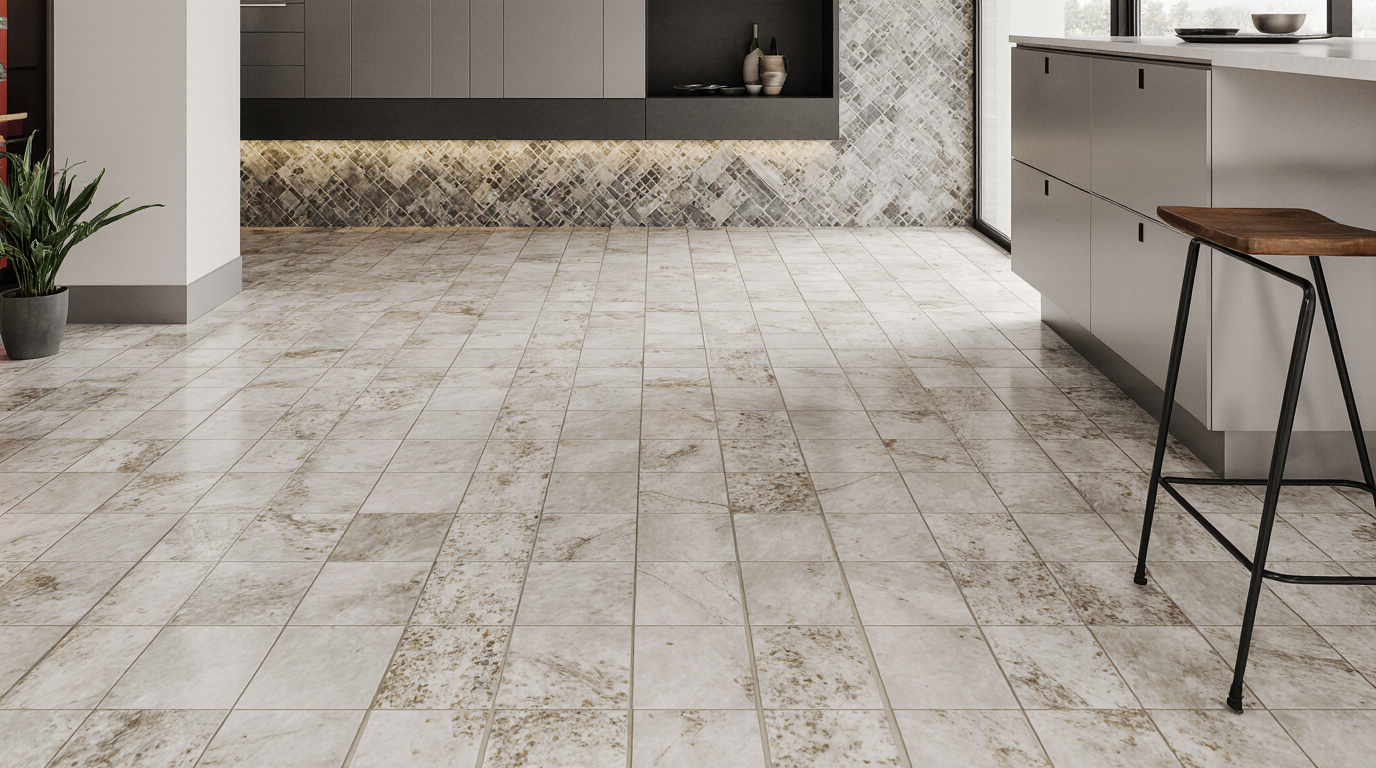
Subway tile patterns are another hallmark of sophisticated kitchen design. Subway tiles’ elongated rectangular form translates effortlessly to flooring, offering understated elegance with a structured, rhythmic flow. When laid in a classic brick or offset pattern, these tiles provide a subtle texture that complements a variety of design styles, from contemporary to transitional kitchens. Choosing muted colors or natural stone finishes enhances the understated elegance of the layout, while glossy surfaces reflect light to make the room feel brighter and more spacious.
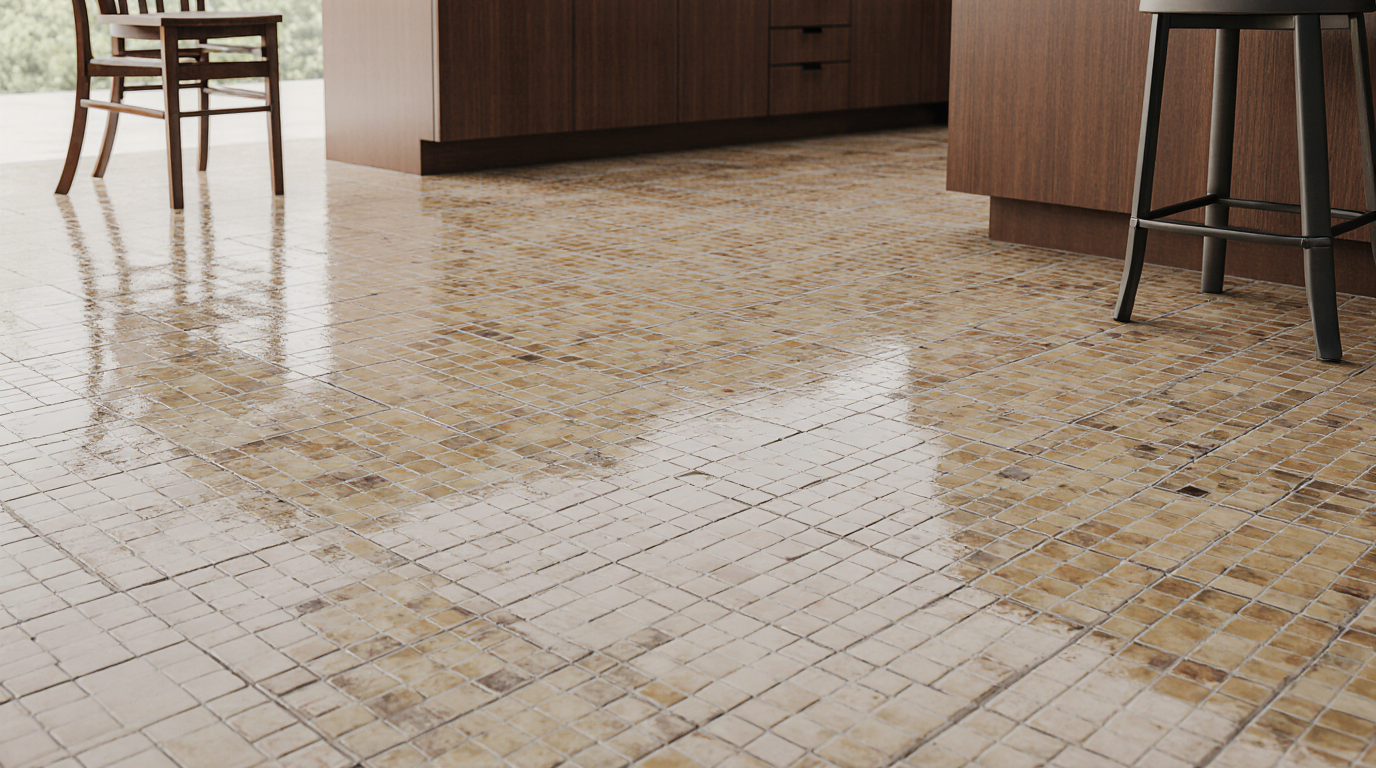
For kitchens that demand both durability and artistry, mosaic tile patterns offer unparalleled versatility. Mosaic floors use countless tiny pieces to form gradients, motifs, or even pictorial elements, offering infinite design potential. Beyond their aesthetic appeal, mosaic kitchen tiles are highly functional, providing slip resistance and resilience in high-traffic areas. These patterns allow for the blending of multiple materials, such as ceramic, glass, and natural stone, which can produce a dynamic visual effect while enhancing the tactile experience underfoot.
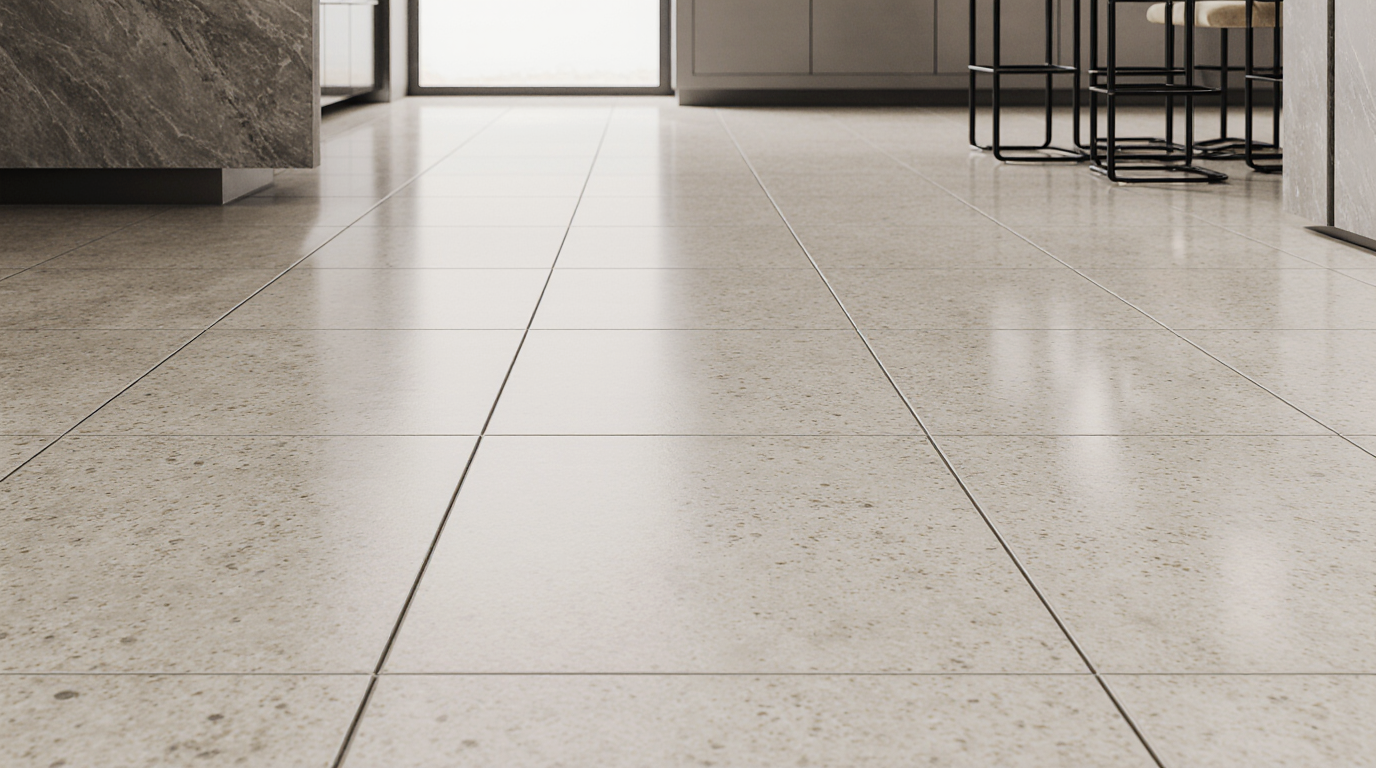
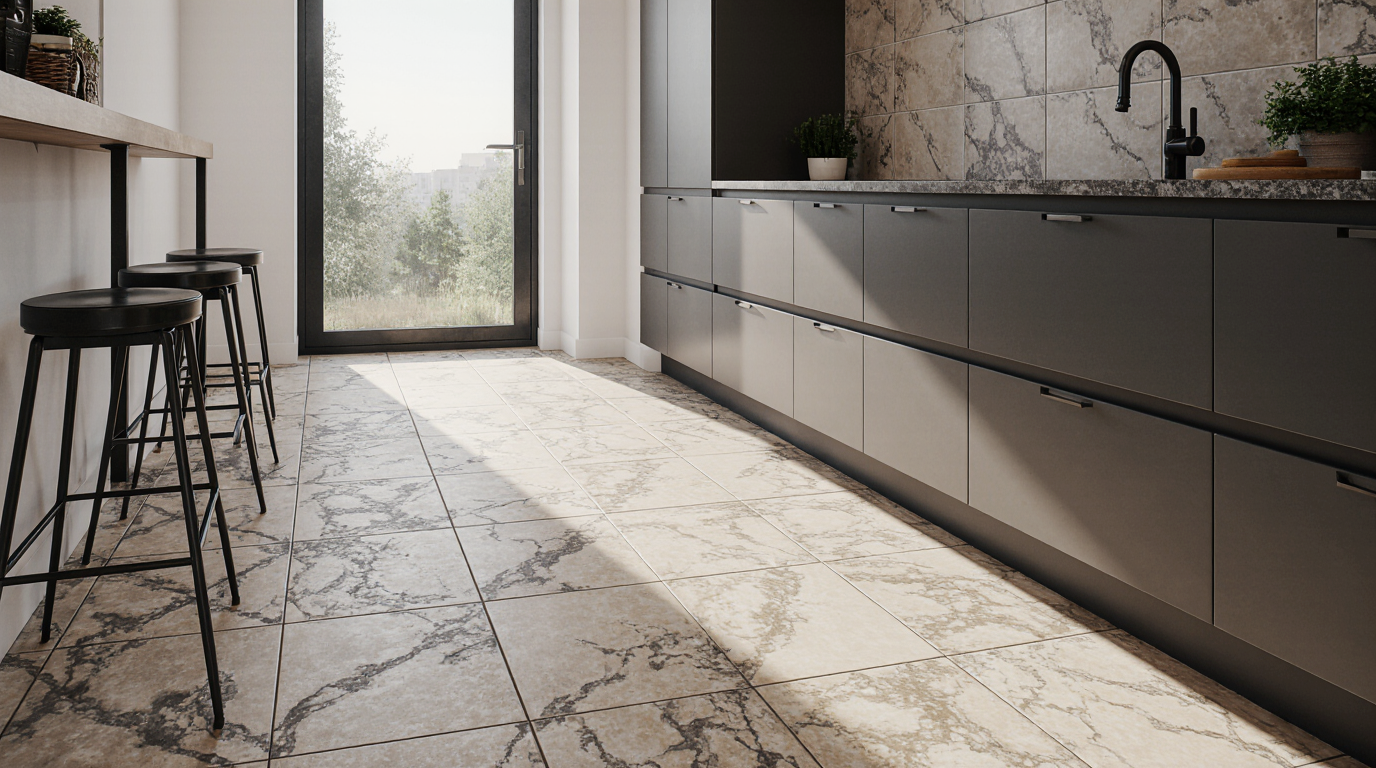
Expansive tile formats establish uninterrupted surfaces, conveying modernity, simplicity, and luxury in the kitchen. Strategically arranged large tiles minimize grout interruptions, producing polished, minimalist floors that are practical and elegant. The choice of natural stone or porcelain with a marble-like finish adds luxury to the kitchen floor, while neutral tones create a versatile canvas for cabinetry and décor. Diagonal, herringbone, or offset placements of large tiles amplify dimensionality and movement, keeping minimalist kitchens compelling and layered.
Subtle variations in tone, gloss, and material can transform a standard floor into a multidimensional design statement. Blending soft, neutral textures with bold, shiny highlights creates a dynamic interplay that enhances perception of space and sophistication. Incorporating framed patterns or contrasting insets accentuates focal points, providing structure and elegance to kitchen layouts. Grout in complementary or contrasting shades enhances geometry and detail, elevating flooring from utility to artistry.
The ultimate decision in kitchen flooring reflects the convergence of beauty, usability, and personal design philosophy. Whether opting for the timeless allure of checkerboard designs, the modern flair of geometric layouts, or the custom artistry of mosaics, each choice reflects a commitment to quality and aesthetic excellence. A thoughtfully patterned floor turns the kitchen into an immersive, elegant, and practical setting that reflects personality and style. Well-planned tile choices enhance functionality, longevity, and visual impact, ensuring the kitchen remains a harmonious and inspiring space.