Cost of Kitchen Countertop Replacement: Evaluating Quality and Investment
A major factor in any kitchen update is understanding the financial impact of swapping out existing countertops, given that countertops are both essential for daily culinary tasks and central to establishing the kitchen’s aesthetic. The decision to purchase premium materials reflects not just durability considerations but also long-term aesthetic investment, highlighting the importance of understanding pricing variables. Homeowners often wonder why replacement costs vary widely, and this variation stems from material selection, labor requirements, design complexity, and installation challenges.
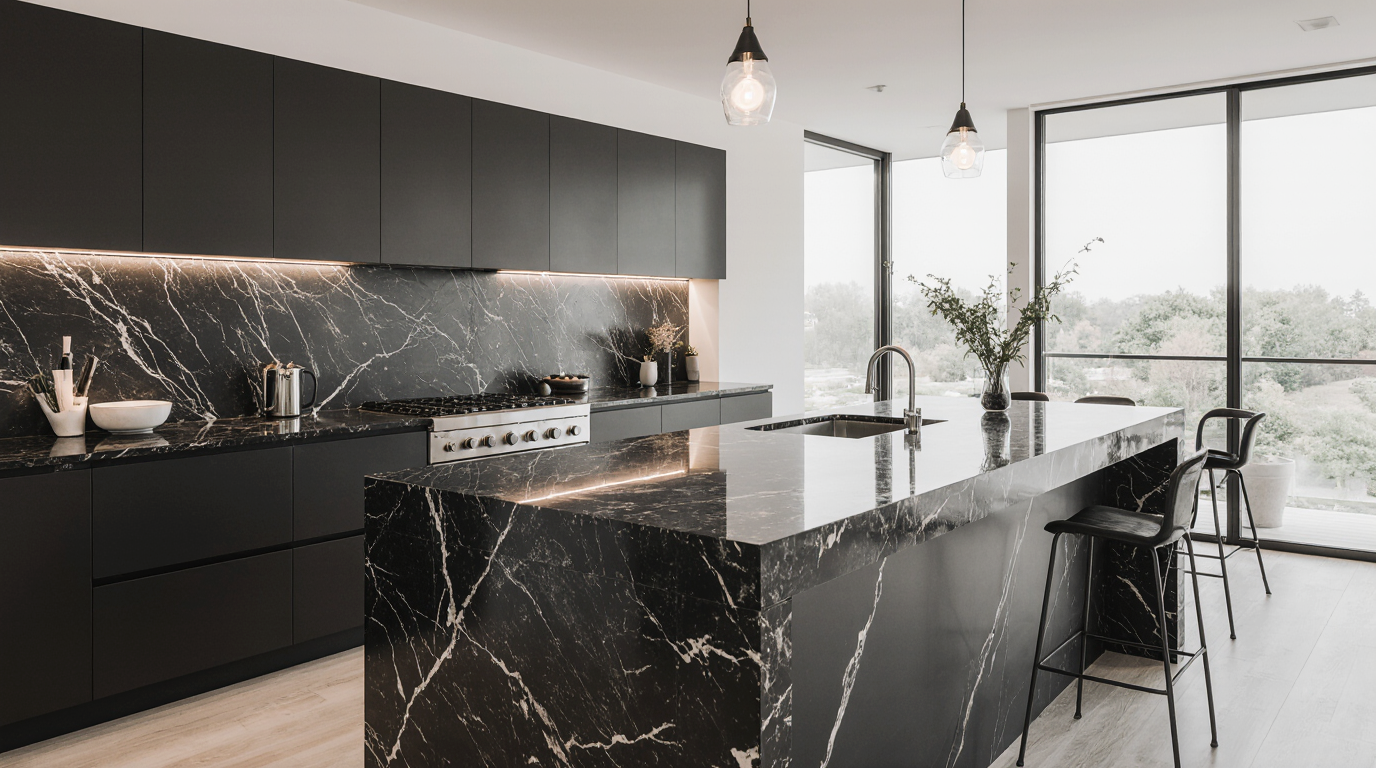
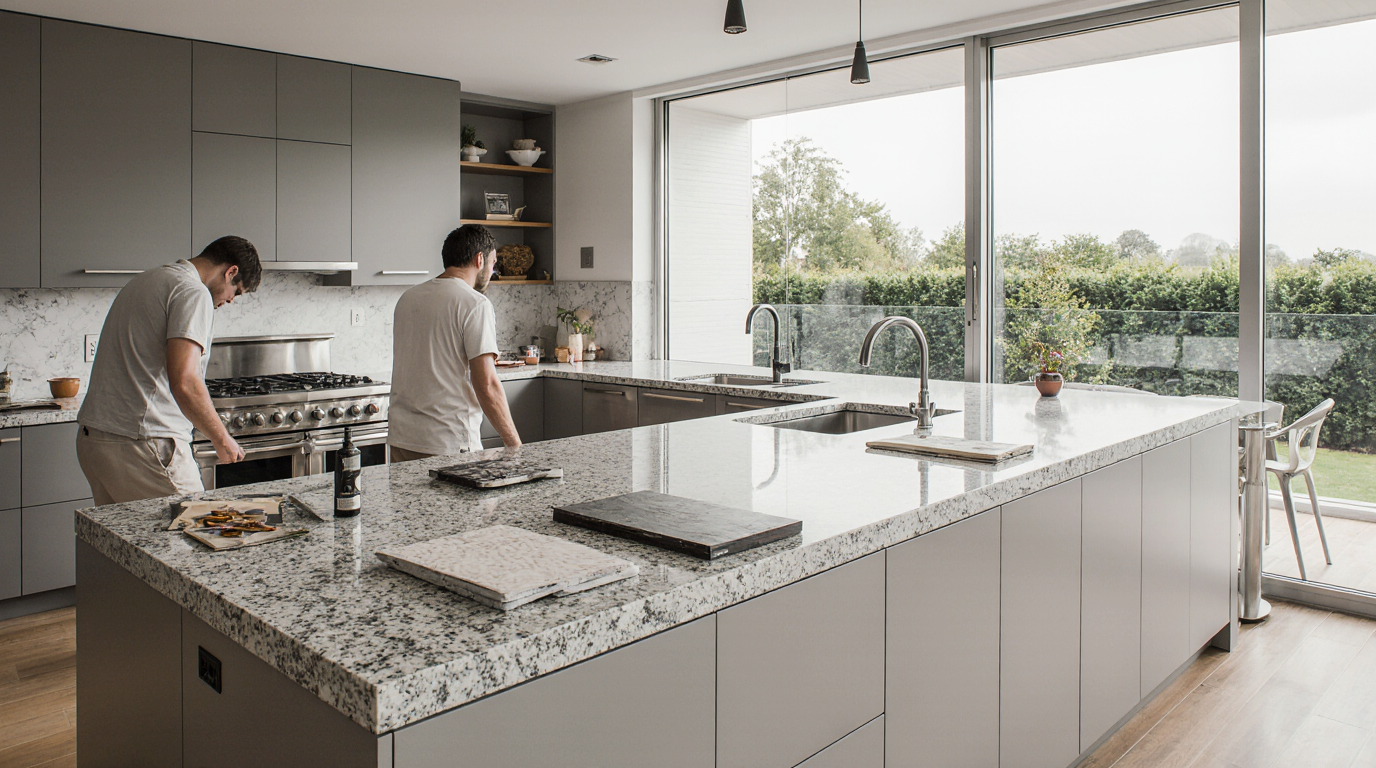
Material choice constitutes the primary driver of countertop pricing, since granite offers superior durability, elegant veining, and excellent heat tolerance, securing its place among popular selections. Depending on hue, rarity, and cut, granite can range from accessible to ultra-luxurious pricing tiers. Engineered quartz provides a blend of practical maintenance and visual uniformity, appealing to modern kitchen designs despite a premium cost. Marble, while luxurious and visually striking, demands regular upkeep, which can escalate lifetime expenses. Materials like Corian or engineered composites provide uniform surfaces and contemporary looks, with pricing highly dependent on brand and custom design features.
The execution of installation is a critical factor, often determining a considerable portion of overall countertop costs. Countertop installation requires meticulous attention to measurements and alignment, underscoring the value of skilled labor. Errors in installation risk functional and visual setbacks, including uneven surfaces, seam gaps, and potential material damage. Skilled laborers provide meticulous finishing, ensuring durability and aesthetics, particularly with substantial stone countertops. Complicated designs, multi-section islands, and embedded features naturally increase labor costs.
Older kitchen conditions may demand additional preparation work, influencing total expenses. Removing old countertops can expose plumbing issues, uneven surfaces, or structural reinforcements necessary before new installation. Homes with aging kitchens might require extra reinforcement or layout modifications to accommodate modern countertop dimensions, raising the overall investment. Cheaper options like laminate may seem economical initially but often incur greater cumulative costs due to reduced durability.
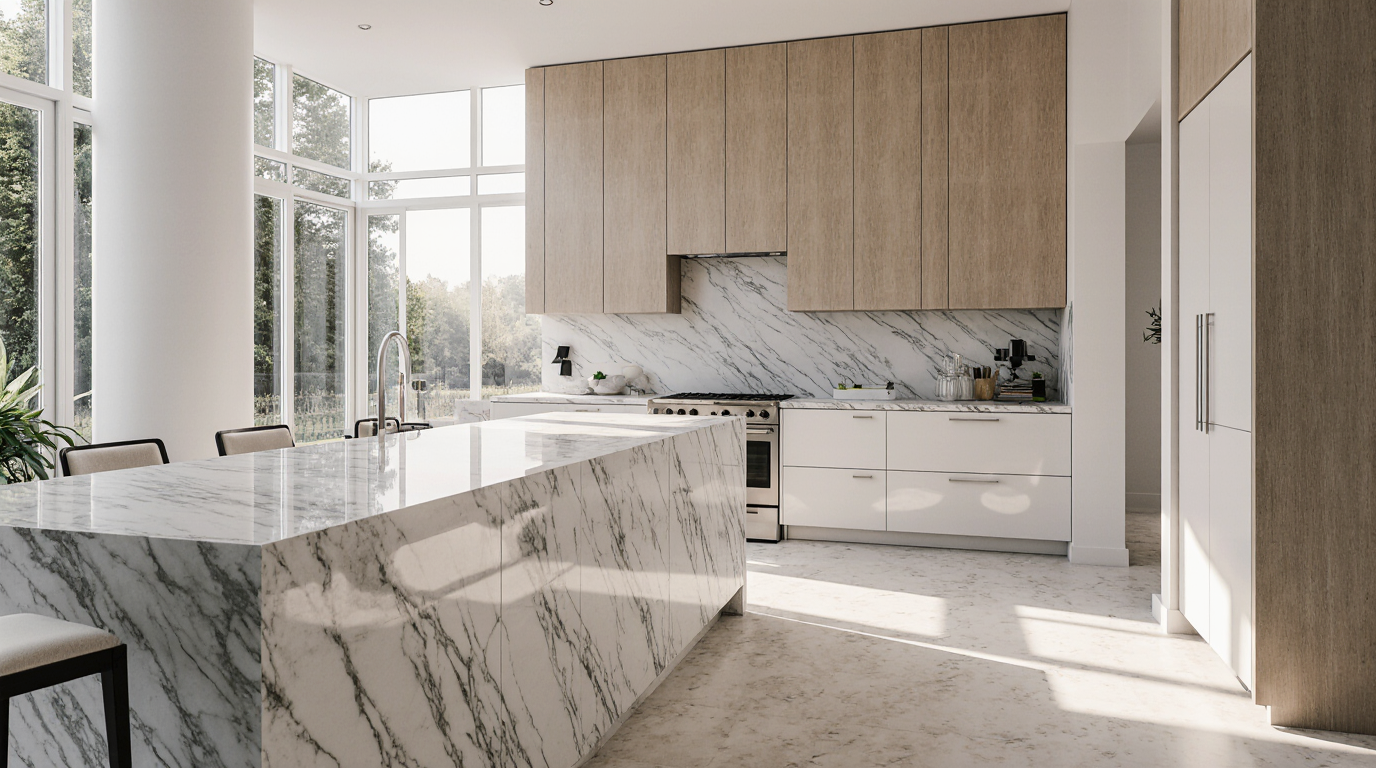
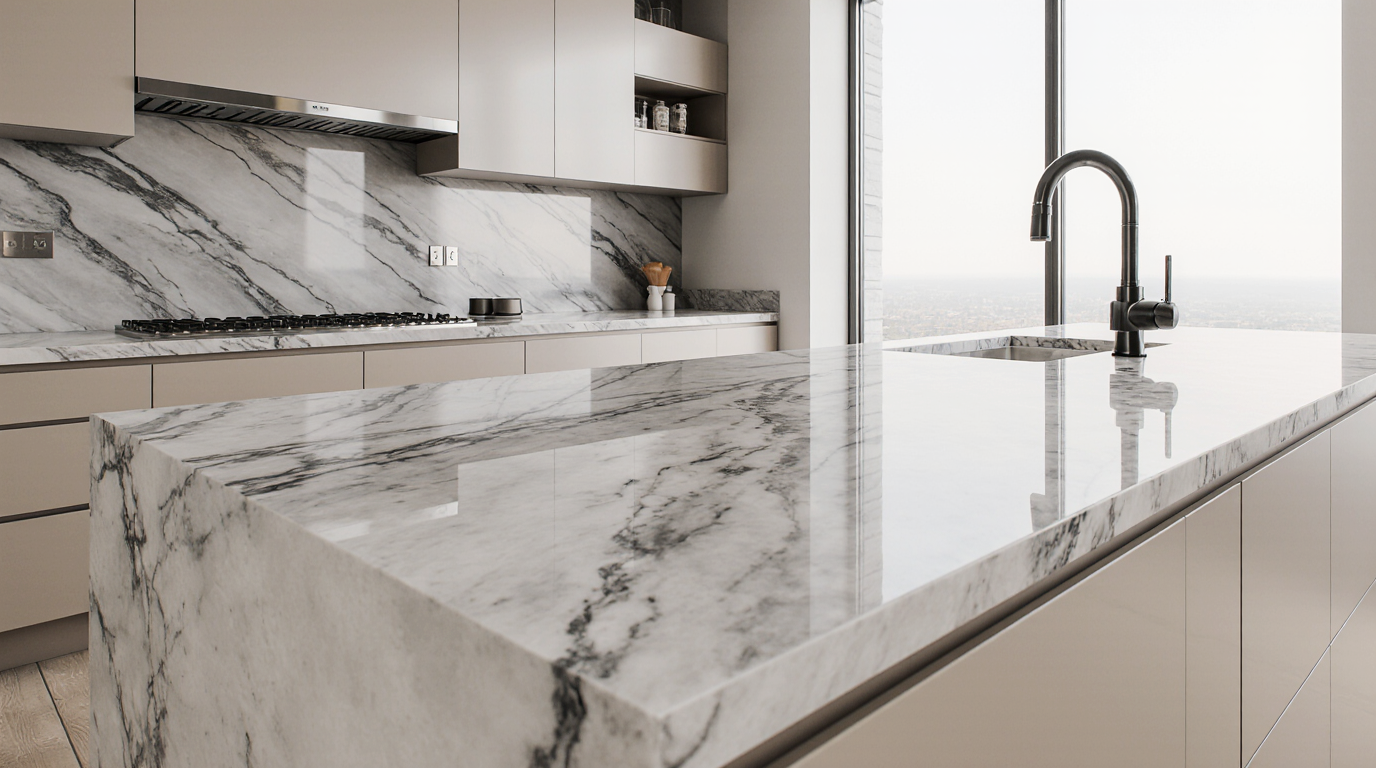
Customization and design complexity have become a major factor for homeowners seeking distinctive kitchen aesthetics. Advanced design elements, including custom edges, seamless inlays, and multi-surface waterfalls, enhance aesthetics while adding to expense. Waterfall countertop installations demand high precision and protective handling, contributing to higher project costs. Custom inlay work or intricate patterning adds significant labor intensity, thus increasing cost. Balancing ambitious design with budget constraints is essential to achieve visual satisfaction while maintaining practical value.
Maintenance and durability subtly influence total countertop investment. High-quality quartz and granite surfaces offer low-maintenance durability, making them cost-effective over the long term. Marble and some natural stones, while visually stunning, demand periodic sealing and careful handling to prevent etching or discoloration. Evaluating material longevity helps avoid unexpected costs, ensuring the countertop remains both functional and beautiful over time. Selecting surfaces that suit lifestyle needs—frequent cooking, entertaining, or purely aesthetic presentation—ensures value optimization.
Geography and market fluctuations are important determinants in countertop project expenses. Prices differ widely between urban and rural areas due to labor rates, material availability, and delivery logistics. Strategically timing purchases and installations can help achieve cost savings without sacrificing material or workmanship standards. Expert design consultation ensures cost-effective material choices and precise layout planning, enhancing value.
Professional installation by qualified contractors ensures quality and peace of mind. Experienced contractors provide accurate estimates, guide homeowners through material selection, and guarantee proper installation standards. Warranties offered by professionals mitigate risk and add confidence in the durability of the work. DIY attempts on heavy or complex surfaces are risky, often resulting in costly mistakes.
Assessing all elements, including material quality, installation, customization, upkeep, and regional pricing, ensures realistic budgeting for countertop replacement. Investing in quality materials and professional installation ensures both sophisticated appearance and long-term functionality. Selecting surfaces that harmonize beauty, durability, and cost efficiency maximizes satisfaction. Informed decision-making ensures that new countertops contribute meaningfully to kitchen aesthetics and functionality.
This comprehensive approach empowers homeowners to navigate countertop replacement confidently, ensuring a stylish, durable, and valuable kitchen upgrade that lasts.