Kitchen and Dining Room Design Lee County FL
Kitchen & Dining Room Architecture: Elevating Contemporary Homes with Sophistication and Practicality
Crafting an exceptional kitchen and dining experience demands not only visual allure but also meticulous planning, discerning material choices, and an insightful grasp of daily functional dynamics. A well-designed kitchen serves as the heart of the home, offering not only a functional cooking area but also a welcoming environment for family gatherings, entertaining friends, and enjoying quiet moments. Expert designers emphasize the importance of balancing practicality with luxury, ensuring that every cabinet, countertop, and appliance contributes to a seamless and enjoyable experience.
The evolution of modern kitchen design transcends traditional cabinets and layouts, emphasizing refined sophistication coupled with technological and practical innovation. Bespoke cabinets constructed from elite hardwoods, including walnut, oak, and maple, are pivotal in achieving a high-end kitchen aesthetic. Luxury cabinets combine functional abundance with visual sophistication, creating a harmonious balance of beauty and practicality. Integrating elements like silent-closing drawers, sliding pantry units, and secret compartments ensures effortless function within a minimalist design framework. Meticulously planned kitchen layouts foster intuitive workflow, decreasing transitional inefficiencies between essential zones and elevating the overall cooking experience.
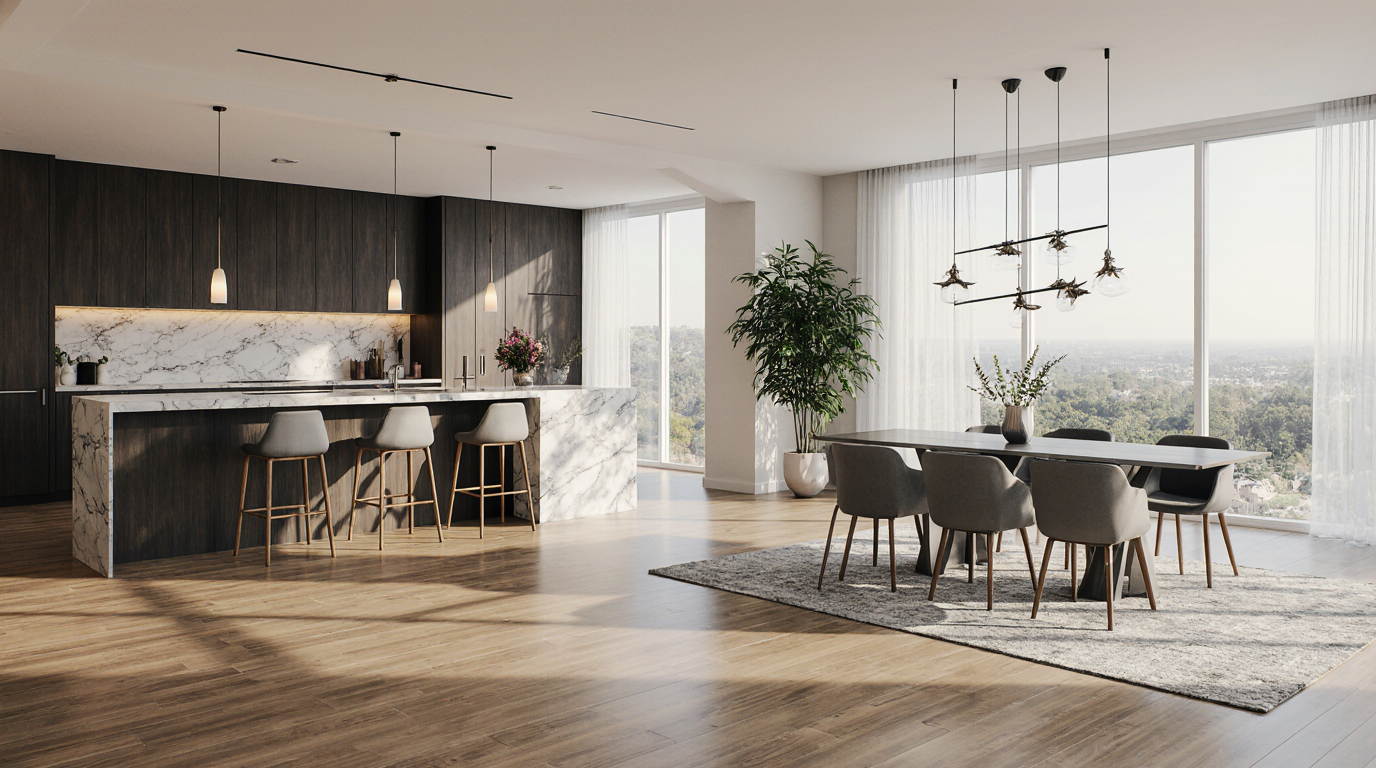
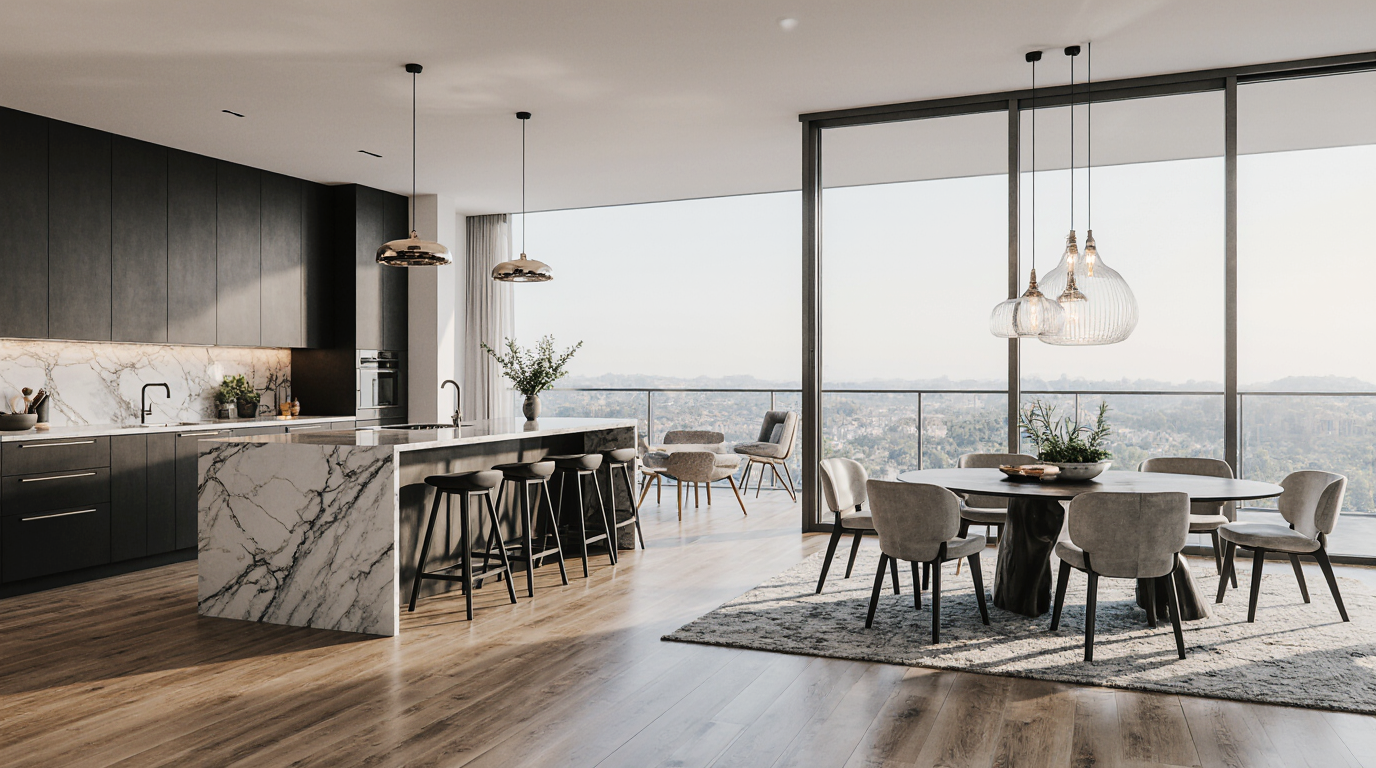
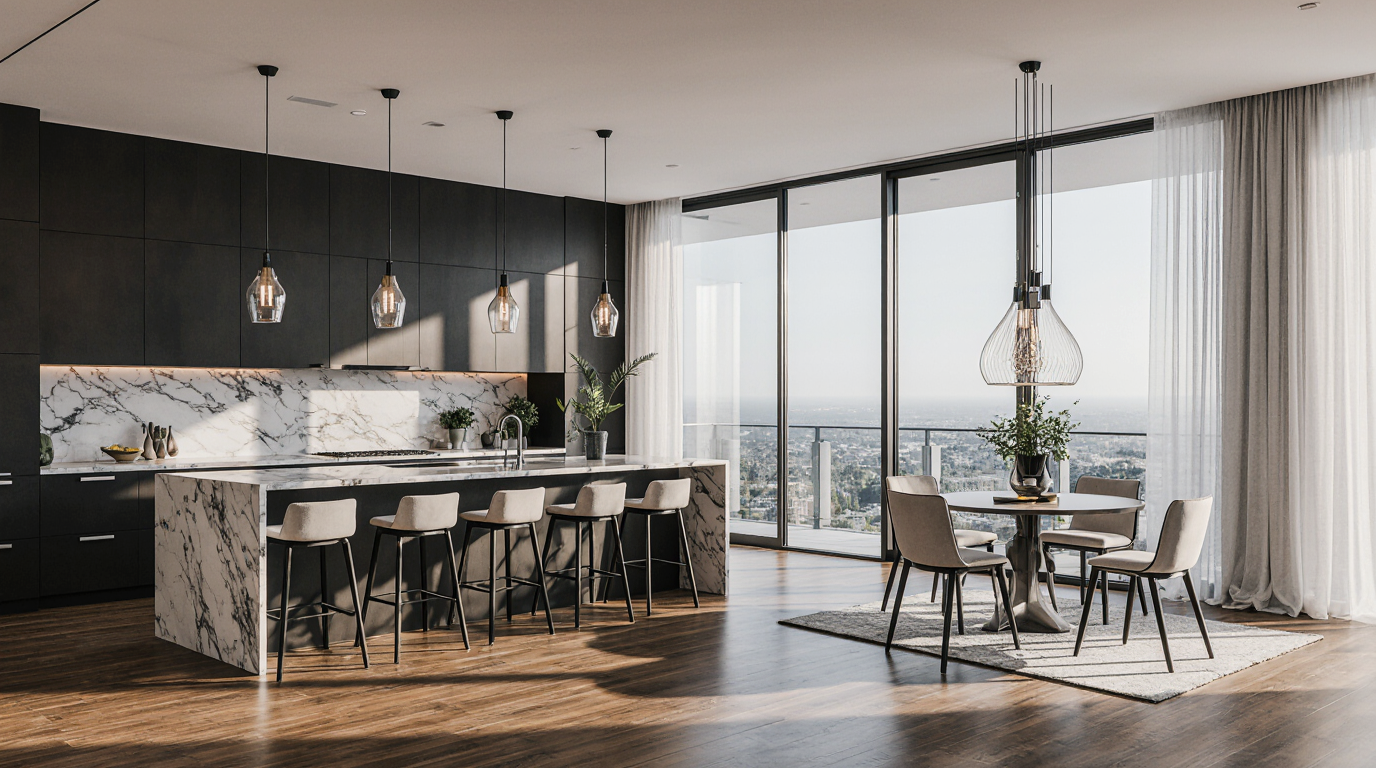
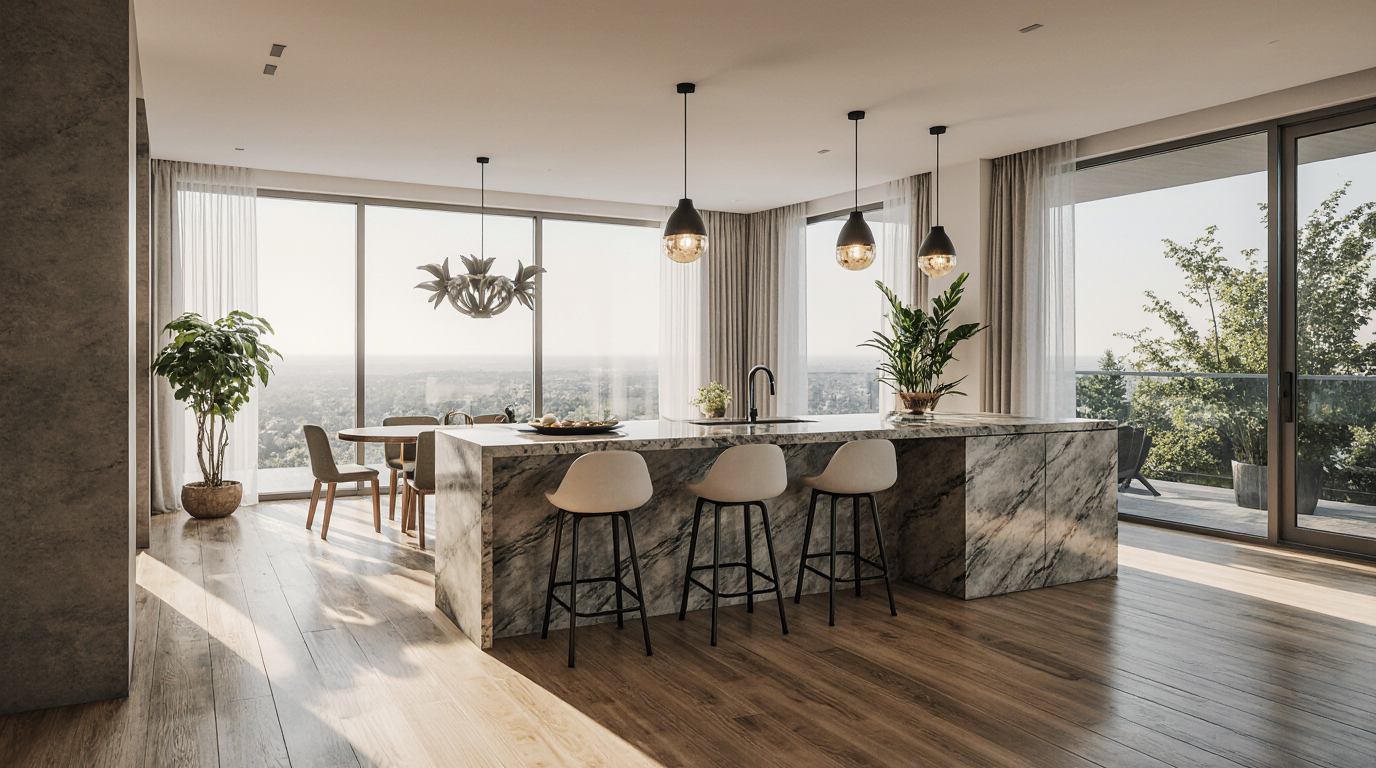
The strategic use of lighting profoundly impacts kitchen aesthetics and usability, harmonizing form with essential function. Layered lighting, including recessed ceiling lights, pendant fixtures above islands, and under-cabinet LED strips, creates a versatile environment suitable for food preparation, casual dining, and evening gatherings. In addition to aesthetics, strategic lighting highlights key features such as natural stone countertops, intricate backsplash designs, or custom cabinetry finishes. A professional designer ensures that every light source contributes to the room's warmth, brightness, and visual balance, reinforcing the kitchen as a central hub of comfort and style.
Adjacent or seamlessly blended dining zones require careful planning to ensure elegance and functionality match the kitchen’s sophistication. Dining spaces are curated to host both grand gatherings and cozy meals, blending ergonomic furniture choices, intelligent arrangement, and tasteful ornamentation. Robust wooden tables matched with plush chairs craft a dining environment exuding warmth and elegance. Designers often incorporate statement lighting, such as a chandelier or contemporary pendant, to serve as a focal point that enhances the room’s character. Unified materials and complementary hues between adjoining areas create a harmonious aesthetic, enhancing spatial fluidity and elegance.
Effective storage defines the functionality and refinement of modern culinary and dining spaces. Integrated pantries, elevated shelving, and multifunctional island units maximize storage without compromising elegance. Advanced storage features, including secret cabinets, sliding spice shelves, and integrated beverage coolers, deliver convenience while maintaining streamlined aesthetics. Storage integration is especially crucial in open-plan layouts, where the kitchen’s visual appeal is closely linked to the adjoining dining or living areas. Professionals emphasize the need for a balance between accessibility and aesthetic refinement, ensuring that every item has its place.
The sensory appeal of kitchens and dining spaces hinges on material selection and surface treatments. Marble or granite counters radiate luxury, complemented by resilient quartz surfaces for practical upkeep. Refined hardwood flooring ensures smooth transitions while imparting rich texture and comfort. Incorporating glass doors, mirrored surfaces, or panels amplifies natural and artificial lighting, visually enlarging the area. Similarly, metallic accents in fixtures, handles, and lighting hardware add subtle elegance and reinforce the room’s contemporary or classic aesthetic. Selecting complementary materials ensures a cohesive environment that stands the test of time both visually and functionally.
Smart home and kitchen technology increasingly define modern culinary spaces. Wi-Fi-enabled appliances, intelligent refrigeration, and adaptive lighting systems streamline cooking while reflecting technological refinement. Voice and touch-activated systems provide effortless operation, boosting both convenience and cleanliness. Technological features should harmonize with the kitchen’s look, contributing utility without visual disruption. Connected solutions in dining spaces, from mood lighting to smart climate management, elevate mealtime experiences.
Thoughtful color curation governs atmosphere, emotional impact, and stylistic coherence in kitchens and dining spaces. Classic neutrals establish a versatile foundation, highlighting textures, finishes, and focal points. Rich shades like midnight blue or emerald green inject personality and visual tension. Accent colors in cabinet finishes, backsplash tiles, or upholstery provide subtle personality without overwhelming the overall design. Professionals advocate for chromatic equilibrium, blending striking tones with soft shades to craft spaces that are aesthetically pleasing and comfortable.
Optimal ergonomics combined with practical design underpin sophisticated culinary and dining areas. Worktop levels, seating ergonomics, and pathway planning enhance usability and comfort. Multi-purpose islands and elevated bars offer flexible zones for cooking, dining, and social interaction. In dining areas, chair dimensions, table height, and placement relative to lighting fixtures are meticulously planned to enhance comfort and visual balance. Design experts integrate functional and visual priorities, producing spaces that are simultaneously appealing and practical.
Sustainability is increasingly important in contemporary kitchen and dining room design. Sustainable cabinetry, low-energy appliances, and water-smart solutions allow homeowners to reduce impact while maintaining elegance. Green materials such as salvaged hardwood, low-toxicity finishes, and recyclable surfaces achieve functionality, style, and environmental stewardship. Designers advise homeowners on strategies to minimize waste and energy consumption while creating a resilient and elegant space. By integrating sustainability with cutting-edge design, kitchens and dining rooms can serve as both functional hubs and statements of conscientious living.
At the pinnacle, such spaces harmonize aesthetics, usability, and technological sophistication. Each element—from cabinetry and countertops to lighting, seating, and storage—plays a role in establishing cohesion, comfort, and visual appeal. Whether for hosting, daily dining, or casual cooking, these areas mirror the resident’s preferences, habits, and aesthetic sensibility. Partnering with expert designers skilled in materials, workflow, and smart home integration enables the creation of kitchens and dining rooms that are elegant, efficient, and inspirational.