Cost of Kitchen Cabinets Charlotte County FL
Pricing of Kitchen Cabinets: Evaluating Investment and Value
When considering a kitchen renovation or a new home design, the cost of kitchen cabinets often represents one of the most significant investments in both functionality and aesthetic appeal. Exceptional cabinets not only provide organized storage but also establish the room’s atmosphere, while enhancing operational efficiency. Selecting cabinets wisely involves evaluating beyond initial cost, including material quality, construction methods, and tailored designs that impact durability. Top-tier kitchen cabinets elevate resale potential, offering homeowners a strategic enhancement that blends utility with long-term value.
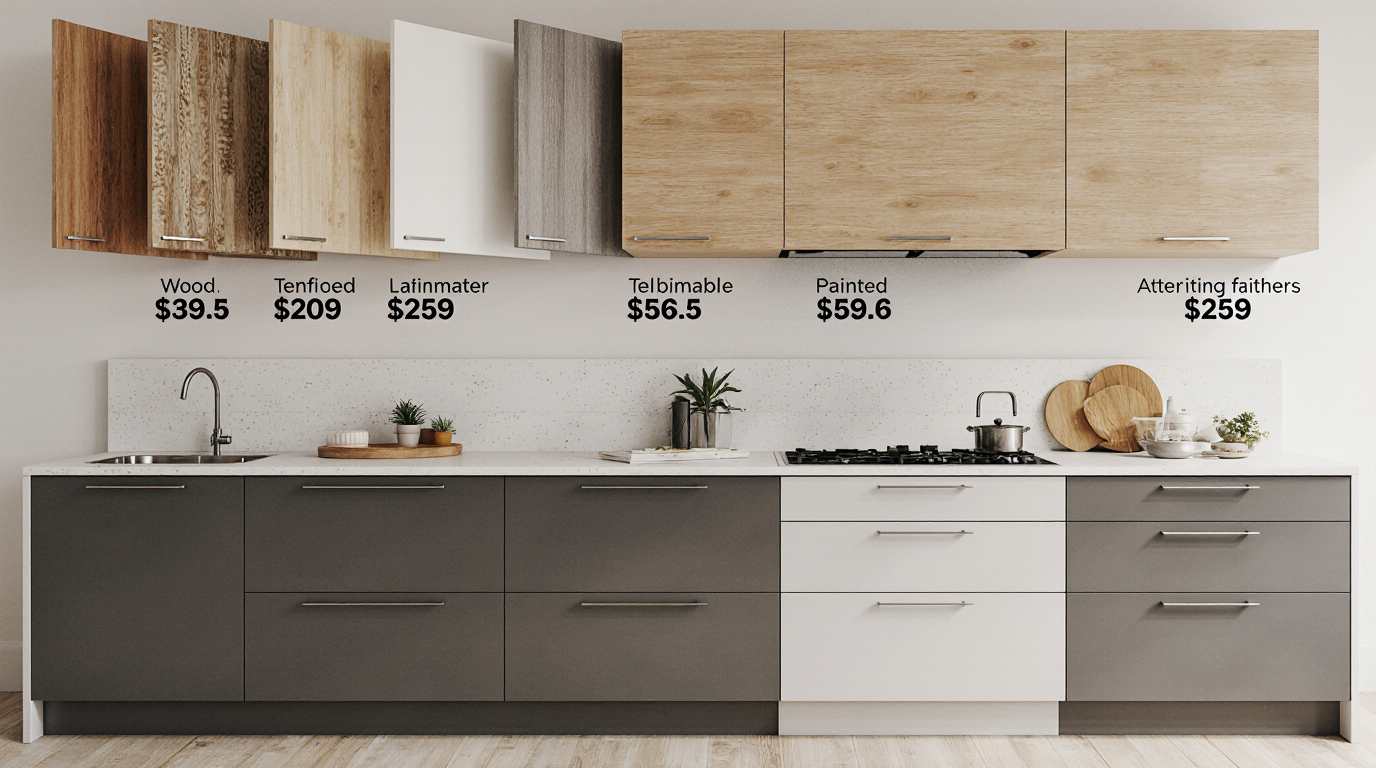
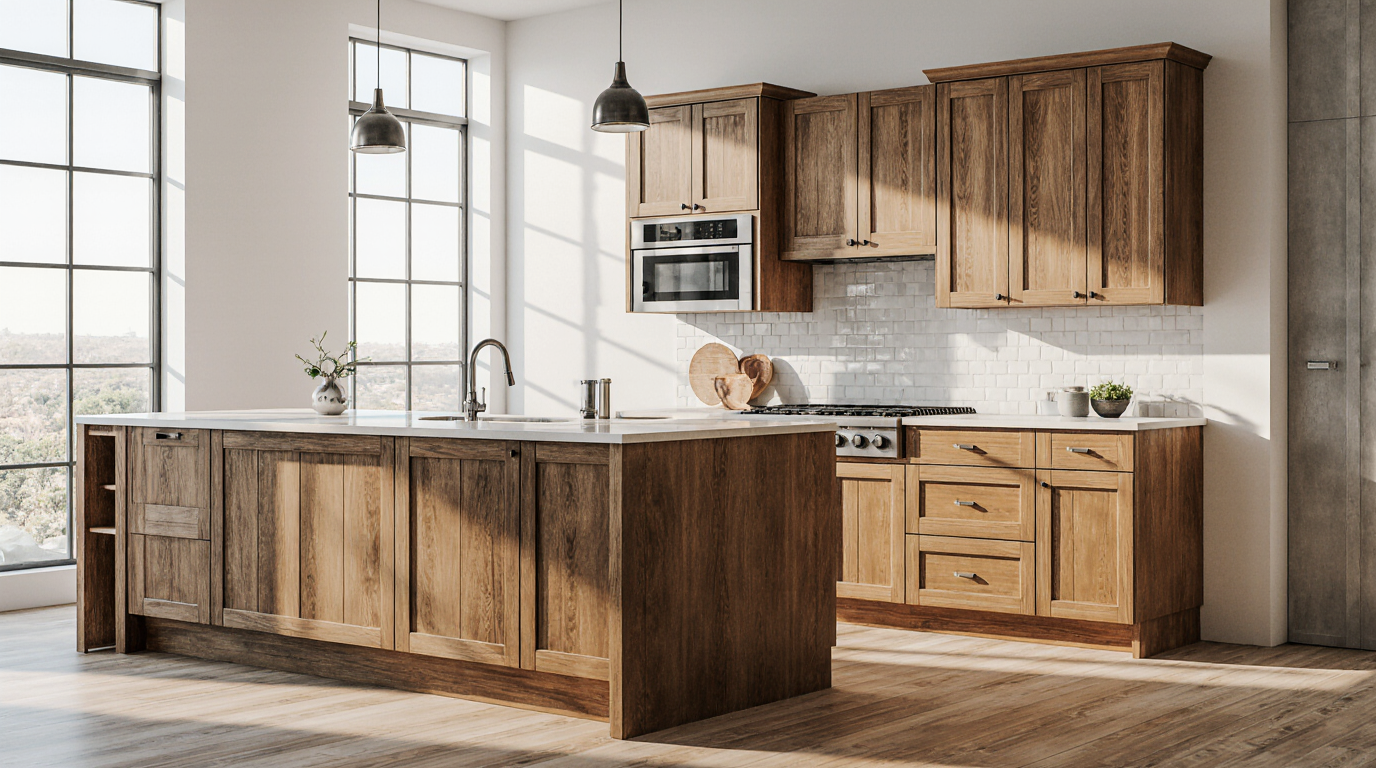
Cabinet material selection remains a core determinant of pricing. Solid wood cabinets, such as maple, oak, or cherry, offer durability and timeless appeal but come with a higher price tag compared to engineered woods like MDF or plywood. Each type of wood offers distinct characteristics; for instance, maple provides a smooth, uniform finish ideal for contemporary kitchens, while oak brings warmth and pronounced grain patterns suitable for traditional designs. MDF and plywood offer cost-effective versatility in textures and colors but can fall short in durability compared to natural wood. Comprehending material distinctions allows strategic decisions that reconcile financial considerations with desired visual impact.
The way cabinets are built directly affects their strength and cost. Frameless cabinets, common in modern European-style kitchens, offer sleek lines and maximize interior storage, but require precise craftsmanship and often come at a higher cost. Traditional face-frame construction adds stability and simplifies assembly, often offering a cost-effective alternative without compromising durability. Advanced joinery techniques elevate costs but provide superior longevity, with dovetail and mortise-and-tenon joints standing out for their enduring performance.
Customization and design complexity significantly affect the cost of kitchen cabinets. Off-the-shelf cabinets may reduce upfront cost, yet tailored solutions unlock optimal use of available space. Innovative storage solutions like corner units and pull-out organizers increase expense yet improve accessibility and functionality. Artisanal finishes enhance aesthetic appeal while incrementally raising costs, turning ordinary cabinetry into focal points.
High-end fittings and supplementary components affect total cabinetry expenditure. Investing in superior hardware enhances usability while maintaining aesthetic and functional standards. Stainless steel and brass fittings increase upfront spending yet ensure lasting durability and minimal upkeep. Drawer organizers, pull-out trays, and integrated lighting systems are additional options that improve convenience while subtly increasing the total cabinet budget.
Labor and installation costs are often underestimated in the total kitchen cabinet investment. Proper installation guarantees alignment, structural integrity, and long-lasting performance, regardless of cabinet quality. Errors in installation can result in impaired usability and diminished visual appeal. Depending on the complexity of the design and kitchen layout, labor costs can range significantly, sometimes equaling the price of the cabinets themselves. Professional installation secures precise fitting and long-term reliability, protecting the investment in cabinetry.
Geographic location and market demand also influence the price of kitchen cabinets. High-demand urban centers usually reflect steeper cabinetry prices than less dense areas. Material sourcing and artisan availability directly shape pricing in a given location. Additionally, the reputation of the cabinet manufacturer plays a role; premium brands known for superior craftsmanship and innovative designs often command higher prices but offer unmatched durability and style. Decision-making involves balancing the merits of artisanal, branded, and mass-market options.
Another factor impacting cabinet costs is the finish and surface treatment. Finish type—whether matte, gloss, or specialty textures—affects cost and visual impact. Protective or decorative coatings improve cabinet lifespan and style while raising price. Complex finishing methods deliver nuanced texture, richer colors, and visual depth, elevating kitchen aesthetics.
Beyond initial costs, homeowners must consider the long-term value of kitchen cabinets. Quality craftsmanship ensures cabinets remain robust, functional, and visually appealing through extensive use. Spending on quality upfront decreases maintenance and replacement costs, maximizing return over the life of the kitchen. Low-cost solutions might demand early interventions, offsetting initial savings and raising lifetime expenditure.
Ultimately, the cost of kitchen cabinets is a complex interplay of materials, craftsmanship, design, hardware, and installation. Weighing all variables enables optimal outcomes in terms of beauty, usability, and long-term reliability. Emphasizing bespoke design, premium materials, and expert installation ensures cabinets enrich both aesthetic appeal and practical daily use.
Thoughtful selection, material insight, and design alignment are central to maximizing the value of cabinetry investments. The right cabinets not only meet storage needs but also serve as a defining element in kitchen design, offering a combination of practicality, elegance, and long-term value that no budget-conscious homeowner should overlook.
This detailed exploration of kitchen cabinet costs demonstrates that evaluating price requires more than comparing numbers—it requires understanding quality, longevity, and the transformative potential of well-crafted cabinetry. High-quality cabinets represent a fusion of artistry and function, where each choice contributes to a kitchen that is efficient, beautiful, and enduring.