Cost of Countertops Pinellas County FL
Cost of Countertops: Understanding What Shapes the Price of Your Dream Surface
The cost of countertops is one of the most decisive factors when remodeling a kitchen or bathroom, yet it remains one of the most misunderstood, with homeowners often assuming a fixed per-square-foot cost, ignoring the wide variations caused by material, design intricacies, installation techniques, and geographic considerations. Whether choosing luxurious granite, modern quartz, or cost-effective laminates, comprehending these pricing drivers allows for informed decisions that balance beauty, durability, and budget constraints.
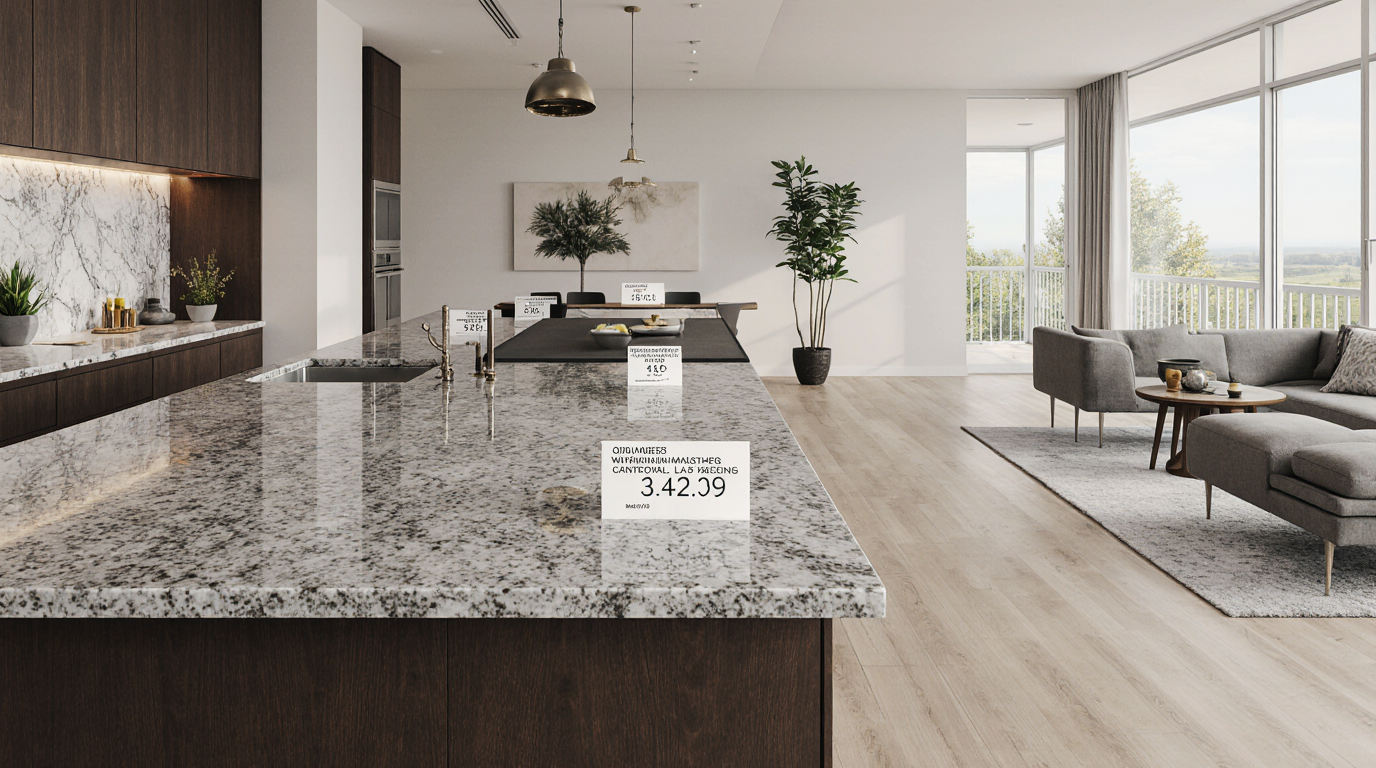
Granite countertops are often the first example that comes to mind when discussing premium surfaces, combining natural elegance with long-lasting durability. The cost of granite is influenced by the stone’s origin, unique coloration, and thickness, making imported slabs more expensive and coveted. Customizations like edge finishes, sink cutouts, and integrated backsplashes add to the final price, yet the long-term value and property appeal often justify the expenditure.
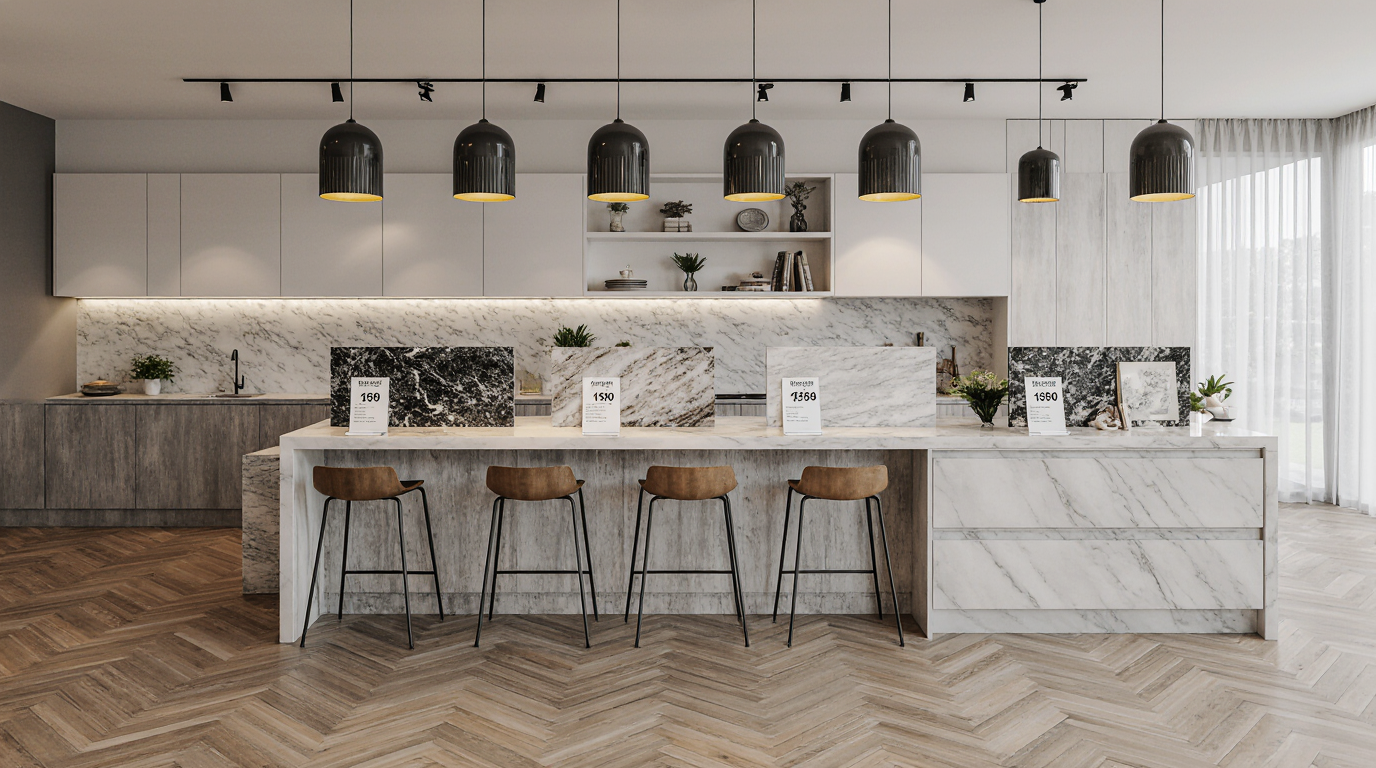
Quartz has become a sought-after material because it merges natural crystals with resin, producing a consistent, high-quality surface that rivals natural stone. Unlike granite, quartz does not require sealing, which makes it an appealing low-maintenance option. Quartz costs vary according to thickness, color, and brand, where renowned manufacturers demand a premium for their reliable quality and design diversity.
Budget-friendly laminate countertops replicate high-end surfaces while maintaining a significantly lower price point. Laminate is made from layered materials over a substrate, providing ease of installation and varied aesthetic options. Though less durable than stone or engineered materials, modern laminates have improved in longevity and appearance, making them suitable for rental properties or secondary spaces. Made from durable acrylic or polyester, solid surface countertops such as Corian deliver seamless aesthetics and simple maintenance. Solid surface countertops provide a harmonious compromise between budget and style. They resist stains, can be refinished, and are hygienic, making them ideal for frequent cooking and family kitchens.
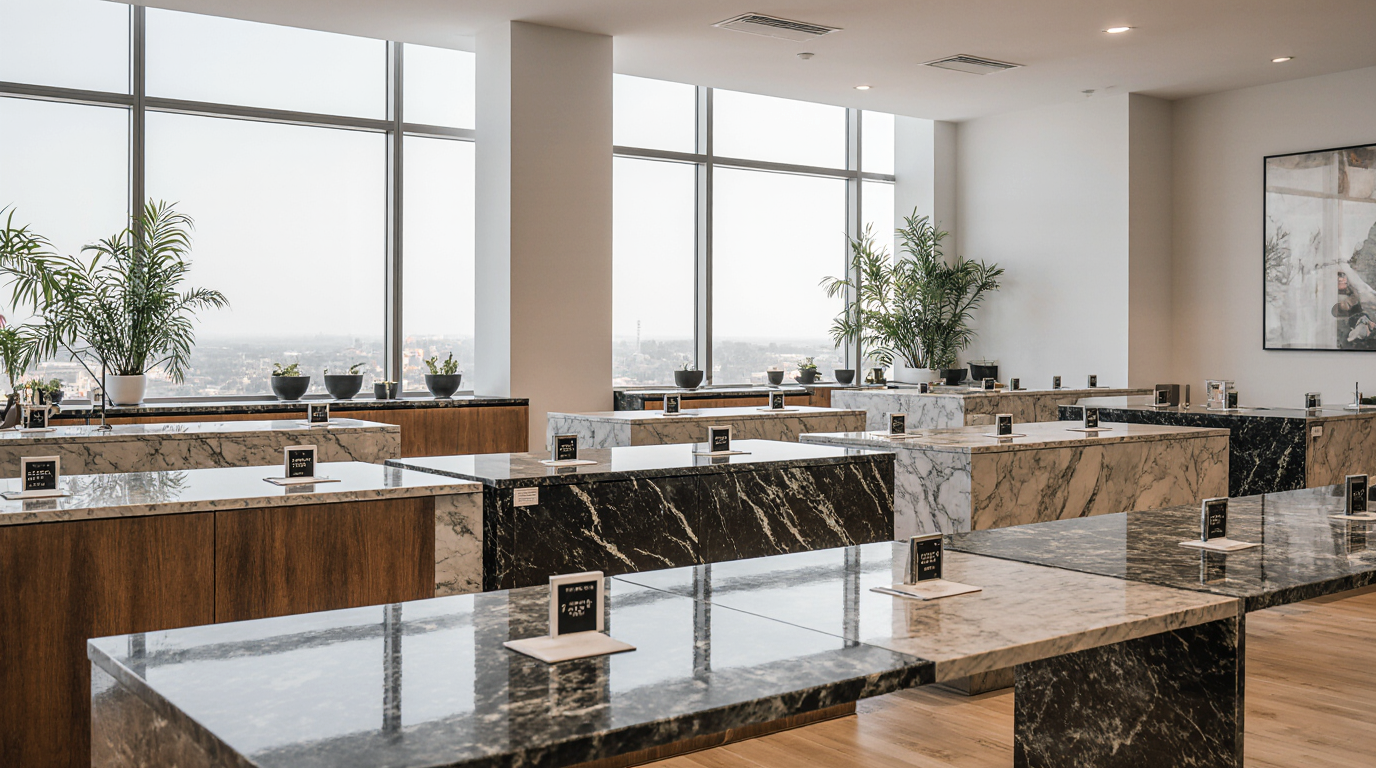
Custom-poured concrete provides versatile and distinctive surfaces, ideal for homeowners seeking industrial or artisanal aesthetics. Concrete pricing reflects the artisanal effort, unique fabrication, and critical sealing required to maintain durability. Maintenance is higher than typical stone, but the striking character and individuality of each piece provide unmatched design impact. Marble remains the benchmark of sophistication, offering unmatched elegance and visual impact. Marble pricing escalates with rarity, color purity, and intricate veining, making certain slabs highly sought after. Marble’s delicate nature requires attentive care to maintain its elegance, adding to the overall cost and effort.
Eco-friendly options such as recycled glass and bamboo countertops are growing in popularity for environmentally conscious homeowners. Cost varies depending on material complexity, availability, and manufacturing methods. Recycled glass offers vibrant, embedded fragments in resin or concrete bases, providing bold designs with environmental benefits. Installation fees vary by complexity and material, but professional service ensures exacting standards and structural support. Installation complexity rises with weight, cutting requirements, and cabinet adjustments, impacting total expenditure. Homeowners may opt for ready-made slabs to reduce costs, accepting fewer options for personalization.
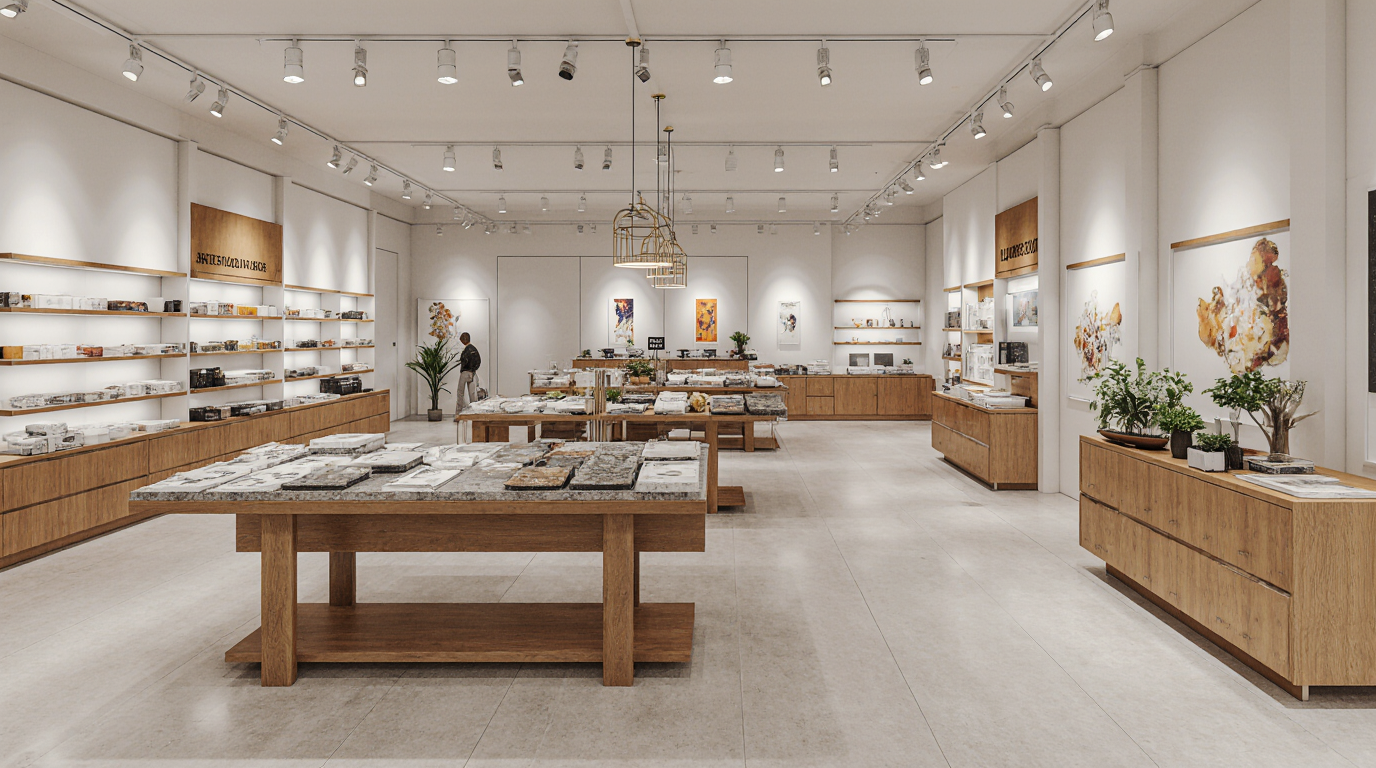
Countertop expenses scale with layout intricacy, material quantity, and the inclusion of design features like rounded edges or islands. Linear foot pricing can rise substantially with beveled, ogee, or specialty surface finishes. Understanding these nuances enables informed decision-making when comparing quotes or planning future upgrades. Regional availability and supplier pricing influence the final countertop cost, with urban centers typically charging more for labor and transportation. Comparing local suppliers and visiting showrooms may reveal discounted slabs or leftover pieces. Homeowners who remain adaptable in material choice often achieve desired aesthetics at a lower cost than initially anticipated.
Long-term value should be weighed alongside upfront costs, as durable countertops like quartz or granite last decades and increase resale value. While cost-effective initially, cheaper materials may necessitate more frequent renovation, affecting total investment. Analyzing durability and expected lifespan clarifies the real value of premium versus budget options. Cost considerations intertwine with homeowner lifestyle, aesthetic preference, and practical requirements. Every material—from warm wood to sleek quartz—communicates a story about how you live and what you value. By exploring all available options, homeowners can confidently select a surface that aligns with both aesthetic vision and financial realities, resulting in enduring, personalized kitchens or bathrooms.